How Has the Renault-Nissan-Mitsubishi Alliance Changed Things? Test Drive the New Renault Captur | Renault
Renault Captur | The Renault Captur
How Has the Renault-Nissan-Mitsubishi Alliance Changed Things? Test Drive the New Renault Captur
The first-generation Captur, launched in 2013, was a huge hit, selling a total of 1.7 million units worldwide by 2019. It continued to be highly popular, ranking as the No. 1 selling SUV model in Europe in 2020. The Captur has now undergone a full model change and went on sale in Japan on February 25th. We test-drove the new model in Yokohama to assess its performance.
Text & Photographs by HARA Akira
The First Result of the Alliance
The new Renault Captur is positioned as one of the core models in the group's strategy to enhance the synergistic effects of the Renault-Nissan-Mitsubishi Alliance.
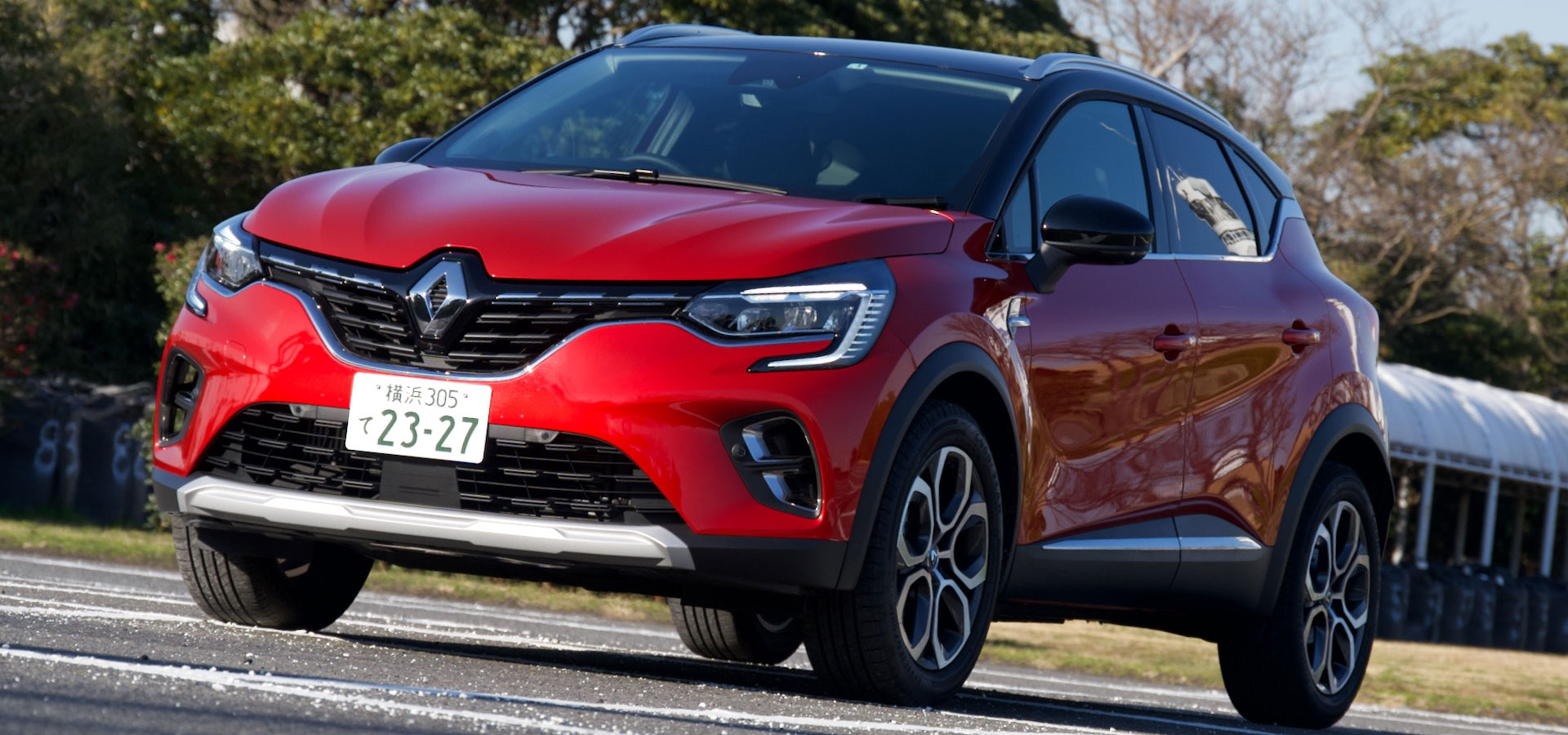
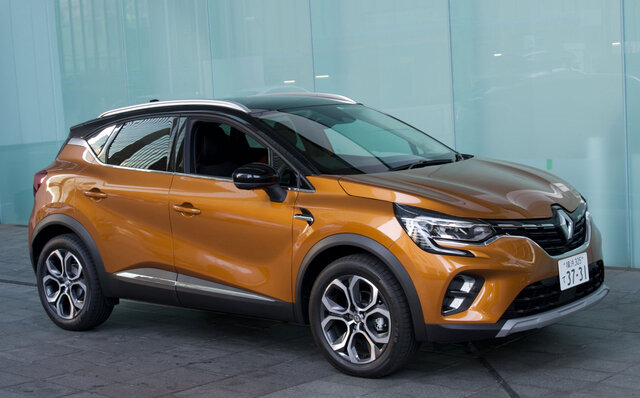
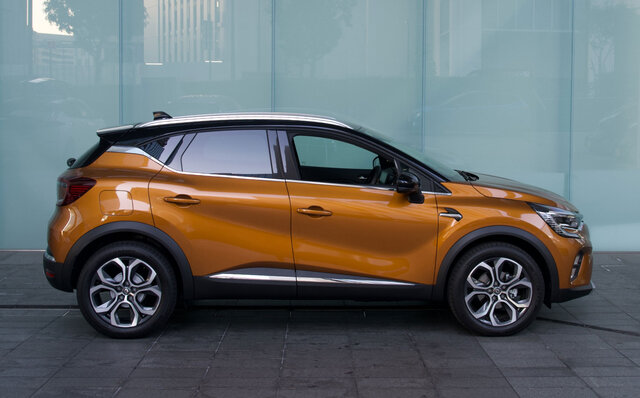
The first tangible result is the adoption of the jointly developed "CMF-B" platform. This platform is lightweight, offers excellent sound insulation, and can incorporate the latest electrical and electronic architecture technologies, resulting in very high rigidity. The body dimensions are 4,230mm in length, 1,795mm in width, and 1,590mm in height. This makes it 95mm longer, 15mm wider, and 5mm taller than its predecessor. The wheelbase has also been extended by 35mm to 2,640mm, all explained as measures to expand the interior space. There are two grades: the Intense Tech Pack (3.19 million yen), which features leather seats and advanced driver-assistance systems, and the Intense (2.99 million yen).
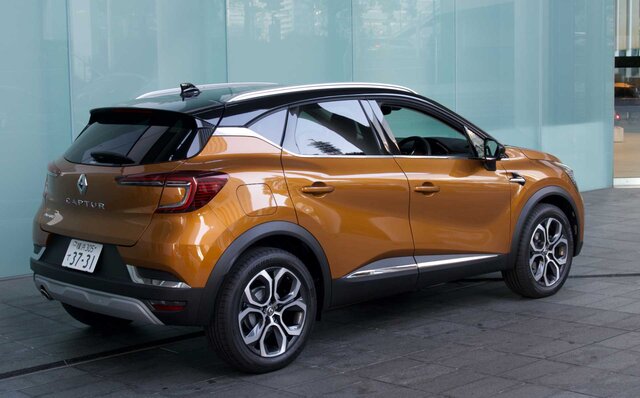
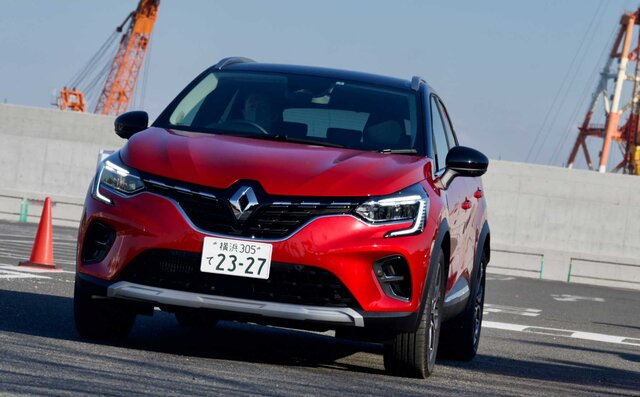
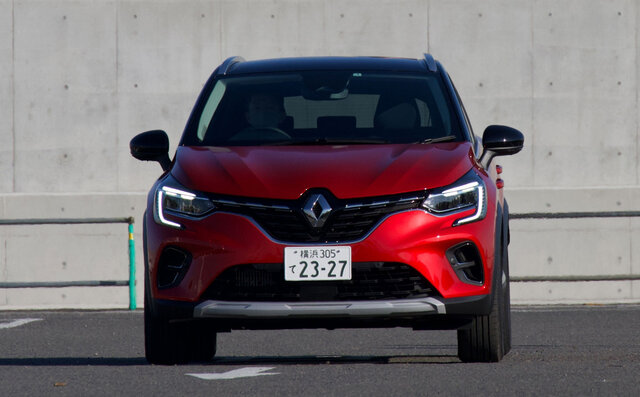
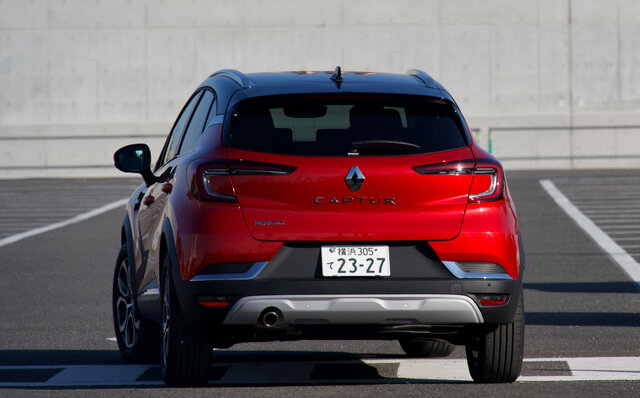
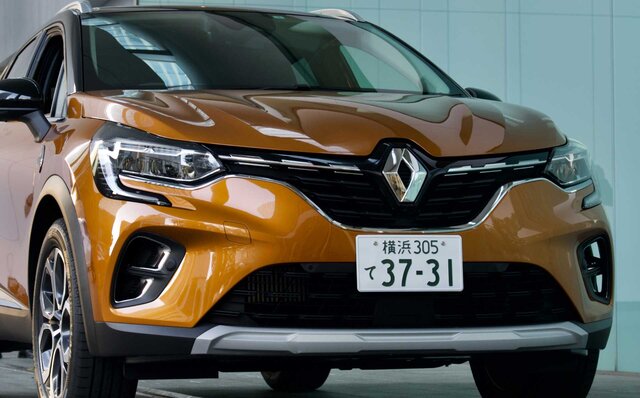
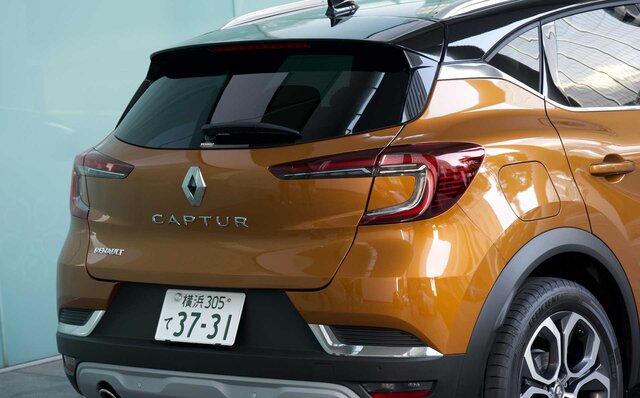
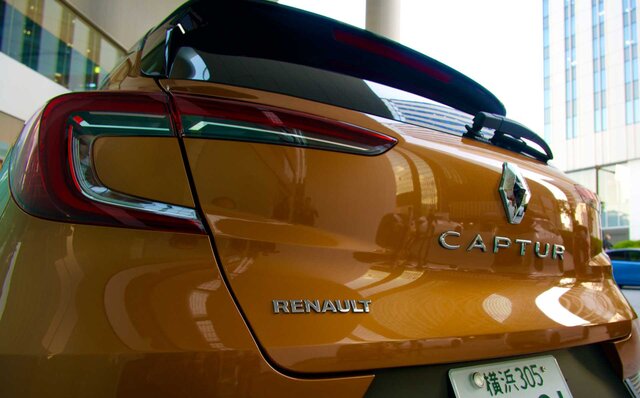
The exterior design, with its C-shaped daytime running lights and rear light signature, is instantly recognizable as a Renault. The sculpted fenders, the tapered body sides, and the floating two-tone roof enhance the SUV-like presence compared to the previous model.
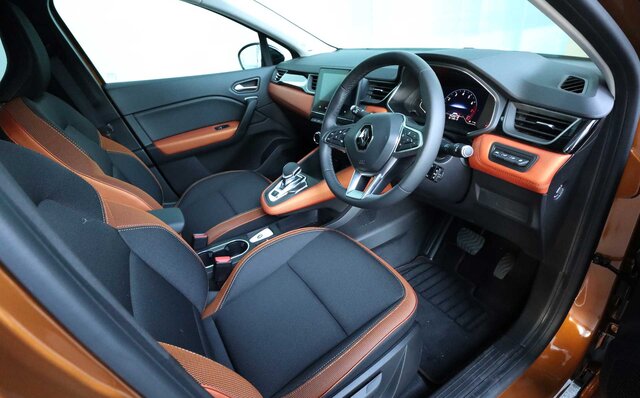
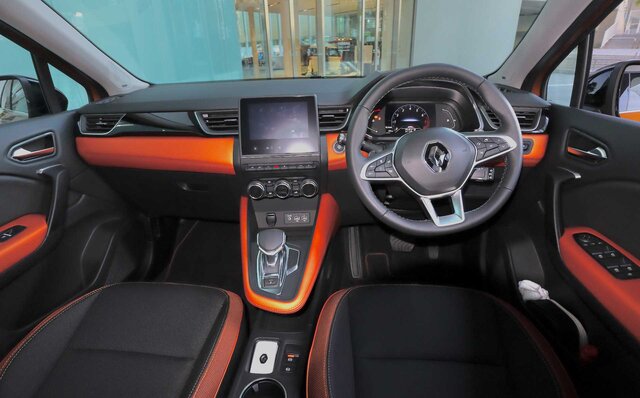
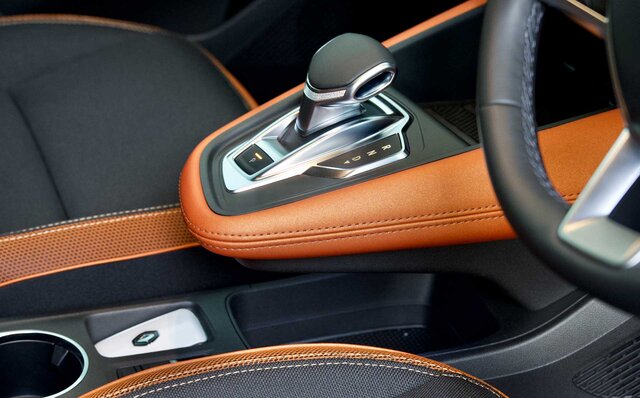
The interior is characterized by what Renault calls the "Smart Cockpit," a driver-centric layout. The "Flying Center Console," which appears to float, is positioned at a height suited to the elevated driver's seat, housing the by-wire "e-shifter" lever. The higher-spec Intense Tech Pack includes a tray with Qi wireless charging functionality beneath it.
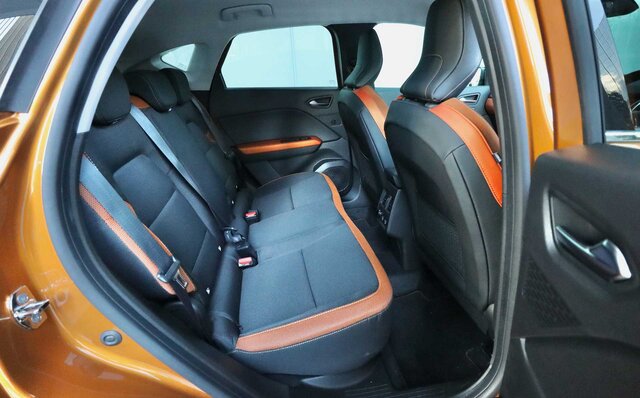
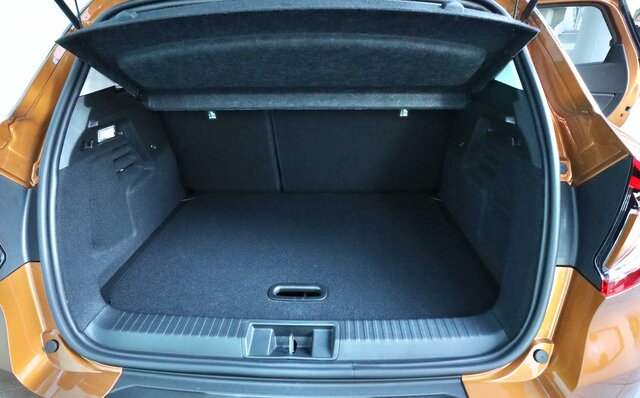
The front seats in the Tech Pack are luxurious electric leather seats, with the seat base extended by 15mm and seat heaters standard on both grades. Rear legroom is a generous 221mm, and the entire rear bench can slide forward and back by 160mm. The luggage capacity is a class-leading 536 liters, surpassing competitors. With the rear seats folded, it expands to 1,235 liters. Uniquely, when the orange Atacama Orange Metallic body color is chosen for the Intense grade, the seat sides and dashboard soft pads feature orange accents.
The Second Result of the Alliance
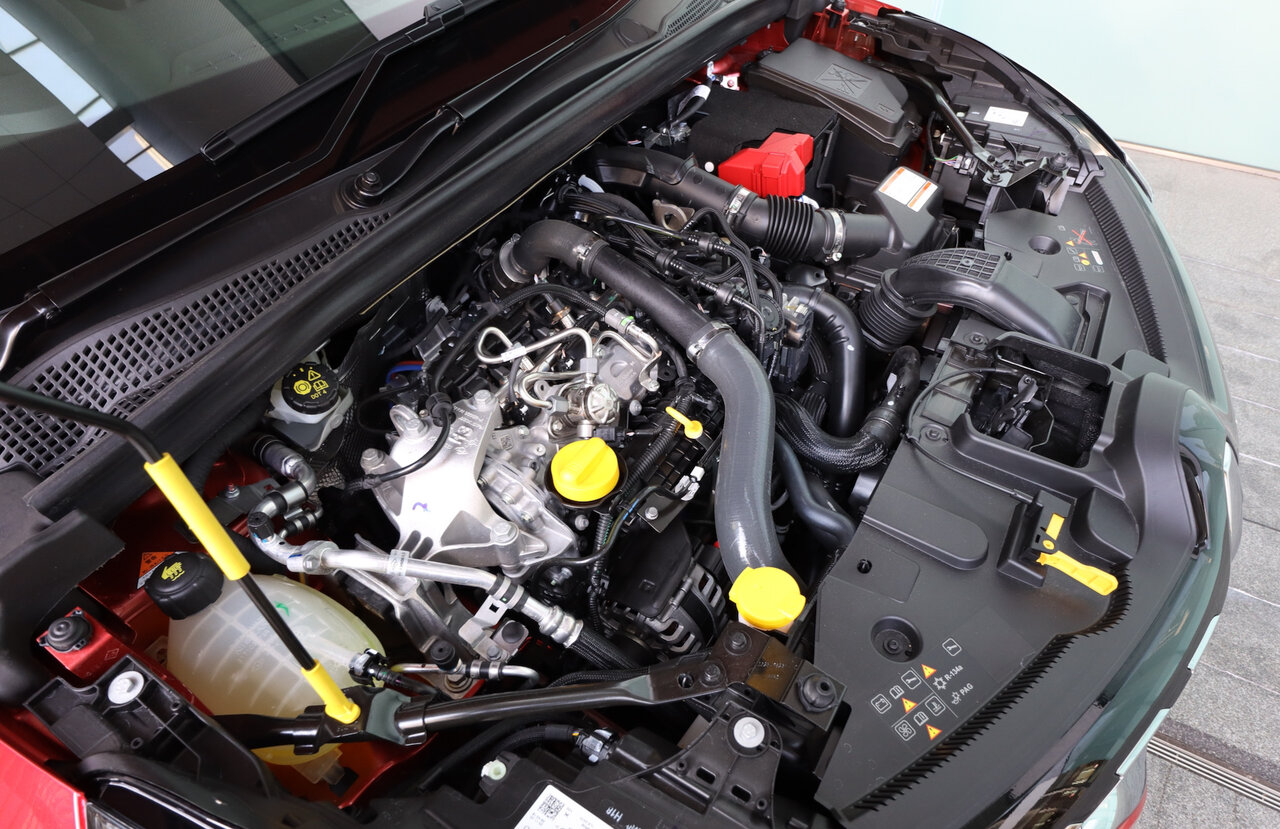
The new Captur's 1,333cc inline 4-cylinder direct-injection turbo engine is also a new development resulting from this alliance. With a maximum output of 154ps (113kW) at 5,500rpm and a maximum torque of 270Nm at 1,800rpm, it boasts more power than rivals in its class. The power-to-weight ratio (vehicle weight divided by torque) for the Captur is 4.9 (kg/Nm). For comparison, the rival 2008 is 5.5 and the T-Cross is 6.4, indicating a significant difference.
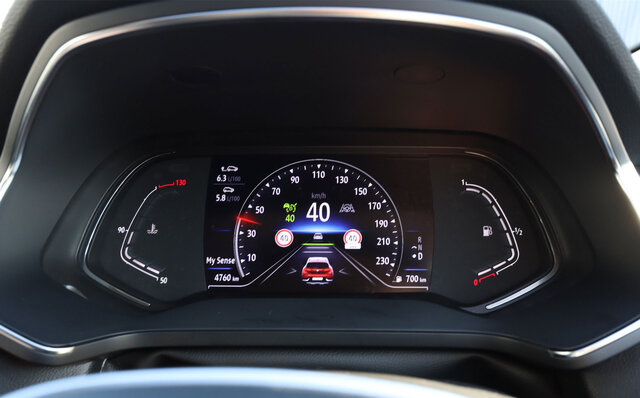
Furthermore, the steering gear ratio has been reduced by 10% compared to the previous model, providing quicker handling. The balance between dampers that suppress body roll without compromising ride comfort is excellent, resulting in a high overall level of dynamic performance. The effortless power delivery on highways is also impressive. The fuel economy during the test drive was 6.3 L/100km (15.9 km/L) according to the meter, which is a very good figure.
On the other hand, a slight concern was the initial delay when starting off, attributed to the twin-clutch transmission. This delay becomes more pronounced when using the auto-hold function. This might be less noticeable in Europe, where frequent stop-and-go traffic is less common than in Japan. The importer indicated that this aspect was not a high priority for improvement.
The Third Result of the Alliance
The driver-assistance systems also appear to be a significant benefit of the alliance with Nissan. The adaptive cruise control operates at all speeds up to 170 km/h and includes a stop-and-go function. The higher-spec Tech Pack grade is equipped with lane centering assist, enabling Level 2 Highway and Traffic Jam Assist, with clear meter displays when active. Furthermore, advanced safety features such as Active Emergency Braking and Blind Spot Assist are included, making it a modern and well-equipped vehicle.
Regarding navigation, it uses a 7-inch touchscreen that supports smartphone navigation apps. During the test drive, possibly due to running both Yahoo! and Google navigation apps simultaneously on my smartphone, there were instances where the car was directed incorrectly. Additionally, a wired connection via USB is required to display navigation, and it's somewhat inconvenient that navigation cannot be shown with only a Qi wireless charging connection.
Driving the Captur, it's easy to understand why it's a bestseller in Europe, given its excellent overall performance, including its dynamic capabilities, effortless highway driving, spacious interior, and ample cargo capacity. The comprehensively evolved new model is likely to be popular in Japan as well.