A Test Drive of the New Honda Fit's e:HEV and Gasoline Models
Honda FIT HOME | Honda FIT Home
Honda FIT e:HEV NESS | Honda FIT e:HEV NESS
A Test Drive of the New Honda Fit's e:HEV and Gasoline Models
The Honda Fit, a compact hatchback, debuted in February 2020. The fourth-generation model was developed with a focus on four key comforts—a pleasant view, comfortable seating, a smooth ride, and ease of use—beyond its conventional performance and features. It offers two powertrain options: a 1.3-liter gasoline engine and Honda's unique two-motor hybrid system, "e:HEV." Additionally, five grades are available—BASIC, HOME, NESS, LUXE, and CROSSTAR—allowing for a wide range of combinations. This test drive covered 150 km in the gasoline "HOME" and the e:HEV "NESS" grades, allowing us to experience these four comforts firsthand.
Text by HARA Akira
The "HOME" Gasoline Model: Designed for Everyday Life
The "HOME" grade, equipped with a 1.3-liter inline four-cylinder gasoline engine, is marketed towards young families, boasting "design and comfort that blend seamlessly into daily life."
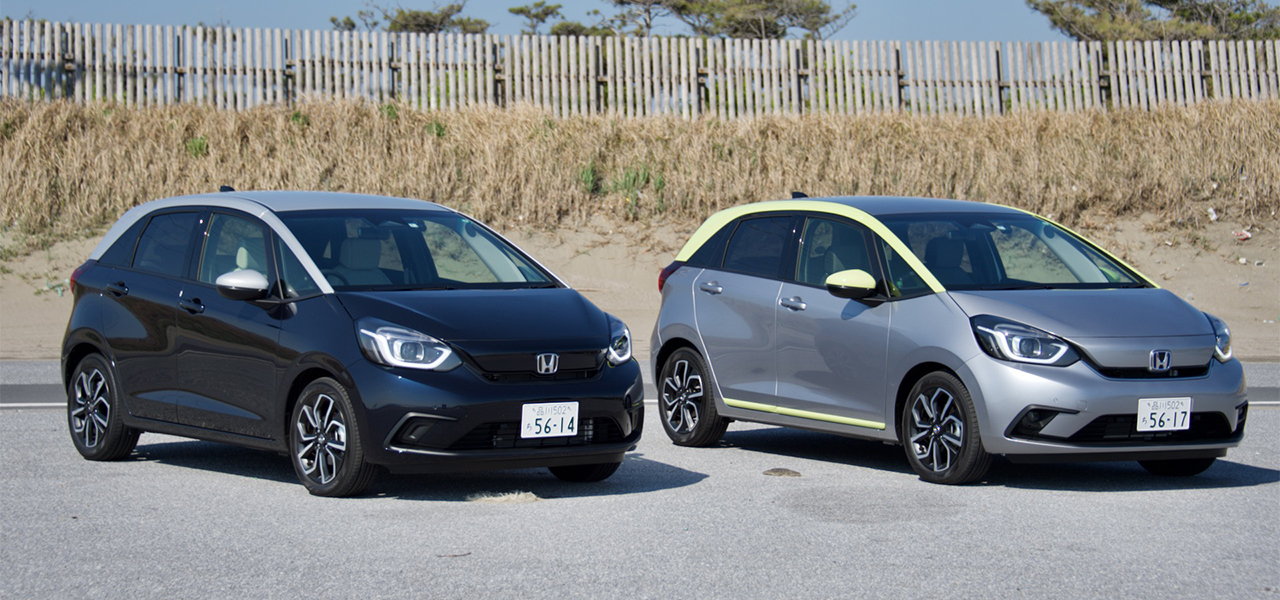
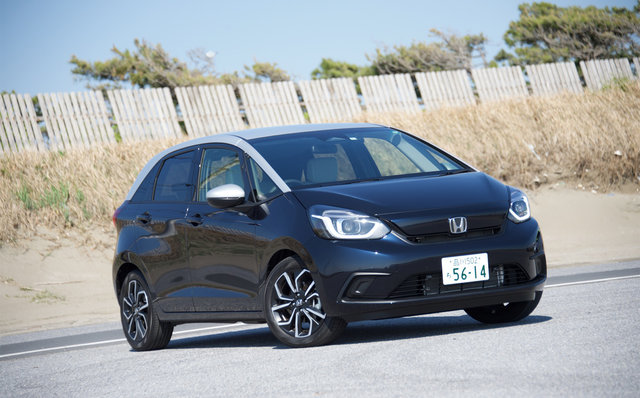
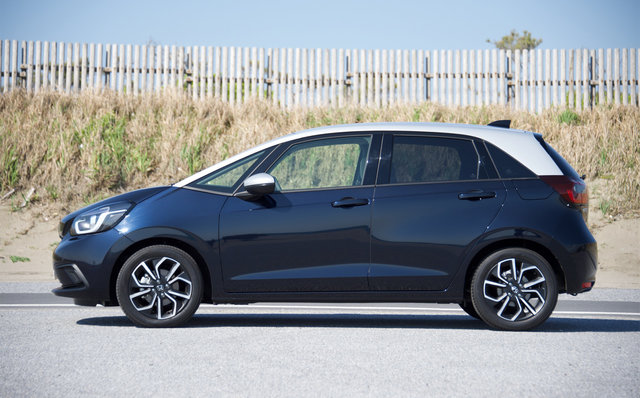
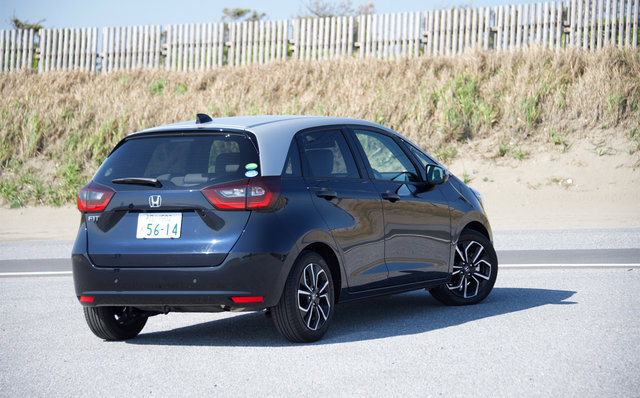
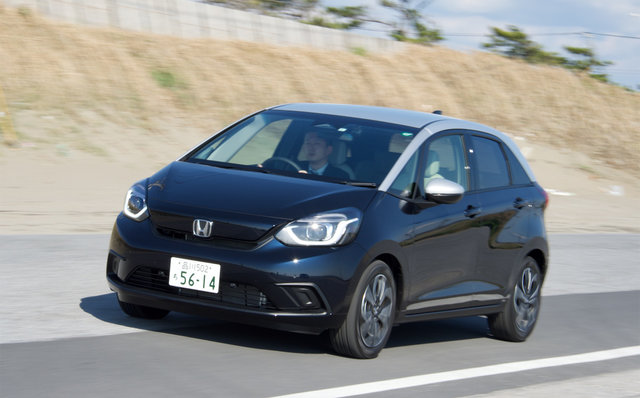
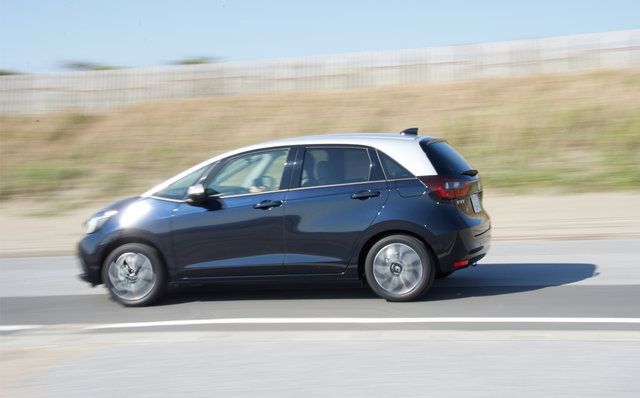
Our test car featured a striking two-tone finish of Midnight Blue Beam Metallic with a silver roof, a novel color combination. The front design, with its distinctive headlight shape reminiscent of a dog's face, marks a departure from the often cluttered lines and stern expressions of previous Honda models, offering a charming and approachable aesthetic.
Honda Fit HOME
Honda Fit HOME
Honda Fit HOME
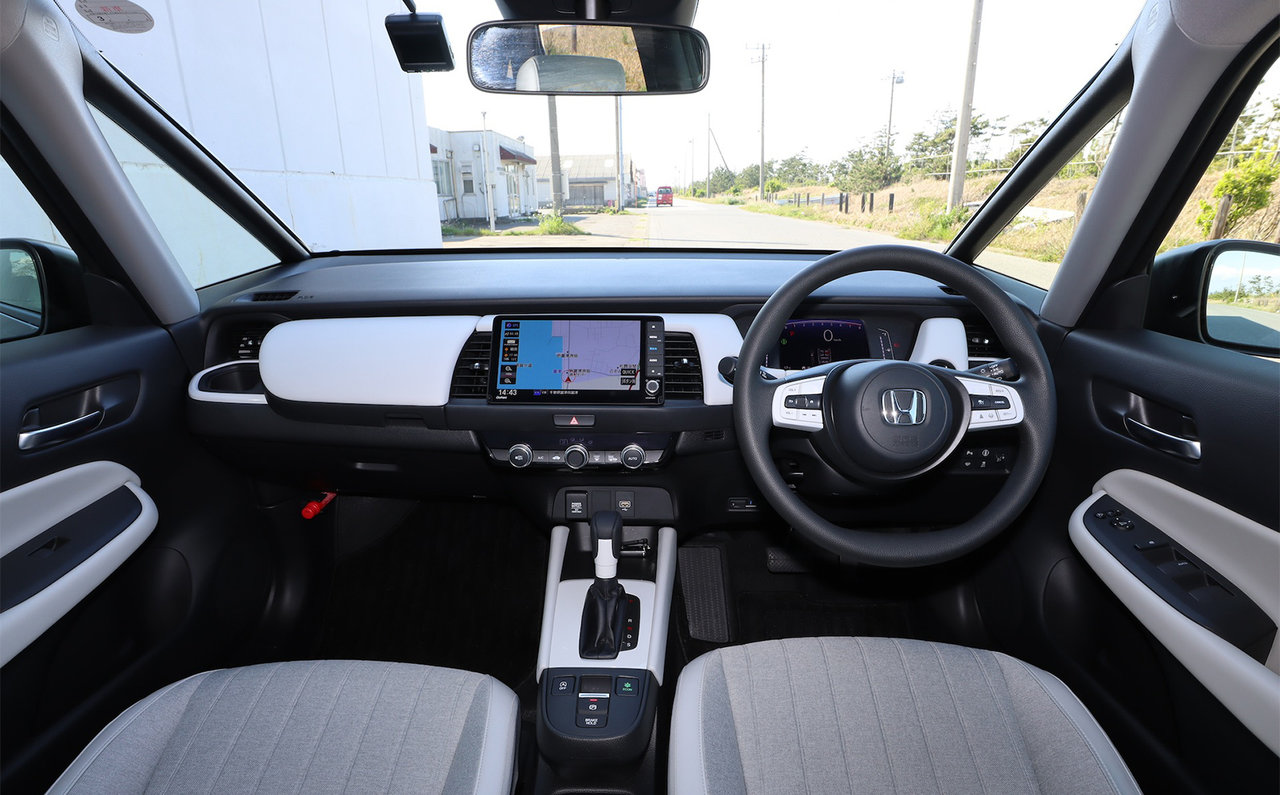
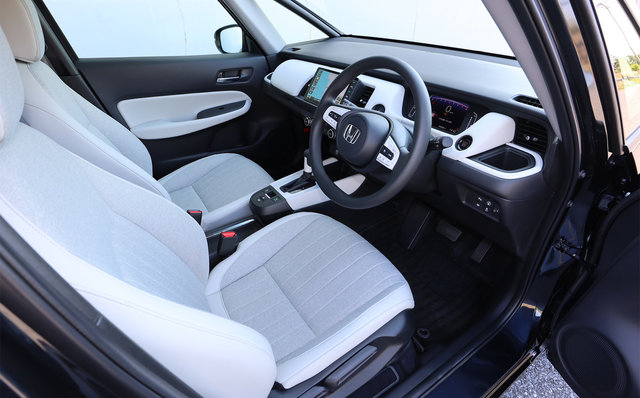
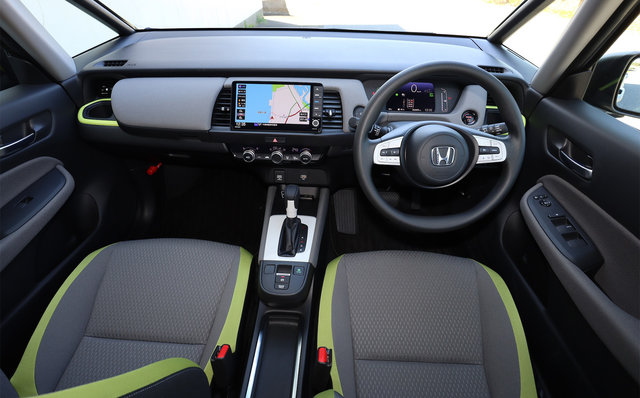
The interior ensures a "pleasant view" through a panoramic windshield framed by slim pillars, a horizontal and linear dashboard reminiscent of the first-generation Civic, a two-spoke steering wheel, and a simple, easily readable trapezoidal meter cluster without a visor.
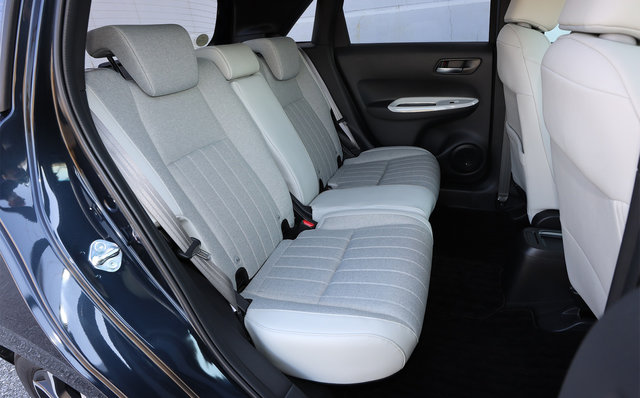
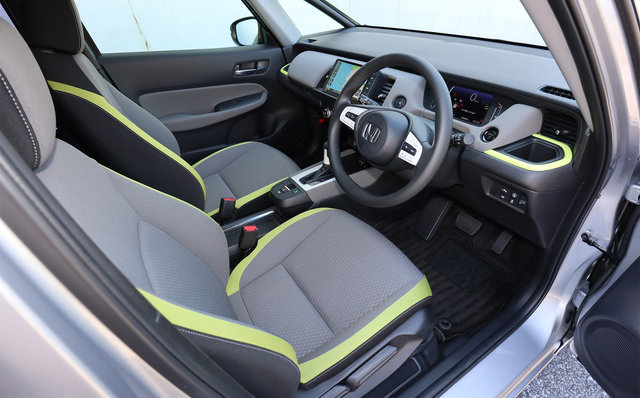
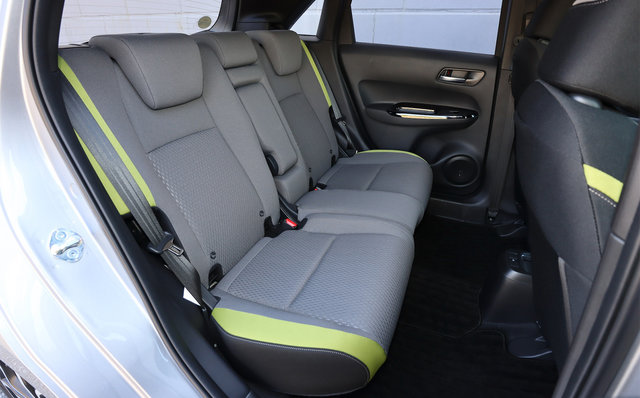
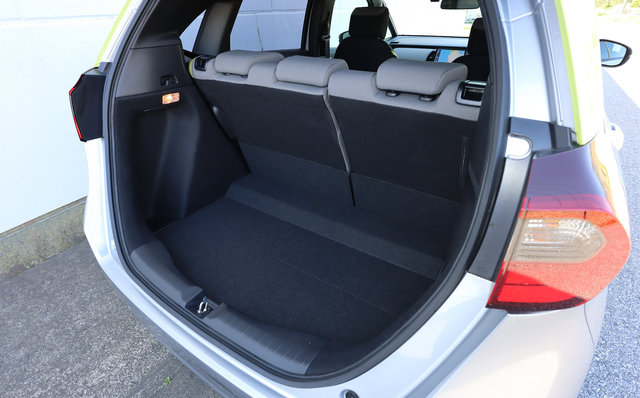
The cabin feels bright and relaxing, thanks to soft gray seats upholstered in pleasant-to-touch Prime Smooth material and soft-touch padding. The front seats, featuring a body-stabilizing design that supports from the pelvis to the lower back with resin mats, combined with the spacious and softly padded rear seats, offer exceptional "seat comfort."
Furthermore, the "ease of use" is enhanced by thoughtfully placed features such as a table console between the front seats for conveniently placing bags, and cupholders positioned to avoid obstructing the driver's view. The seamless surfaces of these components minimize glare and shadows, indicating a design meticulously crafted to reduce eye strain even during the day.
The 1.3-liter naturally aspirated inline four-cylinder engine, producing a maximum output of 72kW (98ps) at 6,000rpm and 118Nm of torque at 5,000rpm, paired with a CVT, offers a driving experience that is largely satisfactory under normal conditions. Its straightforward powertrain means drivers don't need to constantly manage complex hybrid systems, which is a distinct advantage. Accelerating from a standstill at an ETC gate reveals the characteristic sound of a Honda four-cylinder engine, adding an enjoyable auditory element.
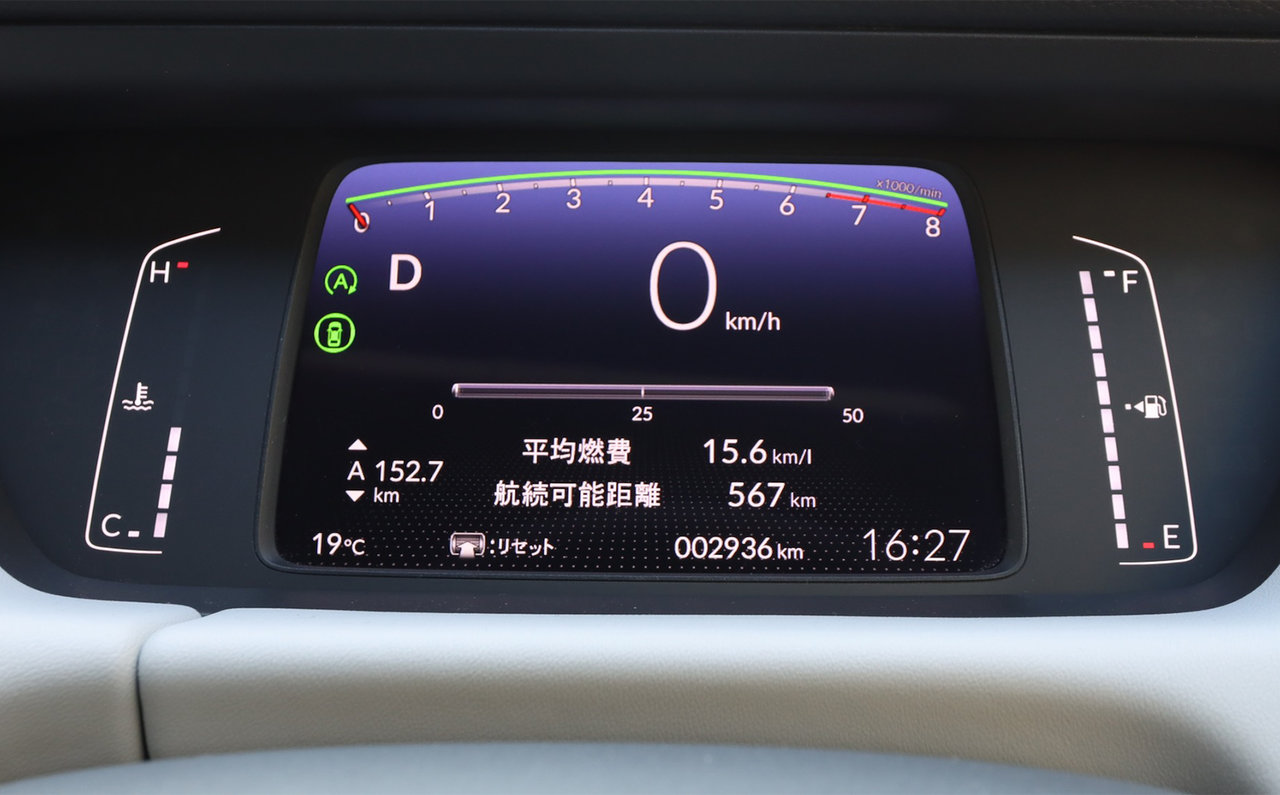
The average fuel economy of 15.6 km/L on this day was about 80% of the WLTP rating (19.6 km/L). However, considering the heavy traffic encountered during the test drive, this performance might be considered adequate. The gasoline model is priced nearly ¥350,000 lower than the hybrid version, making it an attractive option for those seeking a more budget-friendly choice.
The Quiet and Powerful Hybrid Model
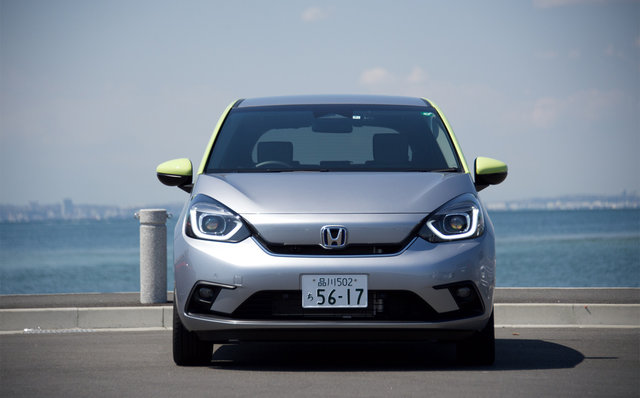
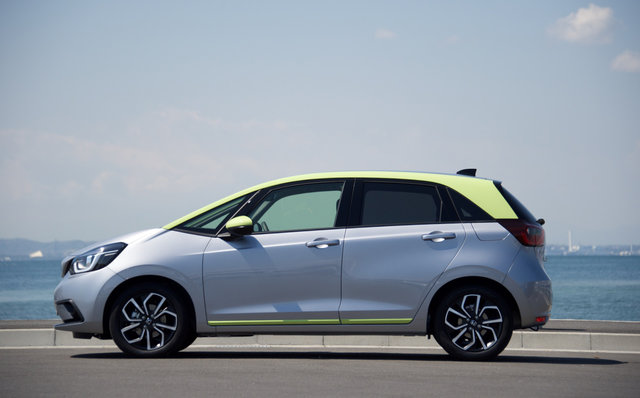
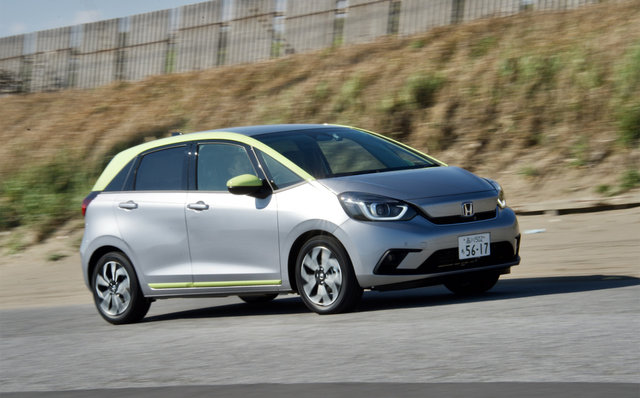
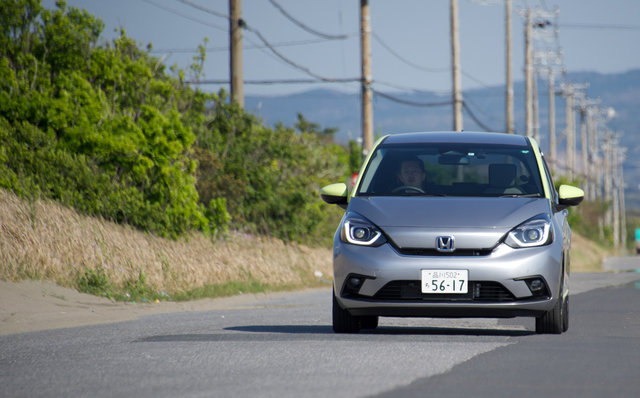
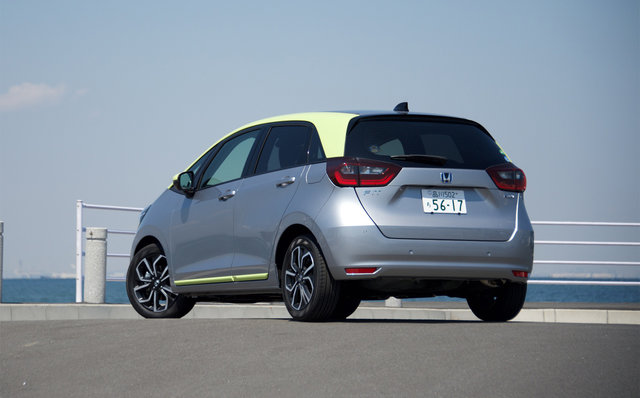
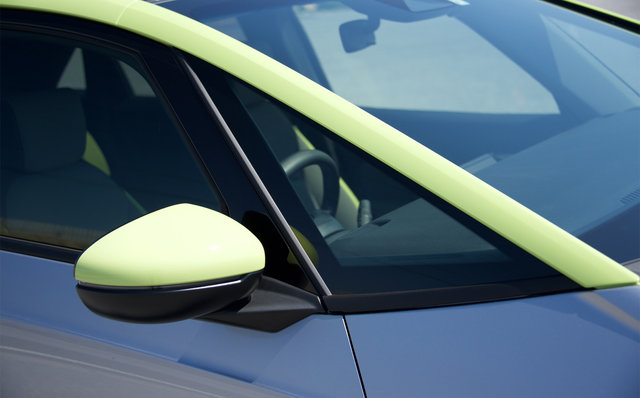
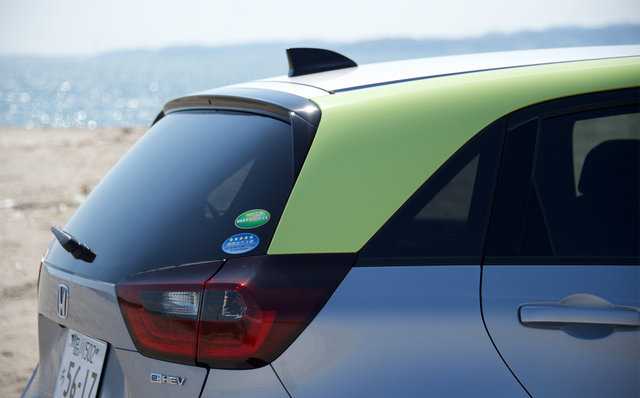
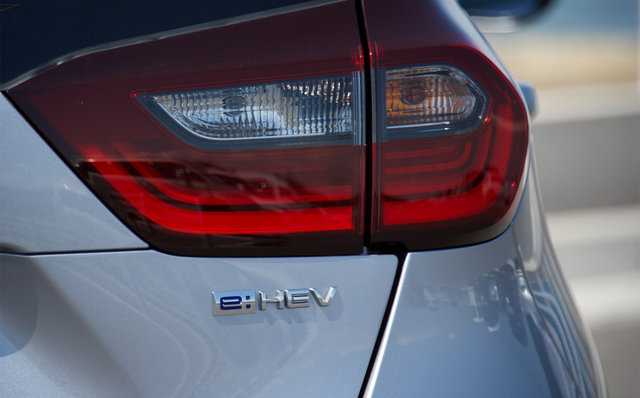
Next, we tested the "NESS" grade, equipped with the two-motor hybrid system, formerly known as "i-MMD" and now branded "e:HEV." As its name, inspired by "FITNESS," suggests, the one-motion style exterior features a NESS-exclusive color scheme of Lunar Silver Metallic with lime green accents, perfectly embodying the image of a car for those who "want to live an active life every day."
Honda FIT e:HEV NESS
Honda FIT e:HEV NESS
The interior mirrors the exterior color scheme, creating a cohesive look. The pleasant view, seat comfort, and ease of use are consistent with the HOME grade. The NESS features exclusive water-repellent seats and soft pads on the dashboard, making it suitable for outdoor use without worry. Additionally, like other hybrid models, it includes two USB charging ports for rear passengers.
The driving performance of the e:HEV system was more than satisfactory. Primarily, the front wheels are driven by a 80kW (109ps) at 3,500–8,000rpm, 253Nm at 0–3,000rpm drive motor, while the 1.5-liter four-cylinder gasoline engine is used solely for charging the generator motor. The ample torque from low speeds provides powerful and quiet city driving. Although the lithium-ion battery has a modest capacity, the engine frequently starts to recharge it during driving, but it does so unobtrusively.
On highways, the engine, with a maximum output of 72kW (98ps) at 5,600–6,400rpm and 127Nm of torque at 4,500–5,000rpm, drives the wheels via a clutch, with the motor providing support. This configuration is more efficient for highway driving than charging the motor. The power flow can be monitored on the display.
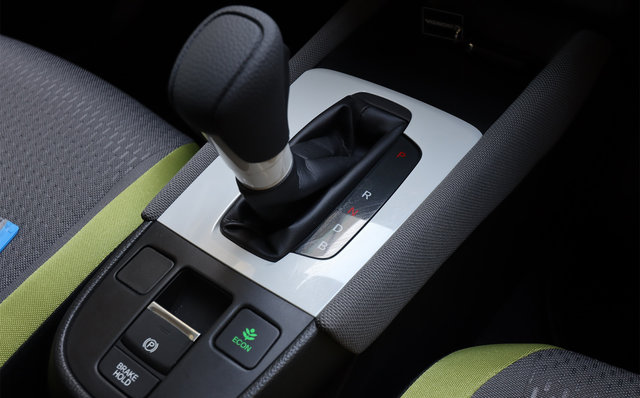
Engaging the B mode, which enhances regenerative braking, allows for near one-pedal driving control using only the accelerator, adding an element of fun. The vehicle weighs 1,200kg, 110kg more than the gasoline version. Despite the added weight, the powerful motor-driven acceleration maintains a sense of agility, and the composed suspension provides a comfortable "ride quality."
The average fuel economy of 23.9 km/L recorded on the day was lower than the official WLTP figure of 27.4 km/L. However, the displayed driving range consistently exceeded 700 km, suggesting strong performance for long-distance travel.
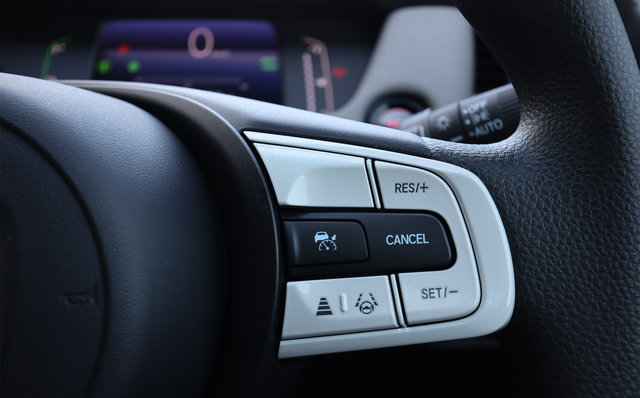
The standard "Honda SENSING" safety support system's Adaptive Cruise Control can be set using two buttons on the right of the steering column. At 80 km/h on the highway, the LKAS (Lane Keeping Assist System) reliably keeps the car centered in the lane. Furthermore, the full-speed range Adaptive Cruise Control function allows for continuous following even in the extremely slow, stop-and-go traffic experienced on the Tokyo Bay Aqua-Line during the test drive, confirming its practical utility.
The price for the gasoline "HOME" grade is ¥1,718,000, and for the e:HEV "NESS" grade, it is ¥2,227,500. These prices are, on average, lower than those of the Toyota Yaris, which debuted around the same time. Beyond the four comforts, this competitive pricing may also be a significant strength of the Fit.