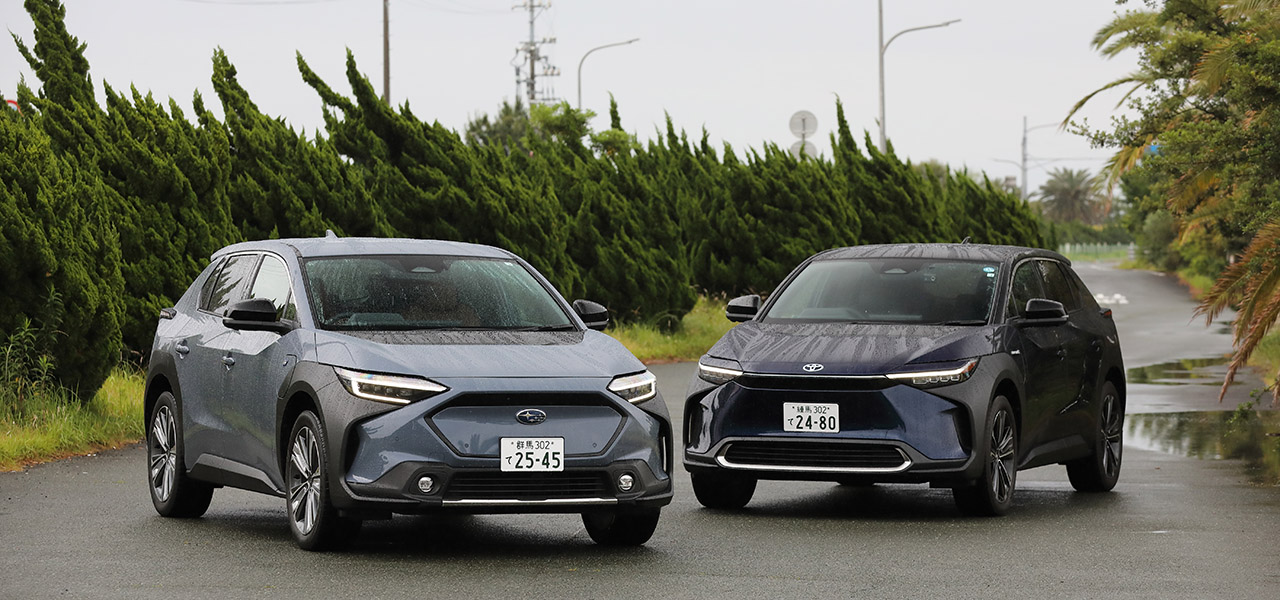
Test drive of the bZ4X and Solterra, the SUV-type BEVs jointly developed by Toyota and Subaru. What are the differences in their ride quality? | TOYOTA SUBARU
bZ4X for Comfort, Solterra for Sporty Driving
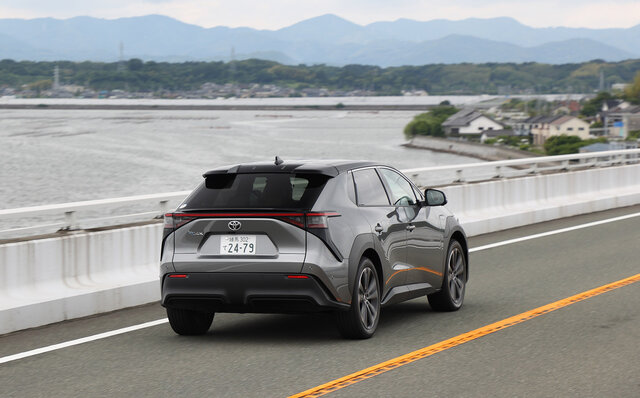
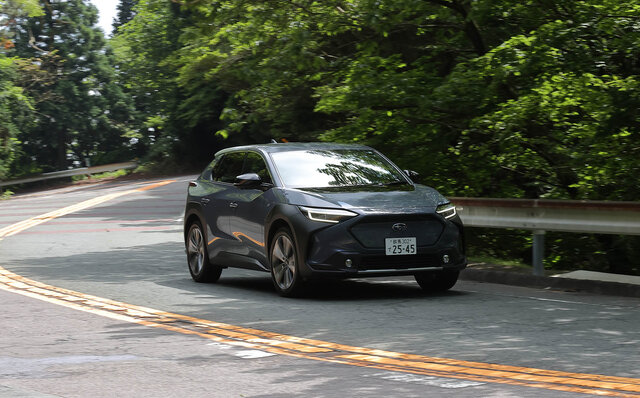
To put it simply from a user's perspective: those who prioritize comfort might prefer the Toyota, while those who enjoy sporty driving would likely lean towards the Subaru. Indeed, the Solterra's suspension feels slightly firmer, and the steering effort is heavier.
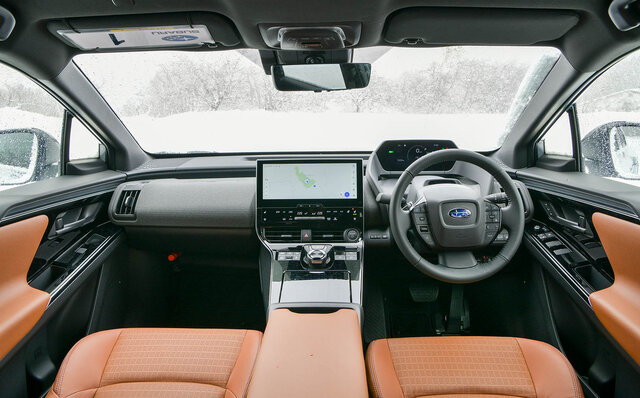
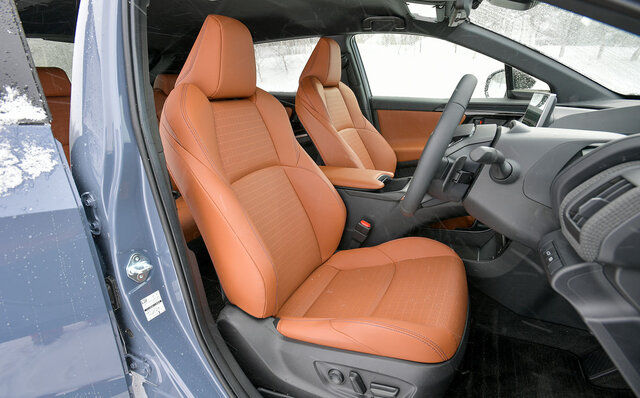
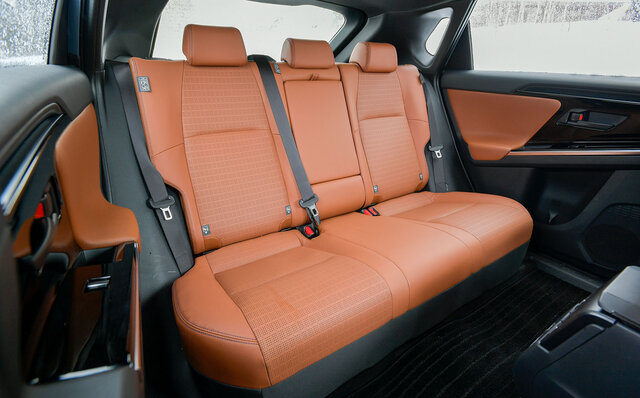
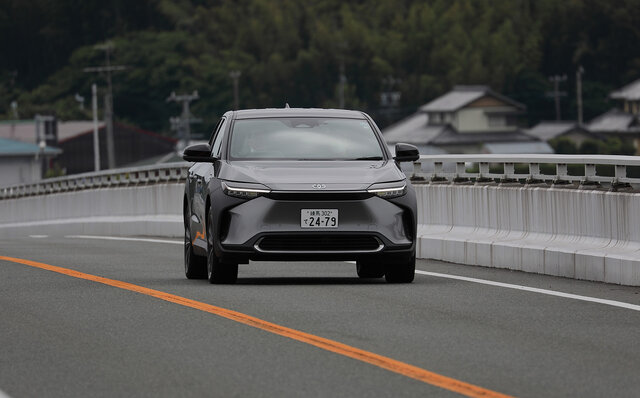
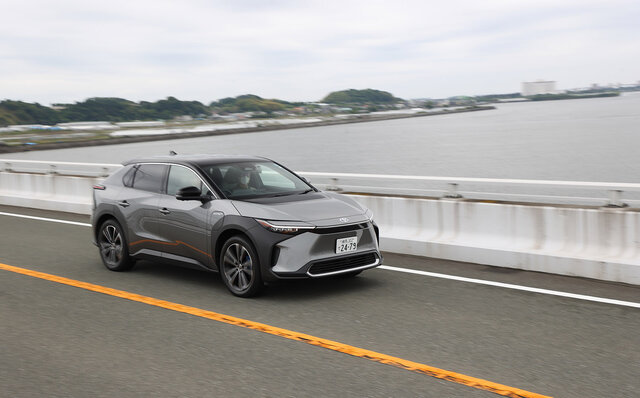
On highways, the bZ4X offers a comfortable ride. Its seats are well-designed, and the high level of quietness means less fatigue even on long journeys. When using the adaptive cruise control and lane-keeping system, the electric motor's smooth torque delivery allows for seamless acceleration when the vehicle ahead moves away.
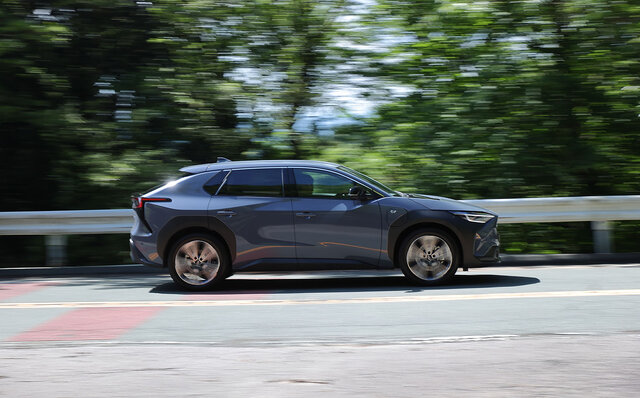
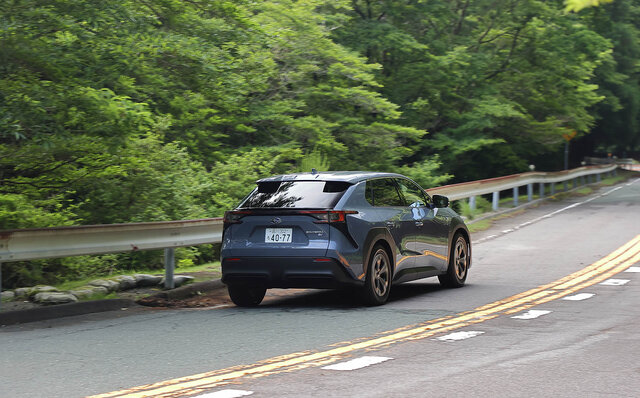
I was able to drive the Solterra on a winding mountain road with a combination of low and medium-speed curves. At that moment, I truly understood Mr. Ono's earlier statement. The brakes are effective, the low center of gravity contributes to excellent cornering ability, and the acceleration out of corners is exhilarating.
Although I was initially a bit taken aback by the heavier steering, I quickly got used to it. Toyota, it seems, wanted to avoid this heaviness. Conversely, Subaru engineers felt that overly light steering wouldn't feel like a Subaru. Even in these jointly developed pure EVs, distinct steering characteristics emerge.
"Please consider this something that only experienced automotive manufacturers could achieve," Mr. Ono remarked. Indeed, that must be the case. I recalled the words of a development engineer from another brand who said that steering feel is key to building cars in the EV era.
The driving range is 559 km for the bZ4X front-wheel-drive and 540 km for the 4WD. For the Solterra, it's 567 km and 542 km, respectively. The manufacturers attribute this difference to vehicle weight, with the Toyota being over 200 kg heavier.
Pricing for the bZ4X starts at 6 million yen for the front-wheel-drive model and 6.5 million yen for the 4WD. The Solterra is priced from 5.94 million yen for the front-wheel-drive and 6.38 million yen for the all-wheel-drive. The Solterra also offers models with more extensive equipment.
Incidentally, there's another significant difference between the two cars. Toyota is selling exclusively through its subscription service, "KINTO," reportedly to carefully manage battery adoption by users. Subaru, on the other hand, offers traditional sales. It's interesting how many differences exist.