Aston Martin at a Crossroads: The Future of the Marque
Aston Martin
An Interview with Marek Reichman, Aston Martin's Design Director
Aston Martin at a Crossroads
Aston Martin, a brand that continues to exude a unique charm of British cars. The company is at a major crossroads, with a partnership with Mercedes and the departure of the executive who worked to revive the brand. Where is Aston Martin headed from here? Fumio Ogawa interviewed Marek Reichman, the design director.
Text by OGAWA Fumio
What is Aston Martin, Again?
Aston Martin announced that it wouldpurchase V8 engines and electronic circuits from AMGin 2013. At the end of that year, Dr. Ulrich Bez, the driving force behind Aston Martin's current reputation, retired as CEO. The new CEO had not yet been announced at the time of this writing. What is the relationship between Aston Martin and Mercedes? Is Aston Martin giving up on building cars themselves? I had the opportunity to ask Marek Reichman, who leads the company in the field of design, about various questions.
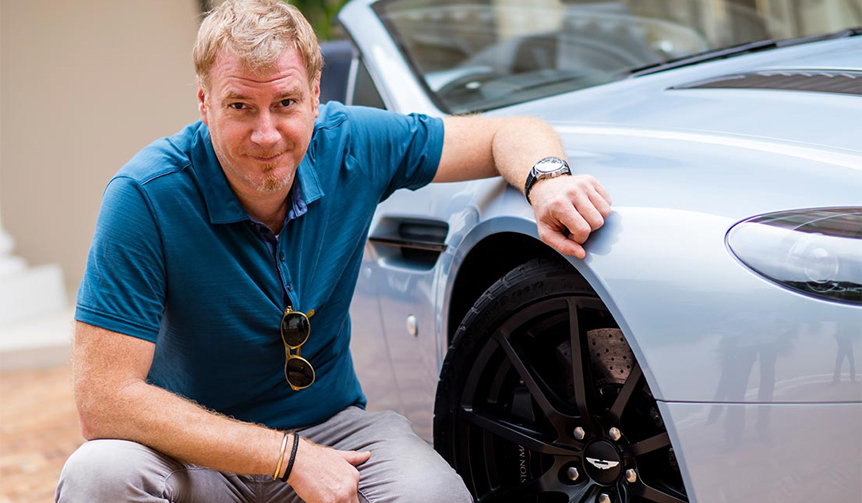
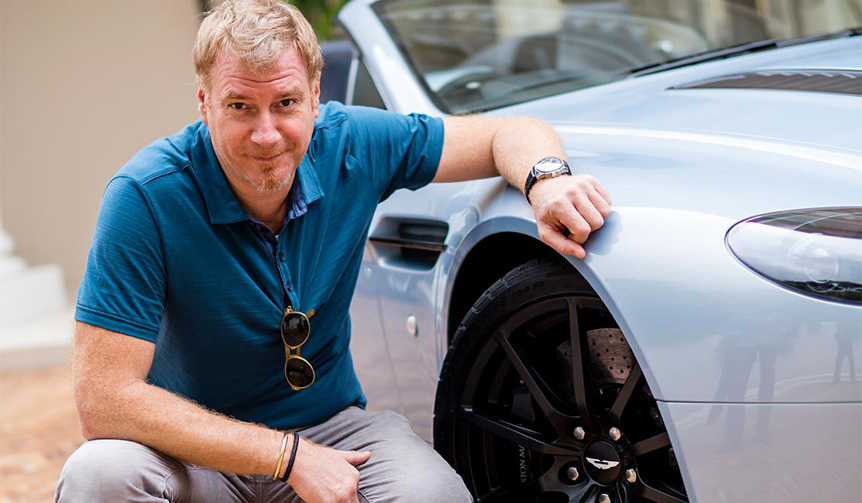
Marek Reichman, the design director, who agreed to the interview.
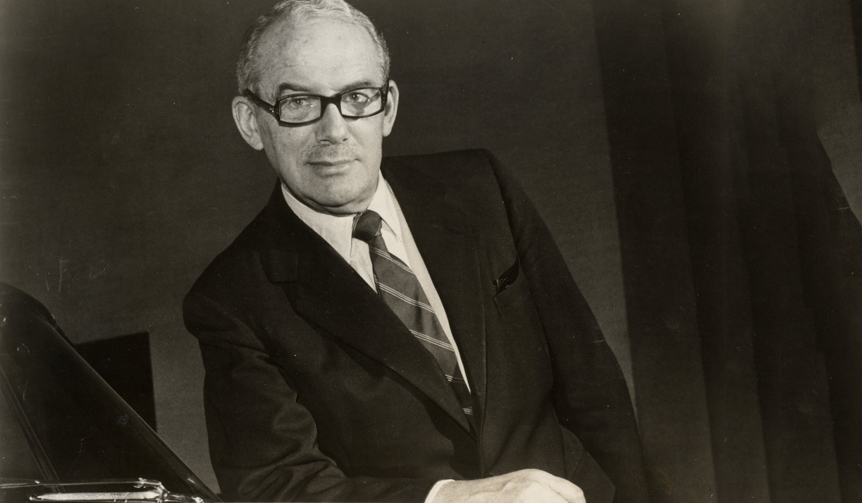
David Brown. The former owner's name lives on in the DB model designation.
—Some might jokingly say that the "DB" traditionally used in car names no longer stands for "David Brown" but for "Daimler-Benz." Could you please confirm the current relationship with AMG?
Marek Reichman (hereinafter MR): It is as announced. We are purchasing their V8 engines and the highly expensive electronic circuits from AMG. But that's all. How we utilize them is a crucial task for Aston Martin. AMG's parts help us achieve market competitiveness, but that doesn't mean Aston Martin will become AMG.
—Could you redefine what Aston Martin is?
MR: We constantly confirm within the company that the important thing is the pure feeling. The smooth torque delivery of a naturally aspirated engine is important, and the sound, like music, should be protected as uniquely Aston Martin. Although we are purchasing turbocharged engines from AMG, we will likely tune them to maintain the Aston Martin character.
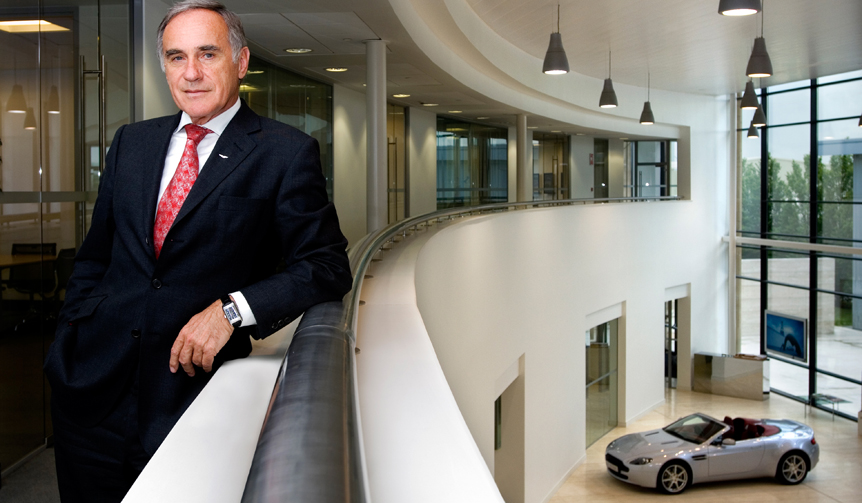
Dr. Ulrich Bez, who worked to revive the company.
—Dr. Bez, who served as CEO of Aston Martin Lagonda (the official company name) for approximately 13 years, has left a significant legacy. He was not only an excellent engineer but also a man of many talents, attracting investment from various countries, establishing dealer networks in emerging markets, linking art with the brand, and unifying the corporate identity.
The delay in announcing his successor makes me wonder if they are struggling to find someone with similar capabilities. Or is there another reason?
MR: Although the announcement is delayed, I want you to understand that we are not in a bad situation at all. We recently succeeded in raising funds, including for future model development, and alongside the news of purchasing V8 engines from AMG, we are developing our own engines. We maintain good relationships with investors and shareholders, and we have a clear vision of what needs to be done now.
—Could you tell us more about that specifically?
MR: We are currently upgrading our factory facilities. Furthermore, we are expanding employment in each department, including engineering, marketing, sales, and design. We are also expanding our dealerships. Of course, when I meet them, I can see that they have full confidence in Aston Martin's future.
—Does this mean Aston Martin will forge its own future?
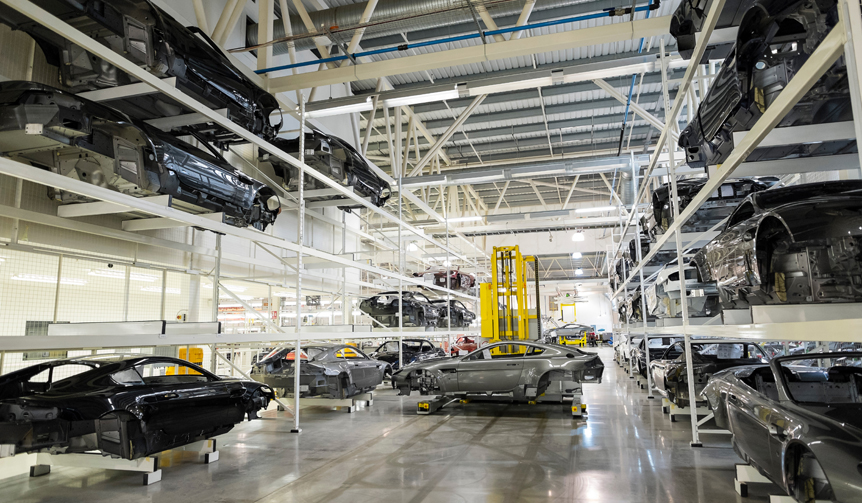
Inside the Aston Martin factory.
MR: Even if new partners emerge, we will protect the Aston Martin identity. We define ourselves as a manufacturer of exclusive sports cars, valuing a production volume of around 7,000 units per year.
Aston Martin
An Interview with Marek Reichman, Aston Martin's Design Director
Aston Martin at a Crossroads (Part 2)
Towards the Next 100 Years
—Do you think there is anything currently lacking at Aston Martin?
MR: No, and I may be repeating myself, but we are not in a bad situation at all. We have both V8 and V12 engines, an elegant four-door model, and the ultimate GT, so our model mix is perfect.
—From a critical perspective, relying solely on large-displacement engines, how do you address concerns about carbon dioxide taxes?
MR: To address this, we improved the V12 engine in the summer of 2014 to enhance fuel efficiency. We installed these in the Vanquish and Rapide S. At the same time, we switched to an 8-speed gearbox to improve fuel consumption. By continuously making such improvements to our current models, we are striving to show investors that Aston Martin will continue to be profitable.
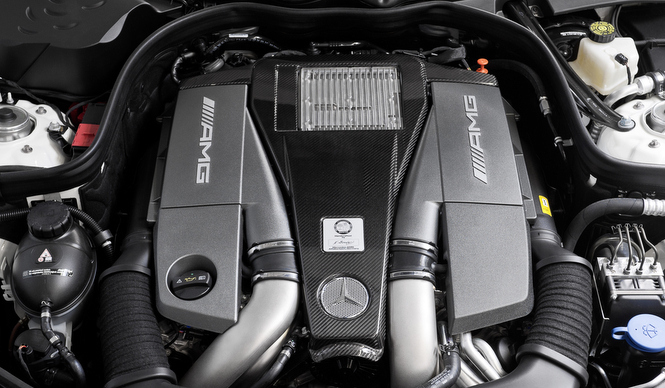
Mercedes-AMG engines supplied to Aston Martin.
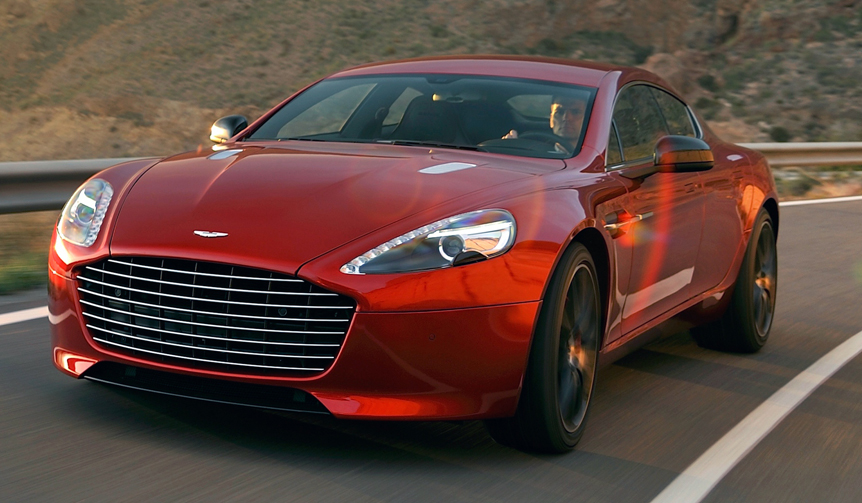
Aston Martin Rapide S
—As a luxury brand that does not have, or has not announced plans for, an SUV, Aston Martin has become a rare entity. Are there any plans?
MR: Indeed, even Lamborghini and Maserati have announced SUV projects. To survive in the market, such models may be necessary. Including our rivals, it feels like only Ferrari and Aston Martin remain without SUVs. I can say that we are currently considering platforms for an SUV.
—If the partnership with Mercedes-Benz continues, they have many SUVs, don't they?
MR: Our relationship with Mercedes is purely a technical one, so we have not progressed to discussions about joint SUV development. However, for profitability,the bespoke service called "Q"we have launched, andthe four-door sedan that revived the Lagonda namewe will be releasing it for the limited market of the Middle East.
—Fans with anxieties worry that the Aston Martin name might disappear.
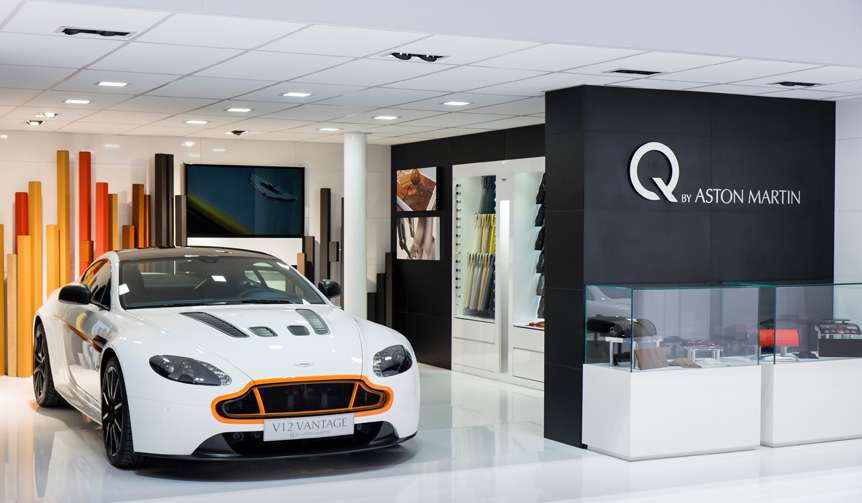
Bespoke service Q by Aston Martin.
MR: We are currently developing various plans for the next 100 years. We hope you will look forward to what's to come.