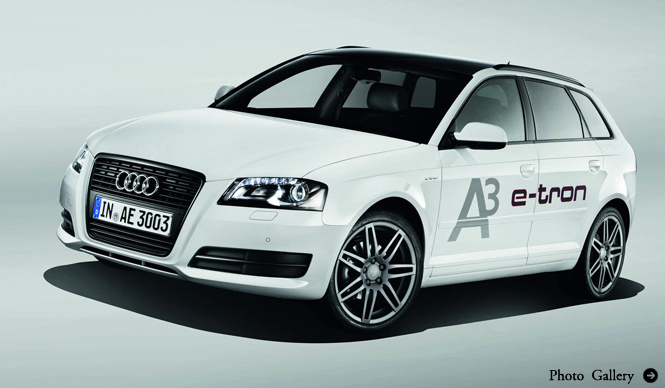
Audi e-tron A3 | The Birth of the Audi e-tron A3 A3 EV!
Audi e-tron A3 | The Arrival of the A3 EV
A3 Added to the e-tron Lineup
AudiThe A3 has been newly added to "e-tron," the electric vehicle series being developed by Audi.
By Shinichi Takahashi
An EV Combining Lightness and Power
The design of the front face is almost identical to the standard A3 model, but special touches are evident throughout, such as the functional improvements made for the e-tron specification and the adoption of Alcantara-covered seats. Furthermore, a heated windshield and an optimized air conditioning system are said to create a comfortable interior environment.
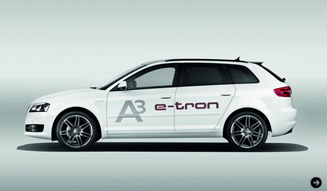
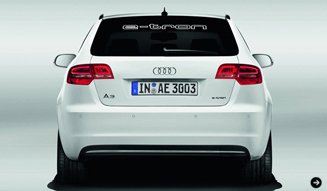
The motor, which serves as the powertrain, produces a maximum output of 100 kW (136 hp) and a maximum torque of 270 Nm. The battery is a 26.5 kWh lithium-ion unit. It accelerates from 0 to 100 km/h in 11.2 seconds and reaches a top speed of 145 km/h, results that can be considered sufficient for its purpose.
With a single charge, it can travel approximately 140 km (87 miles). Charging takes 9 hours using a 230V household outlet, or 4 hours with a 400V fast charger.
Looking solely at the numbers, it might seem slightly disadvantaged compared to other electric vehicles in terms of charging time and range. We look forward to future development progress.
BRAND HISTORY
Audi's emblem is the "Four Rings." As you may know, each ring represents one of the automotive manufacturers Audi, DKW, Horch, and Wanderer. All were based in Saxony and were leading brands in the German automotive industry at the beginning of the 20th century. However, the four companies, hit by the global depression after World War I, formed Auto Union in 1932 to survive. DKW specialized in motorcycles and small cars, Wanderer in mid-size cars, Audi in premium mid-size cars, and Horch in luxury cars.
However, following Germany's defeat in World War II, Saxony in former East Germany fell under Soviet occupation, and Auto Union ceased to exist. Anticipating this, the new Auto Union was established in Ingolstadt, Bavaria, in former West Germany. Unlike BMW and Mercedes-Benz, Auto Union faced a difficult start without any factories, but gradually gained strength through the production of vehicles like the DKW delivery van.
Auto Union, acquired by Volkswagen at the end of 1964, soon introduced new models bearing the Audi name. In 1969, it merged with NSU (known for developing the Wankel engine) based in Neckarsulm, becoming Audi NSU Auto Union. From 1985 onwards, it has continued as Audi to the present day. Technologies such as quattro, dynamic performance backed by motorsport activities, elegant design, and high-quality finishes are driving Audi's popularity.