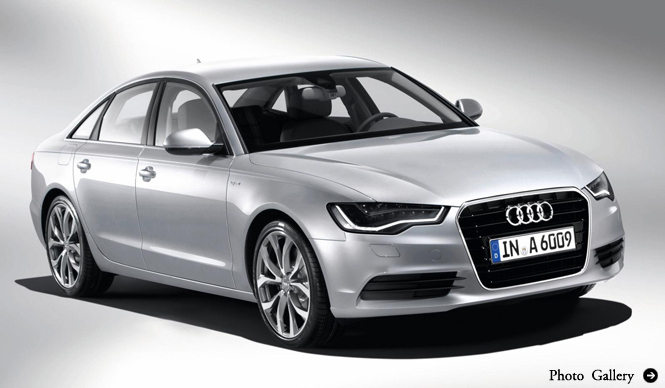
Audi A6 Hybrid | A Hybrid Arrives for the New A6!
Audi A6 Hybrid
The Second Hybrid Audi!
Audihas unveiled its hybrid model of the new "A6" for the first time, which was revealed the other day and is scheduled for release early next year.
By Dai Matsuo
High-Performance Powertrain, Just Like the Q5
Following the Q5 Hybrid announced at the Los Angeles Auto Show the other day, the "A6 Hybrid," Audi's second hybrid model, has arrived. It features a parallel hybrid system combining a 2.0-liter TFSI engine producing 155kW (208ps) and an electric motor producing 33kW (44ps), achieving a highly efficient powertrain.
The combined output of the engine and motor is a maximum of 180kW (245ps) with a peak torque of 480Nm (48.9kgm). The motor is housed directly behind the engine, above the torque converter of the 8-speed Tiptronic transmission, and drives the front wheels.
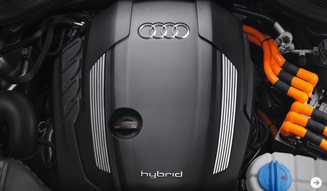
The lightweight and compact lithium-ion battery stores 1.3kWh of energy and supplies a nominal 39kW. This battery is mounted in the luggage compartment, providing effective protection against impact in the event of a crash. Additionally, air conditioning is integrated within the battery case to maintain optimal operating temperature.
The car, which boasts "four-cylinder fuel efficiency with V6 power," accelerates from 0 to 100 km/h in 7.3 seconds, reaching a top speed of 238 km/h, with a fuel consumption of 6.2 L/100km and CO2 emissions of 142g/km. An EV mode is also selectable, allowing for a maximum range of 3 km at speeds up to 100 km/h.
BRAND HISTORY
Audi's emblem is the "Four Rings." As you may know, each ring represents one of the automotive manufacturers: Audi, DKW, Horch, and Wanderer. All were based in Saxony and were leading brands in the German automotive industry at the beginning of the 20th century. However, hit by the global depression following World War I, the four companies formed Auto Union in 1932 to survive. DKW specialized in motorcycles and small cars, Wanderer in mid-size cars, Audi in premium mid-size cars, and Horch in luxury cars.
However, due to Germany's defeat in World War II, Saxony in East Germany fell under Russian occupation, and Auto Union ceased to exist. Anticipating this, the new Auto Union was established in Ingolstadt, Bavaria, in West Germany. Unlike BMW and Mercedes-Benz, Auto Union faced a difficult start with no factories, but gradually gained strength through the production of vehicles like the DKW delivery van.
In late 1964, Auto Union came under the umbrella of Volkswagen and soon introduced new models bearing the Audi name. In 1969, it merged with NSU (known for its development of the Wankel engine), headquartered in Neckarsulm, becoming Audi NSU Auto Union. From 1985 onwards, it has continued as Audi to the present day. Technology such as Quattro, dynamic performance backed by motorsport activities, elegant design, and high-quality finishes are driving Audi's popularity.