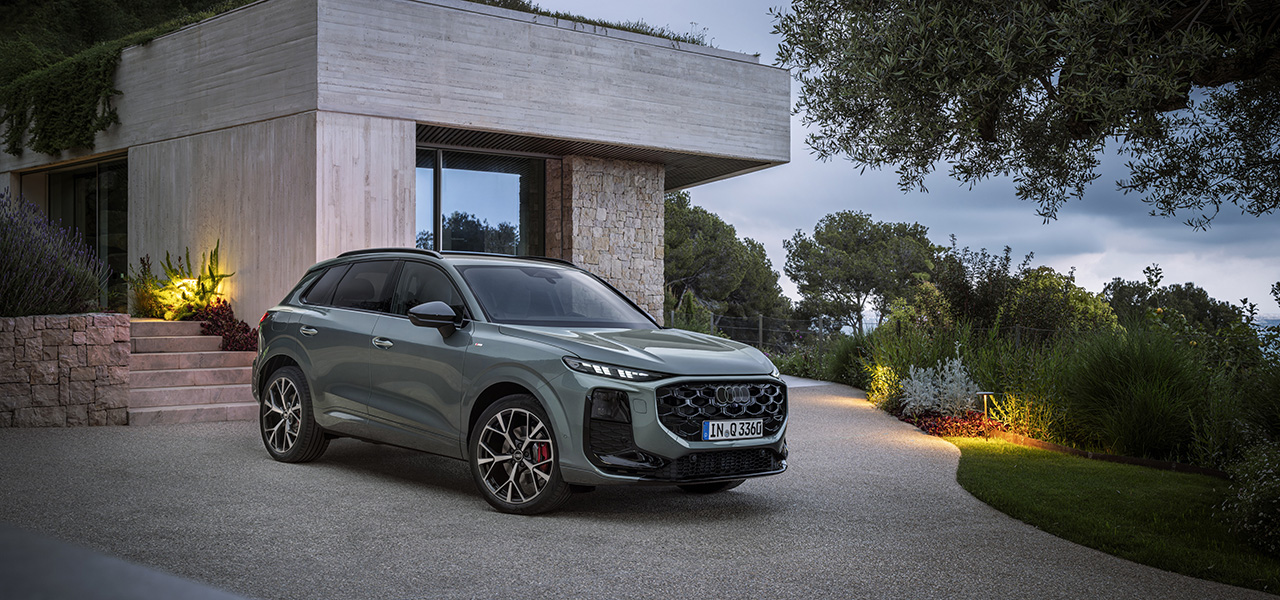
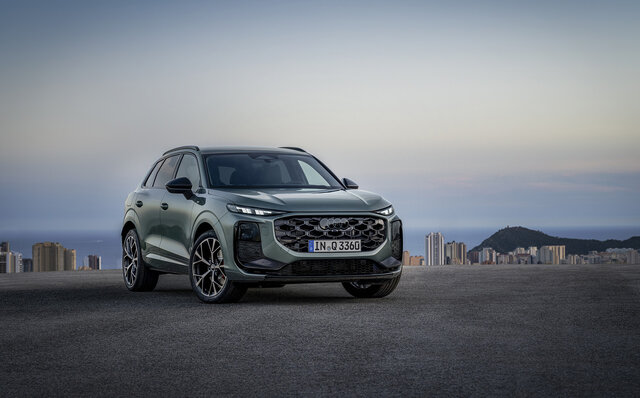
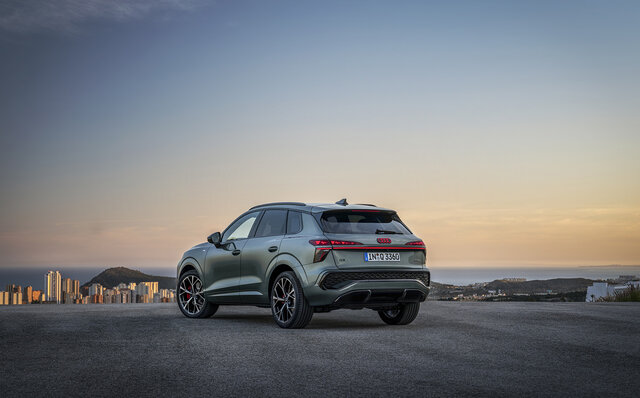
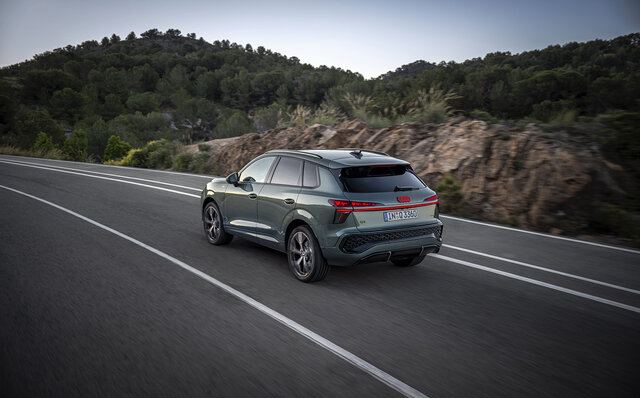
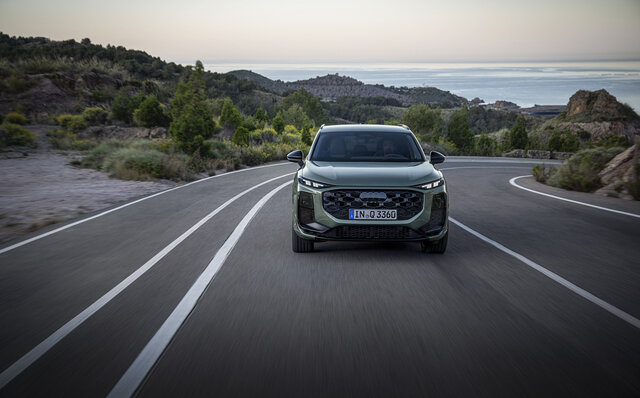
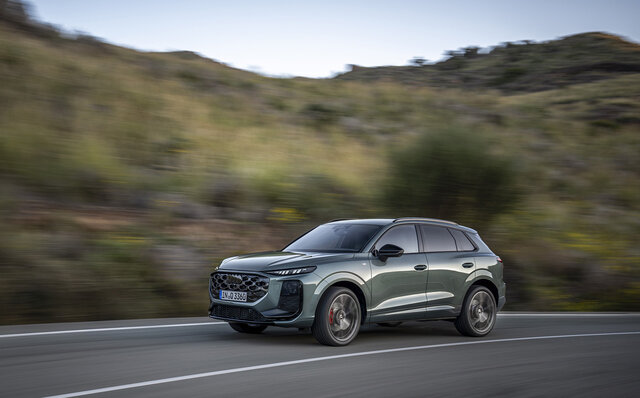
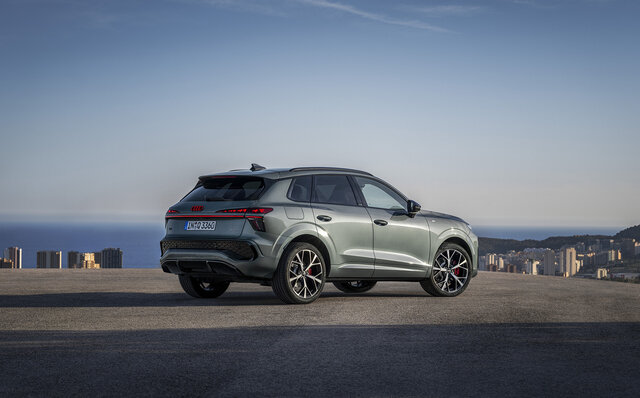
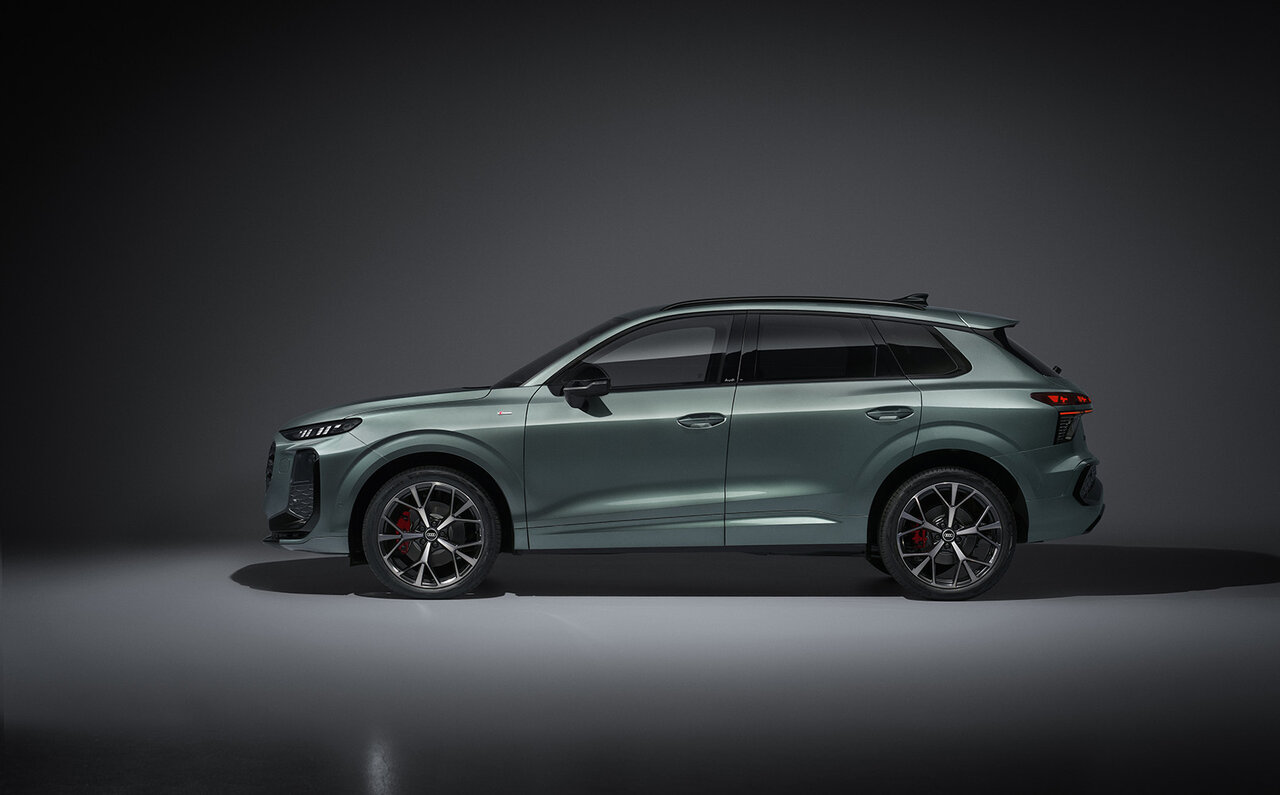
The Audi Q3 is reborn with an even tougher, more determined face, making its world premiere.
Audi Q3 | The Audi Q3
Audi has announced the fully redesigned compact SUV "Q3" in its home country of Germany. It is scheduled to go on sale in Germany and other European countries in October 2025.
PHEV Model Offers Up to 120 km of Electric Range
Audi has given the third-generation Q3 its world premiere. The lineup consists of four variants: two gasoline engine grades, one diesel, and one plug-in hybrid (PHEV).
Both gasoline models feature a four-cylinder gasoline engine paired with a mild-hybrid system and a seven-speed automatic transmission, offered as the "TFSI 110 kW" and "TFSI quattro 195kW" (400Nm).
The "TFSI 110 kW," in particular, produces a maximum output of 110 kW (150 ps) and contributes to fuel efficiency by temporarily deactivating the second and third cylinders during low to medium engine load conditions, utilizing cylinder-on-demand (COD) technology.
Additionally, the diesel engine "TDI 110kW" delivers a maximum output of 110 kW (150 ps) and 360 Nm of torque, promising fuel efficiency even on long journeys.
The PHEV model combines an engine with an electric motor, generating a total system output of 200 kW (272 ps) and 400 Nm of torque. The battery boasts a total electrical capacity of 25.7 kWh, nearly double that of the previous model, enabling an electric driving range of up to 119 km in WLTP mode.
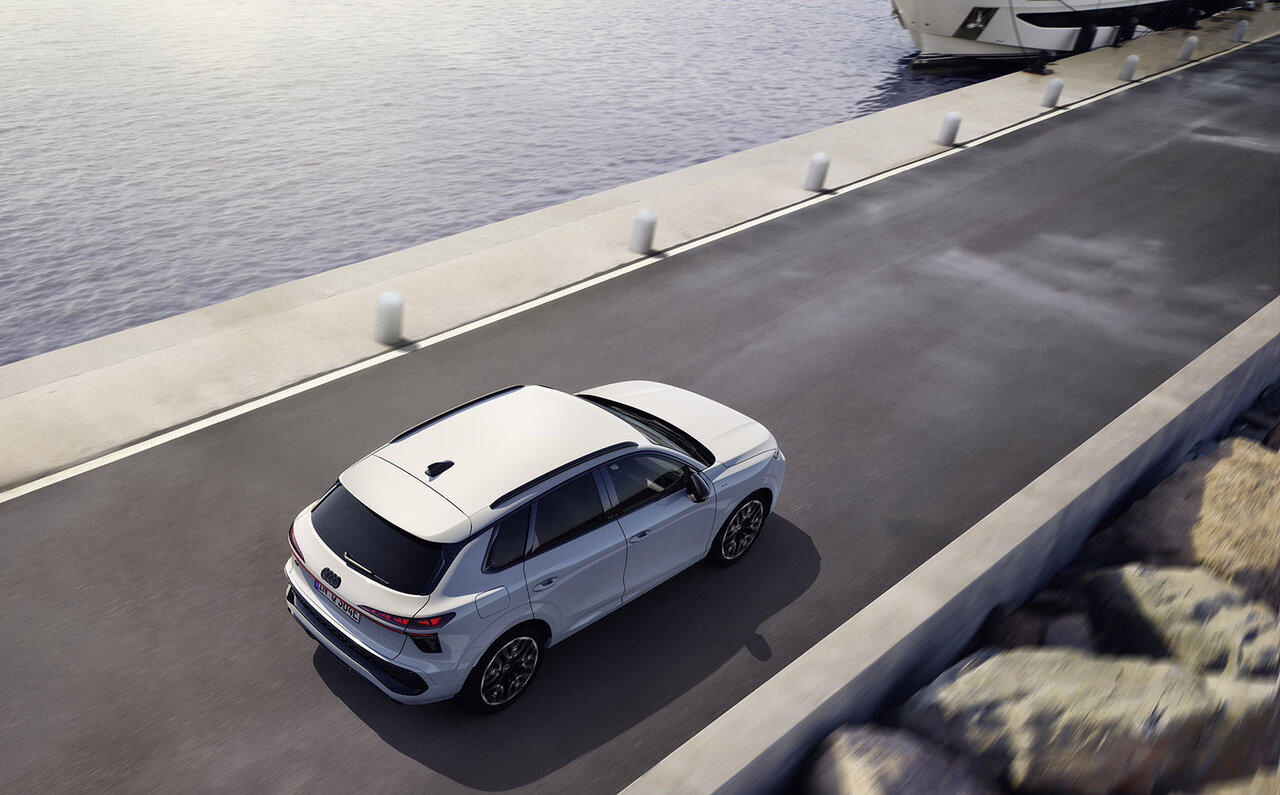
Let's also look at the design. Compared to its predecessor, the Q3 has evolved into an even more muscular form. Based on Audi's latest design language, the wide Singleframe grille is positioned high, and the slim, sharp headlights create a determined expression.
Below the Singleframe, adjustable air intakes are incorporated, enhancing both functionality and visual presence.
The rear also features an aggressive design, with the two-part taillights and a separate, slender light strip designed to span the vehicle's full width.
For lighting, it features full-size digital matrix LED headlights, a first for Audi's compact segment.
The modules contain 25,600 micro-LEDs, each about half the thickness of a human hair, significantly improving illumination performance, especially in adverse weather conditions.
Additionally, a new feature provides active warnings on the lane lights if a vehicle is detected in a blind spot during a lane change on the highway.
Furthermore, as an extension of traffic information, if there's a possibility of road ice, a warning symbol of ice crystals is projected onto the road from approximately 70 km/h, showcasing advanced digital safety features.
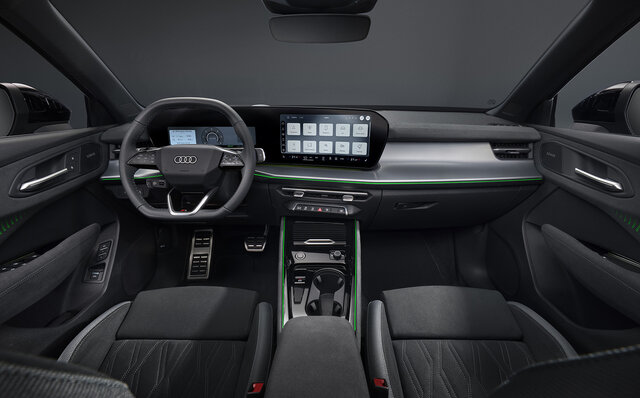
Audi claims improvements in both functionality and design for the interior, offering a total of nine interior packages. In addition to a 12.8-inch touchscreen display, it is equipped with a head-up display to supplement important information.
A notable safety feature is the Emergency Assist, which can take over vehicle control if the driver becomes unresponsive, autonomously moving the Q3 to the shoulder and bringing it to a stop.
To further enhance road safety, an interior camera monitors the driver for signs of drowsiness or lack of concentration. If the driver does not respond to warnings, an audible alert sounds, and a "caution" message appears on the instrument panel. If there is still no response, the vehicle will automatically pull over to the shoulder and contact emergency services, contributing to safer driving.
The Q3, Audi's representative compact model, is scheduled to go on sale in Germany and other European countries in October 2025. Further details regarding its release date and pricing in Japan are eagerly awaited.