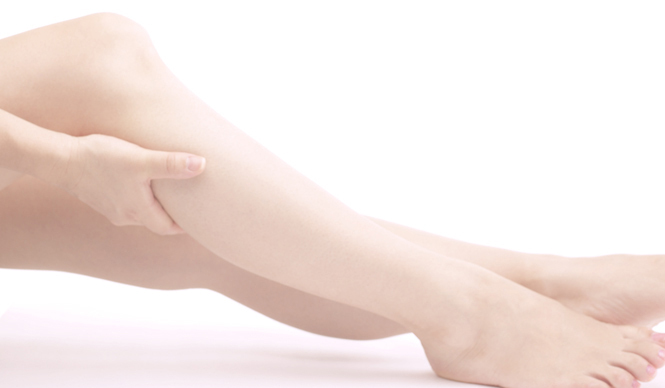
Series: Miyoji Okabe | Vol. 16 Foot & Leg Care
Vol. 16: Foot & Leg Care (1)
Miyoharu Okabe has been involved in the creation of numerous excellent cosmetics during her time in the research and product development departments of major cosmetic manufacturers. Drawing on her unyielding pursuit of beauty and sharp insight, along with her deep knowledge as a researcher, she will explain various "beauty questions" from a scientific perspective.
Narration by Miyoharu Okabe
Photos by JAMANDFIX
When wearing mules and sandals with bare feet, foot and leg care becomes especially important. Legs, in particular, are prone to showing overall body fatigue. Let's aim for "beautiful bare feet" by properly addressing swelling and caring for our heels.
Q. What are the signs that indicate one should be doing "foot care"?
Many modern women suffer from "swelling" due to fatigue and stress. If you've ever experienced marks left by the constriction of sandals, or if your shoes feel tight by the evening, consider yourself someone prone to swelling. Anyone who has experienced swelling needs leg and foot care. If left untreated, not only will swelling make your legs look less shapely, but some people even lose the definition of their ankles. And this isn't something that can be fixed with a single massage.
Q. Why does swelling tend to occur in the legs?
Blood and lymph circulate through the blood vessels, but the legs, being farthest from the heart, are particularly prone to circulatory stagnation. This is because while the flow of blood from top to bottom is smooth and unimpeded by gravity, the legs, being the lowest part of the body, naturally accumulate blood and lymph fluid.
Q. I often hear that the legs act as a pump...
That's right. To be precise, the "pump" refers to the entire leg. After blood is pushed from the heart and circulates to the toes, do you know how it returns to the heart? The truth is, there's no pump-like mechanism to help it ascend. Veins have "valves" that open as the body moves, allowing blood to flow to the valve above, and this process repeats until it returns to the heart. This is why prolonged standing or sitting in the same posture, as with long work hours or desk jobs, causes swelling. Therefore, massage helps the valves open and close, assisting the upward flow of blood. However, if the swelling becomes too severe, blood can pool and cause distension. If this is further neglected, the veins can become like deflated balloons, losing their elasticity, and blood will accumulate in these loosened areas.
Vol. 16: Foot & Leg Care (2)
Q. So, massage is necessary before it reaches that point, isn't it?
Exactly. Massaging, especially from the knees down, helps to alleviate swelling. The key is to improve blood circulation and make the veins as conducive to blood flow as possible. The method is simple: as long as you don't press too hard, massaging from top to bottom or bottom to top makes no difference. Simply applying pressure will naturally move the valves. By continuing this, you should find that your body can resolve swelling on its own. If you're aware that you're prone to swelling, I recommend doing this daily. For those prone to swelling, it's also important to re-evaluate your lifestyle. Consciously think about your leg circulation by taking walks or resting with your legs elevated. Even if you don't experience swelling now, it can occur due to aging or life stress, so I recommend doing this about once a week for prevention. Swelling isn't just about the appearance of your feet; it's a sign of overall bodily circulation issues. It might manifest in your feet, but it indicates that your internal circulation is generally sluggish. Massage not only beautifies your feet but also aims to maintain your overall health.
Q. What about foot care beyond swelling?
Since it's the season for exposing your feet in sandals and the like, heel care is also crucial. Heels are particularly prone to dryness and are very noticeable, so keeping them from becoming rough is fundamental. After removing hardened calluses with a pumice stone or foot scrub, it's important to apply foot cream thoroughly. If your heels have already become hard, try gently filing them, applying cream, and repeating this process. However, once calluses have formed, they take time to repair, so early care is, needless to say, vital. Just like skincare, prevention is very important. Also, a common concern for women this season is insect bites. The key is not to scratch. Have an anti-itch cream ready and apply it without touching the bite. Scratching can lead to hyperpigmentation. However, before that, don't forget to use insect repellent spray before going to areas where mosquitoes are present. Additionally, after hair removal, shaving is a form of superficial exfoliation, which can lead to issues like redness around the pores. Shaved skin also becomes prone to dryness, so be sure to care for it properly with cream.
Q. So, initial response is important for foot care?
That's right. Daily and regular care are the absolute basics. Consistent prevention and continuation are key. By doing so, you can maintain beautiful legs forever.
Miyoharu Okabe Official Website
The Science of "Beauty": "Garden of Beauty Science"
http://www.kt.rim.or.jp/~miyoharu/