Cherish the fields, savor the wine. Japan's premier wine tourism, produced by Hoshino Resorts.|TRAVEL
TRAVEL|Hoshino Resorts Risonare Yatsugatake
Hoshino Resorts Risonare Yatsugatake Features Long-Standing Marufuji Winery for a One-Night-Only Makers' Dinner
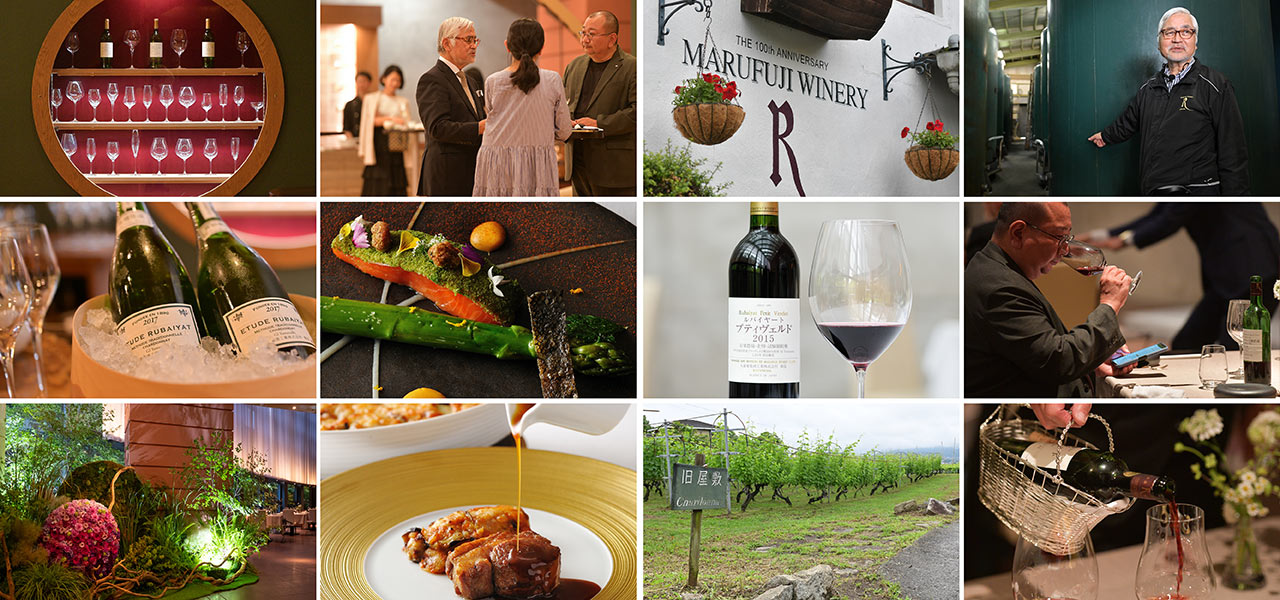
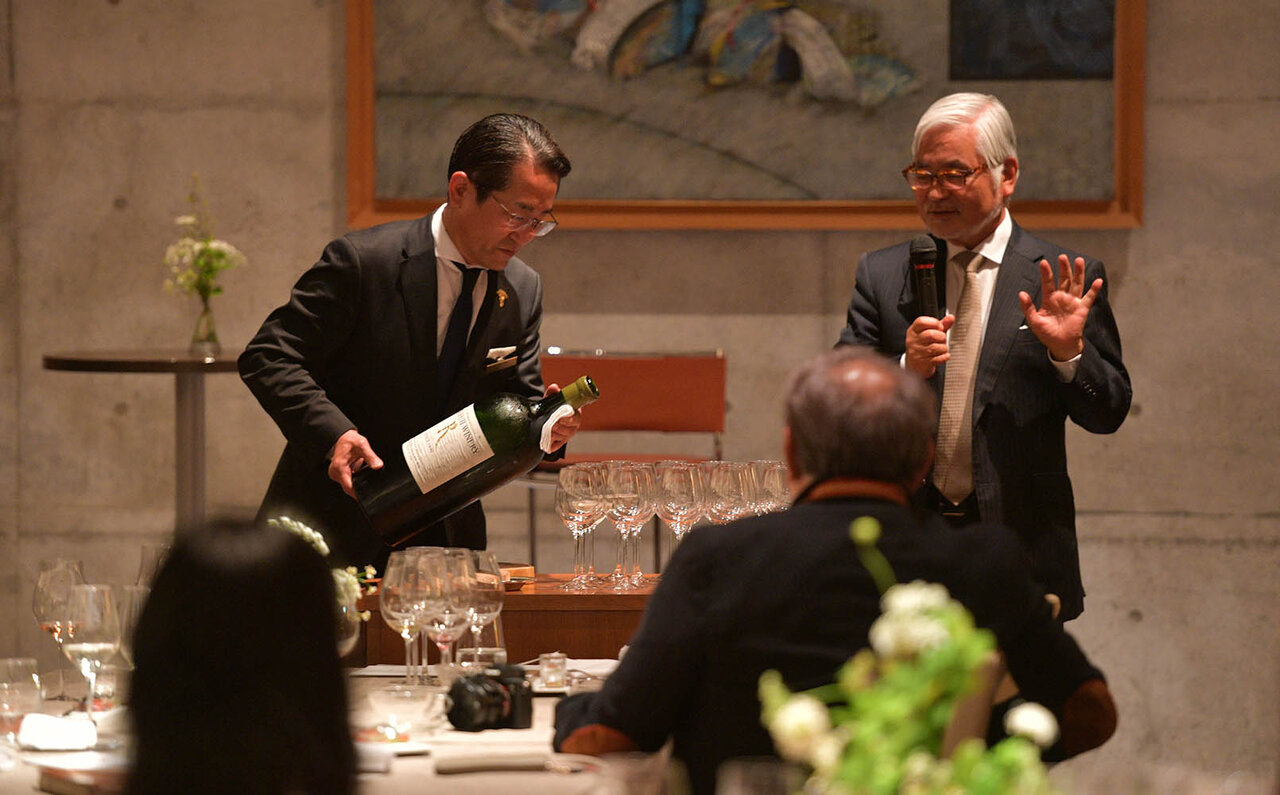
On June 11, 2023, Hoshino Resorts Risonare Yatsugatake hosted "Rubaiyat Makers' Dinner in Risonare Yatsugatake OTTO SETTE." Fifteen participants, including wine and food enthusiasts, attended the event. This article is a conversation between Takashi Tsuchida (editor) and Aya Hasegawa (writer), who covered the event, reflecting on the day's proceedings. Our aim is to report on what we learned, felt, and the sheer excellence of the occasion. We hope to convey the "work in progress" of Japanese wine, which is still in its growth phase.
Text & Edit by HASEGAWA Aya, TSUCHIDA Takashi
Let's review this year's event to prepare for next year!
TsuchidaSo, Hasegawa-san, "Makers' Dinners" are quite popular in wine regions, aren't they? They're dinner events where wine takes center stage, with the food complementing it. At "Hoshino Resorts Risonare Yatsugatake" (hereafter Risonare Yatsugatake), which promotes wine tourism in Yamanashi and Nagano, they're offering a truly remarkable experience.
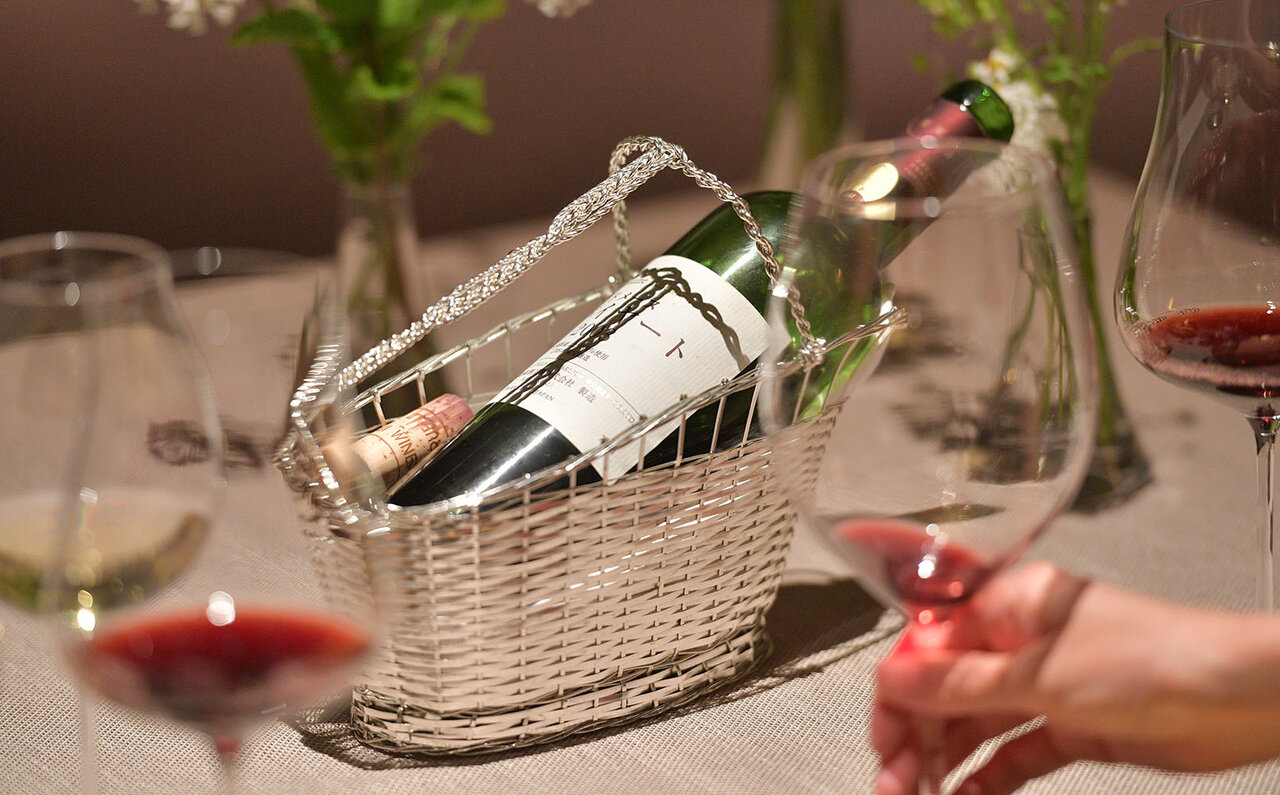
HasegawaYes, I participated in the "Rubaiyat Makers' Dinner in Risonare Yatsugatake OTTO SETTE," a one-night, two-day event (※), and I saw the full commitment of Risonare Yatsugatake! They mentioned they had been preparing for six months. In the main dining room, OTTO SETTE, they created "dishes to enhance Rubaiyat wines" specifically for this occasion. Even though I've dined at OTTO SETTE many times, I was constantly surprised!
※The dinner was held on the evening of June 11, 2023. The itinerary included a winery visit via a dedicated bus from Tokyo, an overnight stay after the dinner, and a return to Tokyo the following afternoon.
TsuchidaTo get straight to the point, I think we've been using the wrong criteria to evaluate Japanese wine. Why did we apply the standards of the Old World (Europe) directly to Japanese wine? We have our own food culture (※) and terroir. The brilliance lies in refining those unique characteristics, not in trying to replicate something similar.
※This refers not only to Japanese cuisine but also to all kinds of dishes and food cultures that suit Japanese preferences, including French, Italian, and Chinese.
HasegawaI was genuinely surprised by the high potential of the wines from Koshu's long-established winery, Marufuji Winery (hereafter Marufuji Winery), which produces Rubaiyat (laughs). I'll go into more detail later, but seeing the vineyards and hearing the producers' passion made the already delicious wines taste even better.
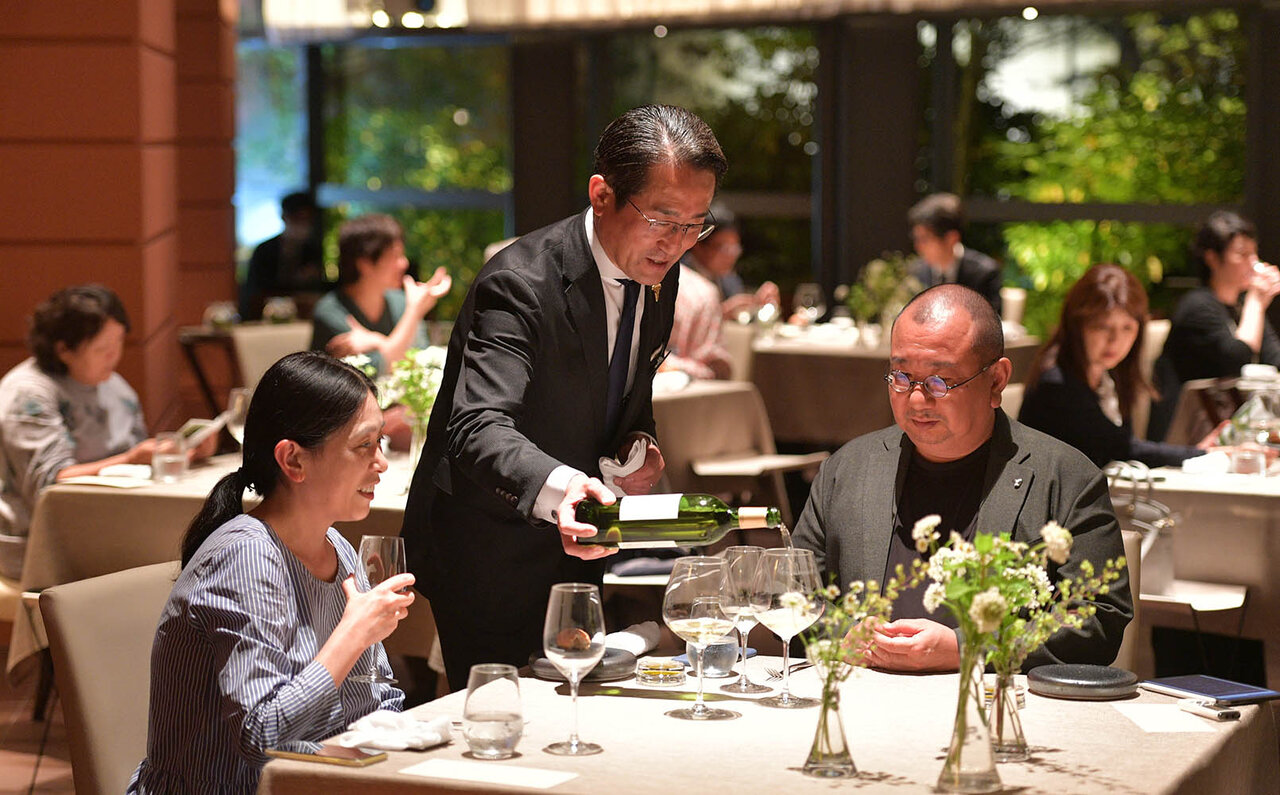
To jump ahead in our conversation, what particularly impressed me was the Muscat Bailey A. It's one of Japan's representative grape varieties, but I had tried it when I was younger, found it unappealing, and had avoided it. However, after the aperitif, the first wine served as we sat down was "Rubaiyat Muscat Bailey A Barrel Aged Barrel Select 2019," and it was incredibly delicious!
TsuchidaWines that forced an imitation of the Old World (Europe) without matching the terroir or cuisine were mediocre. But they've evolved rapidly since then. This grape comes from excellent contract farmers in Shiojiri. Furthermore, barrel aging imparts a third aroma derived from the oak. It's a prime example of how delicious wine can be when no effort is spared.
HasegawaYes, I've reevaluated Muscat Bailey A (laughs), and I felt the spirit of Marufuji Winery. President Haruo Omura said he wanted to create a wine that removed the "cotton candy-like sweetness" (※) characteristic of Muscat Bailey A, and he meticulously crafted it. It was a wine with a sense of dignity and delicate charm.
※This refers to the "foxy" aroma, often found in grapes with American species in their lineage.
Omura-san also mentioned, "Muscat Bailey A has become much more delicious in the last 20 years." I don't mean to sound condescending (laughs), but I'd really like people who have a negative impression of the less palatable Muscat Bailey A from the past to try Rubaiyat's Muscat Bailey A.
TsuchidaWhat's truly astonishing is their capacity for improvement. When something isn't good, they consider how to make it better. Like true Japanese craftsmanship, they're starting to bring out deliciousness through brewing techniques without sparing any effort. Marufuji Winery also told us they practice cold maceration (low-temperature fermentation). It's almost like the "ginjo" brewing method in sake! Being able to witness this ongoing evolution is a privilege only afforded to those living in the present. I think that's truly amazing.
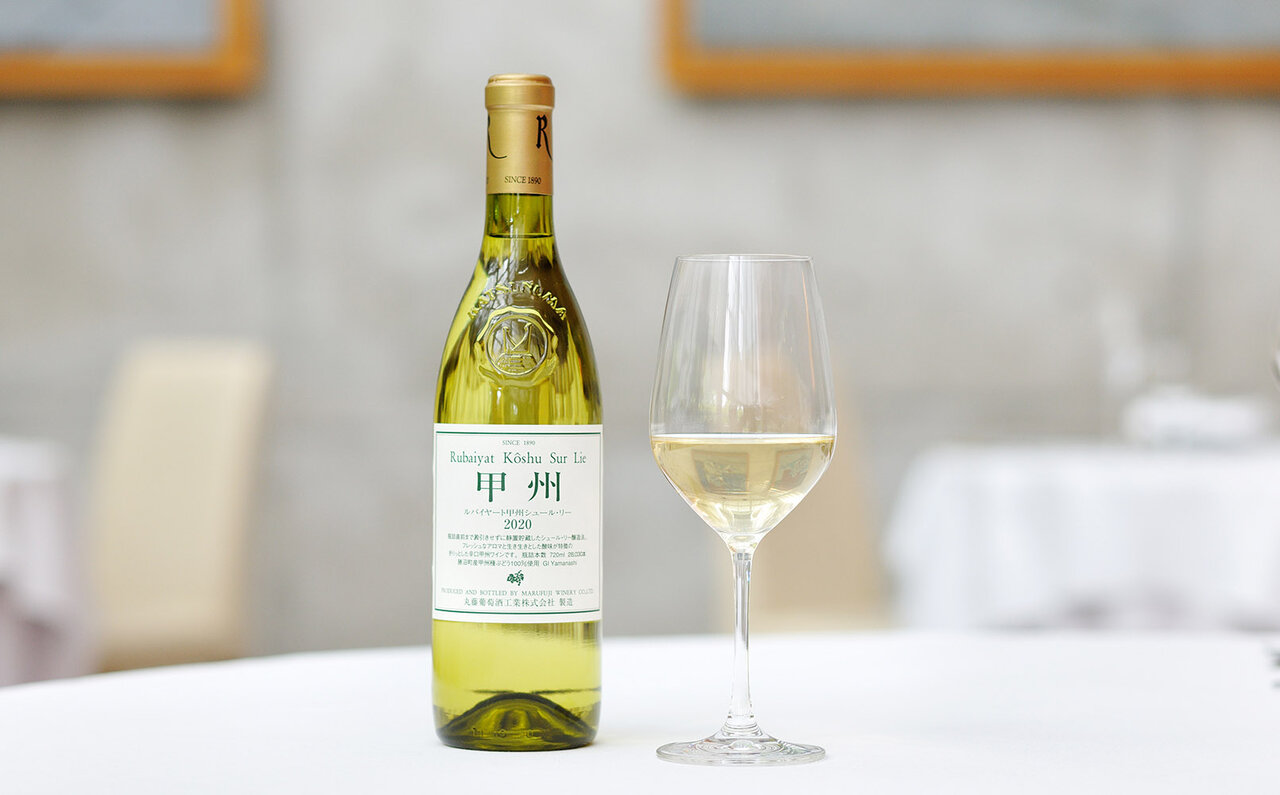
HasegawaThe next wine I tried, "Rubaiyat Koshu Sur Lie 2020," was also fascinating. It was fresh, yet had a solid depth of flavor. Koshu is a grape variety originating from the Caucasus region, and it's been cultivated in the Koshu Basin for nearly 1000 years, making it a unique Japanese variety. However, there's a wide range of quality among Koshu wines. But this "sur lie" (※) was exceptional.
※A method of aging wine for a certain period without removing the dead yeast lees (or "lies") after alcoholic fermentation is complete, thereby imparting the flavor of the lees. "Sur" means "on" and "lie" means "lees" in French.
TsuchidaMan's Wine first implemented "sur lie" in 1983, following the example of "Muscadet" from the Loire Valley in France. Marufuji Winery tried it the following year. Despite the vast difference in company size, and the potentially significant losses if it failed, their spirit of innovation is truly admirable.
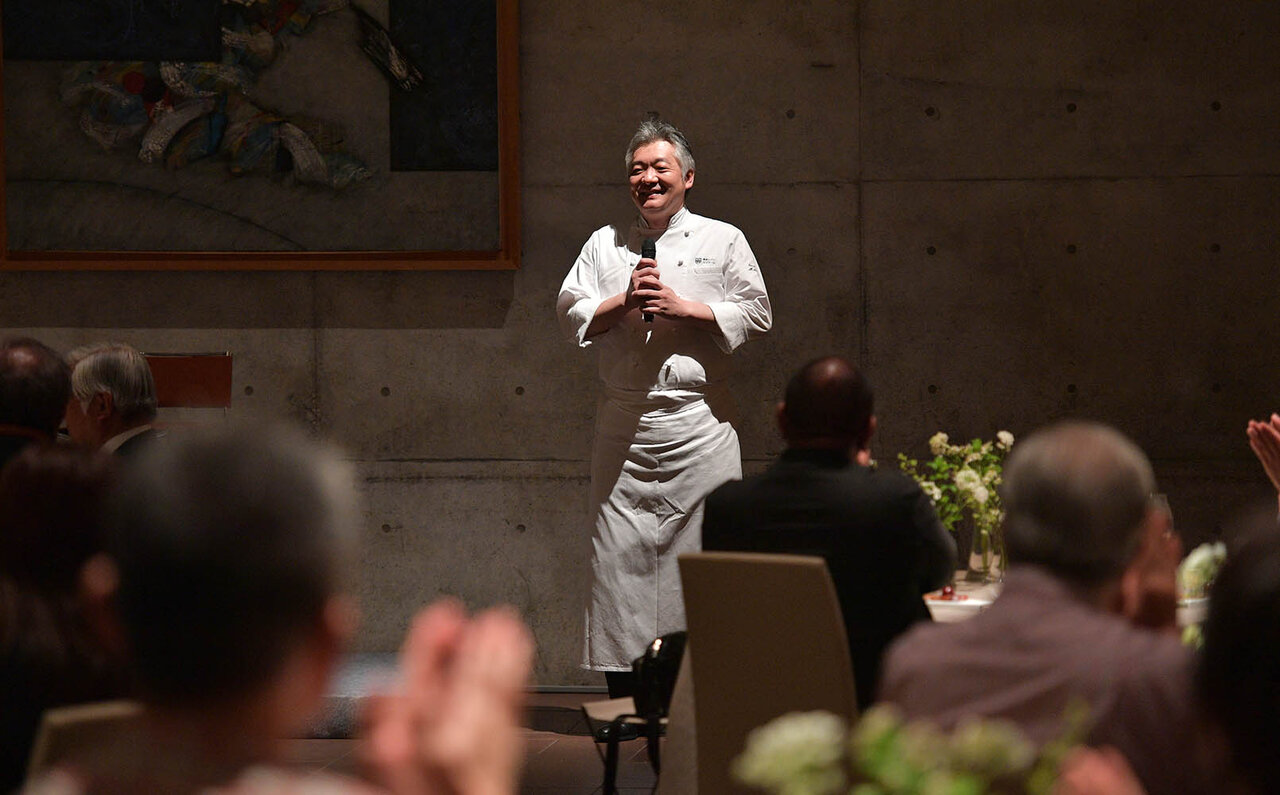
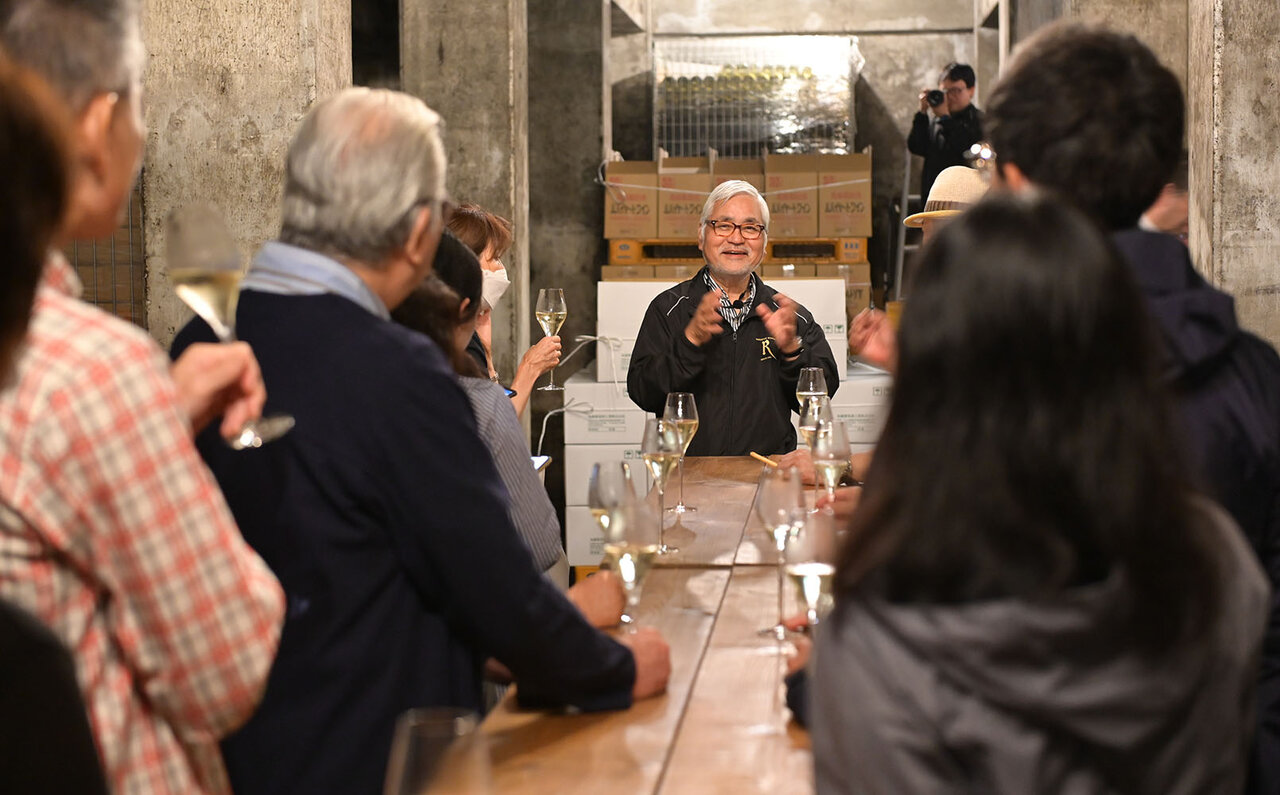
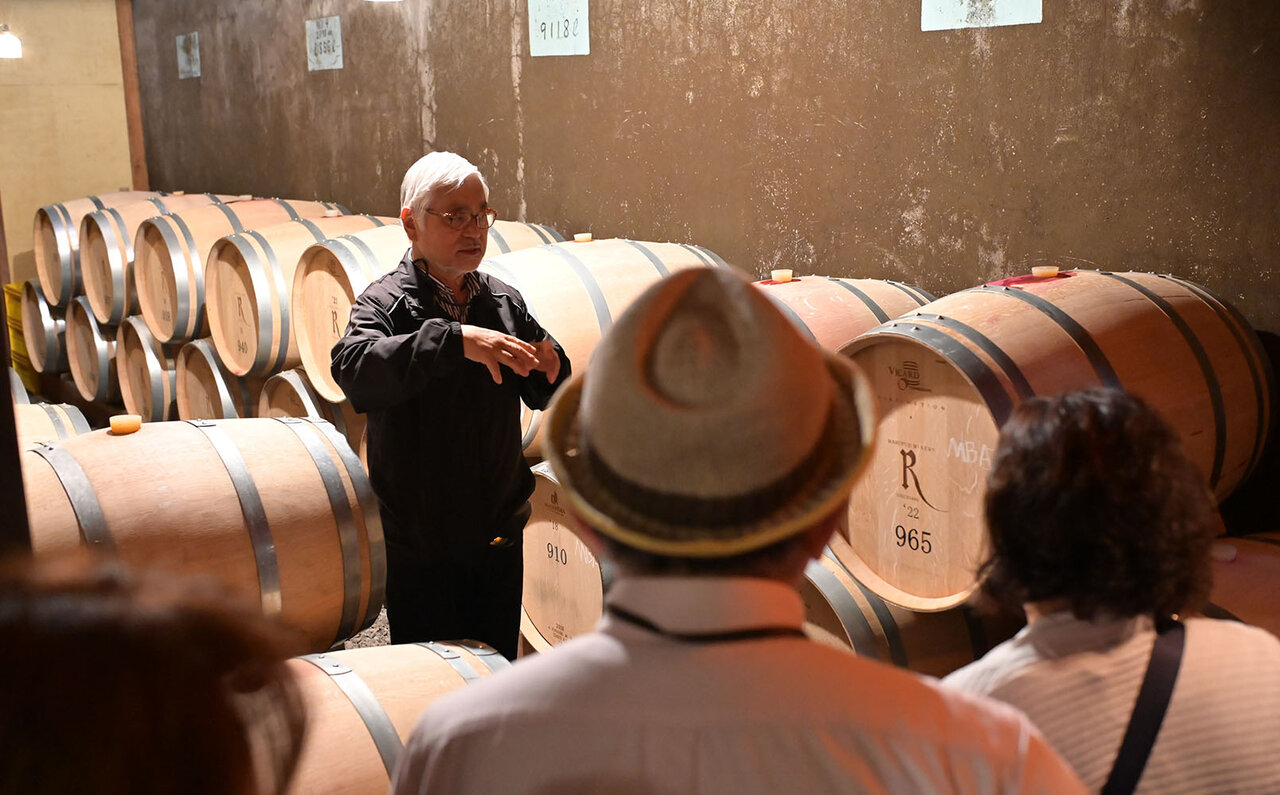
HasegawaOmura-san's talk was lively, and he spoke candidly not only about his own wines but also about the history of Japanese wine. He imparted knowledge that made the wine more enjoyable to drink, rather than just lecturing. I also learned for the first time that the brand name "Rubaiyat" means "quatrain" in Persian.
Tsuchida-san, you clearly study wine, but even for me, who usually just drinks and says "delicious, delicious," it was easy to understand and very interesting. That's the real pleasure of a makers' event. That day, I lost count of how many types of Marufuji Winery's wines we tried—I think they said 12? Tsuchida-san, which one left the biggest impression on you?
Tsuchida"Rubaiyat 2003." With 20 years of age, the edges of its flavor have softened, and it has a wonderfully light body. Yes, the lightness that comes with the culmination of aging was present in this "Rubaiyat 2003!"
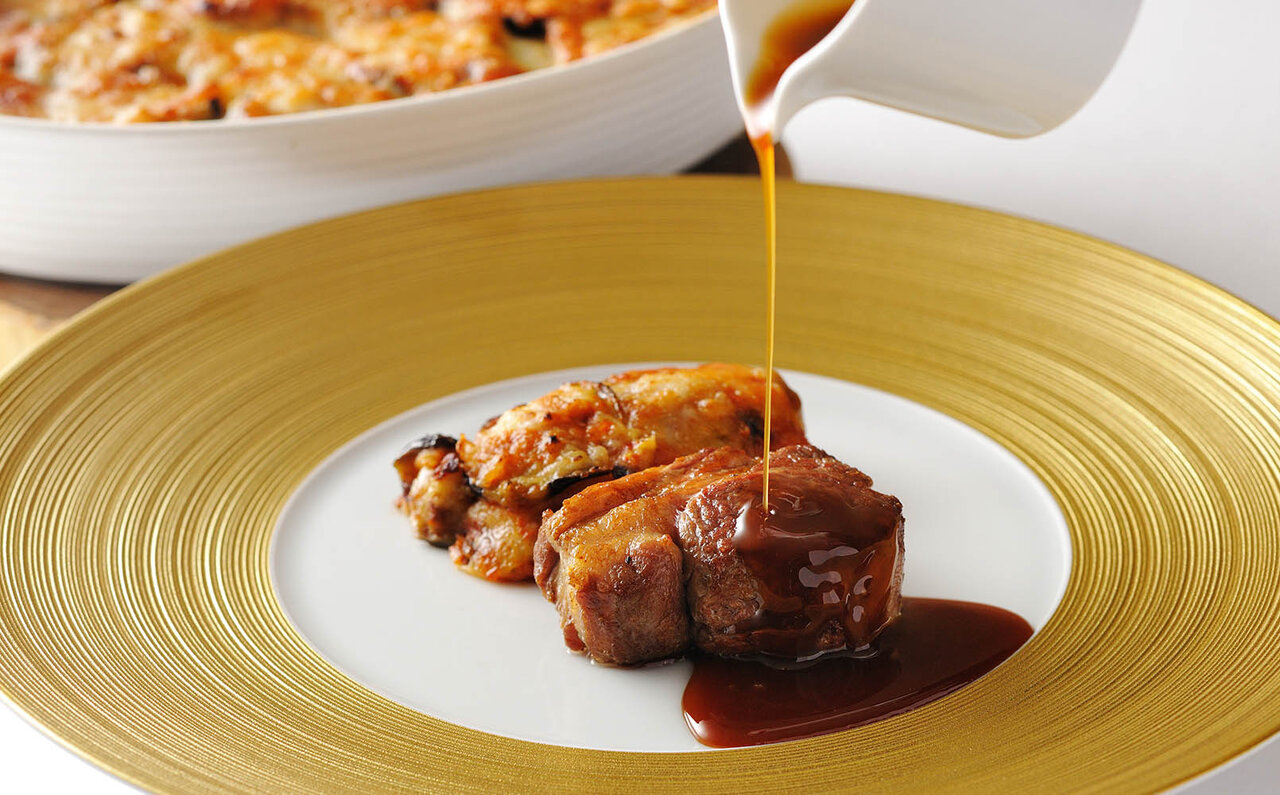
HasegawaI also remember "Rubaiyat 2003" the most. It wasn't on the menu provided, and it was presented as a surprise during the main meat dish, "Fuji-san Wine Lamb Grilled with Grape Charcoal." The moment I took a sip, I leaned forward with excitement (laughs). It was elegant, yet light. Omura-san confidently stated that long-aged wines will become more prominent in the future.
TsuchidaFor long-term aging, you need acidity and tannins to withstand it. But Japanese winemaking has reached that level from its winemaking practices 20 years ago. While aged wines aren't everything, the depth of flavor that intensifies over time is one of the pleasures of wine.
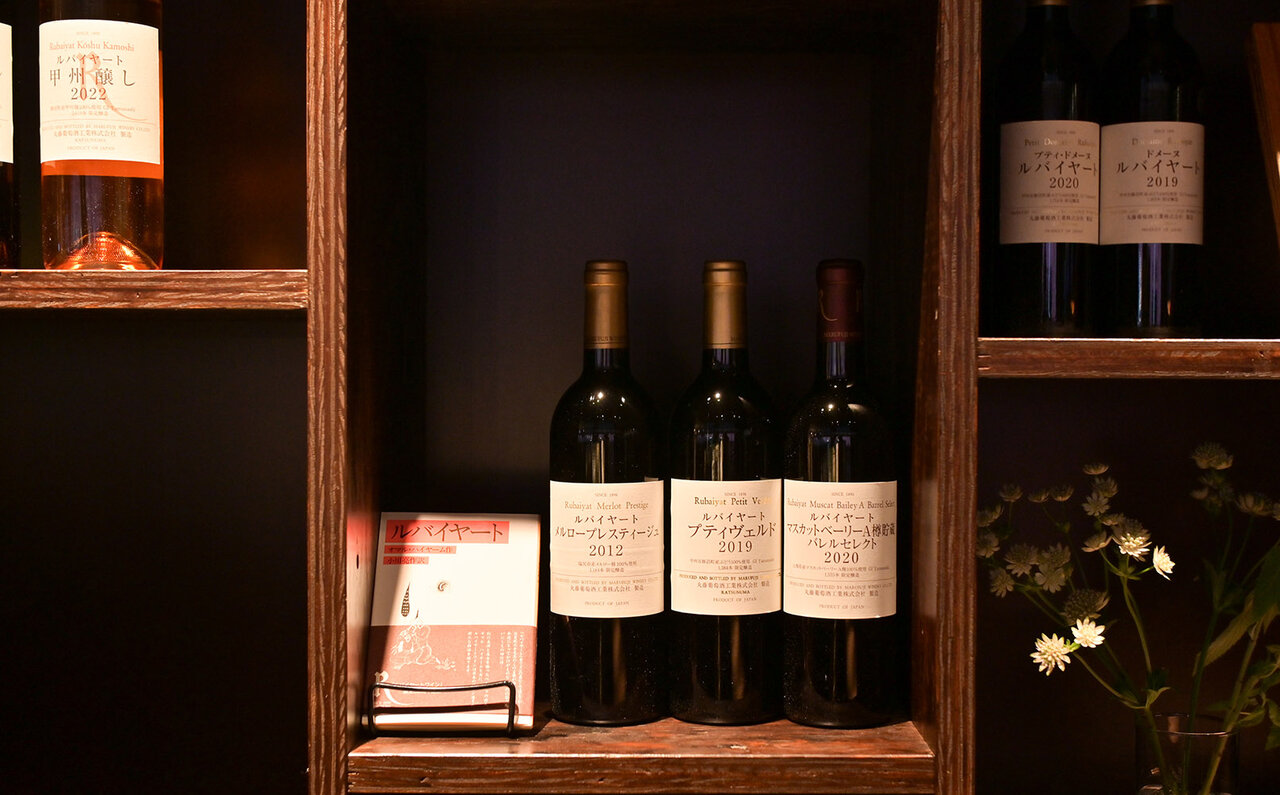
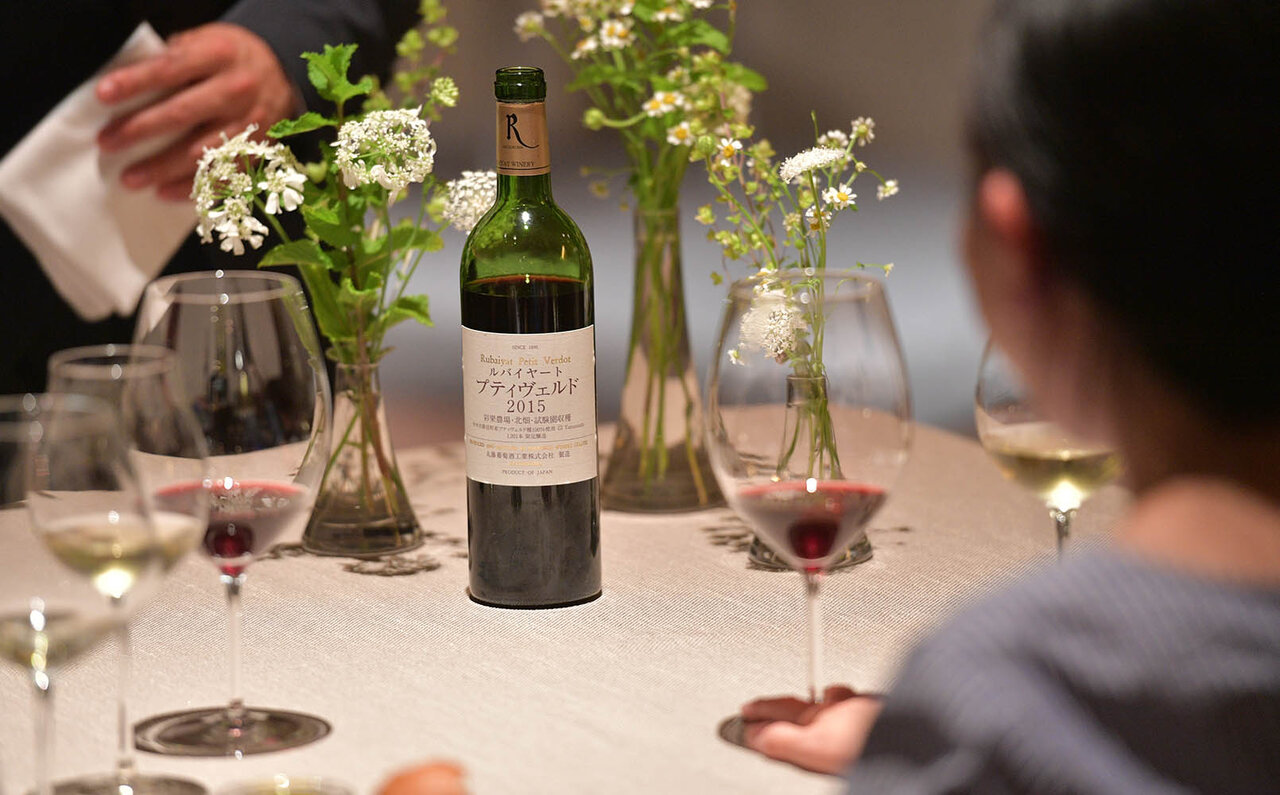
HasegawaWineries that can age their wines properly are indeed excellent. By the way, the other red wine served with the main course, "Rubaiyat Petit Verdot 2015," was also very good. Also, although it wasn't served at the event, OTTO SETTE's sommelier, Masakuni Nagakubo, recommended "2012 Rubaiyat Merlot Prestige." Tsuchida-san, you actually bought it at the shop for home. You should have invited me when you opened it (laughs).
TsuchidaI'm very curious to see what kind of result 10 years of aging has brought to this Merlot!
A Social Studies Field Trip That Satisfies Wine Lovers
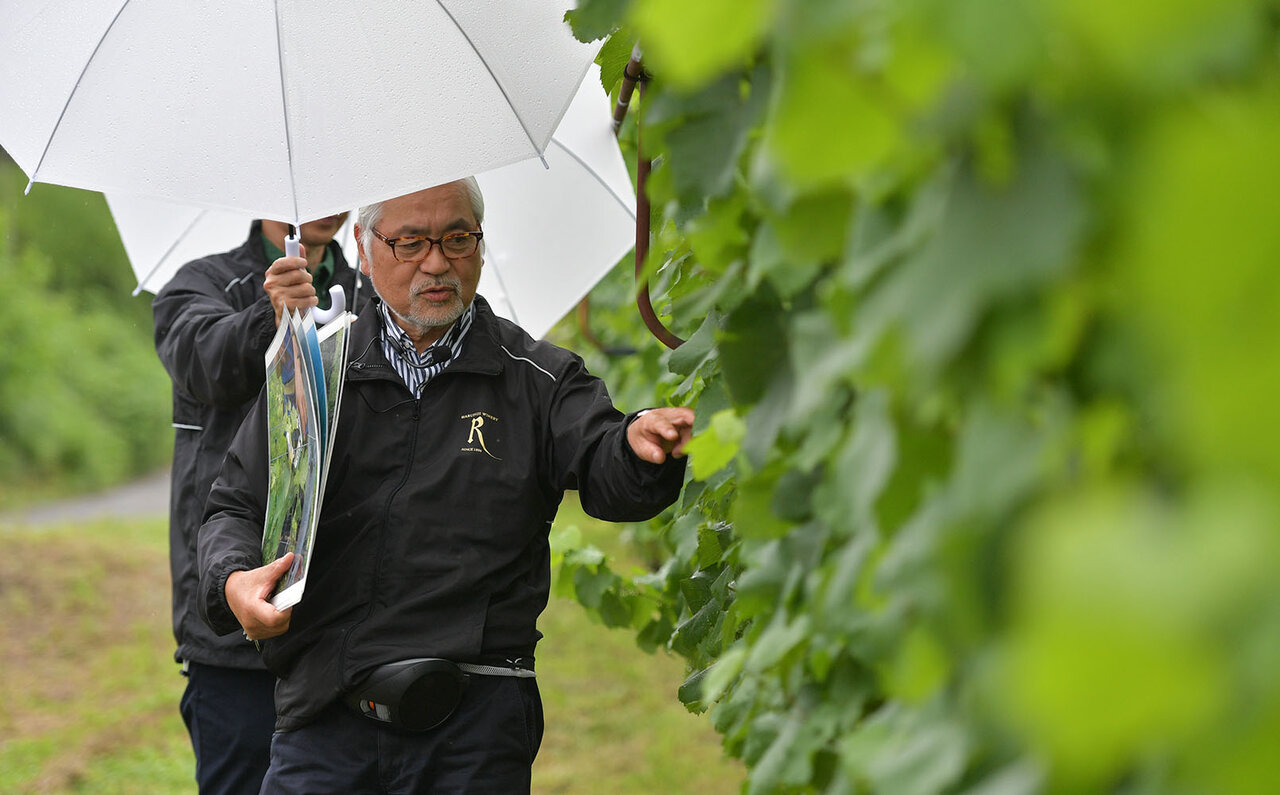
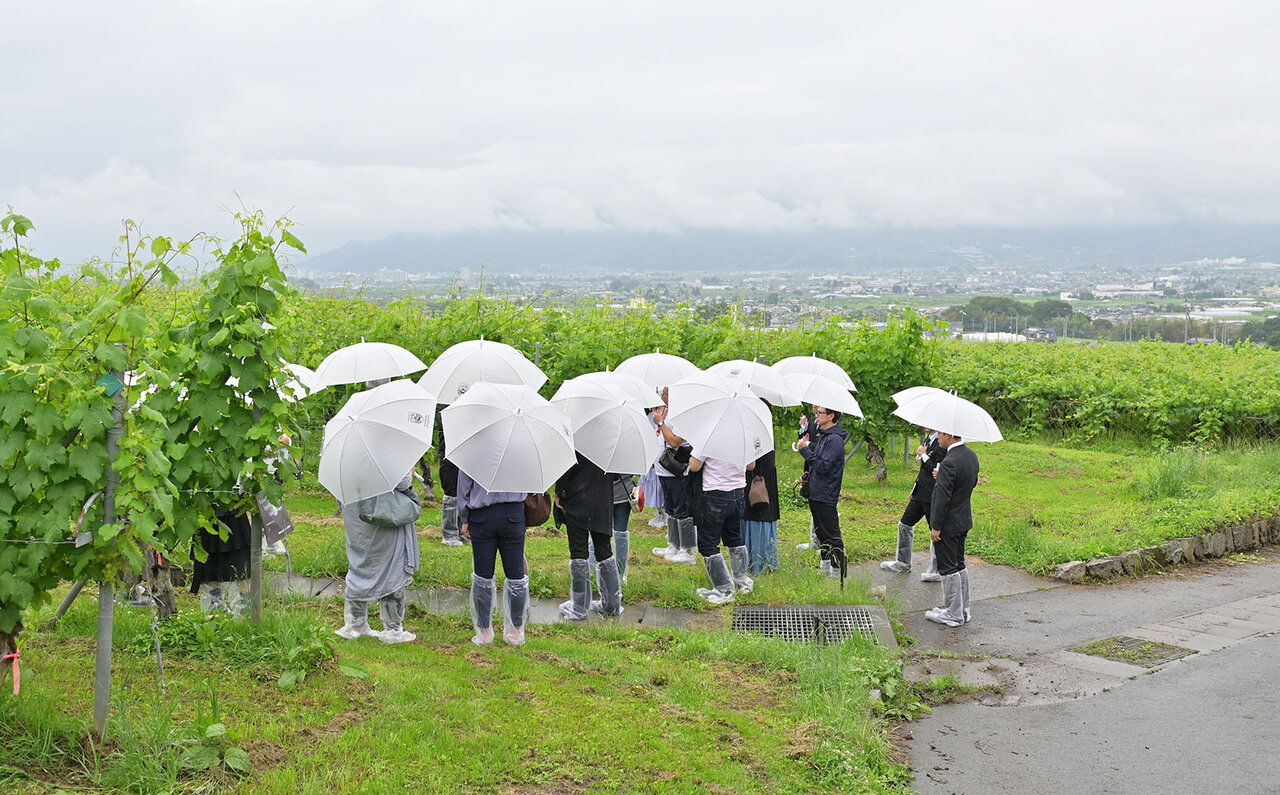
TsuchidaBefore the Makers' Dinner, all participants visited the winery together. A tour bus departed from Tokyo Station for this event, and I realized it was a thoughtful arrangement to allow for tasting on-site. President Omura personally guided us through his vineyards and candidly shared the hardships they've faced to get to where they are today.
For example, with international varieties like Merlot, they initially decided not to use fertilizer, believing that lean soil is best for grape cultivation. However, they discovered that the grapes began to dry out... They realized that even though Japanese soil is fertile, fertilizer was still necessary.
He also told us about how they changed the trellising method after the vines were damaged by frost during the heavy snowfall in 1998. In other words, it was a process of trial and error.
HasegawaHe also mentioned that they went through trial and error with irrigation methods to arrive at their current approach. Seeing both trellised and VSP (vertical shoot positioning) vineyards side-by-side during the vineyard tour offered many "aha!" moments.
TsuchidaThis shows that compared to the Old World (※), where optimal solutions have already been found, Japanese winemaking is still in a state of flux. Because it improves year by year in real-time, you can also enjoy its growth.
HasegawaMarufuji Winery used to regularly hold "Kura Con" events before COVID-19, where people could enjoy music while sipping wine in the aging cellar. I'd love to visit again if they bring it back.
TsuchidaIt's wonderful that they are creating not only winemaking but also a culture surrounding wine. I believe this high level of dedication is what drives the industry forward.
HasegawaThis was truly a dreamlike experience. The fresh flowers ordered just for this day, the exceptionally attentive service – I really felt the staff's determination to make this Makers' Dinner event an absolute success! (laughs)
TsuchidaThis Makers' Dinner was a one-night-only event. This year's event has concluded, but collaborations with Marufuji Winery seem likely to continue.
HasegawaThere are so many wineries in Yamanashi and Nagano that I want to explore further. Another visit to Marufuji Winery would be interesting, and I'm also curious about other wineries. I'm already looking forward to Risonare Yatsugatake's next Makers' Dinner! (I'm already planning to go, you see) (laughs).
TsuchidaYes, it truly lives up to its reputation as a hotel promoting wine tourism. I feel that Japanese wine is currently undergoing another period of significant change. That's why the stories from the people involved are so engaging. Japanese wine tourism is at its peak right now.
Hoshino Resorts Risonare Yatsugatake
Address: 129-1 Kobuchizawa, Hokuto City, Yamanashi Prefecture
Number of Rooms: 172
Check-in/Check-out: 15:00 / 12:00
Rates: From ¥24,000 per night (per person, double occupancy, tax and service charge included, breakfast included)
Access: Approx. 5 minutes by car from JR Kobuchizawa Station (free shuttle bus available)