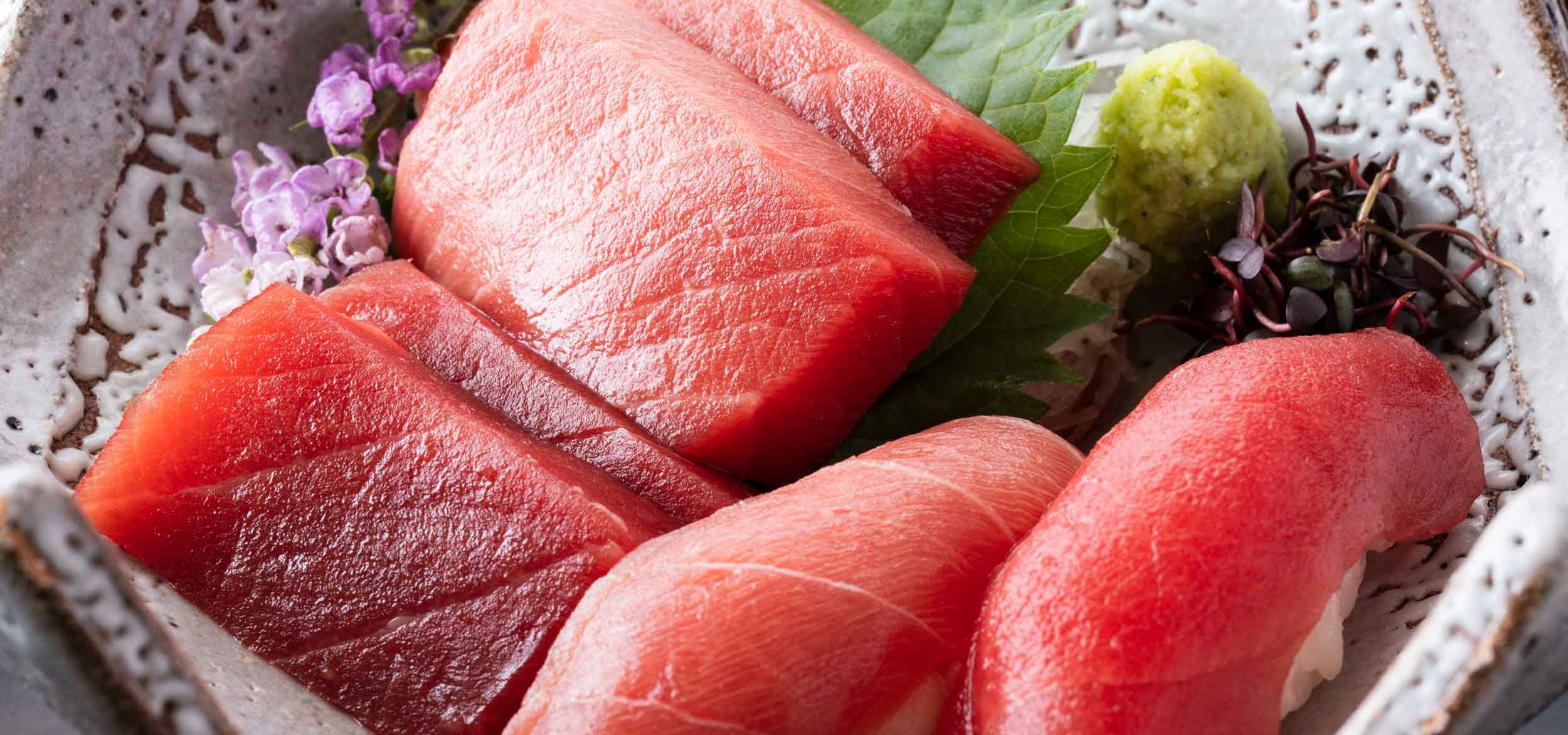
Otoro and Akami Sashimi and Nigiri Sushi from Oma Tuna
To Know Is To Taste! Hoshino Resorts KAI Tsugaru | TRAVEL
TRAVEL | KAI Tsugaru
To Meet This Dish, Journey to KAI Tsugaru (1)
A question for you! What comes to mind when you think of Aomori Prefecture's specialties? From seafood like Oma tuna to produce like apples, garlic, and burdock root—all boasting top production in Japan. You'll find a wide array, from the familiar to the slightly surprising, making you wonder, "Oh, you're from Aomori too?" Surrounded on three sides by the Sea of Japan, the Pacific Ocean, and the Tsugaru Strait, Aomori's waters are a treasure trove for fish, thanks to the confluence of cold and warm currents. The pristine waters flowing from mountainous regions like Hakkoda, the World Natural Heritage site Shirakami-Sanchi, and Mt. Iwaki also bring forth abundant harvests. Since you're in Aomori, why not indulge in the seasonal delicacies that generously showcase the blessings of its location and natural environment? Forget the diet for now; when you're traveling, it's time to "eat" and "drink" to your heart's content (a mantra I'm telling myself, too...).
Photographs by OHTAKI Kaku | Text by HASEGAWA Aya | Edit by TSUCHIDA Takashi
Speaking of Aomori, you'll want to eat your fill of Oma tuna, of course!
This time, with the resolve to "eat lots of delicious Aomori food!", I headed to "Hoshino Resorts KAI Tsugaru" (hereafter, "KAI Tsugaru"), located in the deep recesses of the Tsugaru region at Owani Onsen. It's a hot spring ryokan nestled on the slopes of Mt. Ajara, a 709-meter peak that serves as Owani's symbol. First, a brief explanation about "KAI." "KAI" is a hot spring ryokan brand developed by Hoshino Resorts nationwide, focusing on hospitality that allows guests to fully enjoy local cuisine, traditional crafts, and performing arts through its "Gotochi-raku" (local entertainment) experiences. As of October 2019, there are 15 locations across Japan, with the 16th facility, "Hoshino Resorts KAI Nagato," scheduled to open in March 2020.
The concept of the "KAI" brand, which is to "provide experiences unique to the region and season," is fully realized in its culinary offerings. KAI Tsugaru, in particular, seems to embody a spirit of "If we're going to do it, we're going to do it all the way!" Is it just my imagination? (laughs)
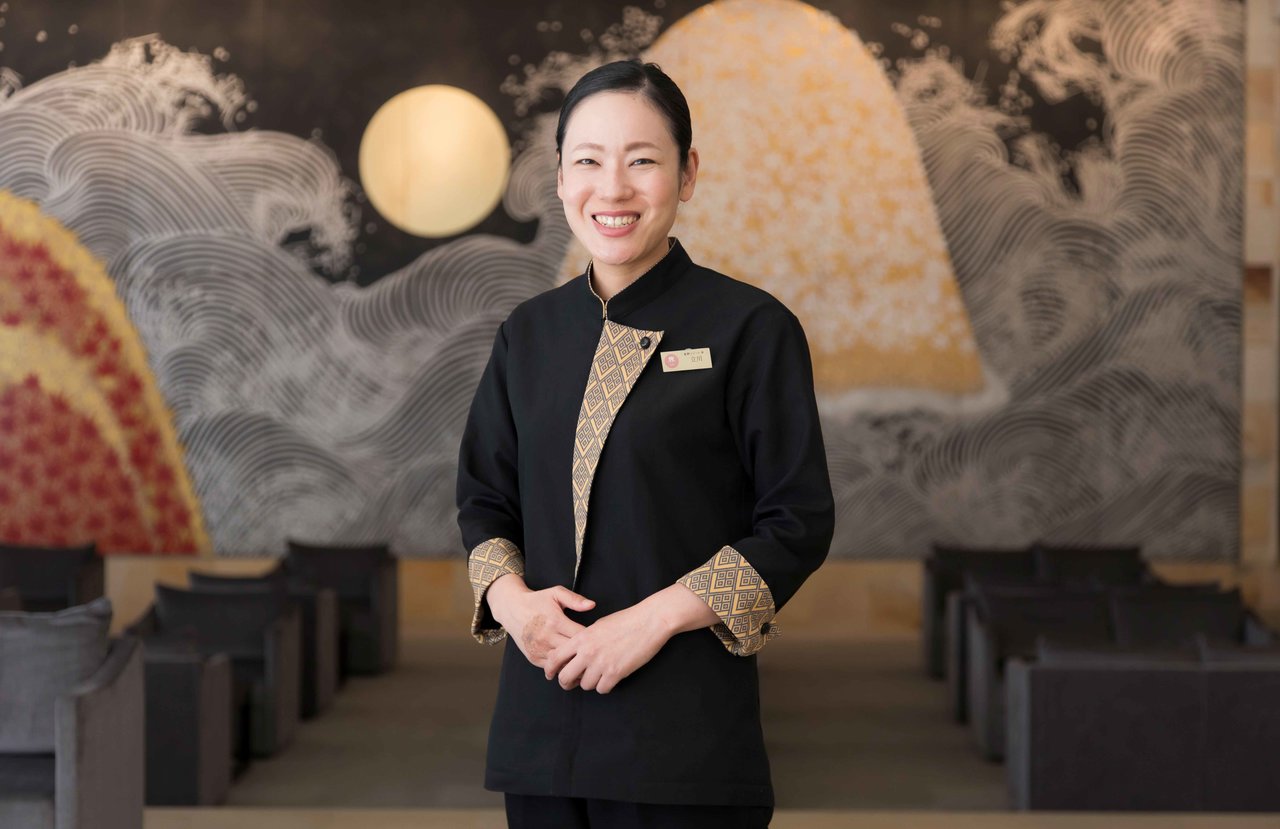
Kumiko Tachikawa, General Manager of KAI Tsugaru
When I asked General Manager Kumiko Tachikawa about the culinary concept, she stated firmly, "The four seasons of Tsugaru." She continued, "We want to offer kaiseki cuisine that can express the four seasons of Tsugaru." Yes, that's exactly what I'm looking for. I've worked up an appetite!
KAI Tsugaru offers two types of dinner: the standard "Seasonal Kaiseki" or the "Special Kaiseki Cuisine" that showcases the ultimate luxury of Aomori. While I casually mentioned "ultimate luxury," don't let your guard down (?), as it's quite extraordinary.
Let me introduce the proud "Special Kaiseki Cuisine." There are three menu variations depending on the season. In spring, it features the indispensable spiny crab of Aomori in the "Hanami Crab and Wagyu Beef Kaiseki." In summer, you can enjoy "Abalone Ice Shabu-shabu," where abalone sashimi is lightly cooked in herb-infused hot water and then served with two kinds of chilled dashi broth. As this refreshing and luxurious dish, generously garnished with wakame seaweed—the abalone's favorite food—arrives, the sound of festival music seems to drift in from somewhere. It appears a summer festival has begun in my mind (laughs).
And from autumn to winter (September to February), here it is: the "Oma Tuna Extravaganza Kaiseki"! While Oma tuna can be eaten year-round, its peak season, when the water temperature is low and the fat content is high, is said to be autumn and winter.
Although the three "Special Kaiseki Cuisine" menus are distinct, each lineup is designed to excite the diner. While I'd love to engage with every menu seriously, this time I had the pleasure of encountering the "Oma Tuna Extravaganza Kaiseki" right at the start of its season.
To put it simply, I feel truly fortunate to have encountered this dish in this lifetime...
Have you ever actually eaten "Oma tuna"? It has become quite famous in recent years, making it a rare delicacy. You might think, "Tuna is tuna, right? Is it really that delicious just because it's caught in Oma?" I understand that sentiment. But there's a very good reason why Oma tuna is so delicious. For details, please watch the film "The Living Sea" (directed by Shinji Somai, 1983), which explores the generational change in Oma tuna fishing ( https://www.youtube.com/watch?v=MJHWIos2lkk) .
Just kidding, I'll explain it simply! The Tsugaru Strait, where Oma tuna is caught, is where the Kuroshio, Tsushima, and Kuril currents converge, creating an abundance of plankton. Lots and lots of it. This plankton is a feast for squid and sardines, keeping them energetic. The tuna then feed on these squid and sardines, accumulating high-quality nutrients.
"Oma tuna, having battled the rough seas of the Tsugaru Strait, has firm, well-textured flesh," says Tachikawa, with a hint of pride.
The "Oma Tuna Extravaganza Kaiseki" I'm introducing today is a manifestation of the desire of KAI Tsugaru's staff, including Tachikawa, to "allow guests to savor tuna in various culinary preparations."
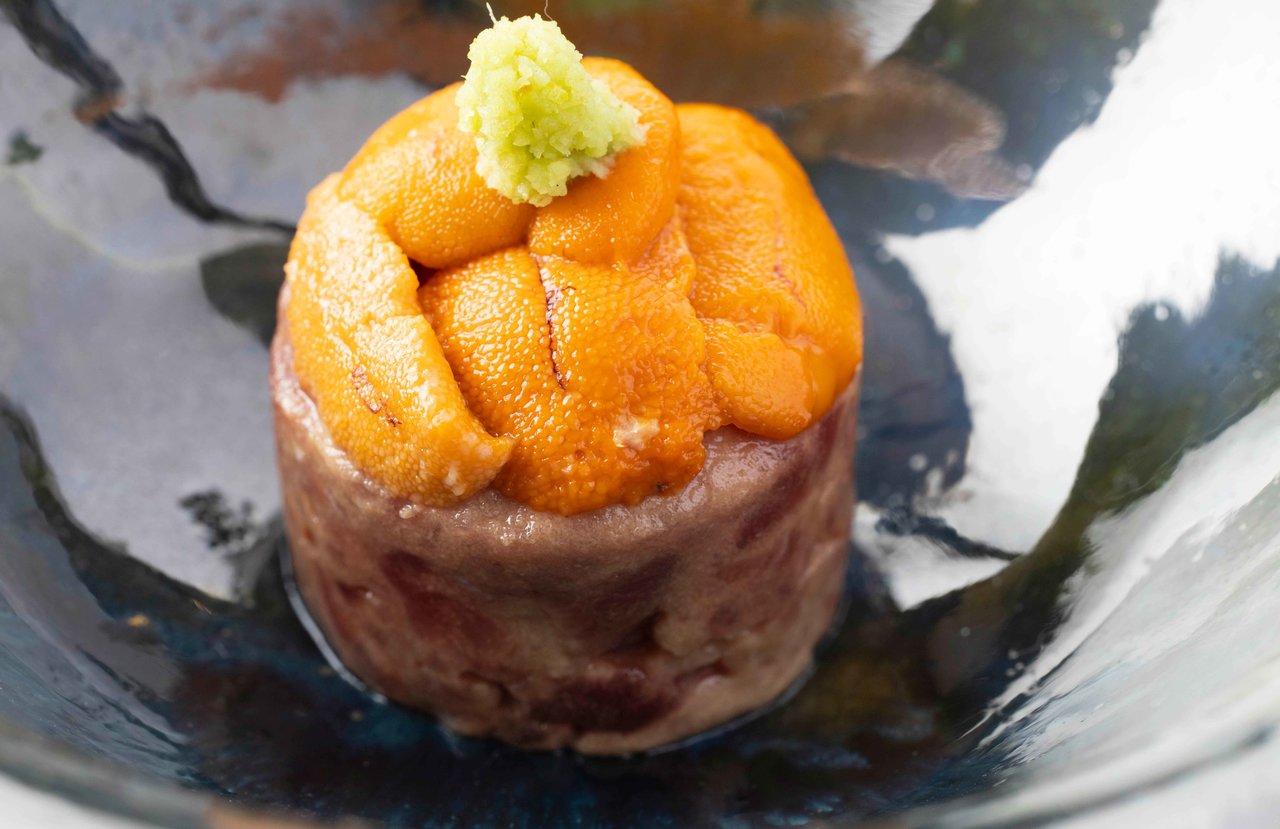
Appetizer: Tuna and Yamaimo with Arare Dressing
Let's try it right away. The appetizer that appeared was "Tuna and Yamaimo with Arare Dressing." It's a masterpiece featuring diced Aomori yamaimo—boasting the highest harvest yield in Japan—and Oma tuna, mixed together and topped with sea urchin. Dijon mustard from France is used in the seasoning, and it pairs wonderfully. It's a "Wow, they went there!" kind of moment.
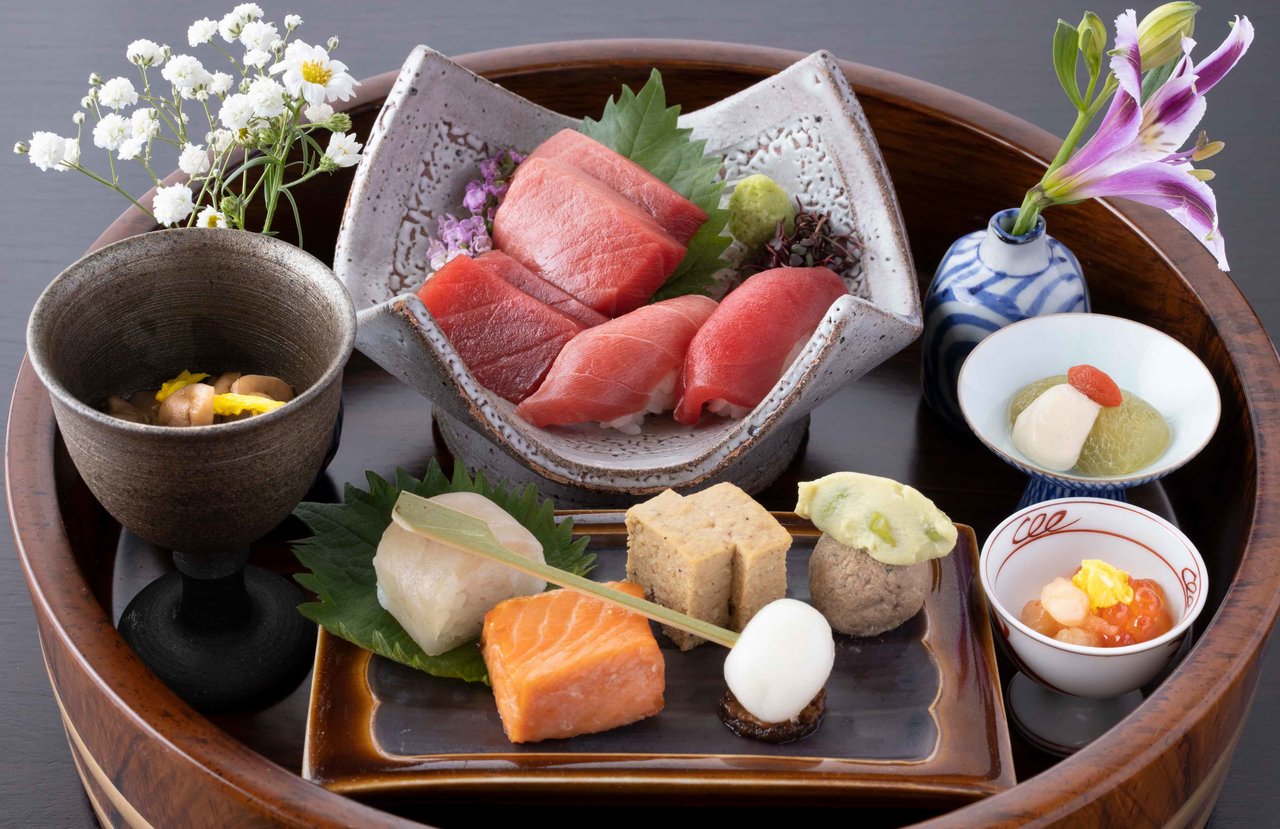
Hōraku Mori (Treasure Bowl): ● Hassun (Appetizers): Chicken and Dried Grape "Matsukaze" | Shiratama with Walnut Miso | Marinated Sweet Shrimp with Shaoxing Wine and Ikura | Tofu with Grapes | Salmon Yu-an Yaki | Striped Bass Sushi Roll | Saury Simmered in Oil with Zunda | ● Warisen (Sashimi): Oma Tuna Sashimi, Nigiri Sushi | Chutoro (Medium Fatty Tuna) | Akami (Lean Tuna) | ● Sunomono (Vinegared Dish): Seasonal Delicacies with Tosa Vinegar Dressing
The Hōraku Mori also included akami and chutoro sashimi and nigiri sushi. "We wanted guests to experience the pride of Oma tuna as sushi as well," says Tachikawa. Indeed, the "classic" cannot be omitted. Let me describe its taste using the words of Tachikawa, who is from Ibaraki Prefecture and has been in Tsugaru for just over a year (I'm not slacking off, you know).
"When I first tried Oma tuna here, I was surprised by the powerful flavor of the akami."
Exactly! That's why it pairs so well with rich sake. Oh, and don't forget the pairing of Aomori's ingredients with sake! Various local sakes are available, but the local favorite is the pairing of "Rokkon," a sake made with water from the Shirakami-Sanchi region and Tsugaru rice, with tuna. Locals swear by it.
TRAVEL | KAI Tsugaru
To Meet This Dish, Journey to KAI Tsugaru (2)
Tuna Dashi Shabu-shabu, Marinated Oma Tuna Donburi... An Unforgettable Extravaganza!
The main dish was beef shabu-shabu, with a broth made from tuna flakes. While the tuna used for the flakes isn't from Oma, I secretly tasted it while the small pot was simmering, and I thought, "Whoa, what is this?" A subtle sweetness wafted through my nostrils, a taste that sent shivers down my spine. I could drink a whole washbasin full of this.
Excuse me, let me compose myself. This dish actually comes with "extra tuna flakes." How thoughtful! The entertainment value, and of course, the pairing with the meat was superb. Both the meat and the tuna flakes are the best! It's wonderful that they found their destined partners. I offer my blessings.
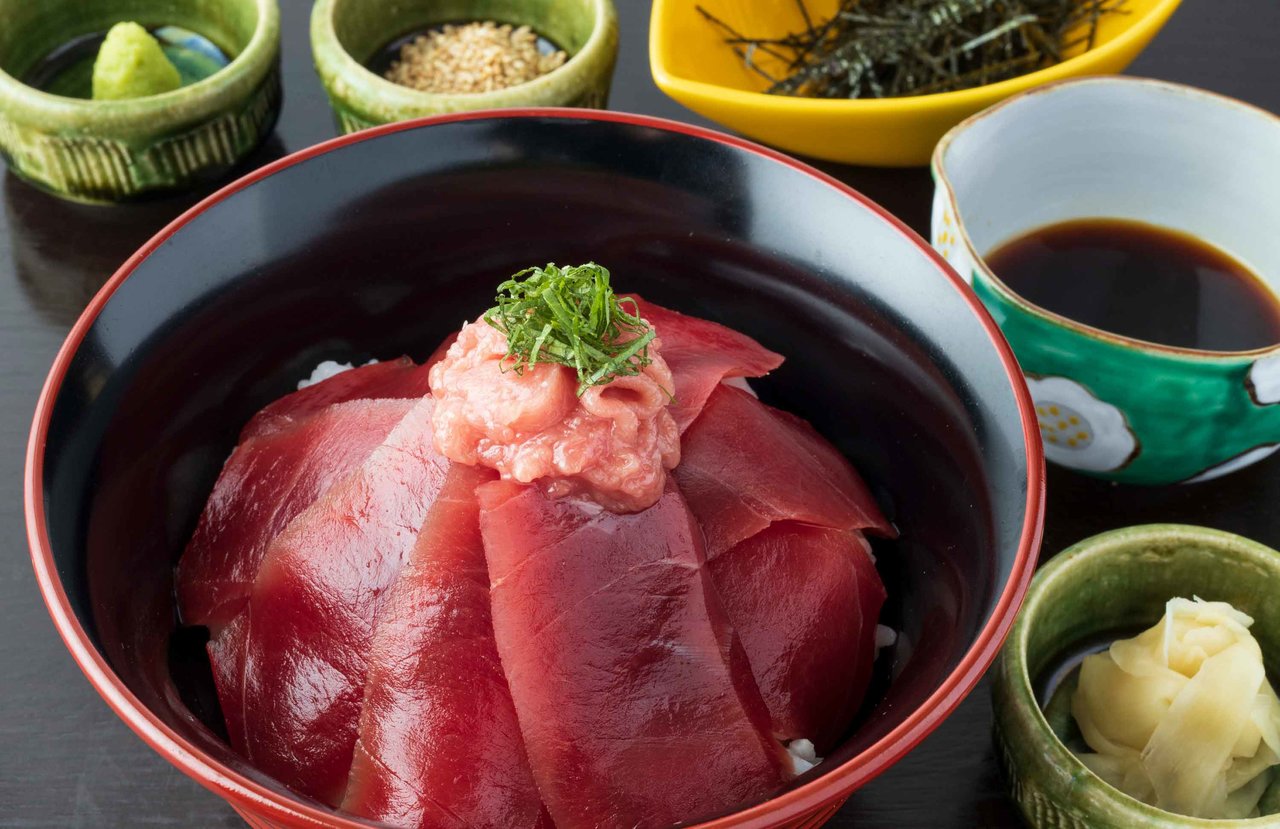
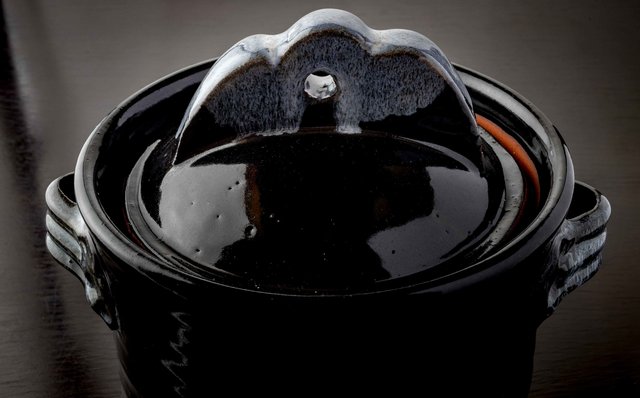
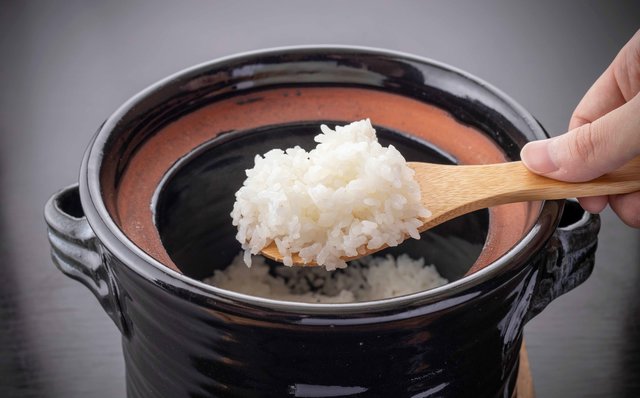
Meal: Marinated Tuna, Condiments, White Rice
And for the finale, it's the marinated Oma tuna donburi. The tuna is excellent, of course, but the rice is also incredibly delicious. It's made with local rice, you know. And starting this autumn, they've begun cooking it in original earthenware pots. It's bound to be delicious, right? According to the staff, some guests request smaller portions of the preceding dishes because they're eagerly awaiting this marinated donburi. Indeed, this donburi, in terms of flavor, appearance, and presentation—everything about it had the presence befitting a main dish.
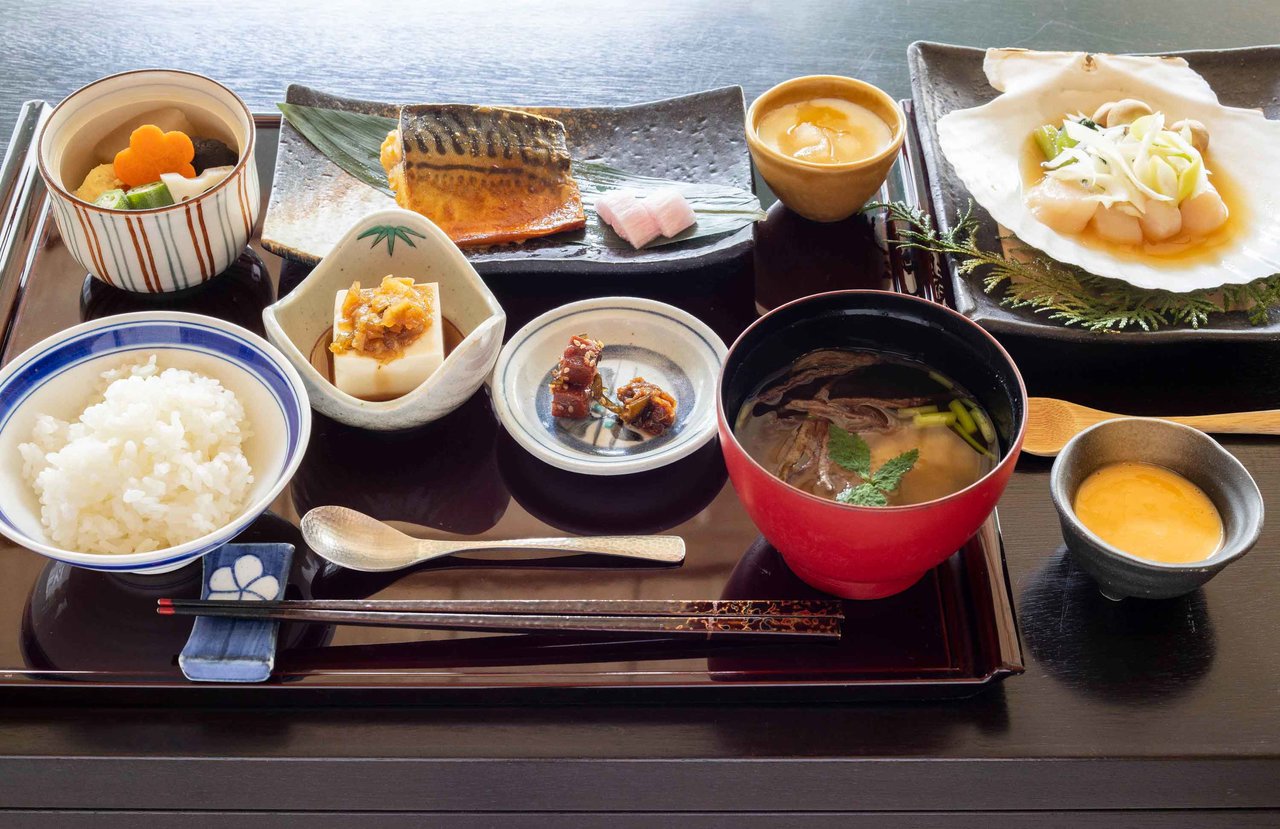
Japanese breakfast set. Top right is the grilled shellfish. It will be cooked at the table later.
Breakfast is a Japanese set meal featuring "Kaoyaki Miso" as the main dish. Kaoyaki is a local Tsugaru dish where scallops, negi (green onions), and shimeji mushrooms are simmered in miso soup within a scallop shell, which serves as a pot, and then bound with egg. It's said to have originated in the Edo period when Mutsu Bay fishermen used scallop shells as cooking pots to prepare soup. While recipes vary by ryokan and household, this dish pairs incredibly well with rice. It's dangerously good.
Aomori really knows how to impress! I'll have to revisit in spring to try the crab senpai!
I asked Tachikawa, who transitioned from a fitness club to Hoshino Resorts and then came all the way to Tsugaru after working at "Hoshino Resorts KAI Nikko," about her impressions of Tsugaru.
"Tsugaru has many wonderful things, such as its folk crafts and cuisine, but what impressed me the most is how distinct the four seasons are: the cherry blossoms in spring, the fresh greenery in summer, the autumn foliage, and the snowy landscapes in winter. Please come and experience the rich four seasons of Tsugaru."
Speaking of KAI Tsugaru, after Tachikawa became manager, it was renovated in April 2019. All 41 rooms were transformed into "Tsugaru Kogin Rooms," themed around Tsugaru's traditional craft, Tsugaru kogin-zashi embroidery.
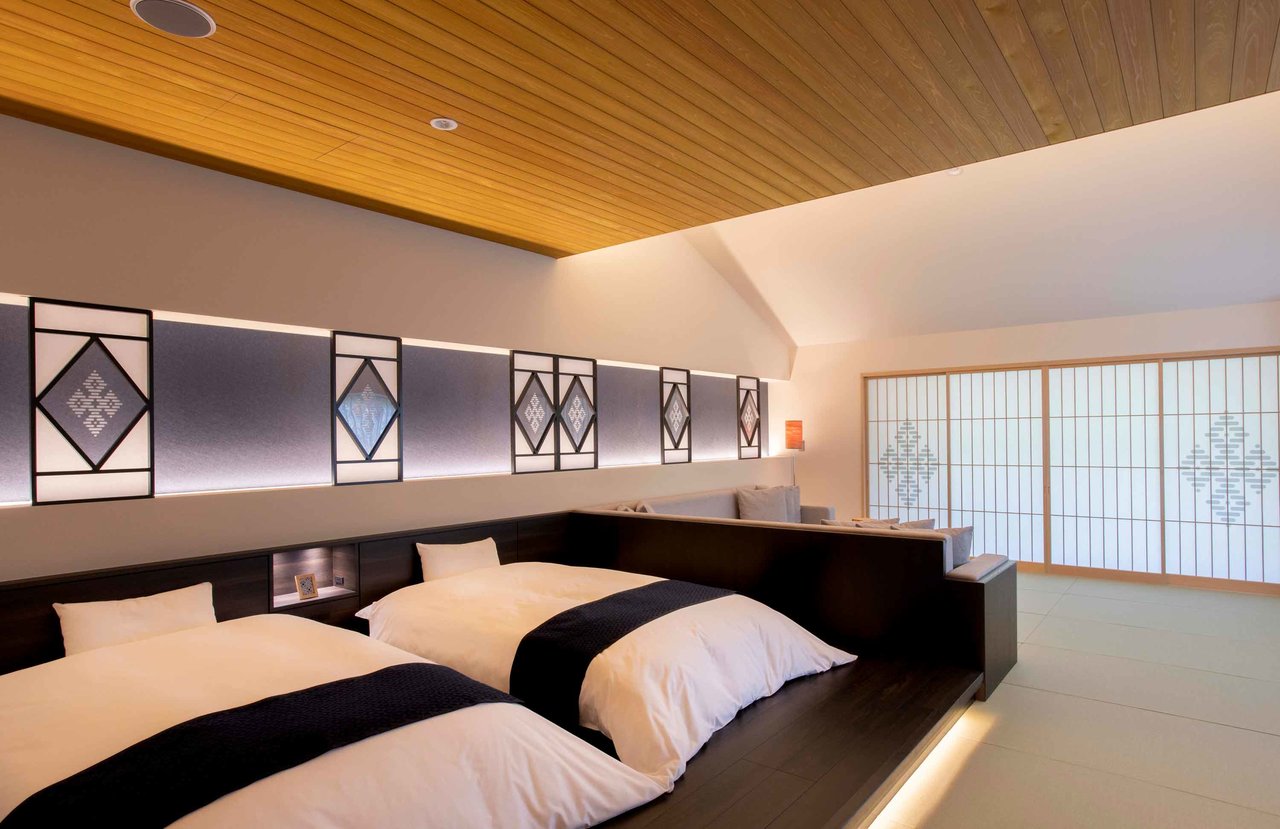
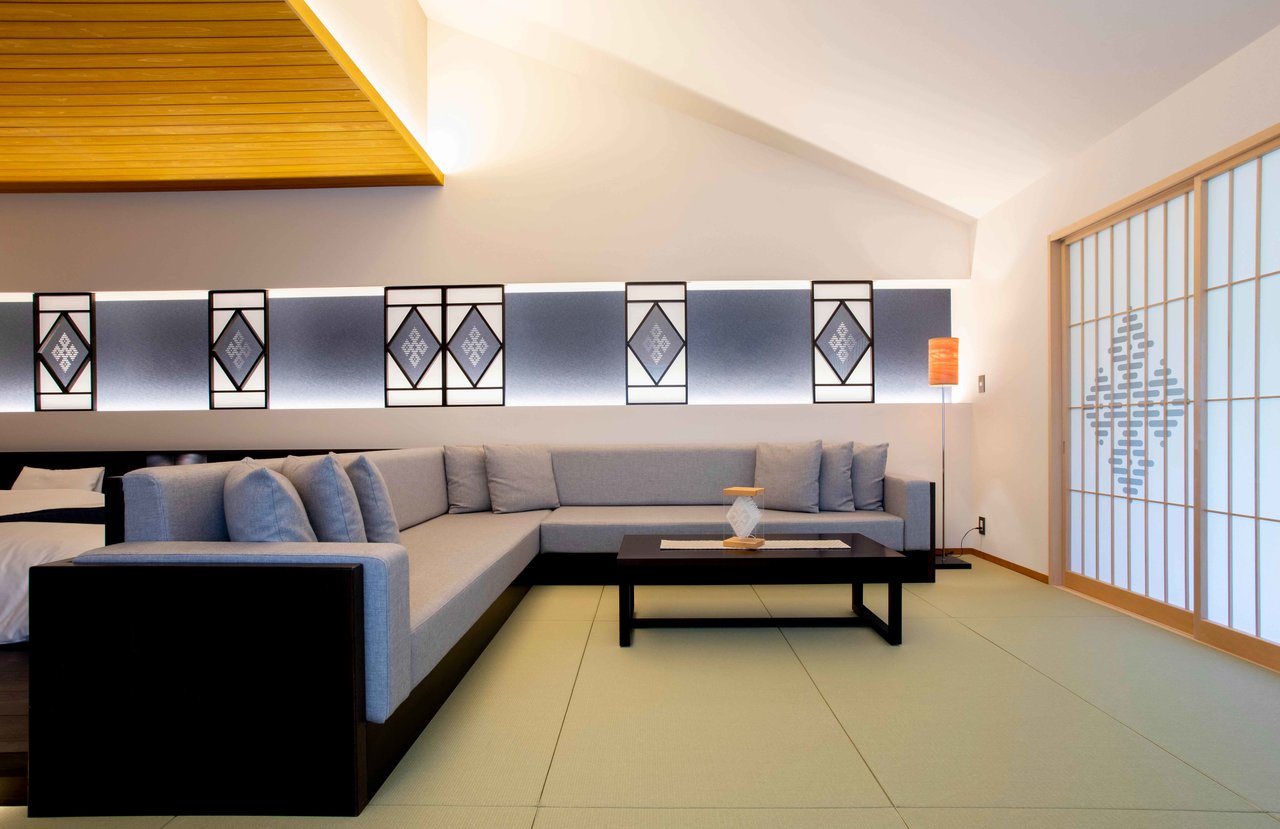
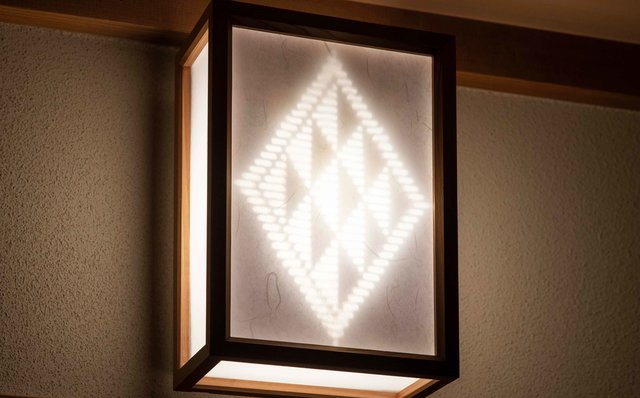
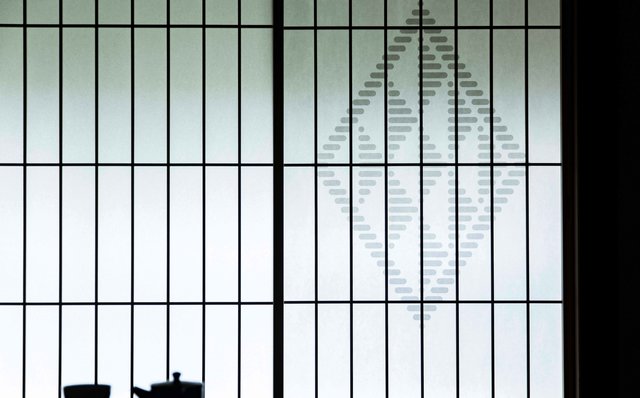
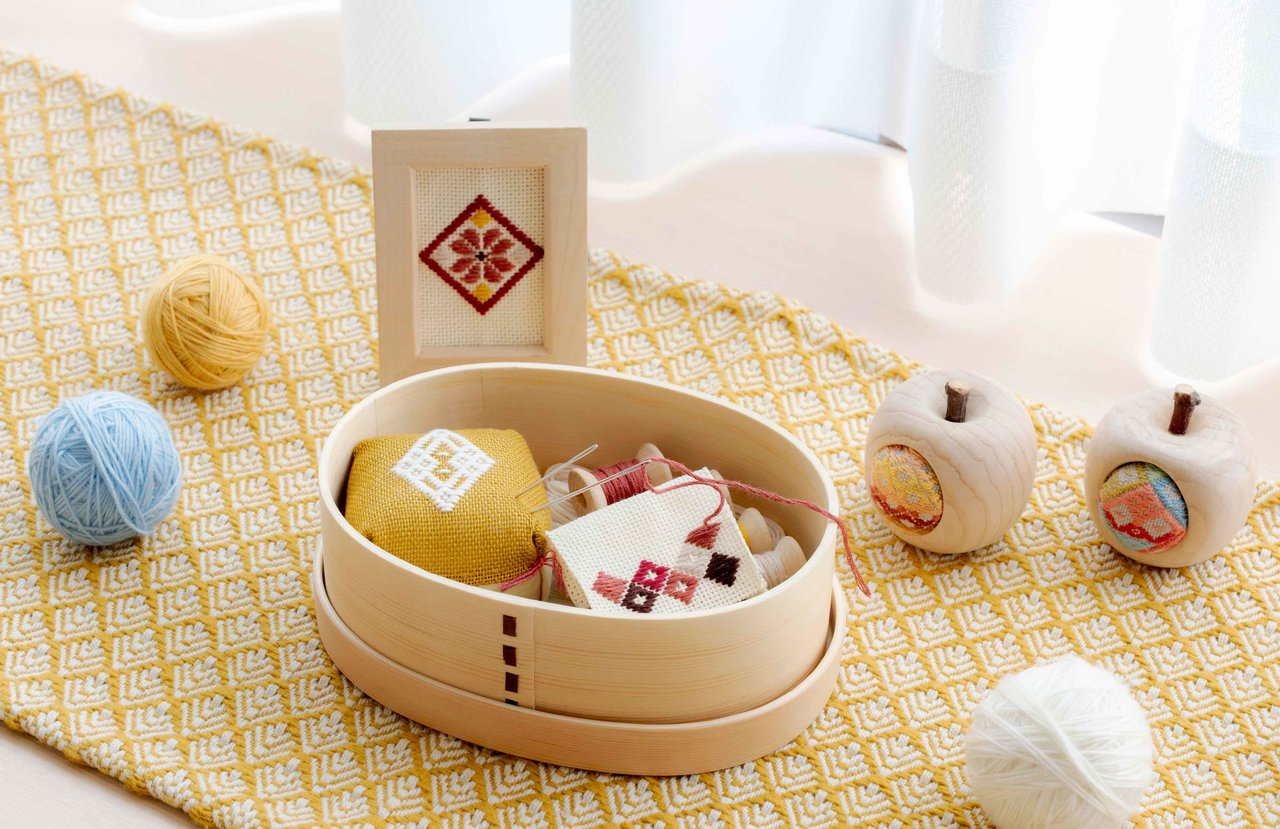
Tsugaru kogin-zashi is a traditional embroidery technique from the Tsugaru region. Originating in the Edo period as a way to reinforce work clothes and provide warmth, it can now be adapted in both retro and modern styles, and is incorporated into various雑貨 (zakka - miscellaneous goods) and accessories. The souvenir corner sells Tsugaru kogin-zashi雑貨 and accessories, which are quite cute! They'll make you loosen your purse strings.
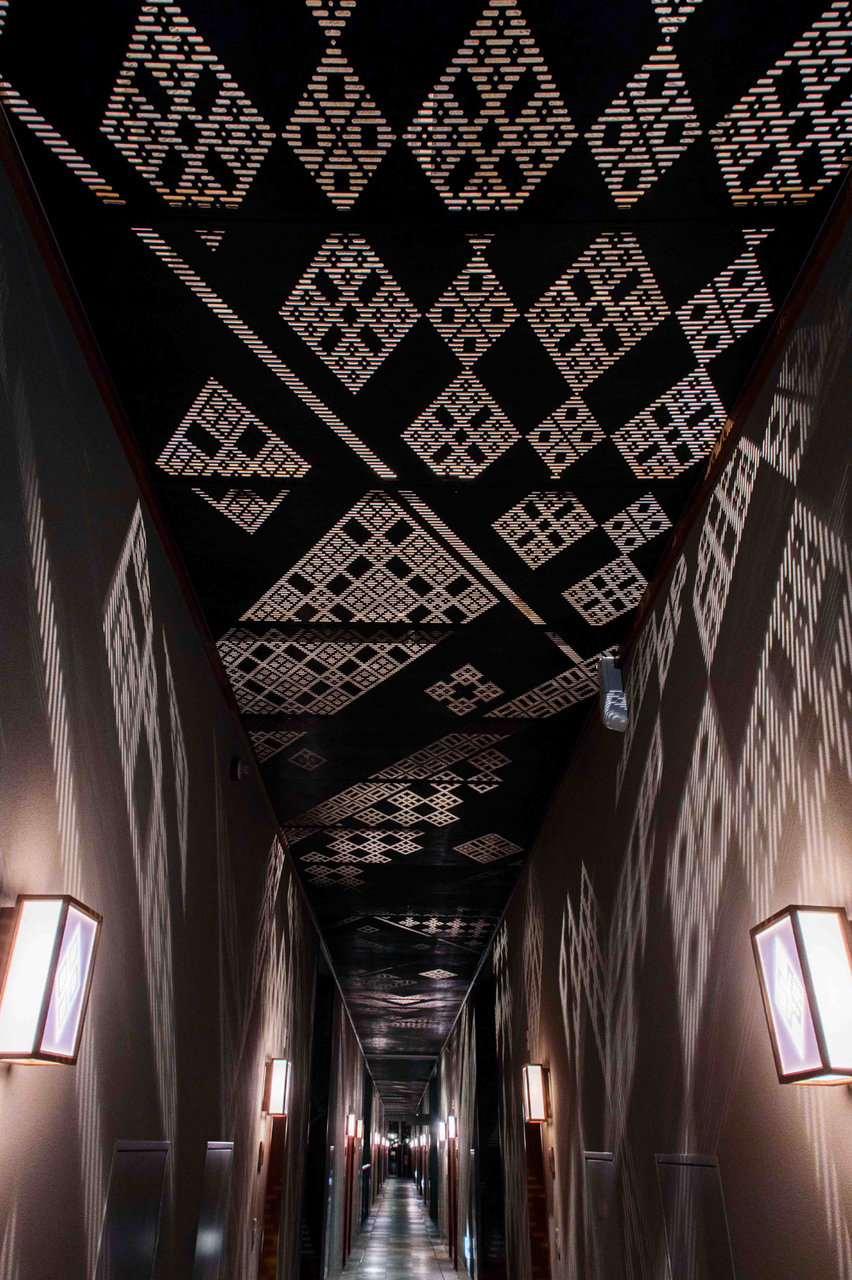
Corridor "Komorebi Kogin"
You should definitely visit the 5th floor as well. The approximately 50-meter corridor, with Tsugaru kogin-zashi patterns on the ceiling, is named "Komorebi Kogin" and has been selected as one of the "10 Most Beautiful Hotel Corridors" by international media. At night, light filters through the kogin patterns, creating a fantastical world where, quite literally, sunlight filters through the trees.
In the "Tsugaru Kogin Room," Tsugaru kogin-zashi designs are incorporated into various parts of the room, including the shoji screens, hanging scrolls, lanterns, and bed runners. Many might not notice, but even the Tsugaru Kanayama ware coffee cups in the room have Tsugaru kogin-zashi patterns. The light illuminating the room numbers also projects the Tsugaru kogin-zashi patterns. Why not try to find the hidden Tsugaru kogin-zashi, the Tsugaru equivalent of hidden Mickeys? Although, most of the kogin patterns aren't really hidden (laughs).
In short, no compromises have been made, even in the smallest details—it's Tsugaru kogin-zashi all the way!
When I asked the staff, they told me there are about 200 to 300 types of Tsugaru kogin-zashi patterns. KAI Tsugaru selected 41 patterns with bright and auspicious imagery, with each room themed around a different pattern.
If you feel inspired to try kogin embroidery yourself, head to the travel library on the first floor. They have free DIY kits to make your own original paper bookmarks. If you're more serious, you can purchase the paid version (1500 yen, limited to 3 sets) and stitch to your heart's content.
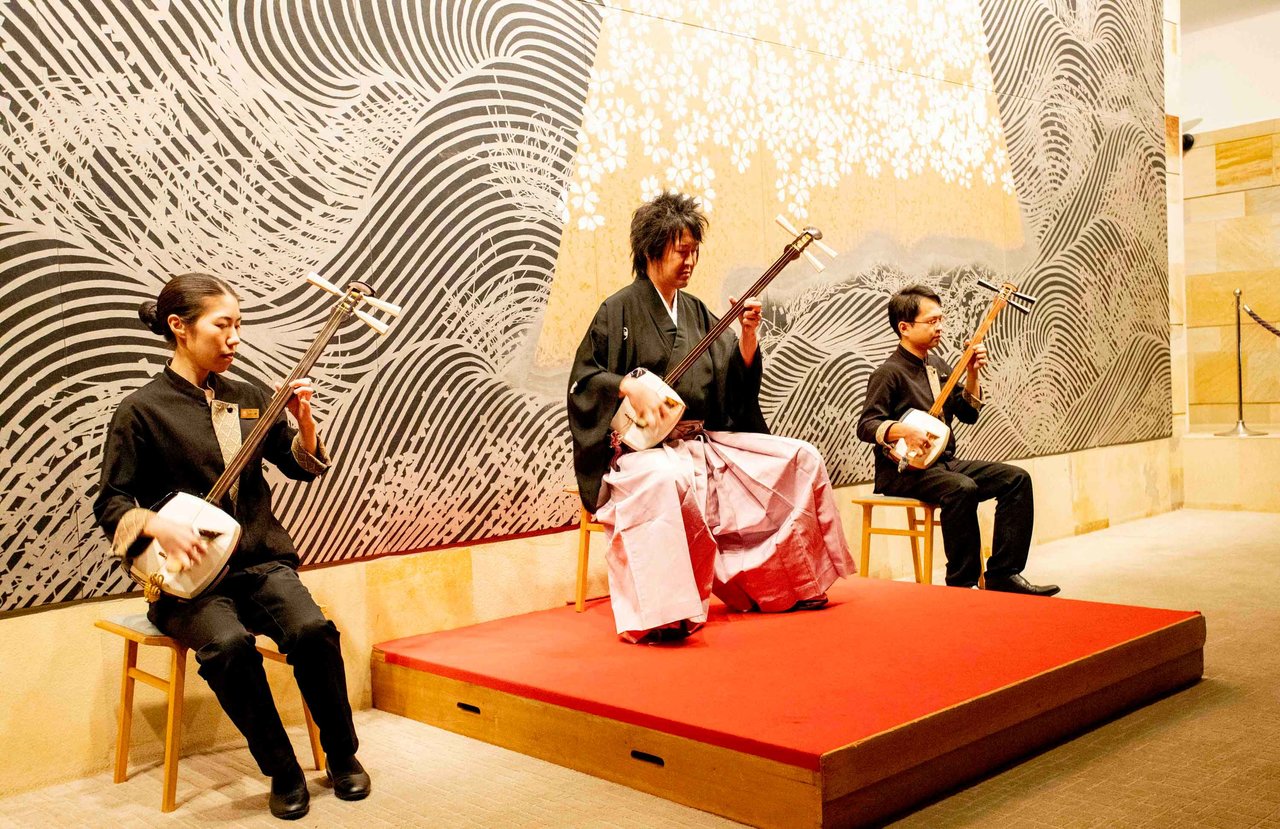
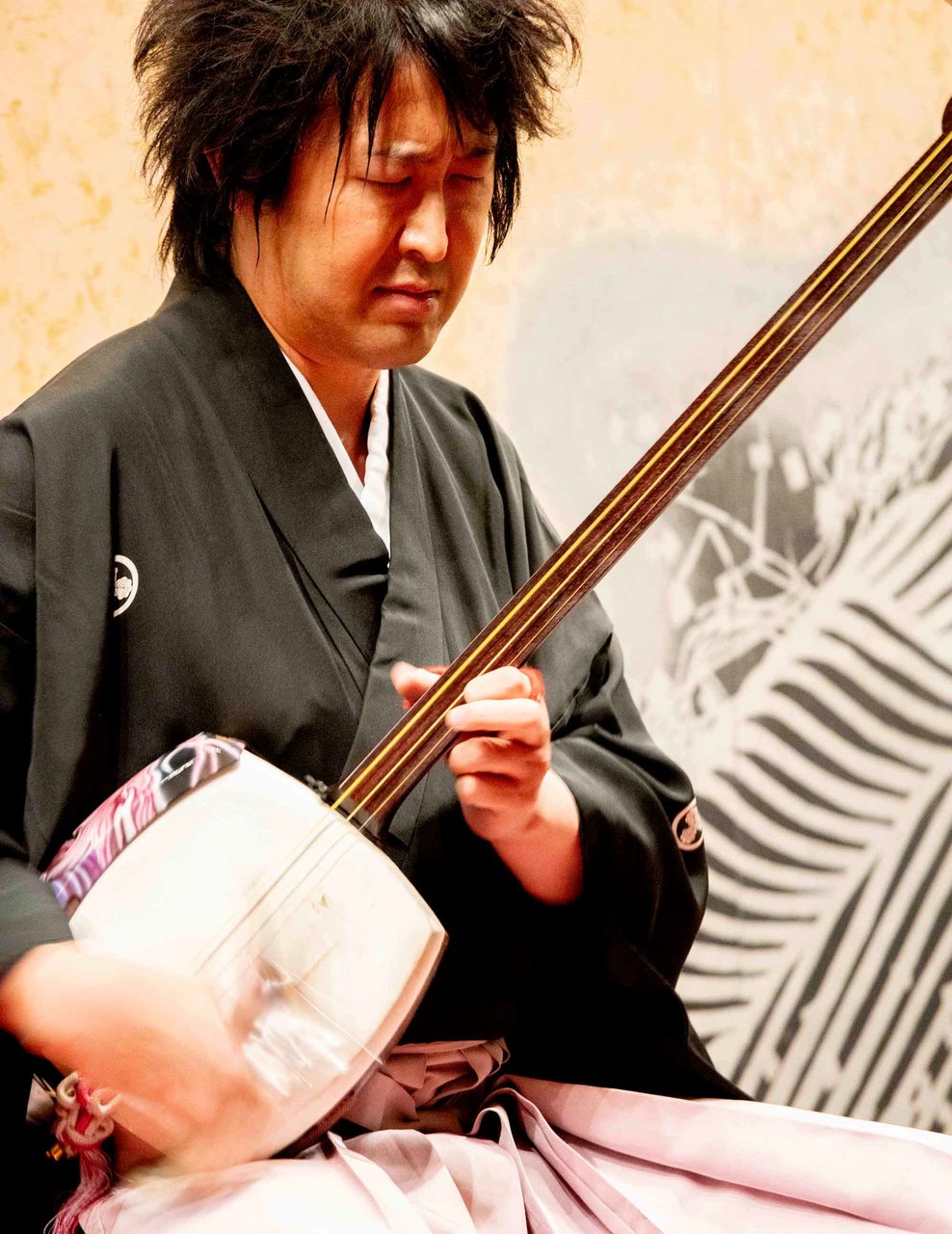
Kohei Shibuya, national champion of Tsugaru shamisen.
In addition, KAI Tsugaru offers other topics and events to fully enjoy Tsugaru.
In the evening, in the public space next to the lobby, where the mural "Shunju Hato" (Spring-Autumn Waves) by master nihonga artist Matazo Kayama, depicting Tsugaru, commands a striking presence, there is a live performance of Tsugaru shamisen by Kohei Shibuya, a national champion, and staff members of KAI Tsugaru who have learned from him. Immerse yourself in the powerful yet delicate sound of the Tsugaru shamisen. After the performance, there's also time for guests to try playing the Tsugaru shamisen, so why not give it a go as a memorable souvenir of your trip?
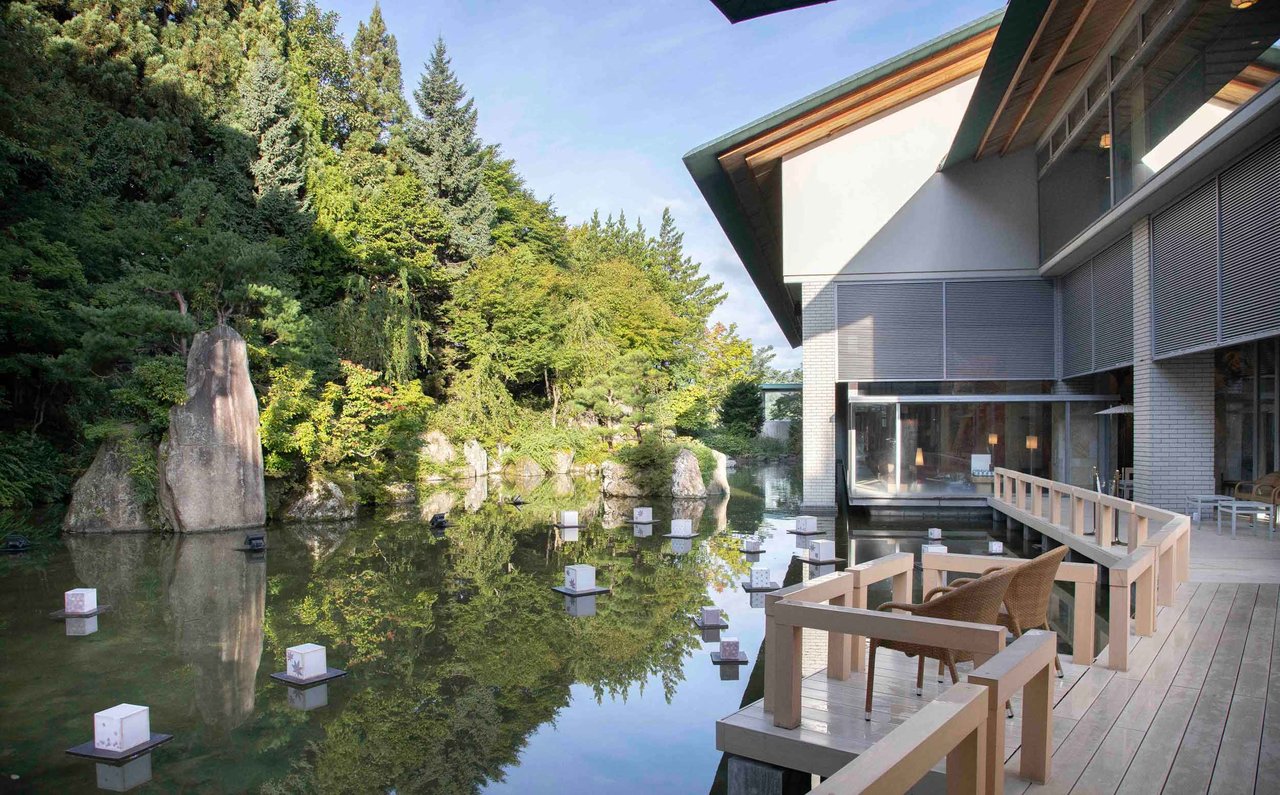
Tsugaru Four Seasons Water Garden
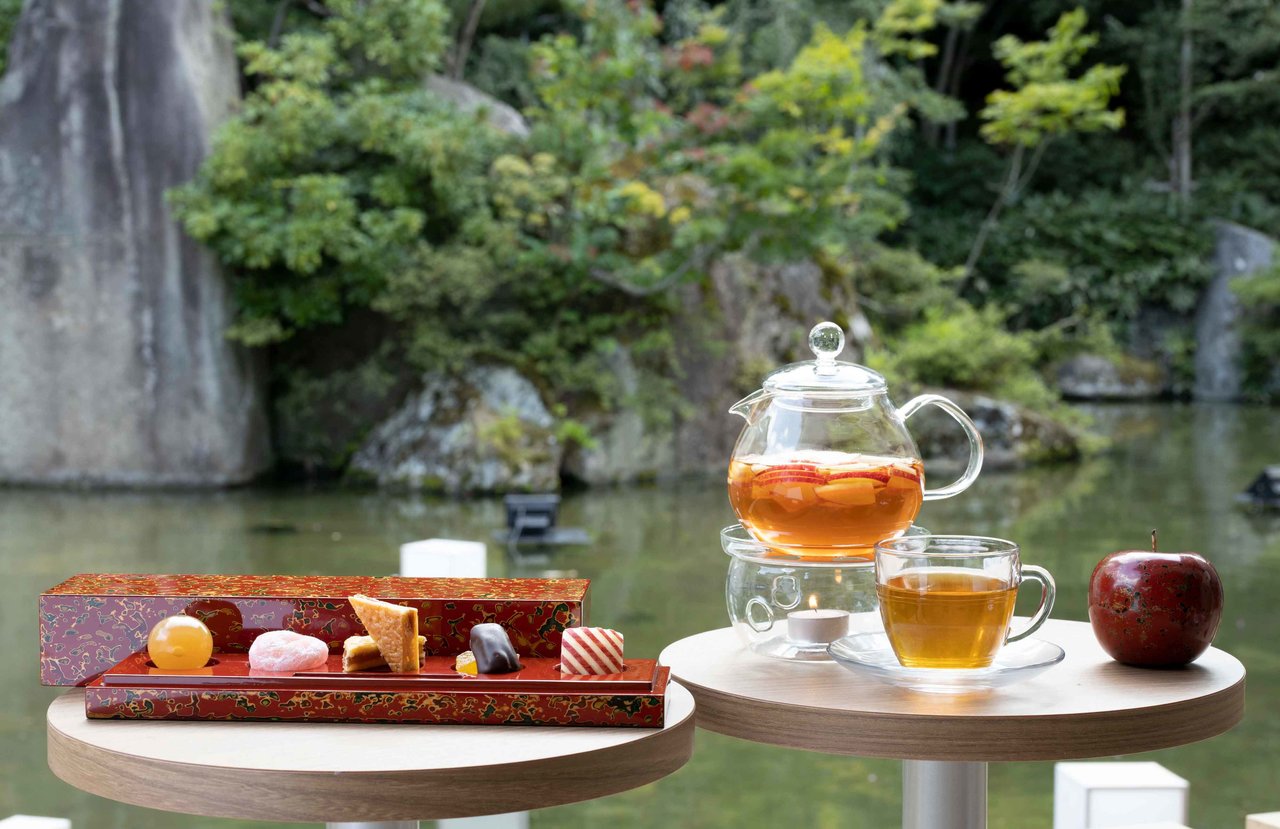
Enjoying "Apple Tea Ceremony" at the Tsugaru Four Seasons Water Garden
Furthermore, in conjunction with the room renovations in April 2019, the "Tsugaru Four Seasons Water Garden" was created behind the lobby. A terrace extending over the water was added to the existing pond. Various events and activities are held, using the water garden, planted with weeping cherry trees, maples, and other trees, as a borrowed scenery. My personal recommendation is the "Tsugaru Taiso" (Tsugaru exercises) held every morning for guests, free of charge (venue may vary by day).
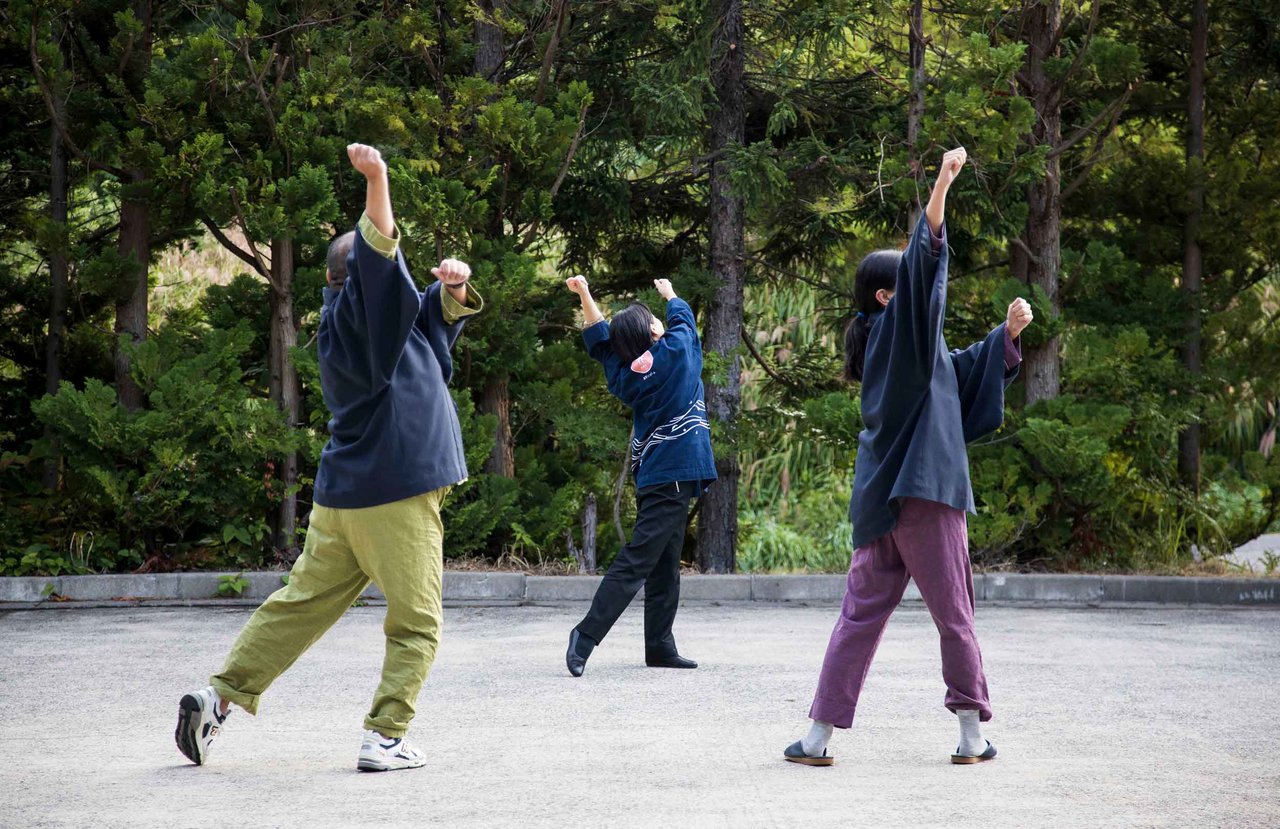
Tsugaru Taiso
The movements are related to the four seasons of Tsugaru: cherry blossom viewing, Nebuta festivals, apple harvesting, and snow shoveling. Even someone like me, who groans at the thought of exercise or yoga, can enjoy moving their body with this and feel quite good.
"Hoshino Resorts started with hot springs. Please be sure to enjoy the onsen too," says Tachikawa. Right... I wasn't trying to keep you waiting, but I'll introduce the hot springs at the very end.
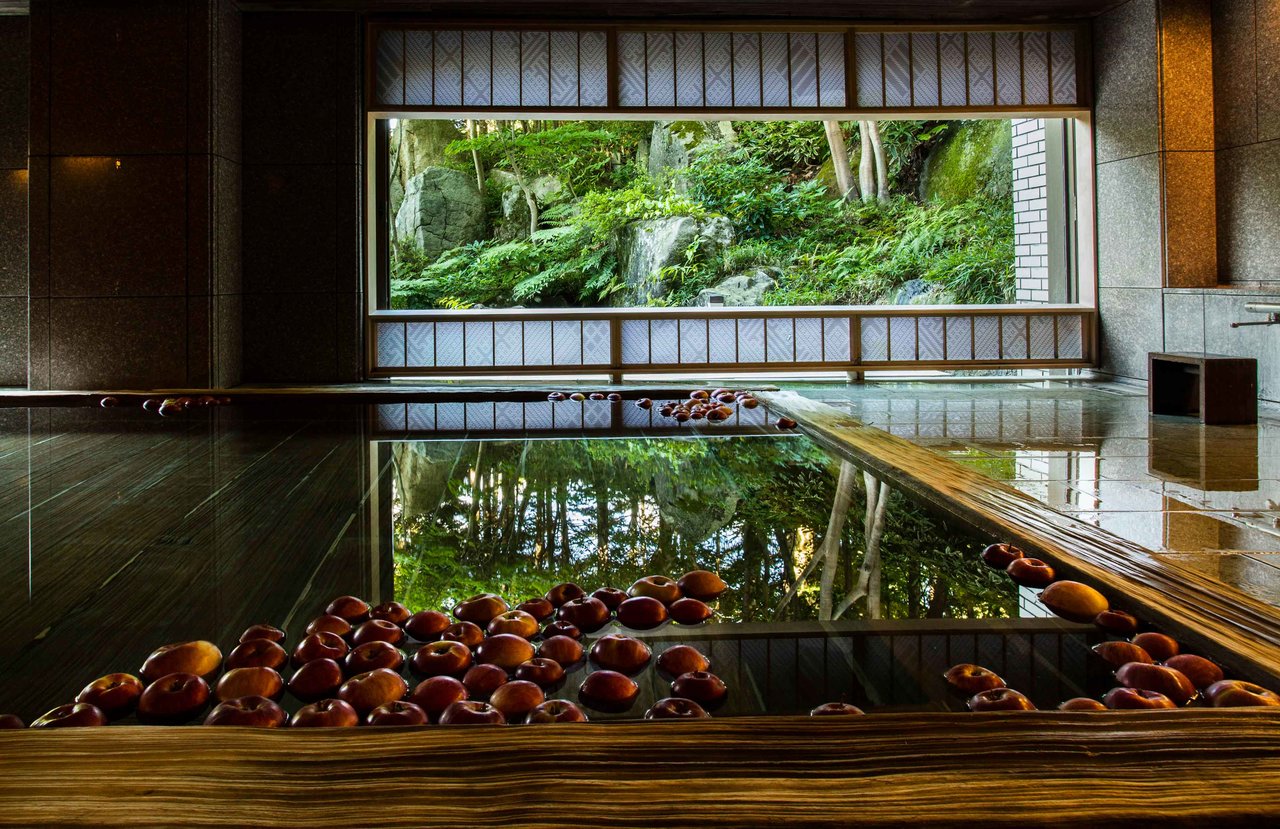
The Owani Onsen available at KAI Tsugaru is a renowned hot spring that was ranked "Gyoji" (referee) in the Edo period's national hot spring rankings, a level above "Yokozuna" (grand champion), which included Kusatsu and Arima. Putting aside the question of what "Gyoji" means, the silky smooth water quality feels highly therapeutic. The bathing area, constructed from ancient cypress trees over 2,000 years old, offers views of the dynamic Tsugaru landscape through a large window. Additionally, from mid-September to early May, you can enjoy bathing with local apples, carefully cultivated by apple farmers (the period may vary depending on the harvest of the year). Isn't that quite elegant?
Soaking in the long-loved waters of Tsugaru, savoring Tsugaru's cuisine, and sleeping embraced by Tsugaru's culture... It's wonderful. KAI Tsugaru, which wholeheartedly commits to Tsugaru, is refreshingly straightforward! In essence, KAI Tsugaru could be called an entertainment facility for adults, themed around "Tsugaru." And this entertainment facility is quite addictive. Yesterday, I dreamt of crabs... Someone, please help me.
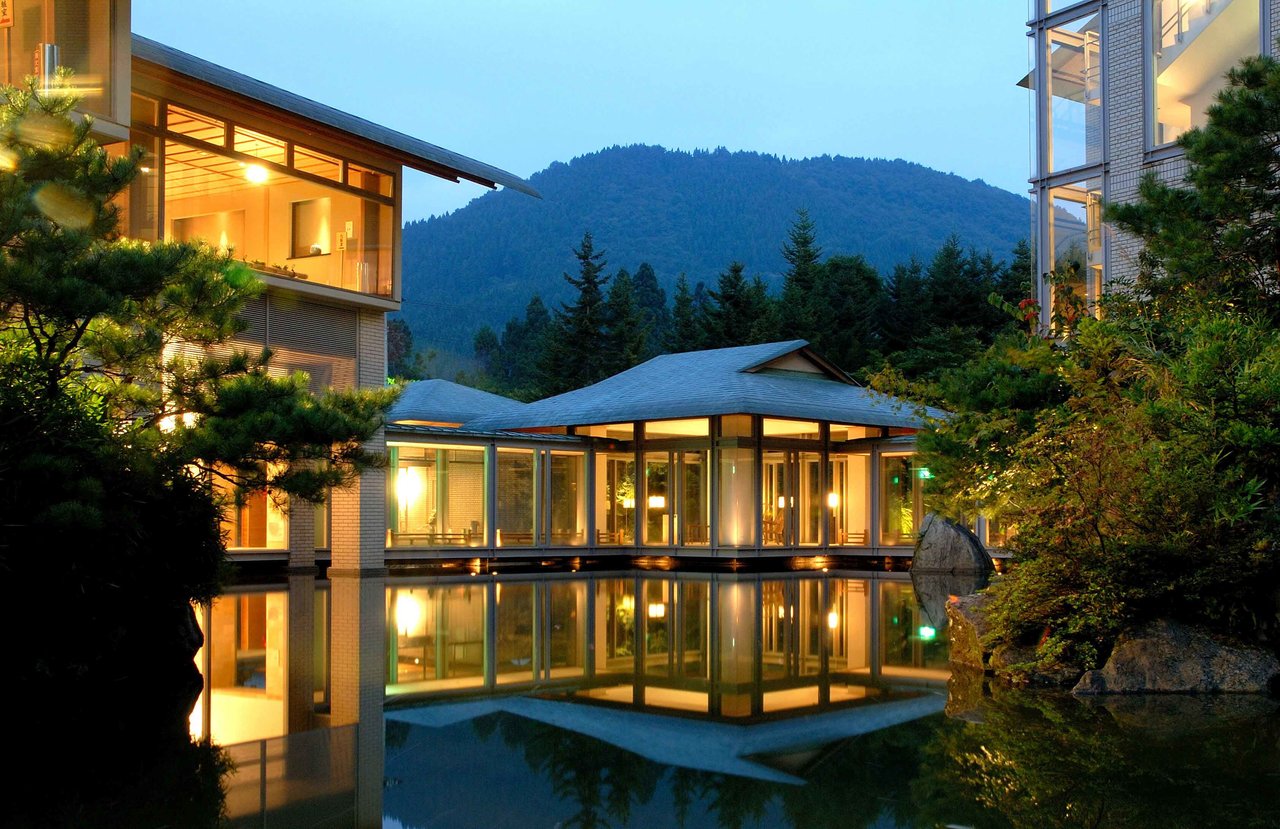
Hoshino Resorts KAI Tsugaru
Address: 36-1 Aza Kamitanabata-mori, Owani, Owani-machi, Minamitsugaru-gun, Aomori
Access: Approx. 5 minutes by taxi from Owani-Onsen Station on the JR Ou Main Line. Approx. 15 minutes from Owani-Hirosaki IC on the Tohoku Expressway.
Rates: From 26,000 yen (per person, per night, including dinner and breakfast, for two people sharing a room in a Tsugaru Kogin Room with a Japanese-style living space).
Address: 36-1 Aza Kamitanabata-mori, Owani, Owani-machi, Minamitsugaru-gun, Aomori
Access: Approx. 5 minutes by taxi from Owani-Onsen Station on the JR Ou Main Line. Approx. 15 minutes from Owani-Hirosaki IC on the Tohoku Expressway.
Rates: From 26,000 yen (per person, per night, including dinner and breakfast, for two people sharing a room in a Tsugaru Kogin Room with a Japanese-style living space).
Inquiries
Hoshino Resorts KAI Tsugaru
Phone: 0570-073-011 (KAI Reservation Center)
URL:https://kai-ryokan.jp/tsugaru/