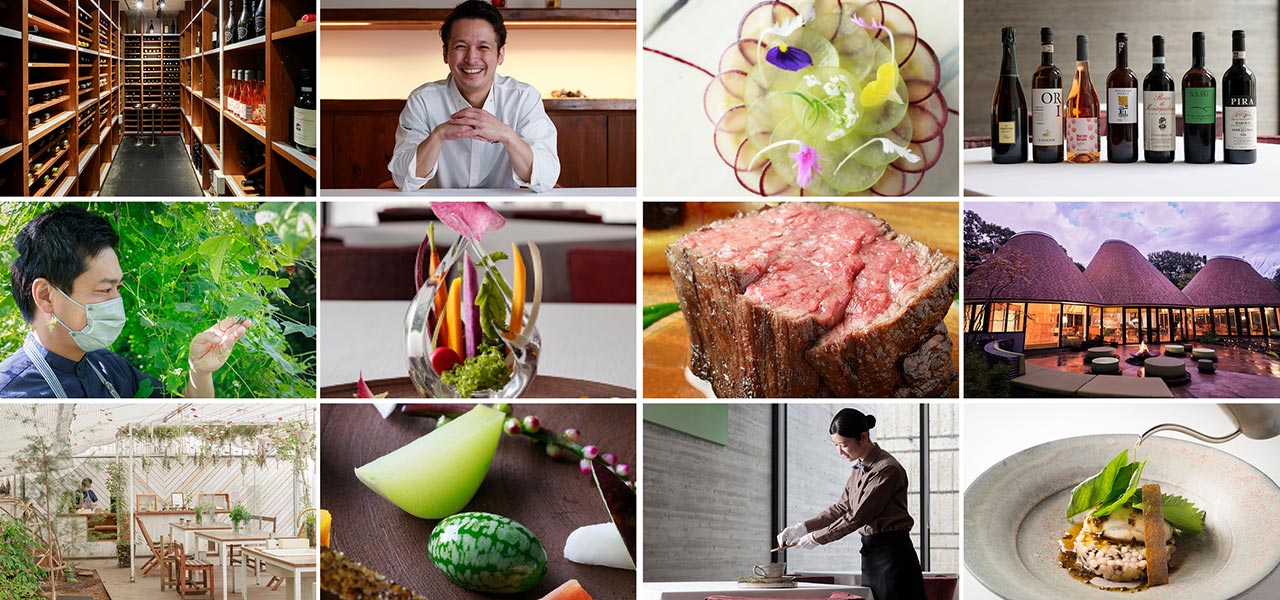
A gourmet paradise less than two hours from the Tokyo metropolitan area. All the best of Nasu!|TRAVEL
TRAVEL | HOSHINO RESORTS RISONARE NASU
To Know is to Savor! Returns: RISONARE NASU Edition
Even though the next train is just minutes away, I find myself slightly irritated when the doors close right in front of me – a product of city life. No, I do enjoy my convenient urban lifestyle. It's just that when I'm working frantically day after day, I sometimes long for nature. However, I don't have the luxury of time and money to travel far. In such cases, it's about two hours by car. On the Tohoku Shinkansen, it's less than an hour from Tokyo Station to Nasu-Shiobara Station, and from there, about a 30-minute bus ride to Nasu Kogen, making it an ideal destination. You can even make it there after working and having lunch in the city! Plus, the fresh greenery in spring is pleasant, it's cooler in summer than Tokyo (it's no wonder the Imperial Family has their summer retreat, the Nasu Imperial Villa, here), and the autumn foliage is breathtaking.
Photographs by OHTAKI Kaku | Text by HASEGAWA Aya | Edit by TSUCHIDA Takashi
Limited to 7 groups per day. To Hoshino Resorts' smallest Italian dining experience.
Allow me to reintroduce "Hoshino Resorts RISONARE Nasu" (hereinafter referred to as RISONARE Nasu). "RISONARE" is a hotel brand by Hoshino Resorts, themed as a "family resort for adults." RISONARE Nasu is the fourth facility in this series, following RISONARE Yatsugatake (Yamanashi Prefecture) and RISONARE Tomamu (Hokkaido), and RISONARE Atami (Shizuoka Prefecture). Its theme is "Agriturismo Resort."
"Agriturismo" is a portmanteau of the Italian words "agricoltura" (agriculture) and "turismo" (tourism). It's a new style of travel that allows you to enjoy agricultural and nature experiences, as well as cultural exchange. It can also be an opportunity to contemplate profound questions like "What is true richness?"... but for this trip, I decided to put aside any complex thoughts and simply enjoy Nasu's natural beauty and agricultural experiences with a clear mind.
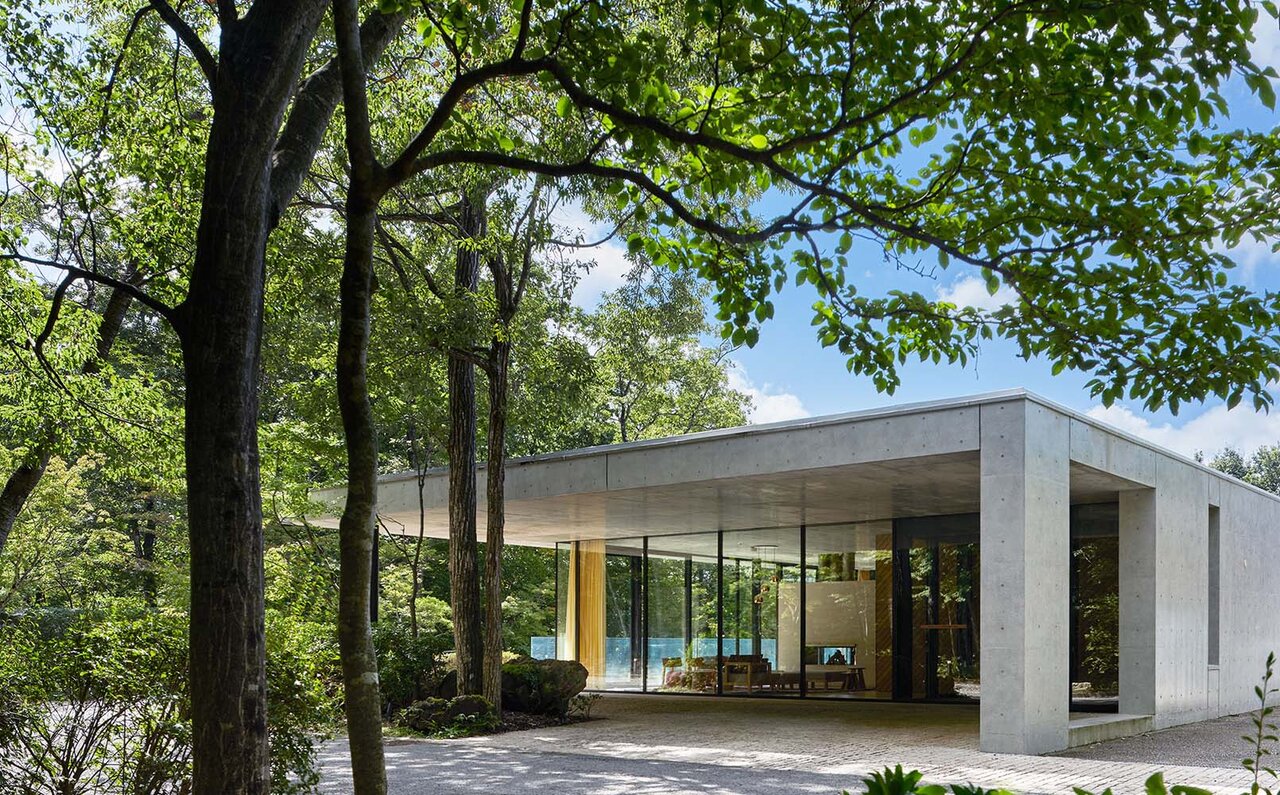
The entrance to RISONARE Nasu is a building of exposed concrete nestled within the forest. While its chic exterior might not suggest it, behind the reception building lies a vast expanse of approximately 138,600 square meters, equivalent to about three Tokyo Domes.
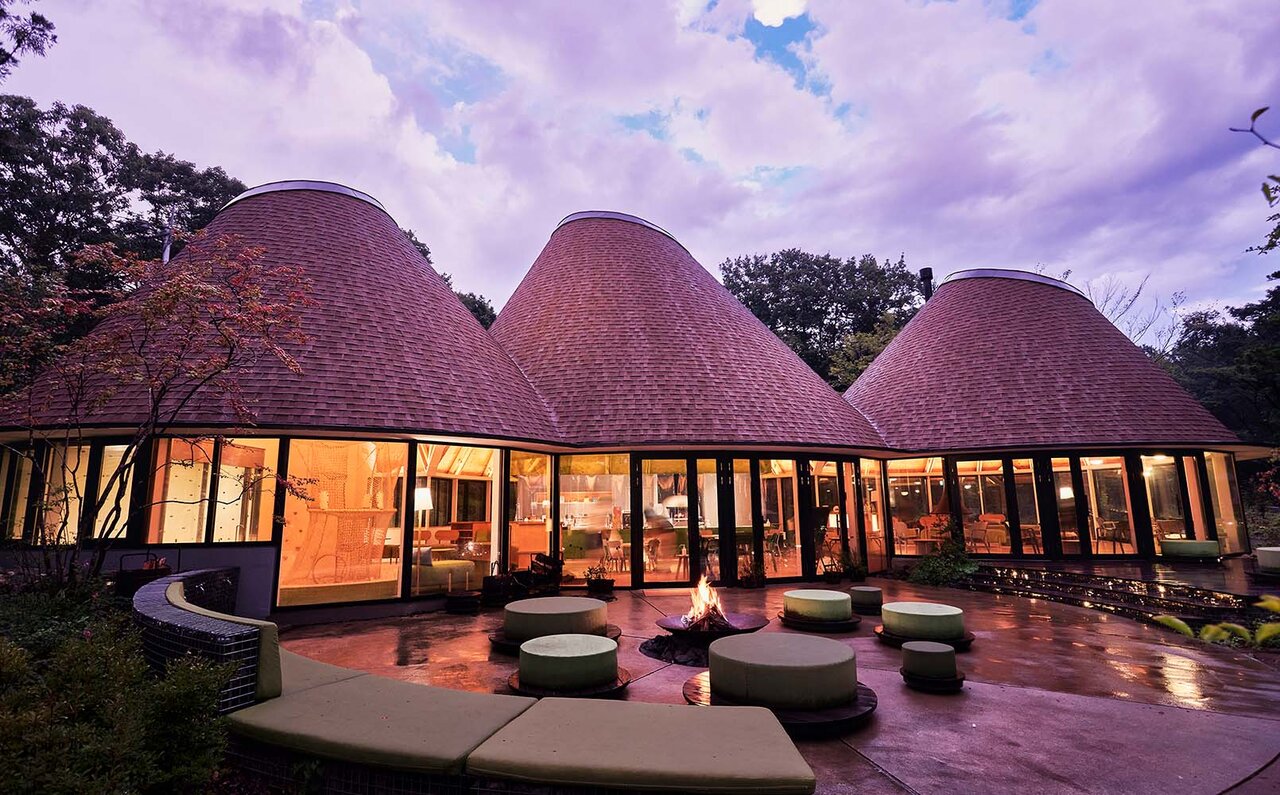
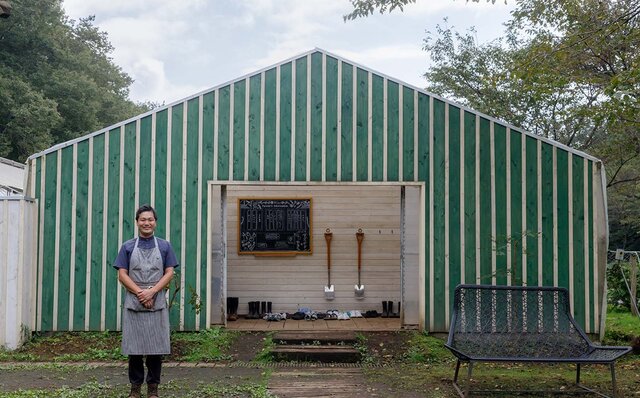
"POKO POKO," with its distinctive conical roof reminiscent of Mount Nasu, is an activity facility. It was newly built to coincide with the opening of RISONARE Nasu. With a site area of approximately 42,000 tsubo (about 138,600 square meters), RISONARE Nasu offers a wealth of activities to experience its rich natural surroundings.
Now, let's dive straight into the "delicious" aspects of RISONARE Nasu.
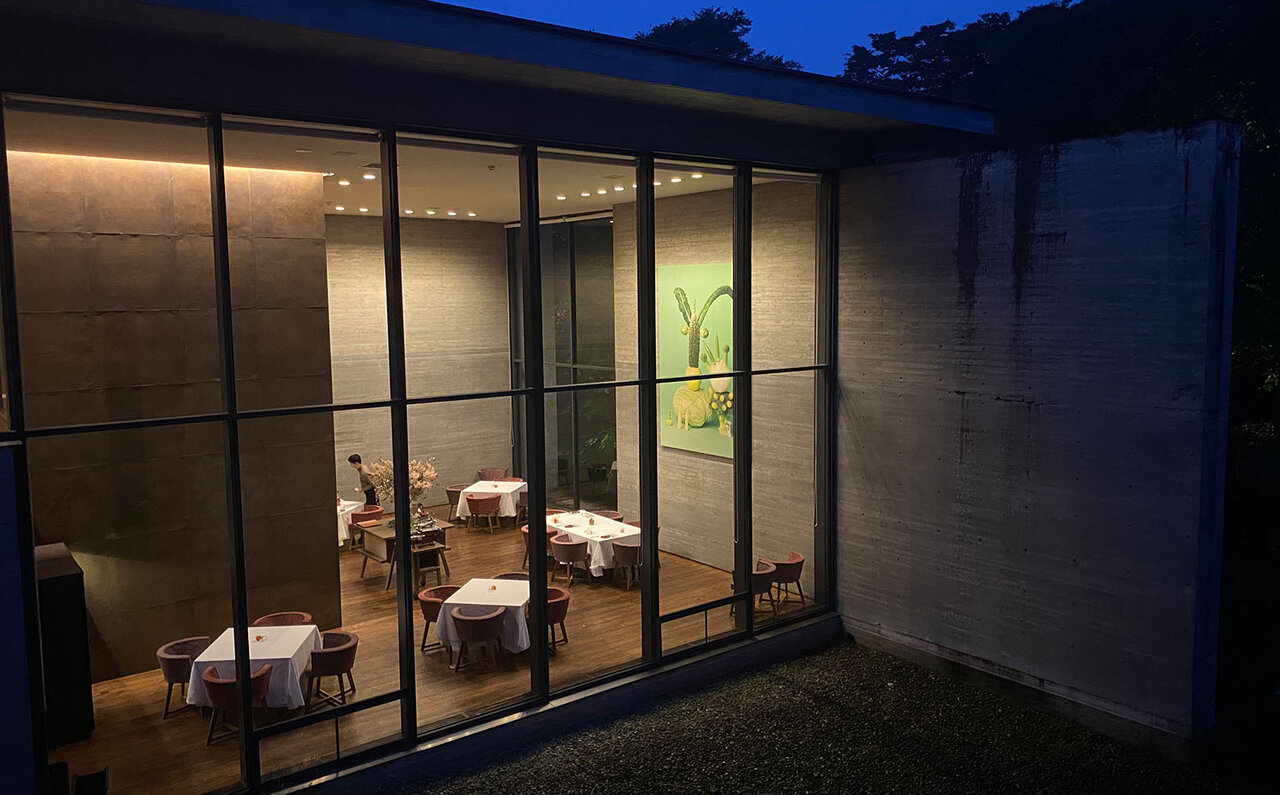
The building housing "OTTO SETTE NASU" stood nestled within the forest. It's constructed using Oya stone from Tochigi Prefecture, a material favored by the 20th-century architect Frank Lloyd Wright. The building has two floors: the upper floor is a lounge, and the lower floor is the dining area. The lounge, filled with books related to Nasu, nature, and food, is available for overnight guests to use free of charge (however, it's an adult-only space, allowing entry only to those aged 12 and above!).
The dining area, with its ceiling height exceeding six meters, is nothing short of dramatic!
"OTTO SETTE NASU" is exclusively for hotel guests and is limited to 7 groups per day. Among the many (too many to count!) main dining establishments at Hoshino Resorts facilities, this is perhaps the most intimate.
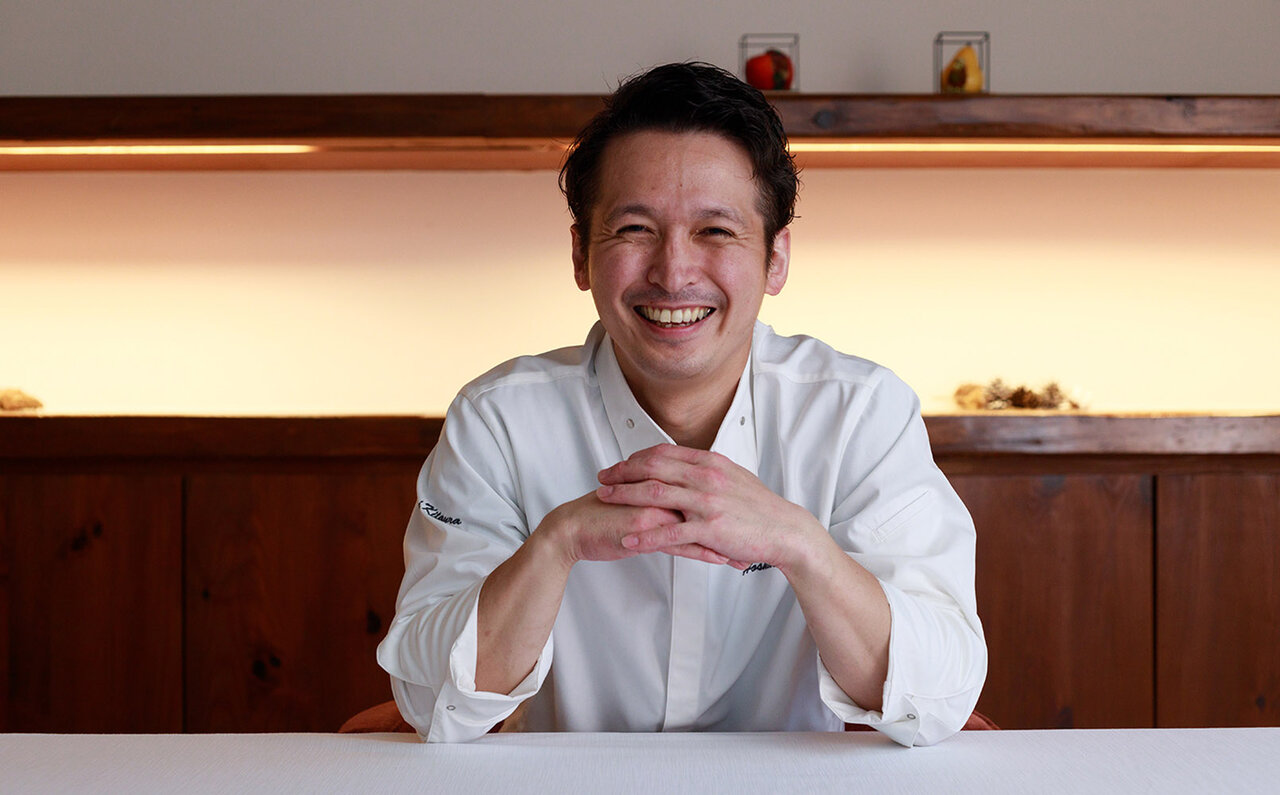
Overseeing the kitchen is Takumi Kitaura, who was appointed Executive Chef of the facility in the spring of 2021. At "OTTO SETTE NASU," local Nasu ingredients, including vegetables and cheeses, are transformed into regional dishes from Tuscany, central Italy, a region with a climate and landscape similar to Nasu (incidentally, "OTTO SETTE TOMAMU" in Hokkaido featured Piedmont as its theme).
Executive Chef Takumi Kitaura
"The dining room is small enough that the chefs can see all the tables, so we actively want to interact with our guests. Please enjoy the abundant ingredients of Tochigi to your heart's content," Kitaura-san greeted us with a smile. By the way, here is the menu available until the end of November, and the wine pairings.
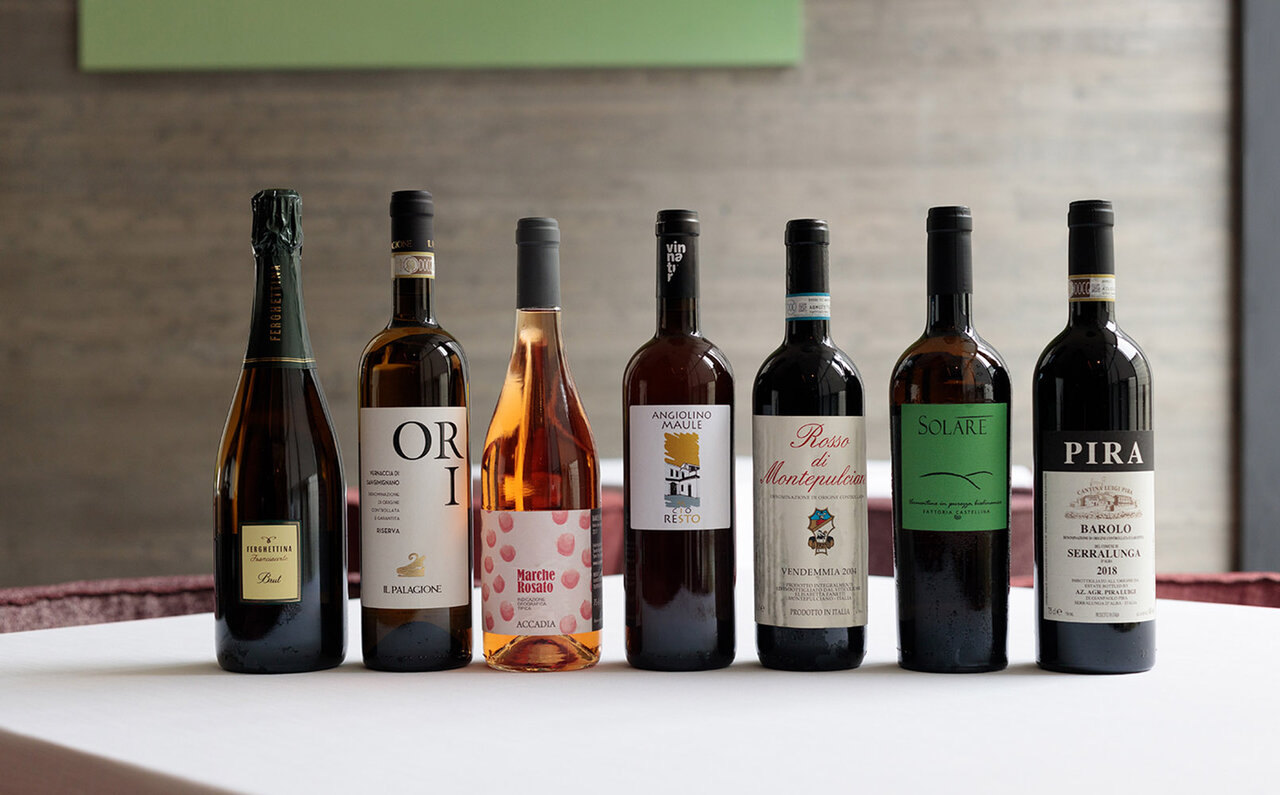
■ Toast: Franciacorta Brut ■ Colorful Small Appetizers: Vernaccia Di San Gimignano Riserva ORI 2018 ■ Garden Pinzimonio: Marche Rosato ■ Mushroom Zuppa: Resto ■ Wild Boar Pancetta and Red Onion Tagliatelle: Rosso di Montepulciano ■ Herb-Scented Steamed Char: Vermentino Solare 2018 ■ Roasted Beef: Barolo Serralunga ■ Grape and Roasted Chestnut Semifreddo: Vissiola
All the wines this time are Italian. As the hotel's theme is "Agriturismo," the selection focused on wines from the countryside.
Now, let's present a selection of dishes from the main dining restaurant "OTTO SETTE NASU" for autumn 2022.
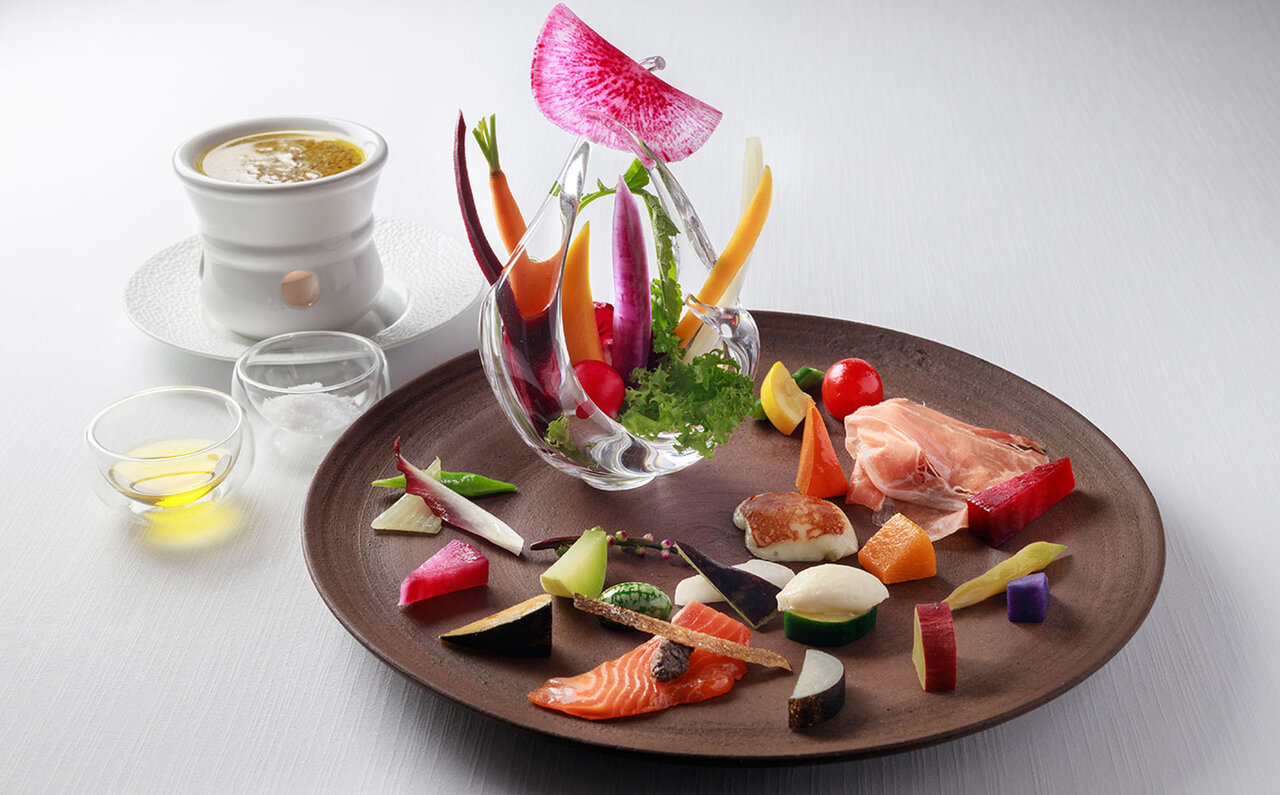
Garden Pinzimonio
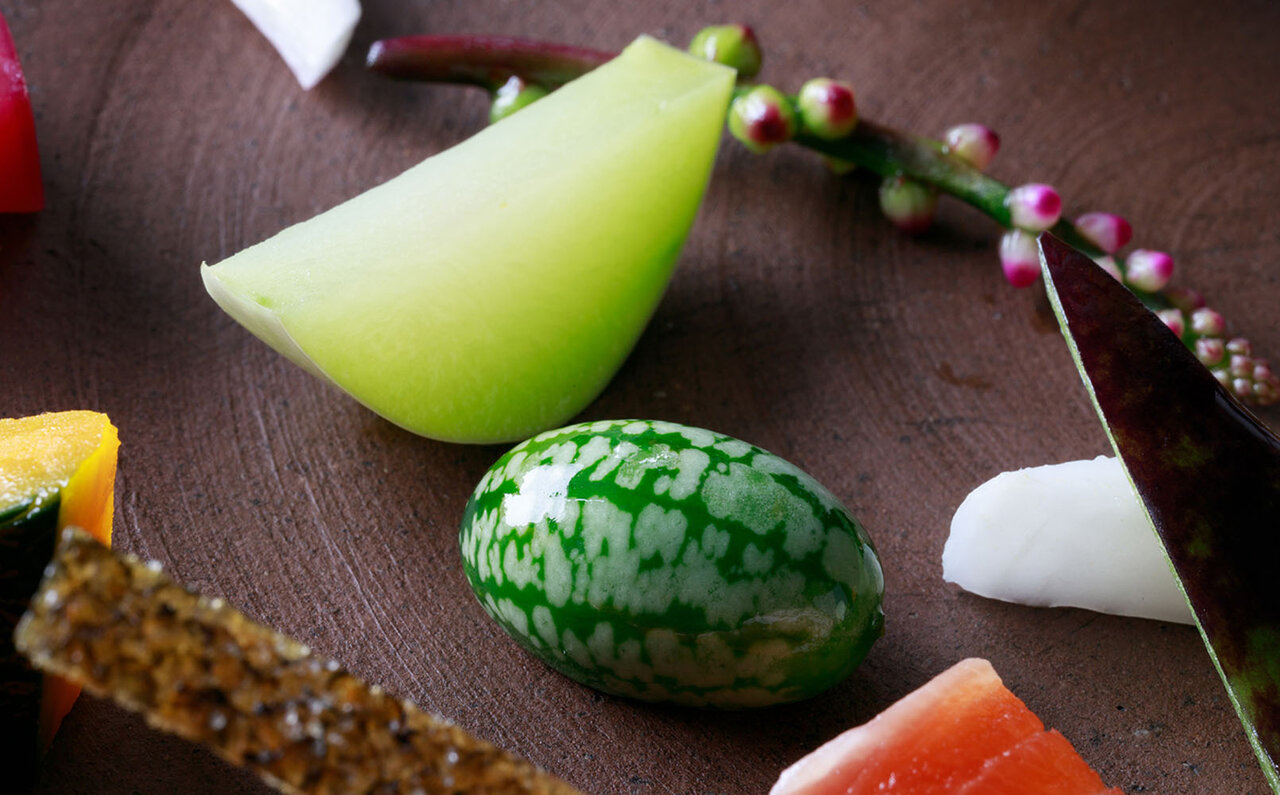
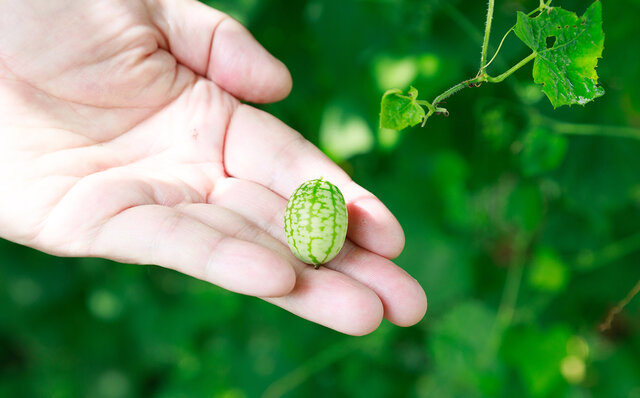
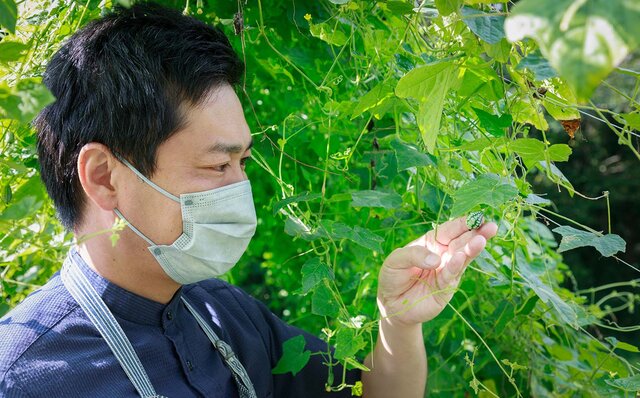
The third dish of the course, the "Garden Pinzimonio," a signature dish of "OTTO SETTE NASU," made its grand entrance. This is a cold appetizer composed of 25 colorful vegetables, primarily local ones. Incidentally, the UFO zucchini (Patisson White) and micro cucumbers served that day were harvested from the resort's "Agri Garden."
UFO Zucchini (Patisson White) (left) and micro cucumber (right). From the Garden Pinzimonio.
The ingredients change daily based on availability, making each experience unique. "As we head into winter, we'll likely see more root vegetables," Kitaura-san mentioned. Oh, that sounds intriguing too.
We were served the beautifully presented vegetables in a glass container, with the instruction to "eat them as if you were harvesting them." We enjoyed them with homemade bagna cauda sauce (or bagna fredda sauce in the summer), salt, and olive oil, and I found myself seriously contemplating which vegetable to pair with which condiment (laughs). On another black plate (reportedly the work of a local ceramic artist), alongside vegetables prepared by cooking (roasting or steaming, according to Kitaura-san), were also served freshly sliced prosciutto, cheese, and confit of Yassu salmon.
To my embarrassment, I didn't know that Nasu, with its cool highland climate, is a major dairy farming region, with milk production ranking second only to Hokkaido. It makes sense that the cheese is so delicious. I could drink wine endlessly with this! (laughs)
Mushroom Zuppa
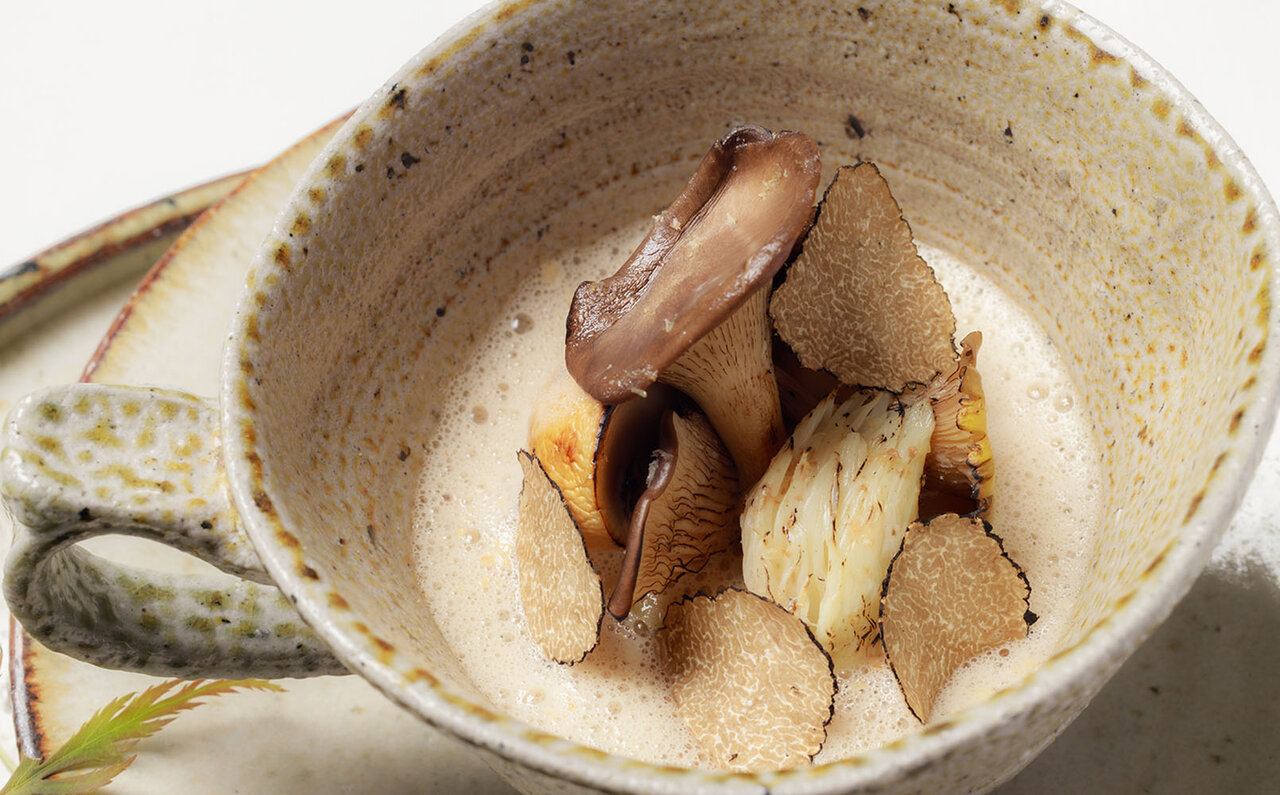
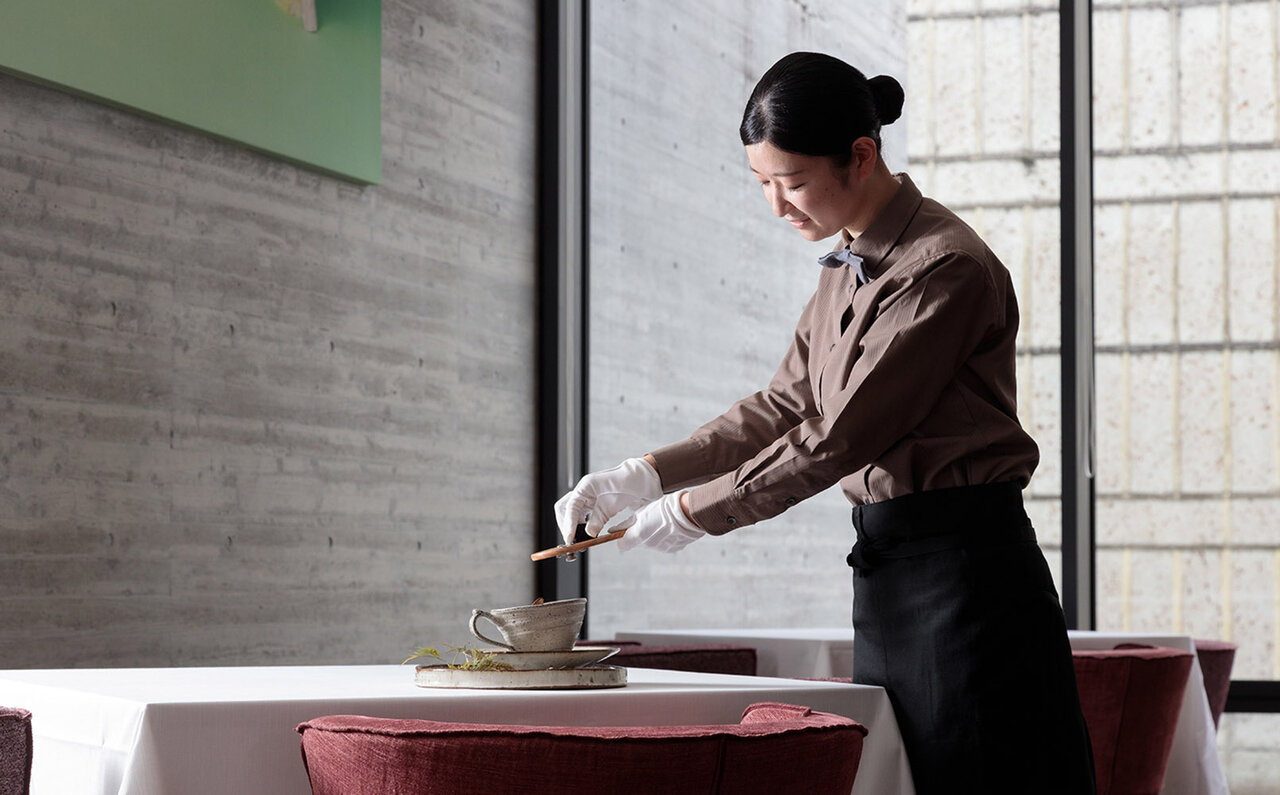
The celebratory aroma and flavor of the cappuccino-style "Mushroom Zuppa" still linger in my memory. The delicate taste, created by the "Nasu White Beauty" leeks – cultivated to have long white stems and very little spiciness – and sautéed mushrooms (Tamogitake, Abukidake, and King Oyster mushrooms), was exquisite. To top it off, they shaved fresh truffle, the king of mushrooms, over it. I recall Takashi Tsuchida, the editor, saying something nonsensical like, "I want to become soup," but at that moment, it felt perfectly understandable (laughs).
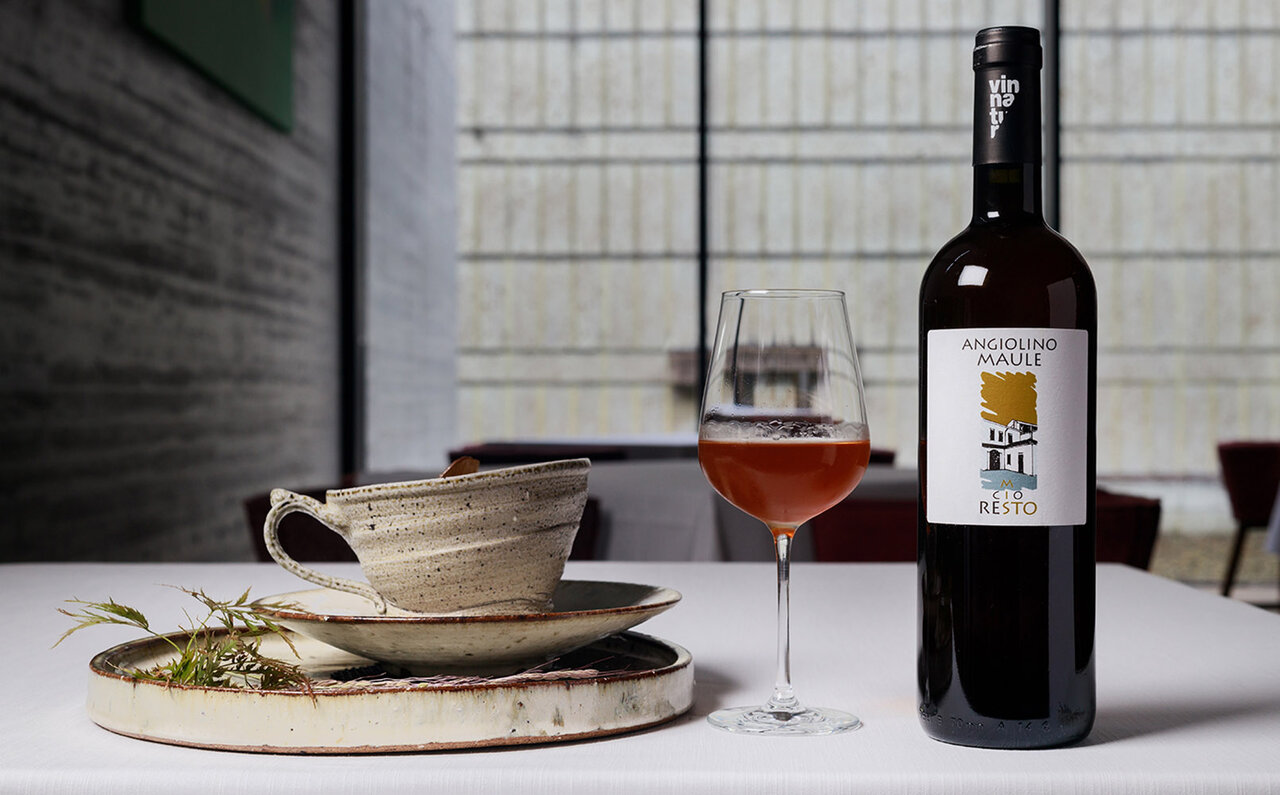
The sweet white wine "Resto." What's the secret behind its faint pink hue?
Pairing this with the sweet white wine "Resto" was a stroke of genius! This wine underwent secondary fermentation in the bottle (or rather, fermentation started because no preservatives were used), and as a result, a large amount of sediment formed. To remove it, the wine was returned to a tank, allowed to settle, and then bottled. This process is what gives it its faint pink color. Incidentally, "Resto" means "remainder" in Italian, but it was truly delicious.
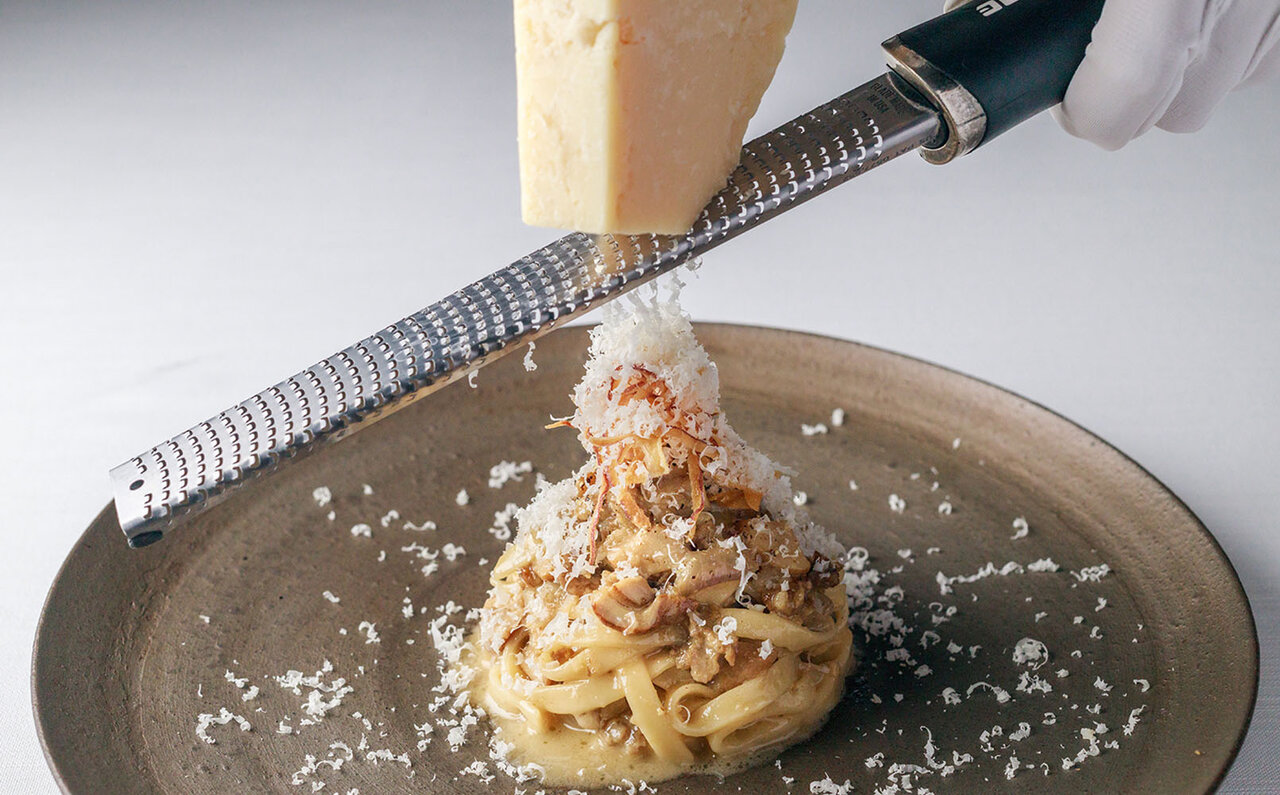
Wild Boar Pancetta and Red Onion Tagliatelle
The pasta dish was "Wild Boar Pancetta and Red Onion Tagliatelle." It featured a sauce made with wild boar pancetta and red onions, to which porcini mushrooms were added, all tossed with thick, flat tagliatelle noodles. As Kitaura-san explained, "In the zuppa, we wanted you to experience the aroma of mushrooms, and in the pasta, their umami." Indeed, the wild boar, with its gamey flavor, was made surprisingly elegant by pairing it with the sweet red onions and the umami-rich porcini mushrooms, further enhancing the boar's own savory notes.
Herb-Scented Steamed Char
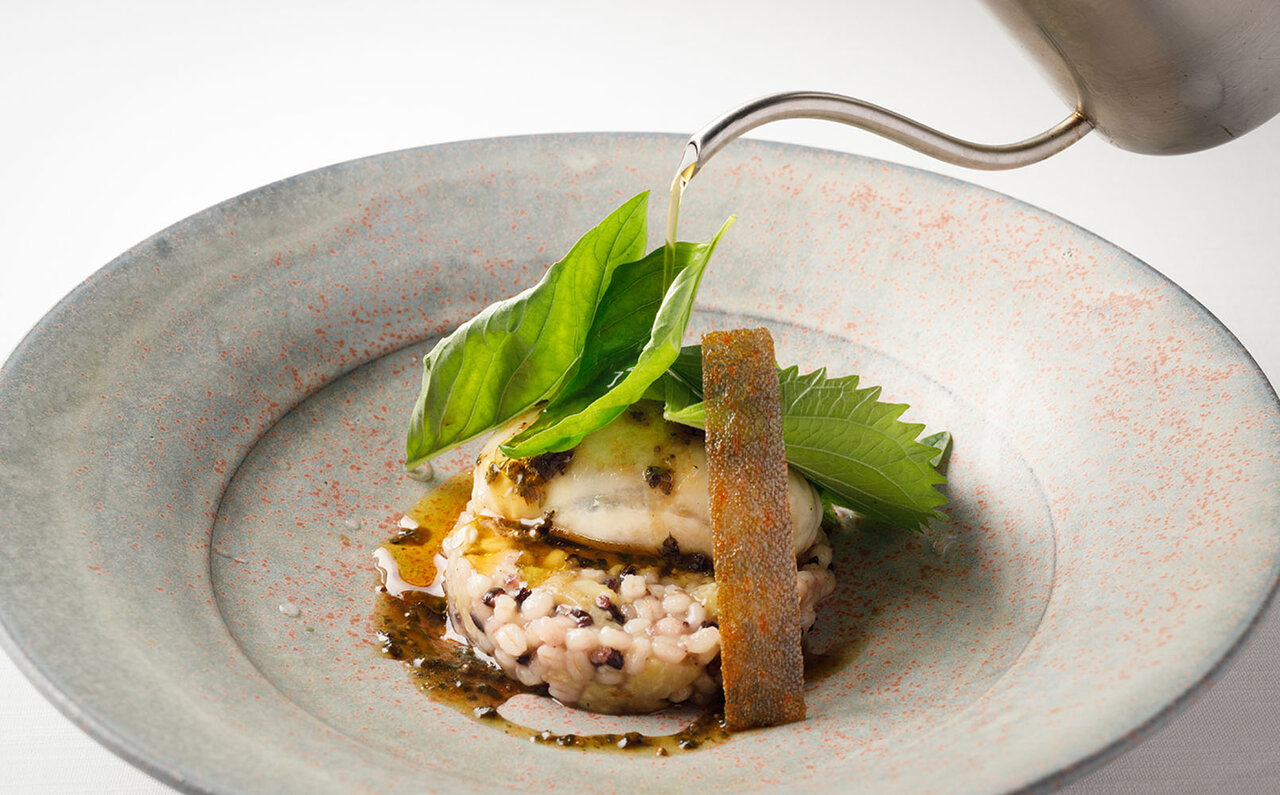
The fish dish, "Herb-Scented Steamed Char," was also excellent. The char was steamed on top of prosciutto and a scallop paste, then topped with perilla leaves and basil, and finally drizzled with hot olive oil to enhance its aroma. Beneath it lay a risotto made with pearl barley.
The refreshing aroma filled the air, and my face was beaming. "This dish is meant to be enjoyed for its aroma and texture," said Kitaura-san. Yes, I was thoroughly enjoying it! The sauce made from pickled perilla seeds was also irresistible. Kitaura-san, who is from Hokkaido and only came to Tochigi three years ago, had never even heard of pickled perilla before. To incorporate it here! Kitaura-san, you're full of surprises (laughs).
Roasted Beef
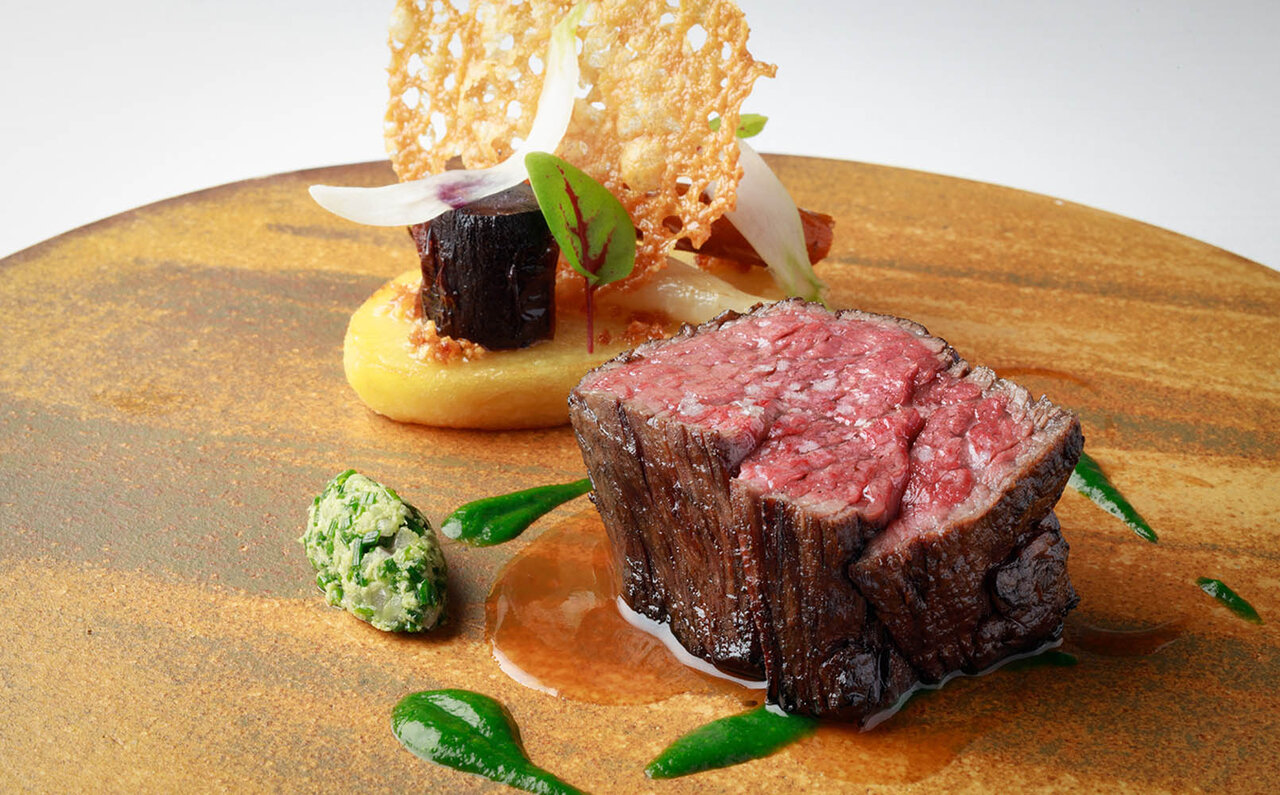
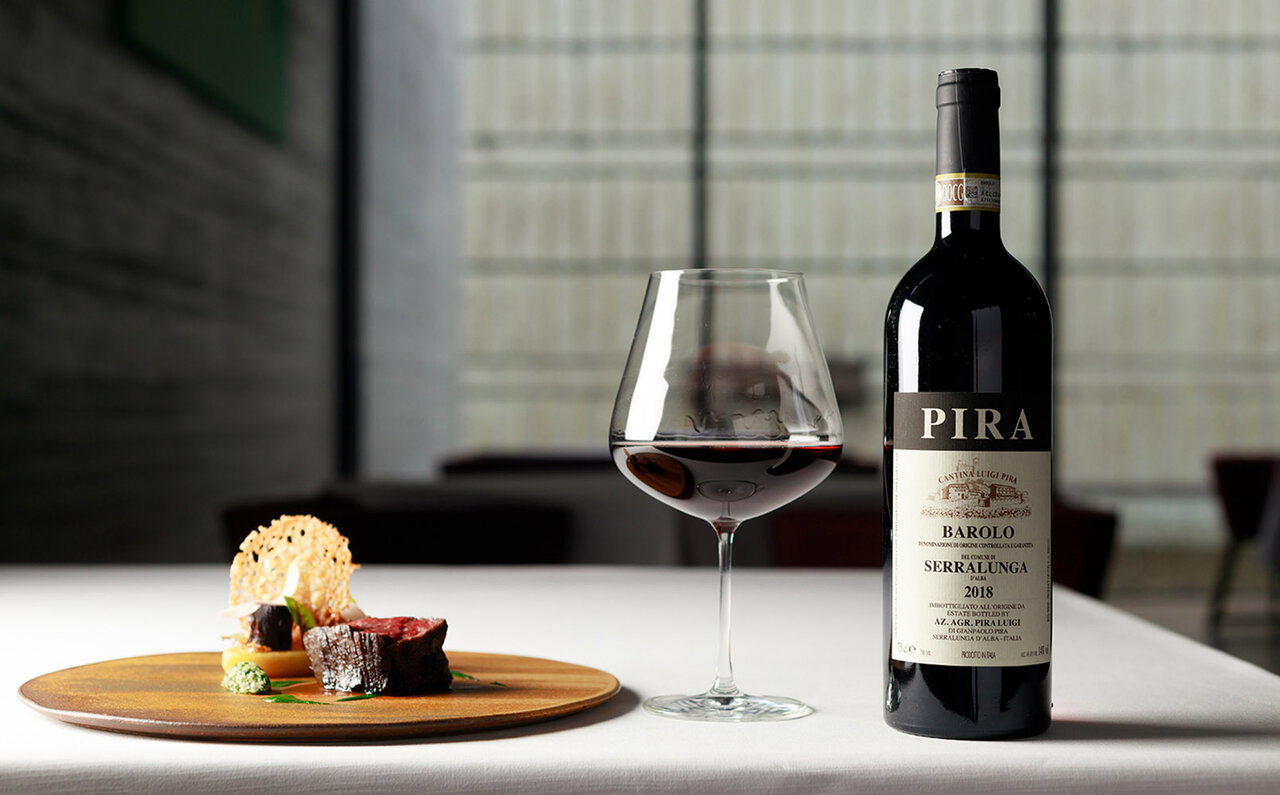
The main course was the exquisitely cooked "Roasted Beef." They use Tochigi-raised beef whenever possible, grilled over charcoal for a smoky finish. It's served with a Sugo Cardinale and a scallion and chive sauce. The aroma of the charcoal-grilled meat is a superb treat in itself.
An elegant Barolo, unlike any Barolo I've had before! I felt I witnessed the true potential of Italian wine.
And the wine paired with this was also wonderful (laughs)! Italy is known for its classic Barolo, but the "Barolo Serralunga" served that day, while possessing the characteristic power of Barolo, was also elegant, with a charming color reminiscent of Pinot Noir. To think such a Barolo exists! My excitement grew with each new discovery.
Grape and Roasted Chestnut Semifreddo
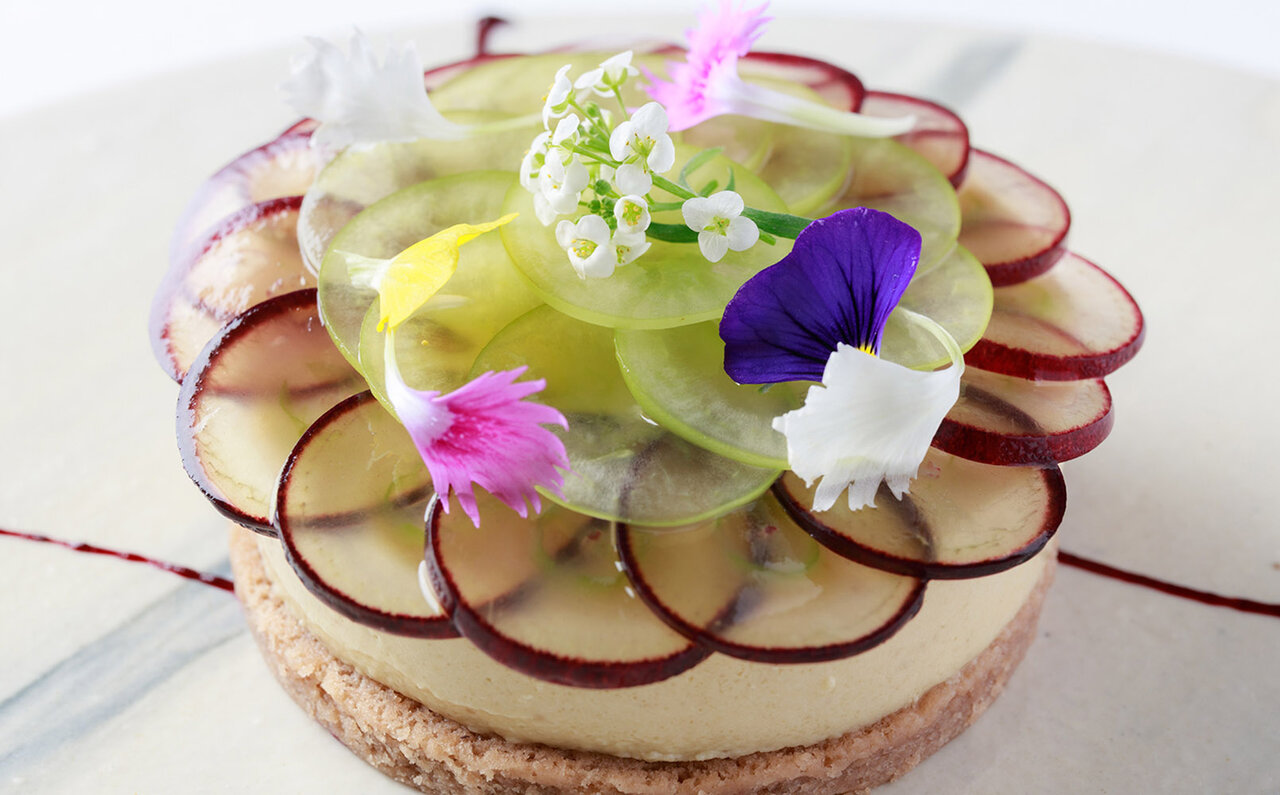
The main dessert was "Grape and Roasted Chestnut Semifreddo." The center of the moist marron biscuit, soaked in rum, contained a surprising celeriac purée! The rich aroma of the Kyoho grapes and Shine Muscat, artfully arranged like a bouquet, was also captivating.
Kitaura-san says, "I've only been in Tochigi for three years. I'm constantly exploring Tochigi's ingredients and cooking methods to make them even more delicious, so that our guests feel glad they came to Tochigi." He's currently focusing on developing dishes using Nasu rabbit. You might get to try them on your next visit.
This journey, where I could feel close to agriculture and enjoy dishes made with locally grown ingredients, vividly conveyed the grandeur of "eating" through its food, wine, and atmosphere. So, Kitaura-san, in which season should I visit next?
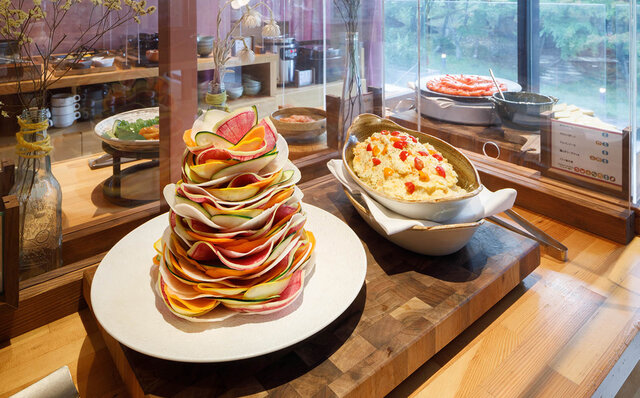
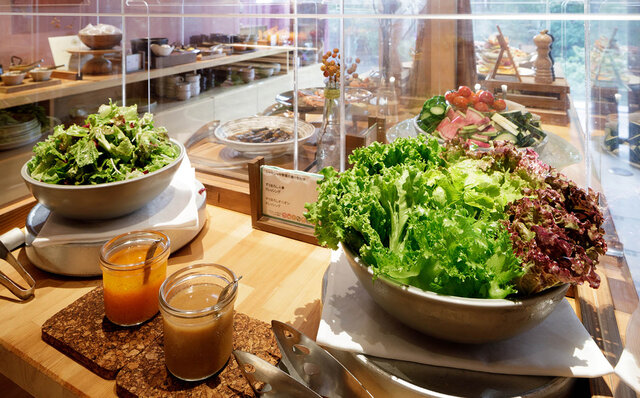
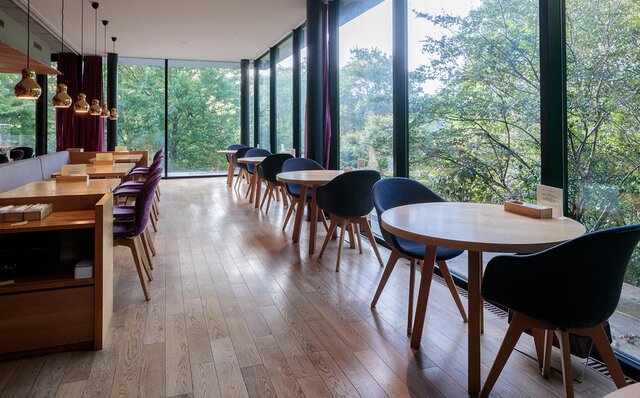
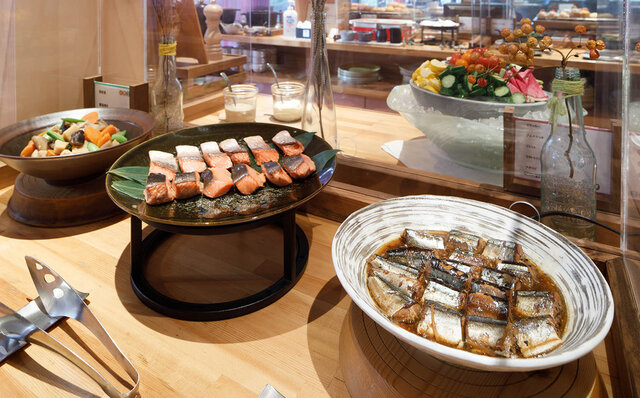
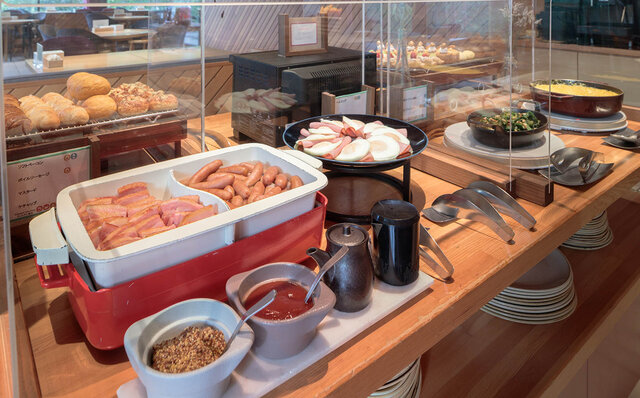
In addition to "OTTO SETTE NASU," the resort also has another restaurant, "SHAKI SHAKI," a buffet restaurant. This is where I had breakfast. Be sure to try the crisp and fresh vegetables that give the restaurant its name! "Please enjoy the texture of fresh vegetables directly. The milk is also delicious, so please try it," says Kitaura-san.
In addition to "OTTO SETTE NASU," the resort also has another restaurant, "SHAKI SHAKI," a buffet restaurant. This is where I had breakfast. Be sure to try the crisp and fresh vegetables that give the restaurant its name! "Please enjoy the texture of fresh vegetables directly. The milk is also delicious, so please try it," says Kitaura-san.
In addition to "OTTO SETTE NASU," the resort also has another restaurant, "SHAKI SHAKI," a buffet restaurant. This is where I had breakfast. Be sure to try the crisp and fresh vegetables that give the restaurant its name! "Please enjoy the texture of fresh vegetables directly. The milk is also delicious, so please try it," says Kitaura-san.
In addition to "OTTO SETTE NASU," the resort also has another restaurant, "SHAKI SHAKI," a buffet restaurant. This is where I had breakfast. Be sure to try the crisp and fresh vegetables that give the restaurant its name! "Please enjoy the texture of fresh vegetables directly. The milk is also delicious, so please try it," says Kitaura-san.
In addition to "OTTO SETTE NASU," the resort also has another restaurant, "SHAKI SHAKI," a buffet restaurant. This is where I had breakfast. Be sure to try the crisp and fresh vegetables that give the restaurant its name! "Please enjoy the texture of fresh vegetables directly. The milk is also delicious, so please try it," says Kitaura-san.
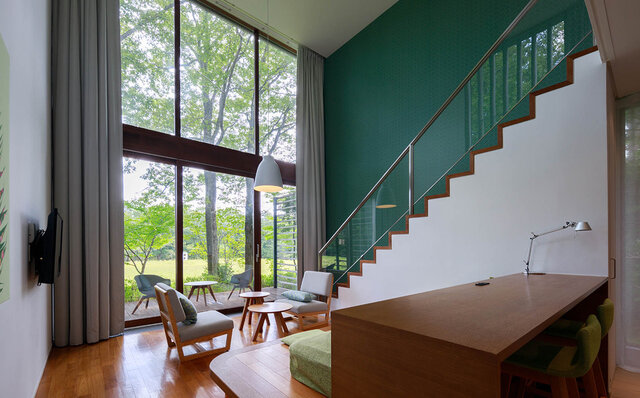
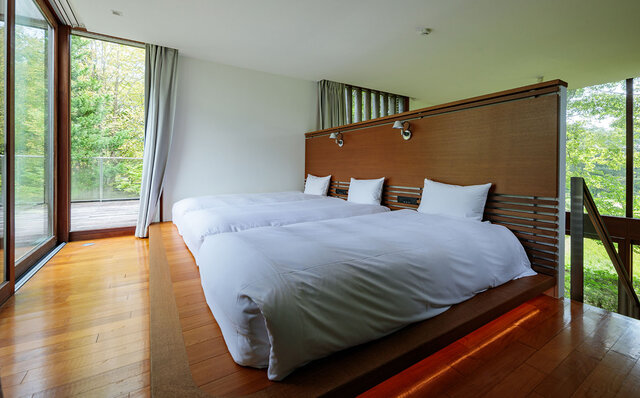
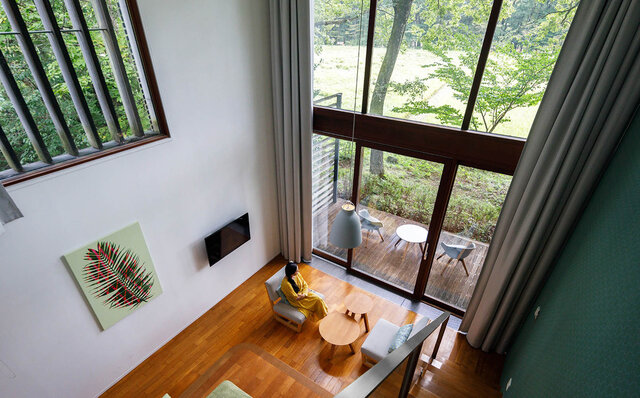
Within the Nasu forest, there are 43 rooms in 15 types, spread across the main and annex buildings. This is a Deluxe Maisonette (Room 105). The first floor has a living area with a counter table, and the second floor is the bedroom. Opening the windows lets in the scent of the trees! There are also room types that can accommodate 5 or more people, and rooms where you can stay with your dog.
Within the Nasu forest, there are 43 rooms in 15 types, spread across the main and annex buildings. This is a Deluxe Maisonette (Room 105). The first floor has a living area with a counter table, and the second floor is the bedroom. Opening the windows lets in the scent of the trees! There are also room types that can accommodate 5 or more people, and rooms where you can stay with your dog.
Within the Nasu forest, there are 43 rooms in 15 types, spread across the main and annex buildings. This is a Deluxe Maisonette (Room 105). The first floor has a living area with a counter table, and the second floor is the bedroom. Opening the windows lets in the scent of the trees! There are also room types that can accommodate 5 or more people, and rooms where you can stay with your dog.
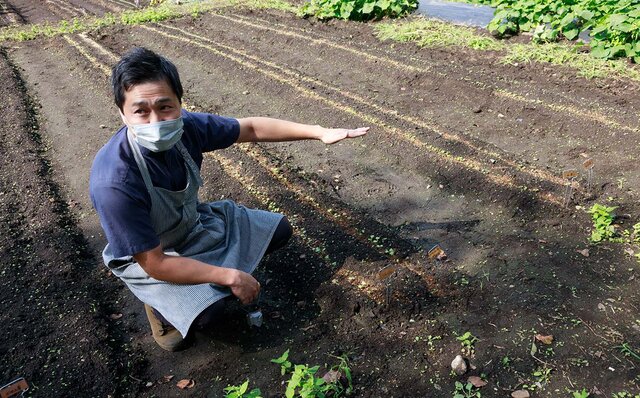
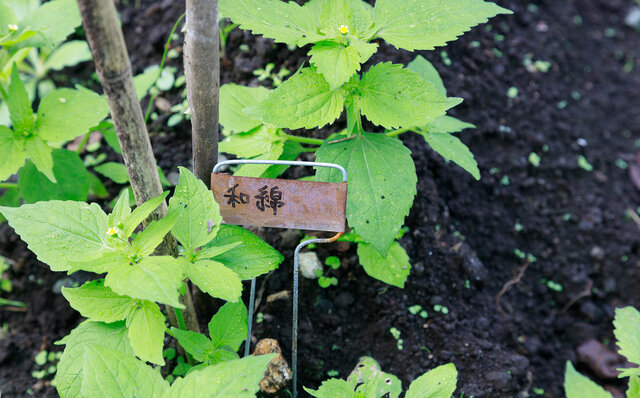
There is a rice paddy of approximately 8,500 square meters, and the "Agri Garden" cultivates various vegetables and herbs according to the season.
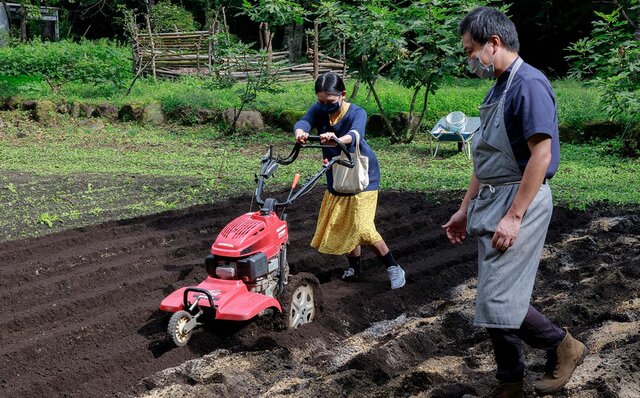
The "Farmers Lesson," held every morning, is a free activity where guests can experience farm work such as sowing seeds, making fertilizer, and harvesting. Additionally, in the approximately 8,500 square meter rice paddy adjacent to the back of the main building, "Rice School" is held during planting and harvesting seasons.
There is a rice paddy of approximately 8,500 square meters, and the "Agri Garden" cultivates various vegetables and herbs according to the season.
There is a rice paddy of approximately 8,500 square meters, and the "Agri Garden" cultivates various vegetables and herbs according to the season.
There is a rice paddy of approximately 8,500 square meters, and the "Agri Garden" cultivates various vegetables and herbs according to the season.
There is a rice paddy of approximately 8,500 square meters, and the "Agri Garden" cultivates various vegetables and herbs according to the season.
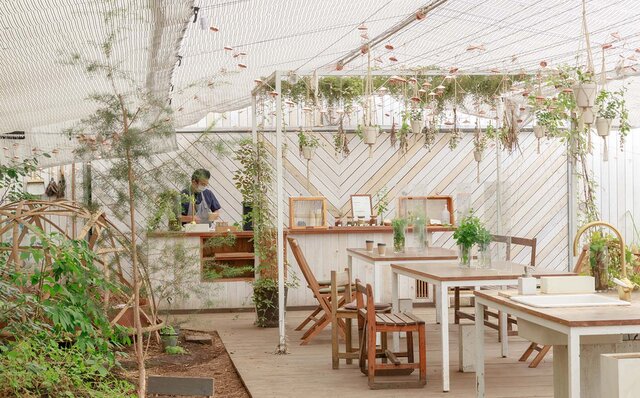
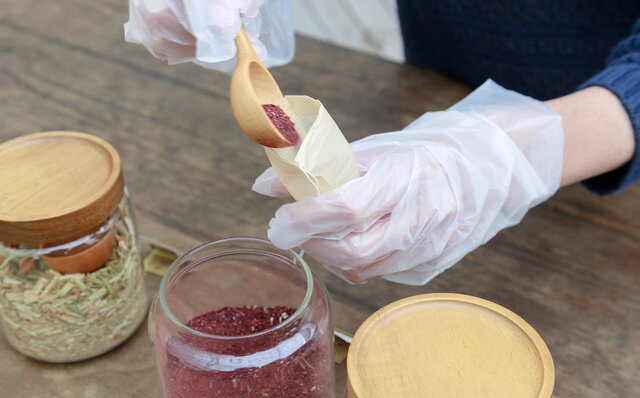
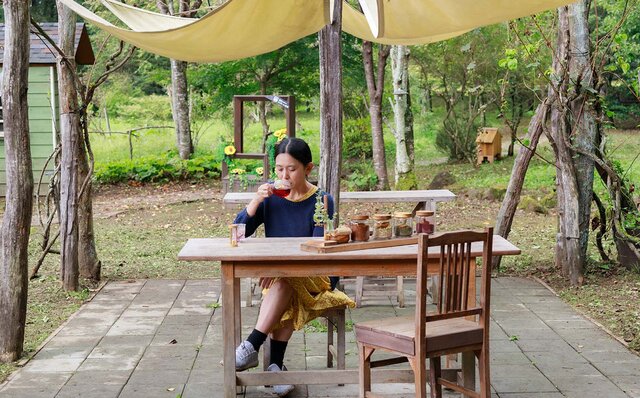
In the "Greenhouse," you can freely blend four types of herbs – spearmint, lemongrass, hibiscus, and rooibos – to create your own herbal tea (free of charge).
In the "Greenhouse," you can freely blend four types of herbs – spearmint, lemongrass, hibiscus, and rooibos – to create your own herbal tea (free of charge).
In the "Greenhouse," you can freely blend four types of herbs – spearmint, lemongrass, hibiscus, and rooibos – to create your own herbal tea (free of charge).
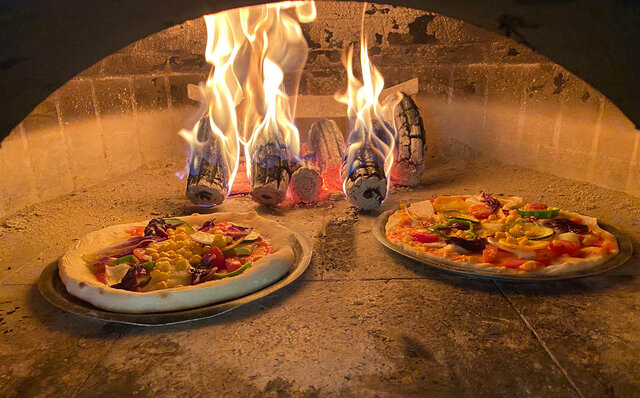
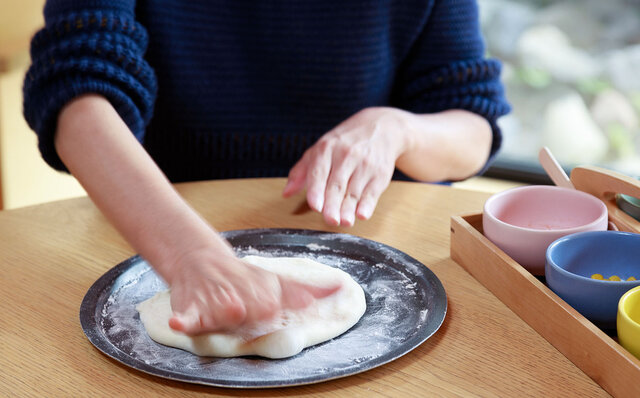
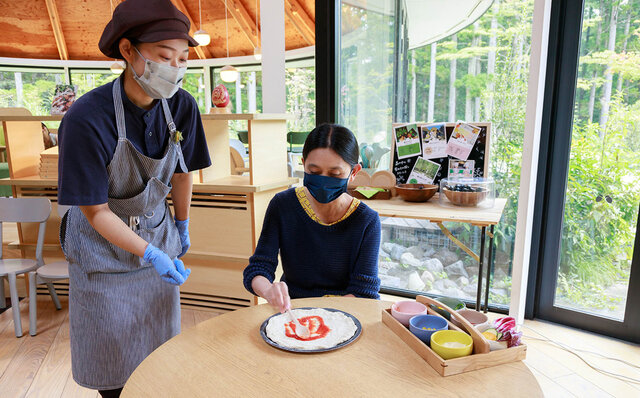
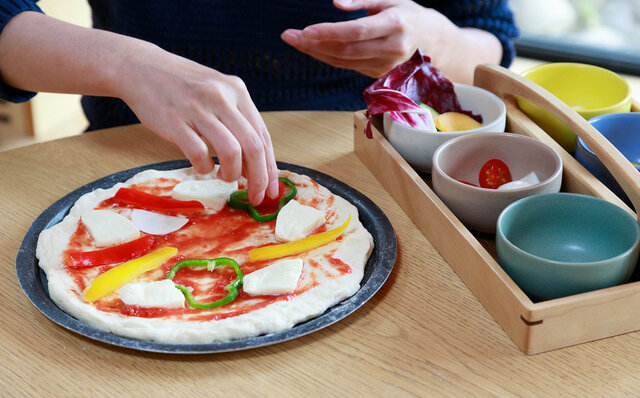
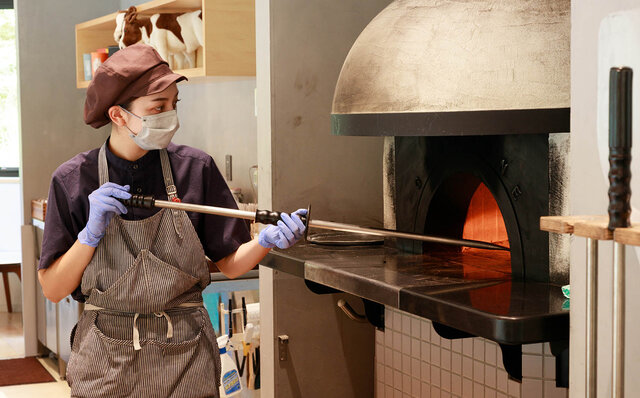
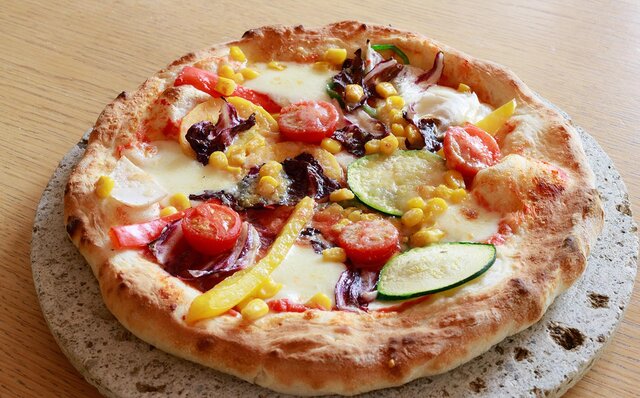
As a foodie, I participated in the "Stone Oven Pizza Making" experience. I stretched the dough myself, then added tomato sauce, cheese, and plenty of vegetables. In the end, the staff baked it, so there was no fear of failure (laughs). I never imagined using red-fleshed radish on a pizza, but it turned out to be surprisingly delicious. A new discovery.
As a foodie, I participated in the "Stone Oven Pizza Making" experience. I stretched the dough myself, then added tomato sauce, cheese, and plenty of vegetables. In the end, the staff baked it, so there was no fear of failure (laughs). I never imagined using red-fleshed radish on a pizza, but it turned out to be surprisingly delicious. A new discovery.
As a foodie, I participated in the "Stone Oven Pizza Making" experience. I stretched the dough myself, then added tomato sauce, cheese, and plenty of vegetables. In the end, the staff baked it, so there was no fear of failure (laughs). I never imagined using red-fleshed radish on a pizza, but it turned out to be surprisingly delicious. A new discovery.
As a foodie, I participated in the "Stone Oven Pizza Making" experience. I stretched the dough myself, then added tomato sauce, cheese, and plenty of vegetables. In the end, the staff baked it, so there was no fear of failure (laughs). I never imagined using red-fleshed radish on a pizza, but it turned out to be surprisingly delicious. A new discovery.
As a foodie, I participated in the "Stone Oven Pizza Making" experience. I stretched the dough myself, then added tomato sauce, cheese, and plenty of vegetables. In the end, the staff baked it, so there was no fear of failure (laughs). I never imagined using red-fleshed radish on a pizza, but it turned out to be surprisingly delicious. A new discovery.
As a foodie, I participated in the "Stone Oven Pizza Making" experience. I stretched the dough myself, then added tomato sauce, cheese, and plenty of vegetables. In the end, the staff baked it, so there was no fear of failure (laughs). I never imagined using red-fleshed radish on a pizza, but it turned out to be surprisingly delicious. A new discovery.
Hoshino Resorts has commercialized a milk jam made to prevent the waste of raw milk, which had lost its outlets due to the impact of the COVID-19 pandemic. Enjoy the "Farm-Saving Milk Jam Frappé" (¥990), made with plenty of this milk jam. Mmm, the mild sweetness and rich flavor are outstanding!
OTTO SETTE NASU Autumn Limited Menu Period | Until November 30, 2022 Price | ¥15,730 per person, wine pairing ¥8,000 extra (tax and service charge included) Hours | 17:30~ or 18:00~ Reservations | Required by 3:00 PM, 3 days in advance via the official website Target | Overnight guests * Dishes and wines may change depending on ingredient availability.
HOSHINO RESORTS RISONARE NASU Address | 2301 Dōshita, Kōku Otsu, Nasu-machi, Nasu-gun, Tochigi Prefecture Number of Rooms | 43 rooms in total Public Facilities | POKO POKO, Agri Garden, Lounge, Shop, Large Public Bath Check-in / Check-out | 15:00 / 12:00 Room Rates | From ¥24,000 per room per night (per person when staying in a double room, tax included, breakfast included) Access | Approx. 40 minutes by free shuttle bus from JR Tohoku Shinkansen Nasu-Shiobara Station, approx. 20 minutes by car from Tohoku Expressway Nasu IC