A deep history of hot springs, Showa-era culture, and ocean adventures. Experience three days' worth in one night at Hotel New Akao, revived now in Showa 98.|TRAVEL
TRAVEL|Hotel New Akao
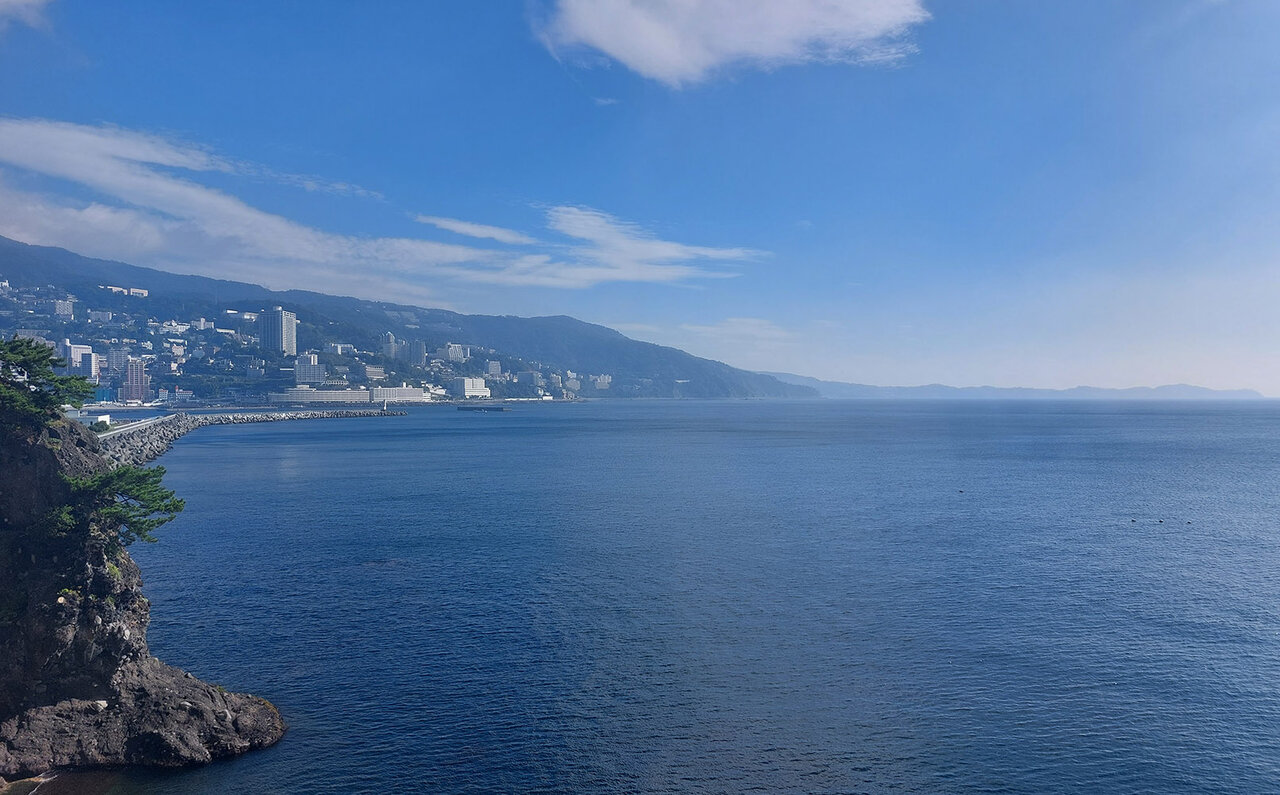
When one thinks of a charming Showa-era hot spring town, names like Shuzenji, Ikaho, Kinugawa, Yugawara, and Ito might come to mind. But among them all, perhaps Atami is the one most people recall. During the post-war period of rapid reconstruction and high economic growth, from Showa 30 to 48 (1955-1973), when the annual growth rate hovered around a remarkable 10%, Atami was the premier destination for honeymoons. It wasn't just for newlyweds; it was a beloved hot spring resort for company trips, group tours, family vacations, and even clandestine getaways. With its warm winters, cool summers, and breathtaking scenery, Atami was cherished by virtually the entire nation.
Text & Photographs by IJICHI Yoshitake
Atami's history is long. Its origins are said to date back to 749 AD, when the Hakone Gongen monk Mankō Shōnin moved the hot spring source to the current Ōyu-banya-kōsen to save fishermen suffering from boiling seawater. The total discharge volume is approximately 16,600 liters per minute. About 90% of the springs are over 42°C, with an average temperature of around 63°C, making it one of Japan's leading high-temperature hot springs with abundant water. Its efficacy is attributed to its high salt content, which prevents sweat from evaporating and keeps the body warm after bathing. It is said that even Tokugawa Ieyasu deeply loved Atami and visited for hot spring therapy.
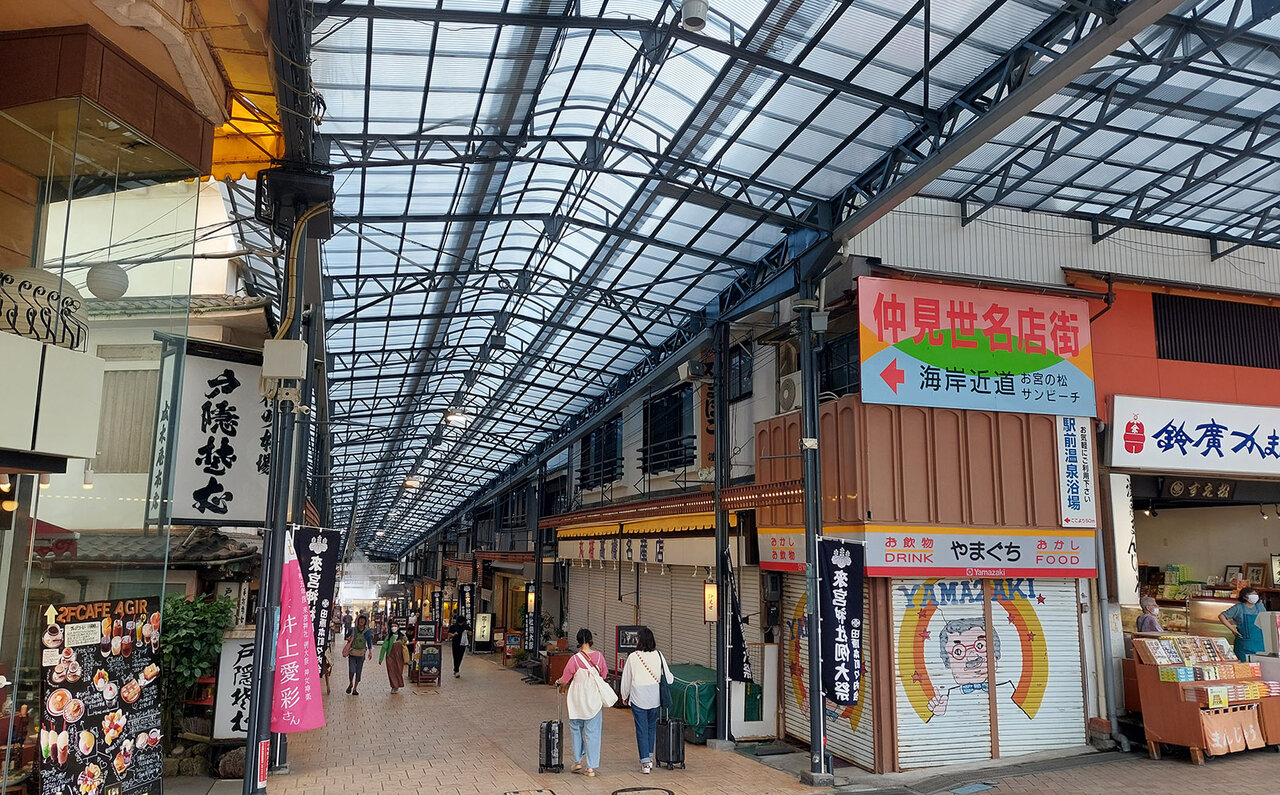
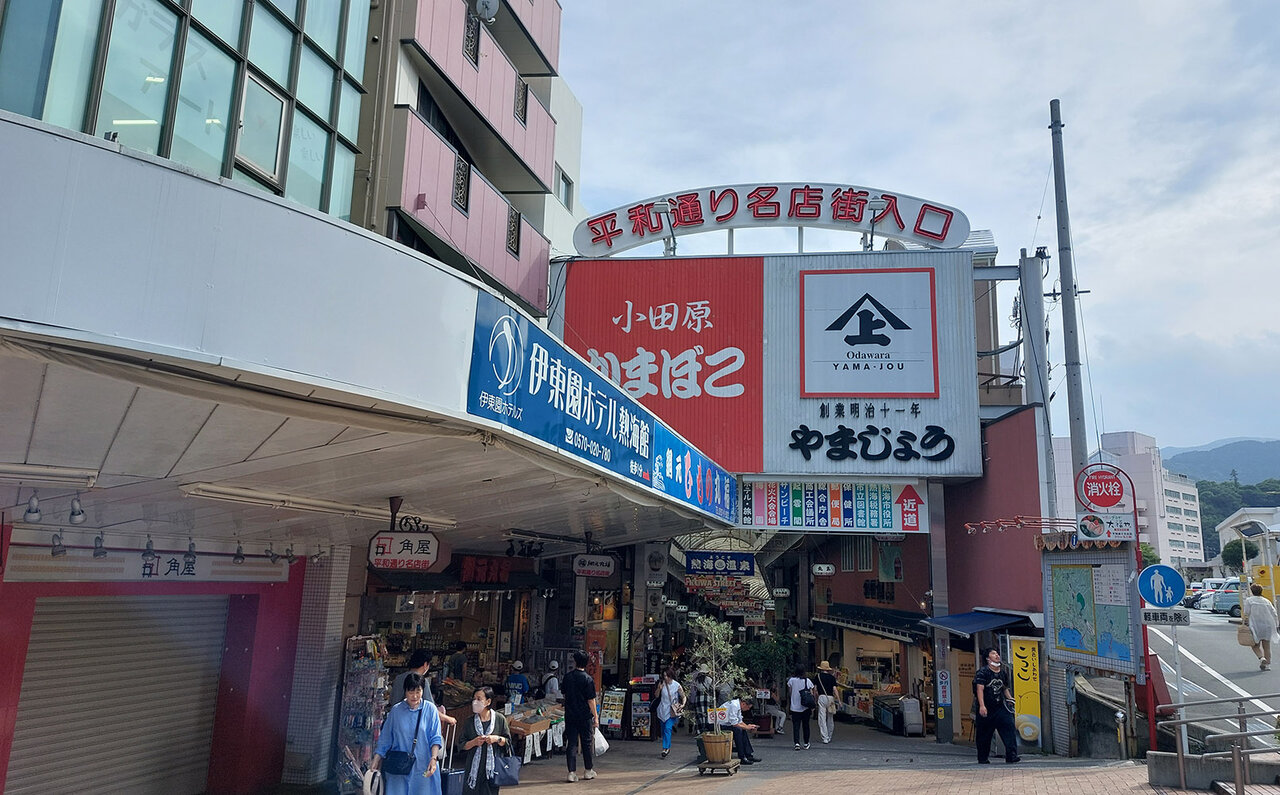
However, after the bubble economy burst, tourists sharply declined. By the mid-2000s, Atami had become synonymous with a declining hot spring resort, to the point where the city declared a "fiscal crisis." Yet, its popularity is now experiencing a resurgence. Walking through Atami, one notices a surprising lack of foreign tourists and a prevalence of young Japanese visitors. In recent years, "Showa retro" has become a trend among young people, and Atami's entire townscape, which preserves the atmosphere and ambiance of the Showa era, is likely a contributing factor. Its convenient distance—about 40 minutes by Shinkansen Kodama or 90 minutes by Tokaido Line from Tokyo—also plays a significant role. It's perfectly feasible to leave on a Friday evening and return by Monday afternoon.
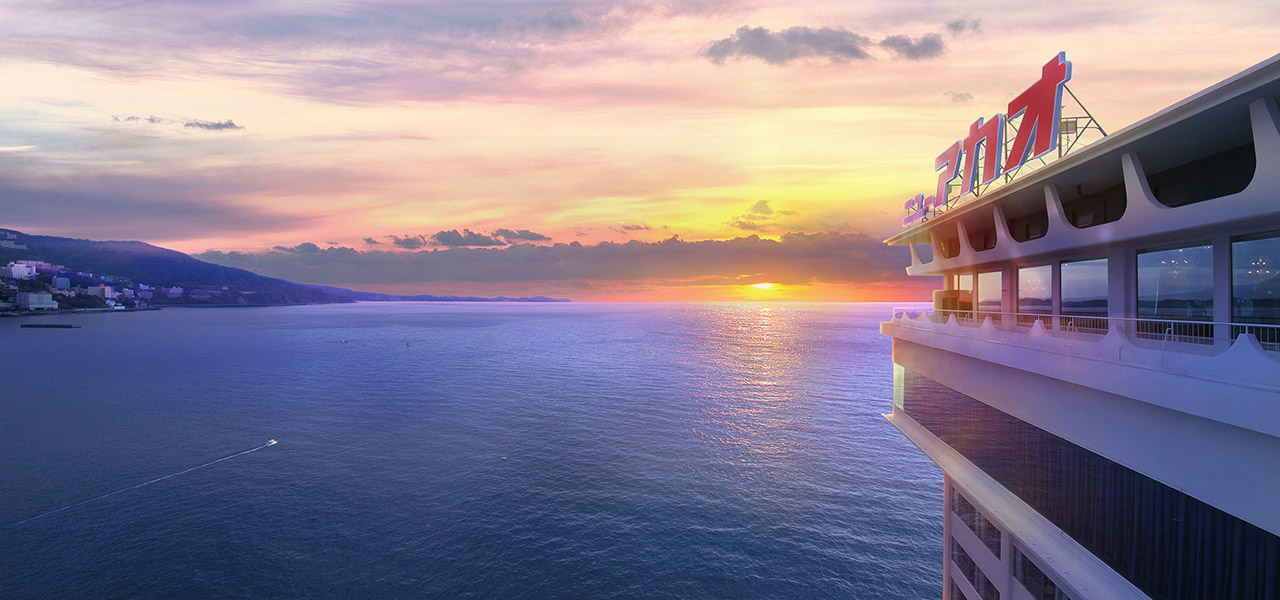
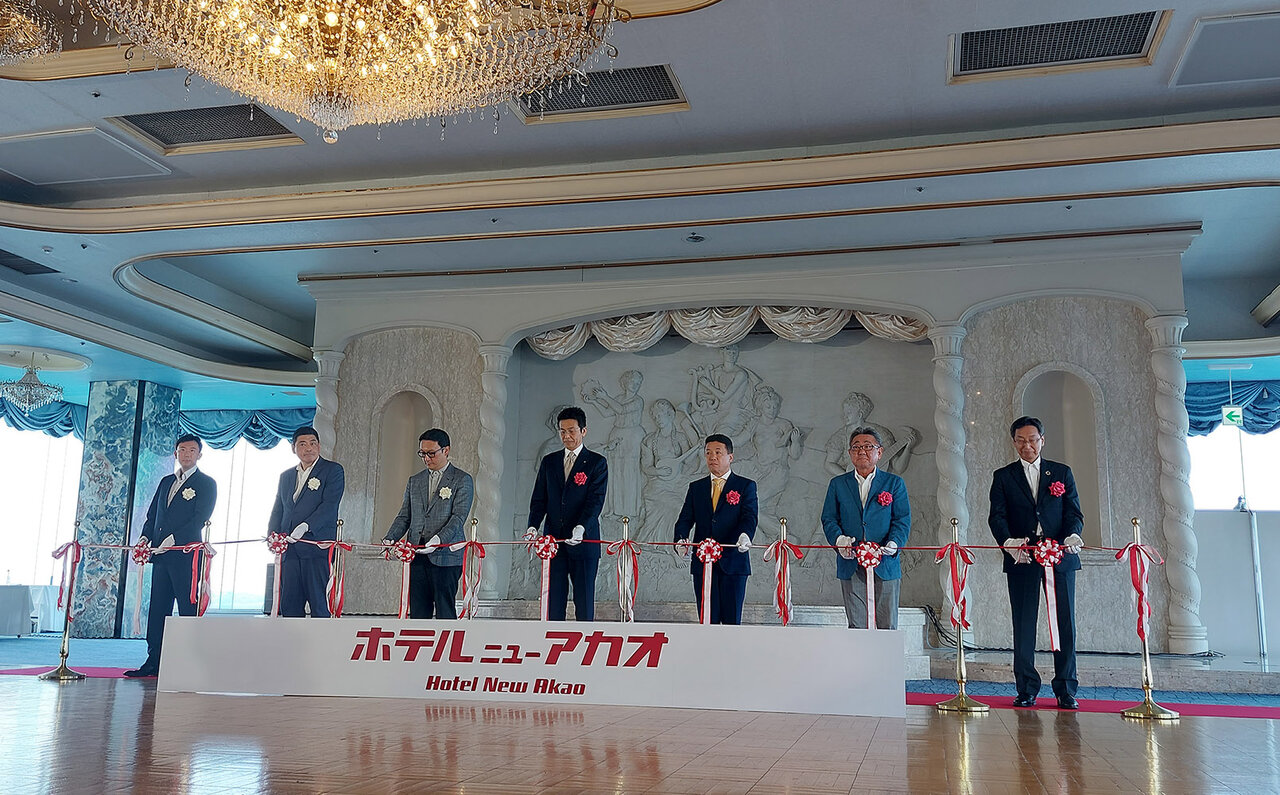
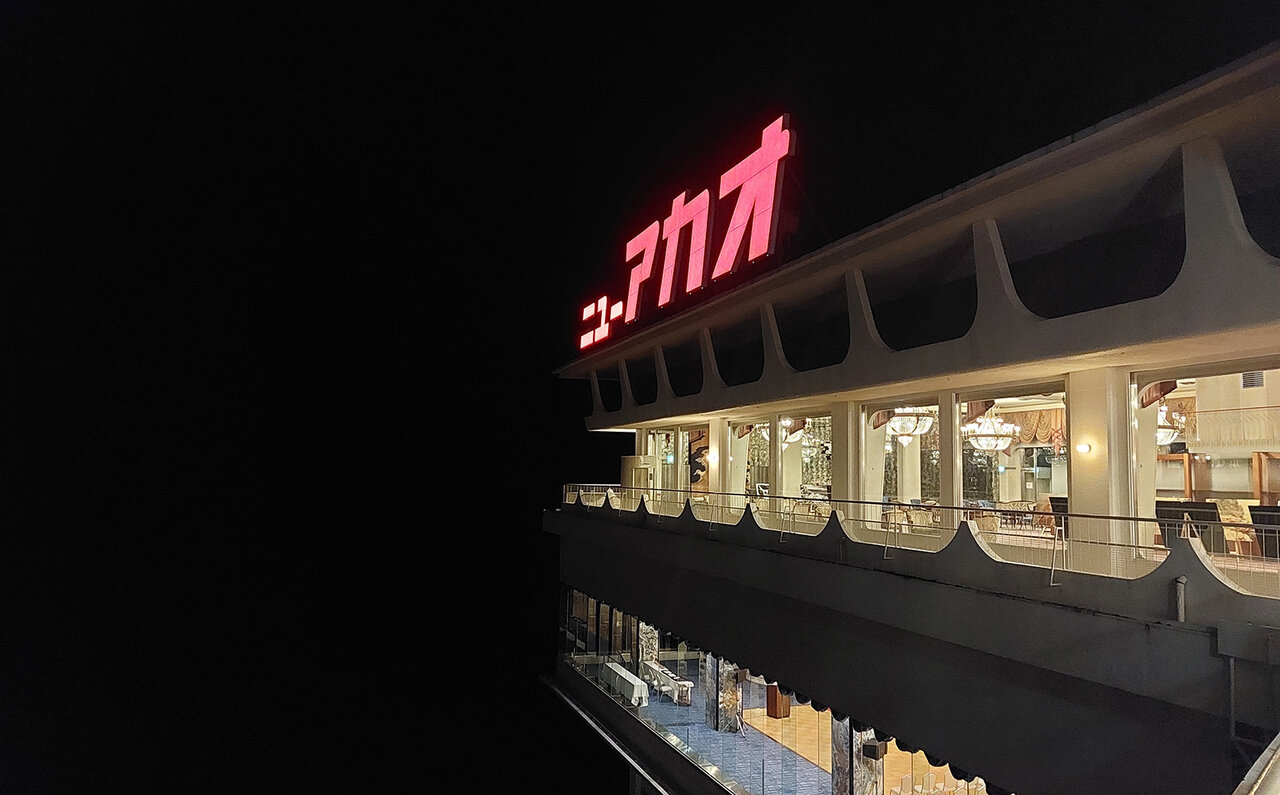
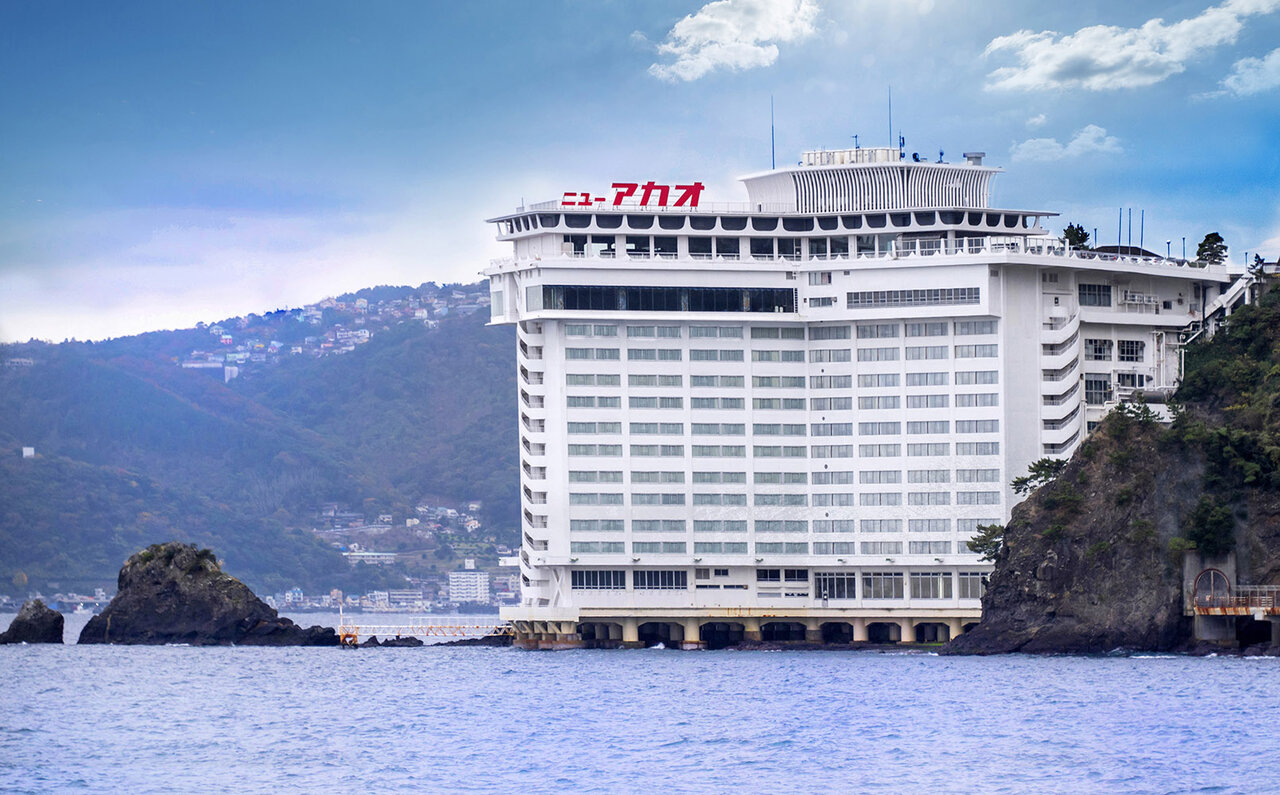
The Ocean Wing, the main building of Hotel New Akao, a symbol of Atami in the Showa era, reopened after renovations in July 2023. Founded in 1973 (Showa 48), the hotel has been restored to its former glory as a symbol of Atami in Showa 98 (2023), with its kitchen and other back-of-house facilities repaired and renovated. The grand reopening ceremony was attended by distinguished guests, including the mayor of Atami, the chairman of the Atami Onsen Hotel Ryokan Cooperative Association, and a managing executive officer of Shizuoka Bank, reflecting the city's unified enthusiasm and commitment to revitalizing New Akao.
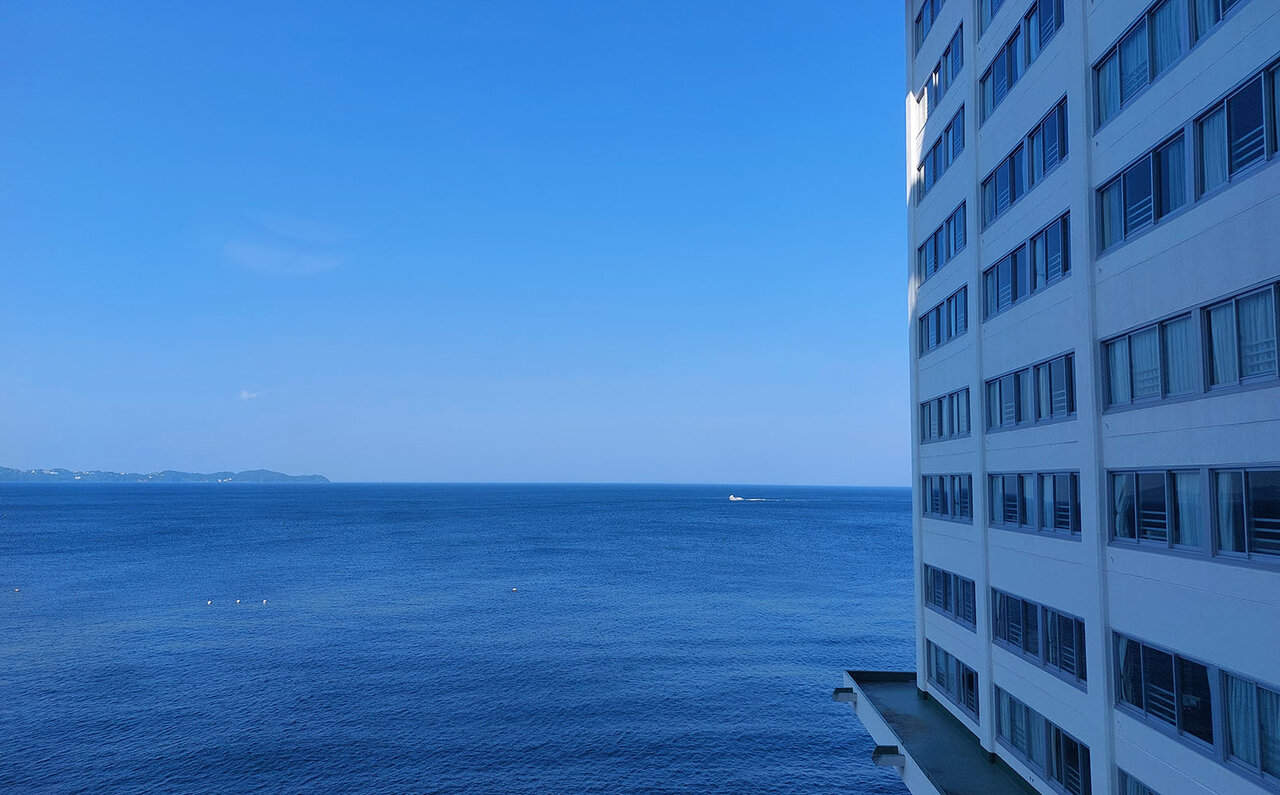
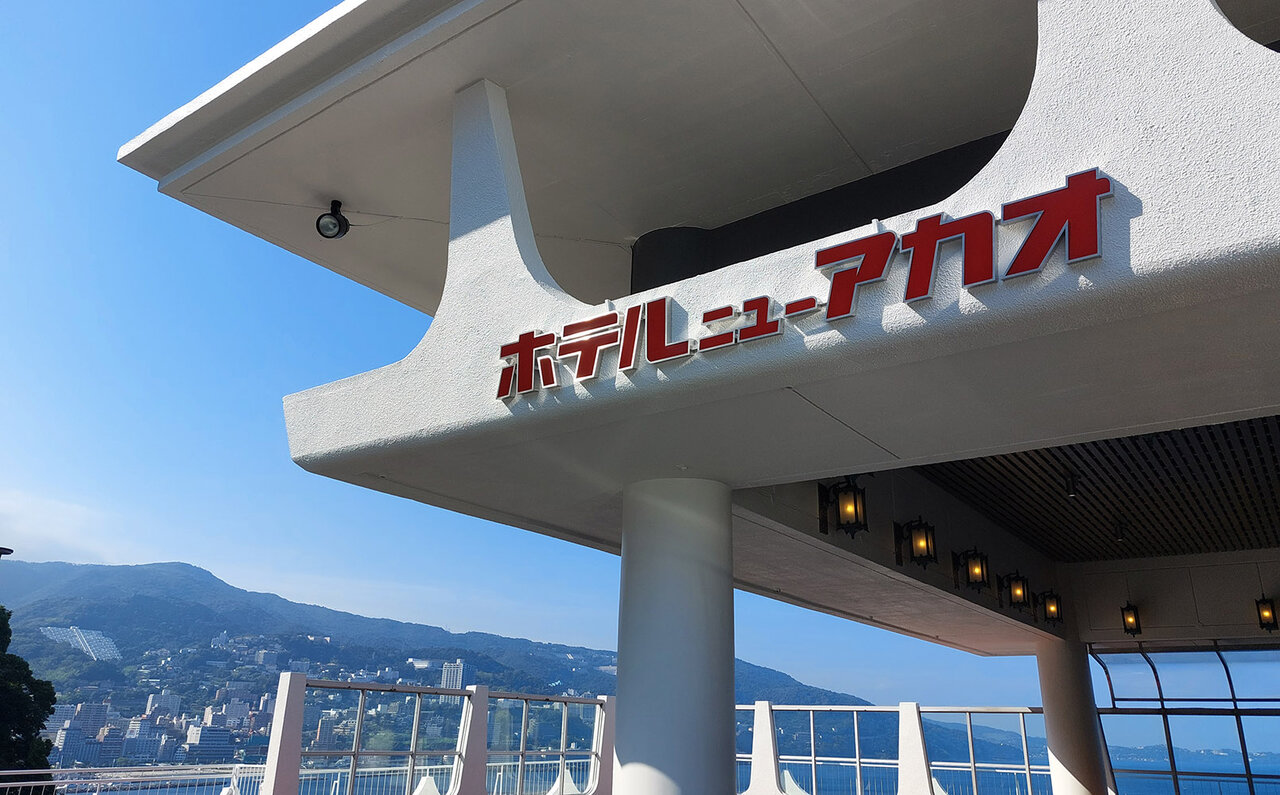
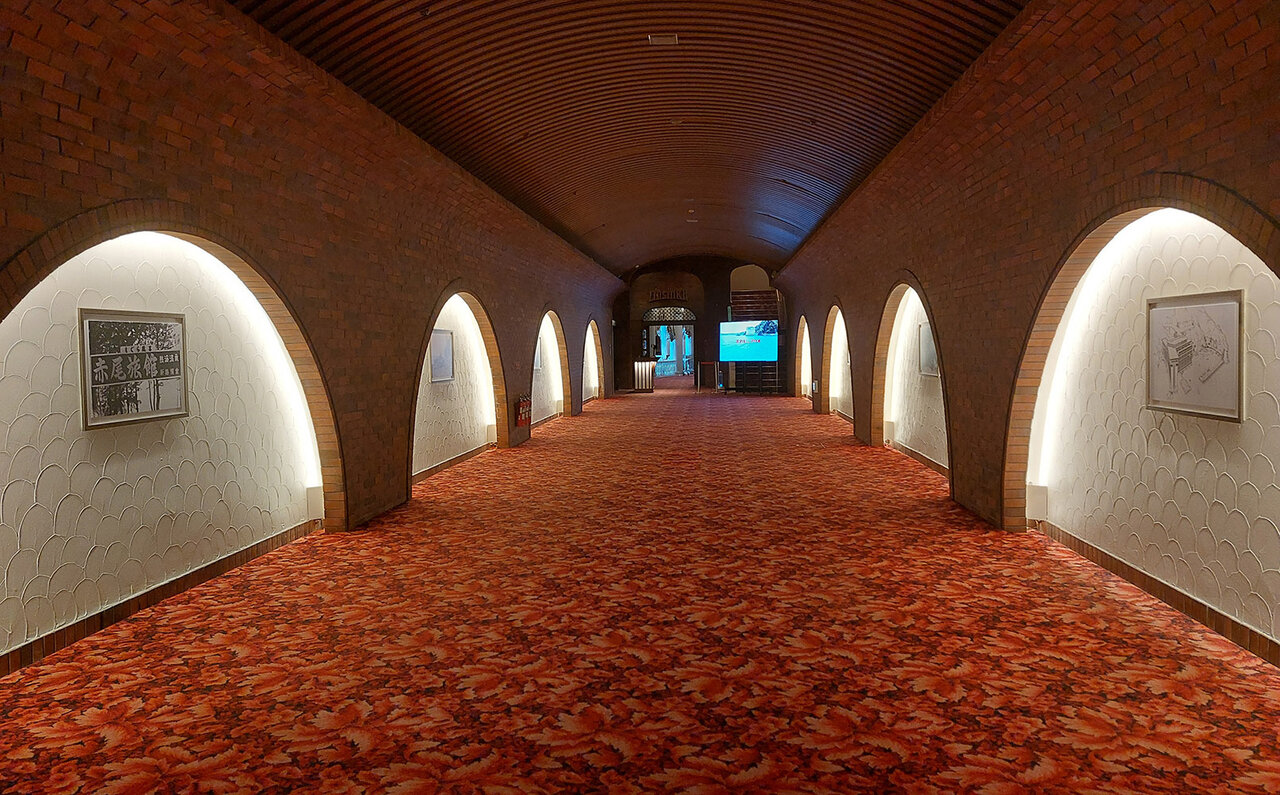
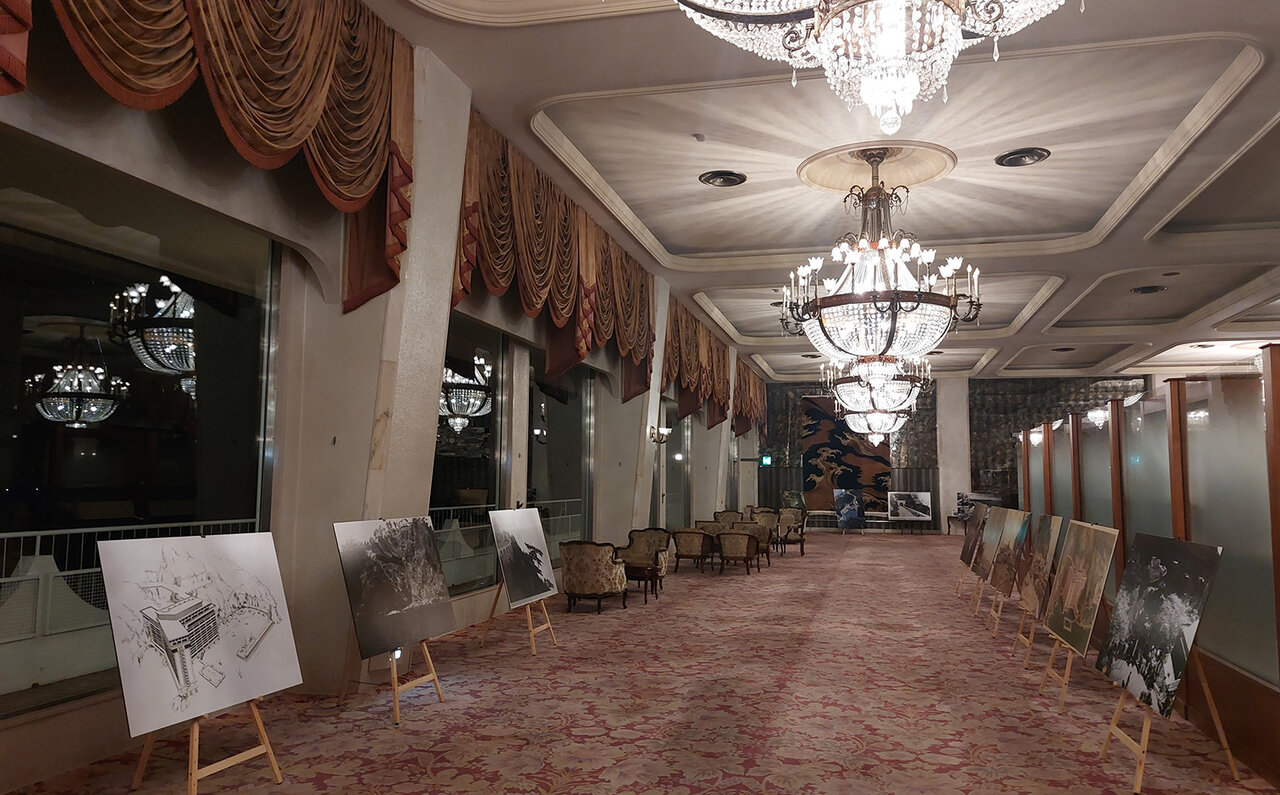
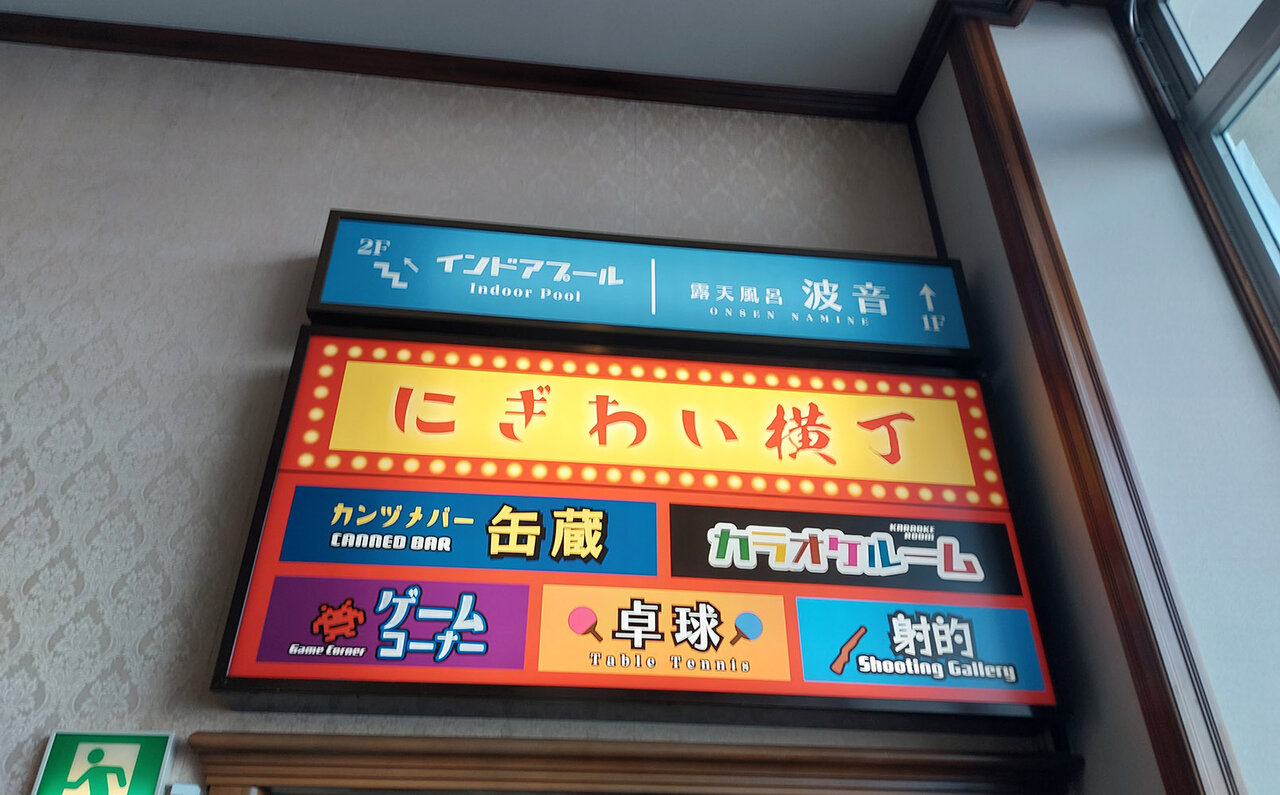
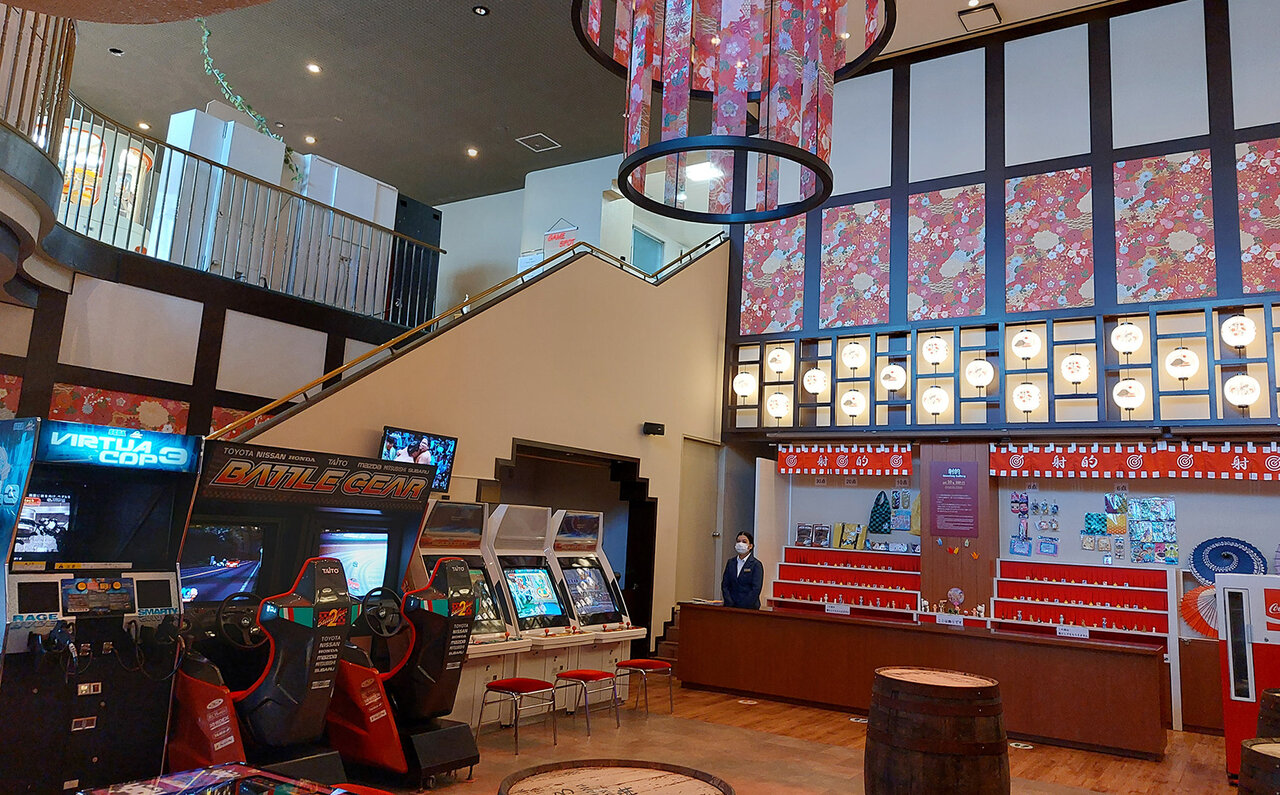
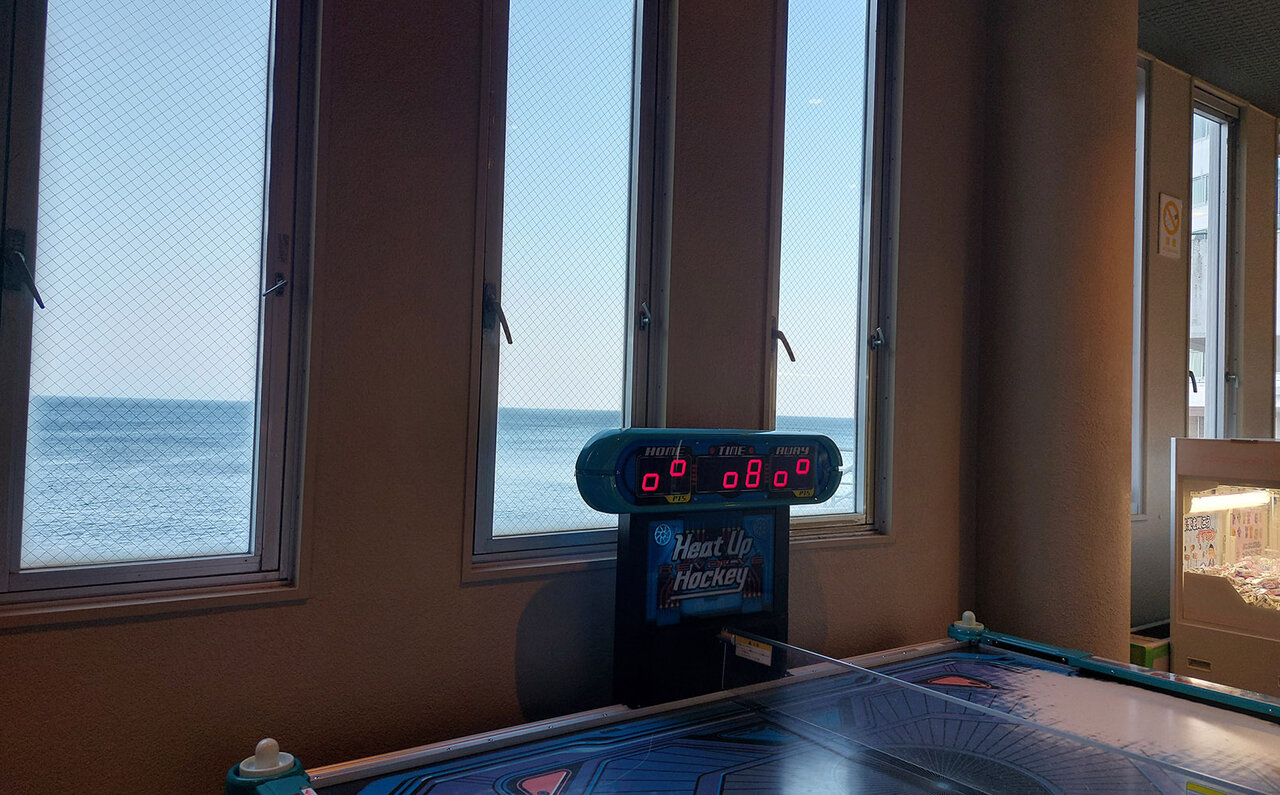
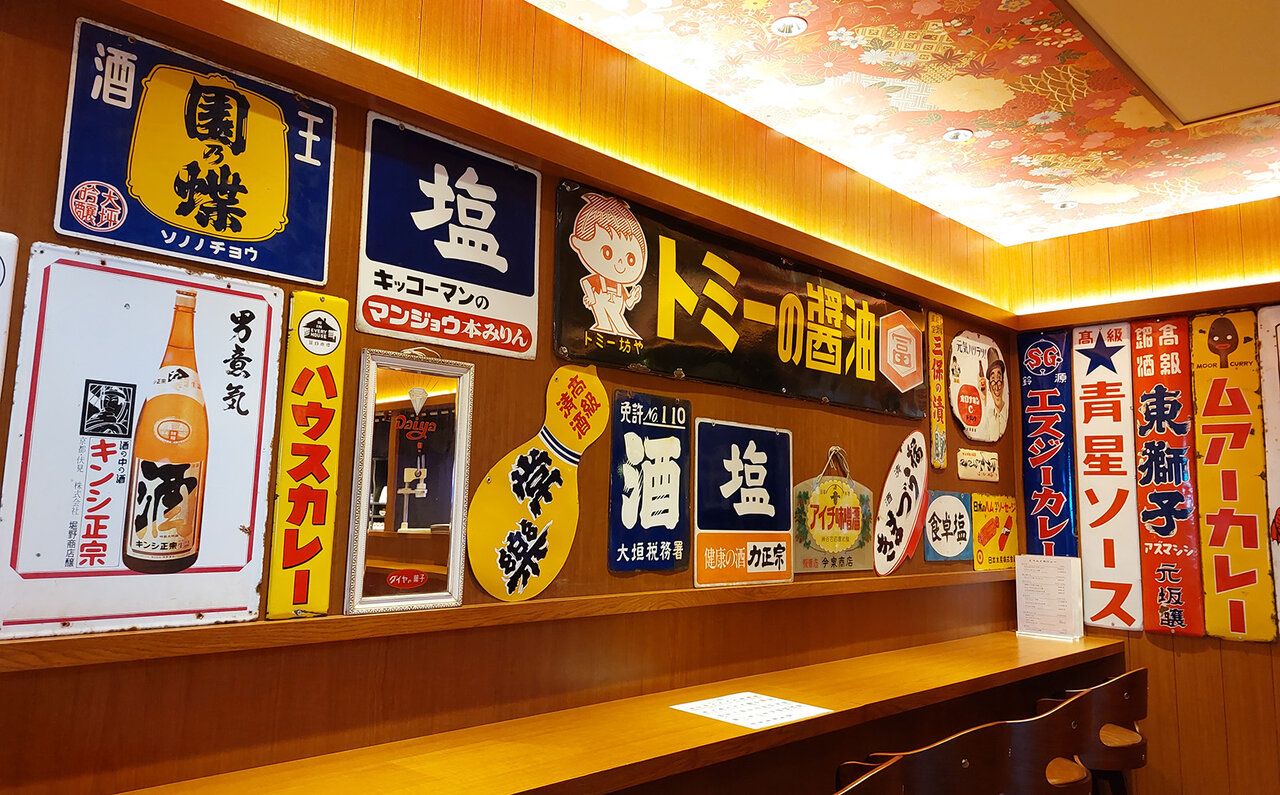
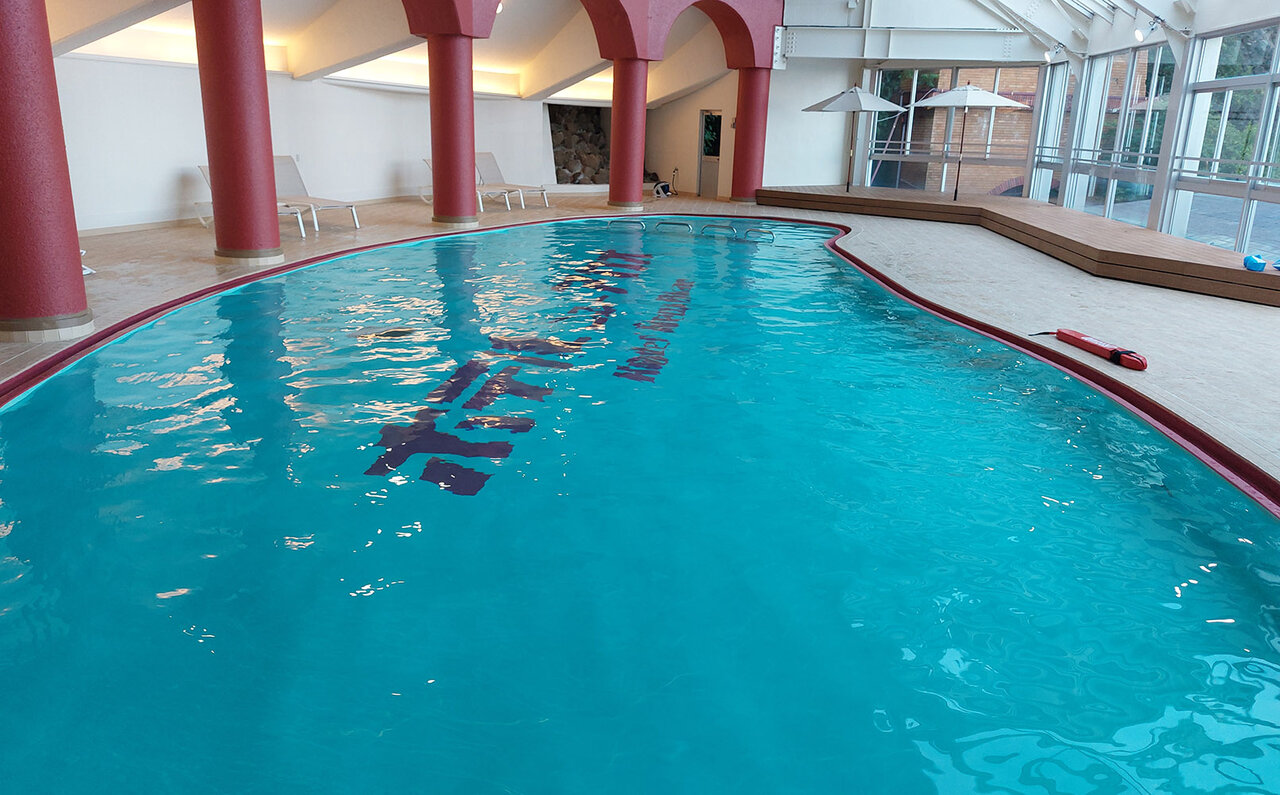
While modern, stylish hotels are rapidly opening in both Tokyo and resort areas, a classical and unique inn like New Akao offers an unparalleled charm. Its structure is particularly distinctive. Divided into two wings, the Horizon Wing and the Ocean Wing, the 15th floor of the ocean-facing Ocean Wing is connected to the B1 floor of the mountain-side Horizon Wing. The front desk of the Ocean Wing is on the top floor, and guests descend via elevator to their rooms, creating a unique layout. The lower floors (1F-2F) house amenities that are essential to a Showa-era hot spring inn: a swimming pool, an arcade with nostalgic games like 'Wani Wani Panic' and 'Tekken,' a table tennis area, and a lounge bar for evening drinks, offering enough entertainment to fill hours.
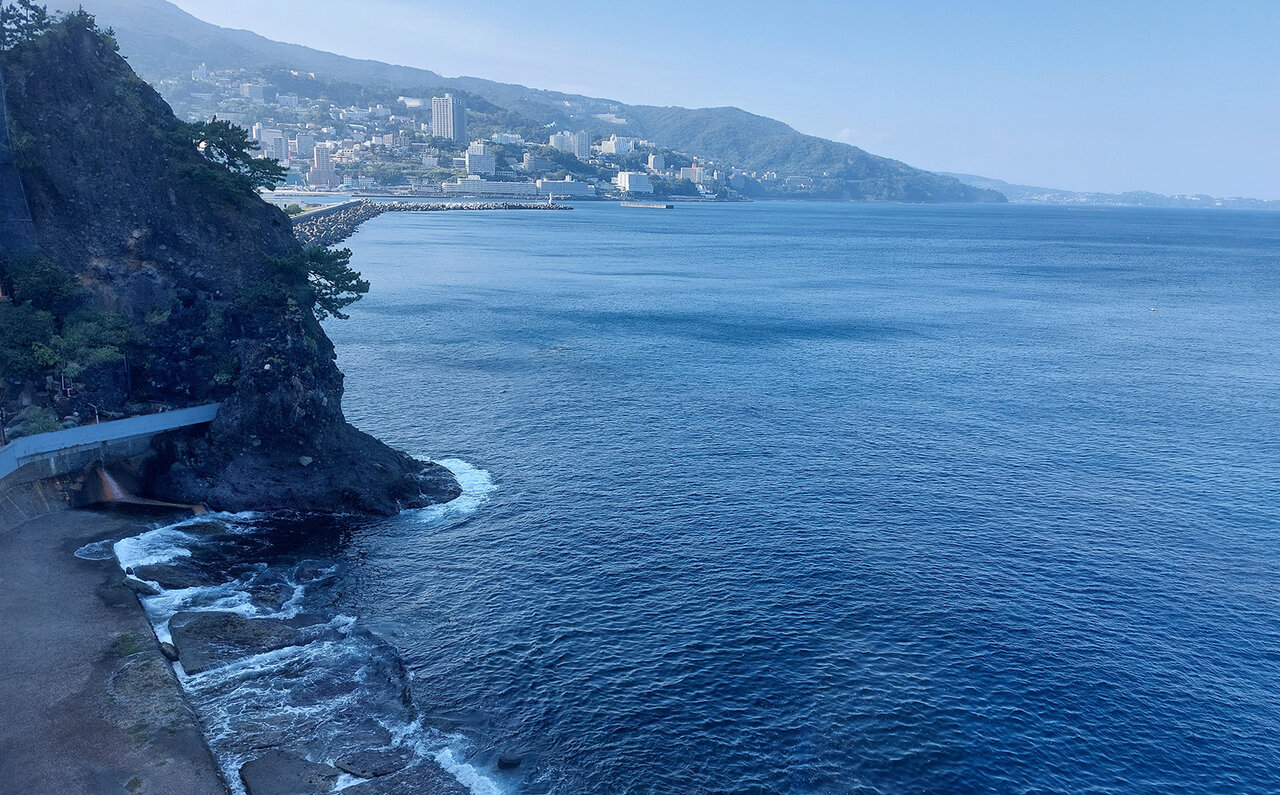
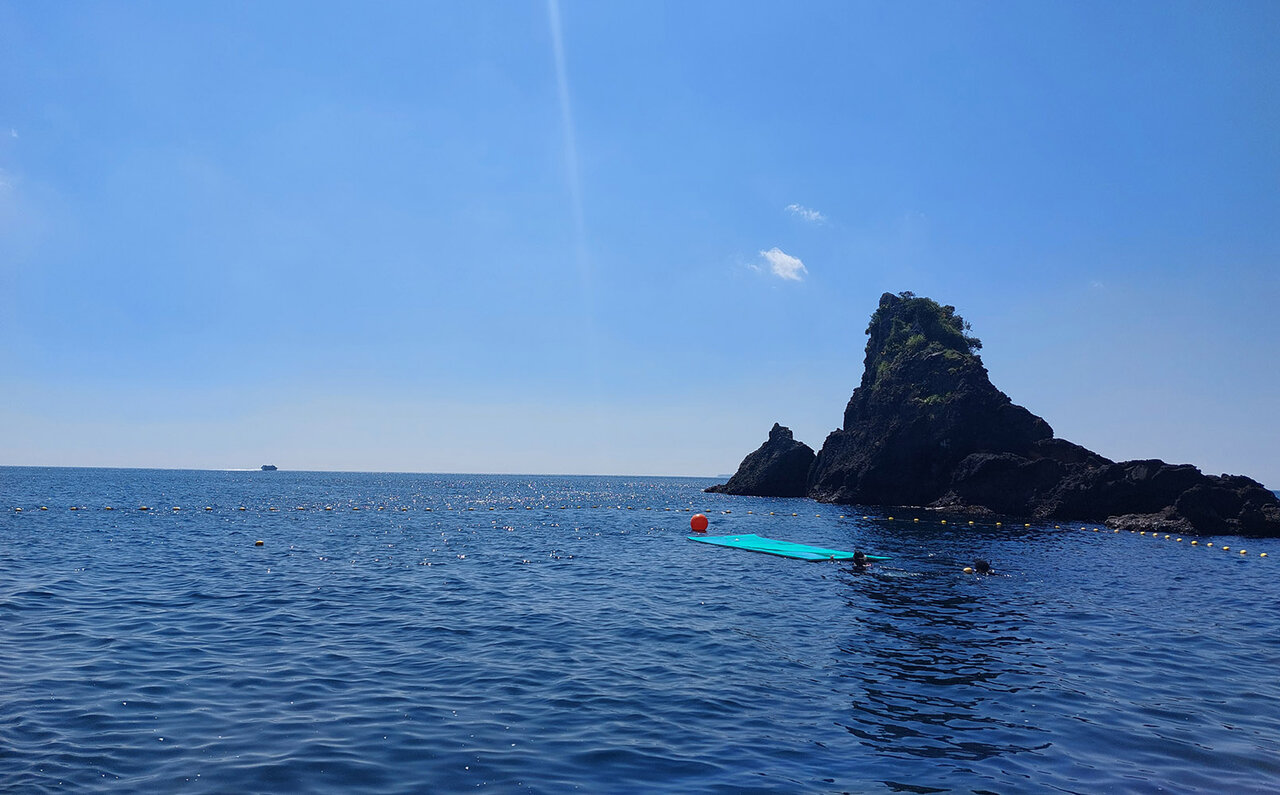
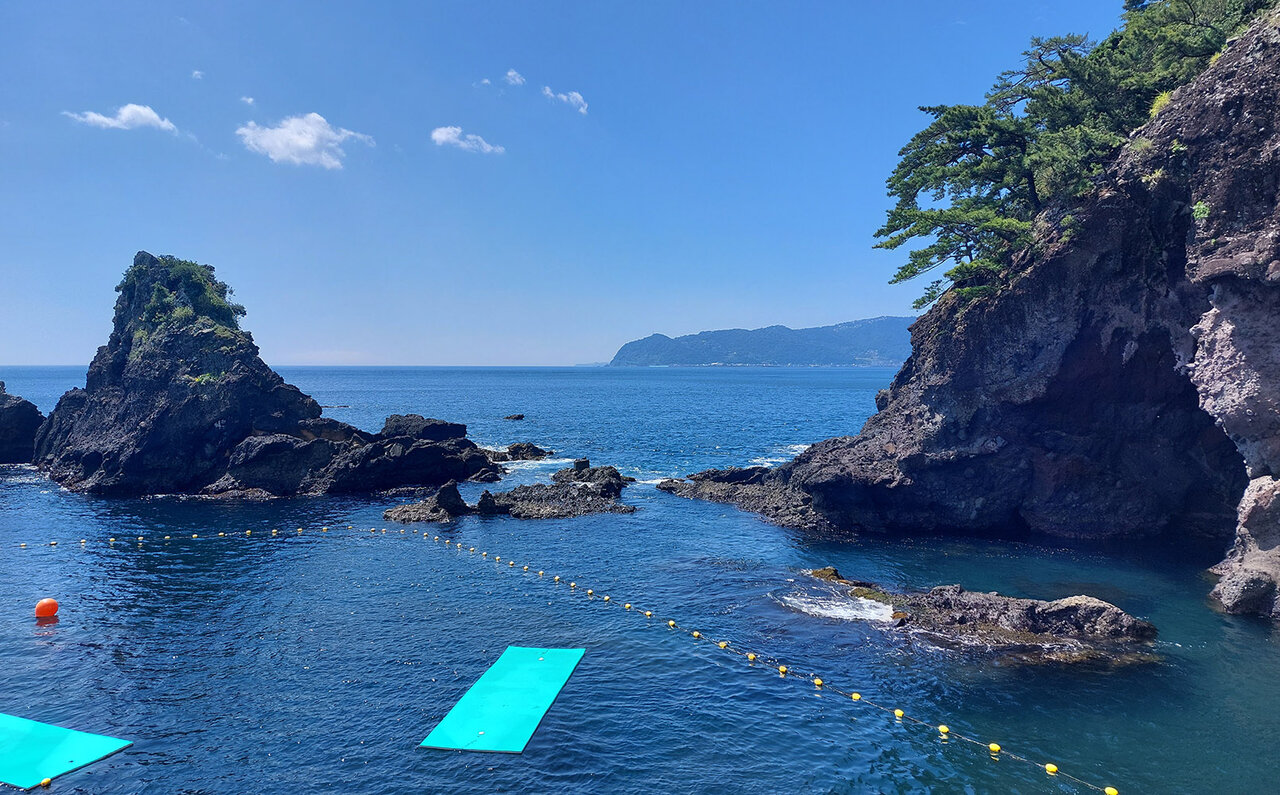
But the most unique experience New Akao offers is undoubtedly its ocean pool. This seasonal natural pool, surrounded by the spectacular scenery of Nishikigaura, allows guests to swim freely in the clear blue waters of Sagami Bay. While the shallow end is 3 meters deep and the deepest parts reach 7 to 10 meters, it is open to children aged 3 and up, with life jackets provided and numerous staff members supervising. The best time to visit is from late July to early August when the water temperature rises to around 28°C. Imagine the unparalleled luxury of diving into the ocean pool on a humid, sweltering summer morning instead of taking a bath.
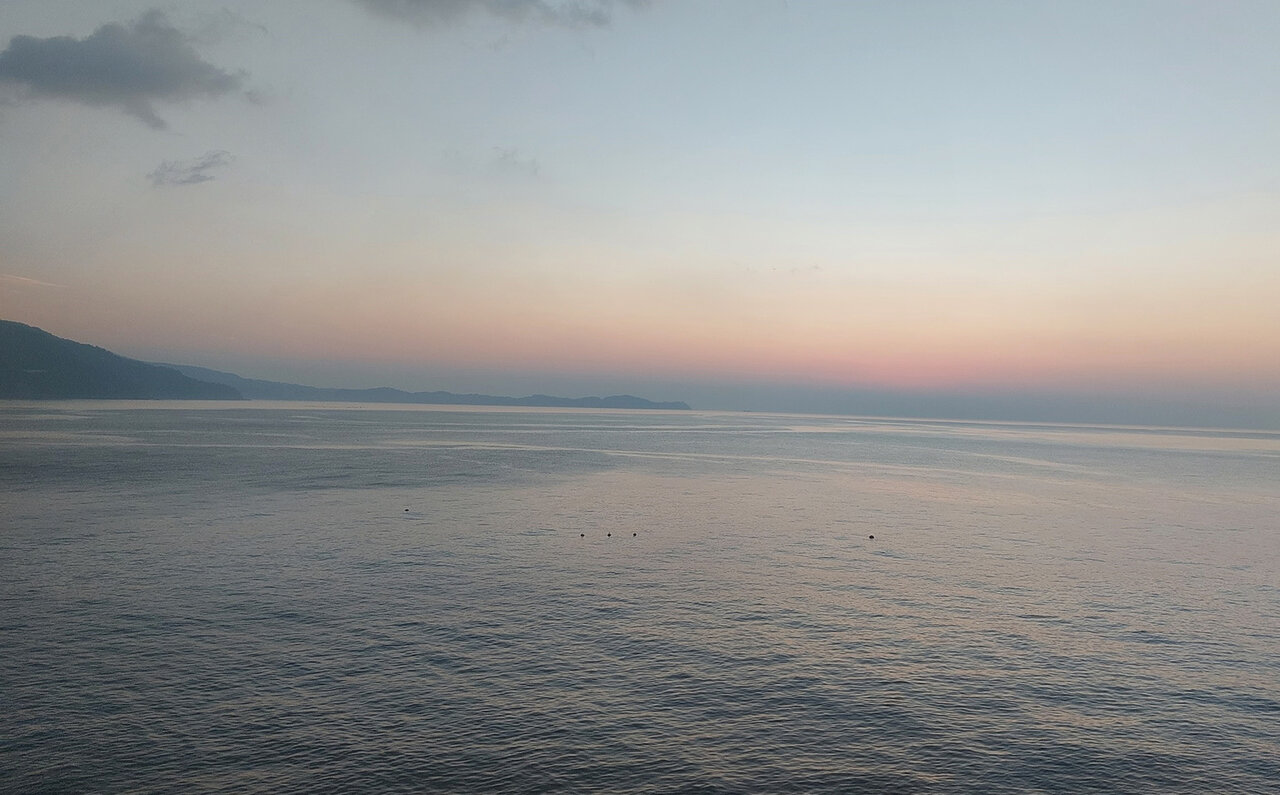
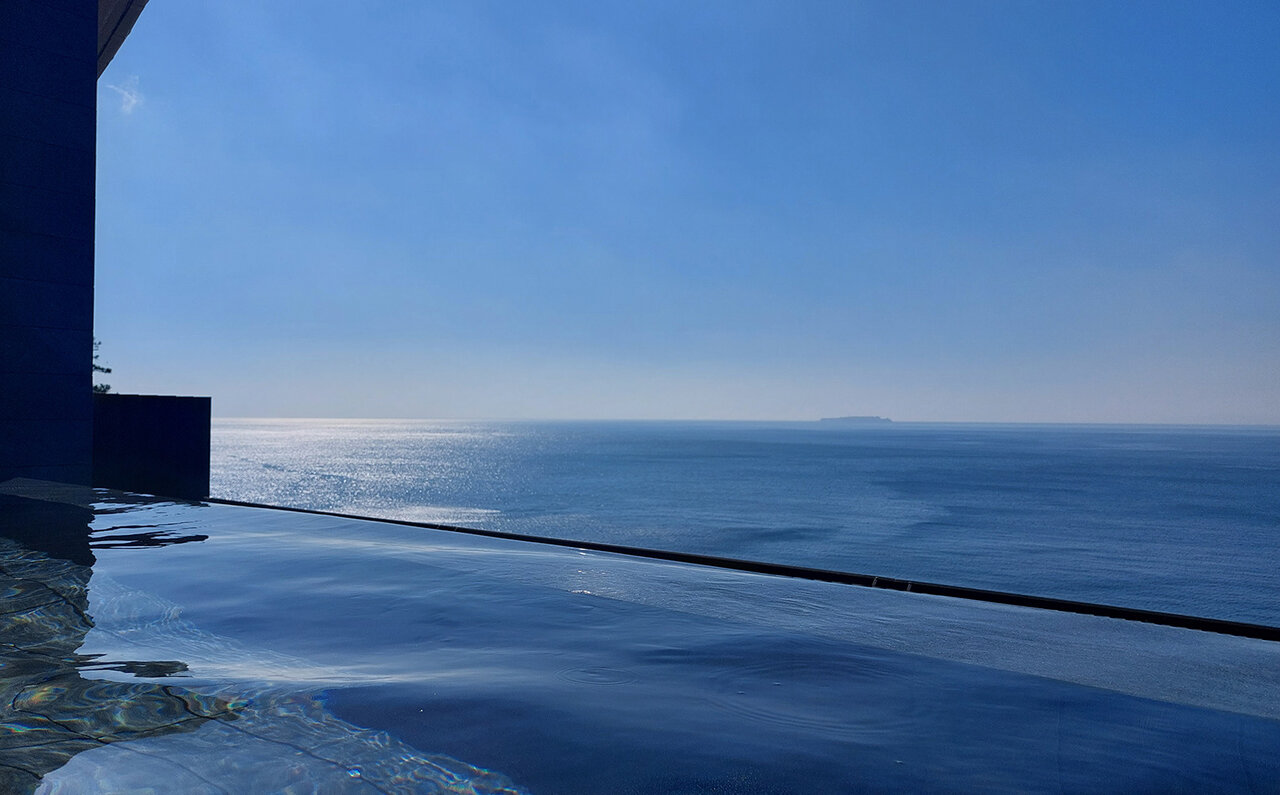
Speaking of hot springs, there are baths. In addition to the large public baths, there are two private, reservable baths and the open-air bath, Sparium Nishiki. Sparium Nishiki features an infinity pool that blends seamlessly with the sea, creating an illusion where the boundary between the bath and the ocean dissolves. There are no obstructions to the view. Soaking in the water while feeling connected to the sea is an ultimate luxury.
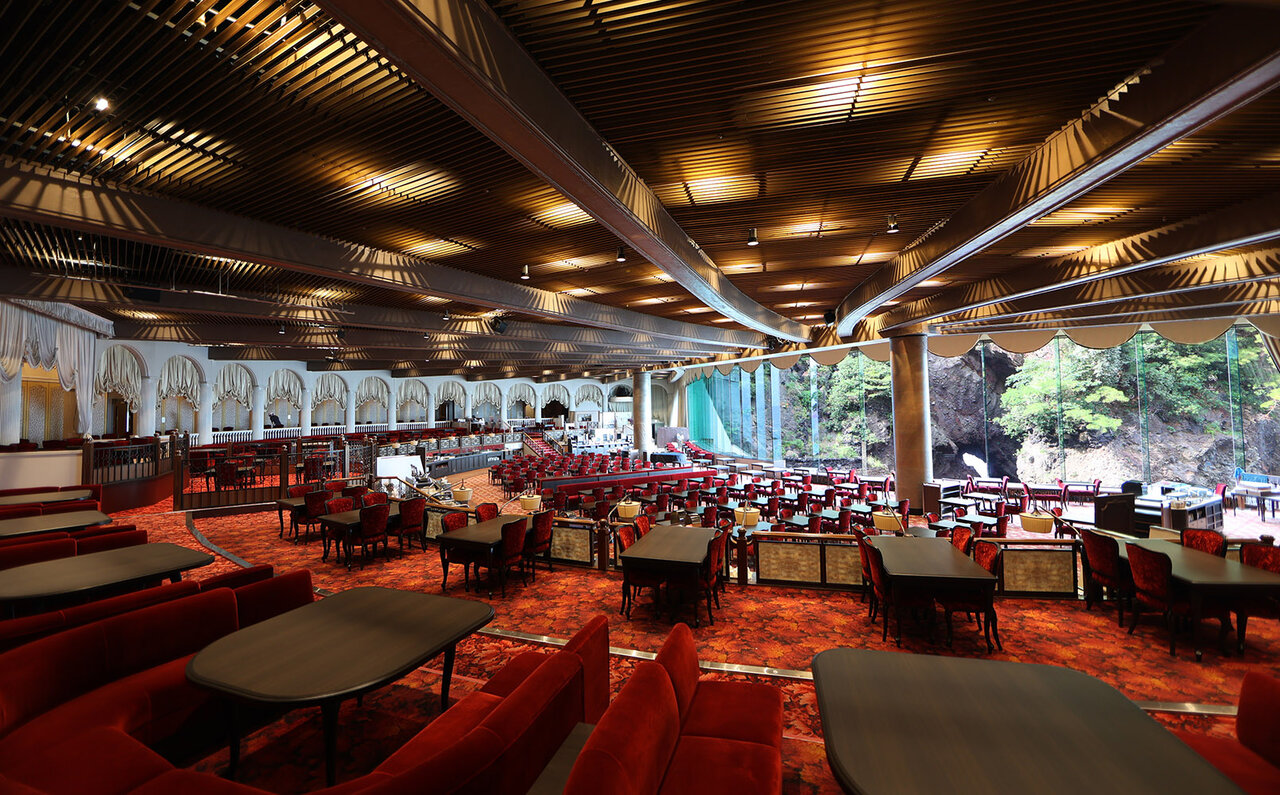
The hotel also offers various restaurants, cafes, and lounges. However, the main dining hall, Nishiki, is highly recommended. With its floor-to-ceiling windows offering a spectacular view of Sagami Bay, this grand restaurant evokes the grandeur of an ancient European theater or the deck of a luxury liner. It's rare to find such a classically magnificent restaurant today; its uniqueness almost makes it feel avant-garde. While dinner and breakfast are exclusive to hotel guests, lunch is available to the public, making it a must-visit destination.
New Akao also boasts a wide array of activities, including SUP, snorkeling, kayaking, fishing, walks around Nishikigaura, and photo tours of the moonlit path. Even exploring the hotel grounds is captivating, as it retains the charm of Showa-era culture throughout. Venturing into Atami town reveals numerous attractions, such as fireworks festivals, flower viewing spots, historical sites, and scenic landmarks.
In its heyday, New Akao advertised itself with the slogan "Play for three days in one night." True to its promise, the hotel is packed with enough attractions to feel like a week-long stay. Atami possesses Japan's finest hot springs, a mild climate, stunning ocean views, fresh seafood, and a rich natural environment. These elements, cultivated through decades of experiences from the Showa to the Heisei eras, are now drawing attention once again in the Reiwa period. The concept of "Fūteki Ryūkō" (eternal change within constancy) describes how unchanging, fundamental charm evolves by incorporating new trends, becoming even more essential. Atami seems to embody this principle as a whole city. Hotel New Akao, a symbolic presence in Atami, will undoubtedly continue to attract people with its enduring charm, and its evolving appeal, for the next fifty and even one hundred years.
Hotel New Akao
Location|1993-65 Atami, Atami City, Shizuoka Prefecture