A Short Series, Part 2: Chicago, a Metropolis of Architecture, Art, Entertainment, and Gastronomy—Architecture | TRAVEL
Welcome to Chicago, a Metropolis of Architecture, Art, Entertainment, and Gastronomy—Architecture
A City That Is Itself an Architectural Museum
Chicago is the third-largest city in North America, following New York and Los Angeles. As the birthplace of the skyscraper, its atmosphere bears a certain resemblance to New York. Though only a fraction of New York's size in population and area, this compact city is densely packed with captivating attractions, including art, architecture, entertainment, and exquisite cuisine, rivaling those of New York. This short series will introduce Chicago's charms by theme. The second installment delves into the city's allure through the lens of architecture.
Savoring Chicago, the City of Architecture, on a River Cruise
For architecture enthusiasts, Chicago is undoubtedly a city to visit at least once in a lifetime. It is home to a diverse array of architectural styles crafted by legendary figures such as the masters of modernist architecture, Mies van der Rohe and Frank Lloyd Wright, as well as Louis Sullivan and Daniel Burnham.
Why did Chicago become a globally unparalleled architectural city? To understand this, we must look back at an unfortunate historical event from the 19th century. In the latter half of the 19th century, Chicago was experiencing rapid development alongside America's industrialization. However, the Great Chicago Fire of 1871 engulfed the city in flames for three days, destroying almost all its buildings. In the aftermath, architects from both within the country and abroad gathered for the city's reconstruction. As the area was reorganized and rebuilt, numerous architectural masterpieces emerged.
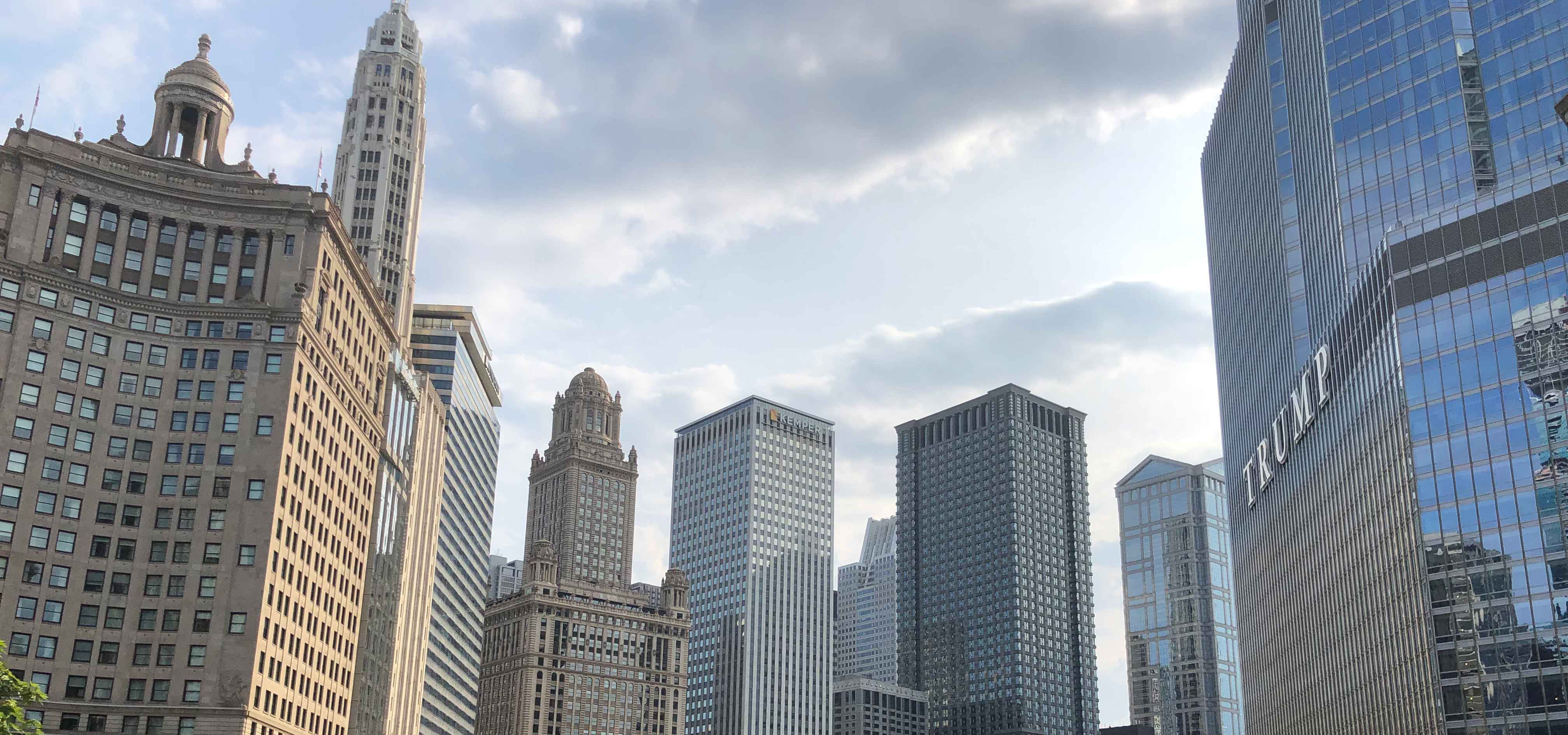
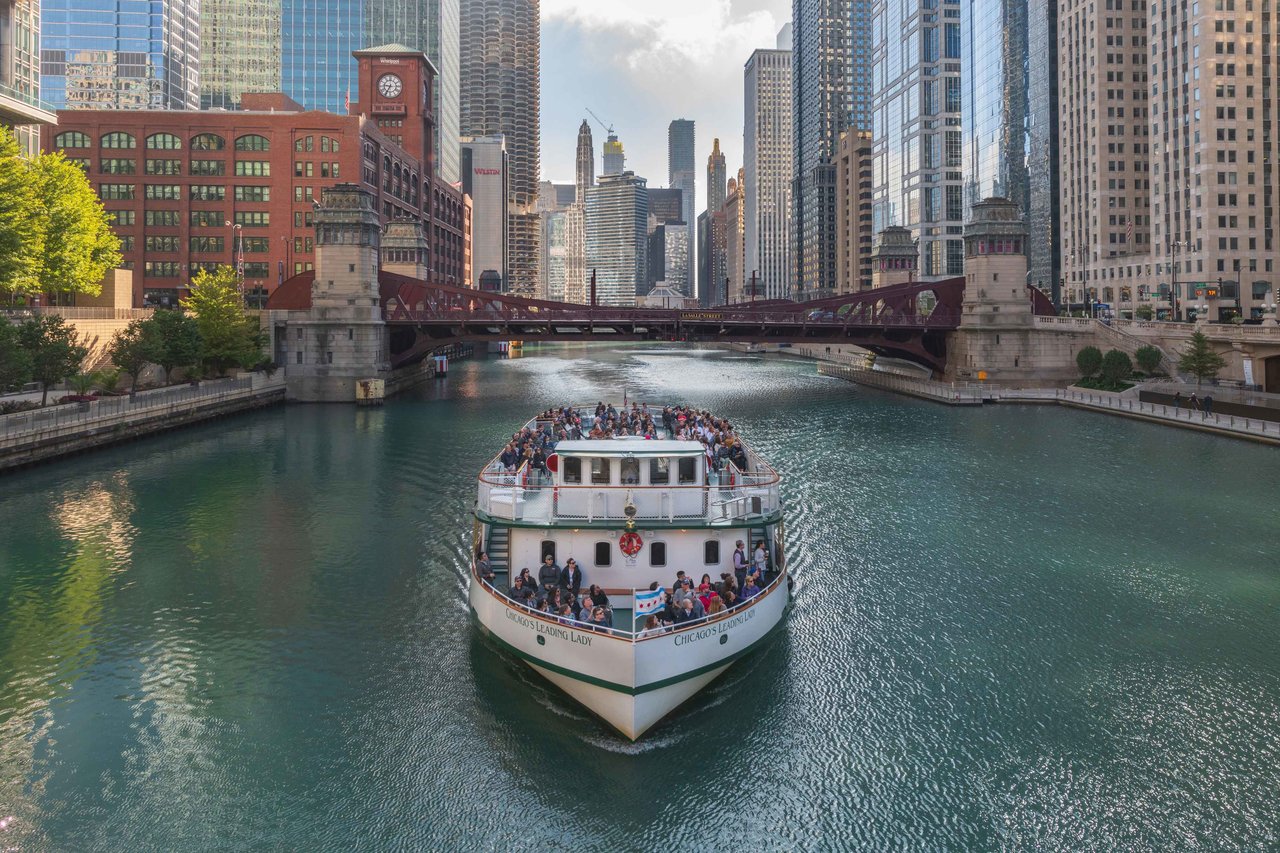
For those wishing to admire these architectural gems, the river cruise organized by the Chicago Architecture Center is highly recommended. Aboard a cruise ship, you can observe various architectural styles, both old and new, along the Chicago River while listening to commentary from a guide. Here, we will introduce some of the representative buildings you can enjoy on the river cruise.
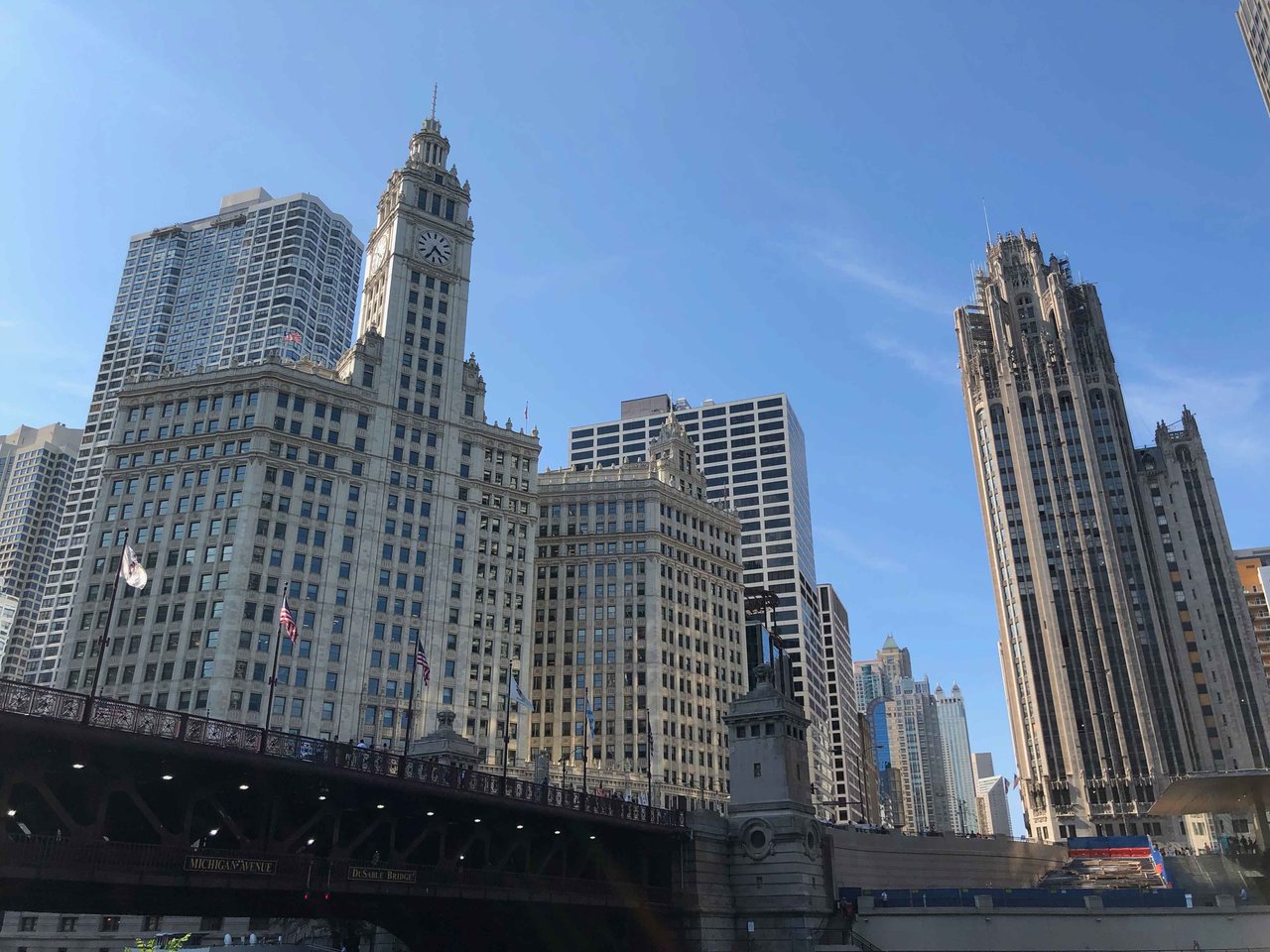
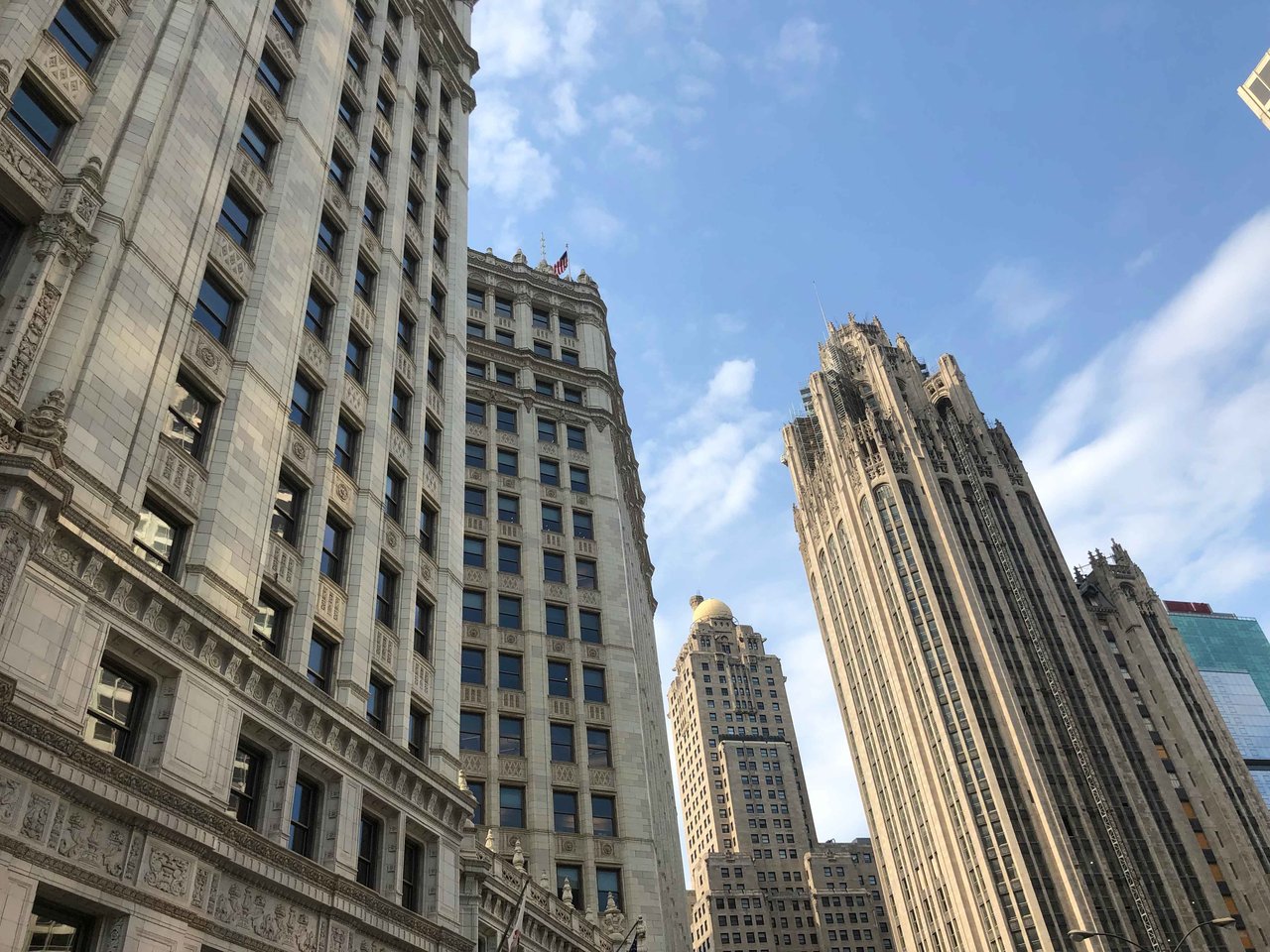
Upon embarking, participants are immediately captivated by two historic structures facing each other at the foot of the Michigan Avenue Bridge, the cruise's starting point. To the right is the Tribune Tower (1925), characterized by its imposing Neo-Gothic facade. To the left stands the former headquarters of the chewing gum manufacturer Wrigley, completed in 1924, notable for its elegant Renaissance-inspired design featuring a central clock tower and white terracotta.
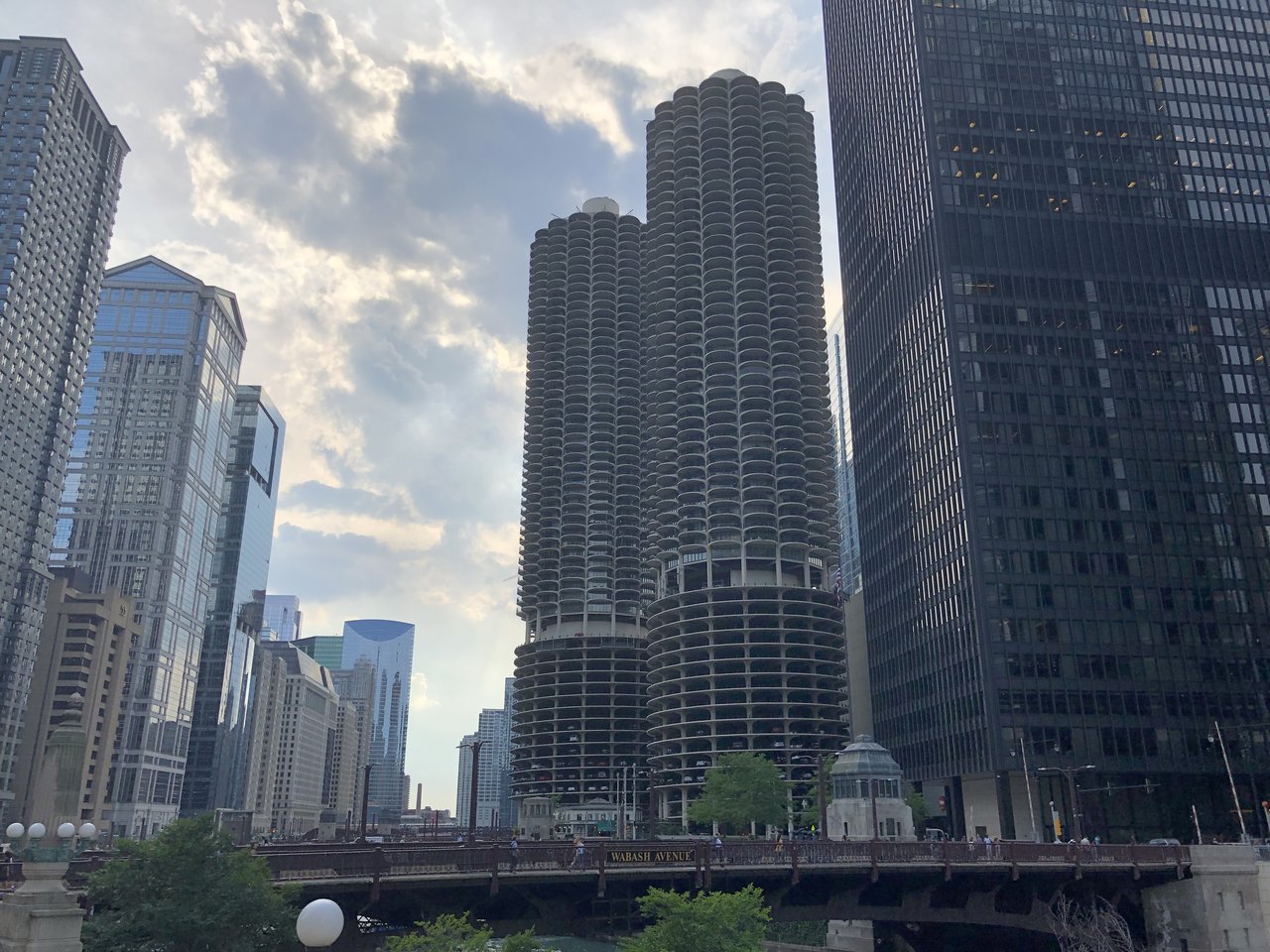
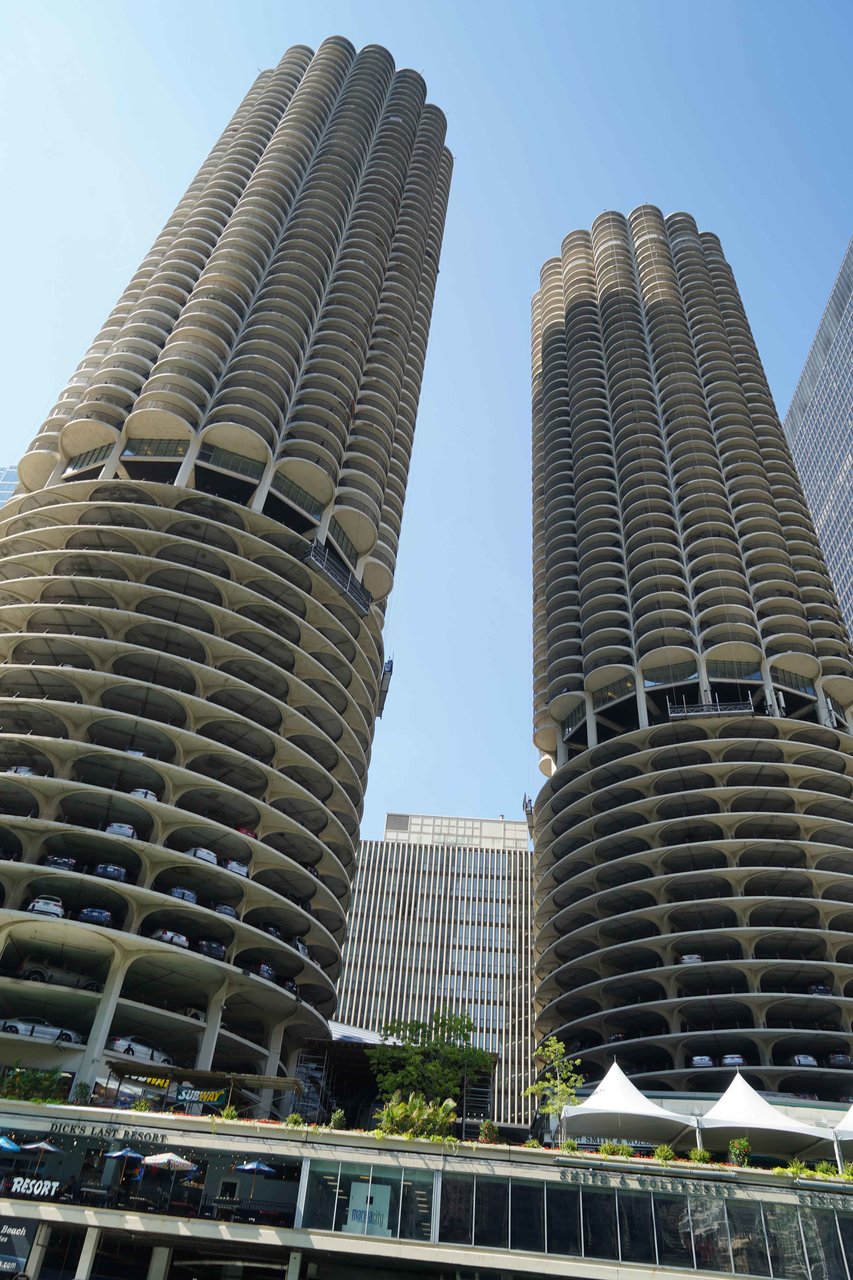
Shortly after the cruise departs, looking upstream along the Chicago River, you'll spot Marina City (1967), a pair of cylindrical twin towers with distinctive corn cob-like facades. Hailed as a prime example of modernist architecture in Chicago, the towers were designed by Bertrand Goldberg, a Chicago native who studied at the Bauhaus in Germany.
The buildings themselves are mixed-use complexes housing offices, apartments, and restaurants, with a multi-story parking garage on the lower levels and a boat marina at the very bottom. The film 'Hunter,' starring Steve McQueen, features a car chase scene on the parking garage ramps that culminates in a car plunging into the Chicago River. It is truly an architecturally cinematic structure.
To the right of Marina City stands the IBM Plaza (now AMA Plaza) (1972), a black-facaded skyscraper designed by Mies van der Rohe, former director of the Bauhaus. After the Bauhaus was closed by the Nazis, he relocated to Chicago and went on to design numerous architectural masterpieces. It is fascinating that the works of a Bauhaus master and his student stand side-by-side along the Chicago River.
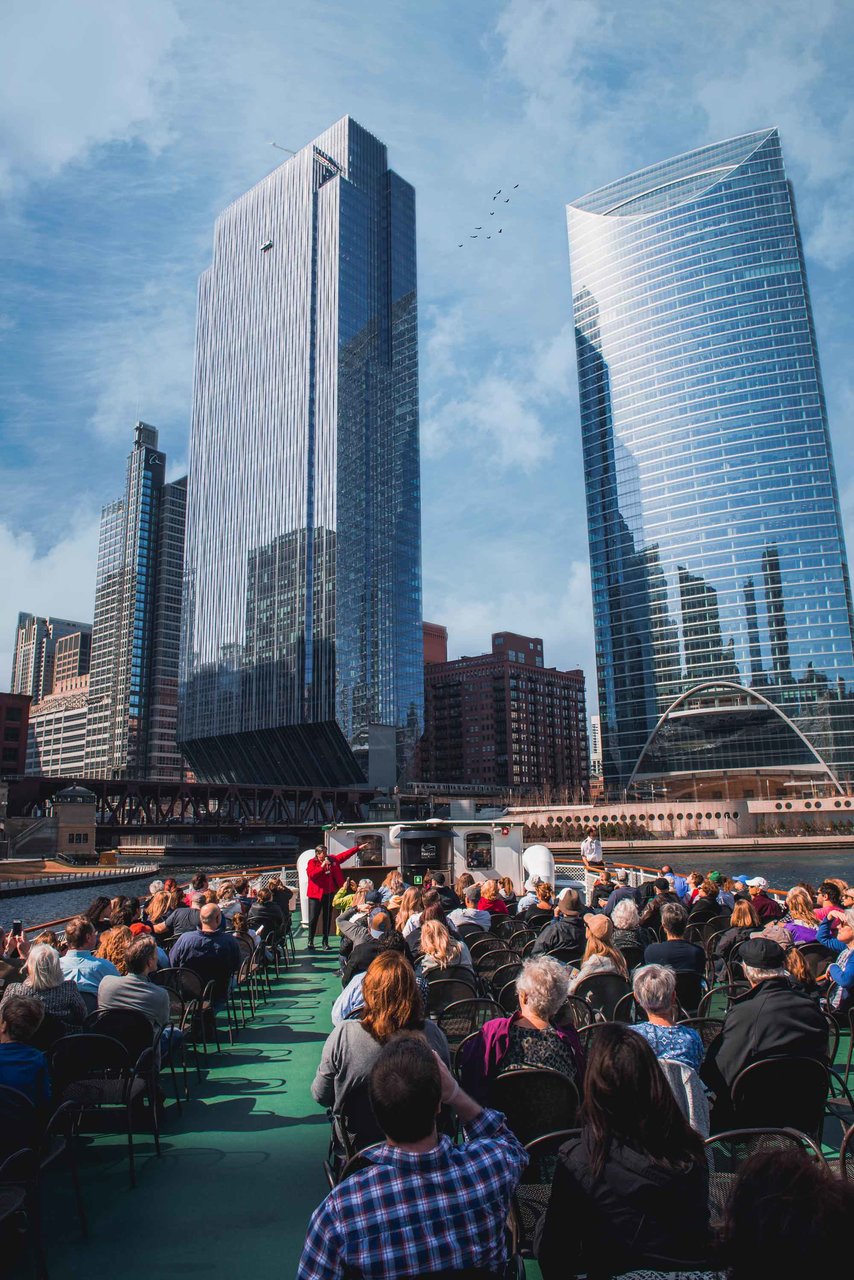
Proceeding west along the main branch of the Chicago River, with Lake Michigan behind you, the river splits into two tributaries: the North Branch and the South Branch. Standing at their confluence are two state-of-the-art skyscrapers, 150 North Riverside and River Point, both completed in 2017.
150 North Riverside, standing 228 meters tall with 54 floors, is notable for its base that tapers as if carved from a massive tree trunk. This seemingly physics-defying design is attributed to the site's constraints, with the Chicago River and Riverwalk to the west and railroad tracks to the east.
River Point, meanwhile, at 223 meters with 52 floors, captivates with its beautifully curved glass facade and arched accents at the top and bottom. One theory suggests these arches are an homage to the Gateway Arch in St. Louis, designed by Eero Saarinen, a modernist master known for works like the TWA Terminal in New York.
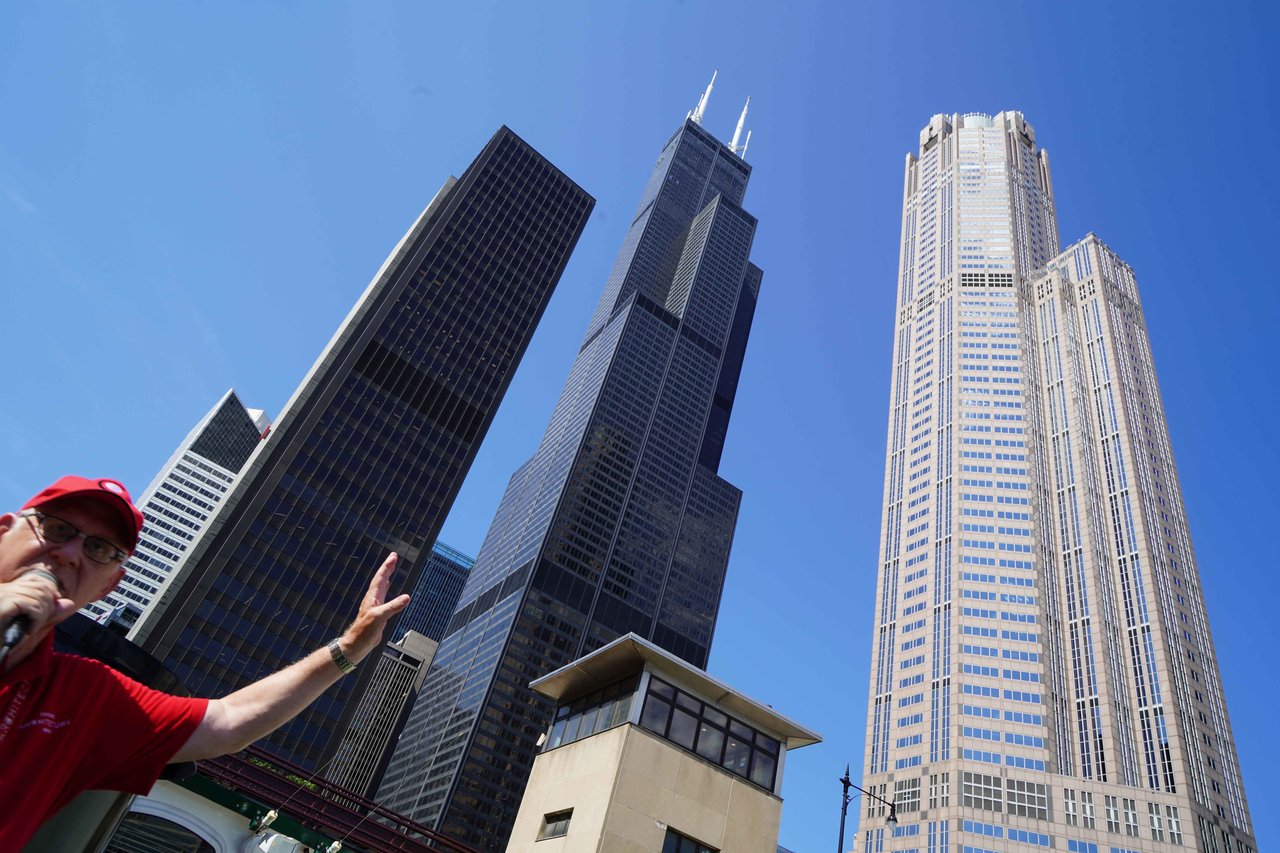
As you head south along the South Branch from the main channel of the Chicago River, a strikingly tall building appears on your left: the Willis Tower (formerly Sears Tower) (1971). This skyscraper, symbolizing Chicago as the birthplace of the skyscraper, stands 110 stories and 442 meters tall, making it the tallest building in the U.S. until the completion of the World Trade Center in New York in 2013.
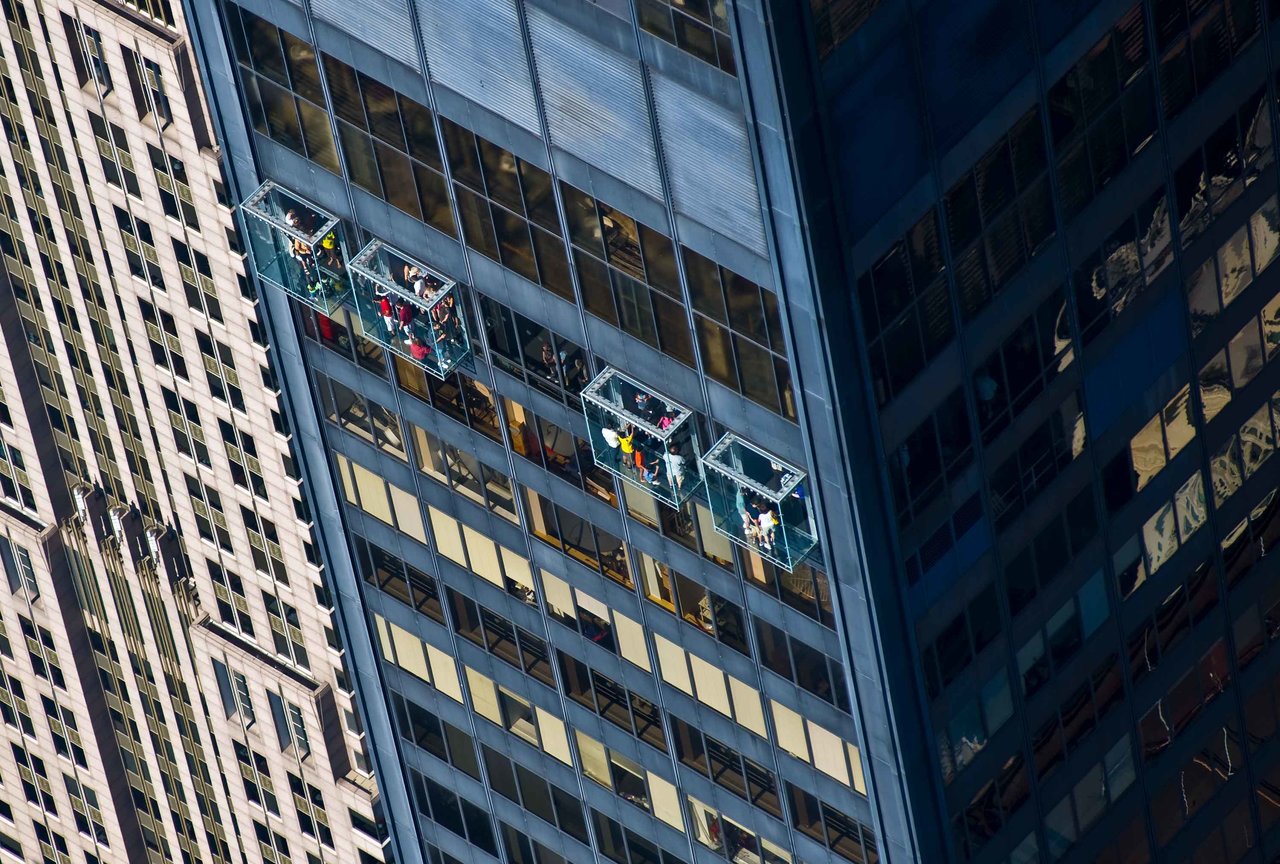
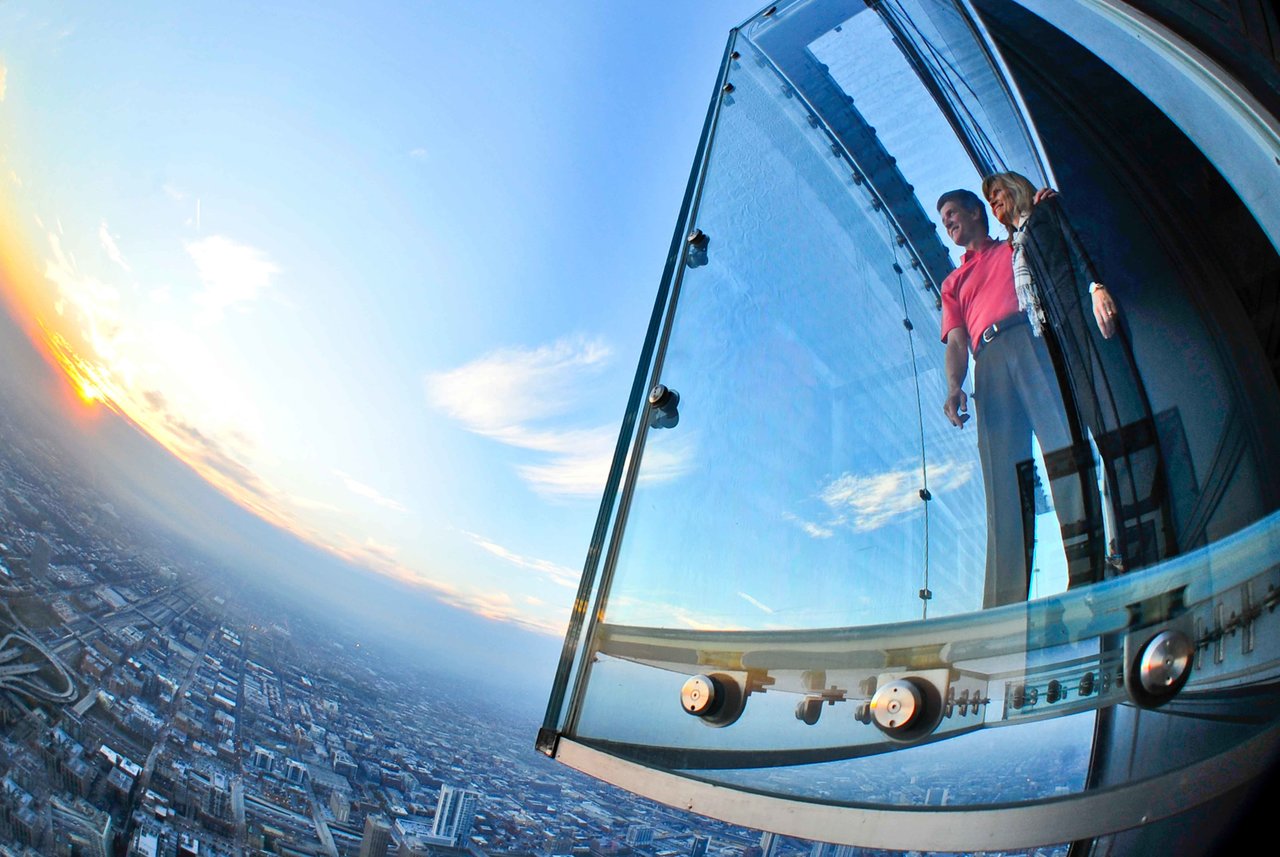
Beyond admiring Willis Tower from its base, we highly recommend visiting the Skydeck on the 103rd floor. This observation deck features The Ledge, a glass-enclosed box extending about 1.3 meters from the windows. Stepping inside, you can experience the sensation of floating in the air at an altitude of approximately 412 meters. From this glass box, you can see up to about 80 km away, offering views across four states.
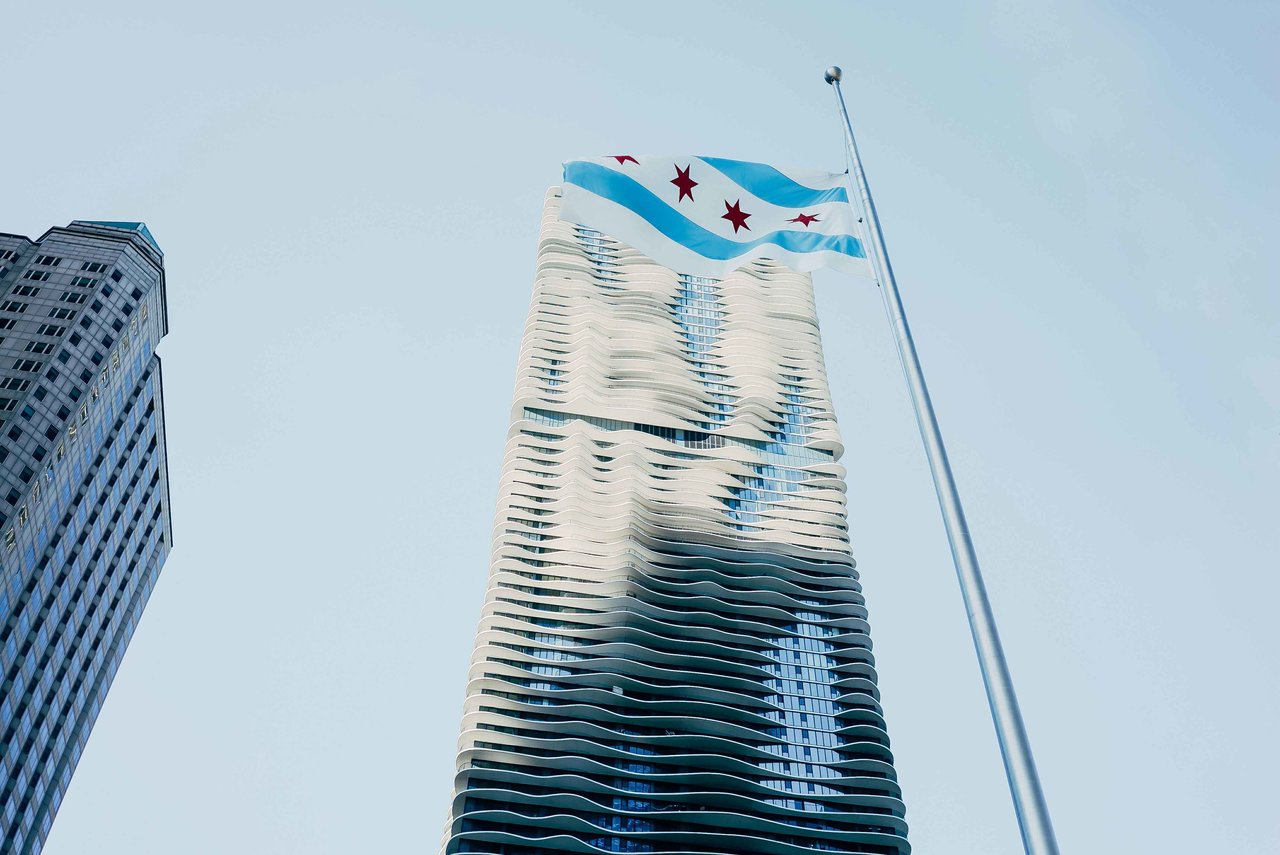
As the river cruise nears its end and heads back towards the starting point, further progress into Lake Michigan reveals Aqua (2010) on the right. This building, with its striking facade resembling layers of white boards shaped into various curves like waves, was designed by Jeanne Gang, an American female architect based in Chicago. Standing at 262 meters with 87 floors, it is currently the tallest building designed by a female architect.
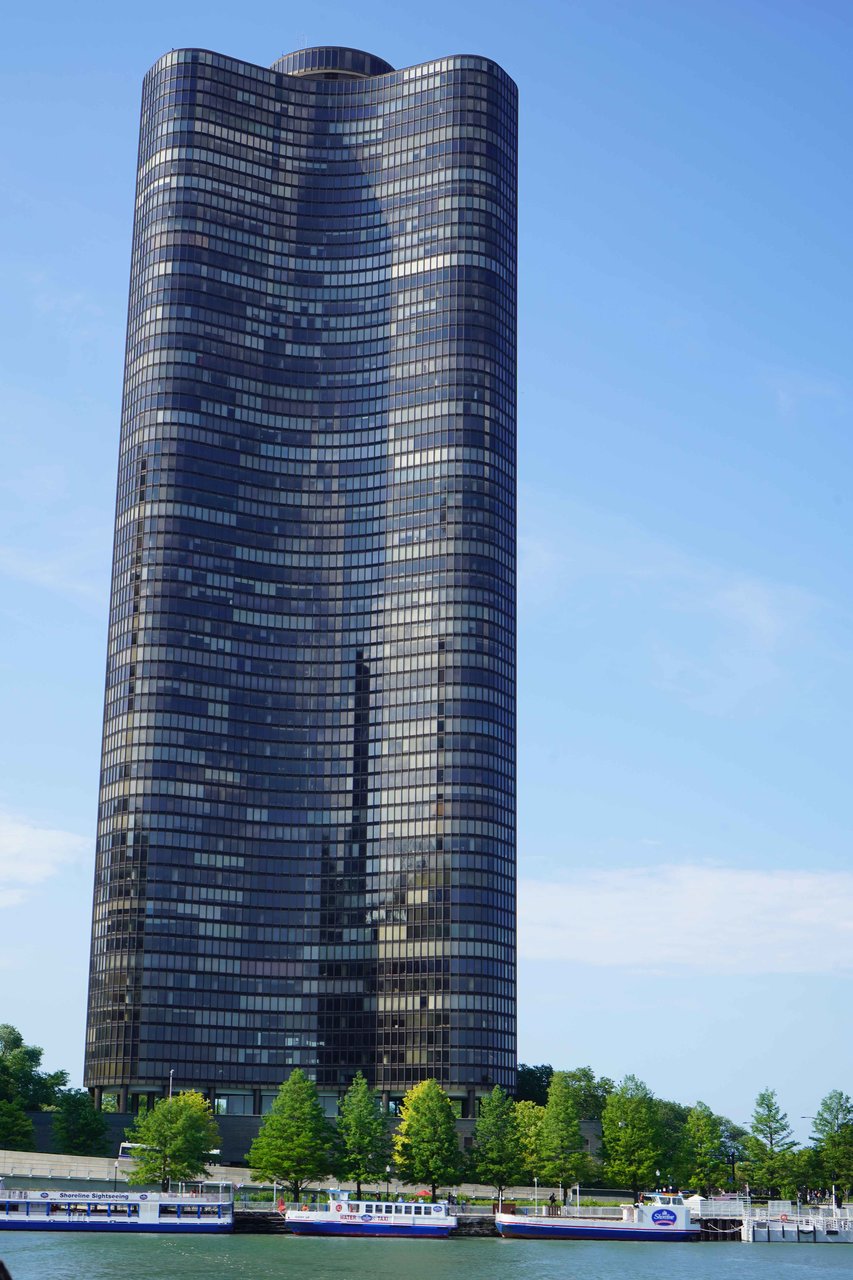
Concluding the river cruise is Lake Point Tower (1968), a high-rise condominium situated on the shores of Lake Michigan. Its unique form, with three curved sections radiating from a central core, was originally conceived by Mies van der Rohe and designed by his students, architects George Schipporeit and John C. Heinrich. This elegantly dark, gleaming high-rise is truly a quintessential example of Chicago's modernist architecture.
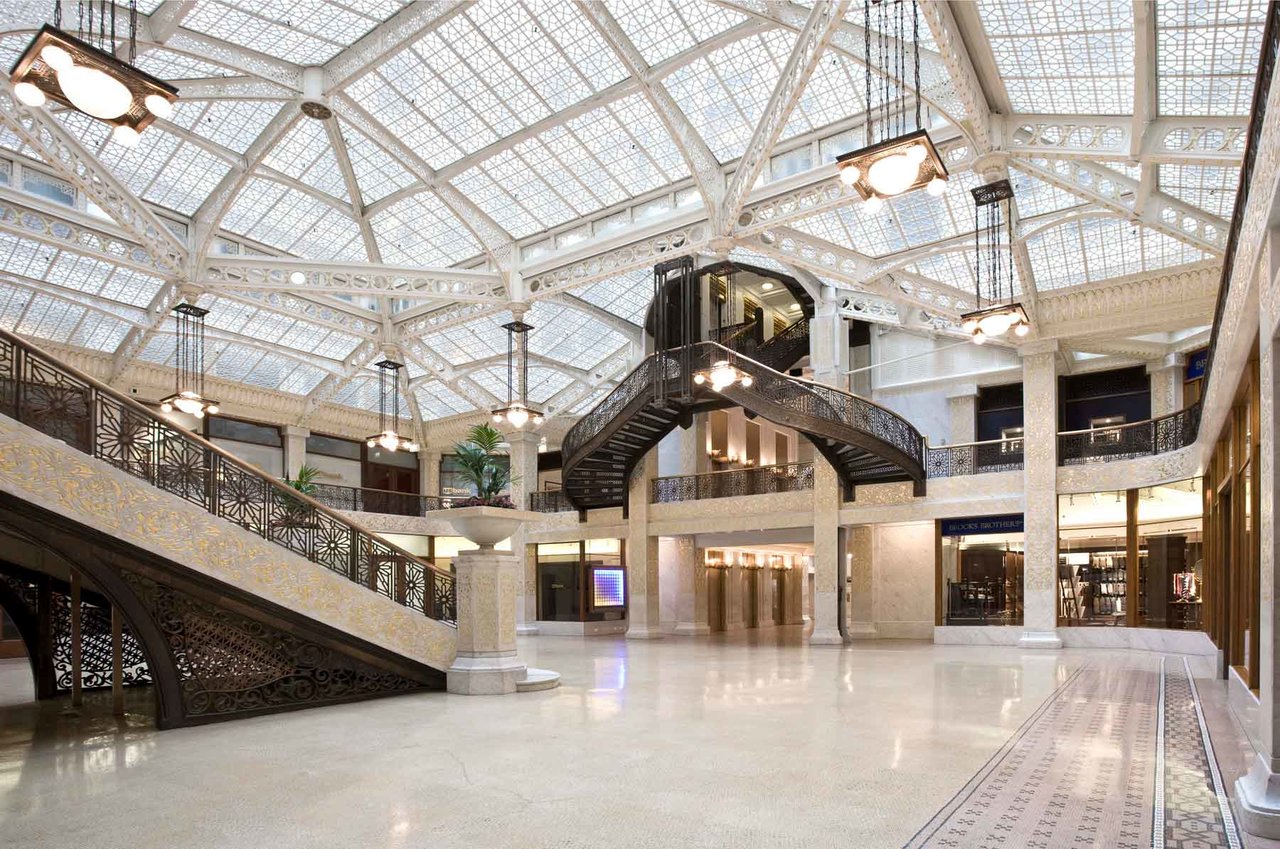
Beyond the river cruise, Chicago boasts numerous other noteworthy architectural structures. For instance, the Rookery Building (1888), located in the heart of Chicago's financial district. This 11-story office building, employing the innovative construction method of the time combining masonry with a steel frame, was designed by Daniel Burnham and John Wellborn Root, architects of the Chicago School. Upon its completion, it was one of the tallest buildings in the world, laying the foundation for skyscrapers.
In 1905, Frank Lloyd Wright undertook renovations of the lobby. This two-story atrium lobby, bathed in natural light from its glass roof, creates a breathtakingly elegant space, complemented by the delicate ornamentation on the spiral staircase railings and the roof's steel structure.
While I have briefly introduced some of the architectural highlights that caught my interest during this visit, Chicago is home to countless other masterpieces from various eras and styles. This is precisely why the city itself is often referred to as an architectural museum.
CAFC River Cruise
112 E. Wacker Drive Chicago, IL 60601
https://cruisechicago.com/
Skydeck Chicago
233 S Wacker Drive Chicago, IL 60606
https://theskydeck.com/
The Rookery Building
209 S. LaSalle Street Chicago, IL 60604
http://cal.flwright.org/tours/rookery