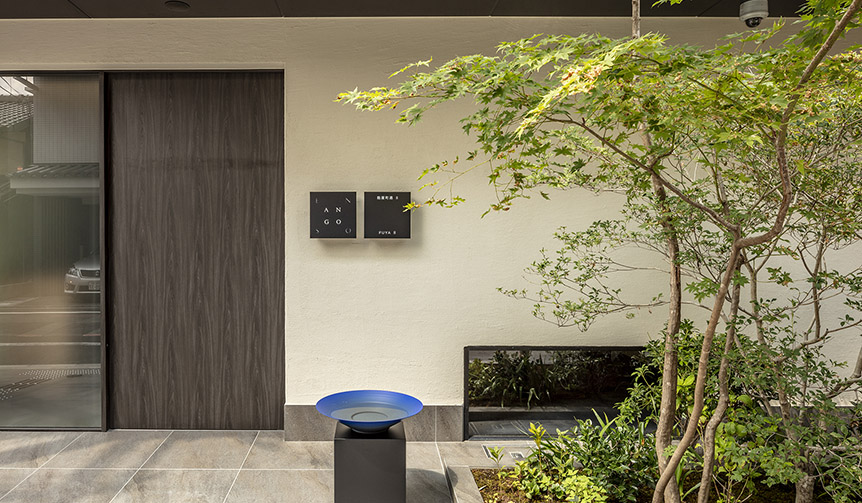
A New Direction for Luxury Stays | ENSO ANGO
ENSO ANGO
A New Direction for Luxury Stays
In an era of diverse values, the definition of luxury is also subtly shifting. Previously, it signified material abundance, an additive approach focused on the utmost indulgence. Today, however, an increasing number of people find luxury in spiritual richness, achieved through a subtractive approach that eliminates the superfluous. This evolving sentiment has now reached the hotel industry. In Japan, ENSO ANGO is perhaps the most prominent example of this new direction in luxury stays.
Text by MAKIGUCHI JunePhotographs by ASAKAWA Satoshi, KENGAKU Tomooki
What Possibilities Does ENSO ANGO Unfold for Travel?
Have you heard ofSLH (Small Luxury Hotels)? Small Luxury Hotels of the World™ (headquartered in London) selects unique, luxurious independent hotels from around the globe based on its own stringent criteria. With over 500 member hotels in approximately 80 countries worldwide, the collection includes urban designer hotels, hidden gems in city centers, historic country houses, and private island resorts.
Each hotel shares a commitment to originality, prime locations, uncompromising quality, personalized service, and providing the best means to enjoy the destination, earning the support of discerning travelers worldwide. In Japan, 12 hotels, including The Tokyo Station Hotel, Hotel Gajoen Tokyo, and Todaiji Hotel Nara, were previously members. In November 2018, Hotel ENSO ANGO FUYA II in Kyoto became the newest addition.
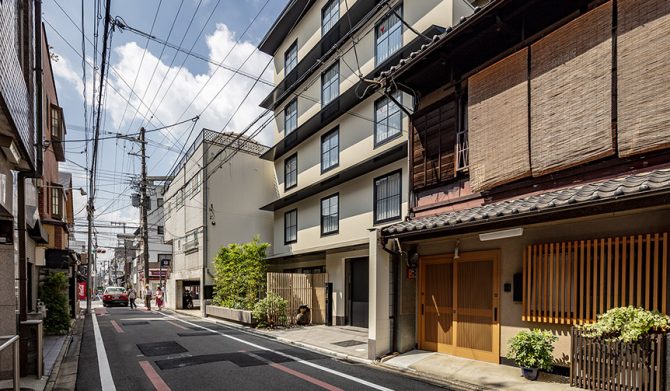
ENSO ANGO, which opened on October 15, 2018, is a new hotel with a novel concept. It is a "dispersed hotel" that encourages guests to experience the local area as if living there, by intentionally scattering its rooms and facilities throughout the town.
In Italy, the "Albergo Diffuso" concept, a form of dispersed hotel, has been established for decades as a strategy for revitalizing depopulated areas. Instead of consolidating all services within a single building, these hotels utilize existing restaurants, bars, and rooms within the town, offering travelers the immersive experience of "staying in the town" itself. In essence, the entire community welcomes the traveler.
ENSO ANGO adapts this concept to a Japanese urban context. While Kyoto is far from depopulated, creating a dispersed hotel here offers an experience of enjoying the town as if one were a resident. In large cities, travelers often only experience the surface level. A dispersed hotel, however, increases points of contact with the local community, allowing guests to discover the town's, and by extension, the country's true character, which might otherwise remain hidden.
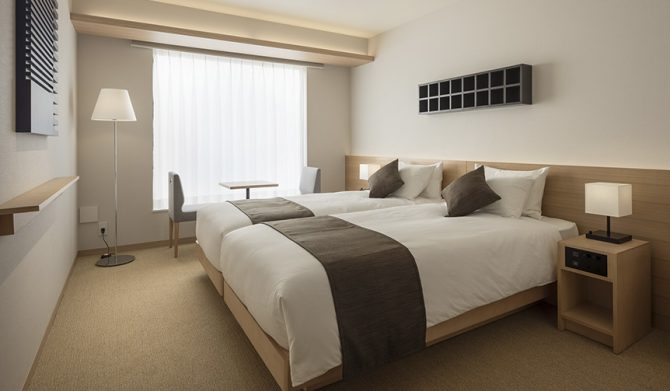
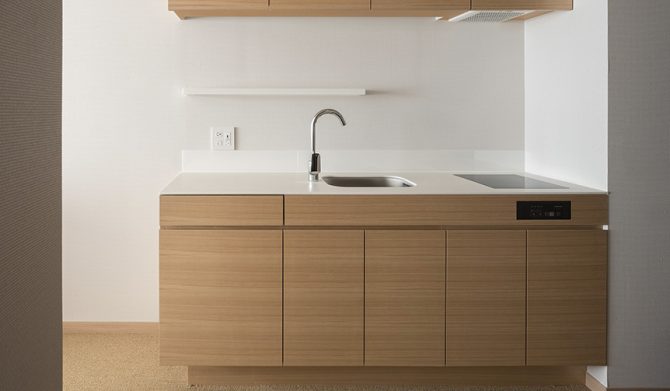
ENSO ANGO comprises five independent buildings: FUYA I and FUYA II on Fuya-cho Street, TOMI I and TOMI II on Tomi-no-koji Street, and YAMATO I on Daiwa-oji Street. Each building houses dispersed facilities such as restaurants, bars, kitchens, and gyms, requiring guests to move between buildings to access the services they wish to use. Naturally, all guests have complimentary access to the facilities in the other buildings. This concept of complementing what is missing elsewhere might be likened to comparing ENSO ANGO to the individual shops lining a town's shopping street, whereas a large hotel is akin to a giant supermarket. The key difference lies in communication. Special experiences begin with exchanges of words and smiles.
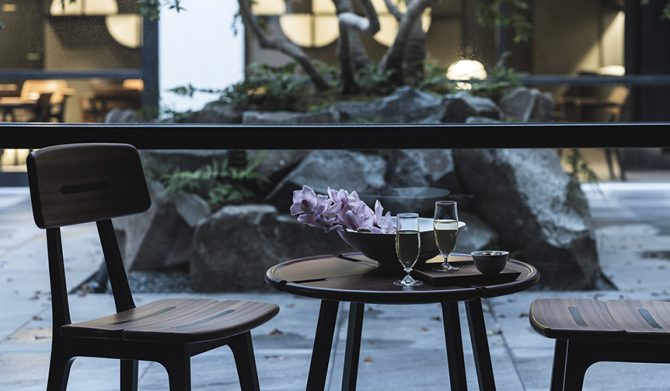
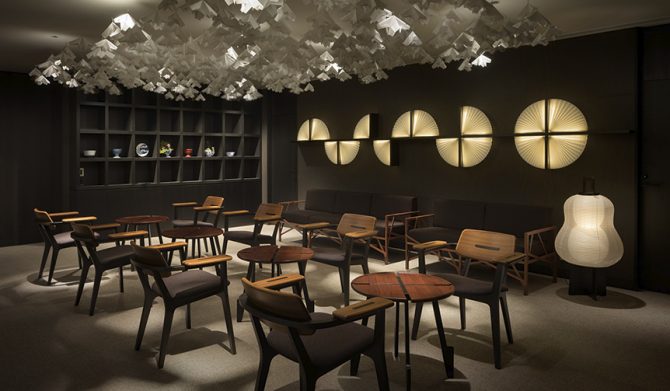
While the buildings share a common mood, their interiors are distinct. FUYA I resembles a gallery showcasing works by ceramic artist Masanobu Ando. FUYA II, the newest SLH member, harmonizes the spirit of Japanese culture with hotel spaces, designed by Uchida Design Inc. TOMI I features cardboard art by Katsuhiko Hibino, themed around Kyoto's culinary culture, adorning the space. TOMI II was designed by the Swiss design group Atelier Oï, featuring furniture they designed in Japan and lighting crafted with Kyoto's artisanal techniques. YAMATO I, located in Gion, offers a minimalist space with all rooms featuring bunk beds, displaying "ENSO ANGO Limited Edition Terada Mokei," 1/100 scale models by architect and designer Naoki Terada.
ENSO ANGO creatively utilizes limited urban space, an ethos that extends to its guest rooms. The shower booth and toilet are compactly arranged, and the washbasin is integrated into the room, prioritizing functionality. Furthermore, amenities like toothbrushes and skincare products are absent, with only the most essential items provided. This reflects not only an ecological consciousness but also an understanding that for those who value luxury, their own familiar items offer the greatest comfort.
Some may find moving between buildings inconvenient. However, for those who prioritize experience and unique details, this style of travel might indeed be the epitome of luxury. With plans to expand to more buildings in the future, having multiple bases scattered throughout the town would undoubtedly make exploring even more seamless.
ENSO ANGO also offers various activities at each building, providing opportunities to encounter Kyoto's traditions. These include Zen meditation led by the vice-chief priest of Kennin-ji Temple's Ryosokuin, Kyoto home-style cooking classes, talks by artisans carrying on traditional crafts, yoga in the Tatami Salon, and a tea ceremony in a modern tea house made of woven bamboo.
The development of these activity programs clearly indicates ENSO ANGO's aim for integration with the community. Upon the hotel's inception, a dedicated team was formed to walk the town and engage with the local community from the planning stages. Fostering organic connections between the region and its travelers appears to be a new role for hotels.
ENSO ANGO
https://ensoango.com/