Serialized Essays | #ijichiman's Musings: Edogawabashi Edition
The 20th Installment: Edogawabashi, a Town of Proud Professionals
“To insist solely on the safety and security of the physical body, without questioning the life or death of the soul or spirit, is misguided (Yukio Mishima).” In this serialized series, Yasutake Ijichi, a board member of Sunshine Juice, Japan’s first cold-pressed juice specialty store, delves into the human, earthy content of the neighborhood, a stark contrast to the ultimate healthfulness of Sunshine Juice, exploring its history, changes, customs, and culture. The 20th installment focuses on Edogawabashi, where the Kanda River flows and greenery abounds.
Photographs and Text by IJICHI Yasutake
Savoring Japan's Ephemeral Seasonal Expressions
Edogawabashi. Not to be confused with the business district of Edobashi, nor with Edogawa Ward in Tokyo’s far east. This is Edogawabashi in Bunkyo Ward.
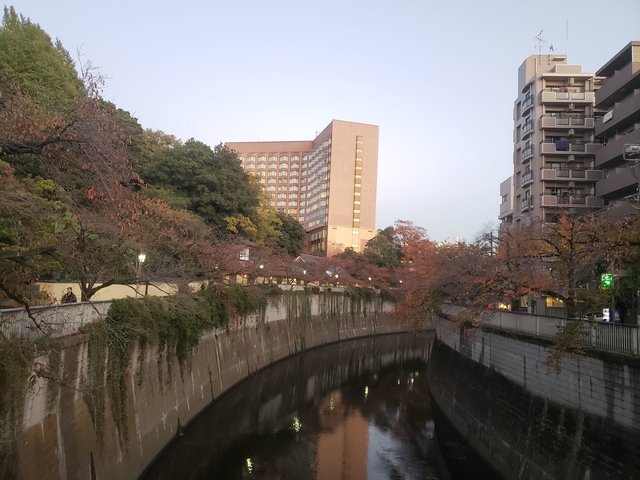
Why is it called Edogawabashi, a bridge over the Kanda River, not the Edo River? Upon investigation, it seems the middle section of the Kanda River was once called the Edo River, and this area was known as Edo River, giving the bridge its name. The name Edo River disappeared in 1970, replaced by Kanda River. Shortly thereafter, in 1973, the famous song “Kandagawa” by Kousetsu Shimizu and Kaguyahime was born.
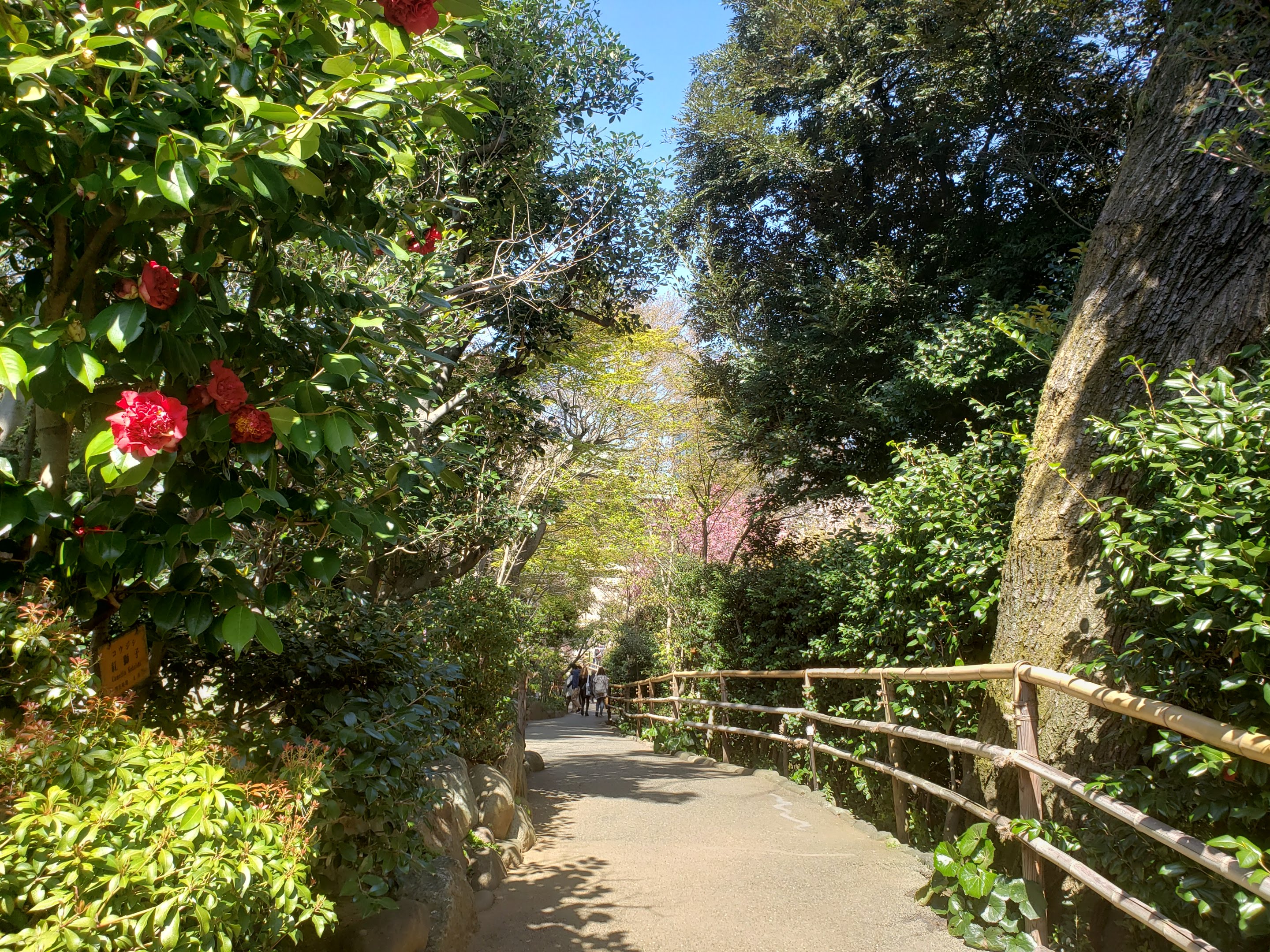
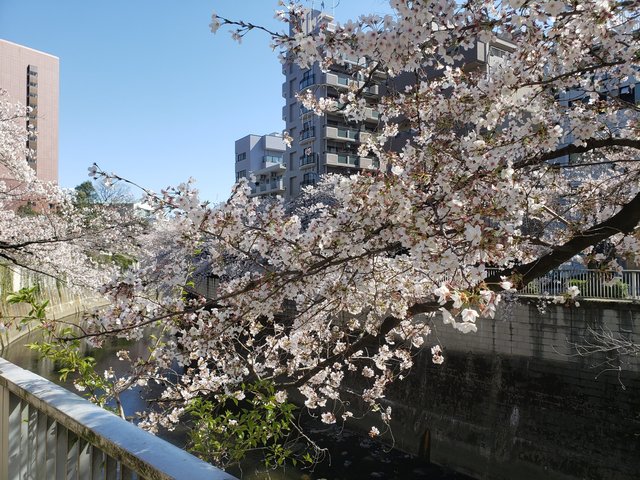
This area is remarkably colorful. The path from Edogawabashi through Edogawa Park offers a succession of Japan’s ephemeral seasonal expressions, from the pink of cherry blossoms in spring to the fresh green of summer and the vibrant foliage of autumn. While leisurely strolls might be difficult in the current pandemic, it’s a neighborhood I highly recommend visiting once things settle down to experience the changing seasons.
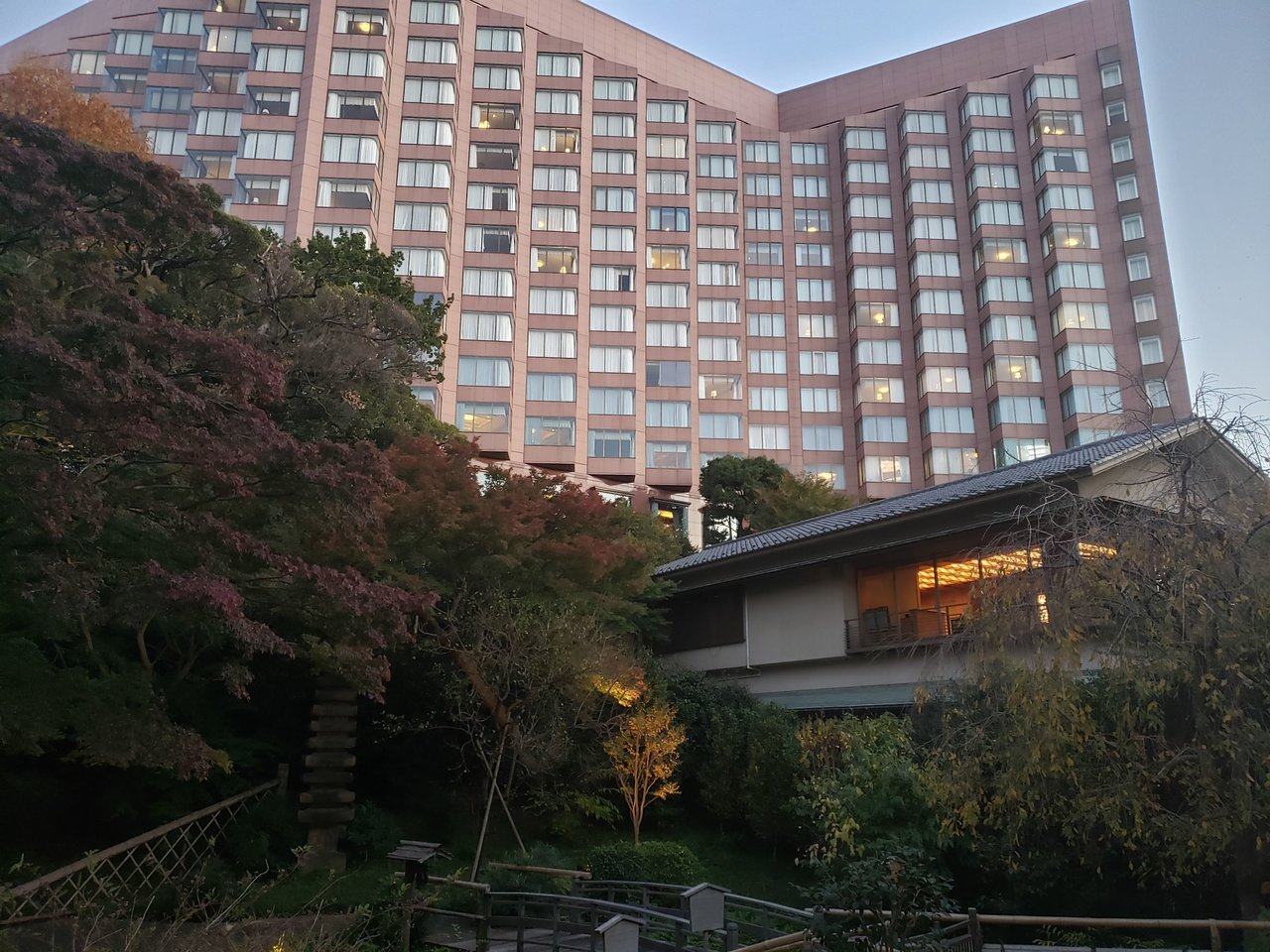
Beyond Edogawa Park lies Hotel Chinzanso Tokyo. Nearby, historic sites such as the Hatoyama Hall, the former Marquis Hosokawa Residence, and the Sekiguchi Basho-an teahouse stand in succession. The latter is said to have been purchased by Tomomi Iwakura with wealth gained from his merits in the Southwest War. The hotel’s expansive gardens, unparalleled among Tokyo hotels, offer a luxurious space bathed in sunlight.
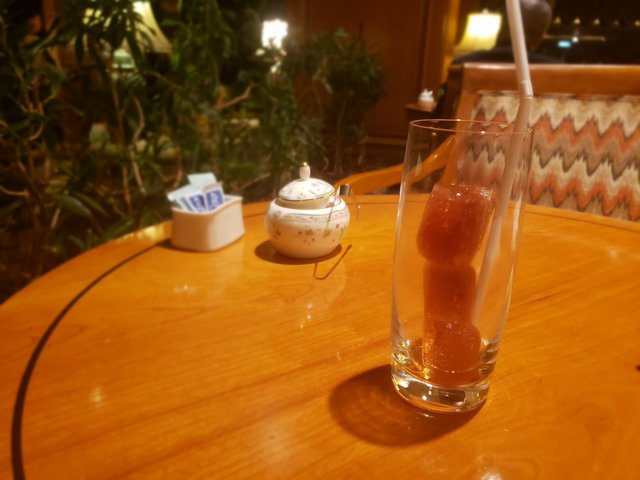
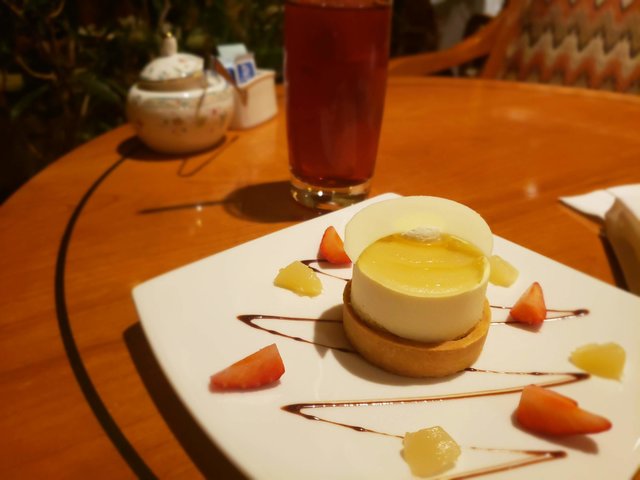
Chinzanso… when I was in my early twenties, when it was still called Four Seasons, a senior colleague told me, “The iced tea at Chinzanso’s lobby lounge is delicious.” The iced tea served at the classic lounge, Le Jardin, was made with ice cubes of tea. Sipping it surrounded by the lush garden greenery was an exquisite experience. This was truly tasting with all five senses. Le Jardin has since become a tranquil spot that soothes both my soul and my thirst. Of course, during cherry blossom and autumn foliage seasons, it’s a popular spot, and waits of two to three hours are common, so be aware.
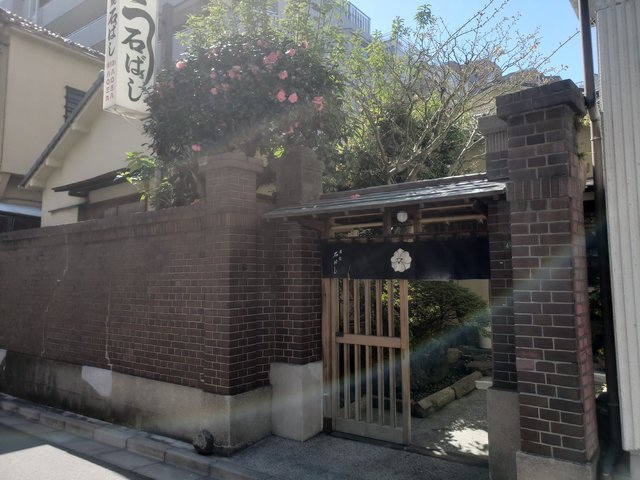
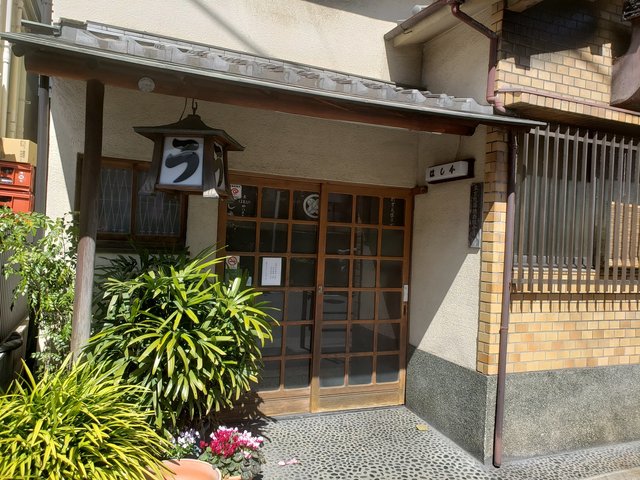
Now, many people might not be familiar with Edogawabashi, but it’s good to know it’s a place that’s “just right” in the best sense. While the only train line is the Yurakucho Line, it’s surprisingly close by car; it takes only about 15 minutes from central Tokyo, say Roppongi, via Gaien Higashi-dori. In addition to the residences and historical sites mentioned above, there are many long-established, renowned restaurants. Ishibashi, founded in 1910, and Hashimo, founded in 1835, are famous eel restaurants. Sekiguchi French Bread, which first manufactured and sold French bread in Japan, was founded in 1888 and is located here in Edogawabashi. Heading south from Chinzanso, you’ll quickly reach Kagurazaka. On the other hand, the area around the station also boasts many casual, everyday eateries, which is a welcome aspect.
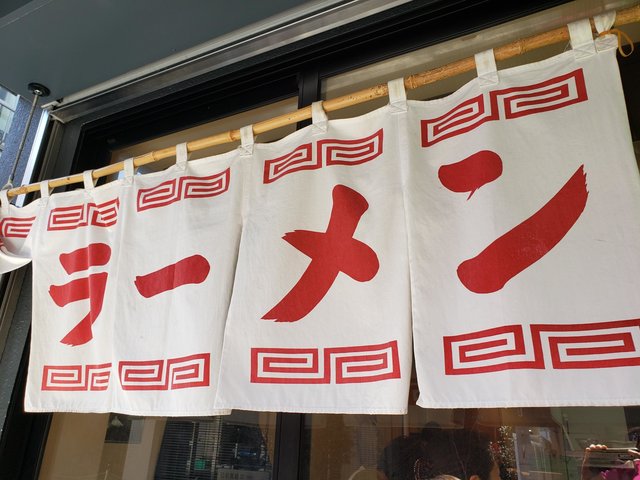
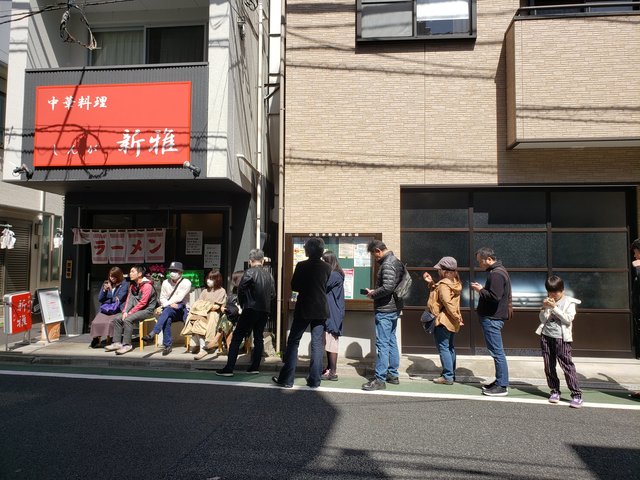
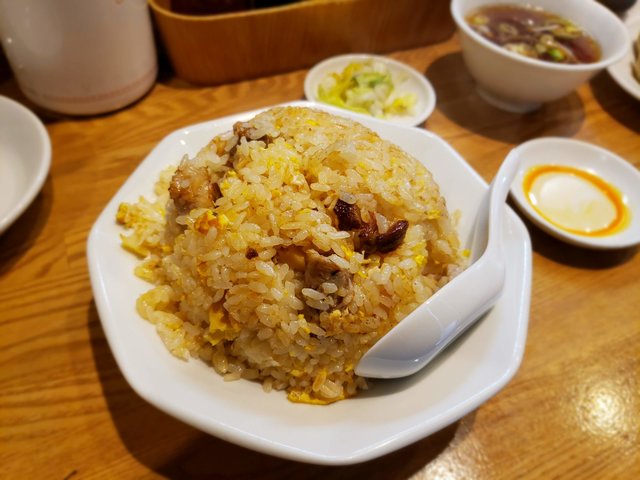
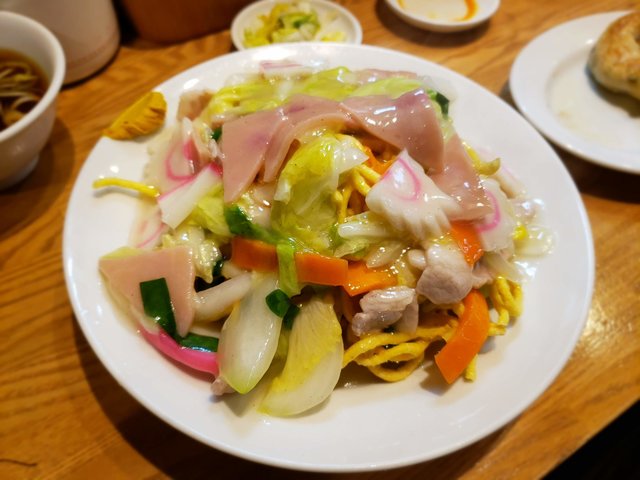
Take, for example, the king of neighborhood Chinese eateries, Shingai. Located on a side street parallel to the Kanda River, Shingai is renowned as one of Tokyo’s top fried rice establishments. Expect a line during lunchtime; waiting about an hour is advisable even in normal times. I generally dislike places that require lining up or are impossible to book. Unless there’s a unique, absolute value—an ingredient or cooking method found nowhere else—I rarely go to places based solely on popularity or recommendations. Still, for Shingai, I find myself thinking, “Maybe lining up is worth it.”
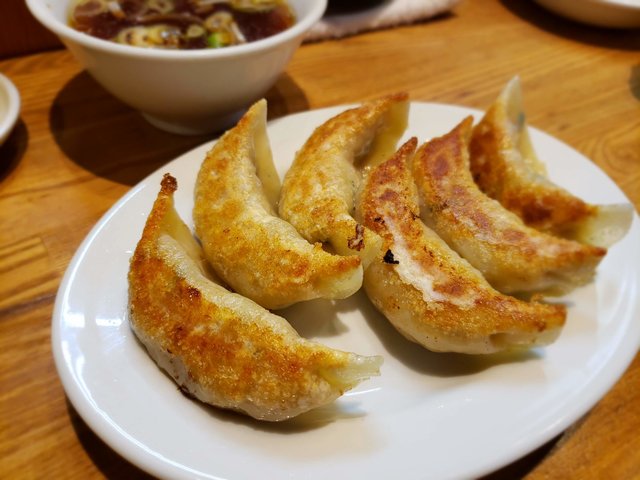
The fried rice is neither moist nor dry. The noodles and gyoza don’t have any particular distinguishing features. Yet, everything is perfectly balanced and undeniably delicious. While “umai” (tasty/savory) might be a more fitting expression than “oishii” (delicious) for neighborhood Chinese, Shingai’s nuance is “oishii.” The portions are generous, but “oishii” still feels appropriate. The clean interior and cheerful service. On a sunny day, I believe it’s the kind of place where you’d want to enjoy the exhilaration, including the act of waiting in line.
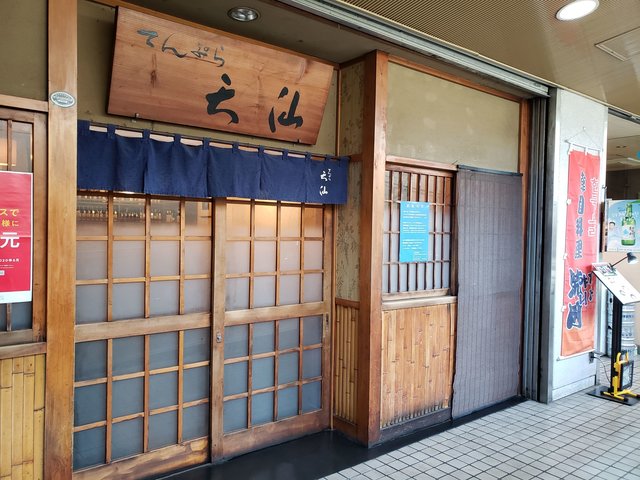
Then there’s Tensenn, a tempura restaurant founded in 1989. Located in the semi-basement of the large Plaza Edogawabashi at the foot of Edogawabashi, its atmospheric entrance welcomes you. This small establishment, with only a few counter seats and two or three tables, is run by a chef who quietly fries tempura at the counter and a brisk proprietress. Expect to queue during lunchtime here as well.
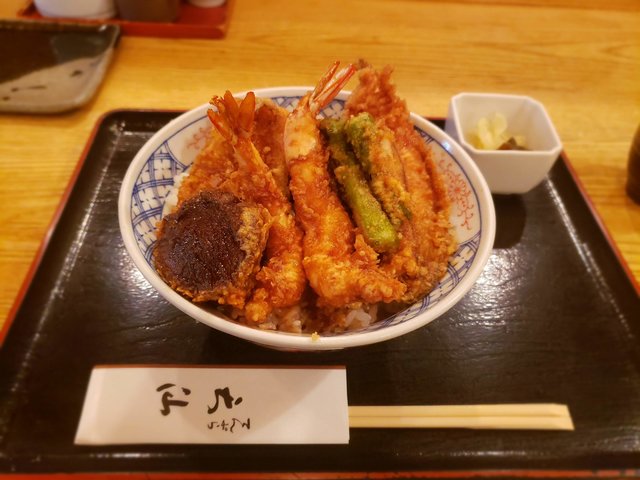
Lunch specials include the Kakiage Tendon and Ebi Yasai Tendon for ¥1200, the Special Tendon for ¥1800, and courses for ¥1500 and ¥3000, if I recall correctly. The Special Tendon features two shrimp, kiss and conger eel, a kakiage, a large shiitake mushroom stuffed with shrimp, and two shishito peppers. For ¥1800, this is extraordinary in Reiwa 2 (2020). It’s not just compared to large chain restaurants, but for a place where the chef fries everything meticulously in front of you and serves it with care. The portion size is substantial just by looking at it, yet even women can finish it comfortably on their own. This suggests the oil isn’t heavy, the sauce isn’t too salty or too sweet, and everything is prepared with exquisite balance. Delicious, affordable, and served with pleasant service. The sense of satisfaction felt at the end of a day enjoying this from lunchtime is truly something.
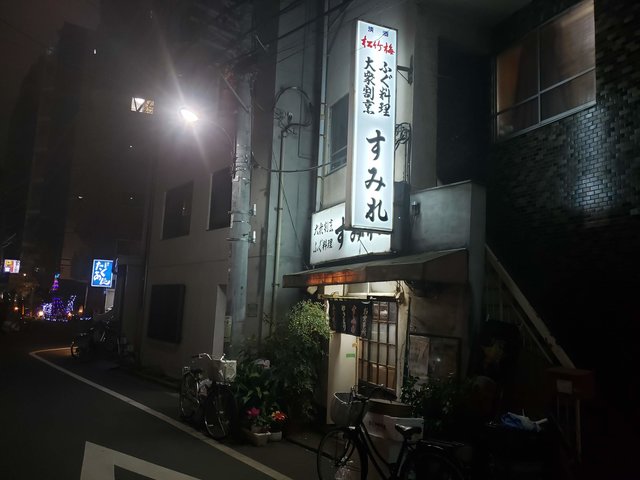
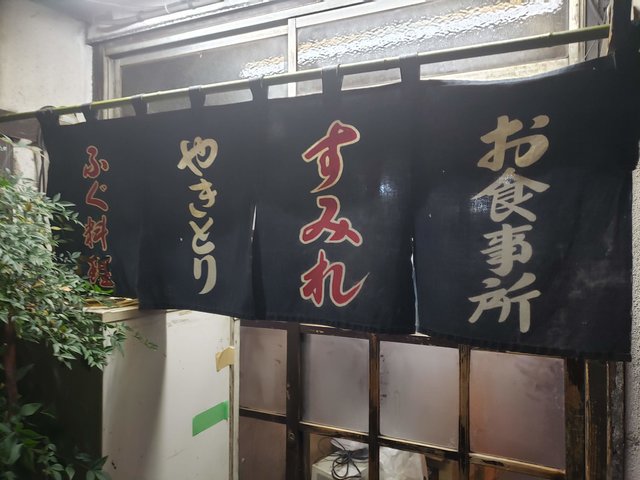
And then there’s Taishu Kappo Sumire, a popular Japanese restaurant founded in 1976. The slightly faded sign that reads “Fugu Kappo” (Pufferfish Cuisine) sparks interest, and the handwritten menu whets the appetite. With counter seats, tables, and a small tatami seating area, the interior is surprisingly spacious compared to the impression given by its entrance.
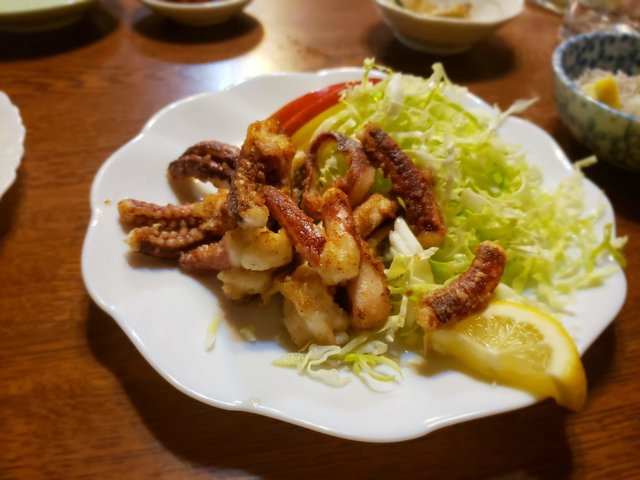
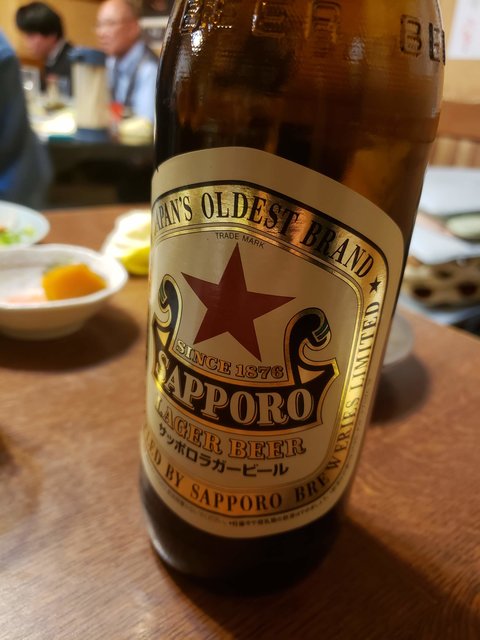
Here, you’ll want to enjoy various small dishes, from sashimi to tempura, while sipping on a Sapporo Red Star, a symbol of Showa-era taverns. It’s often used as a filming location for dramas and movies, and the seemingly stern proprietress’s cheerful chatter is endearing and heartwarming.
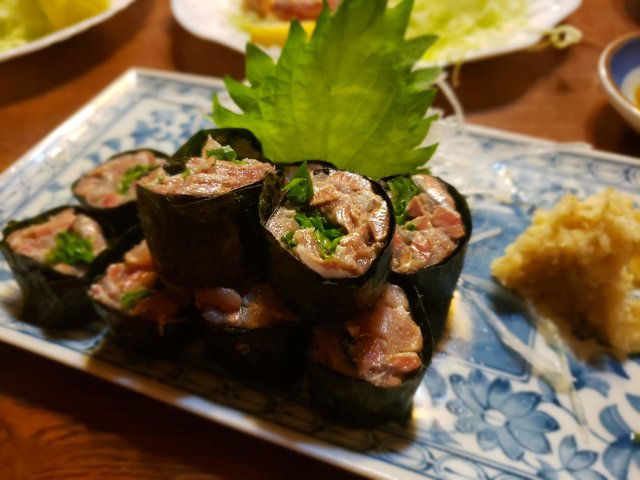
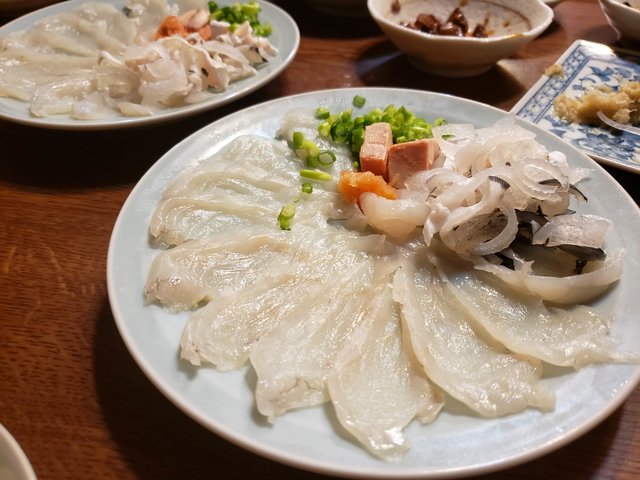
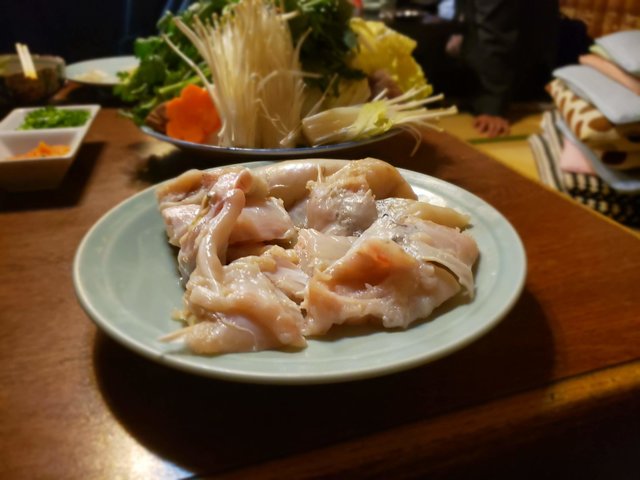
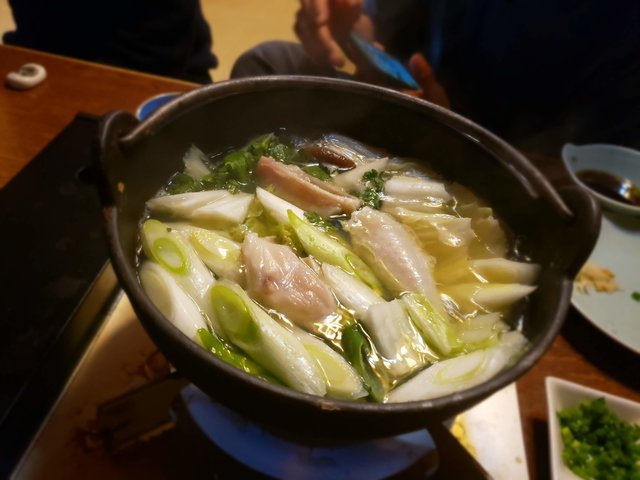
A classic appetizer here is minced sardine (served on gunkanmaki sushi). From here, in winter, the winning strategy is to move on to pufferfish. You might wonder if pufferfish can be this approachable, but here, it seems you can. The joy of confronting thick slices of pufferfish. This restaurant was opened by a chef who trained at a Kyoto kaiseki restaurant, aiming to create a casual izakaya, so everything is undoubtedly excellent. You can enjoy this, along with drinks, for about ¥5,000 per person. A leisurely Friday night spent at Sumire with close friends is likely to be a supremely happy time.
In this era, I often feel that what we take for granted is no longer so. We encounter things that are superficial and empty, and we spend money and time on fleeting trends. While enjoyment is a personal matter, and going through such processes is important, if it’s all we do, we can become overwhelmed and mentally exhausted. If possible, I want to connect with people who do honest work, without skimping on effort or time. Now, when our everyday lives are no longer ordinary in every aspect, this might be an opportunity to reconsider what “ordinary” truly means. Edogawabashi is a town filled with many professionals who possess a strong sense of pride. That’s what makes it stimulating and enjoyable. If our “ordinary” lives have returned by the time the autumn leaves turn, I want to go back and savor the “ordinary” work once more.
Shingai
Address: 2-11-2 Suido, Bunkyo-ku, Tokyo
TEL: 03-3946-2077
Tensenn
Address: Plaza Edogawabashi B1F, 1-23-6 Sekiguchi, Bunkyo-ku, Tokyo
TEL: 03-3946-2077
Taishu Kappo Sumire
Address: 359 Yamabuki-cho, Shinjuku-ku, Tokyo
TEL: 03-3260-5576
IJICHI YasutakeRepresentative Director, Sunshine Juice Inc. Born in Tokyo in 1982. While at Keio University, he was involved in planning and producing receptions and parties for major brands at an event company. He then moved to a PR firm, where he engaged in planning and management of marketing, communication, and branding from a PR perspective. He resigned at age 30. With his representative, a friend since junior high school, he founded Sunshine Juice, Japan’s first cold-pressed juice specialty store, and currently holds his position. His favorite foods are pufferfish and soft-shelled turtle. His favorite sports are baseball and horse racing. His favorite places are traditional coffee shops and casual taverns.
Instagram:
ijichiman