Producing to "Showcase" the Artist's Authentic Self: How to Create Music Content in the Digital Age | UNIVERSAL MUSIC
UNIVERSAL MUSIC
As the pandemic subsides, we speak with Naoshi Fujikura, CEO of Universal Music, about the entertainment industry's past and future.
For three years starting in 2020, the global entertainment industry was severely impacted by the novel coronavirus. Yet, Universal Music LLC, the Japanese subsidiary of Universal Music Group, achieved increased revenue and profits despite these circumstances. Leading the company is Naoshi Fujikura. When he became president in January 2014, his appointment at the young age of 46 generated significant buzz in the music industry. Nine years later, we asked Fujikura about the current music industry and his future goals.
Photographs by Kaku Ohtaki | Text by Yoko Koizumi | Edit by Takashi Tsuchida
A Job That Requires Loving Music and People
Following EMI Group's acquisition by Universal Music Group, headquartered in California, USA, EMI Music Japan merged with Universal Music on April 1, 2013, to become Universal Music LLC. Nine months later, Naoshi Fujikura, at the young age of 46, was appointed President and CEO of Universal Music LLC.
When I became president, the merger was still fresh, and both sides were clinging to their own ways of working, not facing the same direction. I had read that large banks sometimes remain at odds for five or ten years after a merger due to their differing approaches, and I saw a similar situation happening in our small company.
At that time, I realized, "This is not the time to be competing internally." However, I also understood the difficulty of aligning two companies with different origins and upbringings. To ease the tension and act as a unifying force, I created a company motto. On this occasion, we reconsidered, "For what purpose are we doing this work?"
And the words that were born were: "To love music, to love people, and to deliver emotion."
Every employee loves music. But does the company love its employees, the people closest to them? With that thought, Fujikura turned his attention to the people working there.
As we are an international music company, 67% of our employees were contract workers in 2014. Before that, in the early 2000s, we had stopped hiring permanent employees and introduced a merit-based system. Essentially, "if you deliver results, your compensation increases, but if you don't, you're out." Particularly for those working closely with artists, we expected them to leave if they couldn't show results within three years.
However, in 2018, Fujikura implemented a dramatic reform: converting all contract employees to permanent staff. This wasn't about conforming to Japanese work practices; it was driven by changes in how music was being consumed.
In the era of CDs and DVDs, sales peaked in the first week after release, declined after three weeks, and settled down after three months. This cycle repeated. However, with the development of streaming environments, this cycle has changed. As you know, some songs now become hits a year or two after their release. This is happening not only in Japan but globally, and it's become unclear when a hit opportunity might arise or what the timing will be. Therefore, we need to engage with artists with a long-term perspective, and the current contract employee system offered no advantage to the company. So, after gaining understanding from headquarters and shareholders, we moved to convert everyone to permanent status.
This ignited the employees' motivation.
Discovering New Talent: Let Their Passion Be Your Guide
Since Fujikura took office, the company's performance had been on an upward trend, and sales further increased from 2019, the year of the conversion to permanent employment.
In the current music industry, sales are broadly categorized into three areas. The first is "physical," referring to tangible media such as CDs, DVDs, and Blu-rays. The second is "digital," encompassing subscriptions and music downloads. The third is "360° business," which includes peripheral music-related activities like live performances and merchandise sales.
At Universal Music, sales have increased across all three categories, with revenue in 2022 growing to over 2.1 times that at the time of his appointment. The growth rate has been particularly high since 2019, showing no impact from the COVID-19 pandemic. In fact, without the pandemic, even greater growth might have been expected.
The core of these sales lies in the music created by the artists affiliated with the company.
Universal Music's domestic roster includes over 200 popular artists, such as Yumi Matsutoya, who is in her 50th year in the industry; long-standing artists like Elephant Kashimashi, Spitz, and Dreams Come True; and newer talents like Fujii Kaze and Ado. Simply looking at these artists, who garner popularity across generations, gives a sense of the company's momentum and depth.
Our strength lies in our persistent dedication to discovering artists, nurturing them, and delivering their music to the world. While discovering and nurturing may seem obvious, every talented artist begins as an "ordinary person." They were once ordinary junior high school students, high school students, and university students... We continue our diligent work of finding good talent among such individuals. And we dedicate significant time to engaging with each one and collaborating on creating music.
So, what kind of talent catches their attention?
When I was in charge of A&R, we had what I call the "three principles of imagination." Even for an artist performing in front of 20 people, we'd ask: Can they imagine themselves performing at the Tokyo Dome someday? Can the person singing on a department store rooftop imagine themselves singing at the Kohaku Uta Gassen in the future? That ability to imagine is crucial. Therefore, the fundamental criterion is whether the A&R team feels, "This has potential."
A&R (Artist & Repertoire) is the behind-the-scenes role that supports artists most closely, overseeing everything from artist discovery to team formation for music production and promotion. These are the staff members mentioned in the discussion about permanent employment.
For example, GReeeeN doesn't appear on TV or perform live, but one A&R thought, "With these sounds and lyrics, this will definitely sell a million copies!" And so, we signed them. That kind of conviction is always at the core.
As a business leader, how do you view artists now?
It's about "transcending." Transcending borders, transcending eras, transcending generations, transcending expectations. For instance, Fujii Kaze's music is now popular across borders, but it's uncertain if he could have imagined that as a high school student. And speaking of artists who transcend eras, there's Yumi Matsutoya. Her 50th-anniversary best album, released last year, has sold over 500,000 copies in this era of declining CD sales. The ability to "imagine transcending something" has become a crucial element in discovering artists.
And what he values most is the passion that person possesses.
When it comes to food, I don't go for what others say is delicious. I want to cherish what I find delicious myself. Therefore, while I reference quantifiable metrics like charts and play counts, they are not the primary focus. I also place importance on the artist's mindset towards music and their personal story. It is by presenting their authentic selves, rather than a fabricated image, that artists can truly connect with us. No matter how much digital technology advances, only human connection can be the foundation for discovering talent.
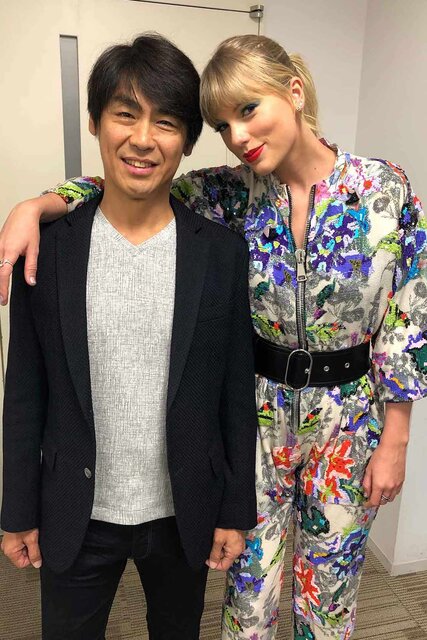
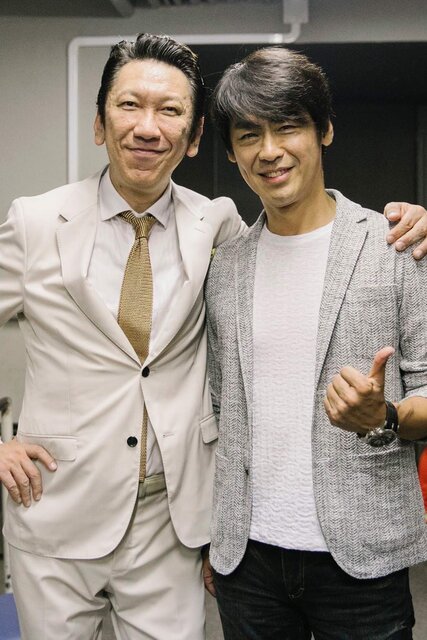
Left: With Taylor Swift (photographed around 2017). Right: With Tomoyasu Hotei.
Creating a Path from Japan to the World
Think tanks predict that the music market will continue to expand. They foresee the emergence of artists and market growth in countries like India, Africa, and the Middle East, where the infrastructure for music creation has not been established until now, with copyright management systems being put in place.
It has long been said that it's impossible to break into the global market with Japanese music. Nevertheless, artists gaining international recognition are gradually emerging, and I feel, based on my own experience, that the opportunities are increasing.
Universal Music LLC is the Japanese subsidiary of Universal Music Group, an American company that operates music businesses worldwide. Initially, its role was to promote music from overseas, particularly from the United States, in Japan.
While about 10 years ago, we were told to sell music from the US and UK, Japan has now reached a level nearly on par with the US and UK. We've moved beyond simply selling Western music in Japan; we can now say, "We'll introduce your young artists to Japan, so please promote our young artists in your country." In the past, foreign-affiliated companies in Japan often had a one-sided image of bringing foreign goods and culture into the country. However, the time has finally come to leverage our global platform. I believe we can now use the advantages of a truly global company for the benefit of Japanese artists.
Fujikura has set a specific goal.
To have a Japanese artist win a Grammy Award in one of the four major categories.
Which artists will conquer the world? Until "that day" arrives, Fujikura's days of engaging with artists will continue.
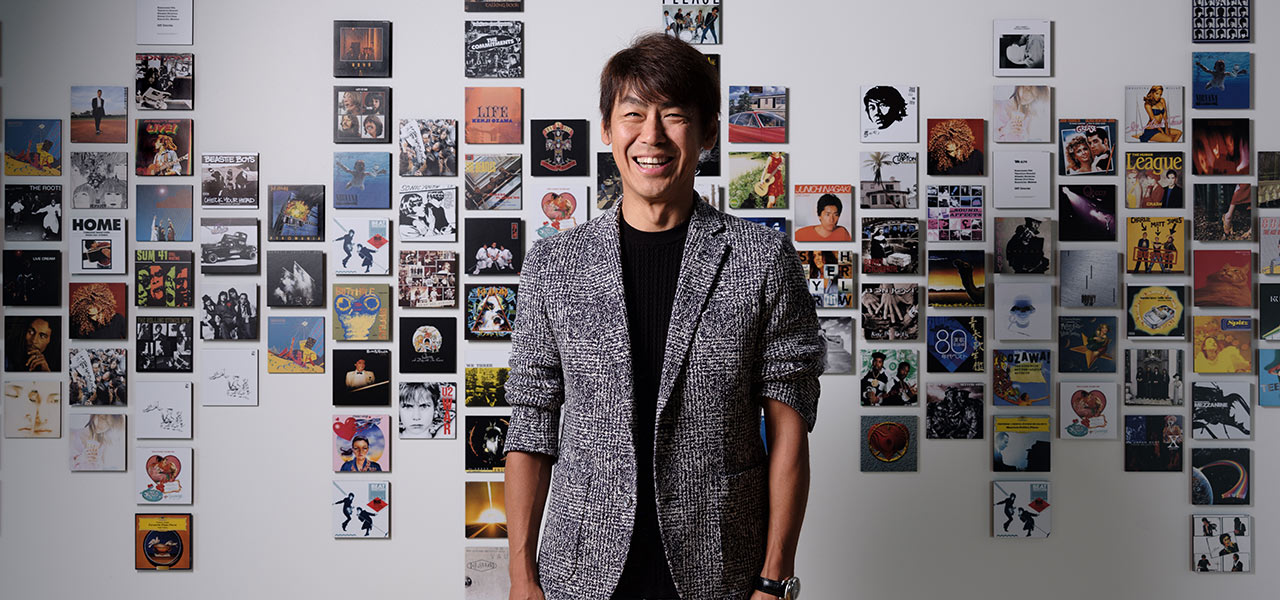
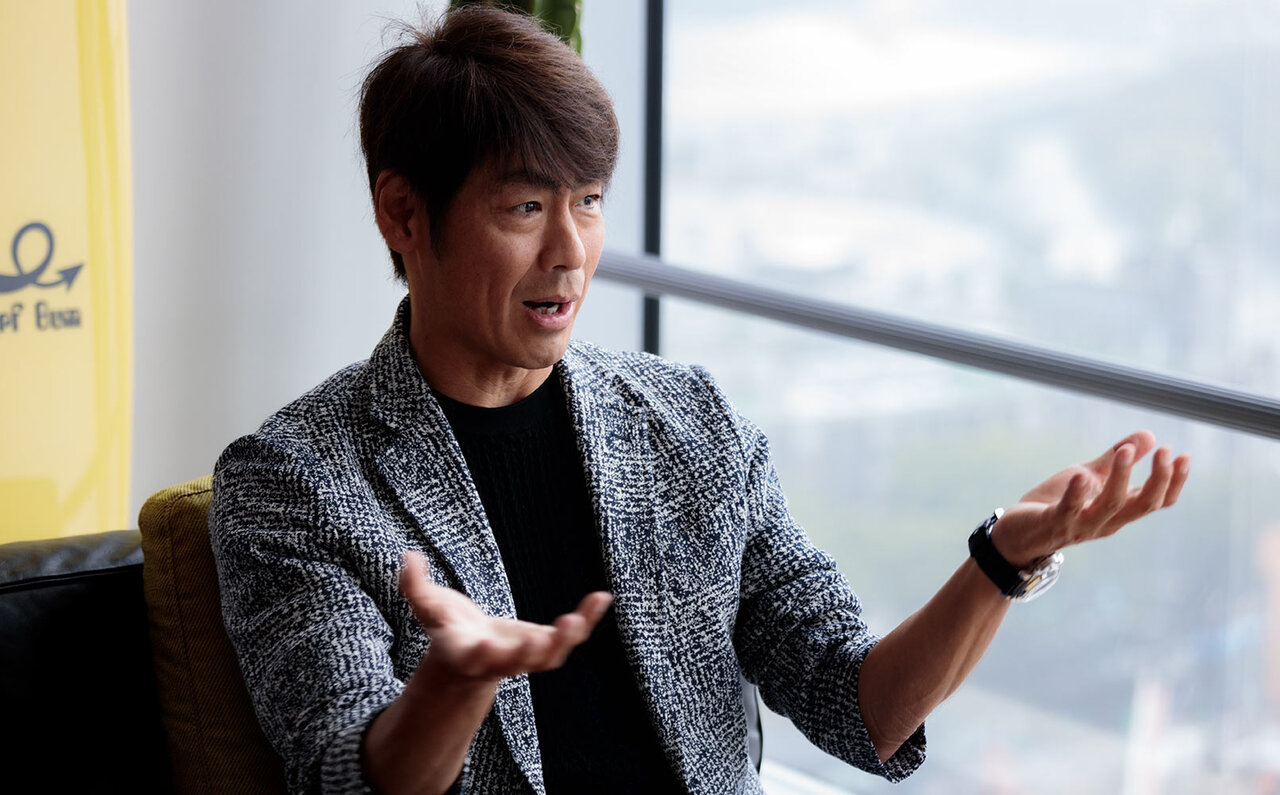
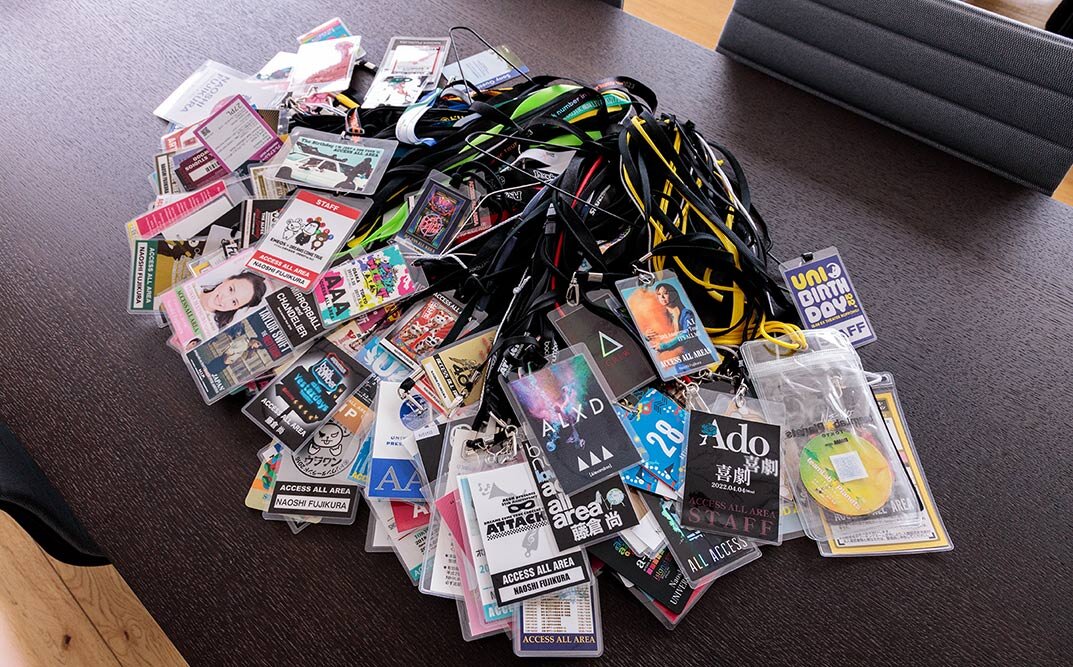
Naoshi Fujikura, President and CEO of Universal Music LLC. Born in Tokyo in 1967. Joined Polydor (now Universal Music) in 1992. Became Managing Director of the domestic label "Universal Sigma" in 2007. In 2008, he became an Executive Officer and Managing Director of Universal Sigma, and in 2012, Vice President and Executive Officer in charge of domestic music. Assumed his current position in January 2014. He also serves as Vice Chairman of the Recording Industry Association of Japan.