Serial Essay | #ijichiman's Musings: Oimachi Edition

Niku no Maekawa

LOUNGE / FEATURES
June 12, 2020

Serial Essay | #ijichiman's Musings: Oimachi Edition

Serial Essay | #ijichiman's Musings: Oimachi Edition

"To merely insist on the safety and security of the physical body, without questioning the life or death of the soul or spirit, is wrong" (Yukio Mishima) — In this series, Yasutake Ijichi, a board member of Sunshine Juice, Japan's first cold-pressed juice specialty store, delves into the human, often messy, content of various towns, contrasting them with the ultimate healthiness of Sunshine Juice, exploring their history, changes, customs, and culture. In this 22nd installment, he navigates Oimachi, a town lined with many affordable and delicious eateries that evoke the Showa era.

Photographs and Text by IJICHI Yasutake

A Deep Dive into an Area of Nostalgic Eateries

The Tokyo Olympics, originally scheduled for 2020, were postponed due to the COVID-19 pandemic. In preparation for these Games, redevelopment progressed across Tokyo, with old houses and buildings on street corners being demolished and reborn as new structures, and narrow alleys widened into broad roads.
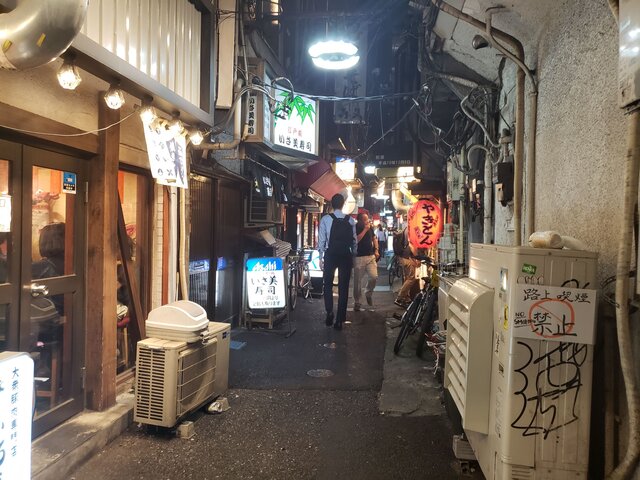
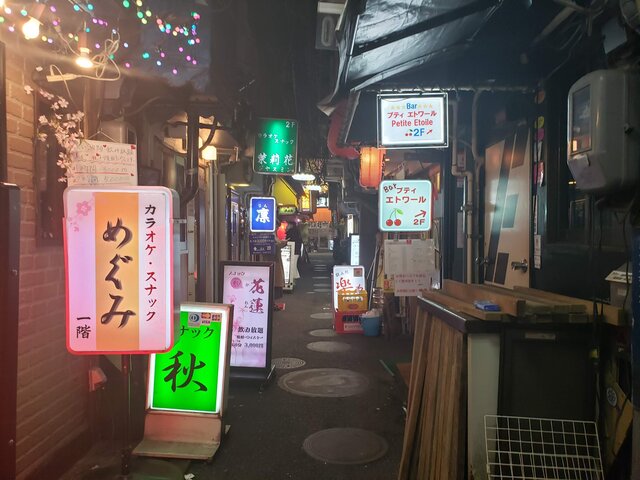
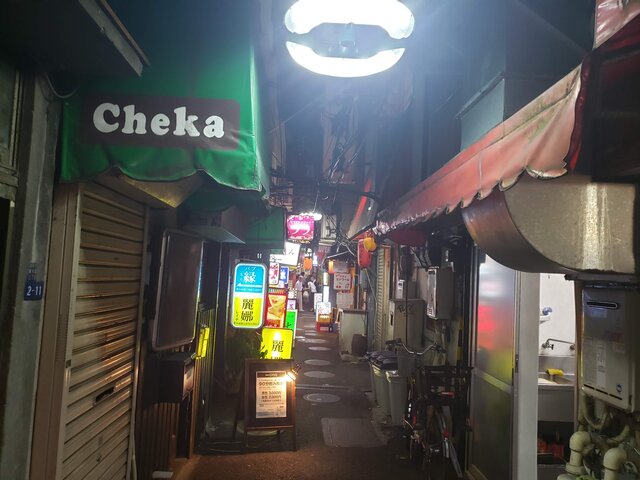
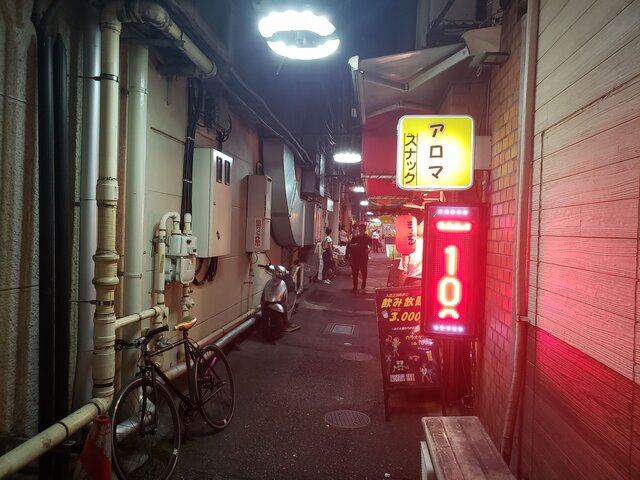
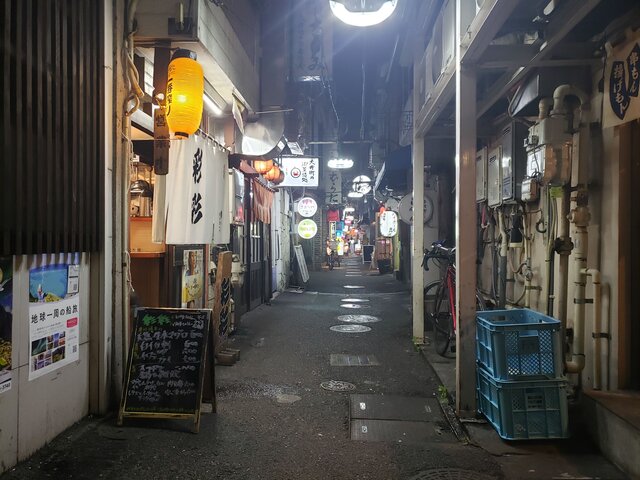
While many parts of Tokyo were polished and reborn, the worn-out "yokocho" (alleys) became even rarer and more prominent, turning into popular tourist spots. Many of these alleys have roots in post-war black markets or red-light districts. Small shops cluster in back alleys, under train tracks, or alongside railway overpasses, filled with smoke and aromas. Many areas are not exactly clean, and until a few years ago, they were looked down upon and avoided as "o-yaji's sacred grounds." However, in recent years, they have become popular spots for international tourists and young people who never experienced the Showa era.
While its charm is often broadly described with words like "Showa retro" and "nostalgic," it's not just about the physical aspects of small shops gathering, ducking under red lanterns and noren curtains, and eating and drinking motsu and hoppy cheaply. I believe the greatest charm lies in the "human proximity." Due to the narrow storefronts and limited space, you inevitably start with a greeting like "Excuse me" to the person next to you before even taking your seat. You ask the owner, "What do you recommend?" and then find yourself asking the customer next to you, "What is that you're eating?" It's unnatural not to engage in casual conversation with new acquaintances or the owner, and the physically "close" distance naturally brings people's hearts closer. Sometimes, these spaces can turn into places for sexual encounters or escalate into fistfights, but that's natural in any place where people gather. The yokocho is a place where you can accept and enjoy all of that.
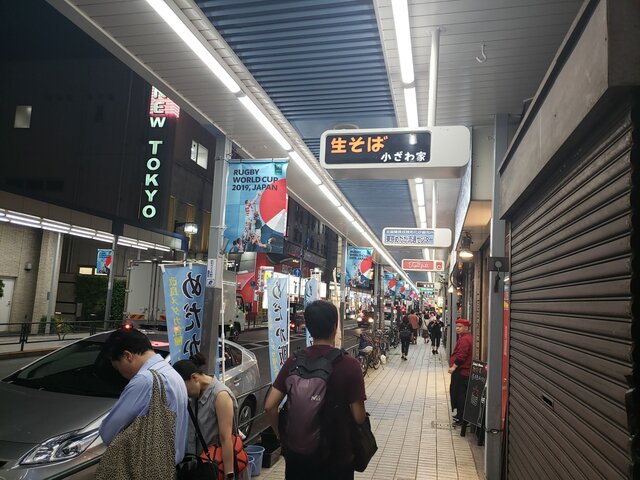
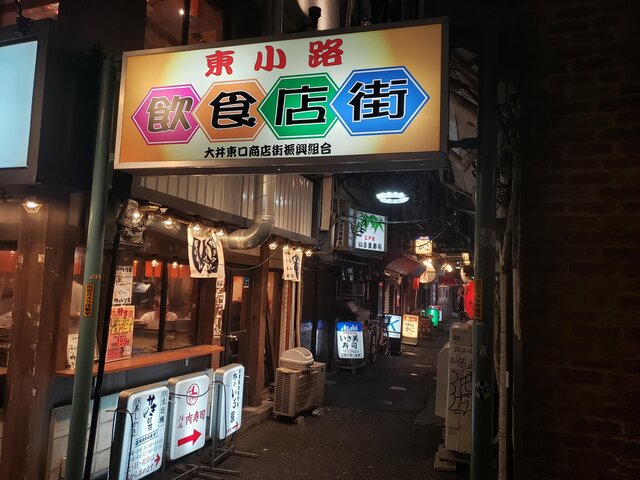
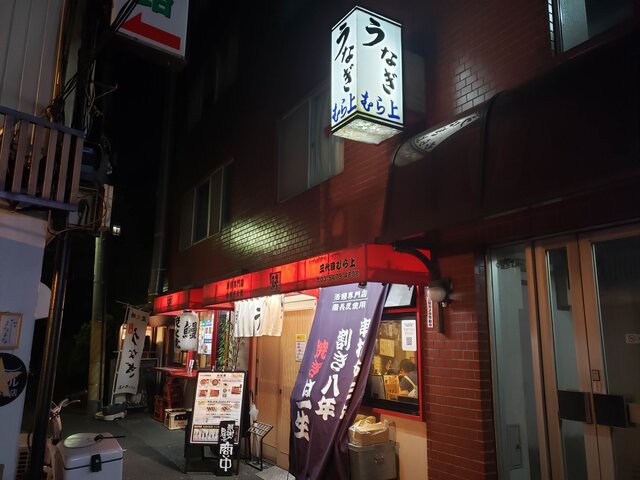
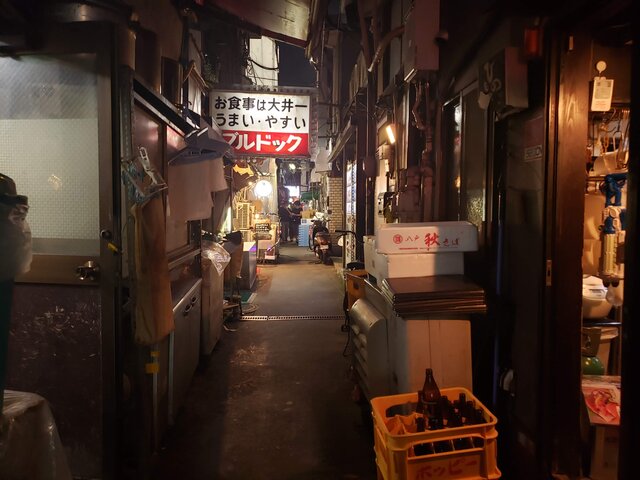
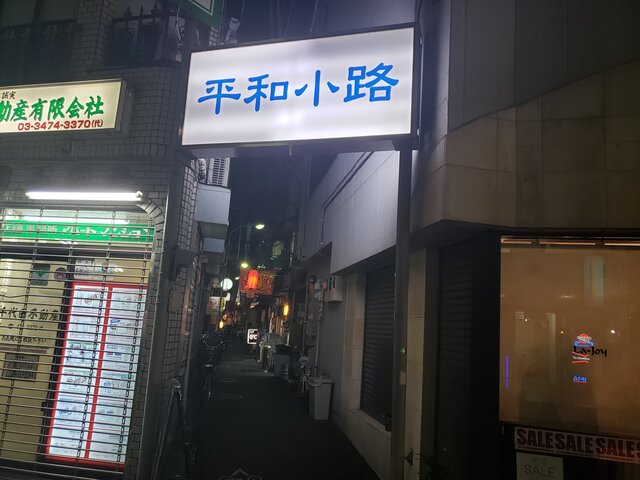
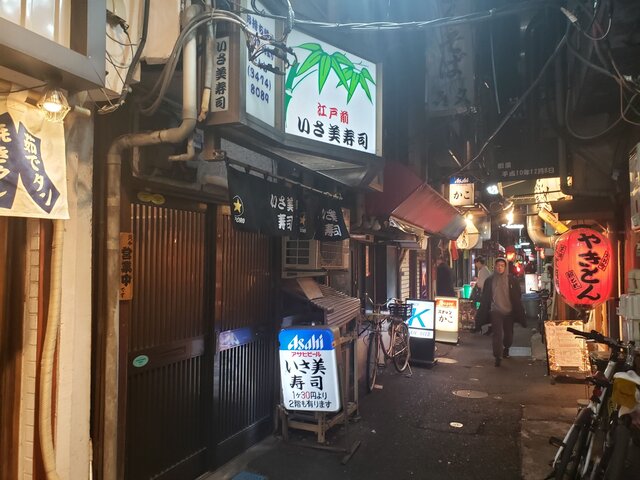
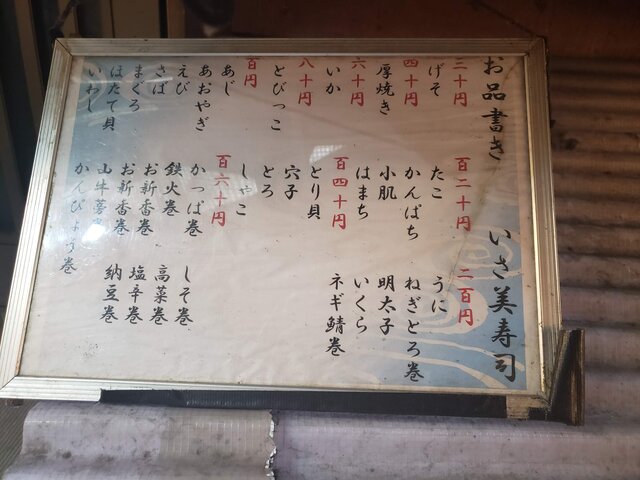
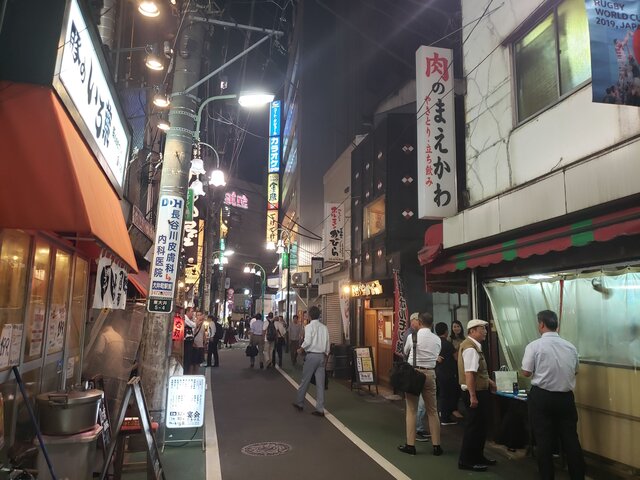
When one thinks of yokocho, Shibuya's Nonbei Yokocho, Shinjuku's Omoide Yokocho, or Golden Gai, and Kichijoji's Harmonica Yokocho might come to mind, but this time we're in Oimachi. In Oimachi, "Higashi Koji Restaurant District," "Hiraiwa Koji," and "Suzuran Dori" spread out, running parallel to the train tracks. There are many slightly unusual shops, such as "Uzuratei" in Hiraiwa Koji, which serves quail dishes, and the standing bar "Rōraitei" on Suzuran Dori, offering Chinese food. The Western-style restaurant "BULLDOG," with its voluminous signage, is famous for its equally substantial and hearty portions. Near the entrance of Higashi Koji, "Isami Sushi" is a renowned long-standing standing sushi bar. The price of 30 yen per piece for squid legs is so astonishingly low that your eyes might pop out the first time you see it. The mix of standing bars, Chinese restaurants, sushi, and snack bars, each with its unique character, creates a truly authentic Showa-era yokocho atmosphere, unlike modern, manufactured alleys.
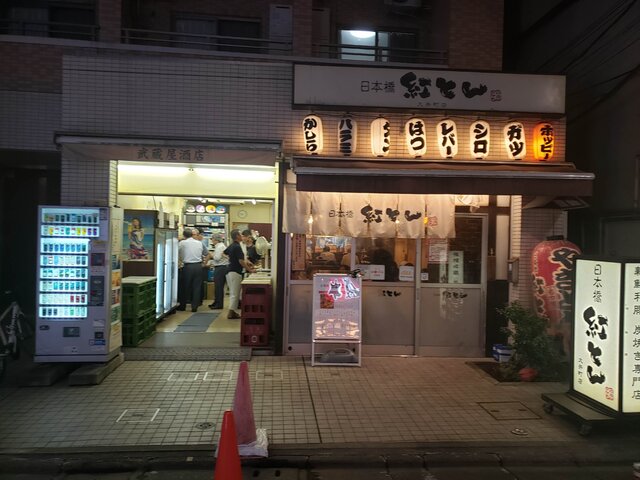
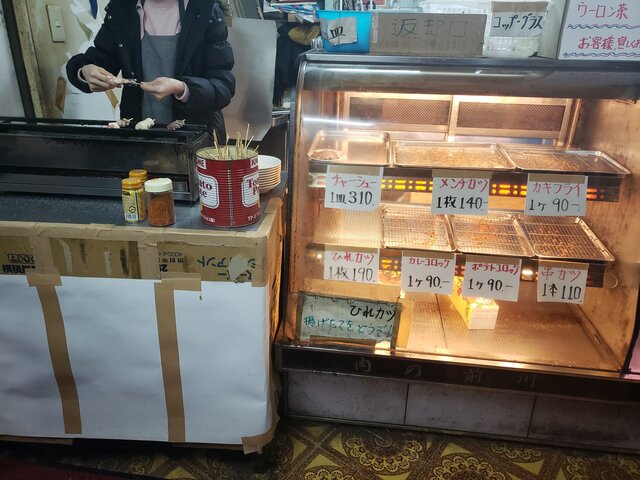
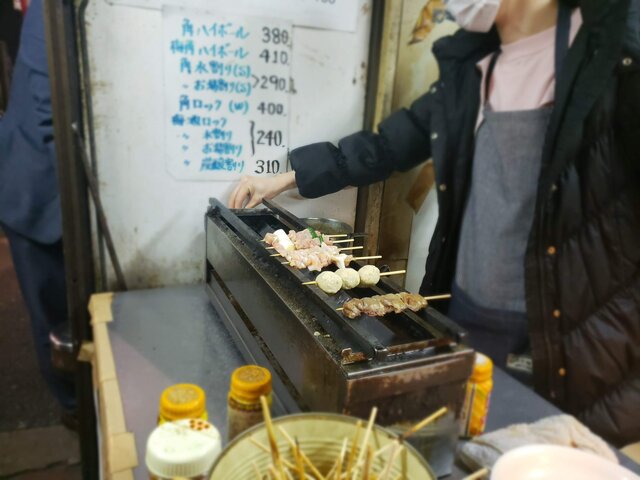
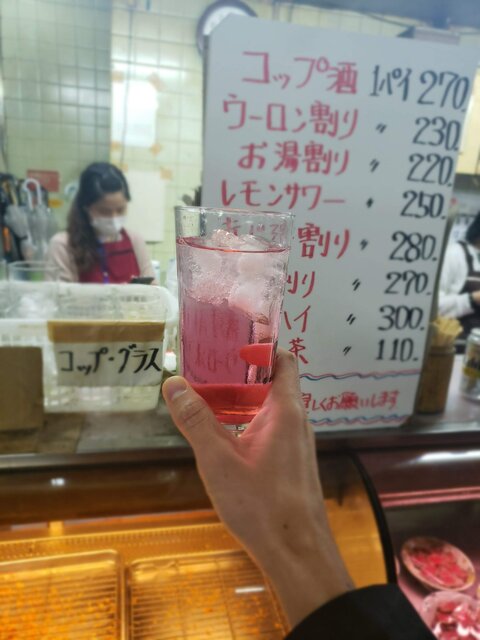
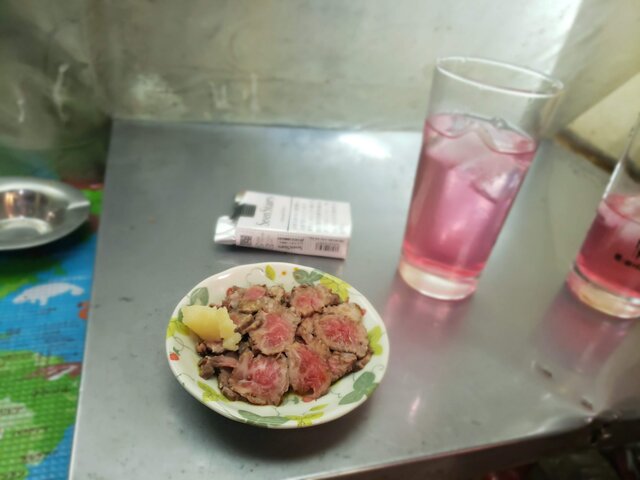
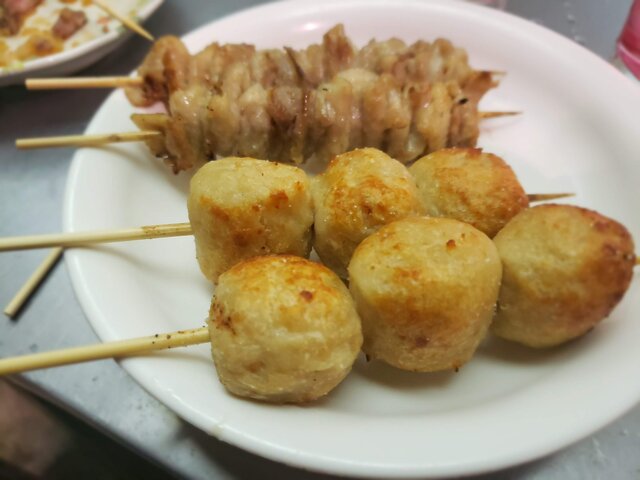
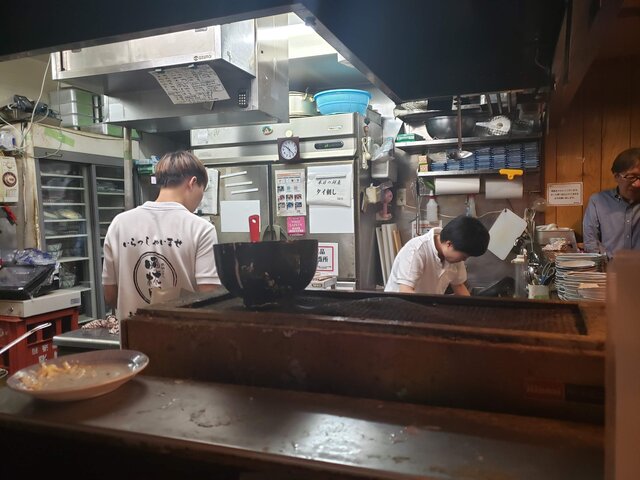
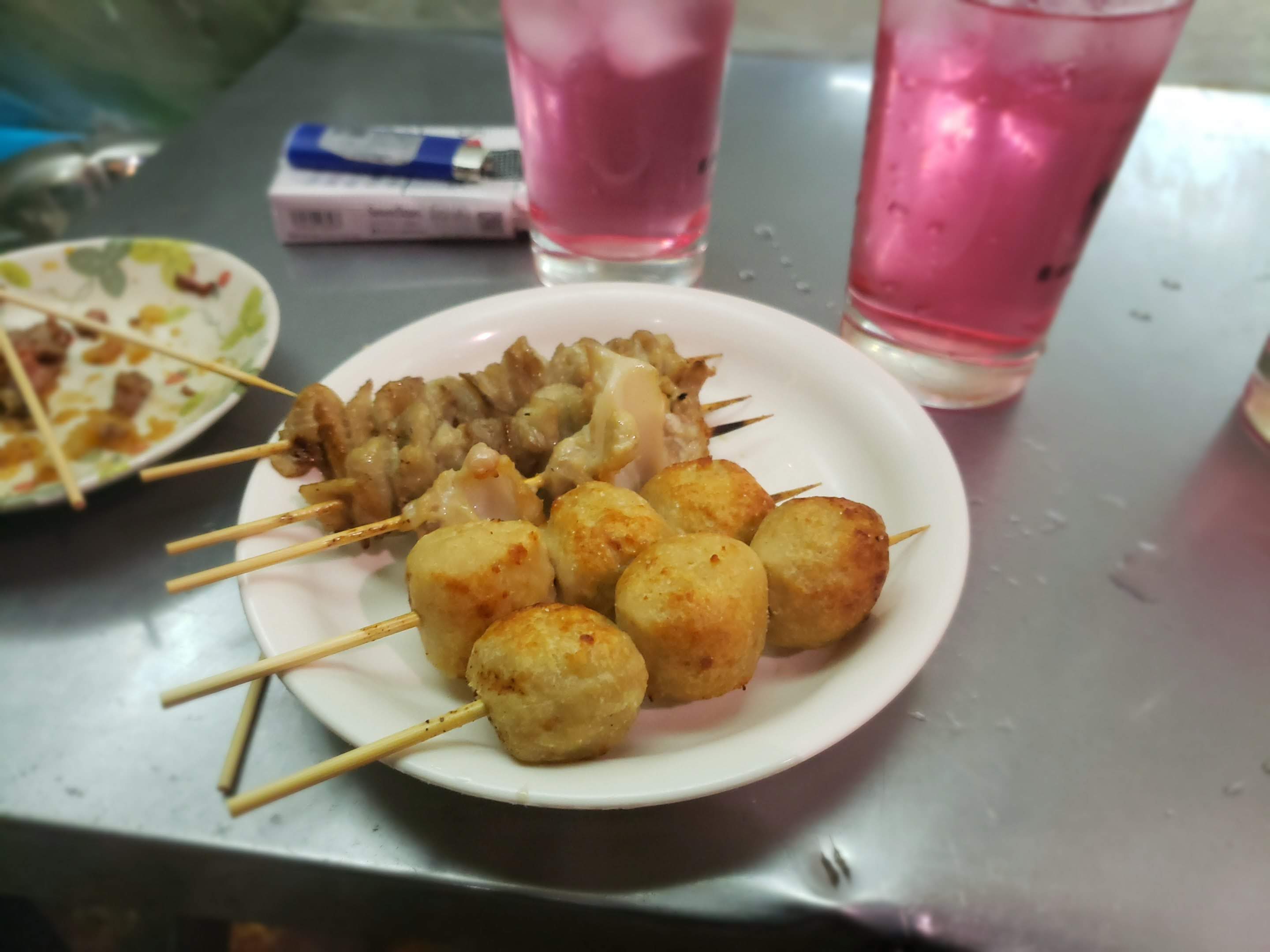
If you've walked through the Higashi Koji Restaurant District, you've likely seen "Niku no Maekawa," another famous establishment in the area. Although its primary business is a butcher shop, it has become a popular standing bar after starting to serve alcohol. They offer a variety of meat-based snacks like fried foods, skewers, and char siu, but their popular items are the chicken tenderloin and tataki. You retrieve your beer from the refrigerator at the back of the store and pay at the counter. For mixers, you ask the staff to prepare them. If you order normally, they are diluted, but ordering them stronger costs an extra 200 yen. For an extra 200 yen, they become incredibly potent. There's something appealing about that rough-and-ready style. The fact that everything is cash-on-delivery is also great, and interestingly, they don't use disposable chopsticks here. Everything is eaten with skewers. This meticulous cost management allows them to offer these prices and create the atmosphere, which is irresistible.
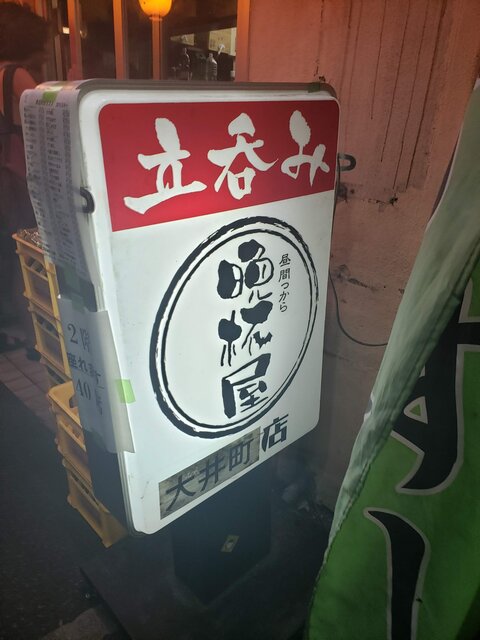
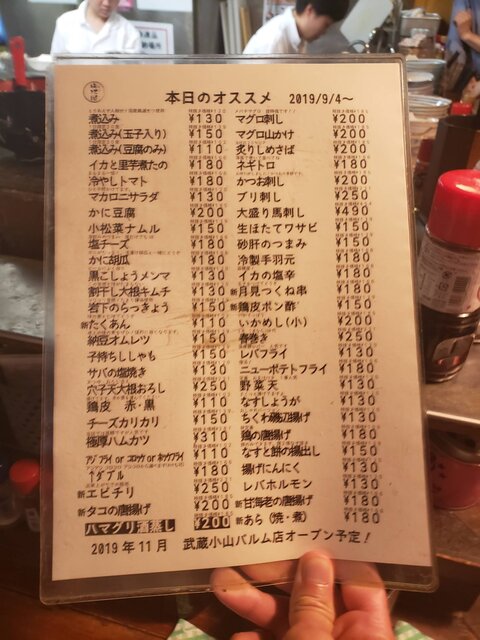
While you'd want to visit "Rōraitei" or "Isami Sushi" when you're here, they are usually full unless you're lucky with timing. In such cases, the chain "Banpaiya," a symbol of senbero (drinking for around 1000 yen) standing bars, is a perfectly good alternative. You might be hesitant about chain stores, but looking at the menu, most items are priced between 100 and 200 yen, and they are neither poor in quality nor lacking in portion size, so it's not a bad choice.
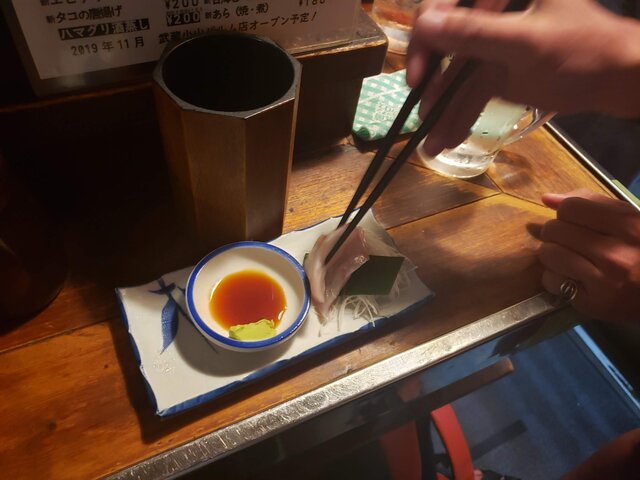
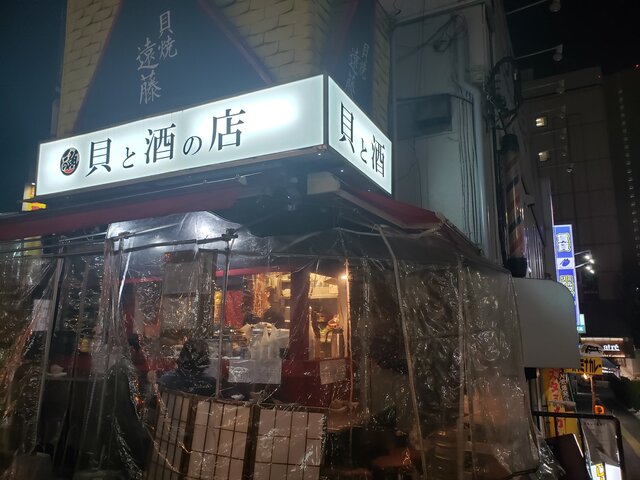
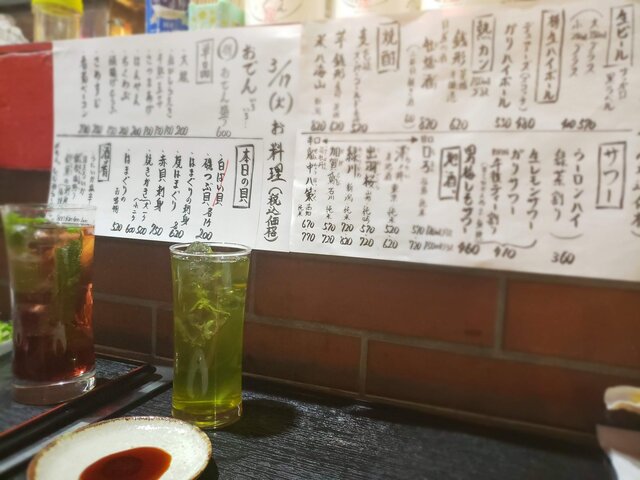
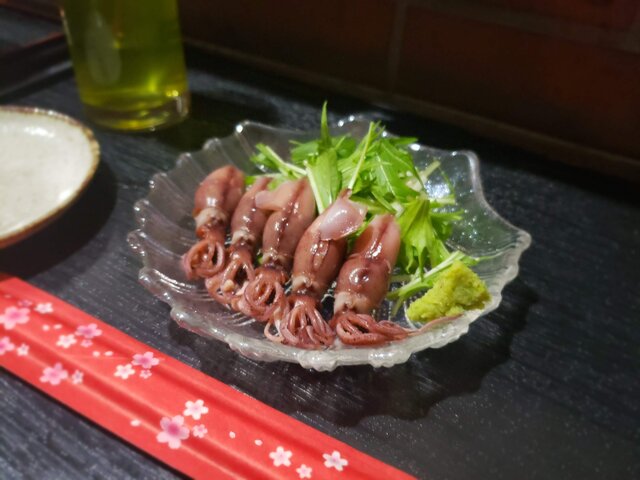
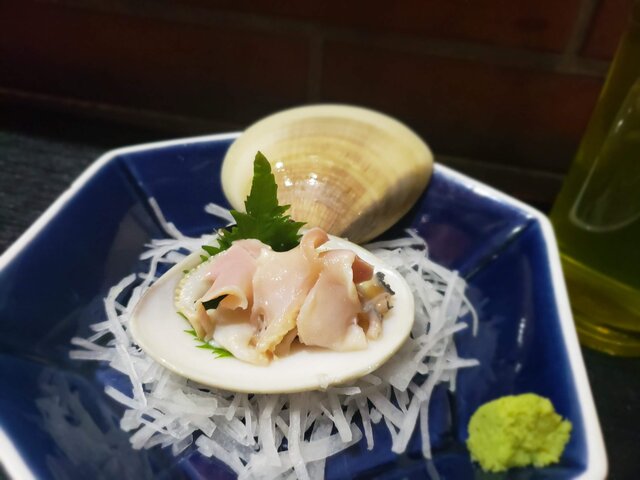
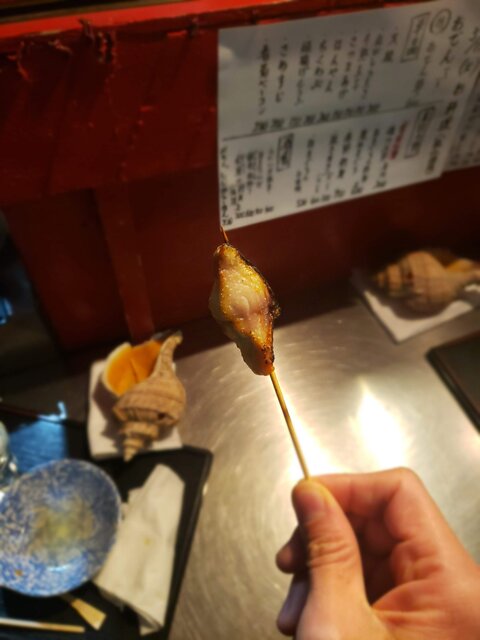
Alternatively, "Kaiyaki Endō," which operates in a stall style in front of the station, is also a good option. It's a traditional, authentic food stall that might remind people born in the Showa era of characters like Namihei, Masuo, and Norisuke from Sazae-san. It can be a bit cold in winter and hot in summer, but they offer seasonal shellfish like clams, whelks, and firefly squid, making you want to enjoy them with a lukewarm sake, just like Aki Yashiro might. While you might not go to either of these places first, they are versatile options that can be visited as a second or third stop, or even as a 0.5-stop warm-up.
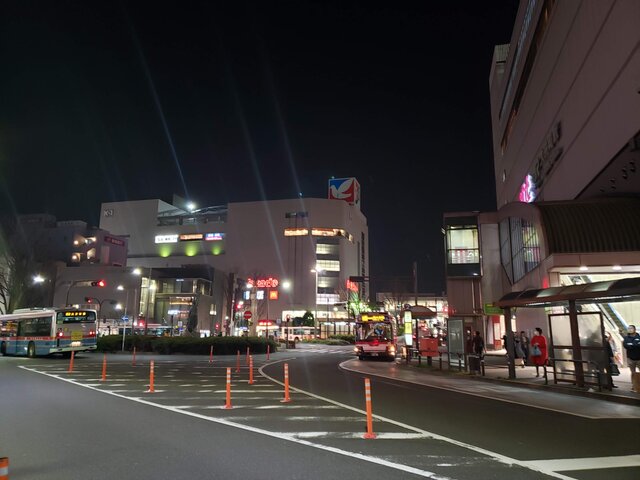
Incidentally, Oimachi is known not only as a city that is kind to drinkers but also as a city that is kind to residents. Oimachi is the center of life in Shinagawa Ward, which also houses the ward office.
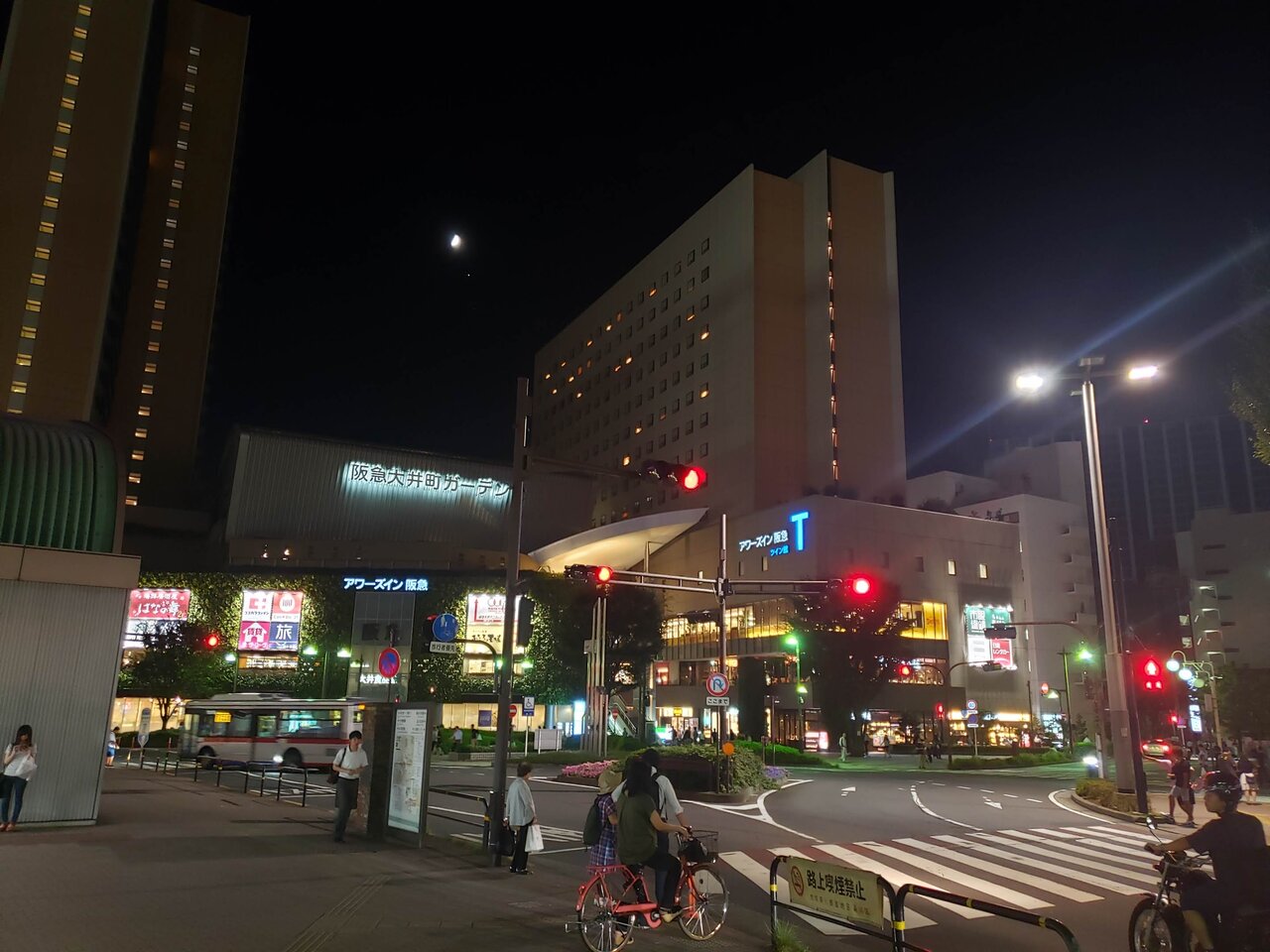
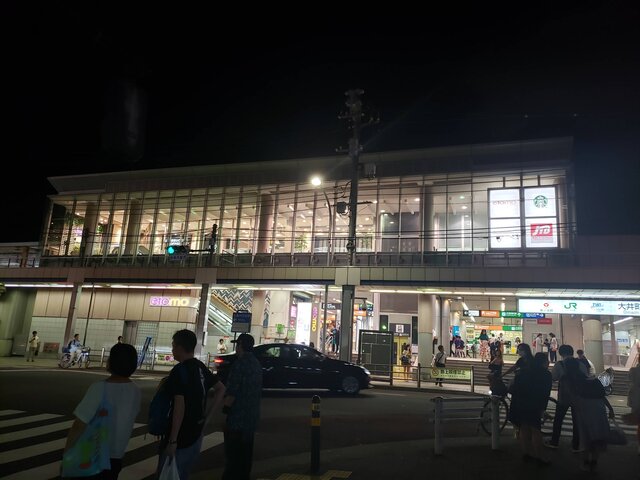
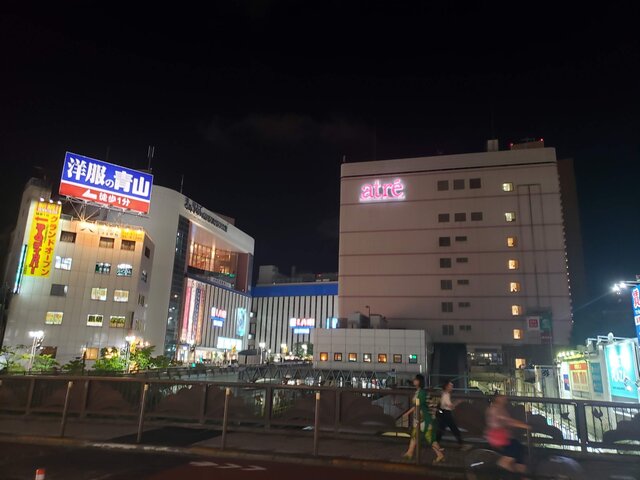
Oimachi Station Area
It's just one stop from Shinagawa, and the area around the station is lined with Atre, Hankyu Oimachi Garden, and Ito-Yokado. Shinagawa Ward is a prime example of a city that is kind to its residents, having recently announced the "Shinagawa Vitality Support Benefit," which provides 30,000 yen to all residents and 50,000 yen to children.
Cities that are kind to residents tend to have deeply rooted "neighborhood yakiniku" (Japanese barbecue) and "neighborhood chuka" (Chinese restaurants) loved by generations of locals.
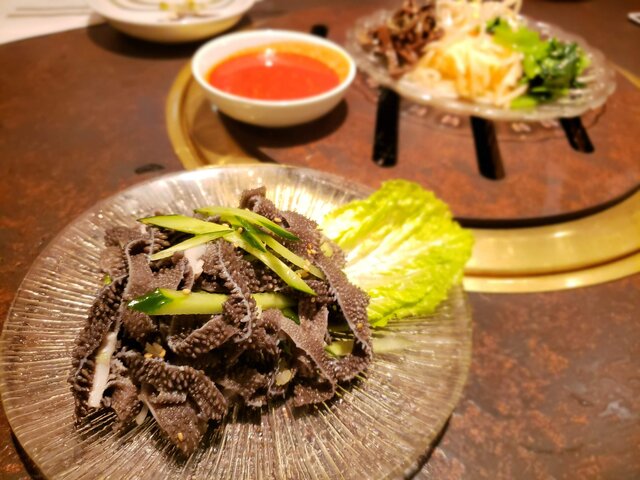
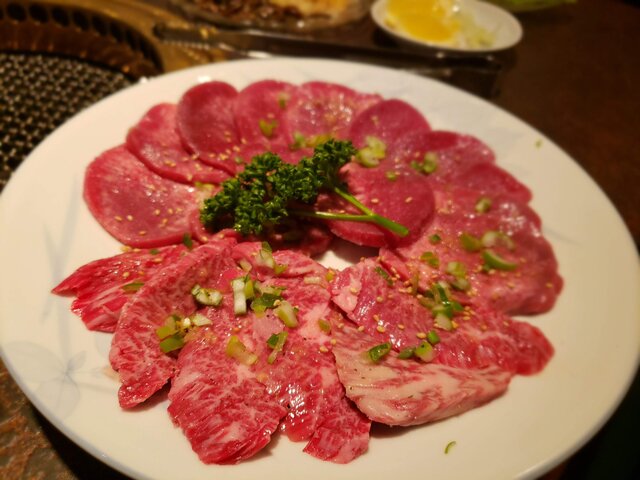
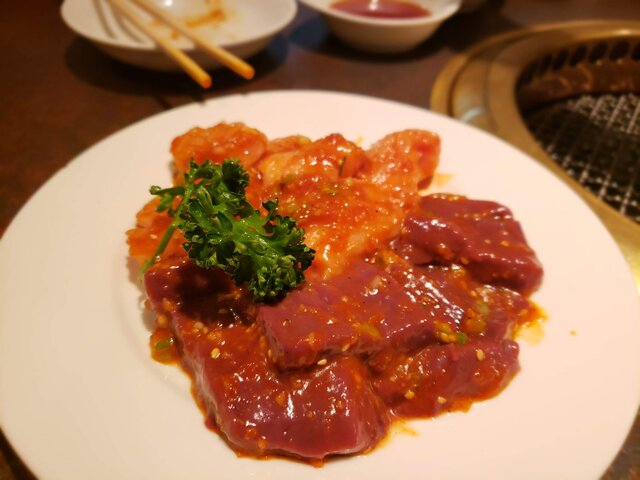
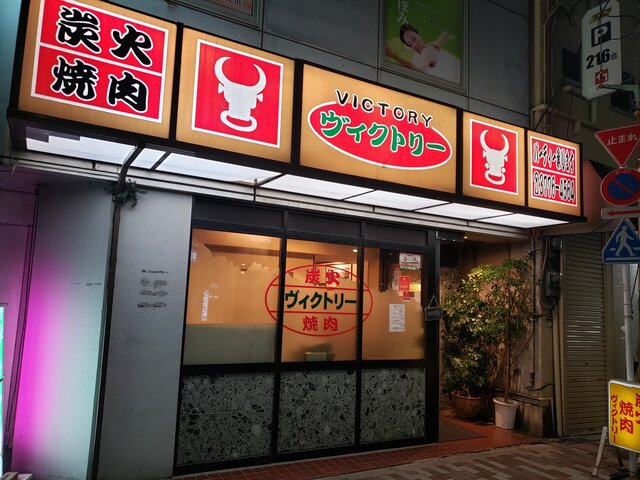
The representative neighborhood yakiniku spot is "Victory." This renowned restaurant, which has consistently succeeded in the area and has been recommended countless times by friends and acquaintances living in the Shinagawa-Ota ward vicinity, is famous for its skirt steak, which was apparently served raw in the past. In my experience, skirt steak is often the most recommended and popular item at beloved neighborhood yakiniku places. Neighborhood yakiniku thrives on the love of local families. It's likely that skirt steak, with its moderate fat and texture, strikes the perfect balance for families, satisfying children who want to eat plenty of kalbi and rosu, while parents who find kalbi and rosu too heavy prefer to drink with tan andミノ. But I digress. At Victory, not only the skirt steak but also the tongue and kalbi, whether with salt or sauce, pair wonderfully with white rice and sake. While it's a must-visit for your second or third stop in Oimachi, if you indulge too much here, you'll be too full for what comes later, so it's important to pace yourself.
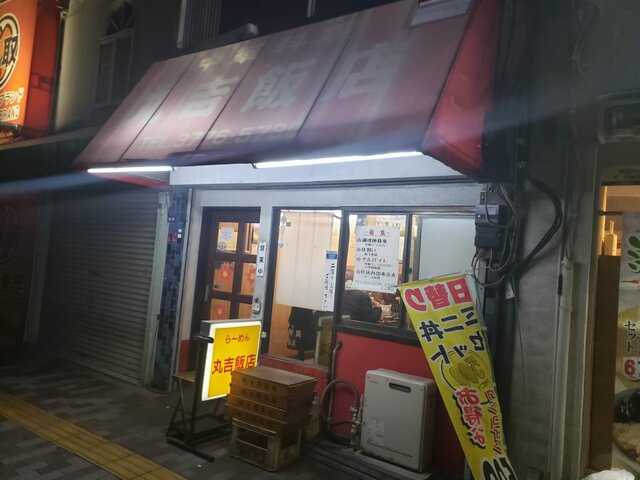
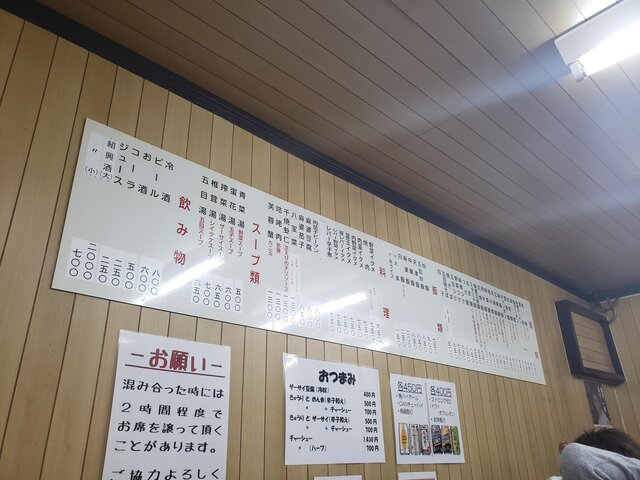
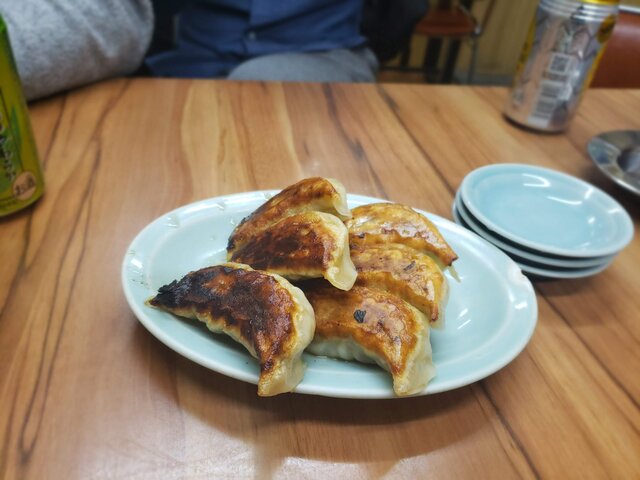
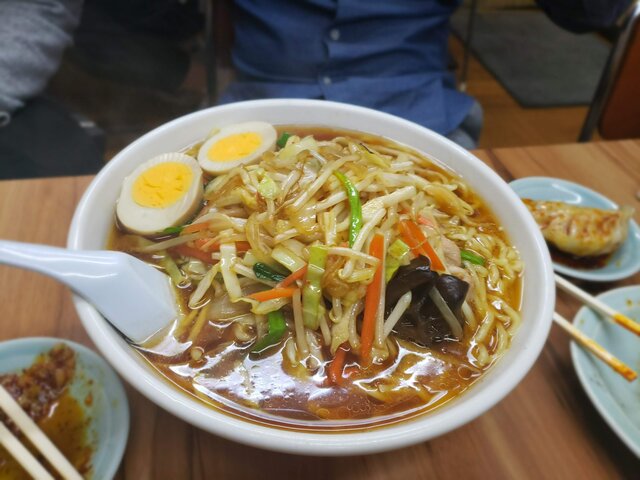
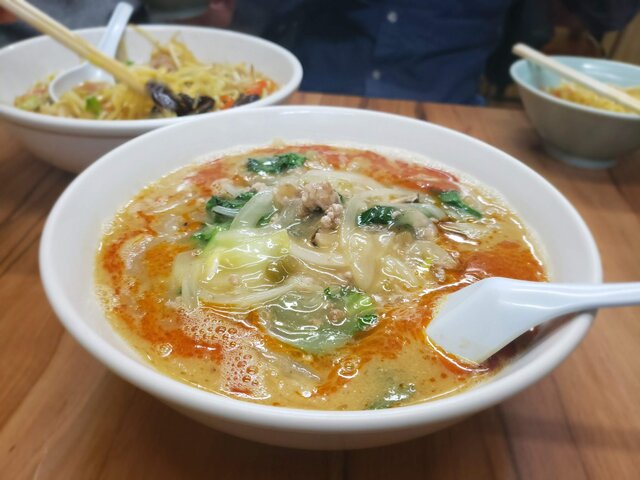
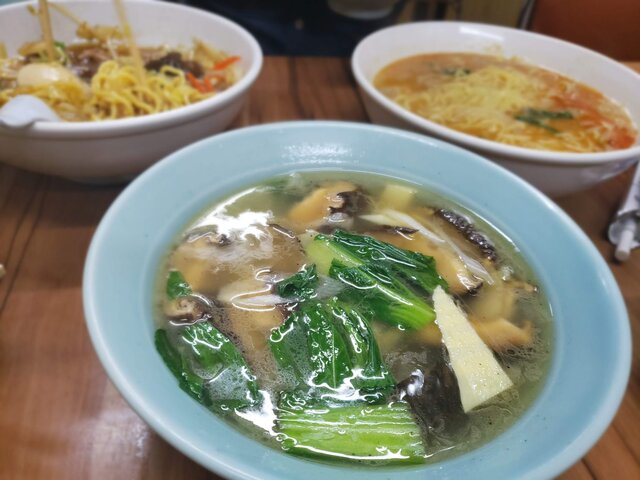
Just a stone's throw from Victory is "Marukichi Hanten." I've been going to Marukichi for nearly 10 years, but I only recently learned that it's pronounced "Marukichi" and not "Maruyoshi" as I had always assumed. The first floor has a counter, and the second floor has tables. Their piping hot, large gyoza are a popular menu item, seemingly ordered by every customer, offering great satisfaction in both quality and quantity. The Marukichi noodles, based on tantanmen, and the stamina noodles with plenty of leeks and bean sprouts, look so powerful that just seeing them makes you feel energized. The flavor is rich and deeply savory without being overwhelming, and it slides down smoothly.
In an era where the adoption of new lifestyles that avoid the "three Cs" (closed spaces, crowded places, close-contact settings) is being emphasized, what will become of old lifestyles like yokocho, neighborhood yakiniku, and neighborhood chuka—cultures that have been cultivated over time? It's not just about having good sake and good snacks; it's not simply about the age of the establishment. It's a unique space where you naturally converse with people you've just met, greet familiar customers, and communicate with the owner through glances. Age, gender, company, title, or educational background become irrelevant; the only criteria are whether your wavelengths match and whether you feel comfortable. While LINE and Zoom allow for transactional communication, deeper emotional resonance cannot emerge without the allowance of physical proximity. We can only hope for the day when everyone can relax and enjoy themselves again.
Niku no Maekawa
Address: 5-2-9 Higashi-Oimachi, Shinagawa-ku, Tokyo
TEL: 03-3471-2377

Banpaiya
Address: 5-3-5 Higashi-Oimachi, Shinagawa-ku, Tokyo
TEL: 03-5460-0313

Kaiyaki Endō
Address: 1-2-20 Oimachi, Shinagawa-ku, Tokyo
TEL: 03-3773-1551

Victory
Address: 1-50-15 Oimachi, Shinagawa-ku, Tokyo
TEL: 03-3776-4564

Marukichi Hanten
Address: 1-50-14 Oimachi, Shinagawa-ku, Tokyo
TEL: 03-3776-5730
IJICHI Yasutake
Vice President, Sunshine Juice Inc.
Born in Tokyo in 1982. While studying at Keio University, he was involved in planning and producing receptions and parties for major companies at an event company. He then transferred to a PR firm, where he engaged in planning and managing marketing communications and branding from a PR perspective. He resigned at the age of 30. With his friend since junior high school, who is also the representative, he founded Sunshine Juice, Japan's first cold-pressed juice specialty store, and currently holds his position. His favorite foods are fugu (pufferfish) and suppon (soft-shelled turtle). His favorite sports are baseball and horse racing. His favorite places are traditional coffee shops and casual bars.
Instagram:ijichiman

Photo Gallery