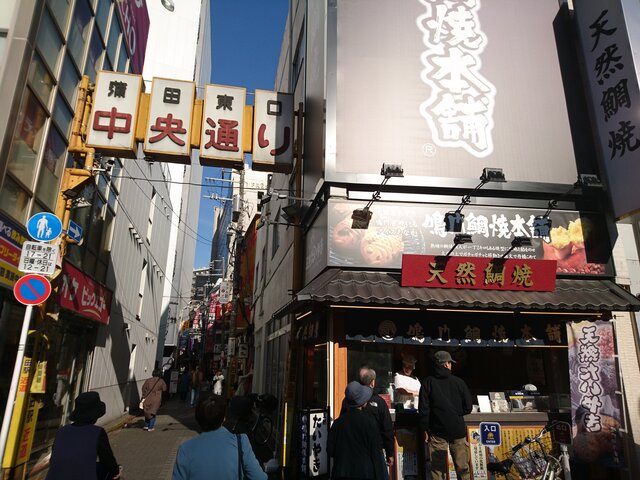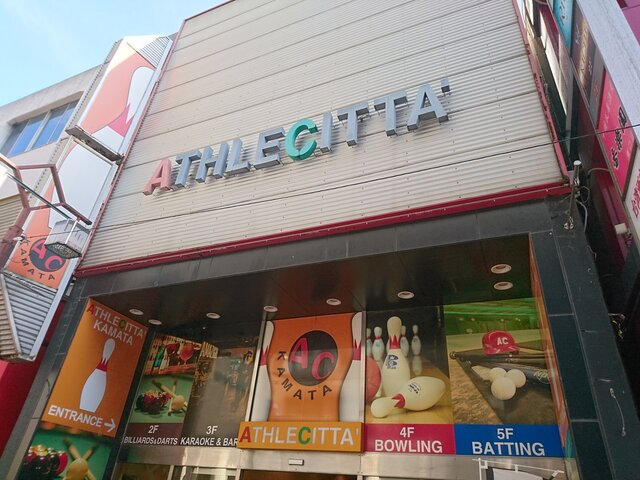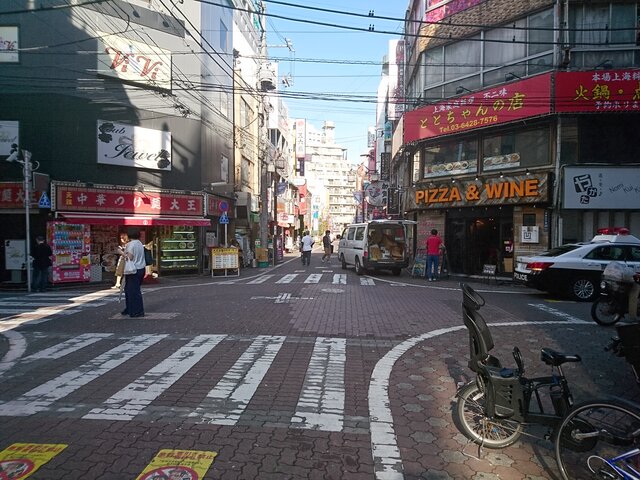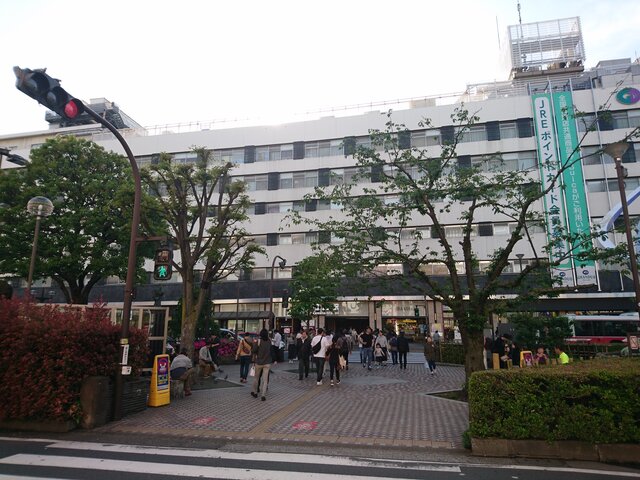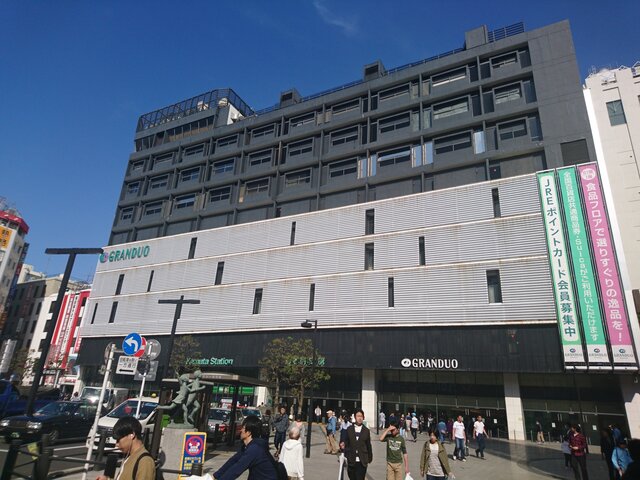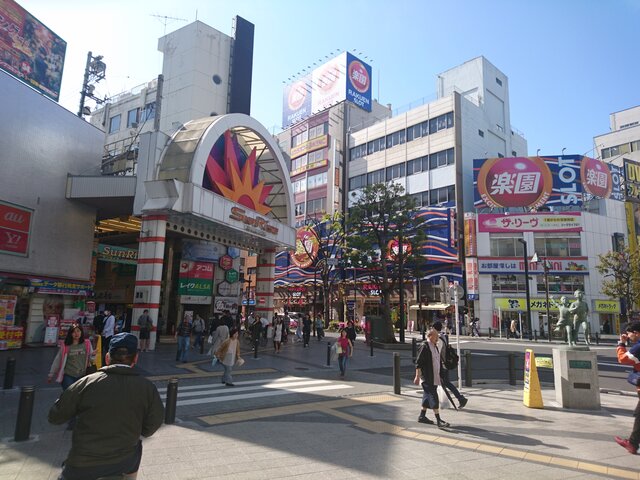
“To prioritize the safety of the body while disregarding the life of the soul or spirit is misguided (Yukio Mishima).” — In this series, Yasutake Ijichi, a board member of Sunshine Juice, Japan's first cold-pressed juice specialty store, delves into the raw, human elements of various towns that stand in stark contrast to the ultimate healthfulness of Sunshine Juice, exploring their history, transitions, customs, and culture. In this 23rd installment, we introduce Kamata, a district where modern buildings stand alongside traditional shopping streets.
Photographs and Text by IJICHI Yasutake
A Town to Be Savored with a Certain Sense of Alertness
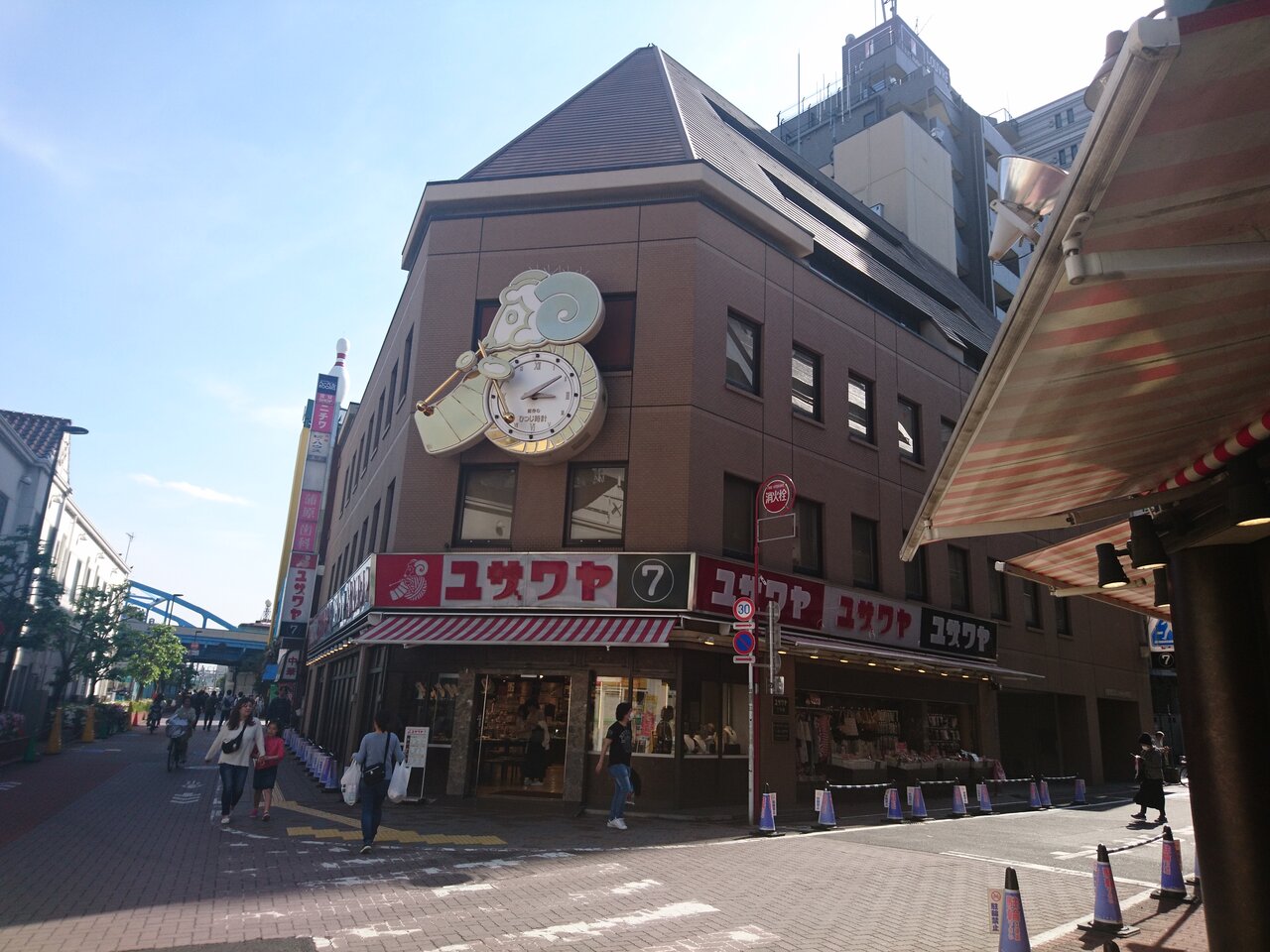
My first company after becoming a working adult was an event production firm. We handled exclusive parties and shows for prestigious brands like the LVMH Group and Richemont. While the output, the 'A-side,' was glamorous, the 'B-side'—like most work in the world—was a painstaking accumulation of unglamorous, gritty tasks. As a junior staffer, my job was to prepare supplies. Back then, without Amazon or Askul, if we needed anything, I'd go to Tokyu Hands or Loft in Shibuya, or even adult shops on Dogenzaka to find peculiar masks. For tablecloth fabric, I went to Yuzawaya in Kamata.
Yuzawaya
My first memory of setting foot in Kamata was to visit Yuzawaya, and for a while, that was my only image of the area. Later, my wife, who was a flight attendant at the time, told me Kamata was known as the 'Gyoza Town.' With its convenient access to Haneda Airport, Kamata was a frequent destination for her and her colleagues.
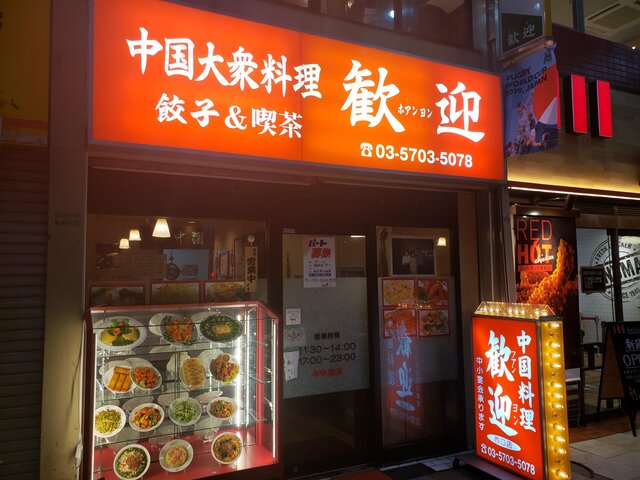
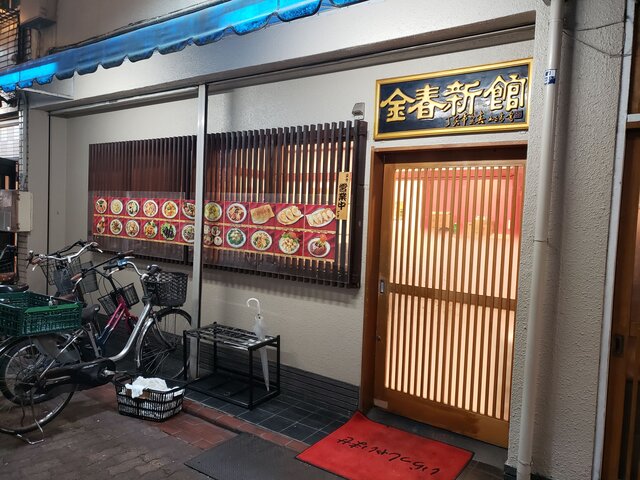
My first stop was 'Nihao.' Then I tried 'Kankō' and 'Konpan.' These three are related and famously known as Kamata's 'Gyoza Trinity.' While Nihao's gyoza are now available nationwide through mail order, back then, 'going to Kamata to eat Nihao's gyoza' was a perfectly valid reason to visit.
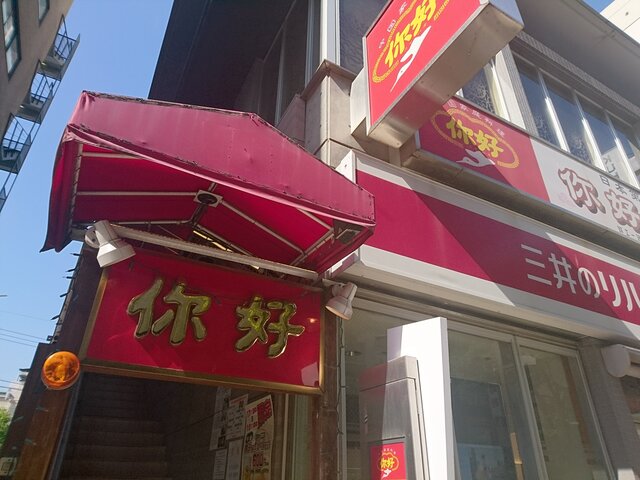
Nihao
Kankō
Kankō
Kankō
Konpan Shinkan
Konpan Shinkan
Konpan Shinkan
Konpan Shinkan
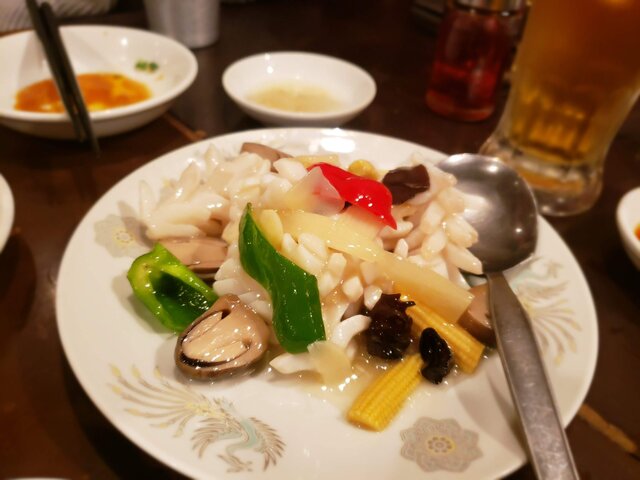
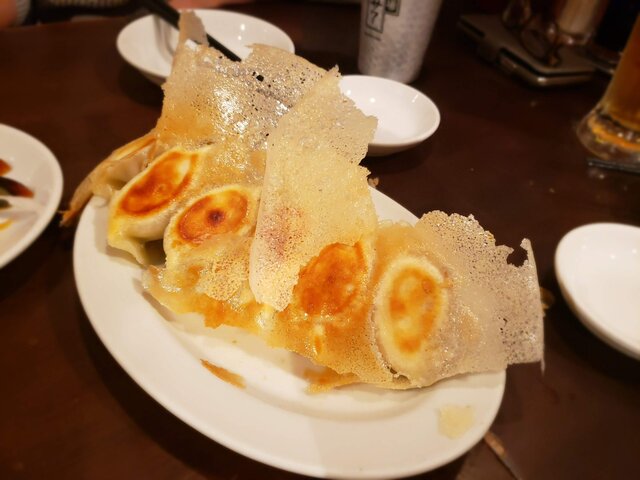
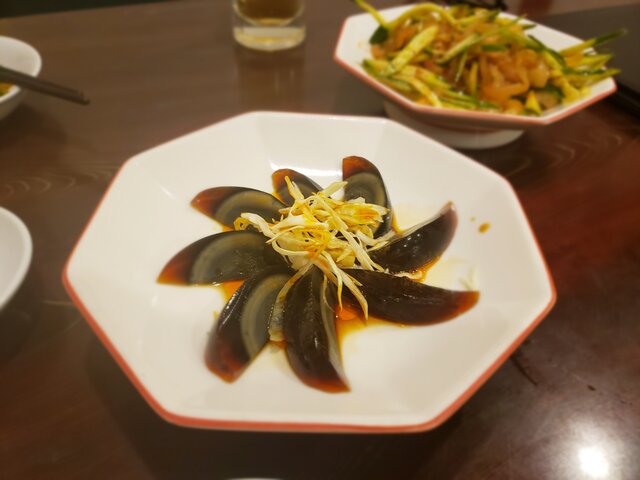
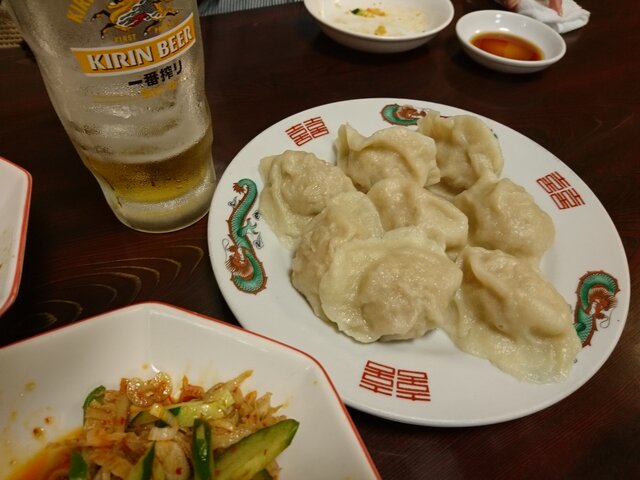
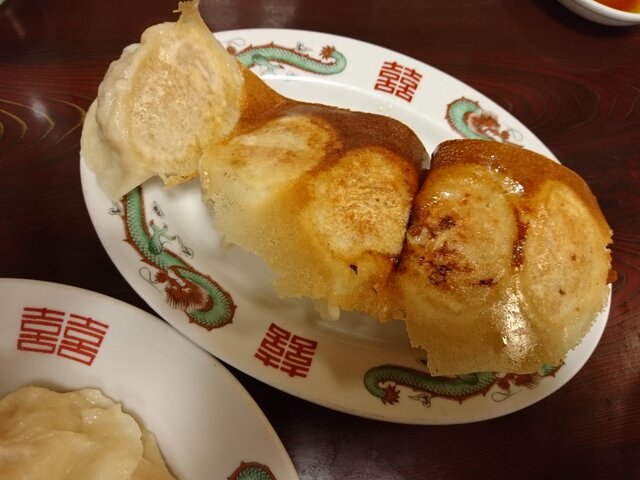
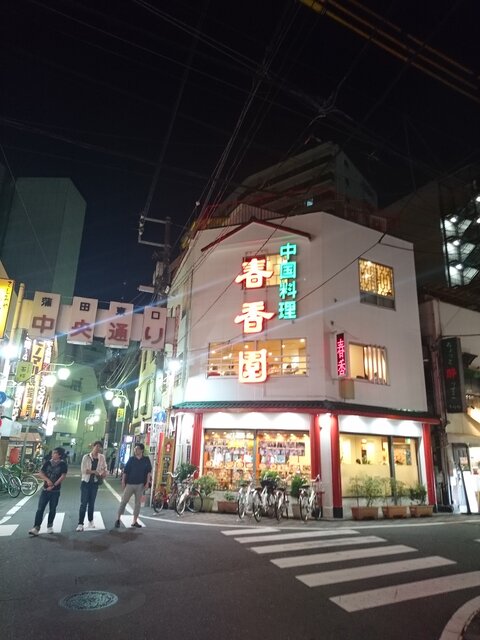
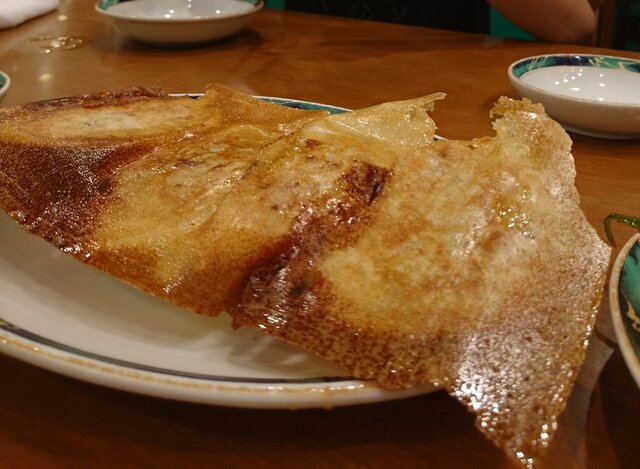
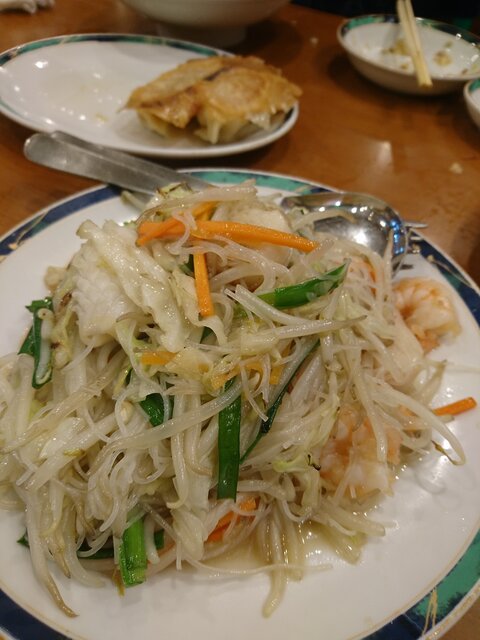
Nowadays, I don't specifically go to Kamata for gyoza. Instead, I might eat gyoza when I have other business in Kamata, or have them as a second meal when meeting friends for drinks. My go-to spots are 'Konpan' on the west side or 'Shunkaen' on the east side, which are sister restaurants. The reason I prefer these is that their seating isn't cramped, and I can usually get a table without a long wait, even if I drop by spontaneously. For a second stop, after a few drinks, I want to have deeper conversations, so I avoid places where the seating is tight and I'm too close to my neighbors. The usual routine involves enjoying Kamata's specialties like pan-fried gyoza with crispy edges, boiled gyoza, or variations with shrimp or sea cucumber, all while engaging in lively conversation.
Shunkaen
Shunkaen
Shunkaen
Kamata can be described as Tokyo's southernmost entertainment district. Beyond gyoza, it's a vibrant mix of casual eateries, snack bars, internet cafes, and manga cafes, each vying for customers. This is true for both the east and west sides. So, even if you visit Kamata without any prior research or knowledge, you're bound to find a good spot somewhere; just step into a lively-looking place. However, I'm not the type to go completely unplanned, so I usually have a few places in mind, thinking, 'If this one doesn't work out, I'll try that one.'
Itoya
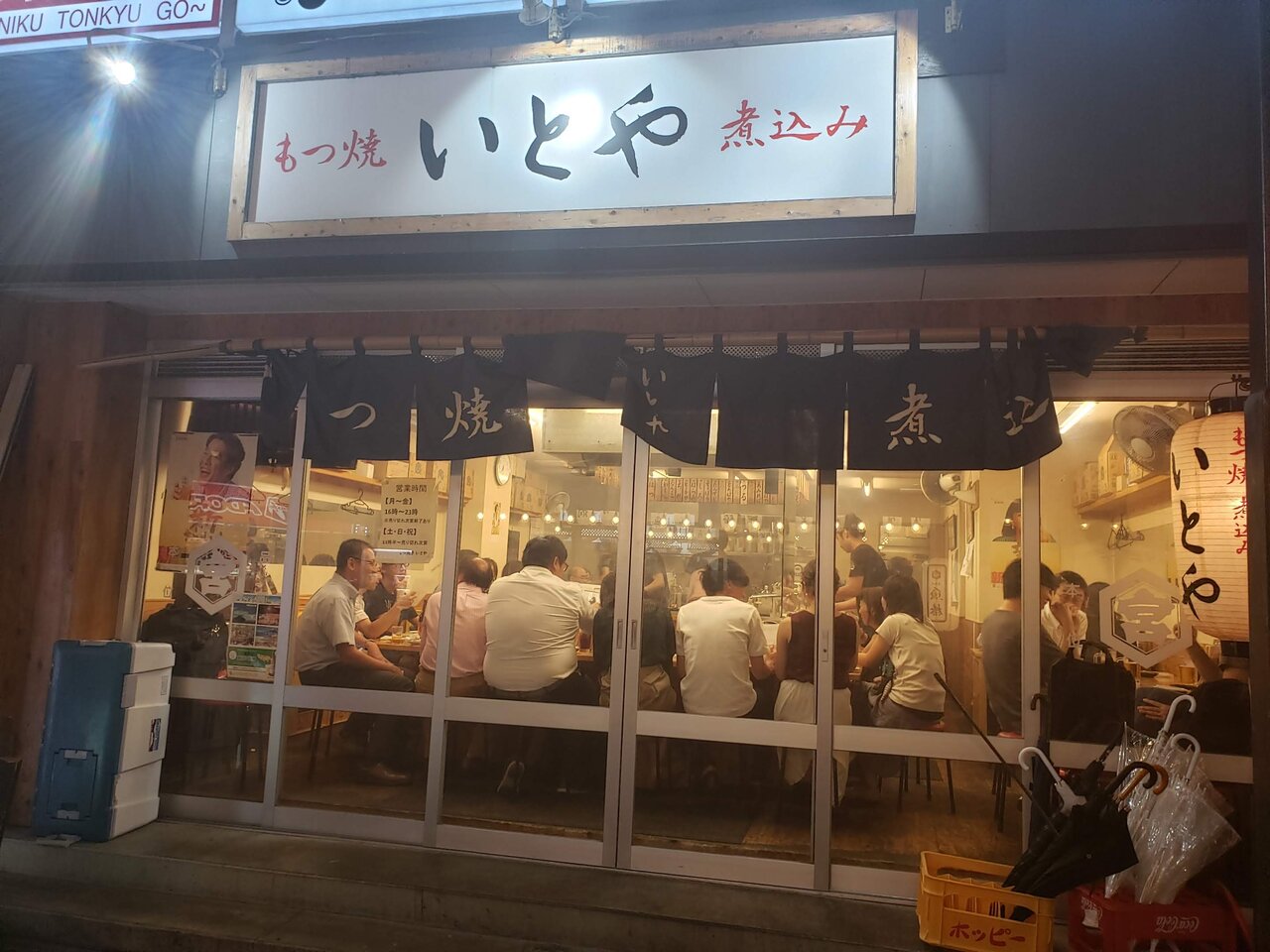
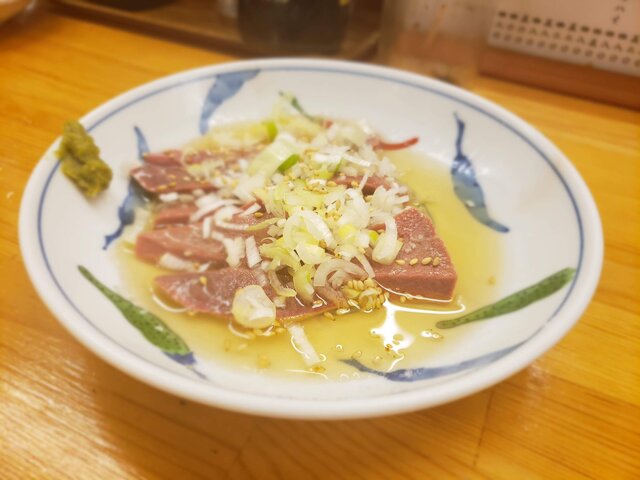
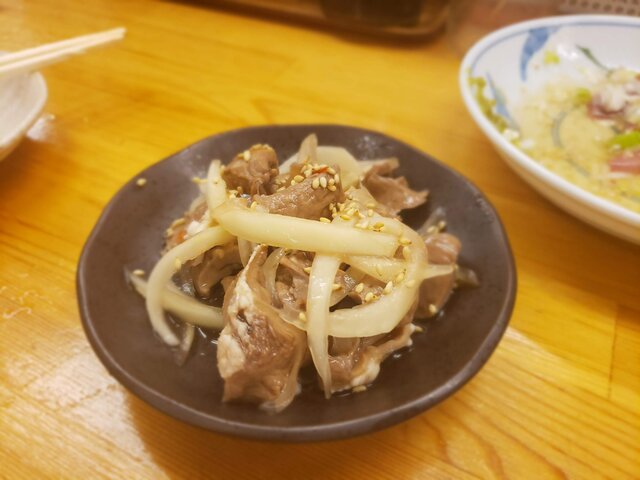
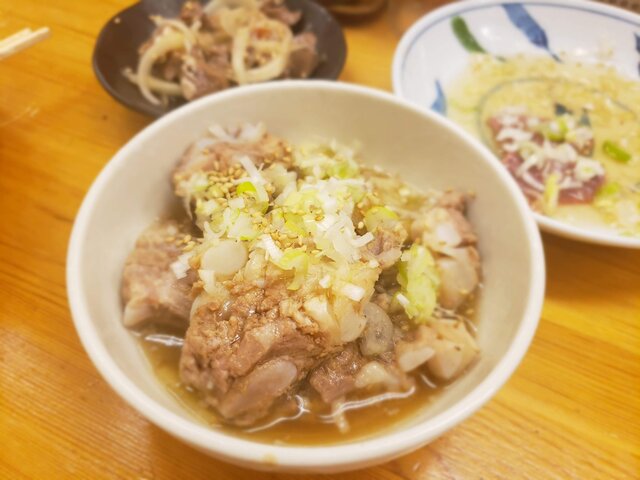
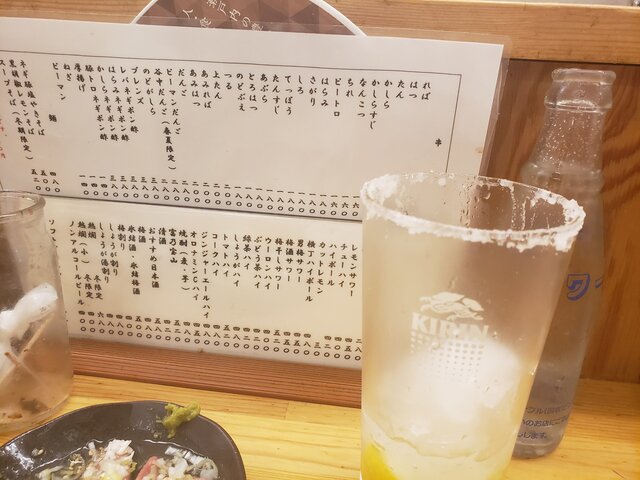
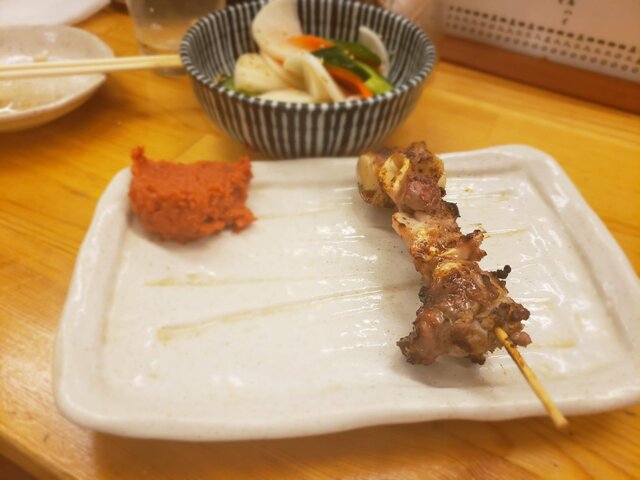
For example, there's 'Itoya,' a motsuyaki (grilled offal) restaurant on the west side. As I've mentioned before, I enjoy motsuyaki. However, I don't have strong preferences about how it's cooked or prepared; I just want a place that's delicious, comfortable, and fun. Itoya features a large U-shaped counter where you can enjoy skewers while watching baseball on the in-store TV. It's relatively new, so it's clean, and you don't have to worry about needing the restroom urgently. For a motsuyaki place, these are significant advantages. They offer a wide variety of rare cuts, and it's rare to hear 'Sorry, we're out of that today.' If you live nearby, you can drop by alone, or go with colleagues or friends if your workplace is close. It's also a place where a woman dining alone would feel perfectly comfortable. It's a truly rare kind of motsuyaki restaurant.
Itoya
Itoya
Itoya
Itoya
Itoya
Itoya
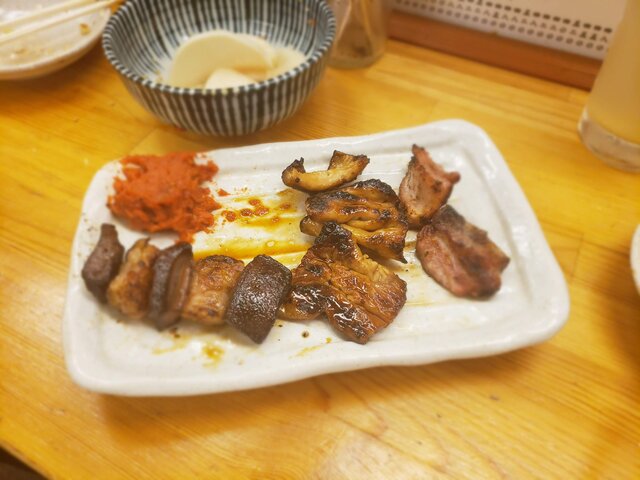
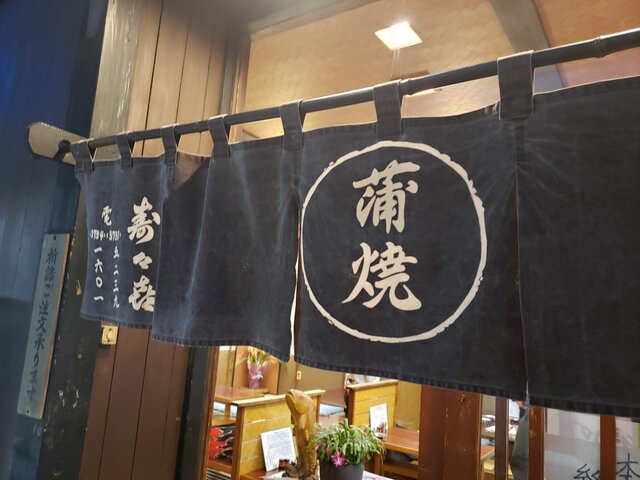
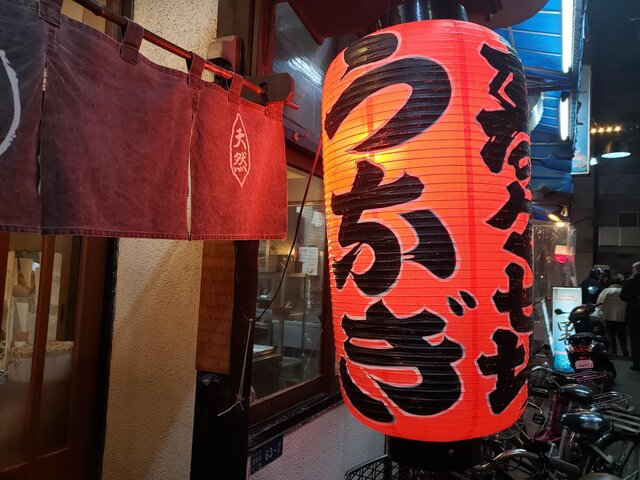
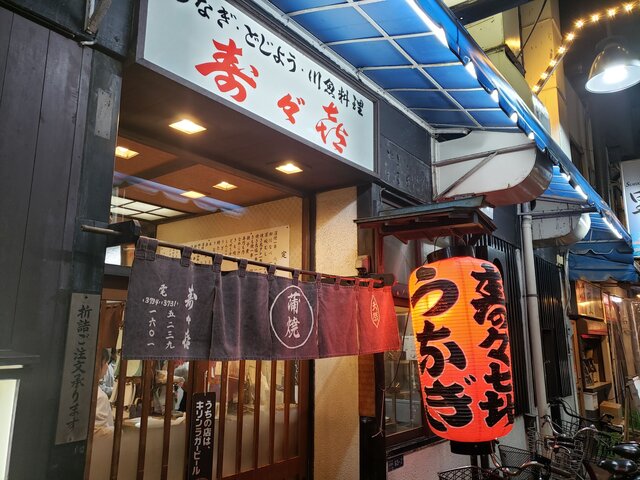
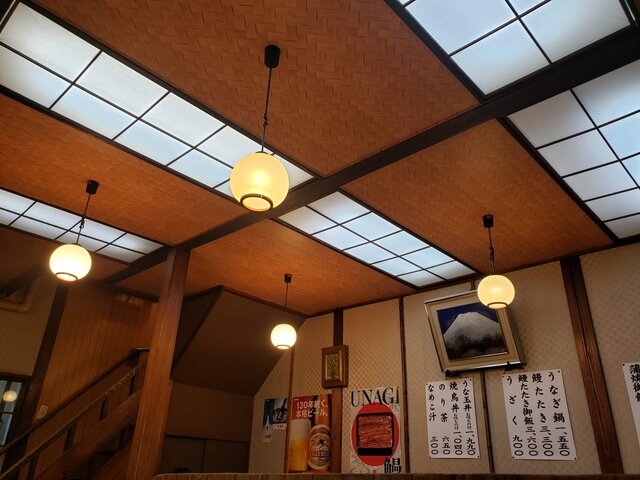
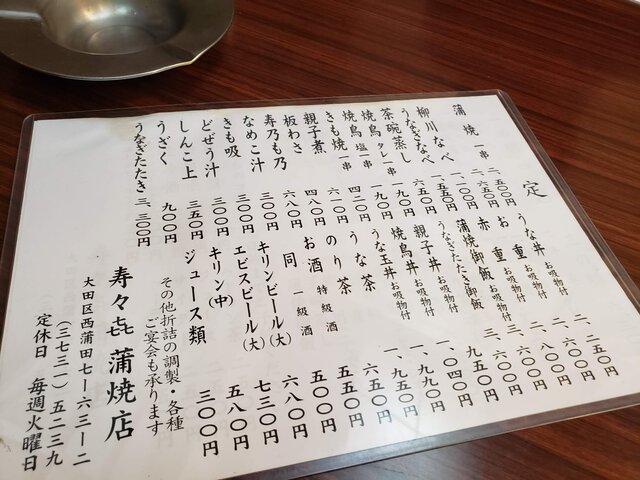
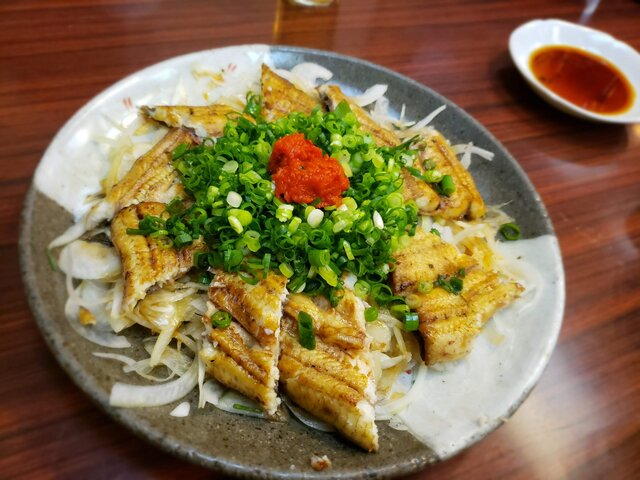
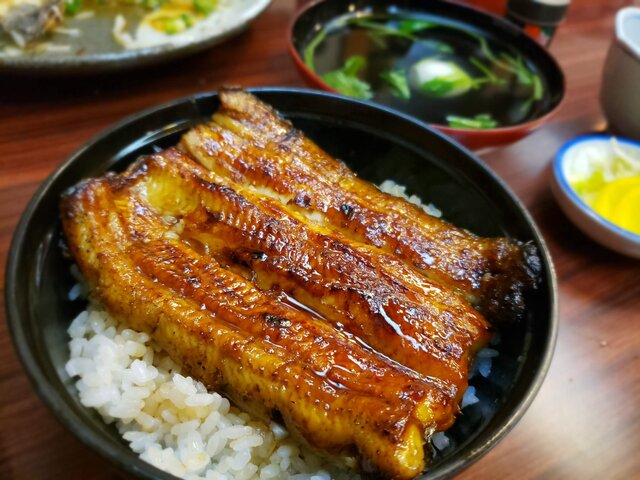
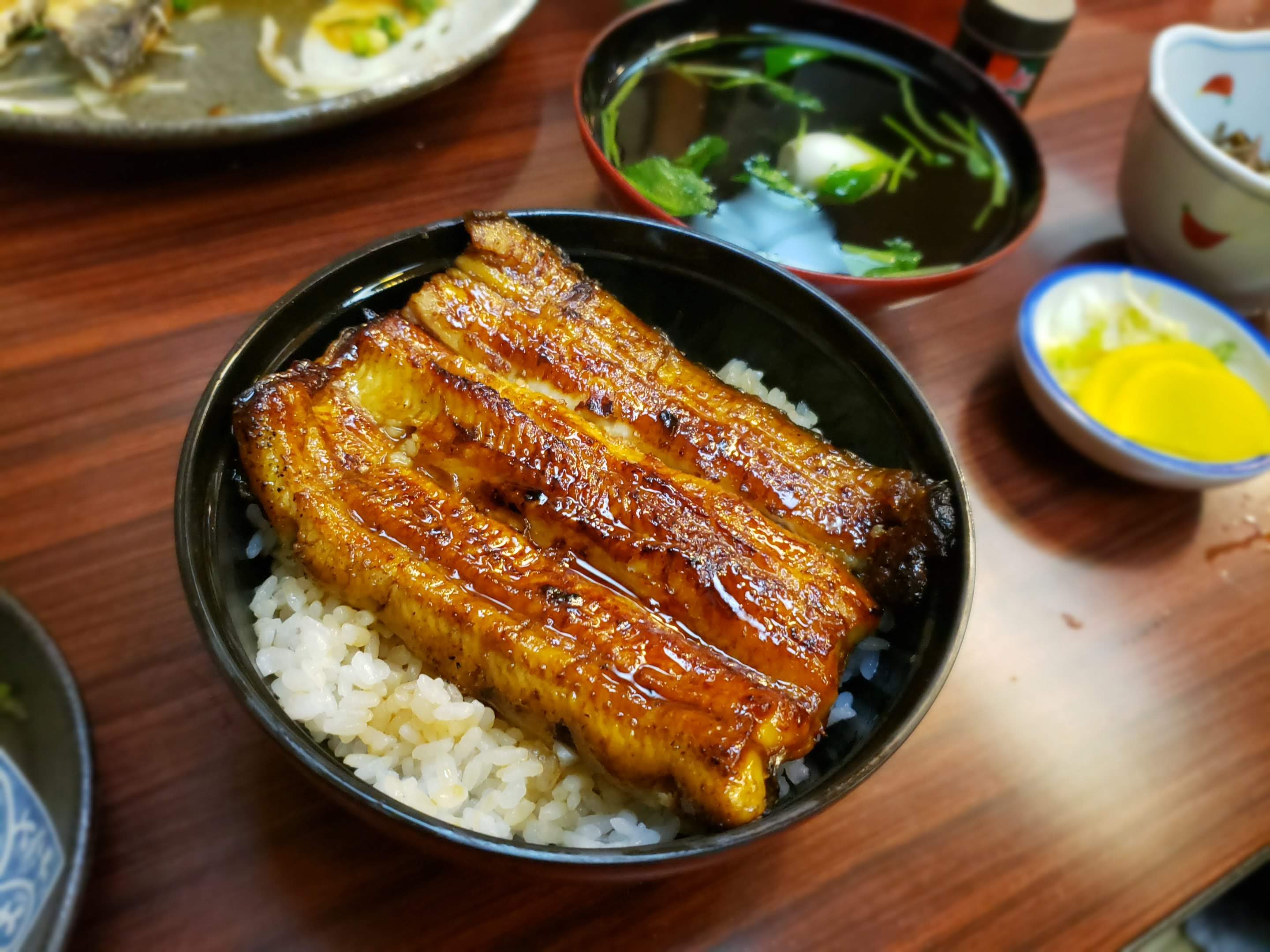
Then there's 'Suzuki,' an unagi (eel) restaurant located deep within the Sunroad shopping arcade on the west side. It originally opened in Kanda in 1935 (Showa 10) and apparently moved to Kamata in 1945, the year the war ended. I like unagi, but I haven't eaten it much in recent years. As you know, the price of unagi has skyrocketed. When I was in my early twenties and used to come to Yuzawaya, I could get a meal for around 1,000 yen, but now it can cost over 5,000 yen at some places. While there are differences in quality, and resources are indeed dwindling, a price increase of more than fivefold naturally makes one hesitant.
Suzuki
Suzuki
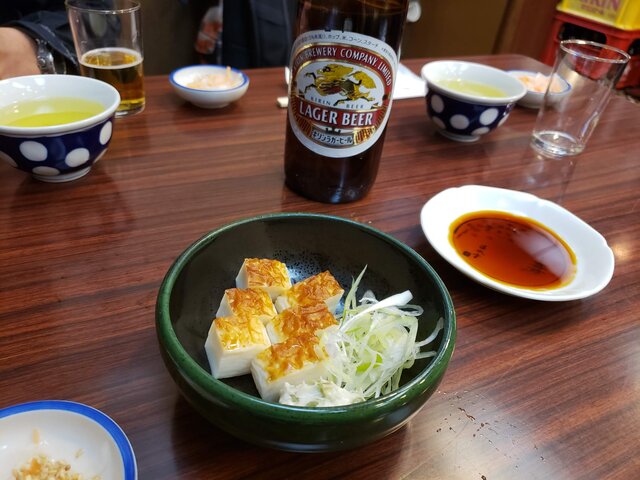
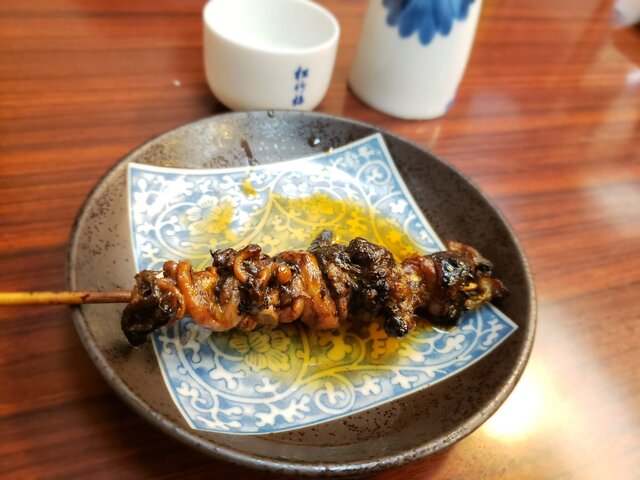
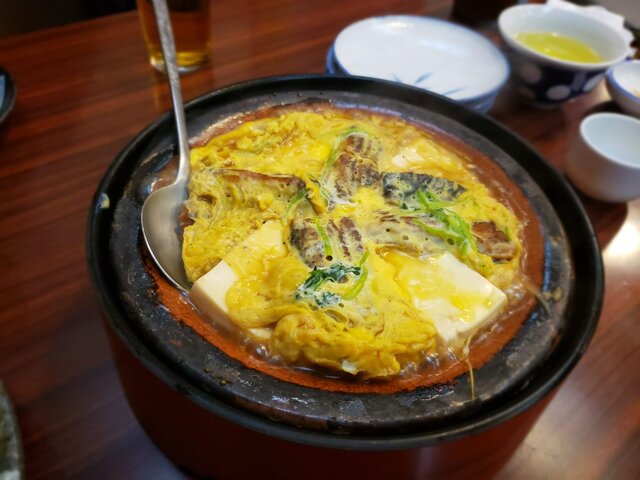
However, unagi has traditionally been a part of the common people's lifestyle, and it's true that such pleasures are still accessible. In Kamata, that place is 'Suzuki.' Although the restaurant closes at 9 PM, menu items often sell out by around 7 PM. One might think, 'Why not increase the supply?' but that's part of its charm. Enjoying grilled eel liver, seared eel, Yanagawa-style eel and burdock hot pot, and grilled eel over rice, along with some sake, costs around 4,000 yen per person. This relaxed price point is just right for me.
Suzuki
Suzuki
Suzuki
Suzuki
Suzuki
Suzuki
Suzuki
Suzuki
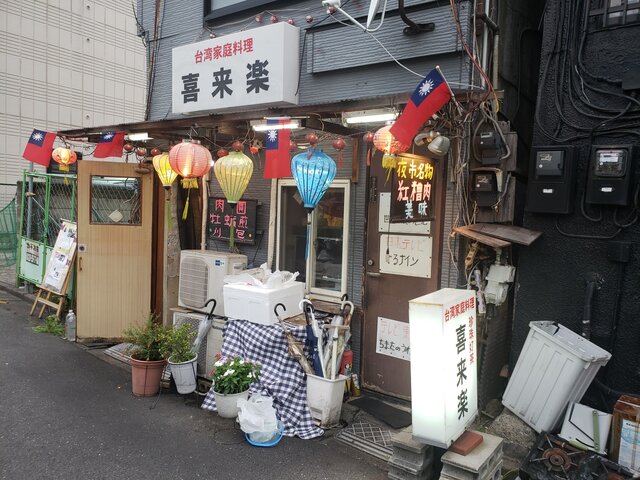
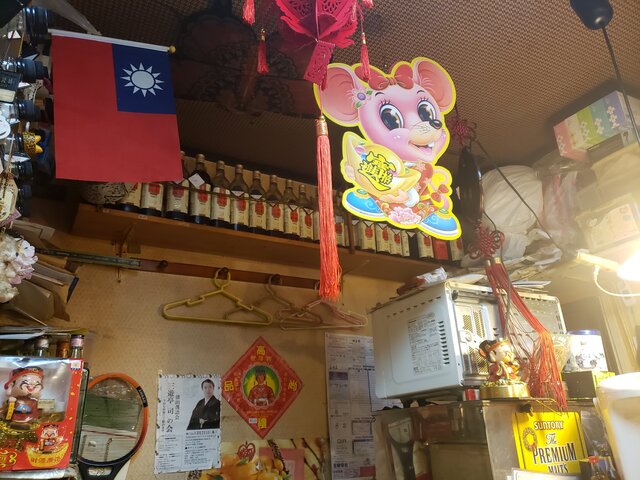
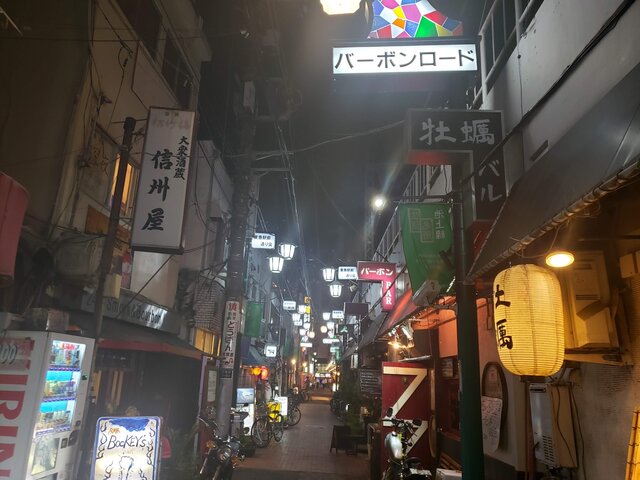
Parallel to Sunroad, under the elevated Tokyu Line tracks, runs a street called Bourbon Road. From the station entrance inwards, it opens up to a stretch of snack bars and Asian restaurants. Beyond that, you'll find a Taiwanese restaurant called 'Kira-raku.'
Kira-raku
Kira-raku
This restaurant, run by a husband and wife, started 35 years ago with an ambiance that seems to have been imported directly from a Taiwanese street food stall. Your first visit might be met with an unusual aura that makes you hesitate. This feeling doesn't dissipate upon entering; rather, it reaffirms that the aura isn't a misinterpretation or a facade. The proprietress, with her unparalleled, strong personality, takes the lead and recommends dishes.
Kira-raku
Kira-raku
Kira-raku
Kira-raku
Kira-raku
Kira-raku
Kira-raku
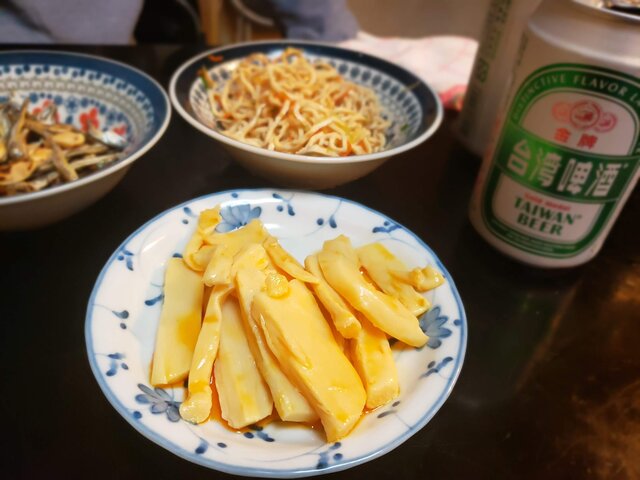
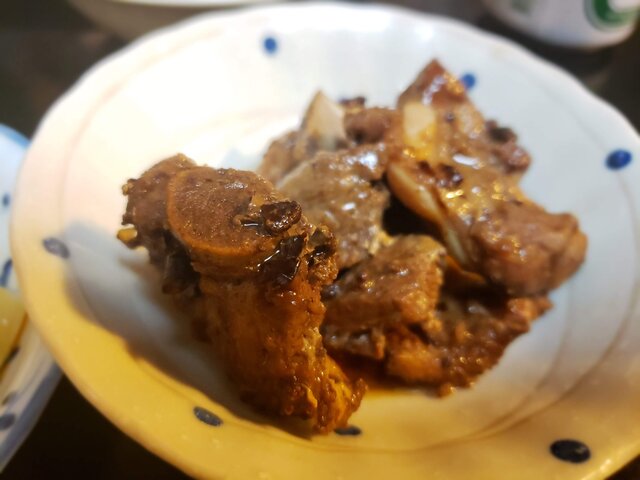
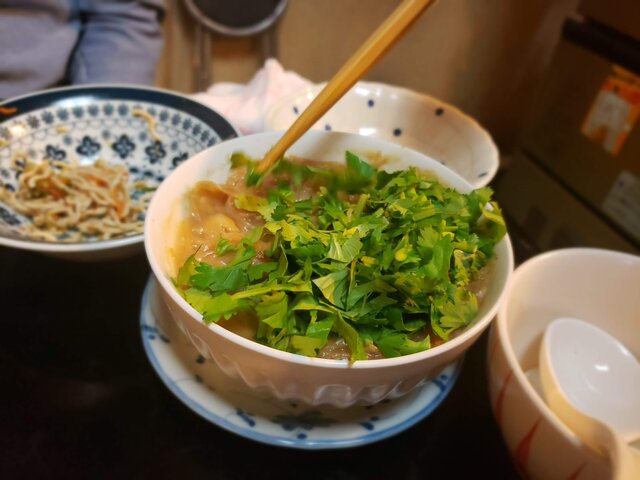
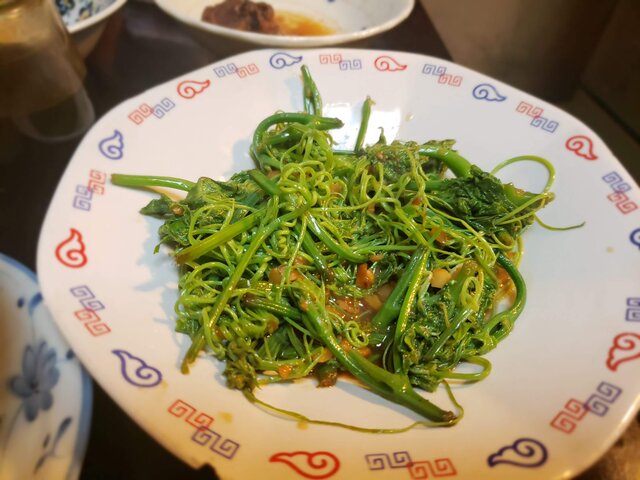
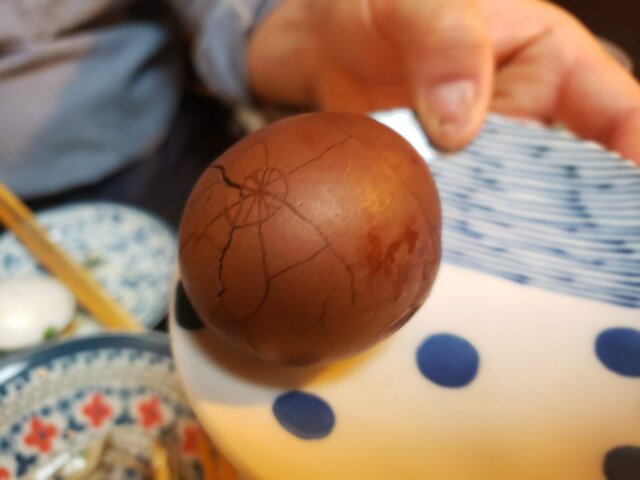
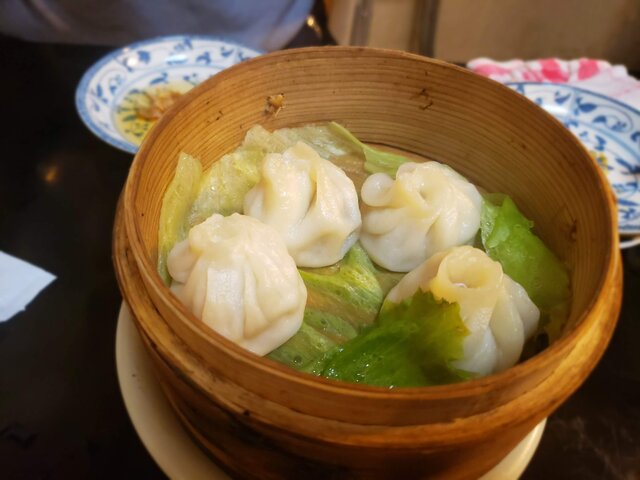
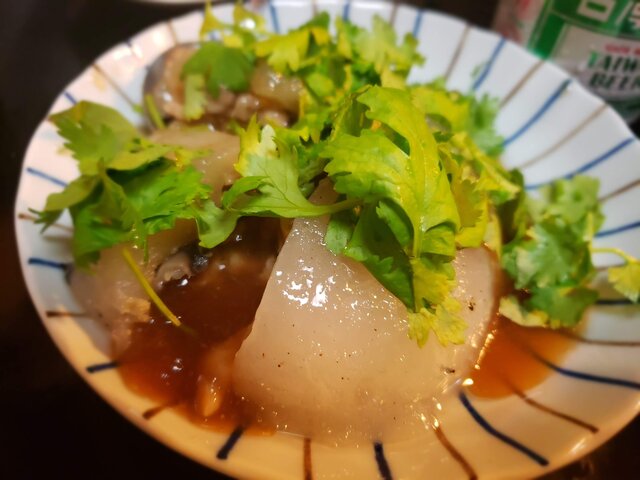
While you might approach the menu with some trepidation, wondering what dishes will emerge, you'll surprisingly be treated to simple and gentle flavors. The fresh bamboo shoots and shredded tofu served first are light and have a delightful texture. The Dragon's Beard greens (Long Xu Cai), with their crisp, refreshing crunch, and the tea eggs (Taiwanese-style braised eggs), simmered in oolong tea and infused with star anise, are also delicious. The large intestine noodles (Da Chang Mian Xian), made with pig's large intestine and described as a Taiwanese soul food, have a smooth, noodle-like texture. If you let the proprietress choose most of the dishes, the cost is around 2,500 yen per person. No matter how cheap the flight, you can't get to Taiwan for 2,500 yen. Here, you must go with your whole being, not just for the food, but for the entire experience.
After experiencing Yuzawaya and its gyoza, I no longer have a specific image of Kamata and can enjoy it more broadly. Nevertheless, true to the 'deep' image many people have of Kamata, you'll still encounter cars speeding through arcades with honking horns or see drunken individuals shouting belligerent words alone. While it can be a bit unnerving at times, these are also elements that constitute the town. To truly enjoy a place, one should seek not only the obvious material aspects like scenery, food, and music, but also its intangible qualities—its values, character, atmosphere, and unique essence. Kamata, which has forged its own identity between Tokyo and Kawasaki, has these qualities deeply rooted within it. I want to approach it with a sense of anticipation and excitement, tempered by a certain alertness, and savor the experience.
Shunkaen Address: 5-22-1 Kamata, Ota-ku, Tokyo TEL: 050-5868-1522
Itoya Address: 7-29-3 Nishi-Kamata, Ota-ku, Tokyo 1F TEL: 03-6885-4970
Suzuki Address: 7-63-2 Nishi-Kamata, Ota-ku, Tokyo TEL: 03-3731-5239
Kira-raku Address: 7-60-9 Nishi-Kamata, Ota-ku, Tokyo TEL: 090-4527-3392
IJICHI Yasutake Vice President, Sunshine Juice Inc. Born in Tokyo in 1982. While attending Keio University, he was involved in planning and producing receptions and parties for major brands at an event company. He later transferred to a PR firm, where he focused on planning and managing marketing communications and branding from a PR perspective. He resigned at the age of 30. With his representative, a friend since junior high school for over 20 years, he founded Sunshine Juice, Japan's first cold-pressed juice specialty store, where he currently serves as Vice President. His favorite foods are fugu (pufferfish) and soft-shelled turtle. His favorite sports are baseball and horse racing. His favorite places are traditional coffee shops and casual taverns. Instagram:ijichiman