Serial Essay | #ijichiman's Musings: "A Talk on Sustainability"
The 29th: What Exactly is "Sustainable"?
"To insist solely on the safety and security of the body, without questioning the life or death of the soul or spirit, is wrong" (Yukio Mishima) — This is a serial essay by Yasutake Ijichi, a board member of Sunshine Juice, Japan's first cold-pressed juice specialty store. In this installment, we contemplate the increasingly common word: "sustainable."
Photographs and Text by IJICHI Yasutake
A System of Happy Cycles for Everyone
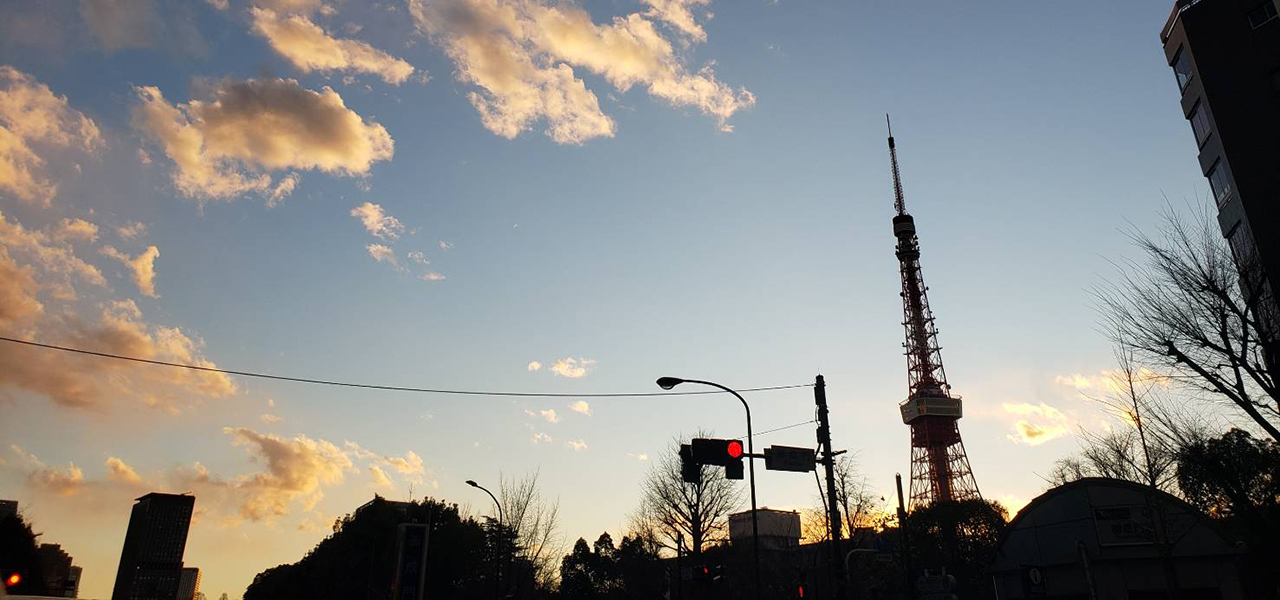
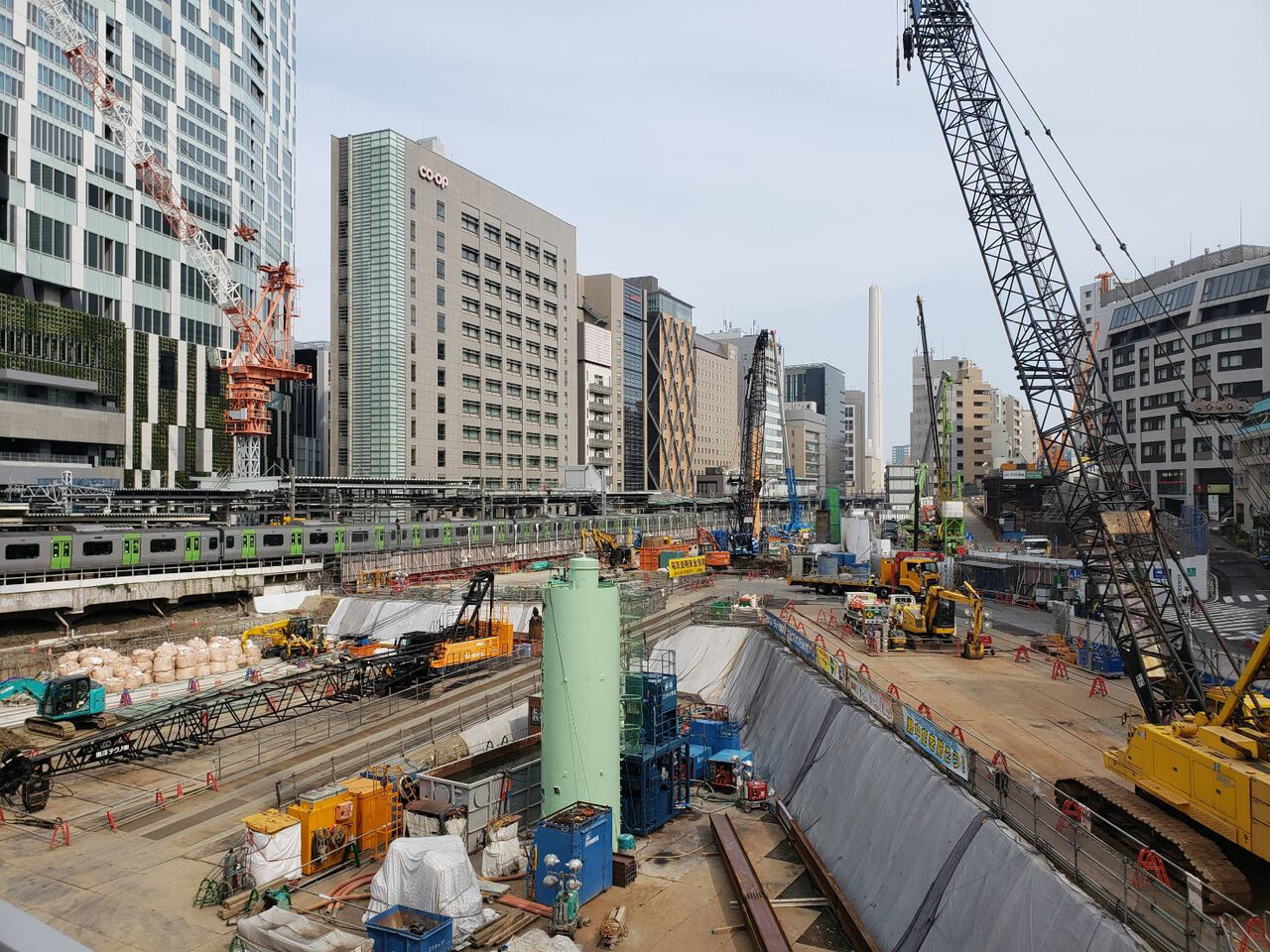
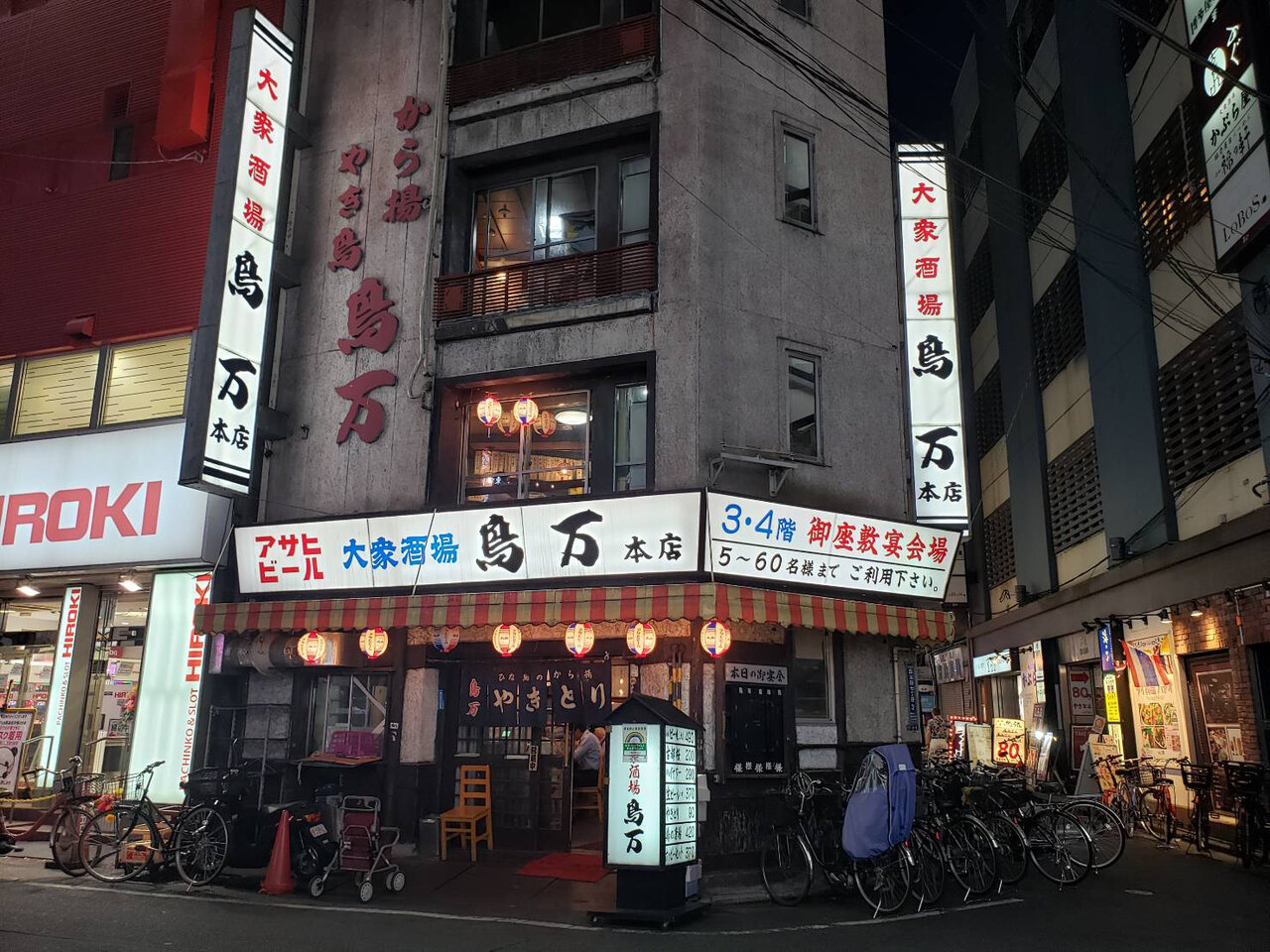
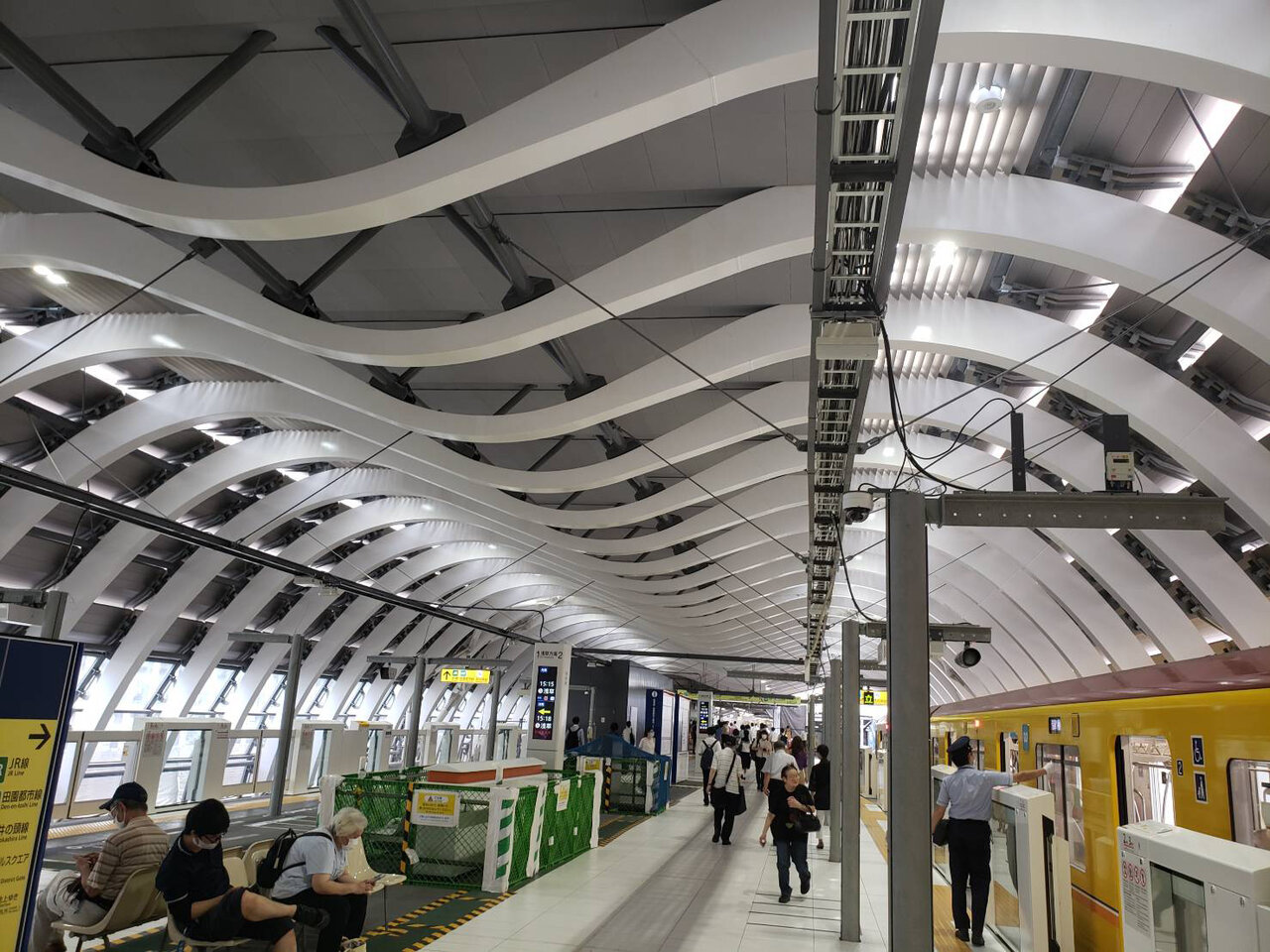
I've introduced various "neighborhoods" in Tokyo up to now, driven by my fondness for the culture and scenes they nurture—their unique atmosphere and warmth. With the Tokyo Olympics as a catalyst, redevelopment has progressed in many areas, and as streetscapes change, I've felt a strong desire for these elements to be preserved, even in small ways. The word "sustainable" has been around for a while, but no matter how convenient a city becomes, I want the atmosphere and warmth created by its people to endure.
However, this word, "sustainable," feels elusive. While it might be acceptable to grasp its nuance without fully defining its substance, it's a challenge for those who need to make it tangible. In my work supporting the branding and communication of many companies, the common sentiment is, "We need to do something sustainable, but we don't know what."
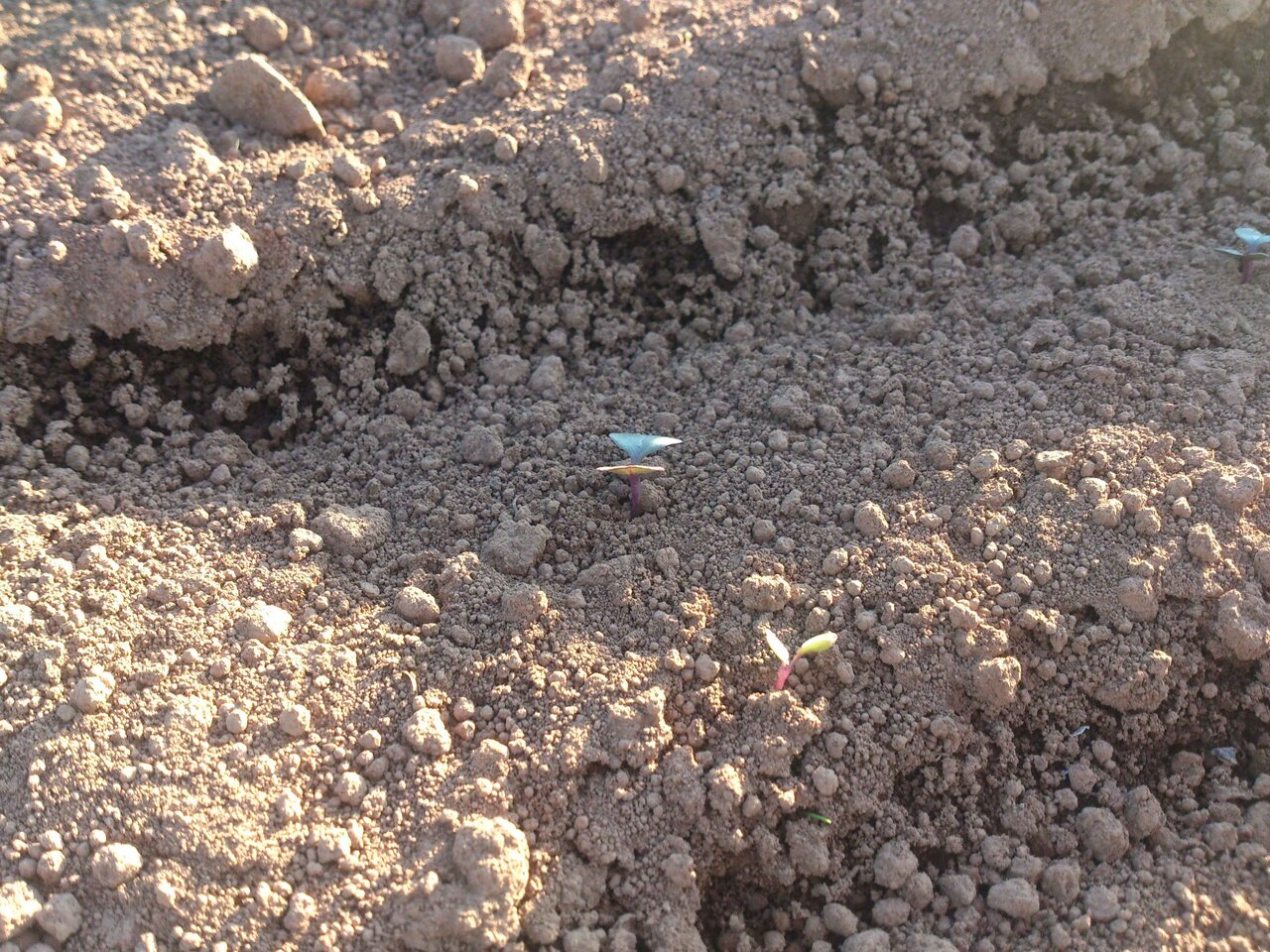
Looking at the word itself, sustainable is a combination of "sustain" and "able." The idea is to make society, the planet, and the future develop in a way that can be sustained. In an era of extreme weather, heavy rainfall disasters, and changing natural ecosystems, it's perhaps inevitable that the focus falls on the easily understood concept of "the environment."
However, if we consider the "environment" purely from a logical standpoint, we could argue that balloons should be abandoned as they ultimately become trash. In an extreme view, cars and air conditioning could also be eliminated. Yet, balloons bring smiles to children, and seeing those smiles makes us adults smile too. While eliminating cars and air conditioning might reduce CO2 emissions, it would increase physical fatigue, decrease work performance, lower economic productivity, and consequently, weaken national strength.
Society and the Earth are home to plants and animals, and we humans are part of that ecosystem. Humans, however, are peculiar beings; unlike many other animals, we have laws, customs, order, and even vested interests. Furthermore, we possess emotions that sometimes override logic. Without appropriate economic activity within this framework, we cannot thrive. We need to simultaneously consider how to create a better society for our children and grandchildren to live happily after we are gone, and how we ourselves can live happily now.
This might be the very dilemma faced by many companies mentioned earlier, leading to their statement of "not knowing what to do." Focusing on the "environment" and changing containers or materials can increase costs. However, we cannot raise selling prices. Perhaps customer loyalty might wane if convenience decreases. Various anxieties and concerns likely arise.
Regarding food and clothing, while it might seem wasteful that there is "surplus and discarded," upon closer reflection, it is also a testament to our material abundance. For a happy existence, this state of plenty is far preferable to a state of hunger where necessities are lacking. We must first be grateful for this. Then, we should faithfully practice what our parents taught us: sort our waste, turn off lights when not in use, avoid leaving food uneaten, and buy only what we need.
However, many people in the world lack necessities now, and even those who have enough don't know when they might run out. Therefore, I want to eliminate waste and embrace only what is truly necessary for myself. I am willing to invest any amount of money or resources into things I deem essential, but I don't want to spend even a minute or a yen on things I don't need. I want to avoid spending on conditional necessities, like "I might use this someday." Yet, what is wasteful or unnecessary for me might be necessary or valuable to someone else.
Environments and circumstances vary for each individual, and perspectives and interpretations differ. Therefore, I aim to maintain a broad viewpoint. Things that are not currently in the spotlight or receiving attention might generate new value if we change our perspective or environment, or alter their form. If new value is created, demand may arise, transactions may occur, and the economy may flourish. Profit can be generated from waste and unnecessary items, which can then be channeled into new activities. This is a system of happy cycles for everyone. Moving forward, I want to engage with various matters from this perspective. That's where I stand.
Yasutake IjichiBorn in Tokyo in 1982. While studying at Keio University, he was involved in planning and producing receptions and parties for major brands at an event company. After transferring to a PR firm, he worked as a planner and resigned at the age of 30. He joined his long-time friend from junior high school, the representative, in launching Sunshine Juice, Japan's first cold-pressed juice specialty store, and served as Vice President until September 2020. He currently supports corporate communication and branding for clients across a wide range of industries while continuing his neighborhood explorations. Favorite foods: pufferfish, soft-shelled turtle. Favorite sports: baseball, horse racing. Favorite places: old-fashioned coffee shops, local taverns.
Instagram:
ijichiman