Serial Essay | #ijichiman's Musings: "The Showa-Era Multi-Purpose Room, the 'Kissaten'"
Serial Essay | #ijichiman's Musings
Part 33: "The Showa-Era Multi-Purpose Room, the 'Kissaten'"
"Showa Retro" is experiencing a bit of a boom. As someone born in the Showa era, it doesn't feel like ancient history to me, but it's actually been over thirty years. I can understand why the generations leading the vibrant Reiwa era, who didn't directly experience the Showa atmosphere, find it appealing as a kind of fantasy world.
Photographs and Text by IJICHI Yasutake
Today, with cafes seemingly on every corner, coffee has become an incredibly accessible drink. But in the past, that role was filled by kissaten. For business meetings, there was Renoir. In the TV drama "Seibu Keisatsu," criminal groups would often have secret meetings in kissaten, and the police would be watching from another kissaten across the street – a scene that played out almost every episode.
Speaking of kissaten, two shops particularly stand out in my memory: "Bonsoir" in Asakusa and "Danzhitsu Takizawa" in Shinjuku.
My family has a tradition of visiting Senso-ji Temple in Asakusa every year for a meal. In the past, we always stopped by "Bonsoir" afterward. My memories are hazy, as I was a child, but it was in the Rokku district. The second floor was a formal restaurant serving French or Western cuisine with staff in black suits and bow ties, while the first floor was a kissaten. By the time we finished our meal, my father was already quite drunk. He didn't have a habit of drinking coffee, so he'd go home alone, and my mother, grandmother, and I would finish with cake and coffee before heading back.
"Danzhitsu Takizawa" was a kissaten I frequented in high school and college after visiting Isetan Shinjuku or Barneys. It was in the basement of the Shinjuku East Exit (slightly south). It's now a Tsubakiya Coffee shop. Even back then, it felt somewhat upscale. Researching it, I found they operated under the policy, "Takizawa sells not coffee, but the character and etiquette of its employees," emphasizing hospitality, which makes sense. It's surprising to learn they even had a copy machine back then. The fact that it was called a "Danzhitsu" (lounge) rather than a kissaten suggests it was indeed a place for important business discussions.
Incidentally, I have various reasons for wanting to go to a kissaten. The specific point I want to focus on changes depending on the occasion.
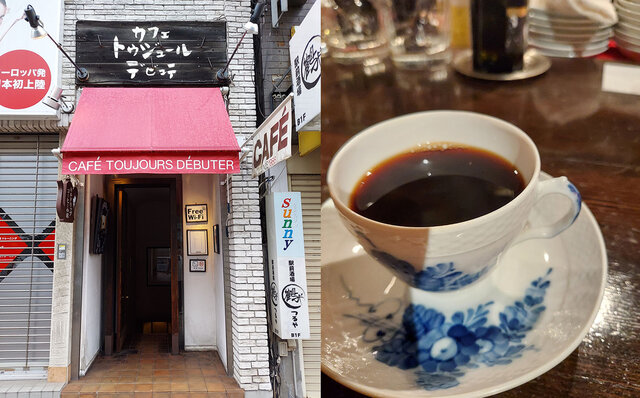
Toujours Débuté
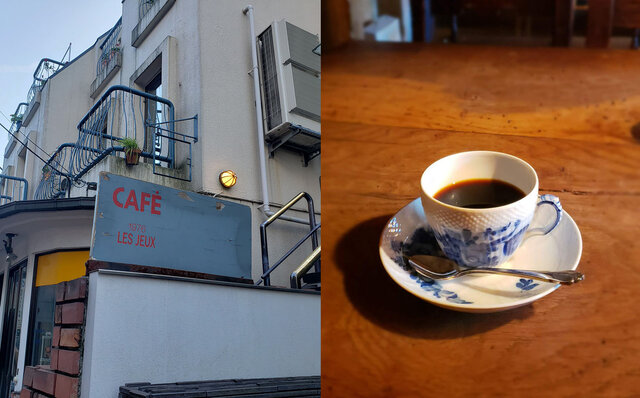
Lejyu Grenier
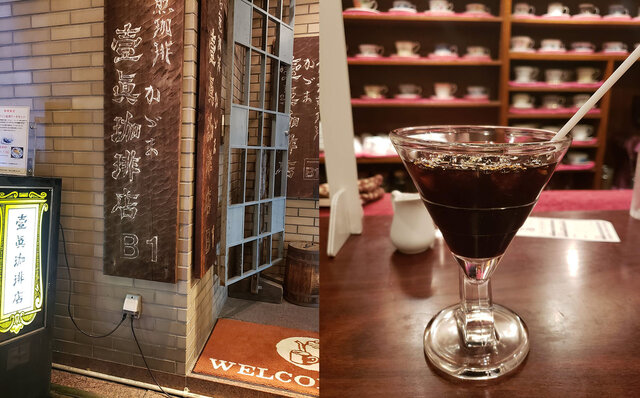
Kajimaya Coffee
① I want to rest my mind with a delicious coffee in a quiet place. In such cases, there are places like the counter seats at "Toujours Débuté" in Gotanda, "Lejyu Grenier" in Omotesando, "Hakuratsushiru" in Jinbocho, "Kajimaya Coffee," and "Ancien d'Anglais" in Jiyugaoka, which are proper kissaten. I tend to linger, though.
② I want to eat a meal while watching horse racing. For horse racing broadcasts, places like "Blondy" and "Pegasus" in Asakusa, or "Momoyama" in Kinshicho, and generally any kissaten near a WINS (off-track betting facility) will be showing the races.
③ I want to eat delicious Neapolitan spaghetti or a parfait.
④ I want to get some work done during a short break.
In any case, if I don't know which places exist and what they offer, I'll end up searching on my phone and wandering around. To avoid that, I've mapped out the shops in the areas I frequent in my mind, along with their characteristics. From those, I'd like to introduce a few recommendations.
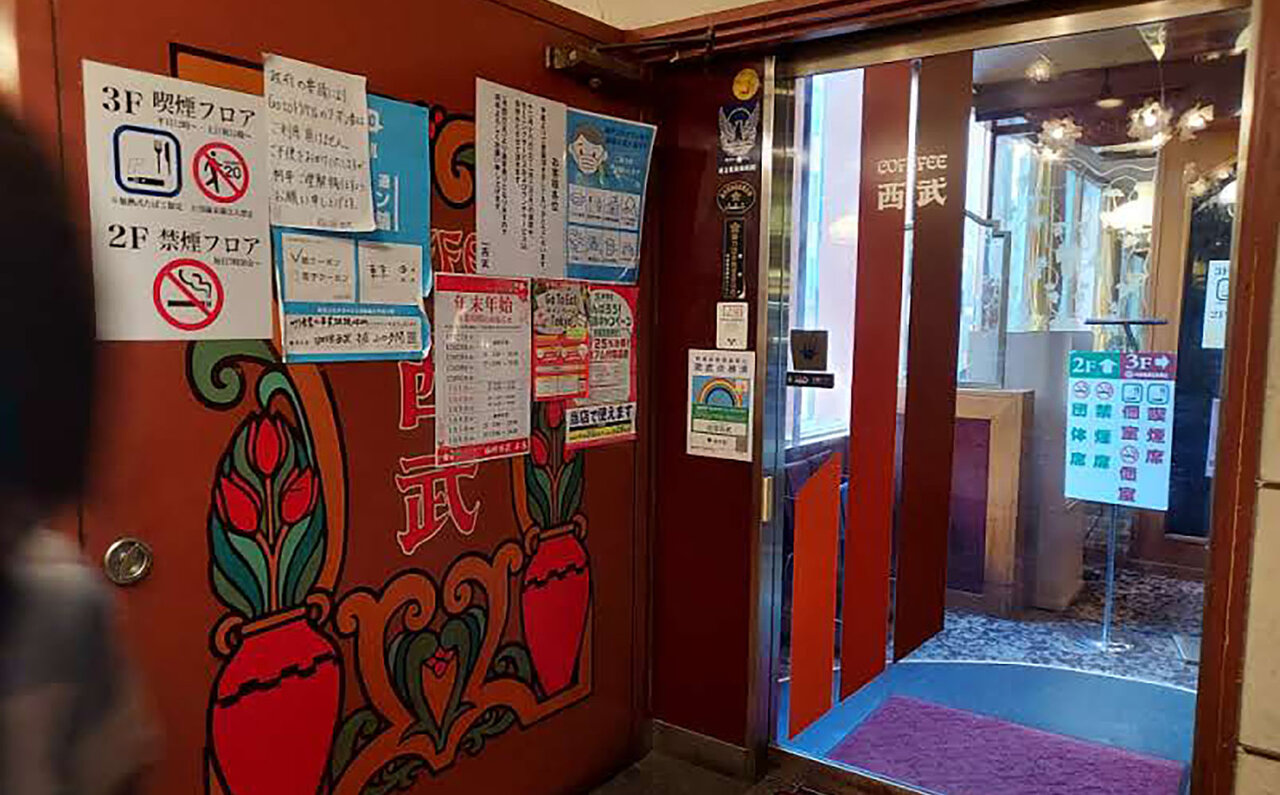
1. Coffee Seibu, 2F Nishishinjuku Metro Bldg., 7-9-16 Nishishinjuku, Shinjuku-ku, Tokyo
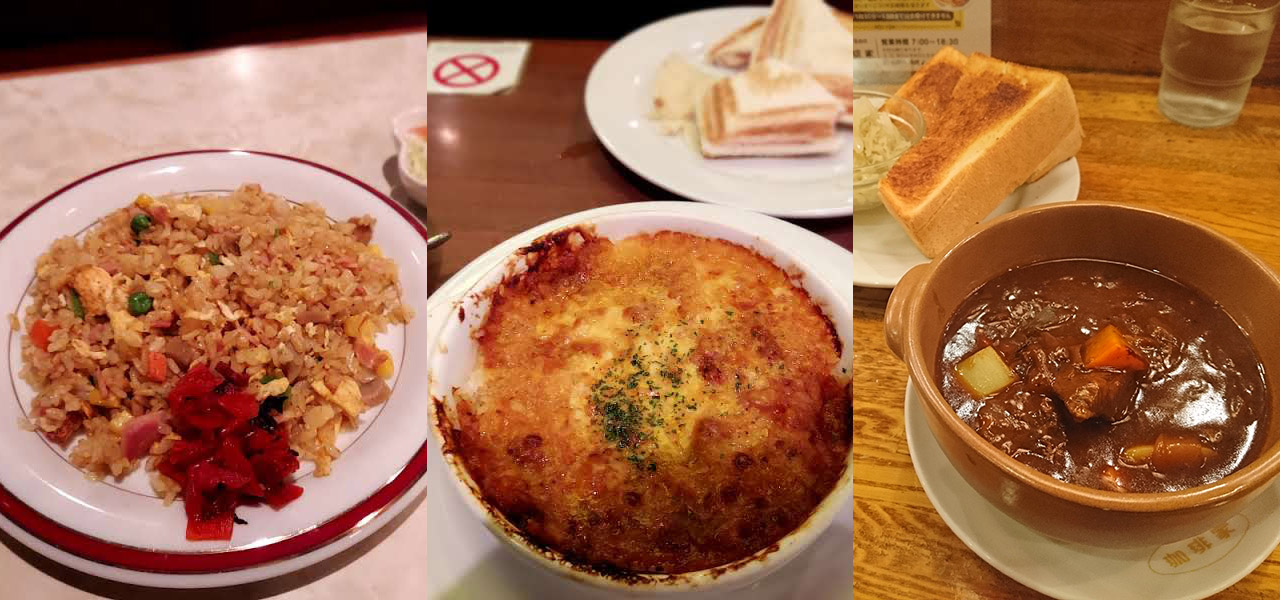
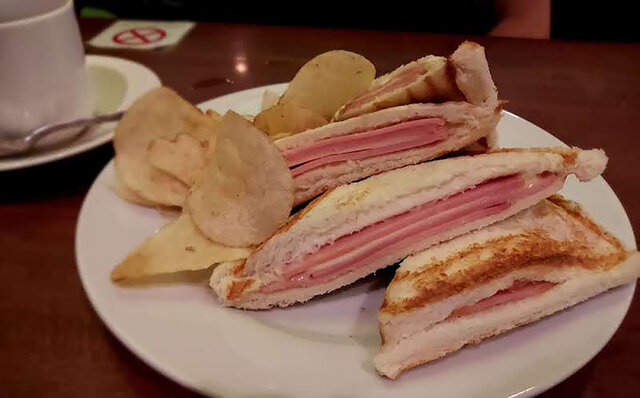
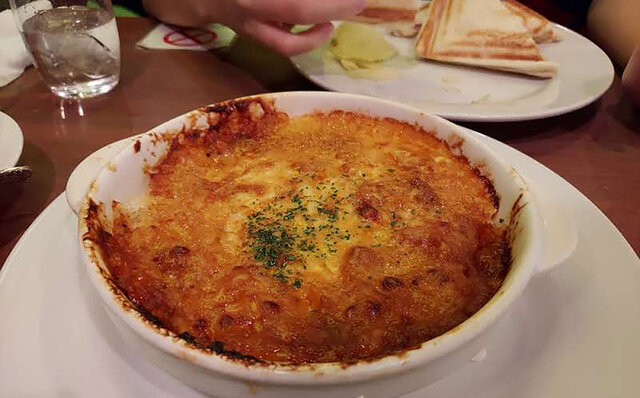
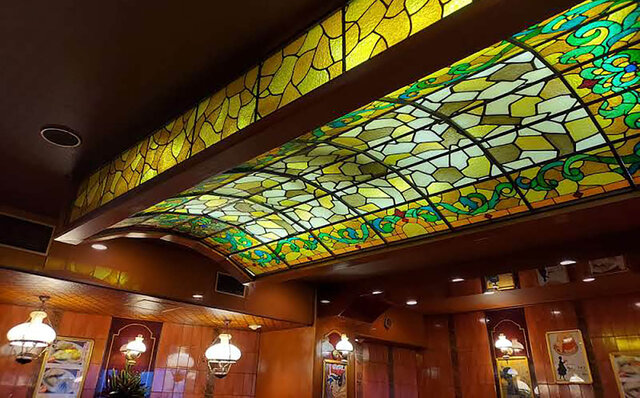
Located in both the East and West Shinjuku areas, this place is apparently famous for its parfaits. Nearly all seats are equipped with power outlets, and the tables are spacious. I haven't tried the parfaits, but they also offer meals like sandwiches, dorias, and pilafs for when you're a bit peckish, and they have newspapers. Given the location, you might overhear conversations about the adult entertainment industry or sugar daddy arrangements, but it's also a good way to broaden your horizons by learning about unfamiliar worlds. Incidentally, the West Exit branch is less crowded and recommended, and despite its appearance, it surprisingly opened in 2019.
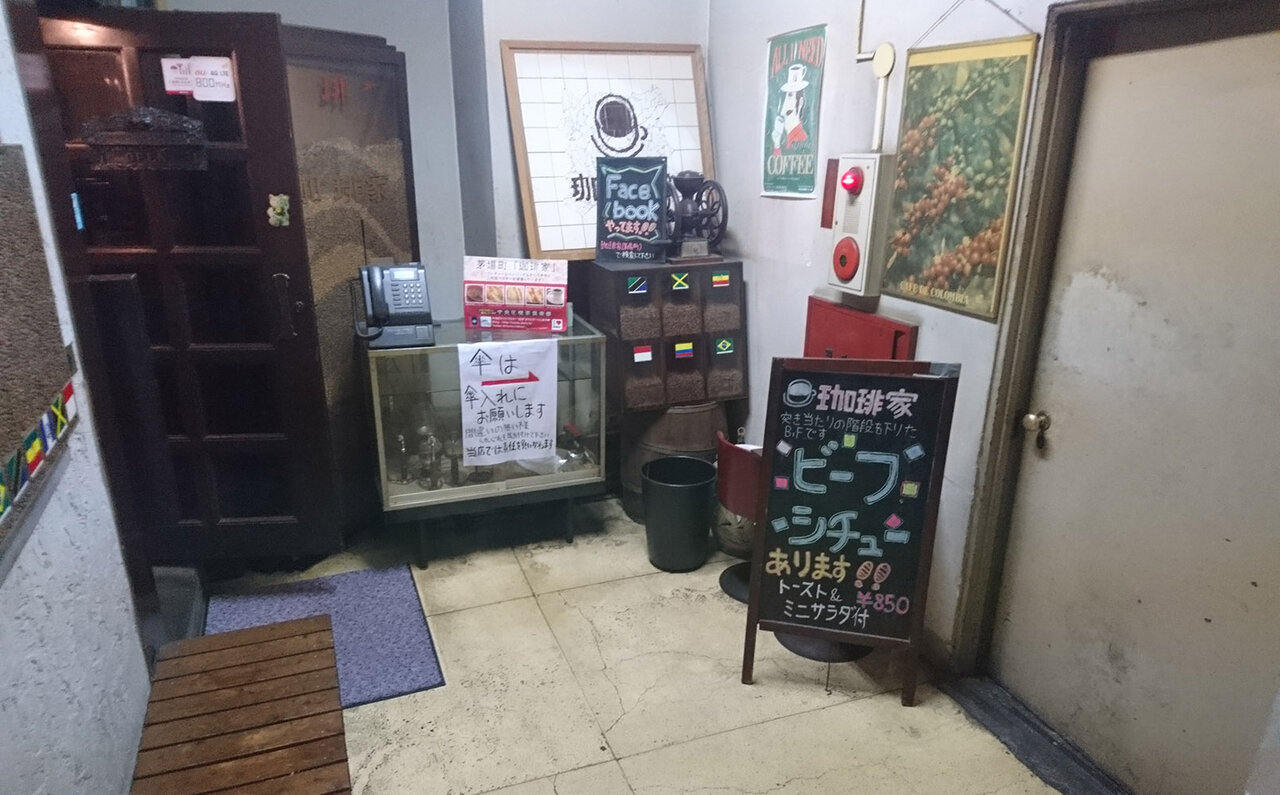
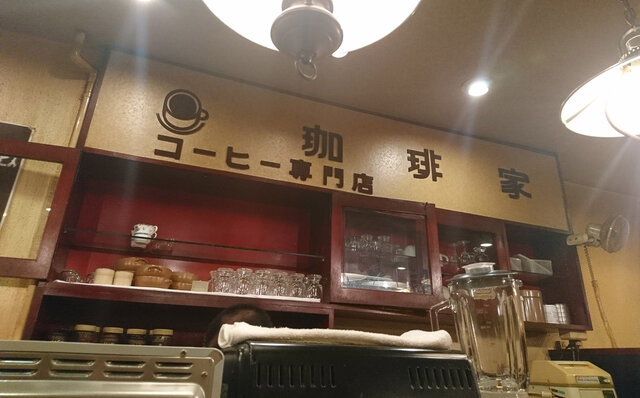
2. Coffee-ya, Keisho Bldg. B1F, 1-6-2 Kayabacho, Chuo-ku, Tokyo
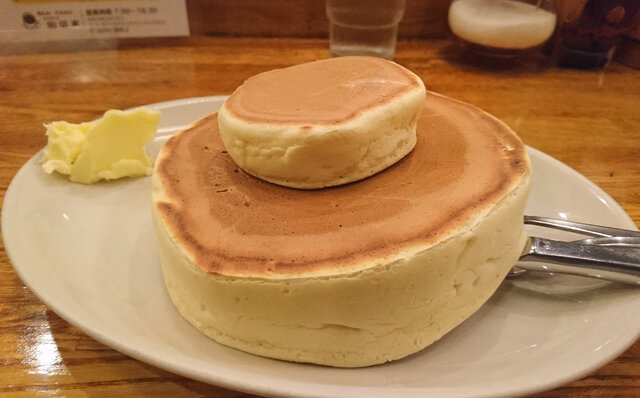
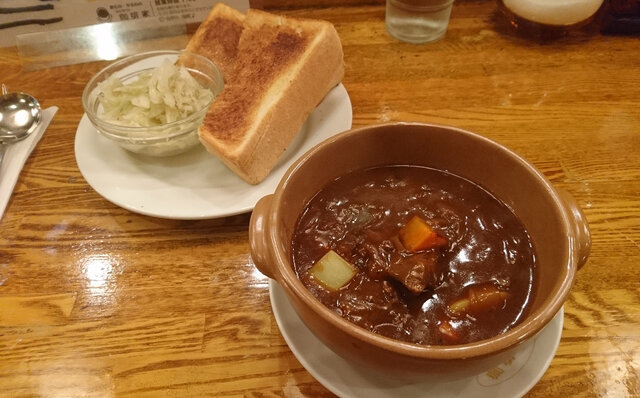
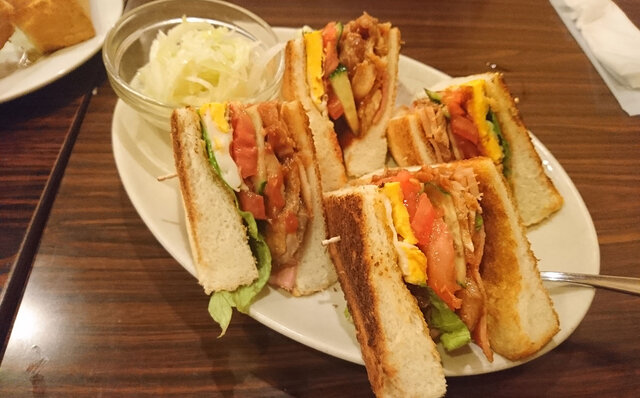
The reason I found this place was because I was craving hotcakes. The hotcakes, kneaded and grilled after ordering, are simple, honest, and satisfying – the kind that make you nod and say, "This is it." I don't get to go often because of the area, but I stop by when I'm in the Nihonbashi vicinity. The beef stew and sandwiches, prepared with care, are also exceptionally delicious, making it a good place for a meal, or simply a quiet spot for a break. I haven't been in a while and I'm starting to feel like going again.
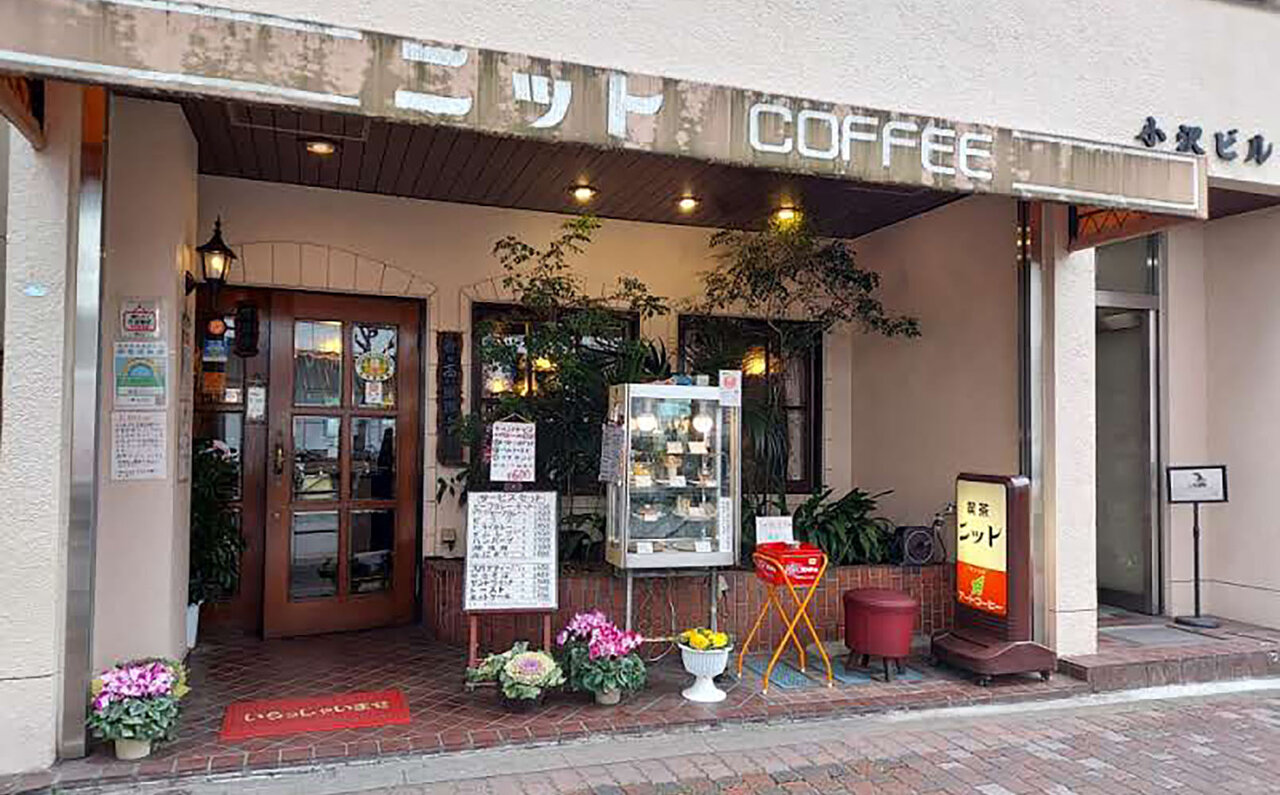
3. Knit, Kozawa Bldg. 1F, 4-26-12 Koto-bashi, Sumida-ku, Tokyo
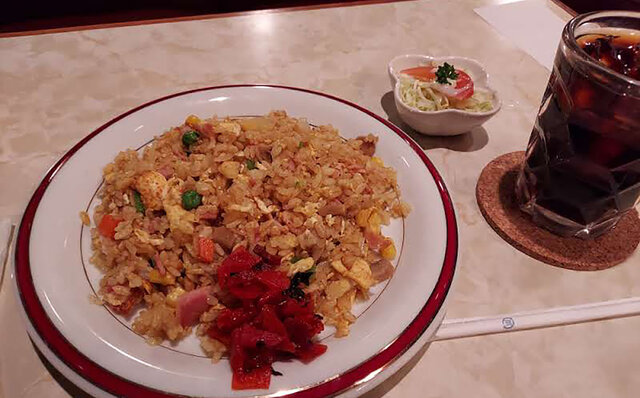
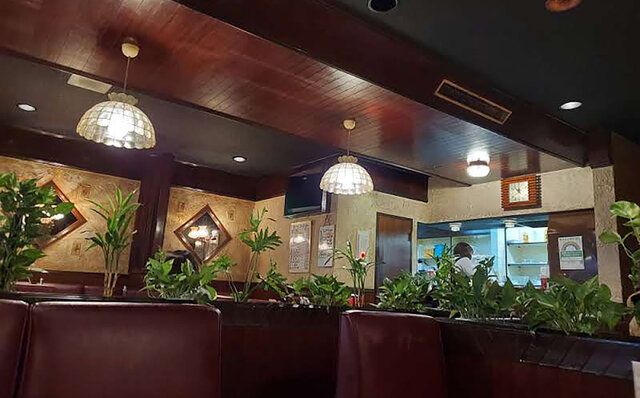
Given the area, I suspect they might accommodate horse racing broadcasts on weekends, but I've only been on weekdays. It's a long-established shop, over fifty years old, located at the entrance to the Kinshicho Kadanzai district. The exterior shows its age. The wine-red chairs, partitioned plants, and soft lighting create a Showa-era ambiance while maintaining a sense of cleanliness – it's quite pleasant. It seems to be a popular filming location for dramas and movies. They're also known for their pancakes (though I haven't tried them), and offer parfaits and puddings. It apparently gets crowded on weekends with people coming for those items. Furthermore, the weekday lunch menu is impressive, featuring Neapolitan spaghetti, dry curry, and grilled meat set meals.
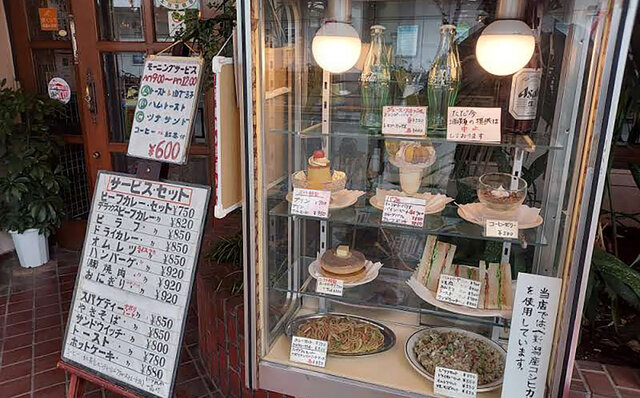
Delicious coffee, meals, a place to relax, and even work. A space with a fulfilling menu, affordable and casual, yet different from family restaurants because it's not the kind of place you'd go for a boisterous family outing. It's also different from a cafe, sometimes offering TV broadcasts. The hallmark of a Showa-era retro kissaten is its condensed spatial composition—from the exterior and interior design, furniture, lighting, and BGM to the hospitality and the founder's original dedication—that caters to any purpose or desire, making the fleeting moments spent there feel sublime.
IJICHI Yasutake Born in Tokyo in 1982. While at Keio University, he was involved in planning and producing receptions and parties for major brands at an event company. After transferring to a PR firm, he worked as a planner and retired at age 30. With a friend from junior high school, he co-founded "Sunshine Juice," Japan's first cold-pressed juice specialty store, and served as Vice President until September 2020. He currently supports corporate communication and branding for clients across various industries while continuing his urban explorations. His favorite foods are fugu (pufferfish) and suppon (soft-shelled turtle). His favorite sports are baseball and horse racing. His favorite places are pure kissaten and traditional izakayas. Instagram:ijichiman