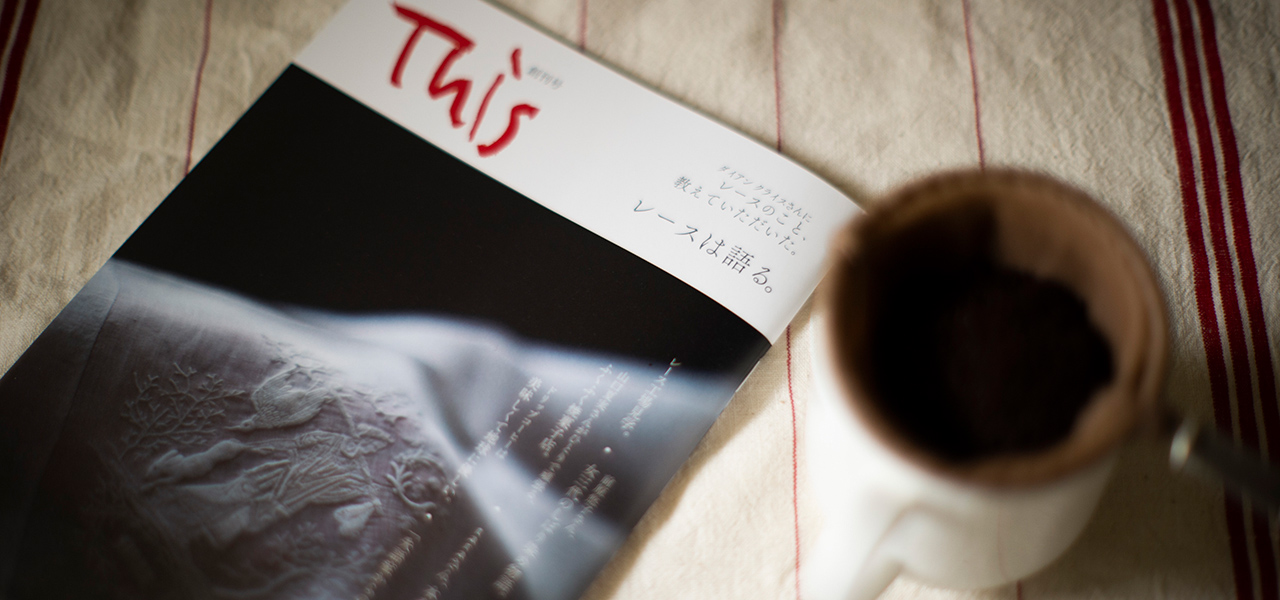
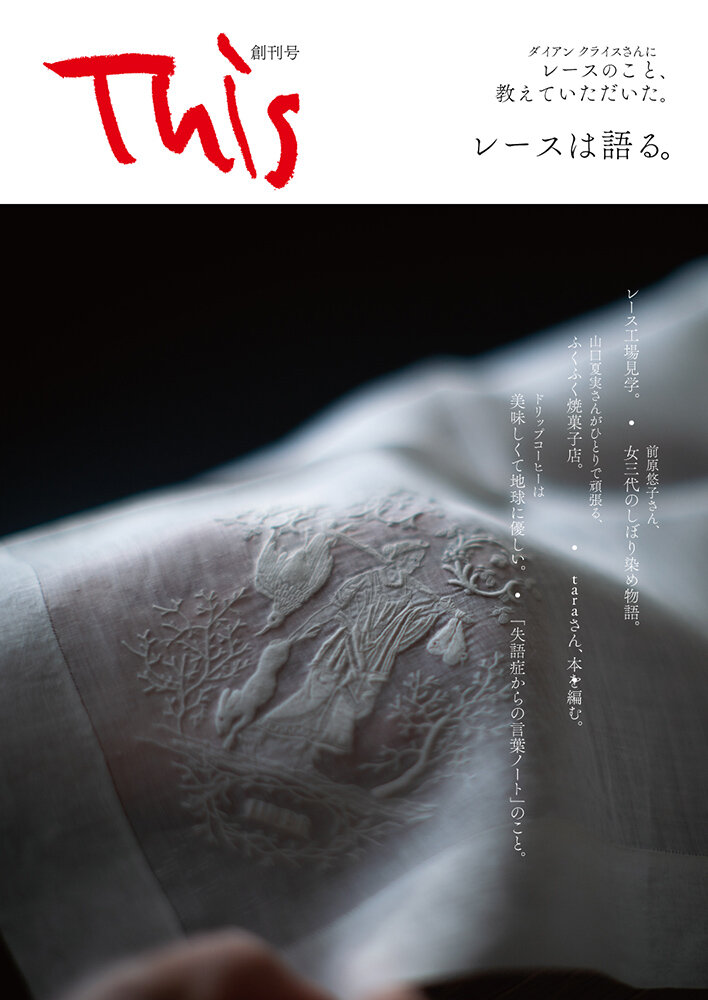
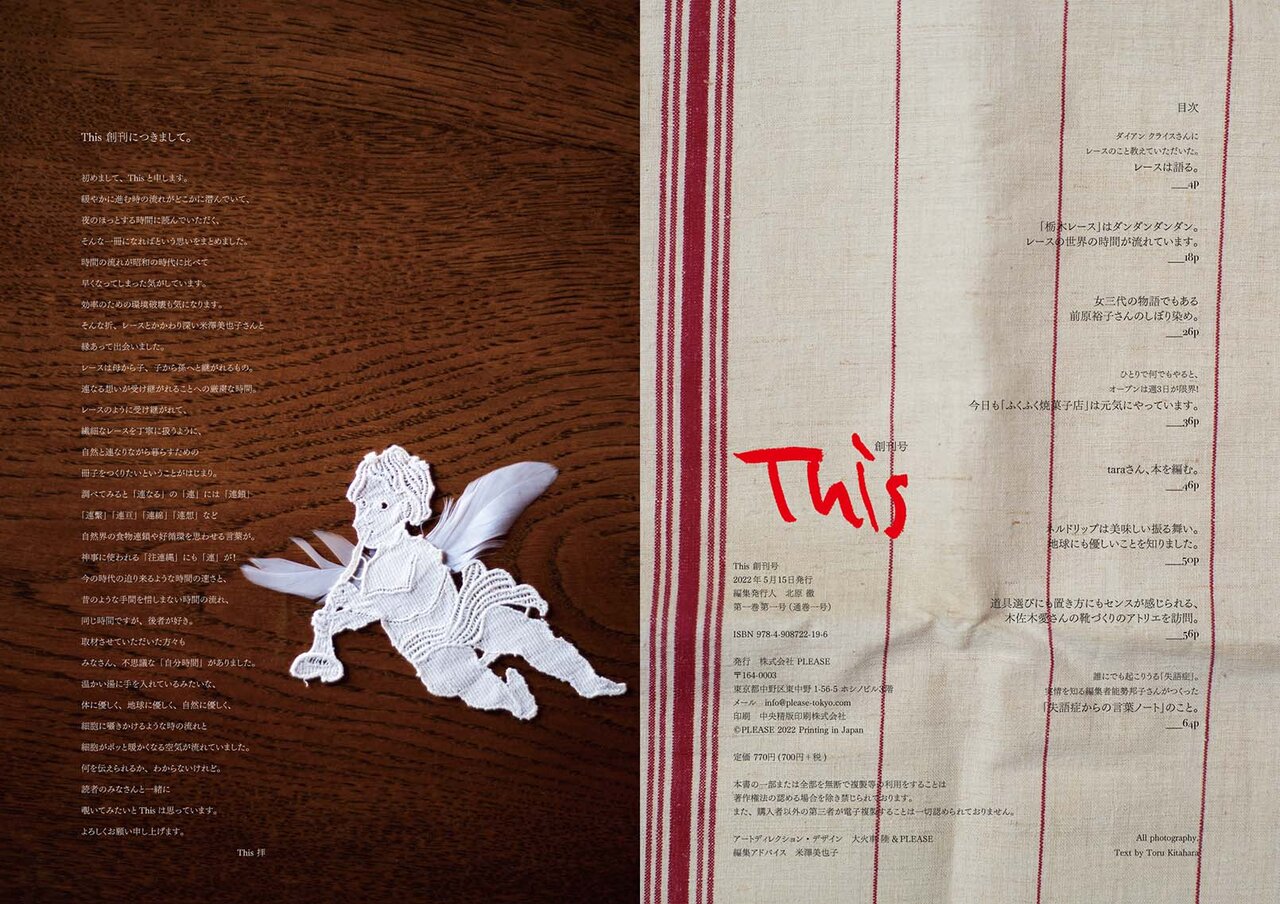
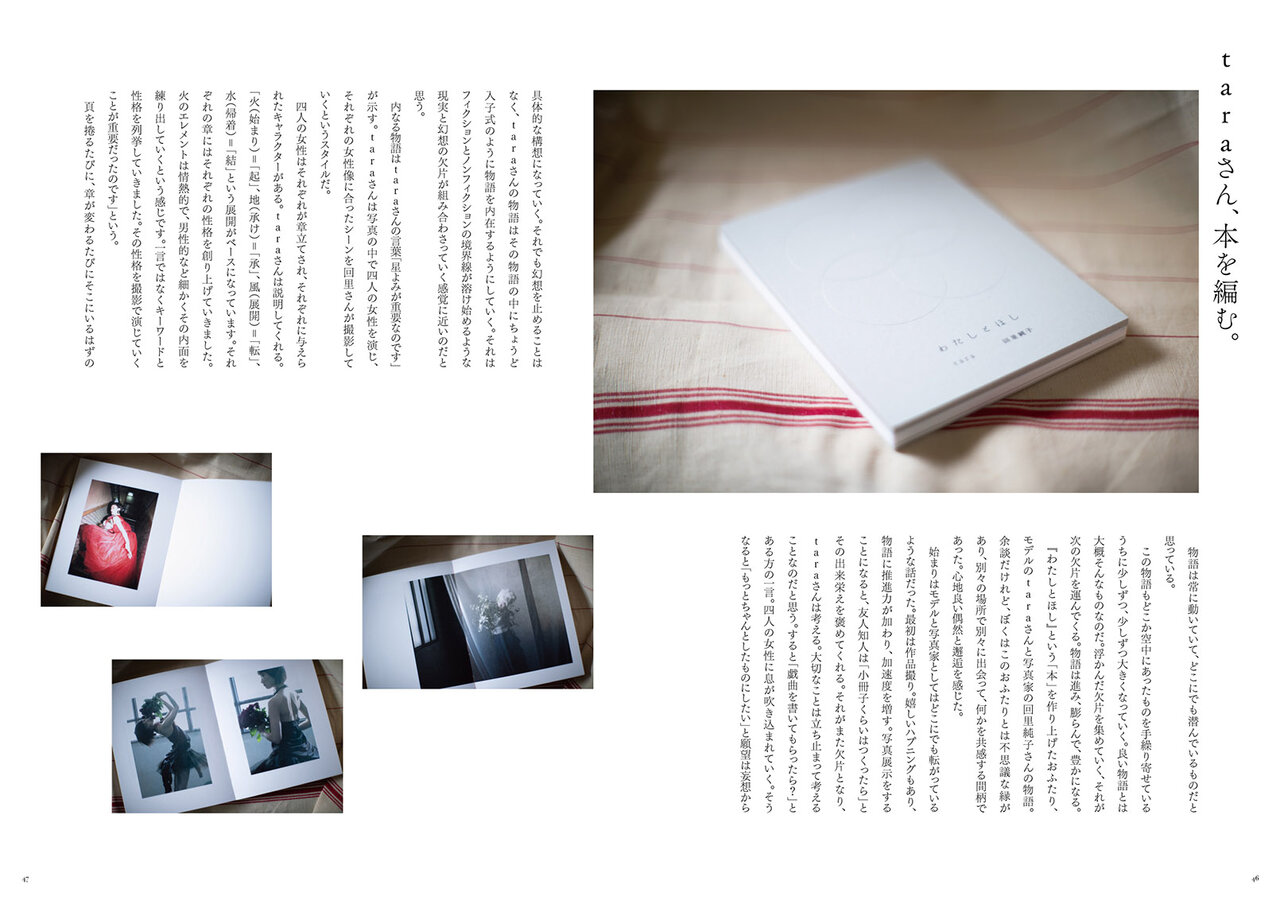
The new magazine "This" has launched! It began with a desire to propose a more considered way of life. The editor-in-chief interviews the editor-in-chief!|LOUNGE
This
The new magazine "This" offers a modern, impactful approach, standing apart from conventional marketing. Its intriguing concept, aiming for "small but useful things," begs the question: will it resonate? Toru Kitahara, who launched the fashion magazine "PLEASE," interviews himself as the editor-in-chief of the distinctly different magazine "This."
Text & Photo by Toru KITAHARA
Toru Kitahara (hereinafter "Kit")Congratulations on the launch of the new magazine "This"!
"This" Editor-in-Chief (hereinafter "This")Thank you! Being interviewed by myself feels both embarrassing and a bit self-indulgent, doesn't it?
KitPerhaps not self-indulgent, but rather "aesthetically excessive"? (laughs)
ThisIt reminds me of when my respected, admired former boss, about 30 years ago, told me, "You're aesthetically excessive." It's quite profound. I wish that editor-in-chief could have seen "This." It brings a very poignant feeling.
KitIn that sense, the "scent" of my former company is all over it.
ThisIt's ingrained, impossible to remove. It's the origin of my magazine, my goal, my experience... it's practically my philosophy and esprit. Speaking of which, the editor-in-chief I admired also often used the word "esprit." It's a favorite word of mine.
KitOn the occasion of "This"'s launch, I'd like to inquire about that "esprit." Thank you for your cooperation.
ThisBelatedly, thank you as well. Where should I begin? Shall I start with the core of the esprit I held within me?
KitSo, straight to the core from the beginning?
ThisWell, it's a leisurely pace. Or rather, this "leisurely" pace might be the beginning of it all. When I was a company employee, the rapid pace of the times, the rough and reckless atmosphere, the word "time-saving" – it all felt like a very unpleasant air. Perhaps that's why, even back then, I vaguely thought about creating a magazine where one could pause and think slowly. There wasn't much concrete detail, but it sparked a kind of Zen-like questioning: What is richness?
KitThere are times when the idea of mental richness and prioritizing economics seem to run on parallel lines.
ThisExactly. Especially after entering the 2000s, it felt like money came first, or rather, discussions immediately turned to money. How much profit would it generate? In the publishing world, there was this strange auto-intoxication where people who had never created a bestseller would command, "Make a book that sells!" I also felt around that time that it was inconsiderate to readers when editors would cut paper quality to gain points. I think until the 1990s, there was still a sense that if you created a good book with time and money, it would eventually sell, but now that's almost nonexistent. I had this vague thought: could we do something about that now, in 2022?
KitIf we knew how to plan a bestseller, everyone would be a millionaire, wouldn't they?
ThisThat's right. Since we don't know what will sell, we explore. Looking at the world today, buying the names of successful brands might be the approach of large corporations, holding companies, or investors, but the reason those brands sold was precisely because they were created with care and investment. It's putting the cart before the horse: buying a company with a brand, then thinking, "Even if we make something good, buyers won't recognize the quality, so let's cut corners and prioritize profit!" But consumers aren't fools; they notice. A brand's success can hinge on a change of director. It's people, ultimately. The success or failure of sales also comes down to people, just like skimping on paper quality.
An approach to paper, precisely because it's now. Cherishing what matters, creating it with paper.
KitIn such a world, why paper?
ThisWhat? Isn't paper good? You can't make a magazine without paper, can you? By the way, our company motto is "With readers. With bookstores." I added that to a phrase that used to be in our former company's meeting room. So, seeing our magazine on bookstore shelves is a form of happiness. Of course, I'm aware of web magazines, and I even participate in them; this very article is for a web magazine. Still, paper is good. Or rather, I like it. I believe that the existence of digital also allows analog to thrive. In the past, paper was called "two-dimensional," but with the advent of digital, the act of "turning a page" itself has come to be perceived as three-dimensional. Even if I can't create a pop-up book, it feels like it pops out emotionally! (laughs) Also, I want people to re-recognize the value of paper. Or perhaps, the idea that new value was found in old paper?
KitI think it's necessary to have a sense of reclaiming something we've forgotten somewhere. There's also the joy of buying a magazine and smelling the ink. In the past, magazines strongly conveyed the sense that editors had carefully selected the information, rather than just presenting raw data. Nowadays, perhaps due to budget constraints, it feels a bit superficial.
ThisThat's important. With "This," starting from the title logo, the photos, the writing, the interviews, the design – almost everything is done in-house, so I feel I just need to put in the effort. Of course, I can't do all the design myself, so I have help. Even so, I approach the photography during interviews with a designer's sensibility.
KitIncidentally, this approach of doing almost everything myself is the same for the fashion magazine "PLEASE" that I'm also working on. I find that approach interesting, and it was inspired by the magazine "Arne" and the incredible editing style of Ayumi Ohashi! That's the basic creative approach I emulated for "PLEASE."
ThisThe fact that Ohashi-san created it largely on her own has significantly influenced "This." In fact, "Arne" is my goal. The style of interviewing and photographing things that catch my eye around me, and then writing about them, is something I can only deeply respect. To me, she's a legend! I love her work. She even featured me on her Instagram.
KitHaving listened this far, we finally get to the details. With the initial concept of creating a magazine that fosters a leisurely, enriched feeling, how will "This" navigate its course?
ThisA magazine to read while relaxing leisurely at home. "Relaxing" is such a wonderful word! I think a magazine that people can casually pick up while relaxing is fine. I really love the phrase from Raymond Carver's short story "A Small, Good Thing," translated by Haruki Murakami. It might not be something grand or immediately useful, but leisurely... Is it okay to say that? I wonder if this is enough! But I believe that living thoughtfully is precisely that. Rather than immediate utility, tidying up daily is important, or wiping things with a cloth when they get a little dirty, or doing small things for your health, or sorting your trash properly. If you do these seemingly trivial things in your daily life, you might eventually realize their usefulness, or you might not. And that's okay.
KitYou also say, "What's good for me is good for the planet," right?
Doing even a little good for the next person. It could be for the next generation, or for yourself.
ThisYou know, I love doing the dishes. Washing dishes and tidying up the kitchen.
KitDoes washing dishes relate to making a magazine?
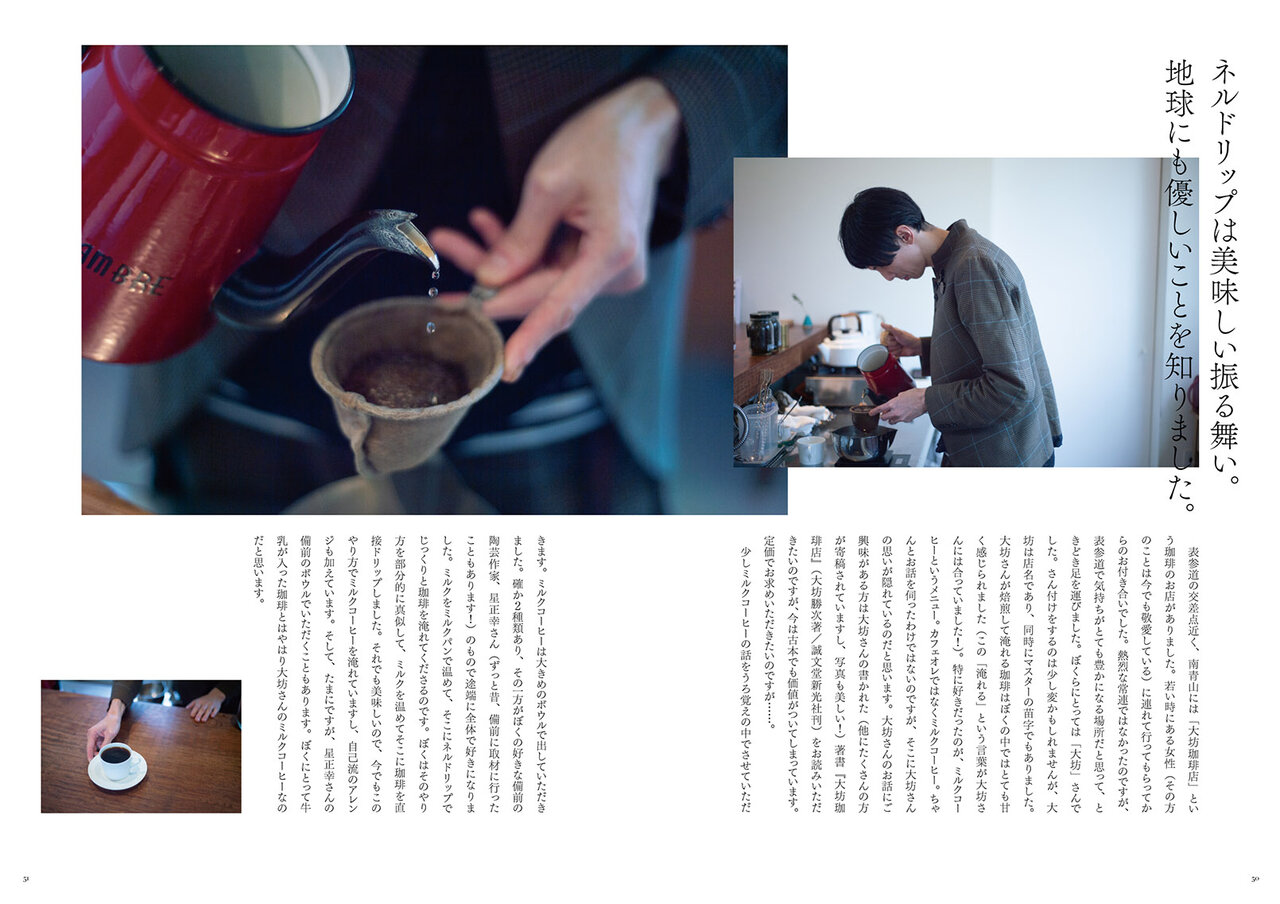
ThisNot directly, but I feel it connects philosophically. For instance, I think it's better to have a tidy kitchen when making coffee. So, I often wash dishes before brewing coffee. You can rush through washing dishes, or use a dishwasher, which is fine, but ideally, I like to wash them by hand and have the drying rack neatly organized. So, before washing, I first edit.
ThisYes, edit. I categorize them. Items with less soiling like cups and mugs, flat plates, chopsticks and cutlery, deep items like bowls and small dishes, and then pots and pans. This makes them easier to wash, allows for aesthetically pleasing arrangement in the drying rack, and makes them easier to put away later.
KitI see. It sounds a bit stoic.
ThisIt does. I feel it helps with concentration. Then, finally, I wipe everything down with a cloth. This is done with the thought of the next person who might use the kitchen, perhaps family, or even myself. If I think about how I'd like to cook comfortably, then there's no harm in making it clean.
KitIs thinking about the next person the same as thinking about the planet?
ThisWell, isn't it? Humans are animals, after all. What's bad for us is inevitably damaging to the planet. I vaguely recall reading something like, "It's easy to eliminate cockroaches from the world, but if we did that, humans would disappear too." Conversely, what's bad for humans is also bad for cockroaches, and that likely applies to all plants and animals, and the Earth's environment itself. I'm not an expert, so I can't say with 100% certainty, but it feels right. To put it extremely, I don't think the Earth's environment can be restored. Perhaps it's the consequence of prioritizing economics. However, I believe we can delay it. What if we switched from using paper towels to handkerchiefs, or instead of using electricity with a vacuum cleaner, we swept with a broom and cleaned with a cloth? Aren't these small things that might help the planet? Plastic straws became an issue, and paper straws appeared, but I wondered if switching to paper was truly good for the planet. At that time, the necessity of straws themselves wasn't really discussed, but I personally hadn't used straws for a long time. This is a bit of a tangent, but in the second issue, I plan to write about soap, which fits the idea that what's good for my body is also good for the planet.
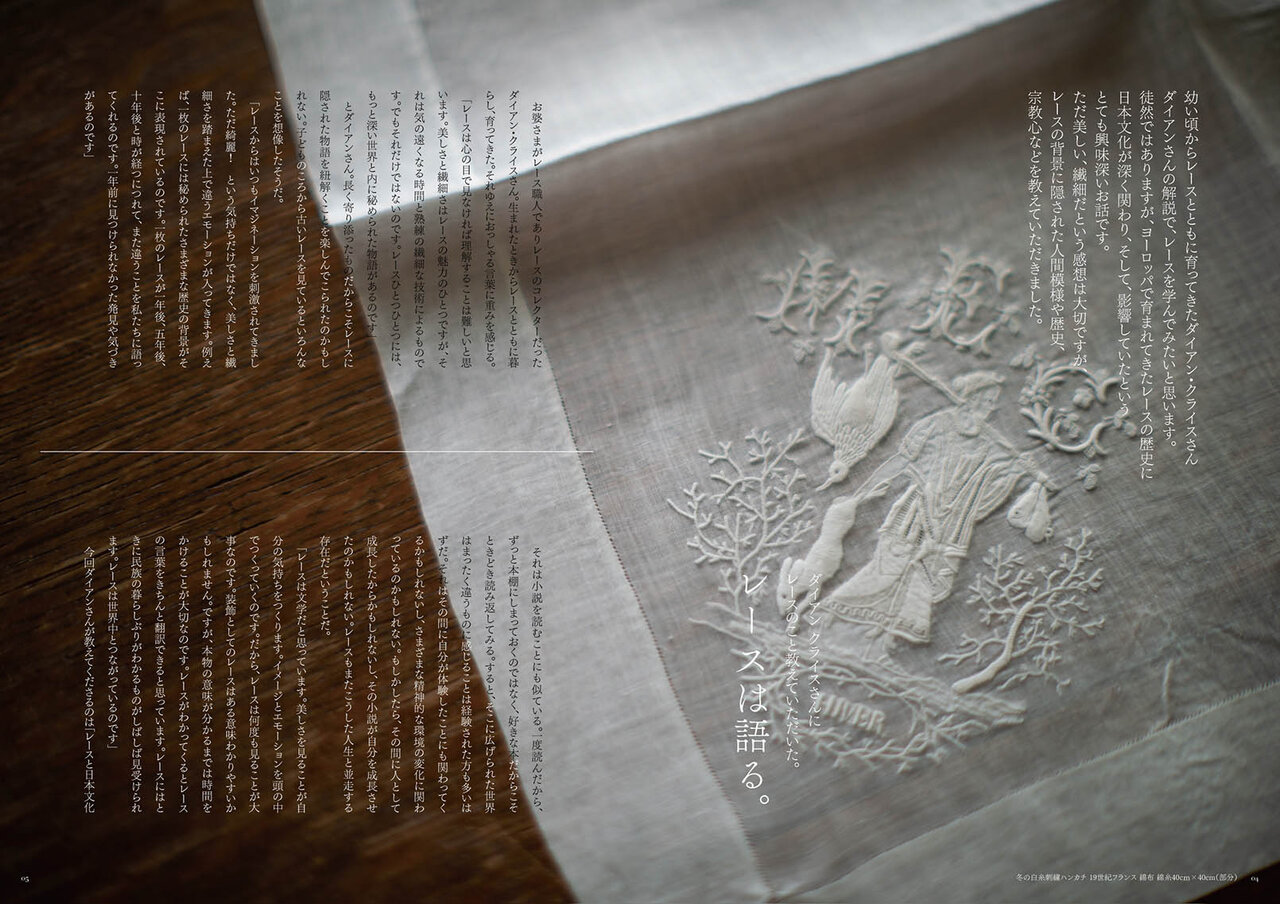
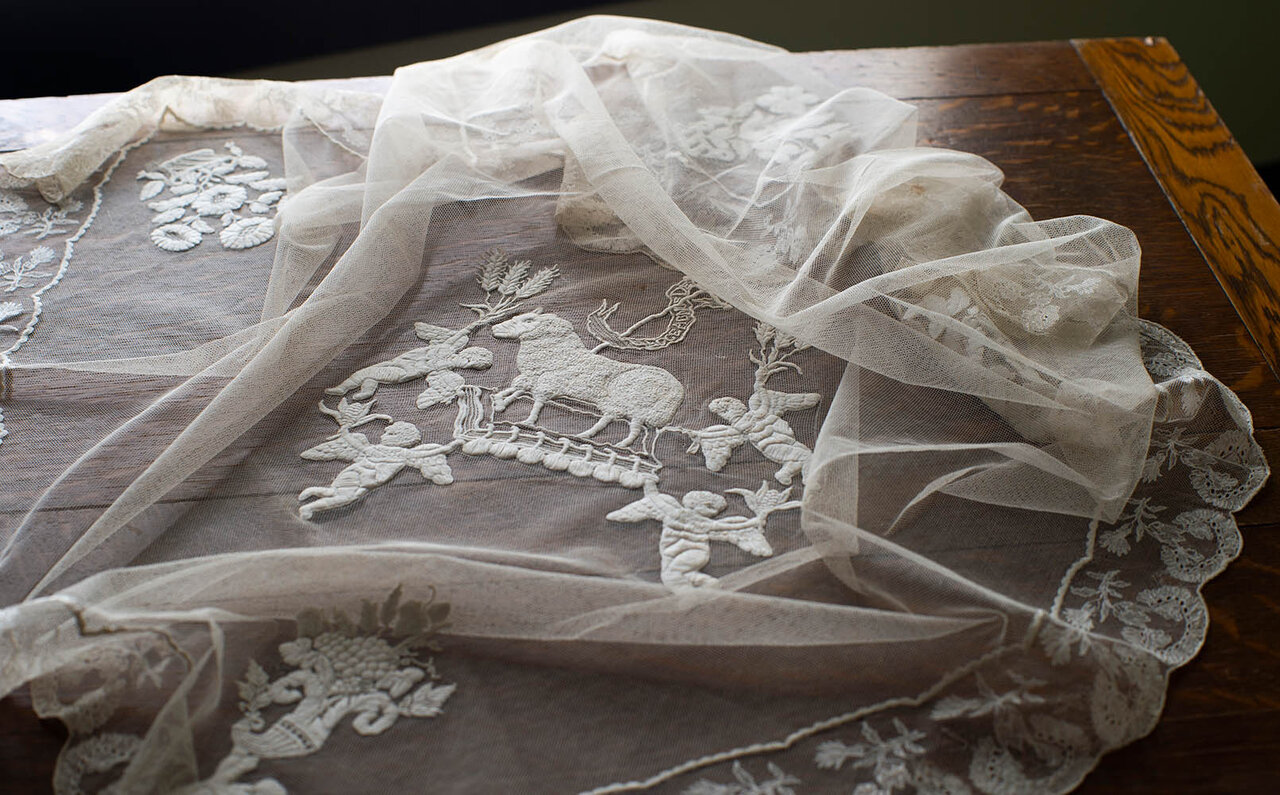
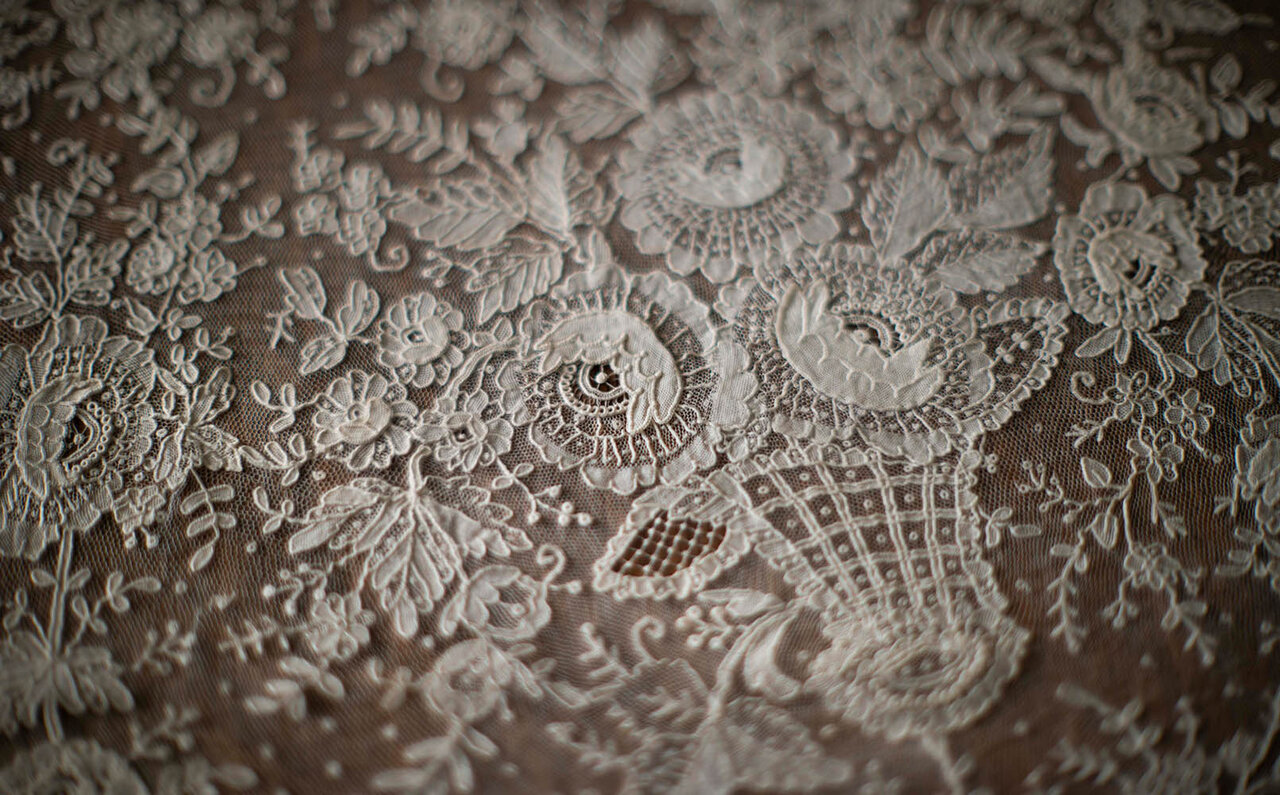
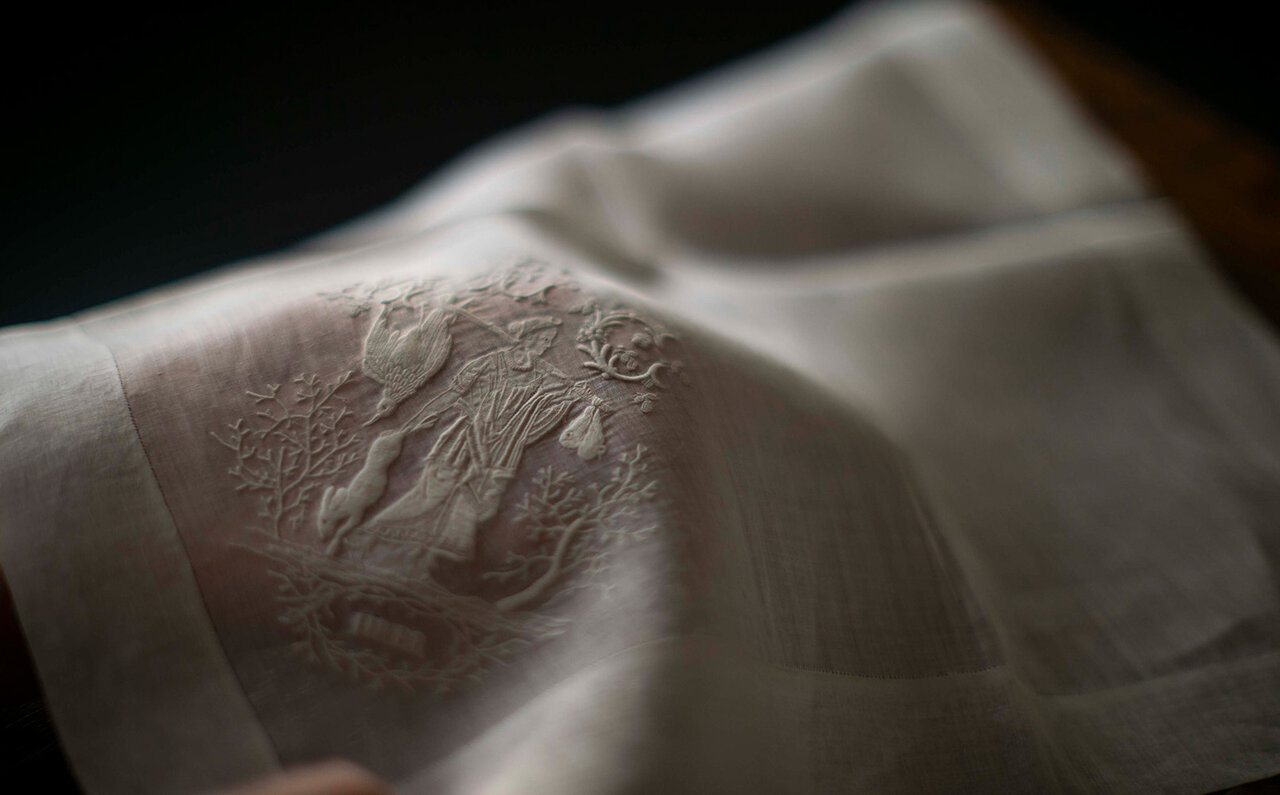
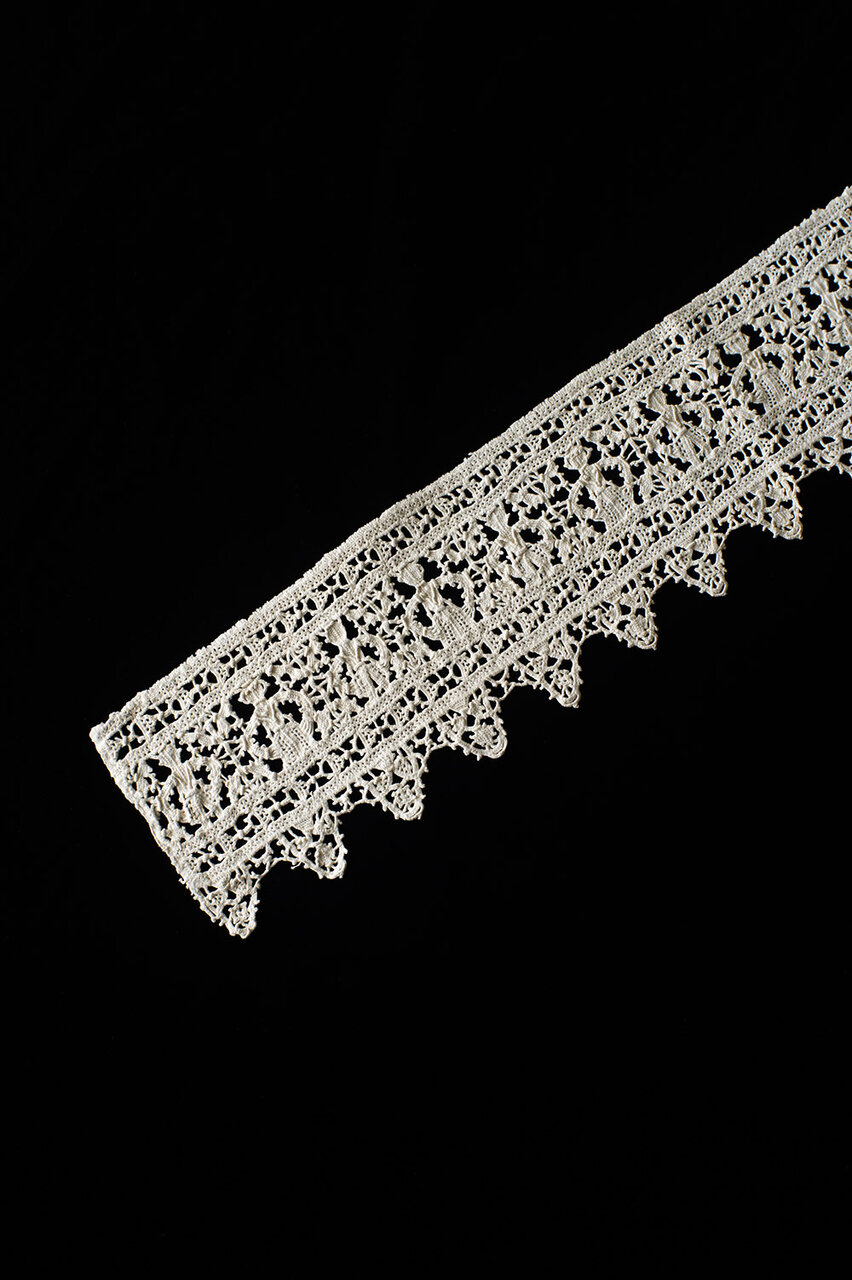
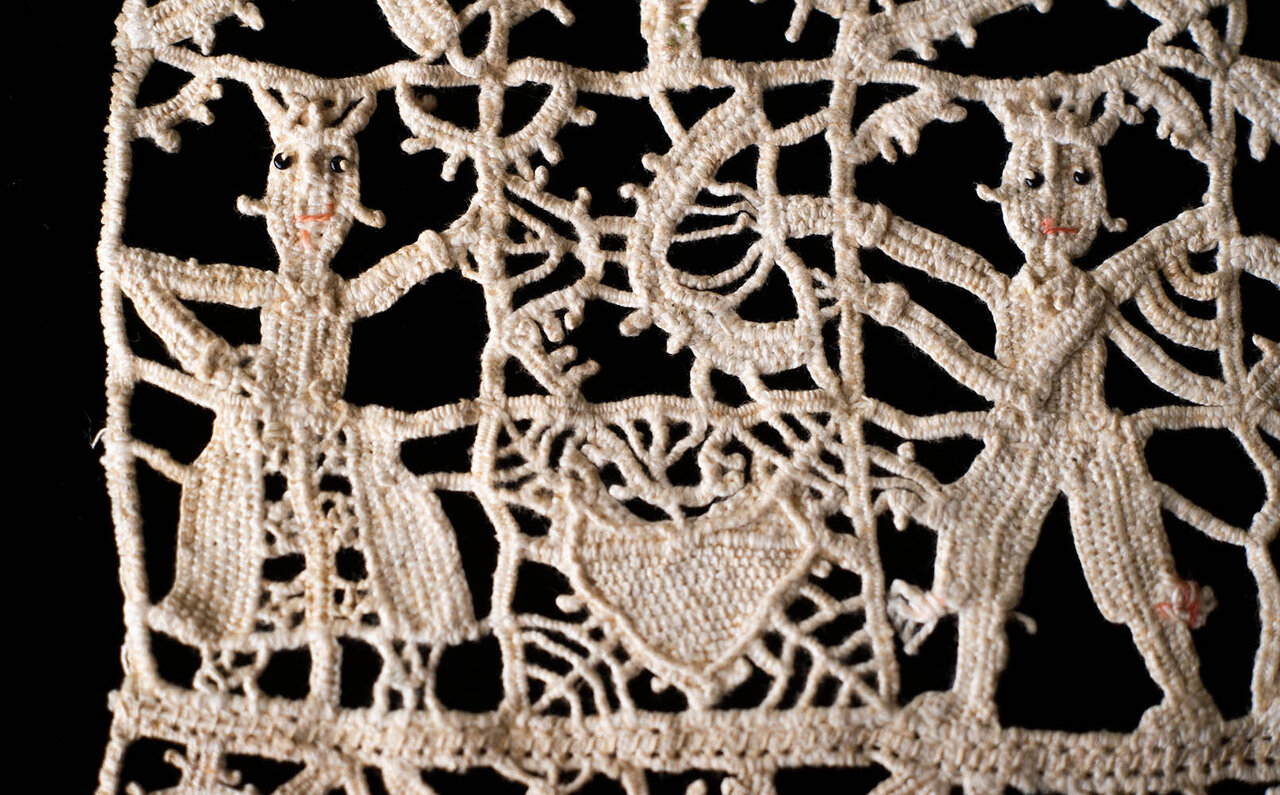
KitThe first issue also features a lecture on antique lace by Diane Reis, a leading collector of antique lace.
ThisActually, lace was the driving force behind the launch of "This." I met Miyako Yonezawa, who is deeply involved with lace, and she taught me about it. She told me that lace has traditionally been passed down "from parent to child, child to grandchild." I believe that cherishing good things means using them with care. That spirit perfectly matched the image of the magazine I had wanted to create. So, in consultation with Yonezawa-san, receiving her advice, and having her connect me with interview subjects, we developed it together. We initially planned to launch in February, but there were so many things that felt better to approach with care, leading to an unexpected extension of about three months. However, since I believe "leisurely" is good, it perfectly reflects the magazine's esprit, doesn't it? (laughs)
KitHahaha! I shouldn't laugh, but that's exactly what "This" is like. It doesn't feel haphazard, but how did you conduct the interviews?
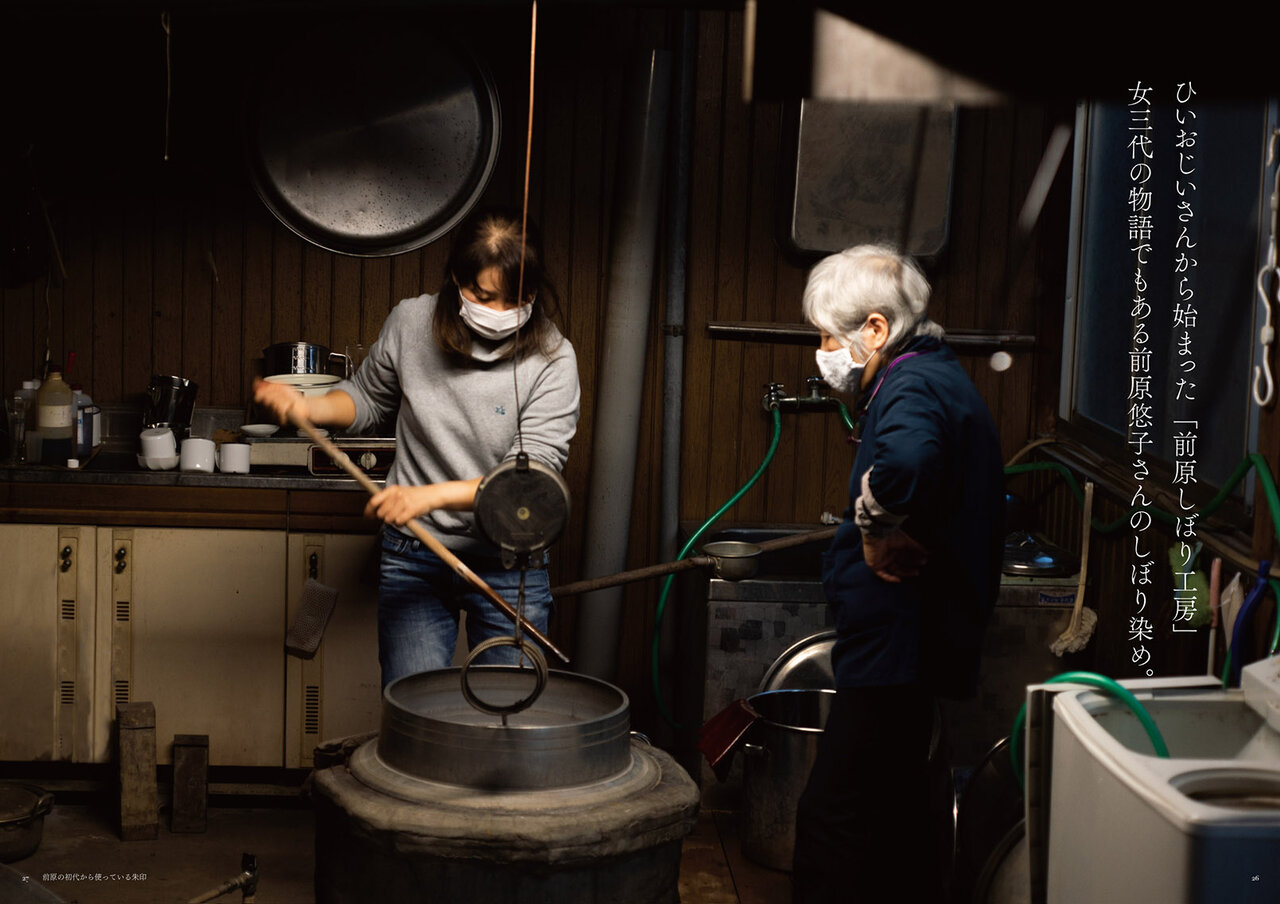
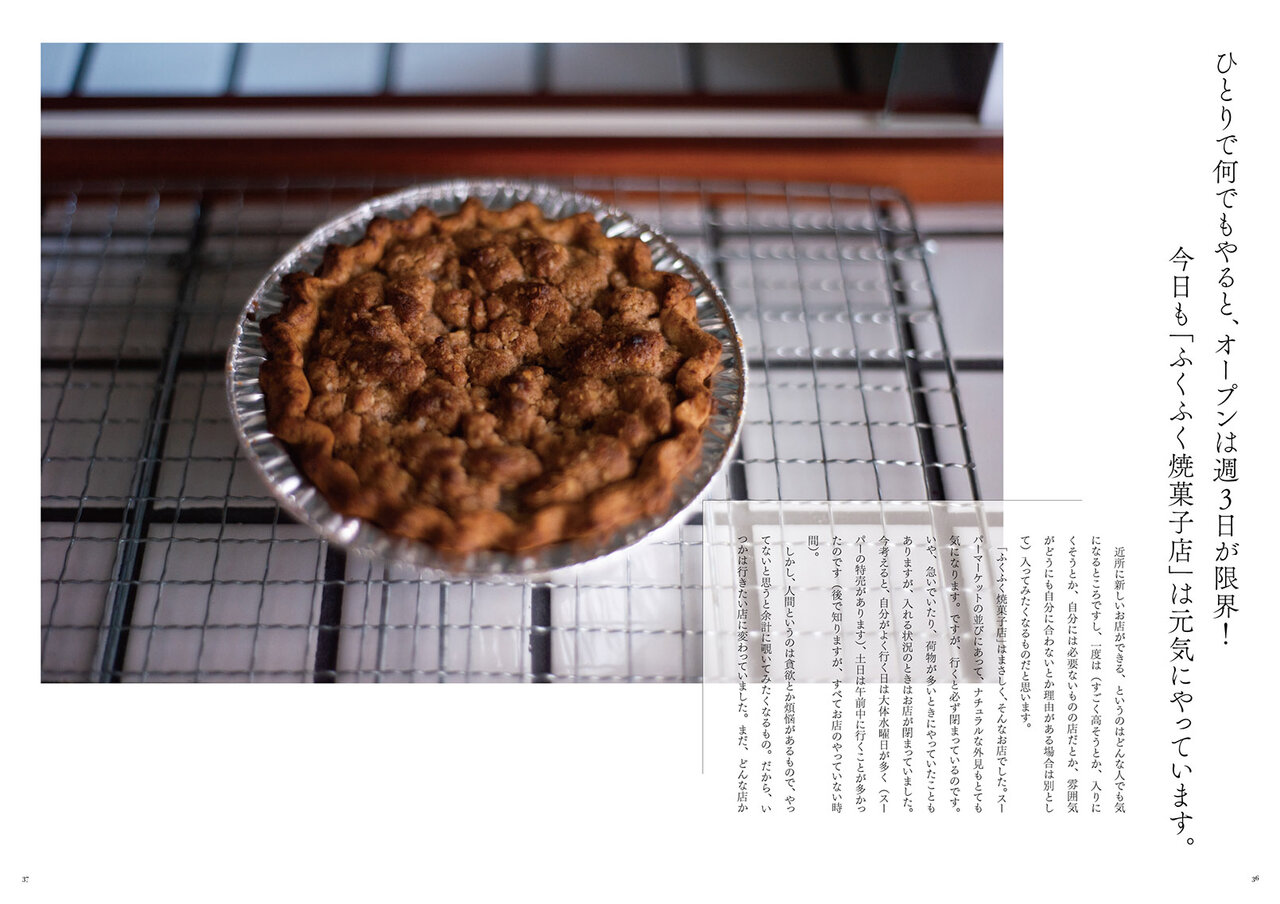
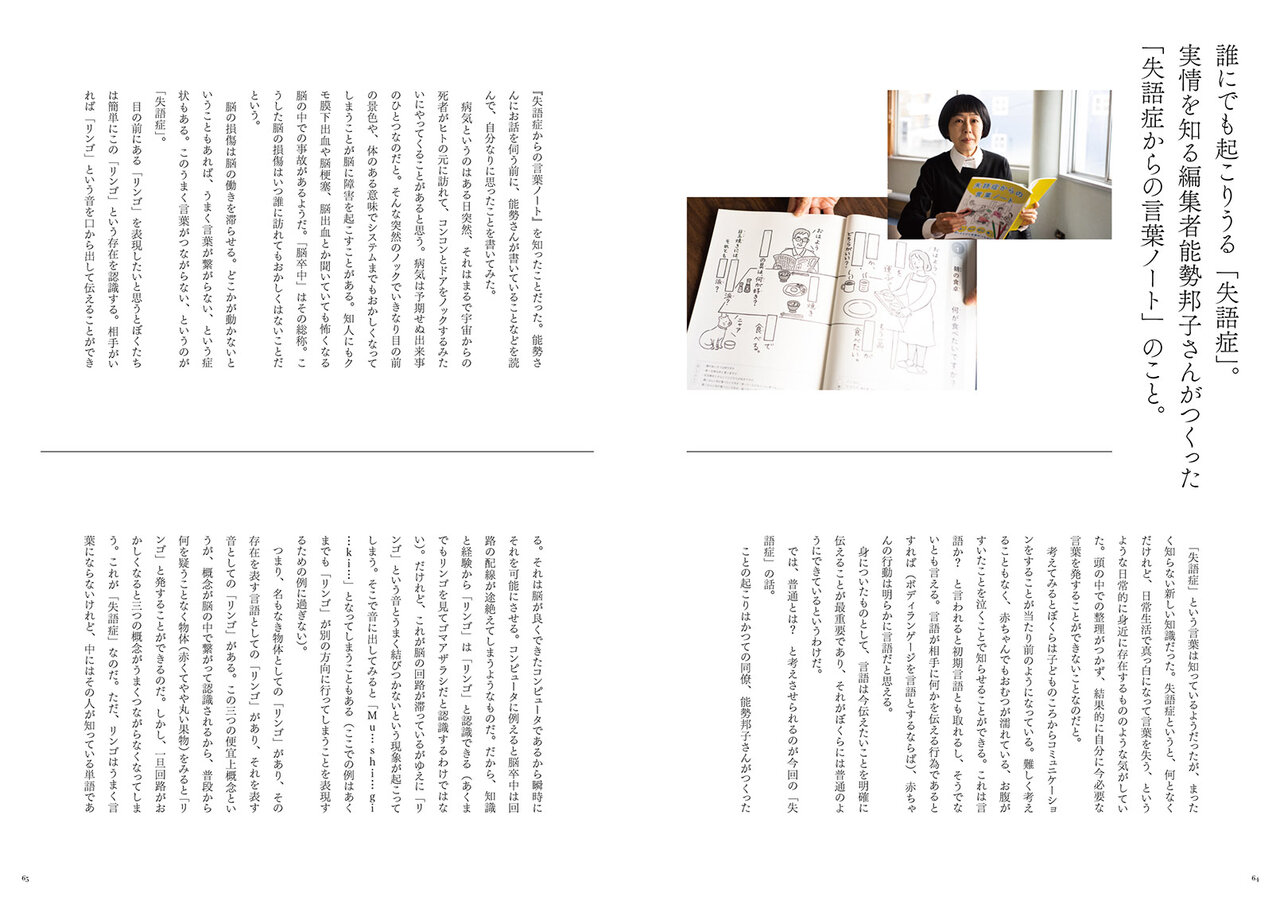
ThisHaving been in editing for many years, I pride myself on having a discerning eye even when interviewing people close to me. Yonezawa-san introduced me to Yuko Maehara, who practices Shibori dyeing, and when I met her, I discovered a story of three generations. Or the small bakery I pass by occasionally – I wondered why they were only open sometimes, and found there was a proper story behind it. Even when visiting a lace factory, I felt a genuine human spirit behind the delicate techniques. Theネルドリップ (nel-drip) method for coffee not only extracts flavor but is also economical compared to paper filters, thus being eco-friendly because it doesn't create waste. In other words, my enjoyment of coffee is good for the planet. I also interviewed a friend who is an editor and is caring for someone with aphasia; based on that experience, she created a notebook on how to aid recovery from aphasia. It's like peeking into "fragments of daily life" of each person. While I set out to create a magazine with esprit, I've also received esprit from many people.
KitListening to you, "This" deals with ordinary things, yet it feels somehow extraordinary.
ThisA while ago, I did a feature for another magazine called "The Extraordinary Ordinary" (laughs). But perhaps that's the most difficult thing. The extraordinary ordinary. Humans seem to seek freedom, but they also want to escape from it. Erich Fromm wrote about this in "Escape from Freedom." When I first read it in high school, I didn't quite understand it, but now I grasp it somewhat. To put it without fear of misunderstanding, most people get jobs as a result of escaping from freedom. Freedom is terrifying and requires immense energy. COMME des GARCONS had a T-shirt that said, "MY ENERGY comes from freedom and a rebellious spirit." I bought it immediately. Perhaps this is the extraordinary ordinary. Isn't it good that not running from freedom becomes energy? Speaking of which, most of the people I interviewed this time also seemed to be living in freedom.
KitI see. So, "This" is a magazine that seeks freedom! "This" means freedom!
ThisNo, no. It's not that cool. Freedom is something everyone inherently possesses. So, is "This" more about the immediate? Like, within a three-meter radius, a sense of one's own scale? You know the saying, "A person stands on half a tatami mat, sleeps on one." I truly believe wealth and poverty are unnecessary. It's more about wanting to know and appreciate what's close rather than what's far away. So, is it okay to conclude with "This" rather than "That"?
KitYou've left me in a bit of a haze, but I suppose that's "This." Thank you very much!
ThisThank you! Everyone, please support "This."
Magazine Title: "This"
- ISBN 978-4-908722-19-6
- Price | List Price ¥700 + tax
- Please inquire at bookstores nationwide. Also available at online bookstores such as Amazon.
- Inquiries | info@please-tokyo.com
- B5 Trim Size / Saddle-stitched
<Announcement>
To commemorate the launch of "This," a special launch fair featuring Diane Reis's antique lace collection will be held at Ginza Tsutaya Books on the 6th floor of GINZA SIX from May 15th to June 4th.
An Adorable Tale of Lace,
"This" Inaugural Issue Commemorative Fair
The new lifestyle magazine "This" has been launched.
"This," with lace as a central theme,
will explore thoughtful and cherished living, along with a sense of contentment, with its readers.
This fair will showcase a precious collection of antique lace from antique lace appraiser Diane Reis.
We also feature exquisite lace items from "THE LACE CENTER," highlighted in the magazine.
We hope you enjoy the delicate and cherished world of lace that will make your heart flutter just by gazing at it.
https://store.tsite.jp/ginza/event/magazine/26571-1051210511.html