Equally beautiful. The first installment.
To a world where all is valued equally. The lives of people and the life of our planet are equally precious. A new series begins with this principle.
The terms "SDGs" and "sustainability" are frequently discussed these days. The fashion world is also quick to adopt these concepts. Among them, we investigated biomass plastics, which have seen astonishing advancements!
One often feels that the fashion industry is highly attuned to trends. Perhaps this sensitivity is precisely what allows it to continuously create new ones.
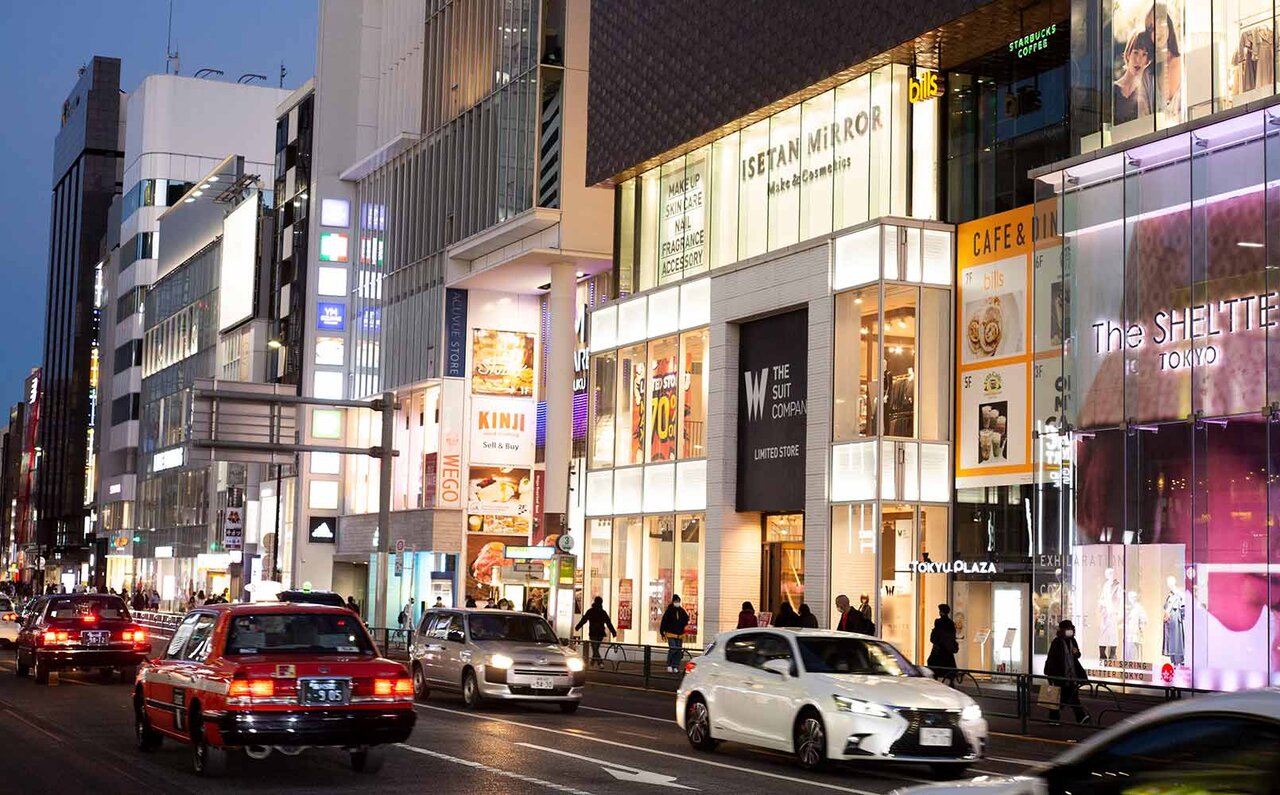
This is why, when I occasionally visit fashion brand exhibitions or stores, I am often struck by something new. I encounter novelties and experience fresh perspectives.
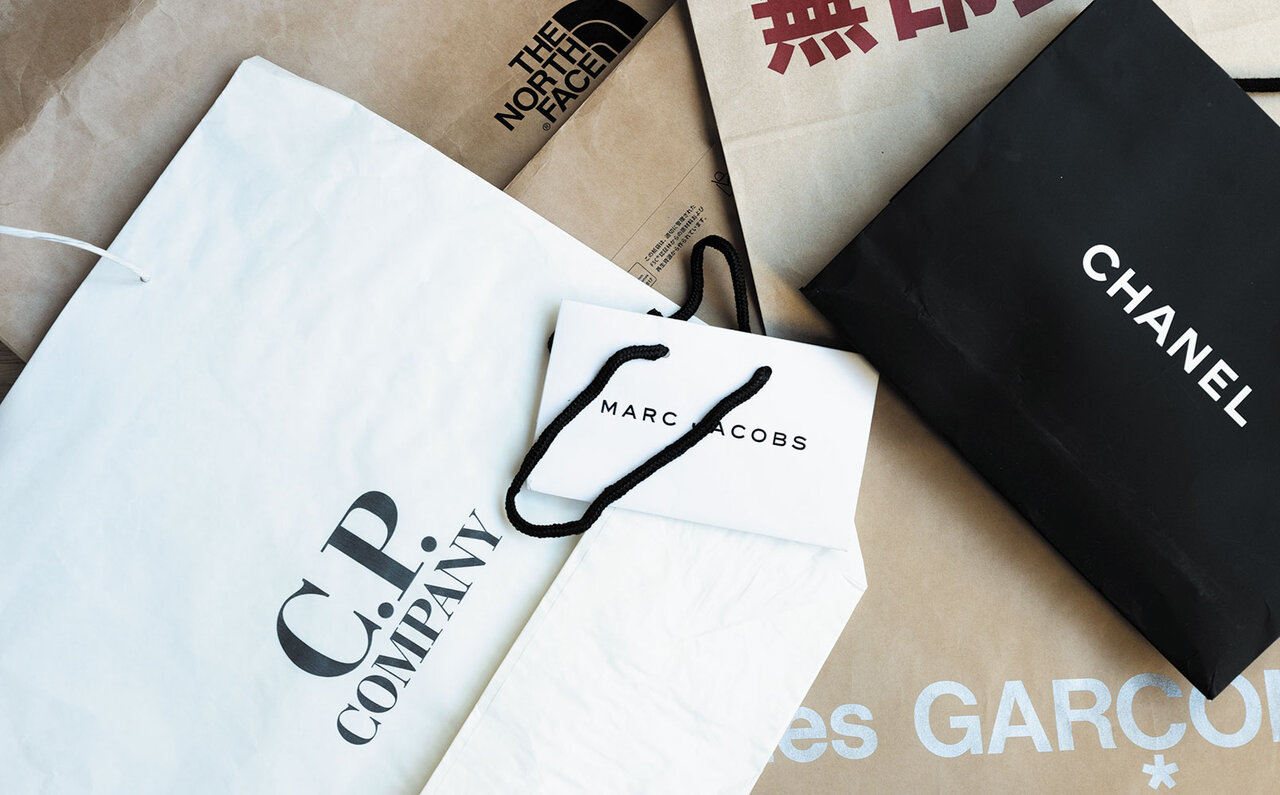
While seemingly distant from the glamorous trends on the main stage, a development very sensitive to the currents of our times recently caught my attention. It's the growing awareness of eco-friendliness in various forms, from shop bags and garment bags to transparent packaging for shirts.
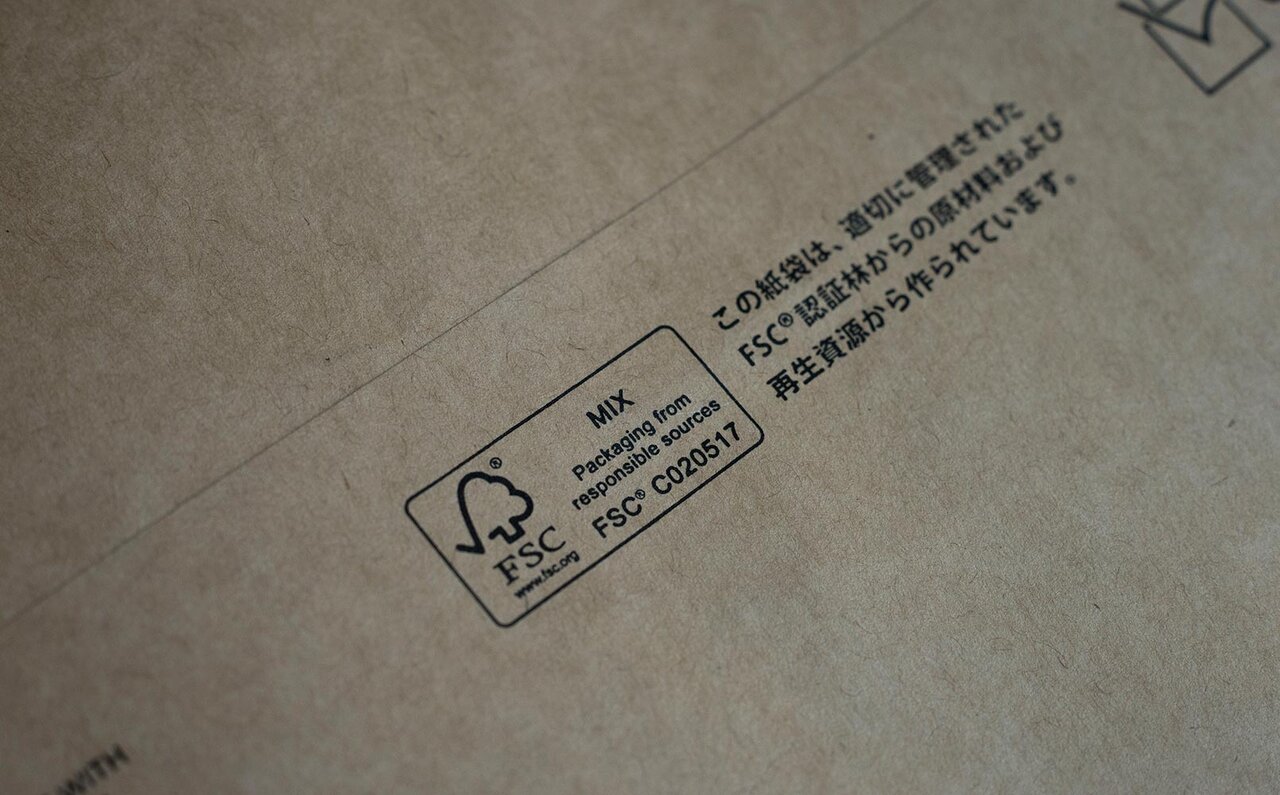
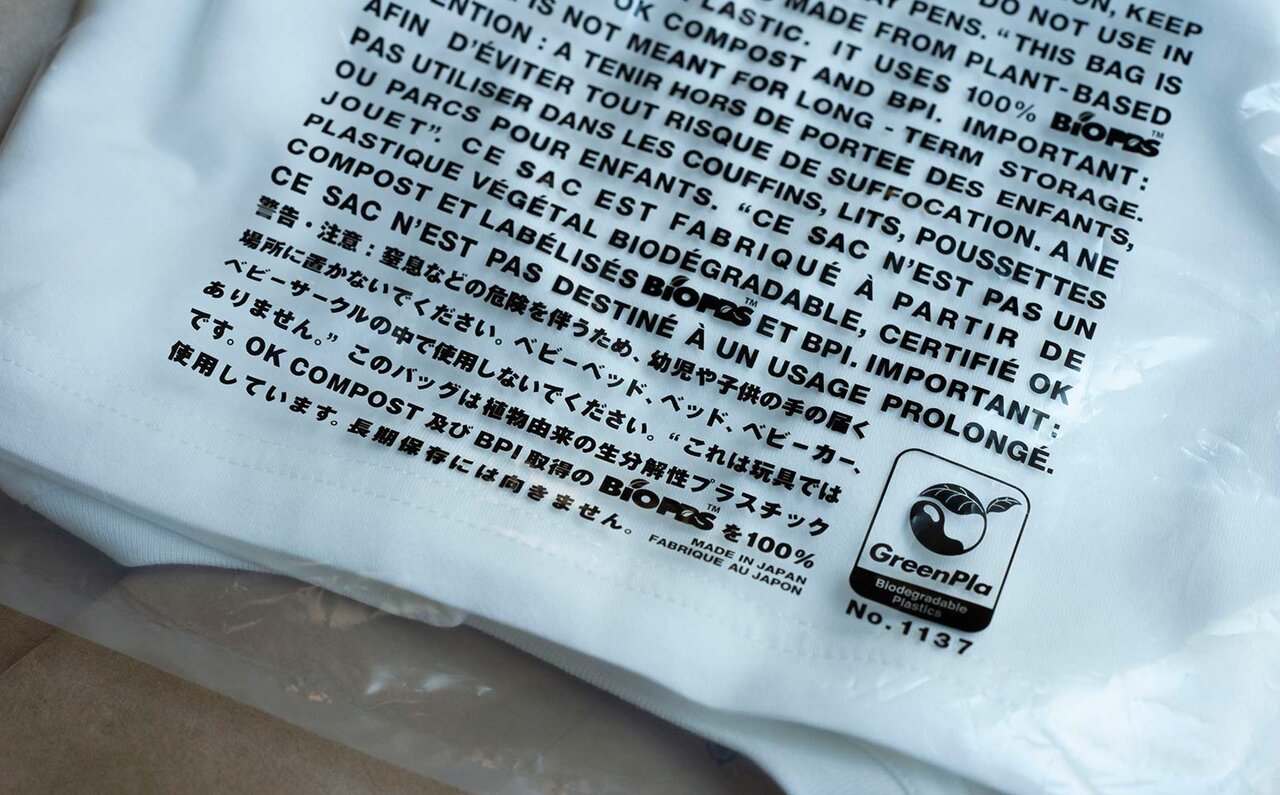
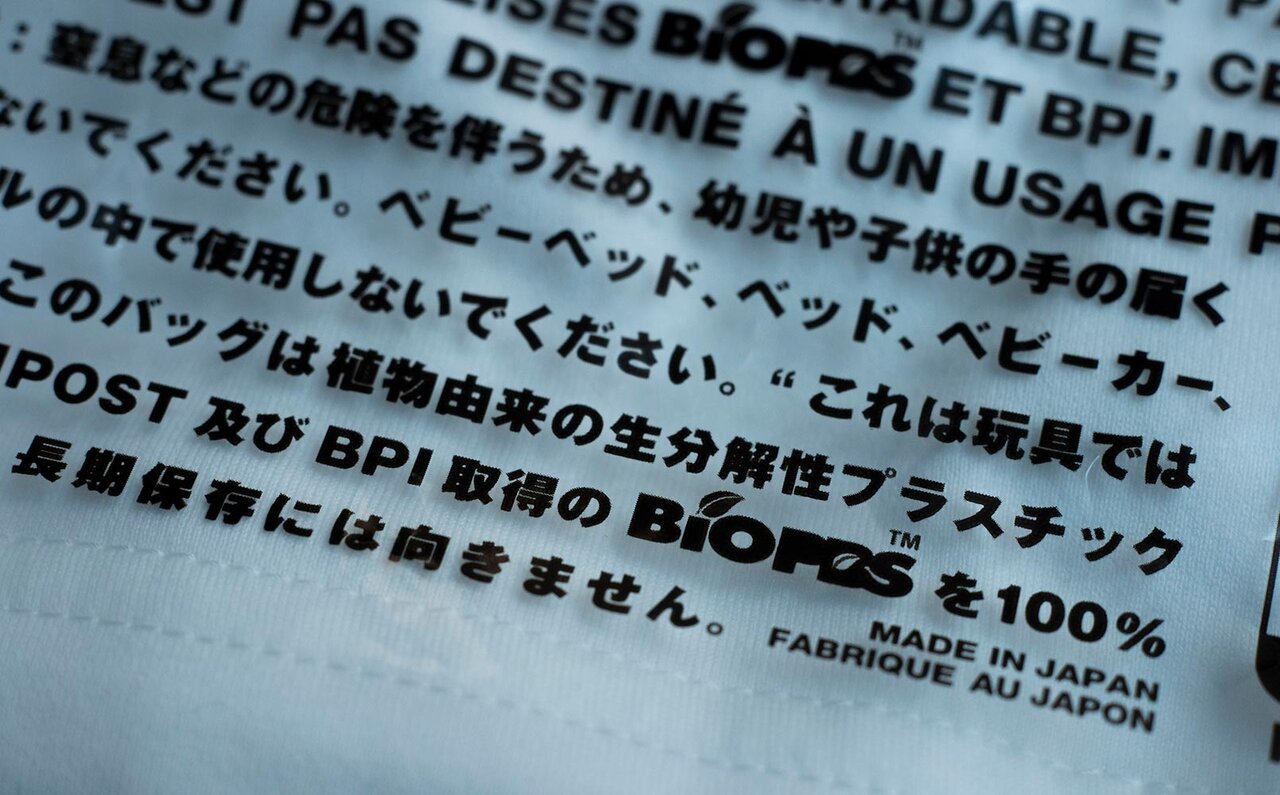
Paper shoppers now bear "Recycle" marks, and transparent bags have become translucent, often bearing labels like "Bio" or "Biodegradable." The fashion industry, typically focused on aesthetics, is now turning its attention to "sustainability" with a newfound urgency. This feels like a unique fashion-centric approach, distinct from corporate goals like the SDGs.
To clarify, SDGs (Sustainable Development Goals) are the international objectives adopted at the UN Summit in September 2015, outlined in the "2030 Agenda for Sustainable Development." They aim to create a better, more sustainable world by 2030, comprising 17 goals and 169 targets. The agenda pledges to leave "no one behind." SDGs are universal, applicable not only to developing nations but also to developed countries, and Japan is actively engaged in pursuing them." (Excerpt from the Ministry of Foreign Affairs website "JAPAN SDGs Action Platform")
The fashion industry's efforts seem more grounded in practical realities. In essence, fashion designers and staff have been continuously pursuing various approaches, both visible and behind the scenes, to foster a consciousness of sustainability.
(1) The fashion industry's evolving approach to plastics.
While perhaps not exclusive to the fashion industry, environmental concerns have been growing year by year. Many people begin by exploring organic vegetables or natural wines, gradually extending their interest to the things around them.
Looking around the world of apparel, one notices an astonishing number of environmentally conscious materials have emerged. When discussing clothing, while the design itself is certainly important, the conversation naturally extends to natural fibers versus synthetic ones, perhaps because these materials are in direct contact with our skin. I can generally follow these discussions about materials.
The conversation has progressed further, and I increasingly sense a growing environmental awareness concerning the materials used in clothing itself. There have been sneakers made from recycled materials, designs incorporating clothing collected and repurposed from worn-out garments, and brands that have garnered attention for transforming materials into recycled products.
Among these, the focus on plastic bags—shopping bags, transparent packaging, and garment covers—has intensified in recent years. For shops, these bags are used daily, making their adoption a sensitive consideration.
Shops are replacing these items with those that reflect eco-friendliness and sustainability. The key consideration in this transition is the type of plastic chosen. The pros and cons of plastics have long been debated. Many brands and designers may have been aware of this, but lacked alternatives, preventing them from taking action. However, in recent years, the development of environmentally friendly materials as alternatives to conventional plastics has progressed, making their adoption by stores feasible. Furthermore, with the heightened interest in a sustainable society over the past few years, the development of new plastics that actively address environmental issues has suddenly come into the spotlight.
Among these, the presence of bioplastics is becoming increasingly prominent.
Let's take a look at the Ministry of the Environment's materials. I'd like to proceed by summarizing some of the detailed information presented.
"Plastics, due to their high functionality, have brought immense convenience and benefits to our lives. On the other hand, they are also pointed out in connection with resource and waste constraints, the problem of marine plastic litter, and climate change issues, making them an urgent global challenge." (Excerpt from the Ministry of the Environment's "Bioplastics Introduction Roadmap")
Conventional petroleum-based plastics are easy to mold and have permeated every corner of our lives. Their convenience is so indispensable that we no longer even consciously acknowledge it; they have become essential to our daily existence. However, it is also true that we face issues such as harmful substances released during the production of plastic products, air pollution from waste disposal, and the various waste problems in our oceans in recent times.
Therefore, the Ministry of the Environment is also focusing on and recommending bioplastics.
In the second installment, we will delve deeper into bioplastics.