Dialogue: Will Improving Air Quality Become a Keyword for the Coming Era?
Dialogue: Hitoshi Nishi of DIC Corporation x Yoichiro Maeda of Smart Media Inc.
Will Improving Air Quality Become a Keyword for the Coming Era?
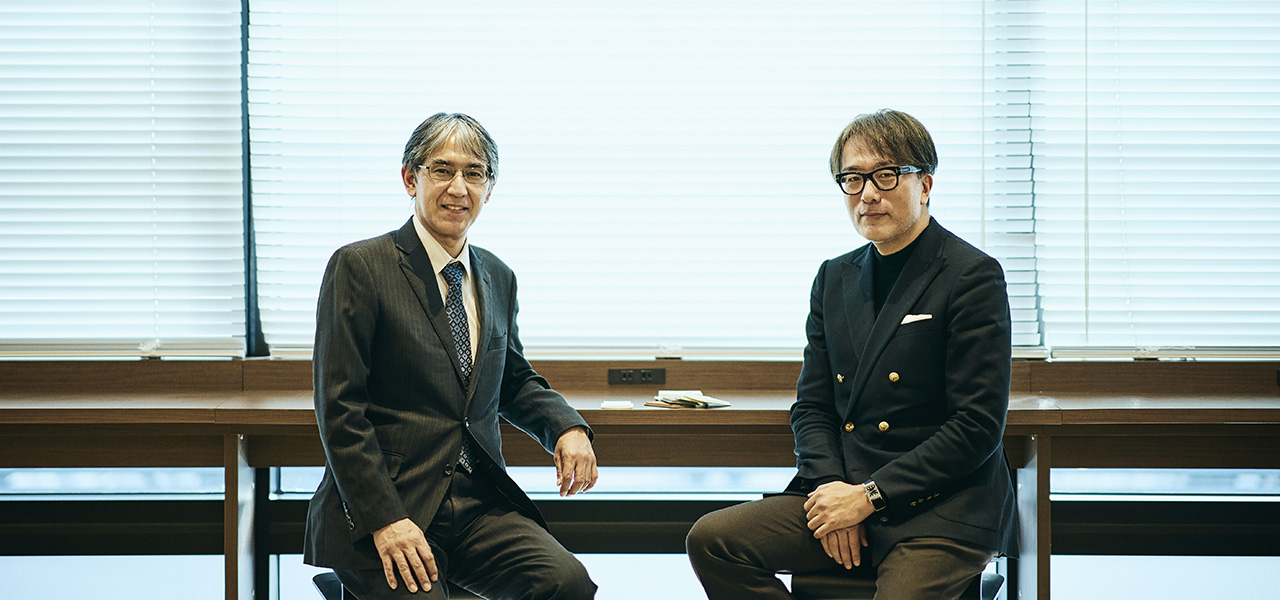
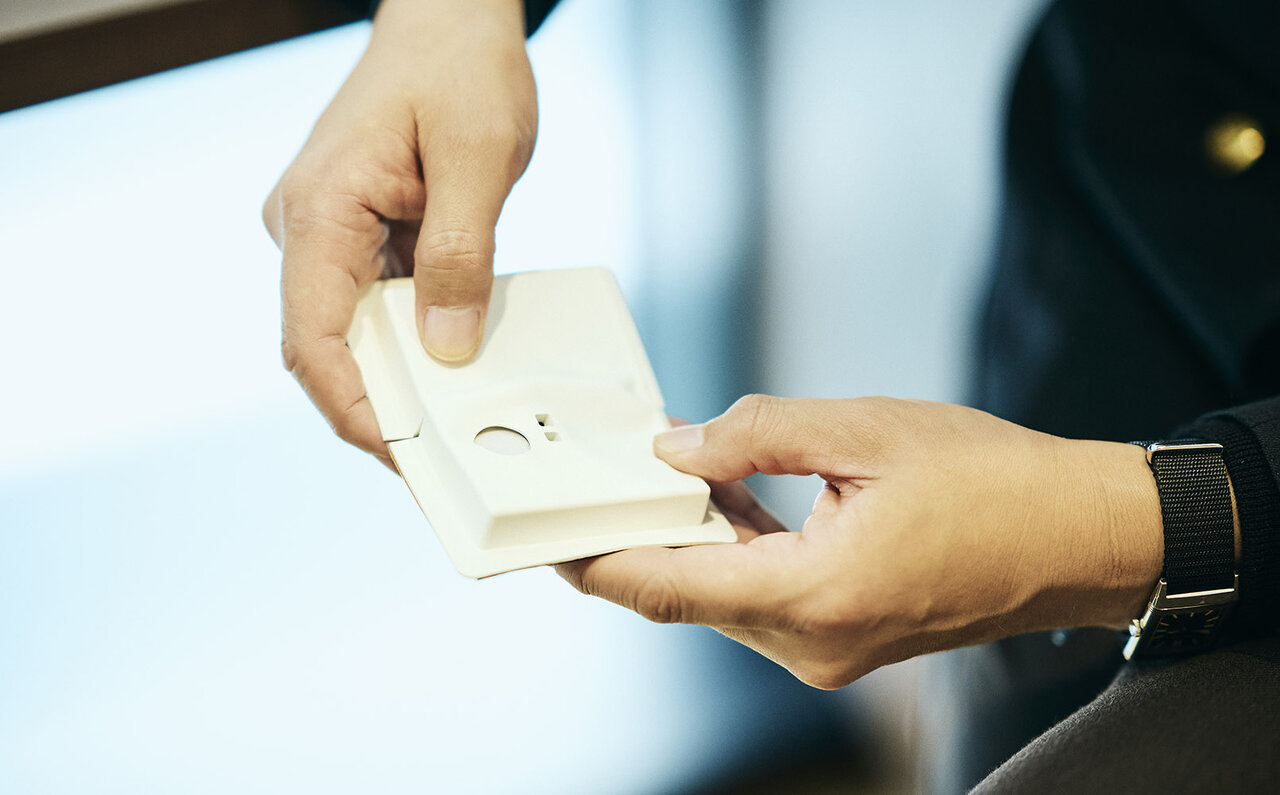
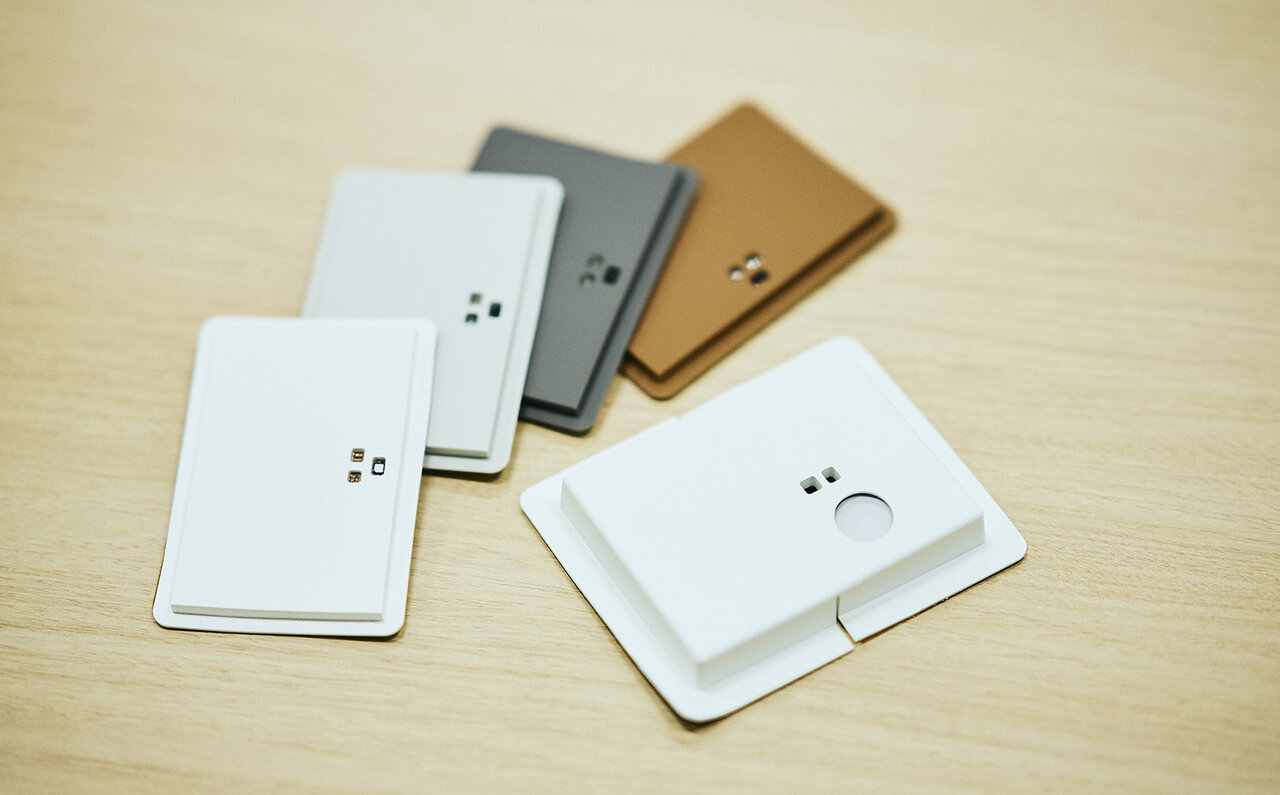
The innovative 'HatteTotte,' a soft LoRaWAN® wireless sensor that can be easily applied and removed without construction or wiring, is generating buzz. Following the launch of the first 'Temperature, Humidity, and Illuminance Sensor,' a new 'CO2, Temperature, and Humidity Sensor' has also been released. Yoichiro Maeda, former editor-in-chief of LEON and now a content director focusing on fashion and automobiles, interviewed Hitoshi Nishi, the developer, about the product's development story and the future of air quality.
Soft Wireless Sensors Born from a Straw-Bale Storyteller's Idea
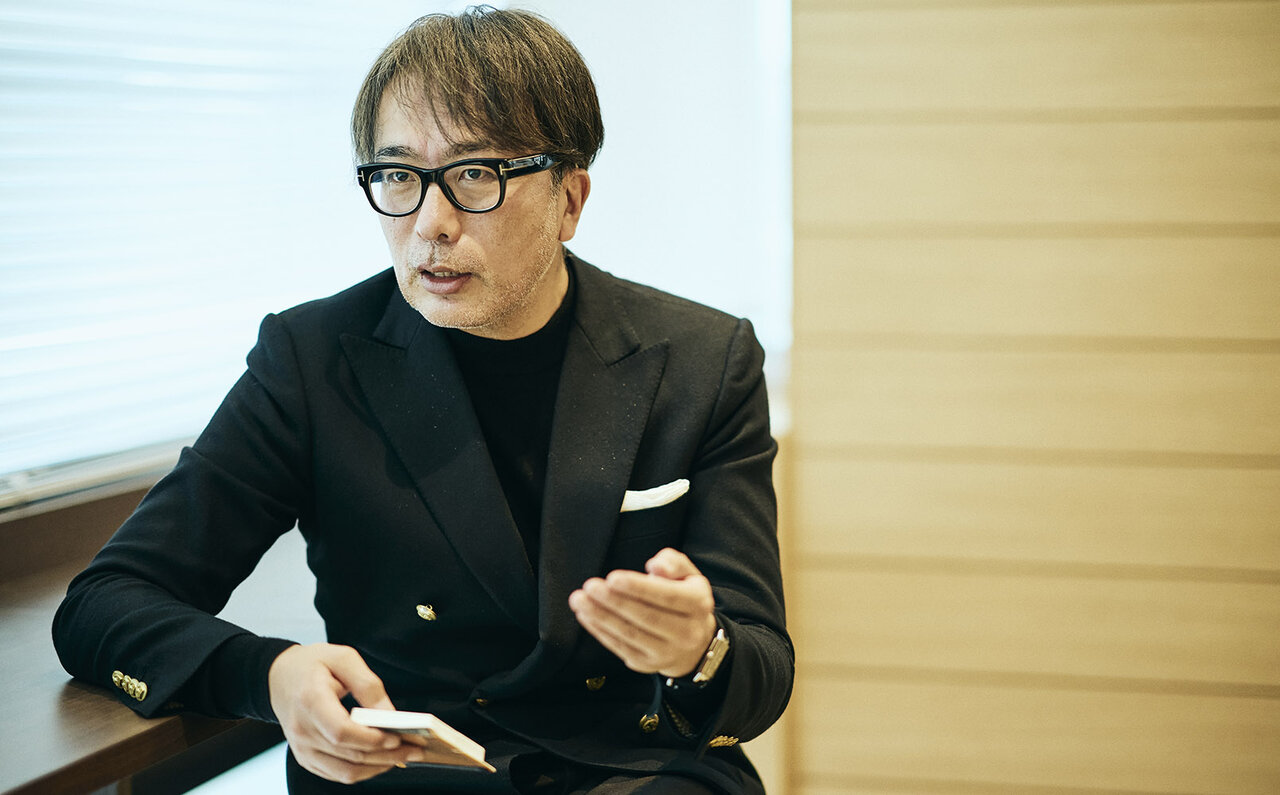
MaedaTo begin with, how was 'HatteTotte' conceived?
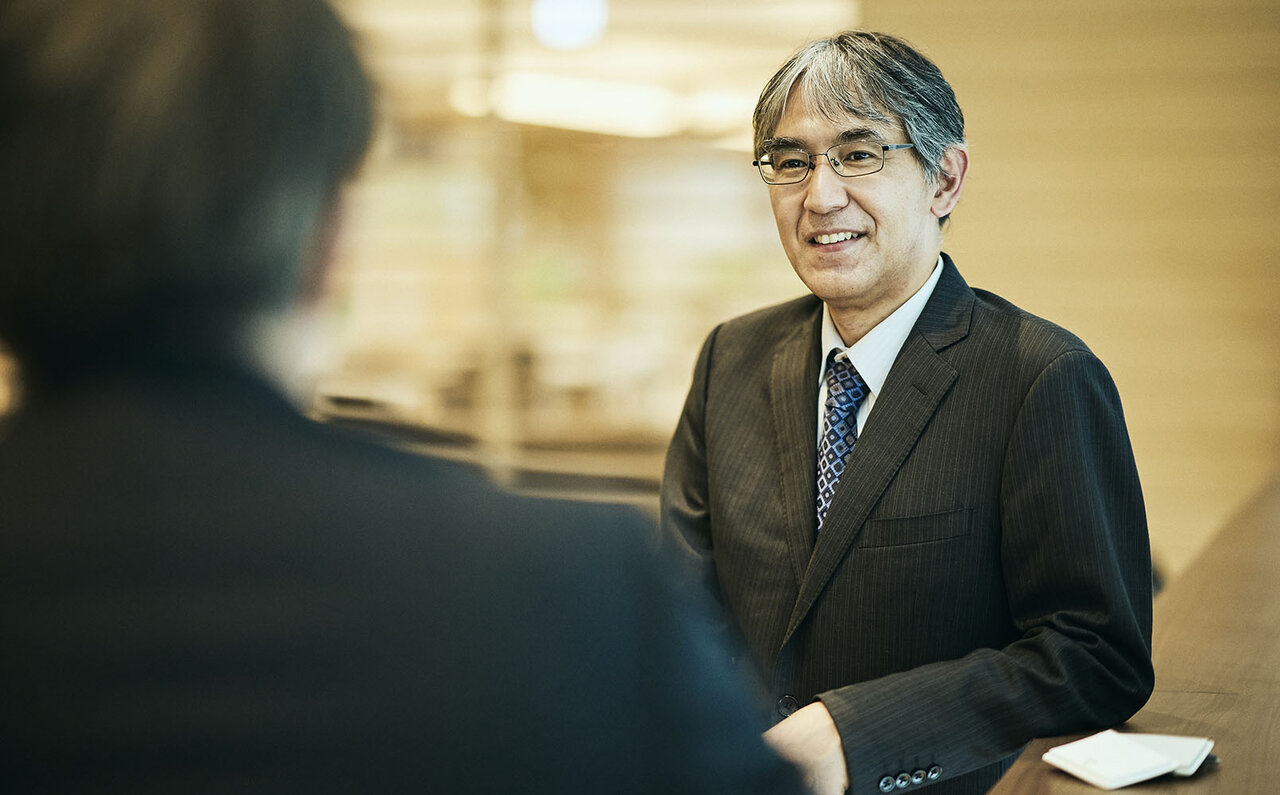
NishiDIC has a long history of research and development in conductive inks. I joined the company in 2016 after working for a domestic electronics manufacturer, and the project started with the idea of leveraging that technology to create a new business.
MaedaI found the concept of a 'soft sensor that's easy to apply and remove' to be groundbreaking.
NishiWe considered combining not only conductive inks but also DIC's industrial double-sided tapes, already used in automotive and electronic applications, and interior materials from DIC Decor, exploring synergies both within and outside the company.
MaedaSo, the innovation came not from new technology itself, but from a novel combination of existing technologies?
NishiPrecisely. Ideally, we start by identifying customer pain points. However, as this was a new venture for DIC, we proceeded by combining DIC's existing products and technologies, forming hypotheses about whether they could solve customer issues, and then verifying them.
MaedaAnd that led to the creation of the easy-to-apply 'Temperature, Humidity, and Illuminance Sensor.' Furthermore, a new product, the 'CO2, Temperature, and Humidity Sensor,' was introduced to address infection risks.
NishiWe chose the temperature and humidity sensor first because it's a commonly used device. As we began discussing this, we heard from various people that they would appreciate a similar easy-to-apply CO2 sensor for ventilation. Given its recent use in infection control, we immediately began development.
MaedaOne product leads to the next demand – that seems like the most ideal product development process.
NishiNew ventures are different from one-off new products; I believe a 'straw-bale storyteller' approach is necessary. We started with conductive inks and adhesive tapes, and from there, we created a product to solve sensor-related issues. This, in turn, revealed challenges in data analysis. It's a process of drawing things towards us, one after another. I think that's one valid method. Although we couldn't ultimately use conductive ink in this product, the concept of 'soft and thin' was born precisely because we started with that idea.
MaedaSo, the initial constraints transformed into strengths.
NishiHonestly, it would be easier if we had a unique, one-of-a-kind technology. However, in an era where information spreads instantly online, the technological gap between companies worldwide is narrowing. In such times, focusing solely on innovative technology reduces the probability of success. Therefore, we need to consider different approaches.
Customers Are Attracted by Easy Installation and Inconspicuous Design
MaedaCould you tell us again about recommended use cases or scenarios for 'HatteTotte'?
NishiOne is the ability to measure in 'many locations' and 'inconspicuously' in places with people, such as offices and commercial facilities. By controlling air conditioning more finely or interpolating measurements from multiple HatteTotte units, we can now visualize the condition of the space.
MaedaSo, 'HatteTotte' can be installed simply by applying it, and its inconspicuous nature allows for the easy placement of sensors at more points.
NishiExactly. Another is the 'ease of installation' in factories and warehouses. Traditionally, installing wired equipment is difficult, so the common practice was for people to manually measure temperature and humidity and record it on paper. Data recorded on paper often goes unused. However, by introducing 'HatteTotte,' we can not only 'digitize' that process but also enable 'analysis'.
MaedaWhat kind of feedback do you typically receive from customers?
NishiThe most common feedback is the ease of installation and the convenience of not needing to replace batteries for a long time. Next, customers appreciate its inconspicuous design. Even in an office, a box-like object at eye level can be distracting.
In ABW Offices, Can You Choose a Comfortable Seat While Viewing a Monitor?
MaedaWhat are your thoughts on the future potential of 'HatteTotte'?
NishiWhether it's a temperature and humidity sensor or a CO2 sensor, we believe that by making distribution easily visible and detailed, it will change people's behavior.
MaedaIn ABW (Activity-Based Working) offices, where people choose their workspace based on the task, this might change how seats are selected. It would be interesting if, upon arriving at the office, one could check a monitor and choose a seat based on temperature in the summer or humidity in the dry winter. Is this interpretation correct?
NishiPrecisely. Furthermore, the CO2 concentration distribution allows us to see crowding and ventilation status, which we believe will lead individuals to avoid such areas, thereby reducing infection risk. Another point is the Building Sanitation Act, which mandates air quality measurements every two months for buildings above a certain standard. Automating this would lead to 'operational efficiency' and help address 'labor shortages.' As mentioned earlier, the current common method involves recording measurements on paper, meaning the data is often not utilized. By digitizing and analyzing this data, we can achieve better control. While there are regulations regarding measurement methods and equipment for the Building Sanitation Act, making it challenging to replace with IoT devices, this is something we are eager to achieve.
Growing Demand for Air Quality and Future Prospects
MaedaIt seems applicable to residential use as well. For instance, how about measures against heatstroke for the elderly who are sensitive to air conditioning? It might be convenient for children to easily monitor temperature and humidity data without any construction.
NishiWe are already considering applications for apartment buildings and individual welfare facilities. Since we use LoRaWAN®, which has a long communication range, placing a receiver in a common area is sufficient, and residents only need to apply 'HatteTotte' to their units.
MaedaSo, these applications were already anticipated? It might also be welcomed by households with infants.
It would be beneficial to have sensors that can monitor ventilation and sound levels in halls and live music venues.
NishiWe could potentially monitor CO2 concentrations and implement entry restrictions (laughs).
MaedaThinking about it, there seem to be many possibilities for improving and enhancing air quality. As it's an issue many people are concerned about recently, the demand for products like 'HatteTotte' is likely to grow.
NishiOffices have now become 'places you go intentionally.' In the future, companies must provide commensurate value. This includes air quality.
MaedaIndeed, in the past few years, awareness has shifted in various aspects, including how we work. DIC's long-term management plan, 'DIC Vision 2030,' includes keywords such as Green, Digital, and Quality of Life as contributions to the sustainable prosperity of society. 'HatteTotte' embodies these concepts, doesn't it?
NishiI'm grateful you see it that way. Beyond direct contributions to 'DIC Vision 2030,' we also aim to establish a system for quickly developing and verifying diverse products within a large corporation. We want to create an environment where this can serve as a precedent, fostering freer ideas. From the many new products and businesses that emerge, we hope many will contribute to society.
MaedaIt seems like DIC will continue to produce interesting innovations. I look forward to them. Thank you for your time today.
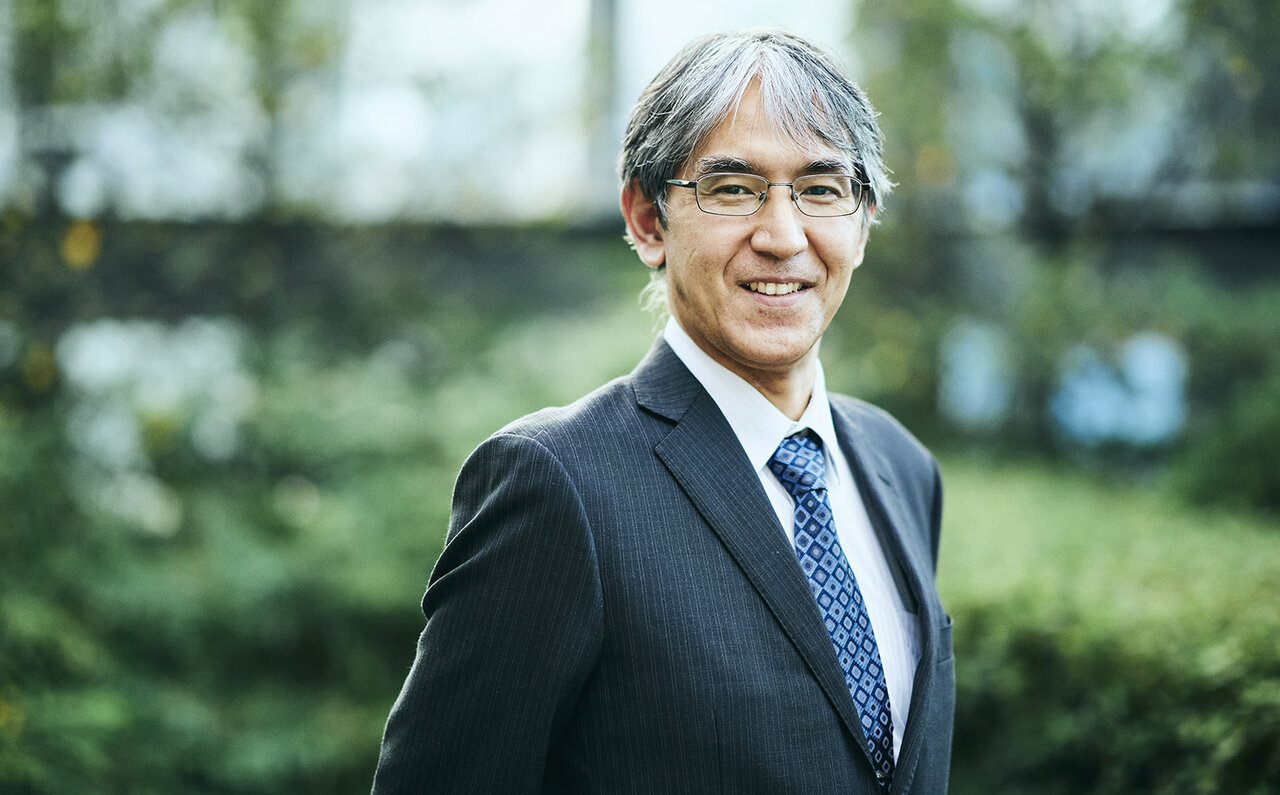
Hitoshi Nishi
DIC Corporation, Composite Materials Products Division
HTI Products Group
Wireless Sensor General Manager
Joined a major domestic electronics manufacturer. After working as a software engineer developing UNIX-based OS, he moved to the electronic devices division and was involved in the development of 3D graphics LSI, leading a graphics engine development team as a manager. Subsequently, while working as a business strategy and marketing manager stationed in Germany, his division was sold to a foreign semiconductor manufacturer, where he continued as a strategic marketing manager. He joined DIC in 2016, responsible for electronics-related new business planning. He conceived of flexible wireless sensors and continues in this role.
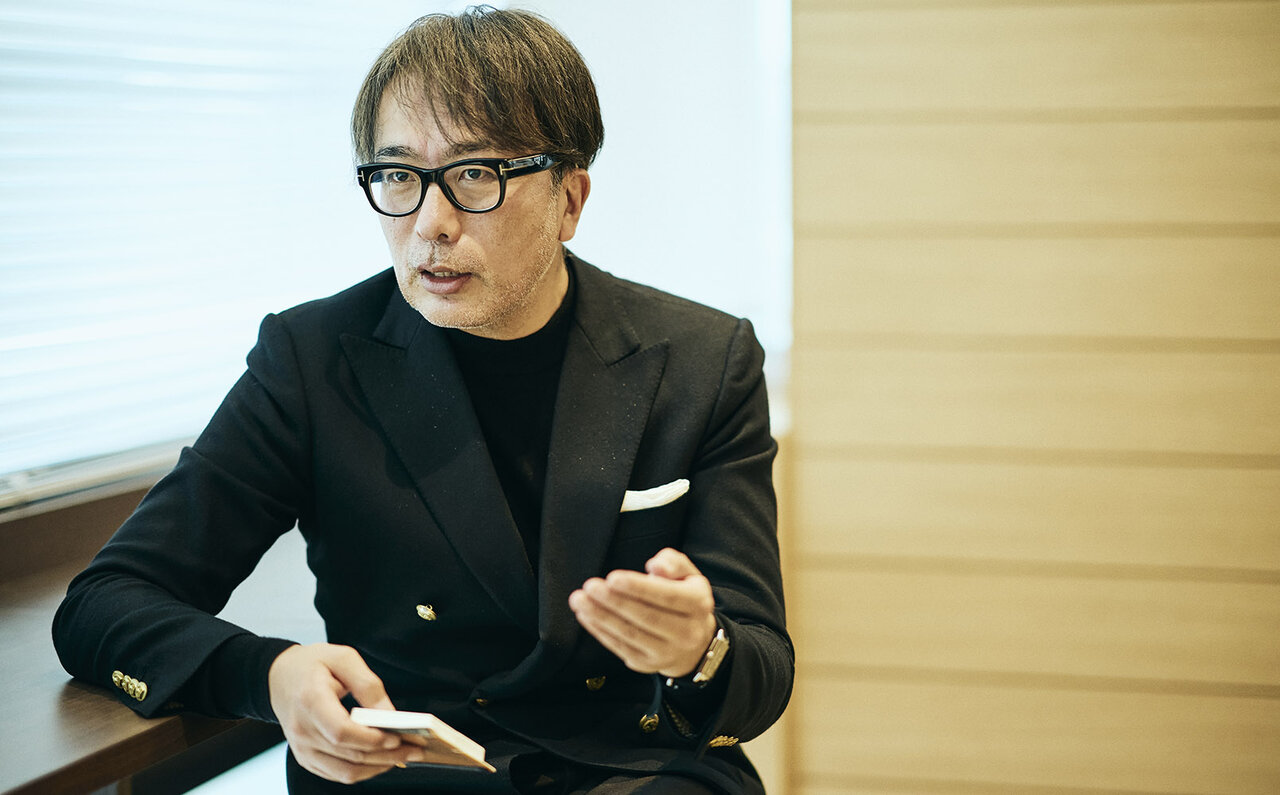
Yoichiro Maeda
Smart Media Inc., Content Director
While attending university, he began writing for several fashion magazines. After graduation, he pursued an unconventional career in planning and sales at a leading company in space design and interior construction. Returning to the publishing industry, he consistently worked in men's fashion magazines, serving as editor-in-chief of LEON and launching its website before going independent. He currently handles numerous projects, including content marketing for major corporations and government agencies, directing owned media, and marketing for fashion brands.
Contact Information
DIC Corporation, Composite Materials Products Division, HTI Products Group
hattetotte_inquiry@ma.dic.co.jp