Serial Essay | #ijichiman's Musings: Kuramae Edition
The 11th Installment: Kuramae, Where Vertical and Horizontal Connections Intersect to Foster Human Bonds
“To insist solely on the safety and security of the physical body, without questioning the life or death of the soul or spirit, is misguided (Yukio Mishima).” In this serial essay, Yasutake Ijichi, a board member of Sunshine Juice, Japan’s first cold-pressed juice specialty store, delves into the diverse, human-centric content of the town, which stands in stark contrast to the ultimate healthfulness of Sunshine Juice, exploring its history, transformations, customs, and culture. The 11th installment introduces Kuramae, a sophisticated adult destination known as “Tokyo’s Brooklyn.”
Photographs and Text by IJICHI Yasutake
A Town That Embraces New Expressions While Inheriting History and Tradition
The Heisei era of sumo began with the retirement of the diminutive Grand Champion Chiyonofuji, who lost to Takanohana (then Takanohana). We were then captivated by the fierce bouts between the brothers Yokozuna, Waka-Taka, and the titans Akebono and Musashimaru. We were awestruck by the hateful strength of Asashoryu, who displayed his fighting spirit, the overwhelming and absolute power of Hakuho, the unparalleled softness and skill of Kakuryu, and the formidable presence of Harumafuji, who intimidated with his exceptional sharpness, focus, and spirit.
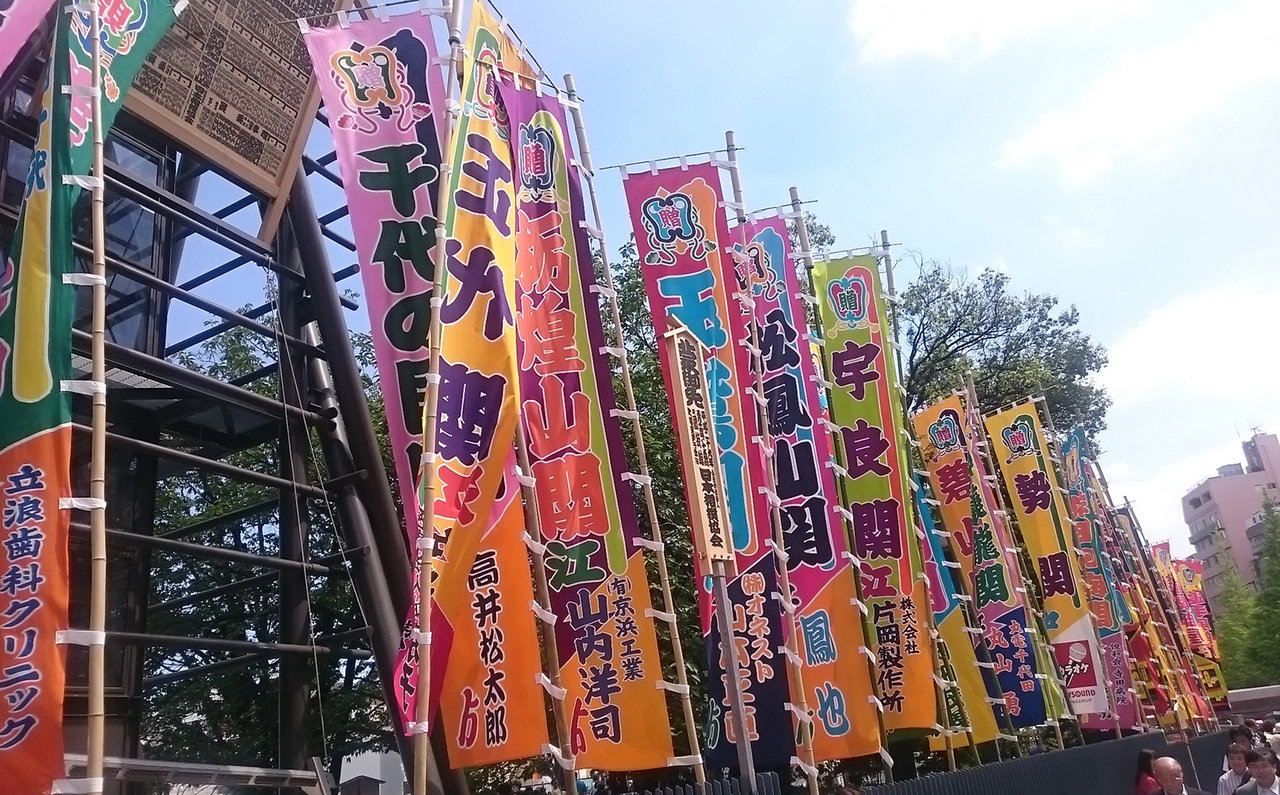
For those in their late thirties who came of age during the Heisei era, the mecca of sumo was Ryogoku. However, for the baby boomer generation who lived through the Showa era, the mecca of sumo was Kuramae. The Kuramae Kokugikan, located across the Sumida River from Ryogoku and now the site of a Tokyo Metropolitan Government Waterworks Bureau facility, hosted tournaments from 1954 until the September 1984 tournament.
This was the era of post-war reconstruction through the late period of high economic growth, when “Giant, Taiho, and Tamagoyaki” became a popular slogan. Tochitsunami and the first Wakanohana, Kashiwado and Taiho, Wajima and Kita-no-umi—many sumo wrestlers engaged in numerous legendary matches in Kuramae. It is not difficult to imagine that the nation was even more passionate than in the Heisei era, when entertainment options were overwhelmingly fewer.
During the Showa era, Kuramae was not only the mecca of sumo but also a “toy wholesale district.” The textile district of Nippori deals in fabrics, Kappabashi deals in restaurant supplies, and the Bakurocho and Yokoyamacho wholesale districts deal in clothing. While there are many wholesale districts spanning Chuo, Taito, and Arakawa Wards, the Kuramae-Asakusabashi area is one of Tokyo’s leading wholesale districts. Walking along Edo-dori, one can still catch glimpses of the atmosphere of that time.
This was the era of post-war reconstruction through the late period of high economic growth, when “Giant, Taiho, and Tamagoyaki” became a popular slogan. Tochitsunami and the first Wakanohana, Kashiwado and Taiho, Wajima and Kita-no-umi—many sumo wrestlers engaged in numerous legendary matches in Kuramae. It is not difficult to imagine that the nation was even more passionate than in the Heisei era, when entertainment options were overwhelmingly fewer.
During the Showa era, Kuramae was not only the mecca of sumo but also a “toy wholesale district.” The textile district of Nippori deals in fabrics, Kappabashi deals in restaurant supplies, and the Bakurocho and Yokoyamacho wholesale districts deal in clothing. While there are many wholesale districts spanning Chuo, Taito, and Arakawa Wards, the Kuramae-Asakusabashi area is one of Tokyo’s leading wholesale districts. Walking along Edo-dori, one can still catch glimpses of the atmosphere of that time.
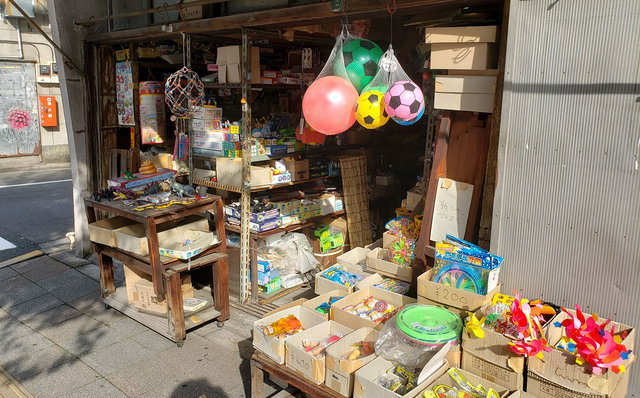
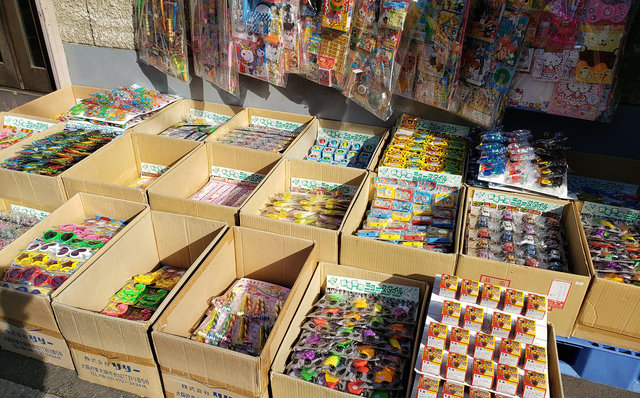
It is said that businesses that pursued an expansionist strategy during the bubble era collapsed along with the bubble’s burst, but many stores, grounded in reality, remain to this day.
There are numerous specialty wholesalers, such as stores selling paper balloons and super balls reminiscent of childhood visits to candy stores or festivals, mask shops, air gun and plastic model shops, and fireworks shops. It’s important to note that some stores do not handle retail sales, but those along Edo-dori generally accommodate retail customers, and even just browsing is a thoroughly enjoyable experience.
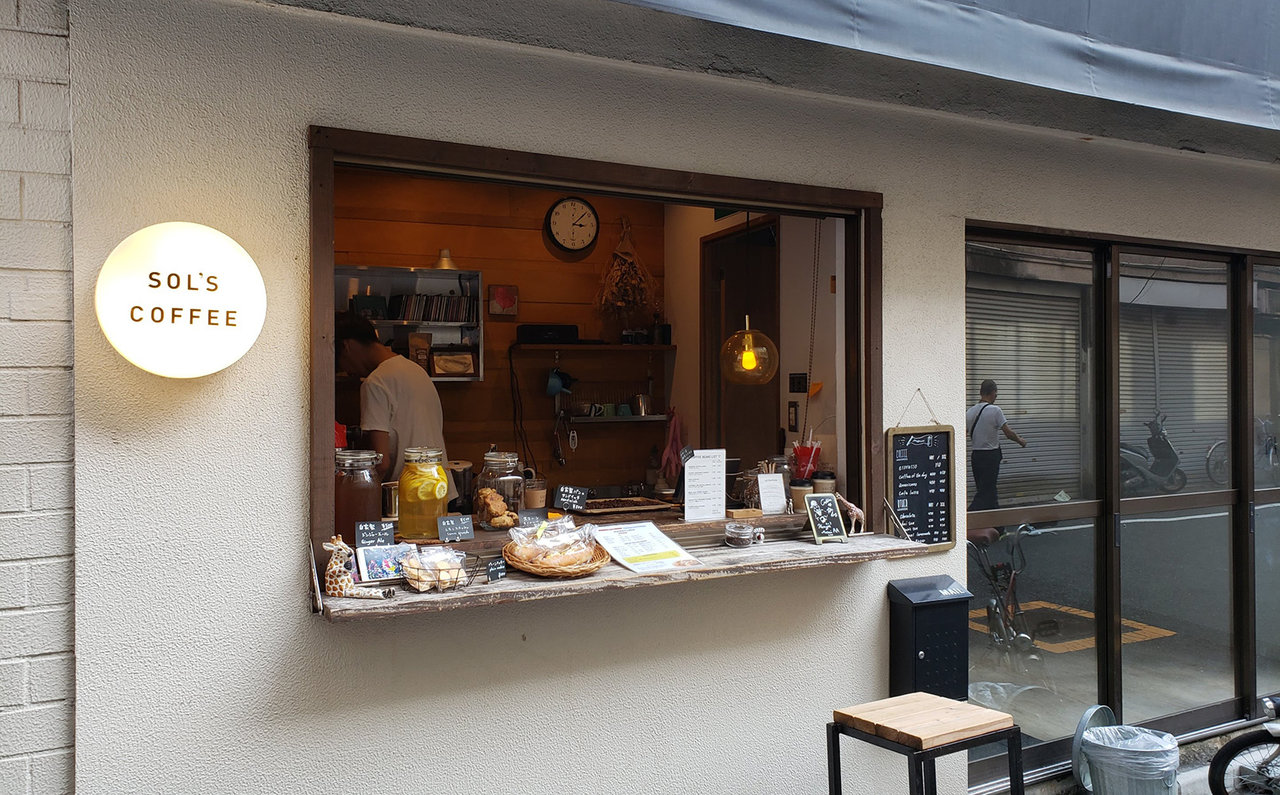
In the past few years, Kuramae has seen an increase in accommodations for tourists, as well as coffee stands, bistros, and雑貨屋 (zakka-ya, miscellaneous goods stores). “Tokyo’s Brooklyn”—it seems to be called that by some. Indeed, a staff member at SOL’S COFFEE STAND, located not far from the former site of the Kuramae Kokugikan, mentioned:
“When we first opened, Blue Bottle hadn’t even arrived in Japan yet, and there were only a handful of coffee stands in Tokyo, let alone Kuramae. Somehow it’s become known as a coffee town, but back then, there were only toy wholesalers (laughs).”
The shop opened in 2013, and it’s been six and a half years. While enjoying a mild, refreshing coffee that’s easy to drink, I learned about the town’s changes while relaxing on the shop’s doorstep.
There are numerous specialty wholesalers, such as stores selling paper balloons and super balls reminiscent of childhood visits to candy stores or festivals, mask shops, air gun and plastic model shops, and fireworks shops. It’s important to note that some stores do not handle retail sales, but those along Edo-dori generally accommodate retail customers, and even just browsing is a thoroughly enjoyable experience.
In the past few years, Kuramae has seen an increase in accommodations for tourists, as well as coffee stands, bistros, and雑貨屋 (zakka-ya, miscellaneous goods stores). “Tokyo’s Brooklyn”—it seems to be called that by some. Indeed, a staff member at SOL’S COFFEE STAND, located not far from the former site of the Kuramae Kokugikan, mentioned:
“When we first opened, Blue Bottle hadn’t even arrived in Japan yet, and there were only a handful of coffee stands in Tokyo, let alone Kuramae. Somehow it’s become known as a coffee town, but back then, there were only toy wholesalers (laughs).”
The shop opened in 2013, and it’s been six and a half years. While enjoying a mild, refreshing coffee that’s easy to drink, I learned about the town’s changes while relaxing on the shop’s doorstep.
Kuramae is extensive, but for me, Kuramae is the triangular area formed by the intersection of Umayabashi bridge over the Sumida River, Shin-Okachimachi Station, and Asakusabashi Station. Along Kasuga-dori, heading from Umayabashi towards Shin-Okachimachi, at the intersection of San-suji 2-chome, there is a tempura restaurant called “Kuramae Iseya.”
Kuramae Iseya is said to be the youngest of the three Iseya tempura restaurants, alongside the renowned “Dote no Iseya,” a Tokyo institution near the former Yoshiwara main gate, and “Senzoku Iseya” in Iriya. Although they share the name Iseya, their management and menus are now entirely distinct, allowing patrons to enjoy three unique styles of Edo-mae tempura.
Kuramae Iseya is said to be the youngest of the three Iseya tempura restaurants, alongside the renowned “Dote no Iseya,” a Tokyo institution near the former Yoshiwara main gate, and “Senzoku Iseya” in Iriya. Although they share the name Iseya, their management and menus are now entirely distinct, allowing patrons to enjoy three unique styles of Edo-mae tempura.
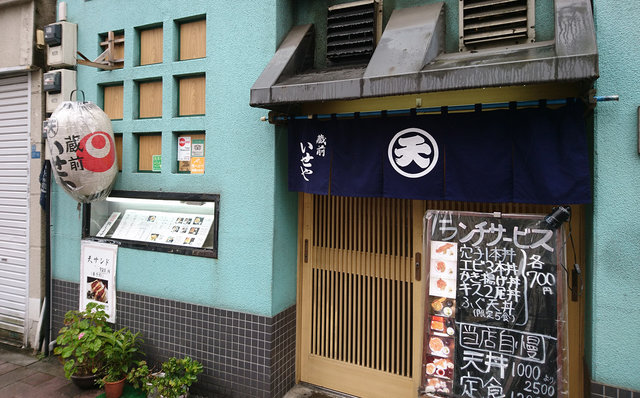
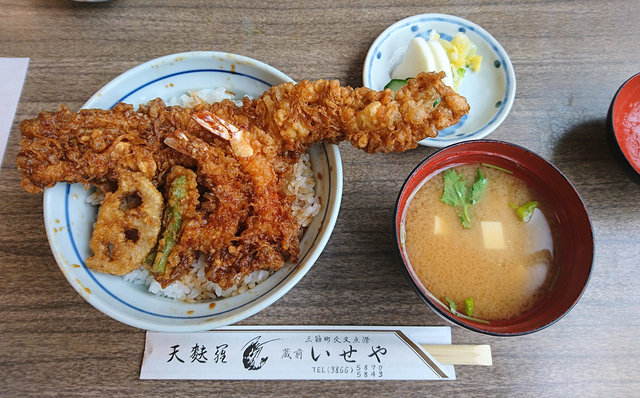
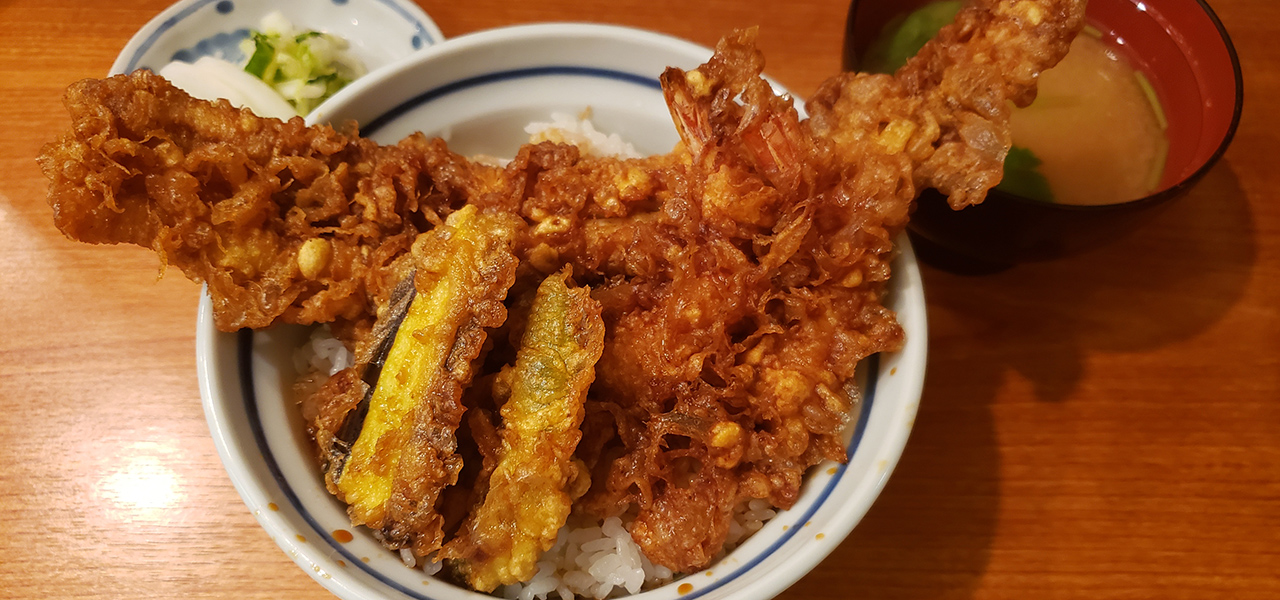
While Dote no Iseya requires a wait of over an hour, Kuramae Iseya offers a casual dining experience with delicious tempura bowls. The affordable lunch special bowl, available on weekdays and weekends for 700 yen, is not to be missed. On a hot summer day, sitting on the second-floor tatami seating, I imagine myself gulping down a sesame-scented Edo-mae tempura bowl while propping my knee up—that would be the ultimate remedy for summer fatigue.
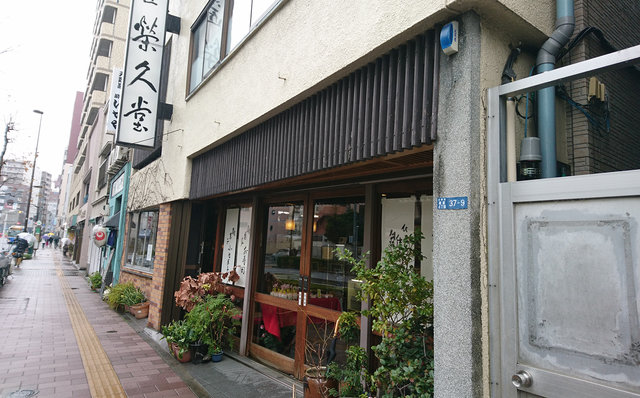
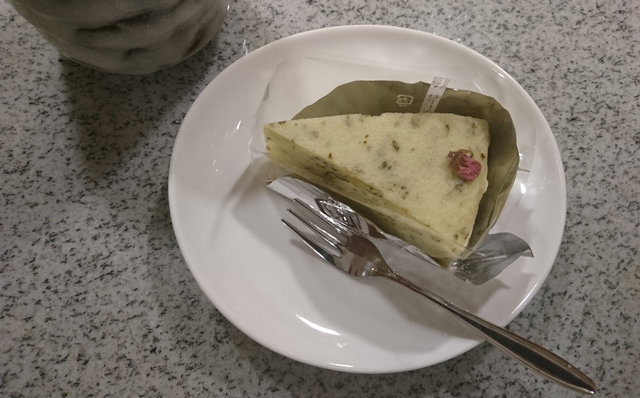
After leaving Kuramae Iseya, the customary route is to head to the adjacent Japanese confectionery shop, “Eikudo,” which has been in business since the Meiji era, to purchase seasonal fresh sweets or their signature soft butter confectioneries as souvenirs.
After leaving Kuramae Iseya, the customary route is to head to the adjacent Japanese confectionery shop, “Eikudo,” which has been in business since the Meiji era, to purchase seasonal fresh sweets or their signature soft butter confectioneries as souvenirs.
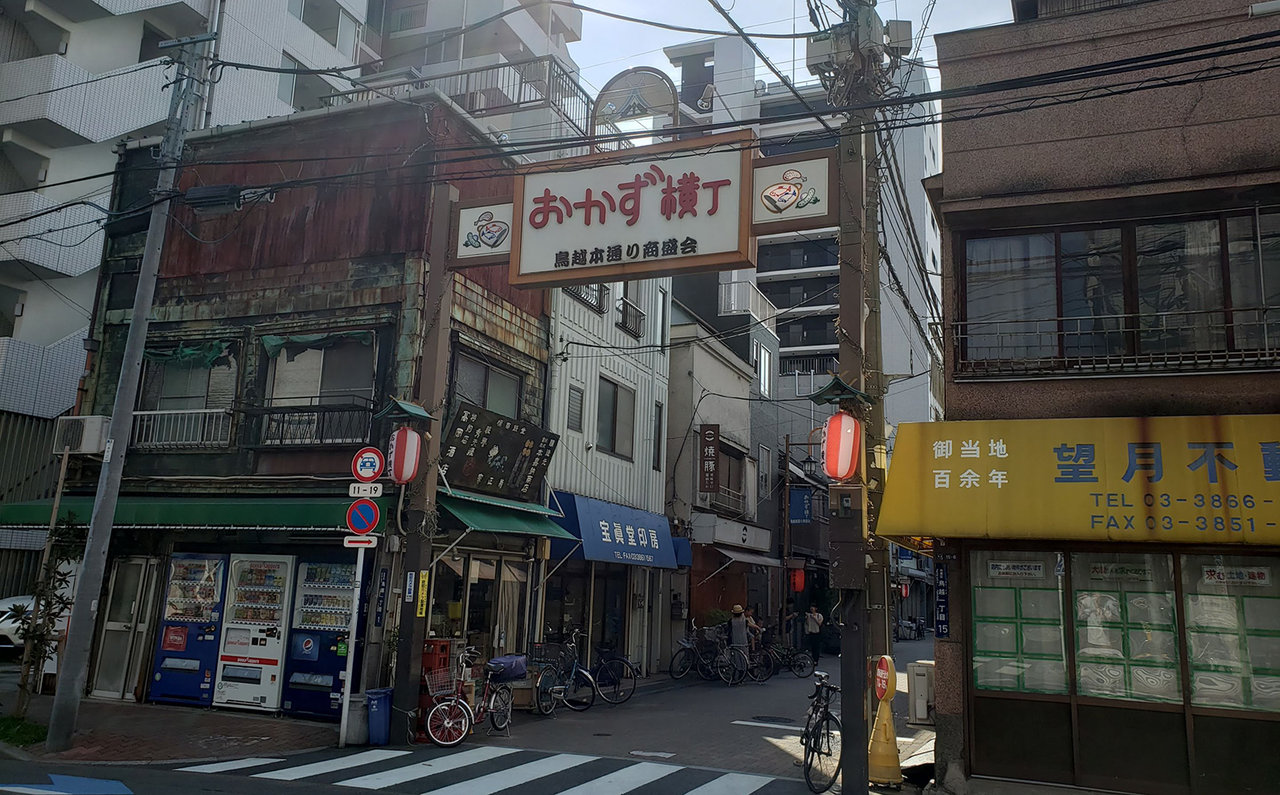
Walking a little further south from there, towards the center of the triangular area, one arrives at “Okazu Yokocho” (Side Dish Alley). This shopping street, about 230 meters long, was unified in 1949, shortly after the war. This area, where wooden apartment buildings and small factories were concentrated, had many dual-income households. It is said that the alley came to be known as Okazu Yokocho because people began selling side dishes so that busy individuals could enjoy a delicious meal with just plain rice at home.
This shopping street thrived due to the demand for convenience and ready-made meals, resonating with the modern societal needs for time-saving and off-premise dining. Although the number of operating stores has decreased, leading to a quieter atmosphere, many establishments continue to offer items at prices unchanged from yesteryear, such as 300-yen bento boxes and 400-yen ramen. Their warmth remains deeply rooted in the community.
This shopping street thrived due to the demand for convenience and ready-made meals, resonating with the modern societal needs for time-saving and off-premise dining. Although the number of operating stores has decreased, leading to a quieter atmosphere, many establishments continue to offer items at prices unchanged from yesteryear, such as 300-yen bento boxes and 400-yen ramen. Their warmth remains deeply rooted in the community.
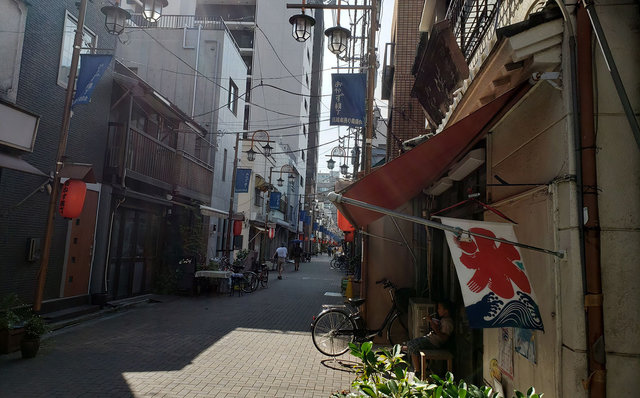
Passing under the shopping street’s archway, one sees a noren (shop curtain) with the words “氷” (Ice) swaying in red letters. The shaved ice from “Minatoya,” a Japanese confectionery shop that has been in business since 1931, is a summer tradition. Prices range from 150 yen for strawberry to 300 yen for their homemade uji azuki (green tea and red bean). The sight of children happily enjoying it at the storefront is heartwarming.
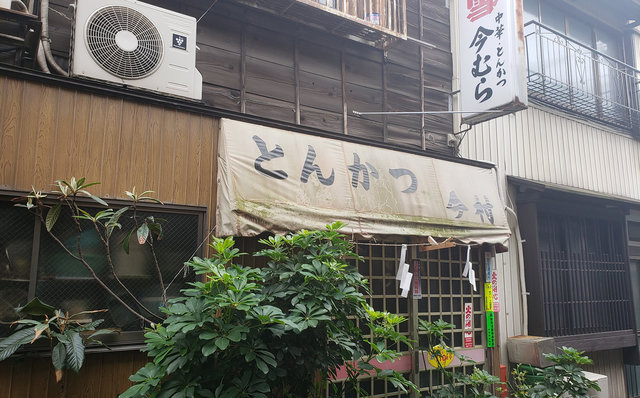
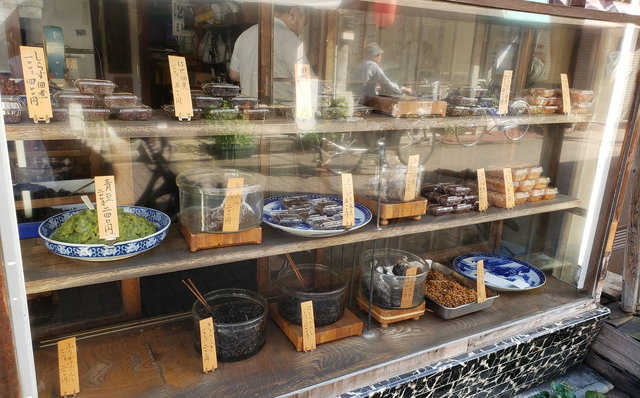
A little further back from Minatoya is “Azuma Sushi,” and in a side alley of the横丁 (yokocho, alleyway) is the Chinese and tonkatsu restaurant “Imamura,” whose dignified appearance is intriguing. In the middle of the横丁 is “Irihunaya,” a shop selling simmered dishes, tsukudani (simmered seafood or seaweed), or, in modern terms, a delicatessen. Although there is no sign, it is a shop that has been in business since 1935 and can be considered a landmark of Okazu Yokocho.
A seasoned display case showcases numerous side dishes, including tsukudani of locusts and clams, green beans, hijiki seaweed, and simmered new potatoes. This display case, while inherently additive-free and homemade, ignites an intense desire to purchase, making such information secondary. Everything looks mouthwatering. If you just cook plain rice at home, everything else is taken care of.
A little further back from Minatoya is “Azuma Sushi,” and in a side alley of the横丁 (yokocho, alleyway) is the Chinese and tonkatsu restaurant “Imamura,” whose dignified appearance is intriguing. In the middle of the横丁 is “Irihunaya,” a shop selling simmered dishes, tsukudani (simmered seafood or seaweed), or, in modern terms, a delicatessen. Although there is no sign, it is a shop that has been in business since 1935 and can be considered a landmark of Okazu Yokocho.
A seasoned display case showcases numerous side dishes, including tsukudani of locusts and clams, green beans, hijiki seaweed, and simmered new potatoes. This display case, while inherently additive-free and homemade, ignites an intense desire to purchase, making such information secondary. Everything looks mouthwatering. If you just cook plain rice at home, everything else is taken care of.
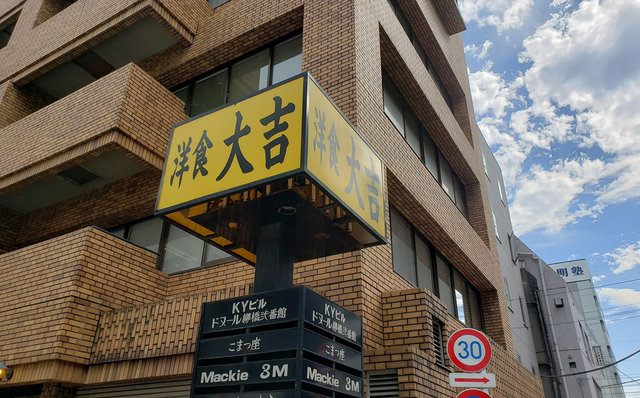
Finally, if you are heading home from Asakusabashi, I would recommend stopping for a drink at “Yōshoku Daikichi” (Western Cuisine Daikichi), located just off Edo-dori.
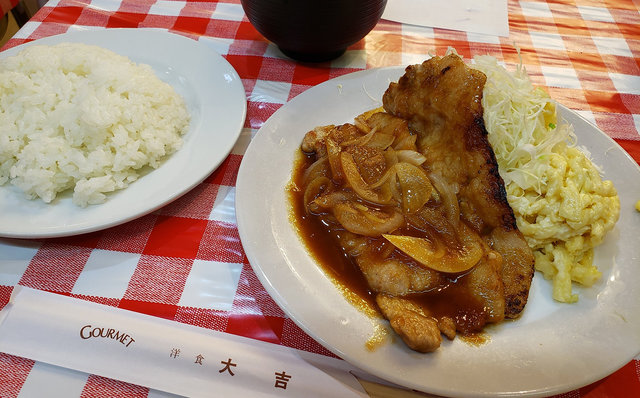
Daikichi, established in 1970, exudes a certain style with its red gingham check tablecloths. Lunch is served until 3:00 PM, and it’s open on weekends, which is a plus. While the relaxed service and the bustling yet calm interior create a welcoming atmosphere, I observed an elderly gentleman enjoying a bottle of beer with the 2,000-yen Iwate-chu pork loin cutlet next to me as I savored my 800-yen ginger pork. It’s an enviable space.
“A clean and lively interior, with kind service. Reasonable prices and good taste.” The renowned Shotaro Ikenami is said to have praised it thus. Daikichi is like a family restaurant or bistro of the downtown area, and for me, it’s a neighborhood eatery for everyday use.
Daikichi, established in 1970, exudes a certain style with its red gingham check tablecloths. Lunch is served until 3:00 PM, and it’s open on weekends, which is a plus. While the relaxed service and the bustling yet calm interior create a welcoming atmosphere, I observed an elderly gentleman enjoying a bottle of beer with the 2,000-yen Iwate-chu pork loin cutlet next to me as I savored my 800-yen ginger pork. It’s an enviable space.
“A clean and lively interior, with kind service. Reasonable prices and good taste.” The renowned Shotaro Ikenami is said to have praised it thus. Daikichi is like a family restaurant or bistro of the downtown area, and for me, it’s a neighborhood eatery for everyday use.
From a toy wholesale district to “Tokyo’s Brooklyn.” When a new image of a town is formed, the old is often eliminated and reborn with a different identity through scratch-and-build development. In contrast, Kuramae faithfully inherits its long-standing history and traditions, while new establishments integrate by renovating or adapting old houses, warehouses, and factories.
This is why the owner of a wholesale business, passed down for generations since before the war, visits a newly opened coffee stand every morning, and the staff of the coffee stand go for tempura bowls for lunch. Kuramae is where vertical and horizontal connections properly intersect, fostering human bonds. These connections drive the evolution of the town’s goods, experiences, and people.
This is why the owner of a wholesale business, passed down for generations since before the war, visits a newly opened coffee stand every morning, and the staff of the coffee stand go for tempura bowls for lunch. Kuramae is where vertical and horizontal connections properly intersect, fostering human bonds. These connections drive the evolution of the town’s goods, experiences, and people.
SOL'S COFFEE STAND
Address: 3-19-4 Kuramae, Taito-ku, Tokyo
TEL: 090-6496-5661
Hours: Weekdays 8:00 AM - 4:00 PM, Weekends 10:00 AM - 5:00 PM
Address: 3-19-4 Kuramae, Taito-ku, Tokyo
TEL: 090-6496-5661
Hours: Weekdays 8:00 AM - 4:00 PM, Weekends 10:00 AM - 5:00 PM
Okazu Yokocho
Address: 1-chome Torigoe, Taito-ku, Tokyo
Address: 1-chome Torigoe, Taito-ku, Tokyo
Kuramae Iseya
Address: 4-37-9 Kuramae, Taito-ku, Tokyo
TEL: 03-3866-5870
Hours: Approx. 11:30 AM - 2:30 PM / 5:00 PM - 8:30 PM
Closed Wednesdays
Address: 4-37-9 Kuramae, Taito-ku, Tokyo
TEL: 03-3866-5870
Hours: Approx. 11:30 AM - 2:30 PM / 5:00 PM - 8:30 PM
Closed Wednesdays
Yōshoku Daikichi
Address: KY Bldg. B1F, 1-30-5 Yanagibashi, Taito-ku, Tokyo
TEL: 03-3866-7969
Hours: Mon-Fri 11:30 AM - 3:00 PM, 5:30 PM - 9:30 PM (L.O.)
Sat, Sun, Holidays 11:30 AM - 3:00 PM, 5:00 PM - 8:30 PM (L.O.)
Closed the 2nd Saturday of the month
Address: KY Bldg. B1F, 1-30-5 Yanagibashi, Taito-ku, Tokyo
TEL: 03-3866-7969
Hours: Mon-Fri 11:30 AM - 3:00 PM, 5:30 PM - 9:30 PM (L.O.)
Sat, Sun, Holidays 11:30 AM - 3:00 PM, 5:00 PM - 8:30 PM (L.O.)
Closed the 2nd Saturday of the month
IJICHI Yasutake
Vice President, Sunshine Juice Inc. Born in Tokyo in 1982. While at Keio University, he was involved in planning and producing receptions and parties for major brands at an event company. He later transferred to a PR firm, where he engaged in planning and management of marketing communications and branding from a PR perspective. He resigned at age 30. Together with his friend since junior high school, the representative, he established Sunshine Juice, Japan's first cold-pressed juice specialty store, and currently holds his position. His favorite foods are fugu (pufferfish) and suppon (soft-shelled turtle). His favorite sports are baseball and horse racing. His favorite places are traditional coffee shops and casual taverns.
Instagram:ijichiman
Vice President, Sunshine Juice Inc. Born in Tokyo in 1982. While at Keio University, he was involved in planning and producing receptions and parties for major brands at an event company. He later transferred to a PR firm, where he engaged in planning and management of marketing communications and branding from a PR perspective. He resigned at age 30. Together with his friend since junior high school, the representative, he established Sunshine Juice, Japan's first cold-pressed juice specialty store, and currently holds his position. His favorite foods are fugu (pufferfish) and suppon (soft-shelled turtle). His favorite sports are baseball and horse racing. His favorite places are traditional coffee shops and casual taverns.
Instagram:ijichiman