The Tuscan Maestro and His Son on the Value of "Handcrafted Wine"
TENUTA DI TRINORO | Tenuta di Trinoro
Benjamin Franchetti, the new owner of Tenuta di Trinoro, an emerging winery in Italy's Tuscany, visited Japan in early winter 2024. He spoke about the "handcrafted wine" pursued for 40 years in a location far from traditional wine regions within Tuscany.
A Challenge Called "Madness"
In an era that prioritizes efficiency and productivity, we tend to measure everything by metrics like "cost performance" and "time performance." In this regard, mass-producing wine offers an undeniable advantage in terms of price due to economies of scale.
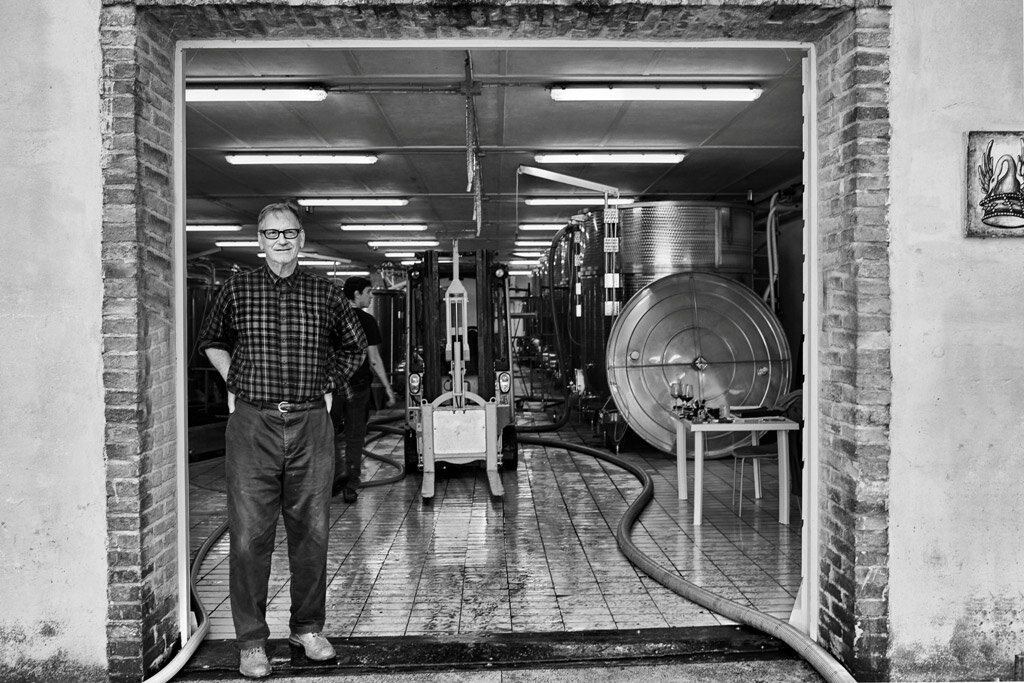
However, what truly constitutes richness? Is it not the unique encounter with a product imbued with the maker's passion, rather than a standardized commodity, that enriches our souls? With that in mind, we invite you to listen to the story of the son (the new owner) who inherited the vision of the founder, once known as the "Maestro of Tuscany."
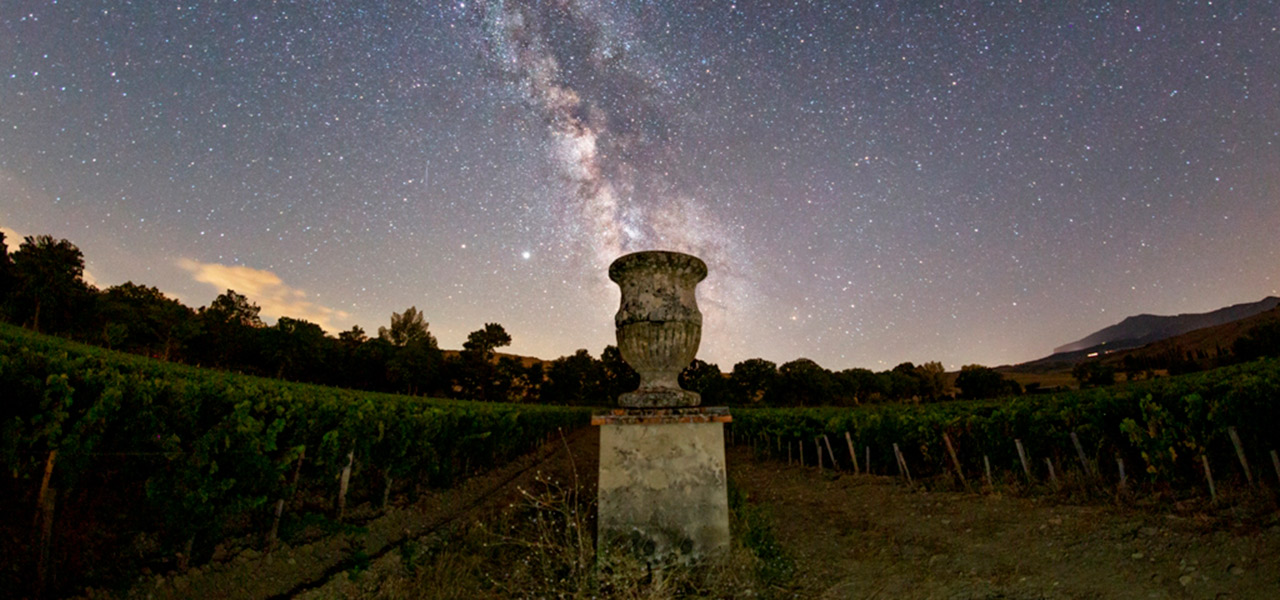
In the late 1980s, in a remote corner of Italy's Tuscany region, a man began making wine at the age of 40. He was the father of the current owner. The land was a frontier, far from traditional wine-producing areas, with no other wineries within a 40-50 km radius.
Sarteano lies in southeastern Tuscany, just over a mountain pass from Umbria. The area is characterized by heavy clay soil, making it difficult to grow even common crops. "You could probably grow potatoes, that's about it," was the sentiment about this barren land, leading journalists of the time to describe him as "crazy."
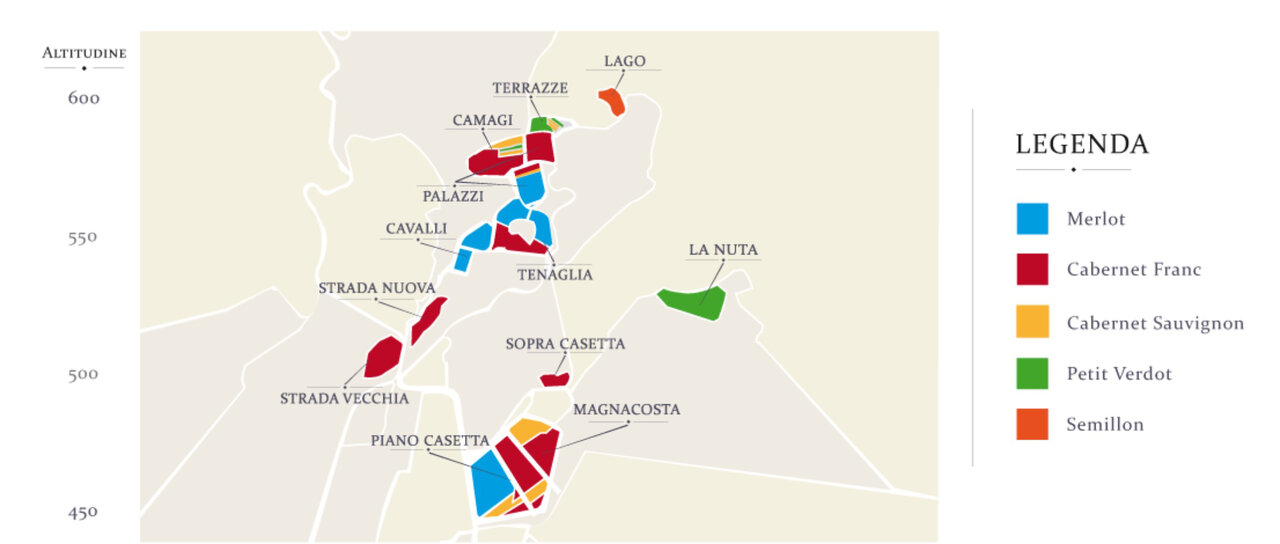
The terroir is exceptionally unique. Summers here are extremely hot, even for Tuscany, and it is a mountainous region with an altitude of 450-650 meters. Yet, this challenge, dubbed "madness," eventually opened up new possibilities for Tuscan wine.
While their secret methods remain undisclosed, it is undeniable that they harness the challenging environment to their advantage, achieving their quality through cultivation and winemaking adapted to these conditions. The potential for exceptional quality in the grape berries emerges only after enduring such harsh circumstances.
The Philosophy of "Tailor-Made" Winemaking
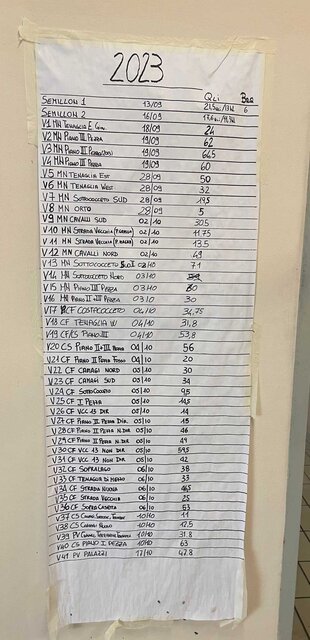
Tenuta di Trinoro currently owns approximately 200 hectares of land, with only 20 hectares dedicated to vineyards. These 20 hectares are further divided into 50 plots, and the grapes harvested from each plot are vinified individually. The soil and climate change their characteristics each year. These changes are meticulously observed to maximize the potential of the grape berries.
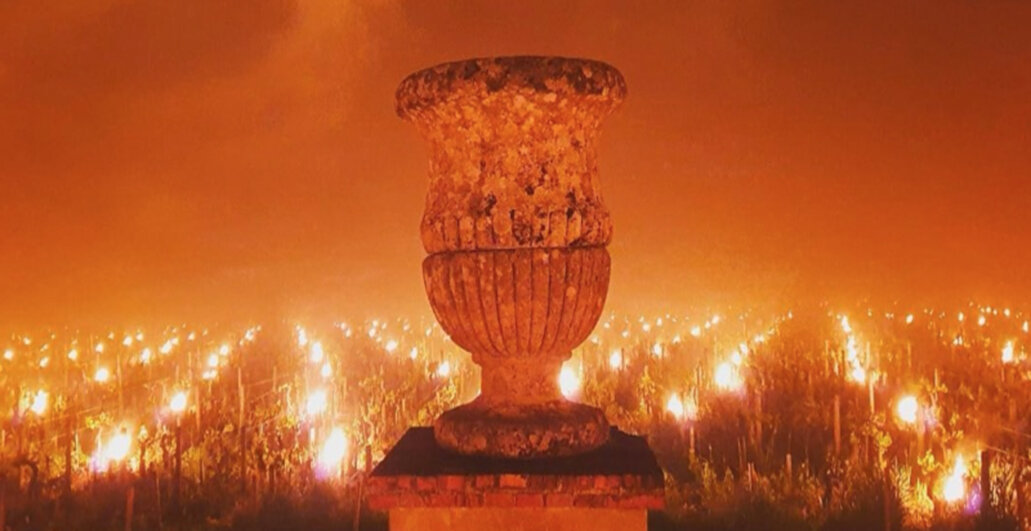
This philosophy is reflected in concrete actions. Take frost protection, for example. To shield young shoots from temperature drops in early spring, bonfires are lit in approximately 4,000 locations as needed. This all-night operation would be impractical for large-scale production. Yet, they spare no effort.
Are there other wineries that meticulously manage such a large number of plots? At least, I have never heard of any. Their approach is akin to a tailor who redraws patterns to fit the unique characteristics of each individual body.
Furthermore, harvesting and bottling are carried out according to the phases of the moon. "During a full moon, the sediment in the wine tends to settle easily. This is wisdom gained from generations of experience (in winemaking)," says Benjamin. Here, there is an emphasis on empirical knowledge derived from long-term observation, rather than purely scientific evidence.
A Sensibility That Waits for "Blue"
Most intriguing is the sensory criterion used to determine the harvest timing. The founder described it as harvesting when the grapes turn "blue." This is not a literal color change but a metaphor for the moment of perfect ripeness.
"My father would taste the grapes in the morning and decide 'a little longer,' then check again in the afternoon and if it was 'now,' he would start the harvest that same day. That perfect moment couldn't be a few days earlier or later."
The accumulation of such delicate judgments ultimately results in a sublime wine quality. Their competitors are likely the renowned châteaux of Bordeaux's Right Bank in France. Their wines possess a structure and solid framework, yet unlike those of the Left Bank, they also exhibit fruitiness. Of course, they do not merely stand alongside them; Trinoro possesses its own unique characteristics. Notably, the sensation of umami gently spreading across the palate and the extraordinary length of the finish are exceptional.
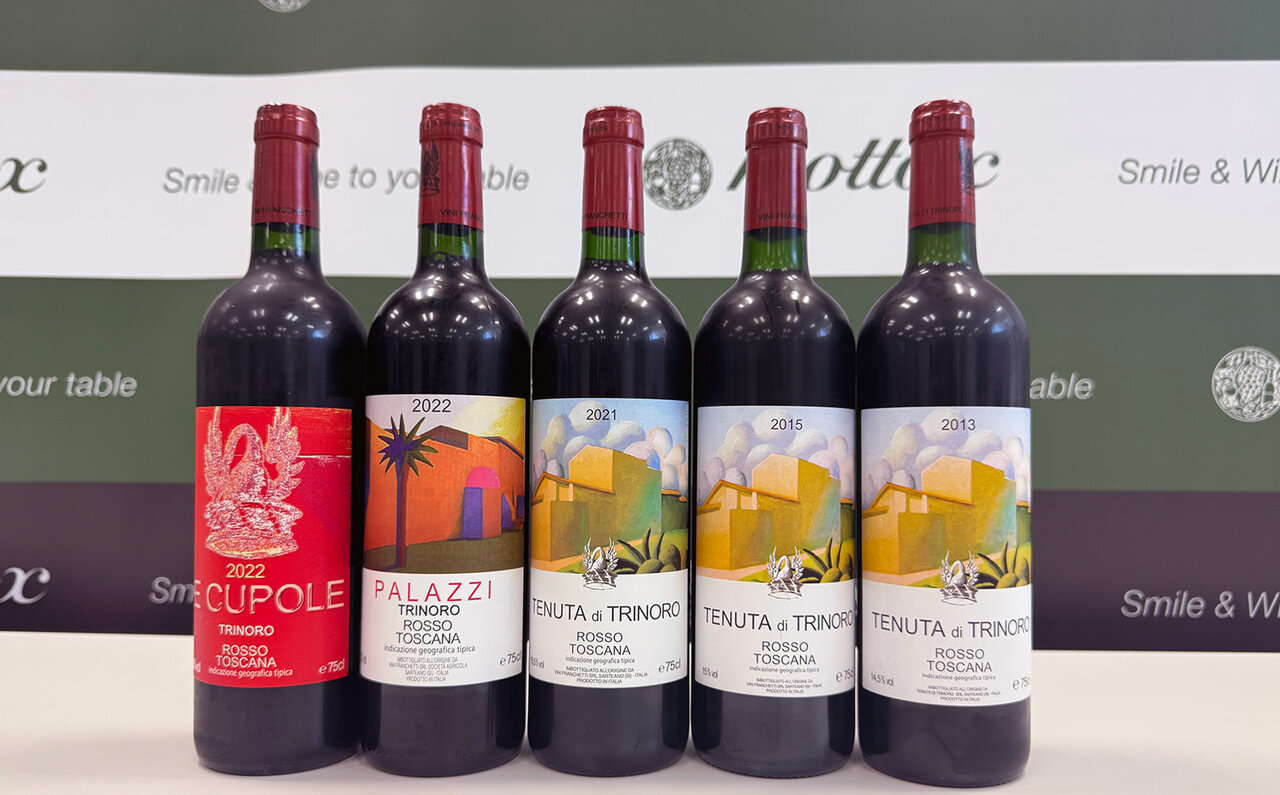
The highest cuvée, "Tenuta di Trinoro," produced from only 6-7% of the annual output, uses grapes from the most select, prime plots among the 50 divisions. The blend ratio varies each year; for the 2021 vintage, it was 60% Merlot and 40% Cabernet Franc.
The Price of Richness ~ Values Passed Down to the Future
When asked, "What is a perfect wine?" Benjamin replied:
"A good wine must immediately reveal its excellence upon opening, and also possess the potential to age for 20 or 30 years. To meet these two conditions, we cannot cut corners."
In today's world where mass production is the norm, their approach can be seen as a form of antithesis. Moreover, it is frustrating not to be able to drink it immediately after purchase. While it is delicious right away, to fully unlock its potential, one must even be prepared to forgo opening it within their own lifetime.
While not denying efficiency outright, different values should also coexist. It is precisely the existence of products pursuing cost and time performance that highlights the value of immense handcrafted effort.
Certainly, wines crafted with meticulous handwork are not for everyone. Realistically, the price difference compared to mass-produced wines is simply too vast. However, the moment of uncorking such a wine will undoubtedly be exceptional, accompanied by a pleasant sense of anticipation.
The unique encounter with a bottle of wine undoubtedly enriches our lives.