Essay Series | #ijichiman's Musings: Hiroo Edition

La Bocca

LOUNGE / EAT
November 7, 2019

Essay Series | #ijichiman's Musings: Hiroo Edition

Essay Series | #ijichiman's Musings: Hiroo Edition

“To insist solely on the safety and security of the physical body, without questioning the life or death of the soul or spirit, is wrong (Yukio Mishima)” — In this series, Yasutake Ijichi, a board member of Sunshine Juice, Japan’s first cold-pressed juice specialty store, delves into the human, earthy content of various towns, contrasting them with the ultimate healthfulness of Sunshine Juice, exploring their history, changes, customs, and culture. The 13th installment focuses on Hiroo, home to numerous embassies and upscale residential areas. We introduce its charms, which extend beyond the simple label of a “celebrity town.”

Photographs and Text by IJICHI Yasutake

A Town Exuding Absolute Comfort and Ease

There was a time when I favored Hiroo for its sense of comfort. In my teens, I frequented Shibuya and Shinjuku, and in my twenties, I actively chose Ebisu and Nishi-Azabu as my playgrounds. However, at some point, I found the bustling atmosphere of Ebisu and the flashy intensity of Nishi-Azabu bothersome and began to avoid them. Hiroo, situated precisely between Ebisu and Nishi-Azabu, had fewer noisy establishments of questionable quality and lacked love hotels and clubs, making it a tranquil town.

The reason for this sense of tranquility is likely the same as why Hiroo generally holds a positive brand image: in addition to the presence of many embassies and temples, the existence of "Hiroo Garden Hills" and "Arisugawa-no-miya Memorial Park" plays a significant role.

Garden Hills, completed just before the end of the Showa era over 30 years ago, is a luxurious condominium complex surrounded by greenery, occupying a vast site of approximately 70,000 square meters. Even as a primary school student at the time, I knew it was a residence for the affluent.
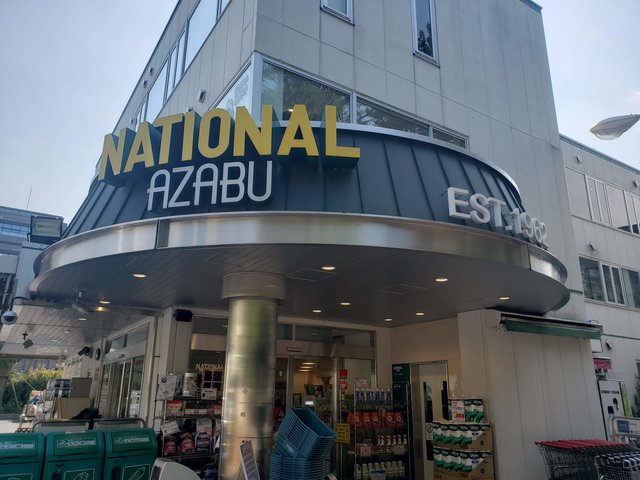
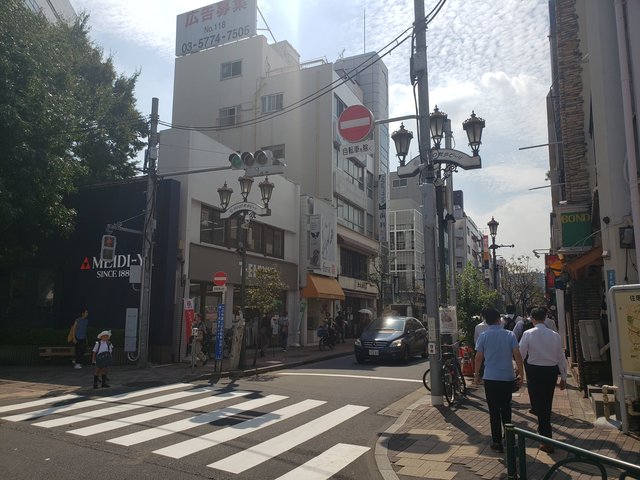
Nearby, the Japan Red Cross Medical Center, Hiroo Hospital, and Aiku Hospital offer peace of mind for childbirth and childcare. The area also boasts excellent educational environments with many prestigious private institutions such as Keio Yochisha, Azabu Junior and Senior High School, Sacred Heart University, and Wakabayashi Kindergarten. For daily shopping, there are supermarkets like Meidi-ya and National Azabu.

Far from being an inconvenience to daily life, visiting these places offers exposure to rare organic vegetables and exotic international drinks and snacks that are not commonly seen, always elevating the experience. There is no doubt that Garden Hills remains popular today as one of Tokyo's premier vintage apartment buildings.
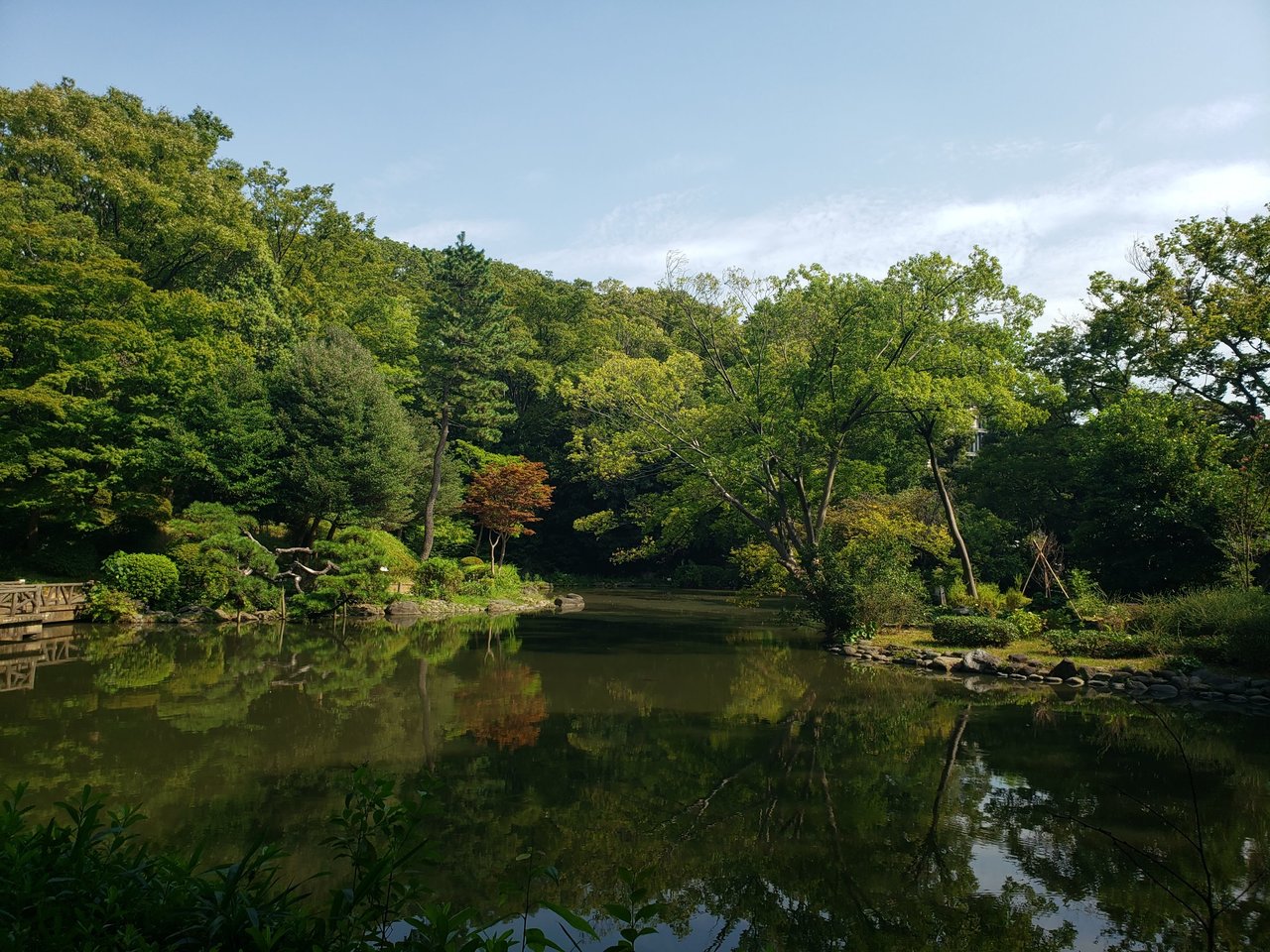
Arisugawa Park is a vast park that, while equipped with a baseball field and tennis courts, also features a charming garden and a valley where one can appreciate the beauty of the changing seasons. I first visited in high school.

Some of my friends used to study at the park's library before final exams. I, on the other hand, was never one to study at libraries or family restaurants; I preferred studying at home. My true purpose for going was the dinner we would share afterward. When I first visited, I was surprised, as I hadn't expected such scale and poetic charm in the heart of Tokyo.

Since then, I've had innocent outings with friends at night and taken solitary strolls during the day. The flow of time feels different inside and outside the park; it's a place that soothes the heart upon entering.
Hiroo holds two establishments deeply etched in my memory: "Paper Moon" and "ZOY espace café," both located in Tengenji. Although both have since closed, there was a period when, if we opted for "tea" after a meal instead of "alcohol," we would implicitly choose one of them.

Paper Moon, with its flashy interior and sofa charge system, seemed to present a world diametrically opposed to the tranquil facade of Hiroo I've described. Yet, its mille-crêpe cake was a guaranteed hit, always finding space in my stomach regardless of how full I was.

My first visit to ZOY was after being taken to "Kinryuzan," a yakiniku restaurant renowned for being impossible to reserve. I still remember the unforgettable experience of leisurely washing down the exquisite, unaccustomed richness of the meat that had filled my stomach with tea.
Incidentally, my frequent dining spot was "Yakiyaki Miwa." I'm not sure about its current status, but I recall it being open until around 2:00 or 4:00 AM. Visiting late at night, I often saw the Yakult Swallows baseball team players there after their games at Jingu Stadium. Its ambiguous position, not quite an okonomiyaki restaurant nor a teppanyaki establishment, made it conveniently accessible. With both counter seating and private rooms, it was a place I frequented regardless of the occasion or time.

I also liked "Yoshimura," a teppanyaki restaurant slightly more subdued than Miwa, located at the far end of the Hiroo shopping street. The chanko nabe restaurant "Gyokairyu" near the station(now closed)was also a frequent choice for group gatherings. Over hot pot at "Kajoutei" across the street, or while savoring soba noodles at "Sawacho," I discussed work matters with my seniors.
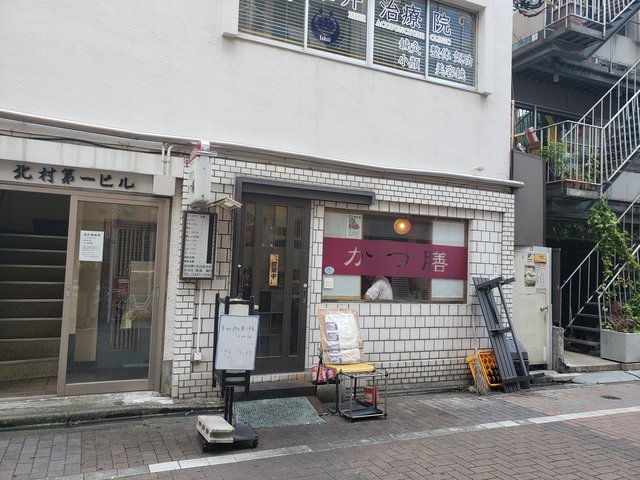
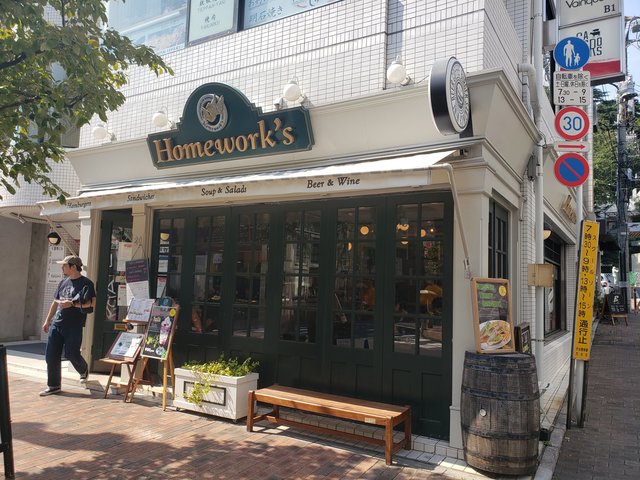
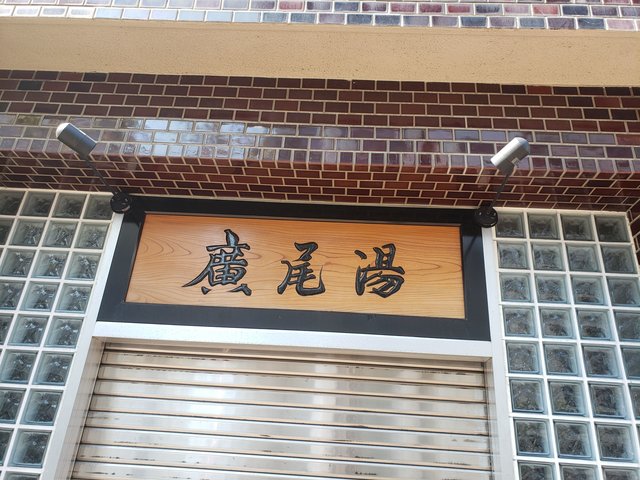
The Hiroo shopping street itself boasted a diverse array of establishments, each with its unique character: "Katsuzen" with its generous portions, "Homeworks" which, even when McDonald's and Lotteria were the primary choices for burgers, was committed to authentic burgers; opposite it, "Funabashiya Koyomi," a Japanese confectionery shop with over 200 years of history; "Tamaya," an old-fashioned toy store; and "Hiroo-yu," a public bathhouse. I loved them all for their distinctiveness and their comfortable, well-balanced atmosphere.
My memories of these places date back nearly a decade, so many have likely closed or relocated. However, many establishments continue to be loved, maintaining their style and stance unchanged.
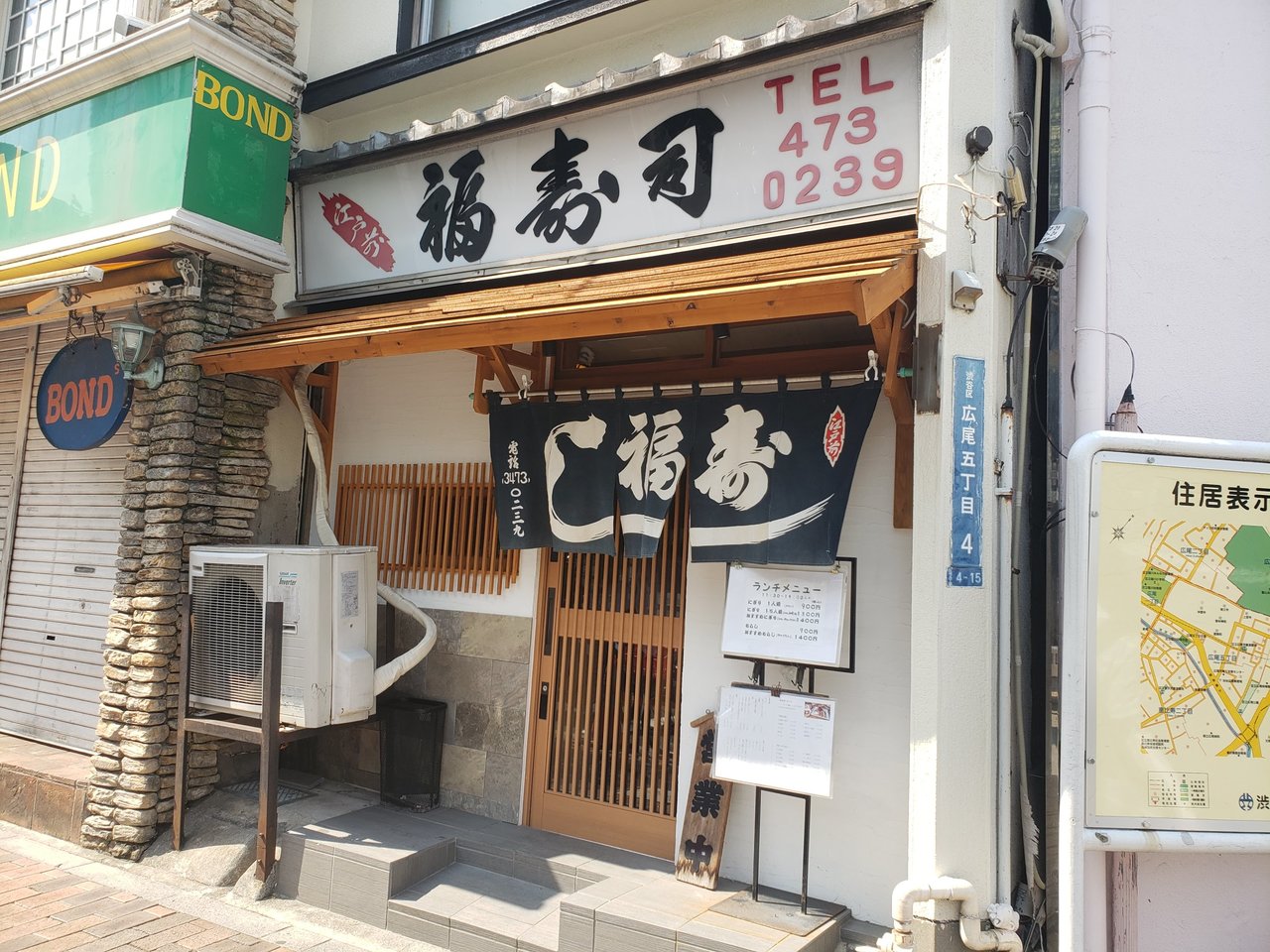
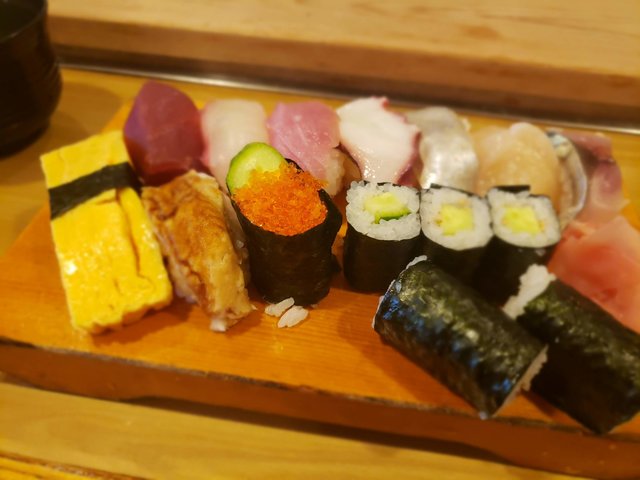
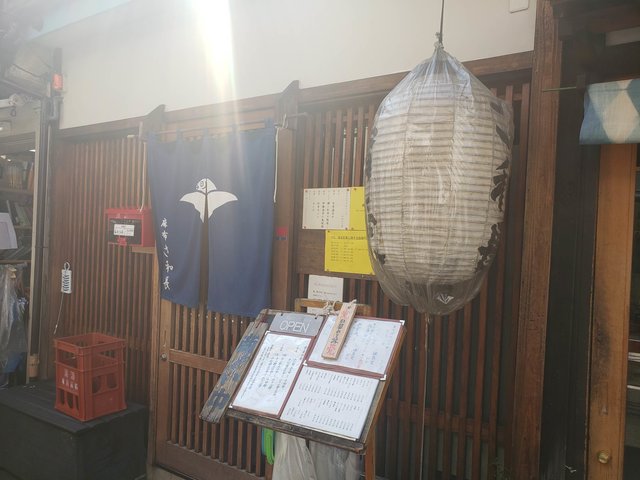
"Fuku Sushi," located at the entrance of the shopping street near Hiroo Station, was established in 1956. By the time I first visited Hiroo, it was already a venerable institution in the neighborhood. The seven-digit phone number on its sign exudes a subtle sense of reassurance.
This reassurance is matched by its comfortable ambiance, where one can enjoy a few pieces of sushi with a glass of sake and leave promptly. Lately, whenever I have business in Hiroo alone, my routine is to head straight here to finish my meal without overthinking.
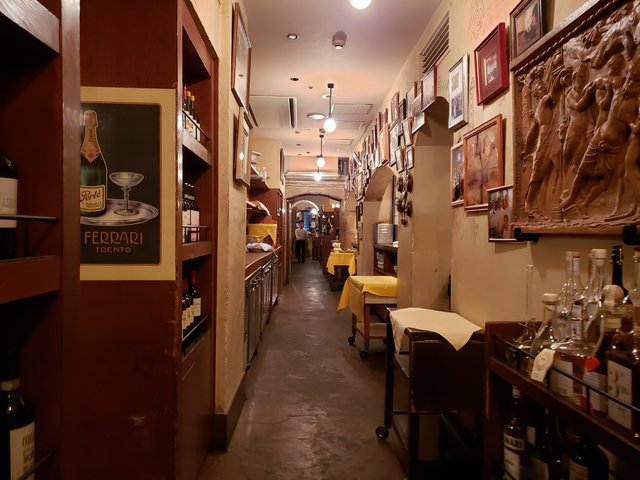
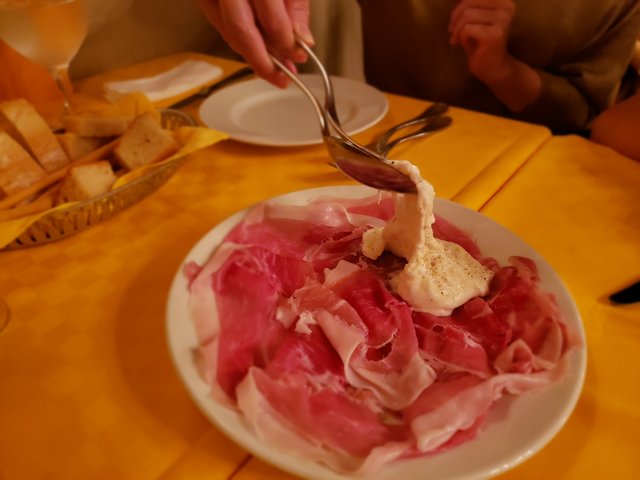
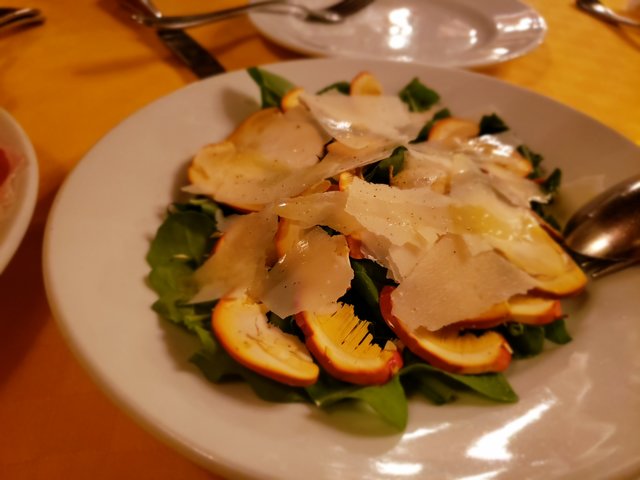
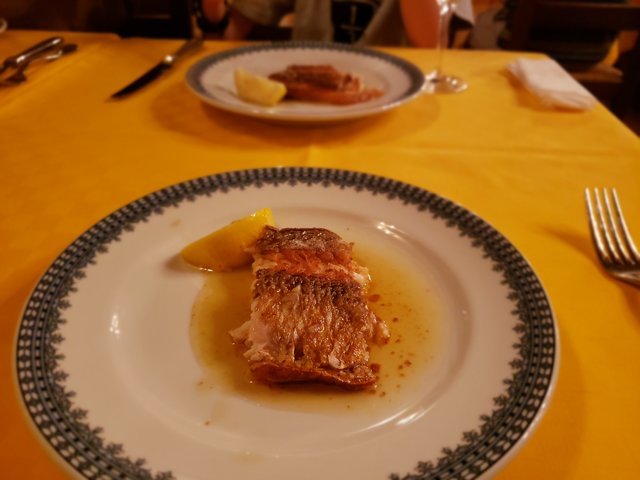
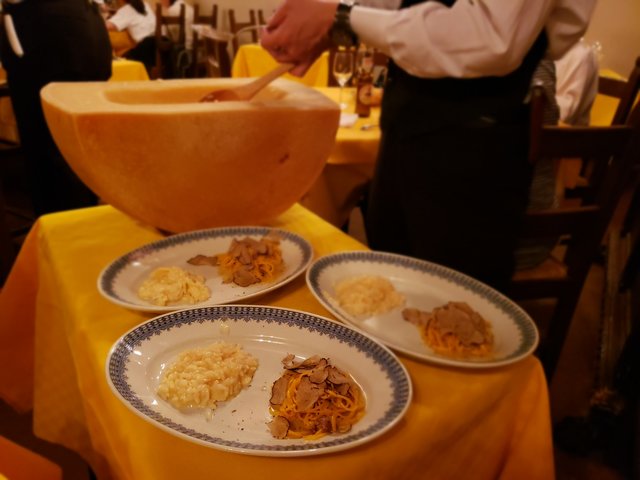
Another long-time favorite is "La Bisboccia," an Italian government-certified restaurant located in Tengenji, a short distance from Hiroo. I discovered it in a magazine in my teens and longed to visit. My first visit was after I turned twenty.

During my university years, I often traveled to Milan, Rome, and Venice. I was captivated by the Italian spirit and culture—the way they wholeheartedly enjoyed the fleeting moments in fashion, sports, and especially food. La Bisboccia offers precisely that atmosphere. I became an instant fan.
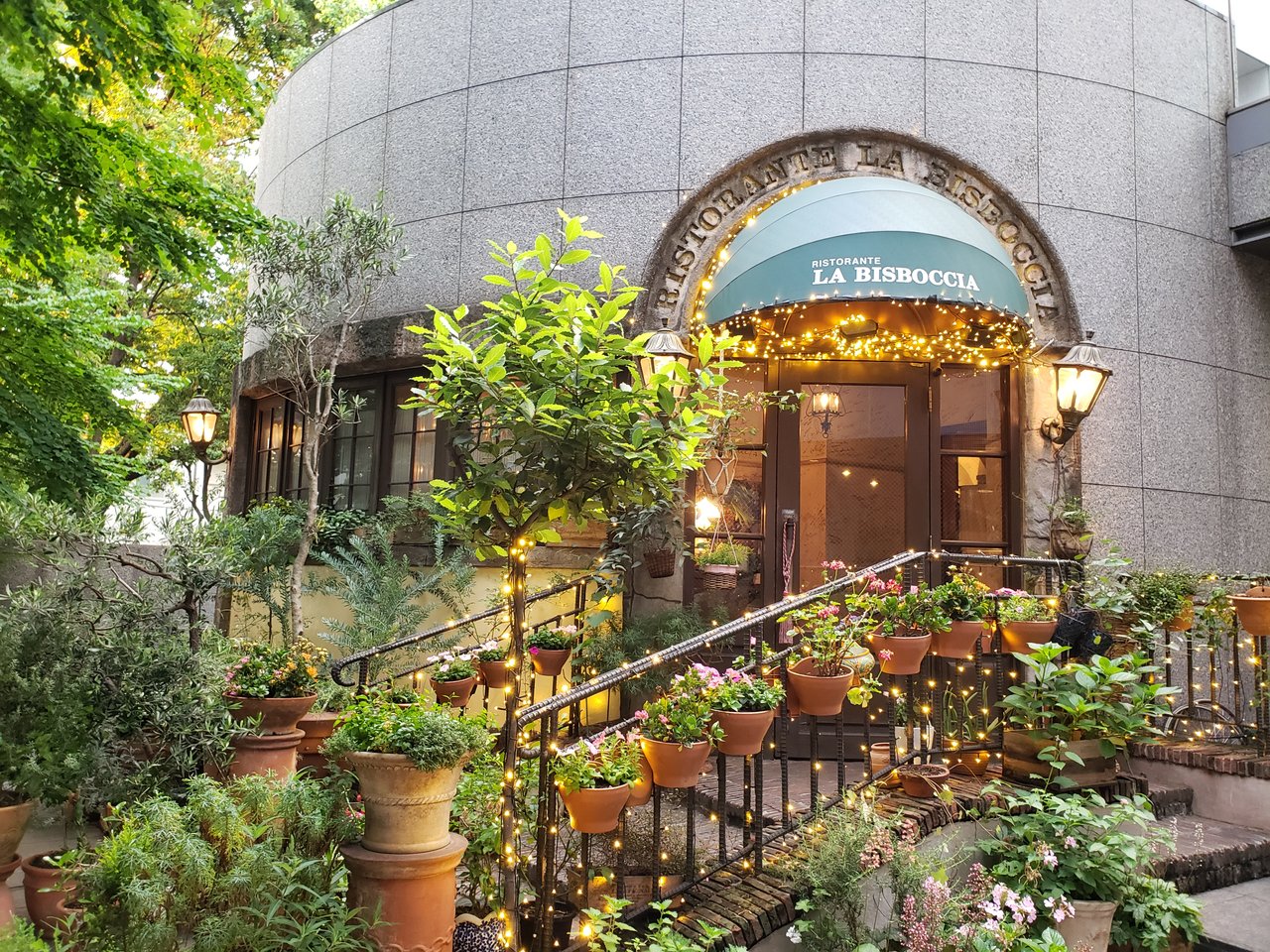
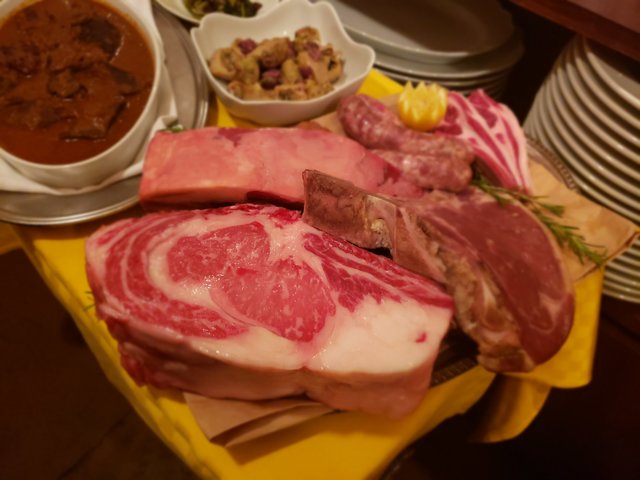
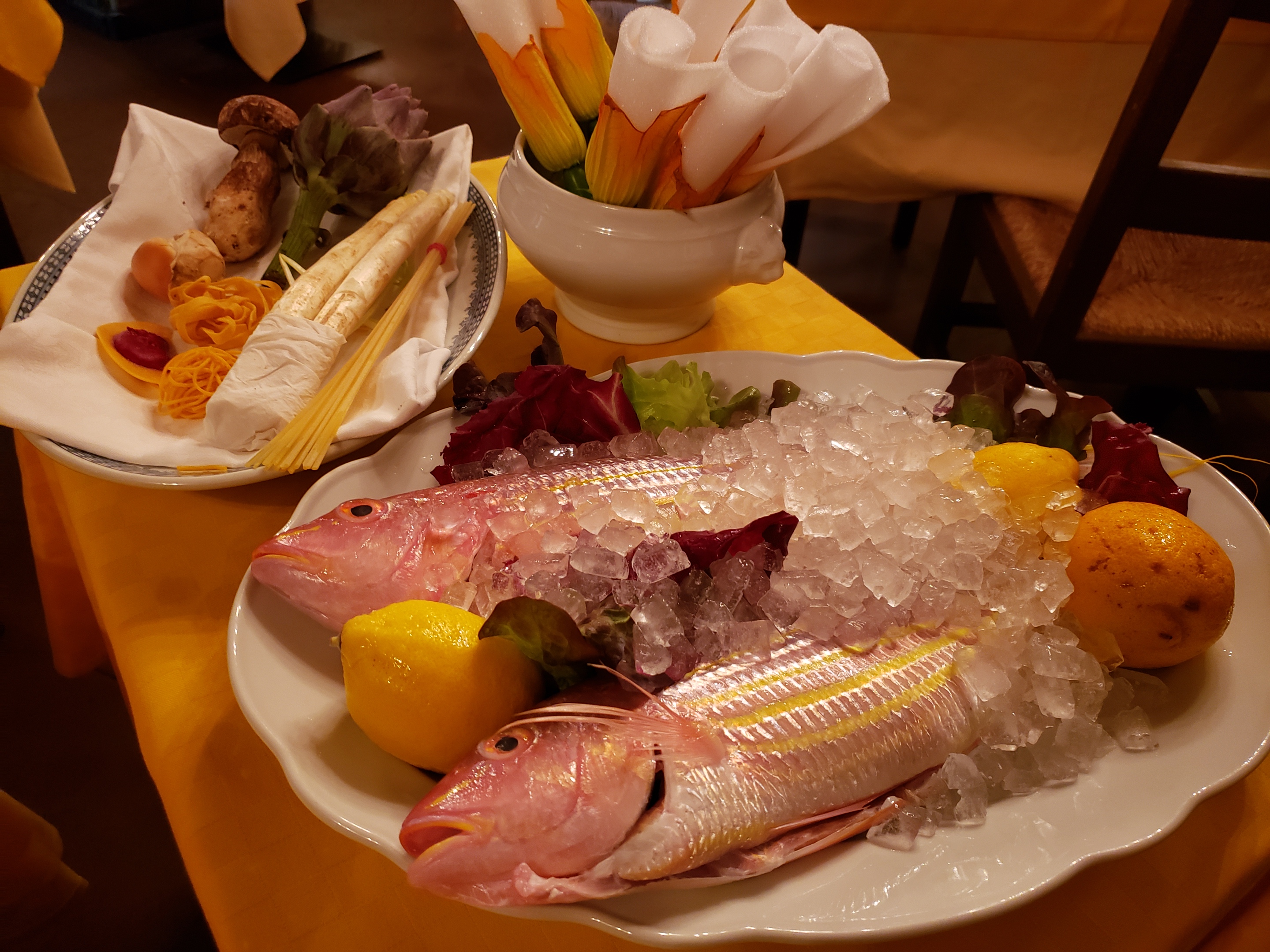
The warm welcome of "Buonasera!!" upon entering is delightful. While choosing classic dishes from the main menu, it's wonderful to be able to request preparations from the day's recommended ingredients brought over on a trolley. Both the dining area and the kitchen exude a sense of openness, and smiles are constant at every table. When I think of La Bisboccia, I can vividly recall specific meals with specific people. That's how thoroughly enjoyable every dining experience there has been.
While it's undeniably true that Hiroo is called a "celebrity town" or an "upscale residential area," and its land prices and rents reflect this status, the town doesn't succumb to extravagance, nor does it display arrogance. Truly affluent individuals don't flaunt their wealth or boast; they are also free from envy and resentment. Hiroo possesses an absolute, rather than relative, sense of comfort and ease, which I believe fosters tolerance, gentleness, and magnanimity, allowing for a peaceful enjoyment of the town.
Arisugawa-no-miya Memorial Park
Address: 5-7-29 Minami-Azabu, Minato-ku, Tokyo
TEL: 03-3441-9642
Hours: Open all day; Park Management Office (8:30 AM - 7:15 PM, closes 5:15 PM from October to April)

Fuku Sushi
Address: 5-4-15 Hiroo, Shibuya-ku, Tokyo
TEL: 03-3473-0239
Hours: 11:30 AM - 10:30 PM; Closed Thursdays

La Bisboccia
Address: Hiroo MTR Bldg. 1F, 2-36-13 Ebisu, Shibuya-ku, Tokyo
TEL: 03-3449-1470
Hours: 5:30 PM - 10:30 PM (Last Order); Closed Sundays
IJICHI Yasutake
Representative Director, Sunshine Juice Inc. Born in Tokyo in 1982. During his time at Keio University, he was involved in planning and producing receptions and parties for major brands at an event company. He then moved to a PR firm, where he engaged in planning and managing marketing communications and branding from a PR perspective. He resigned at the age of 30. With his representative director, a friend since junior high school, he founded Sunshine Juice, Japan's first cold-pressed juice specialty store, and currently holds his position. Favorite foods include fugu (pufferfish) and suppon (soft-shelled turtle). Favorite sports are baseball and horse racing. Favorite places include traditional coffee shops and casual izakayas.
Instagram:ijichiman

Photo Gallery