Serialized Essays | #ijichiman's Musings: Jiyugaoka Edition
The 17th Installment: Jiyugaoka, Where True Quality Takes Root
“To insist solely on the safety of the body, without questioning the life or death of the soul or spirit, is misguided (Yukio Mishima).” In this serialized column, Yasutake Ijichi, a board member of Sunshine Juice, Japan’s first cold-pressed juice specialty store, delves into the human, often messy, aspects of various neighborhoods, contrasting them with the ultimate healthfulness of Sunshine Juice. He explores their history, evolution, customs, and culture. In this 17th installment, he navigates Jiyugaoka, a district lined with stylish shops and establishments.
Photographs and Text by IJICHI Yasutake
Only the Authentic Remains, Stripped of the Superfluous
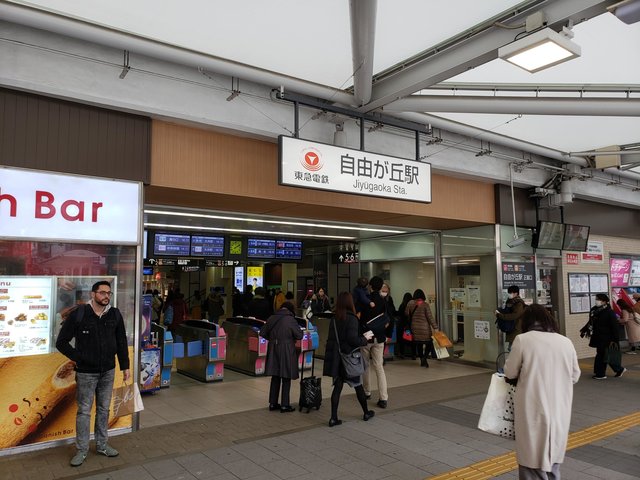
For a total of eight years, from middle school through high school and into my second year of university, I commuted between Shibuya and Hiyoshi on the Tokyu Toyoko Line. I may not have attended university consistently, so the actual duration might be shorter. Regardless, it was undoubtedly the train I used most during my youth. Back then, there were only local and express trains, but Jiyugaoka was the only station between Shibuya and Hiyoshi where the limited express stopped (Nakameguro was initially a non-stop station).
We were broadly divided into two groups: the “Shibuya group” (those living along the Yamanote, Inokashira, or Ginza lines, whose after-school battleground was Shibuya) and the “Gaoka group” (those living along the Oimachi Line or around Toritsu-daigaku and Gakugei-daigaku, whose after-school haunt was Jiyugaoka). I lived in Shin-Okubo and was part of the Shibuya group, so I rarely hung out in Jiyugaoka. However, I occasionally went there with friends from the Gaoka group.
When I say “hang out,” it meant going to places like “Karaoke no Tetsujin” or just chatting in front of “GAP.” In other words, the honest impression was that students back then didn't have many places to socialize, and it felt like a simple, unadorned, locally-focused town. Whenever I later saw it introduced in various media as an “stylish” town, I felt a lingering sense of unease.
What does “stylish” even mean? According to the Kōjien dictionary, it refers to a beautiful appearance or an interesting person. The etymology is said to come from “saraseru” (to be exposed), meaning a state where superfluous things have been removed, or from “sawareru” (to play), implying quick-wittedness, attentiveness, and sophistication. Perhaps the unease I felt stemmed from focusing solely on the meaning of “beautiful appearance” associated with personal grooming, which is inherent in “stylish.”
Jiyugaoka, this stylish town, is actually a historic district whose name has remained unchanged since before the war.
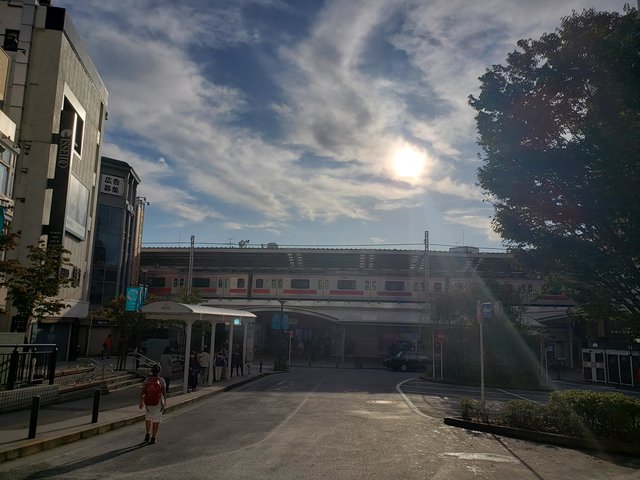
Jiyugaoka, said to have been nothing but bamboo groves before the current Toyoko Line opened, originated when the line was extended from the current Tamagawa Station to Shibuya Station in 1927, with the opening of Kuhonbutsu Station. Around the same time, Jiyugaoka Gakuen, which advocated for liberal education, was founded by Kishie Tezuka. In 1929, when the current Oimachi Line opened and the current Kuhonbutsu Station was established closer to Kuhonbutsu Temple, the original Kuhonbutsu Station became Fsuma Station, the precursor to the current Jiyugaoka Station, and was soon renamed Jiyugaoka Station.
Later, the “ga” character replaced the “ga” character, and in 1966, it was renamed Jiyugaoka Station. While there are various theories, this is considered the most likely progression to the present day. Developed with the model of desirable residential areas in Europe, Jiyugaoka gradually developed commercially and culturally, becoming a leading residential area in Tokyo's southern districts, attracting many cultural figures and entertainers.
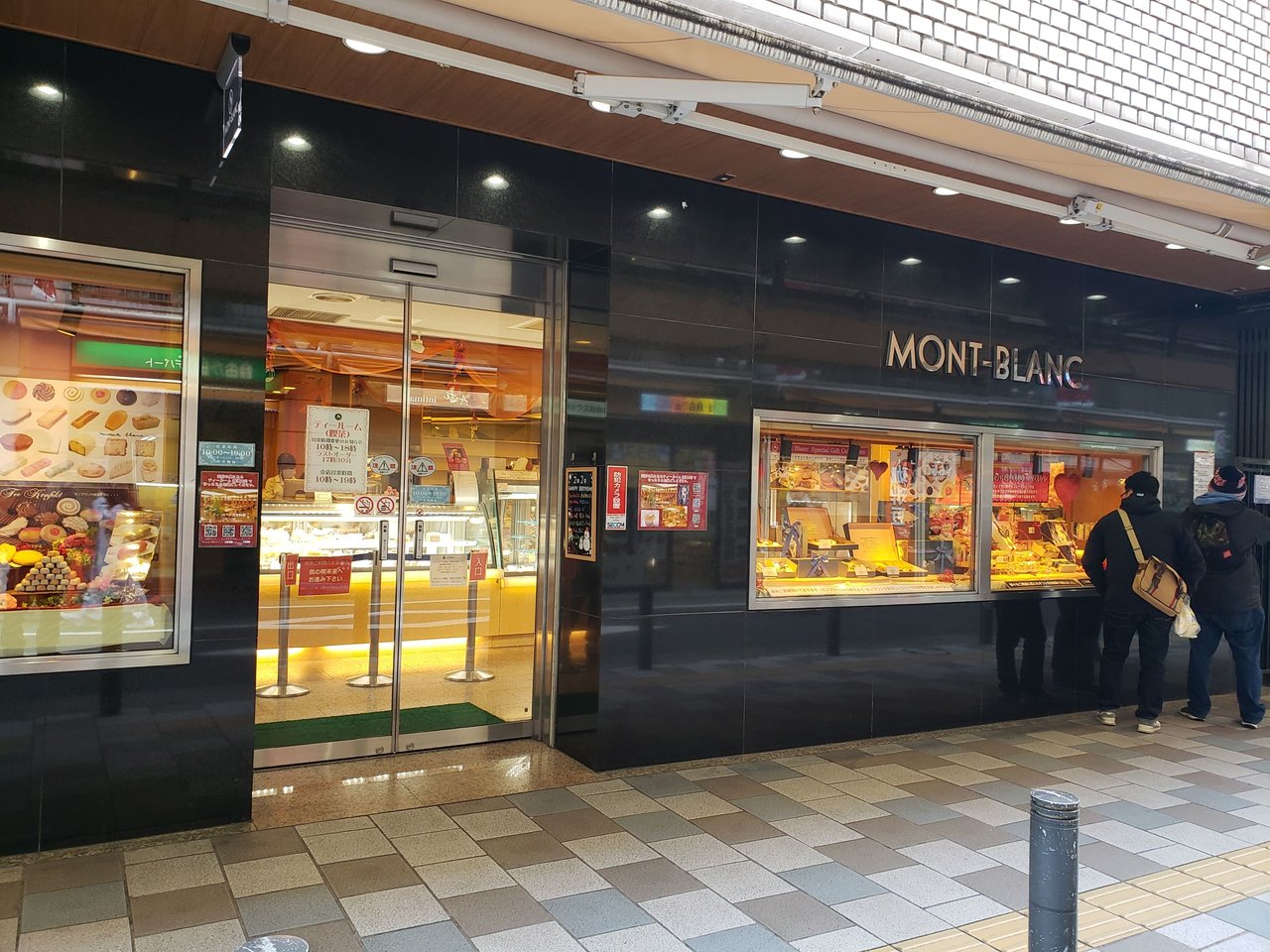
The Mont Blanc as we imagine it, with its chestnut cream resembling yellow buckwheat, was created at Mont Blanc, a Western confectionery shop that first offered it in Japan in 1933. The shop was a gathering place for many cultural figures at the time, and its spacious, comfortable tearoom still welcomes many people seeking an elegant experience.
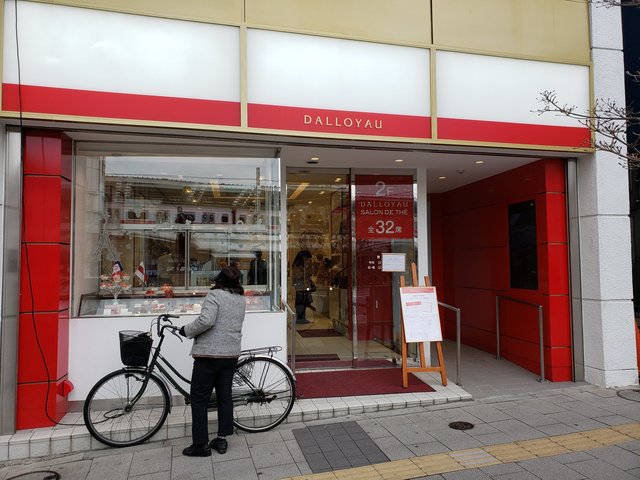
In 1938, Kameya Mannendo, known for its "O-kashi no Home Run Ou Nabona" (King of Sweets Home Run Nabona), was founded. These long-established Japanese and Western confectionery pioneers continue to watch over Jiyugaoka. In 1982, Dalloyau of Paris, whose history dates back to the Palace of Versailles in 1682, opened its main store in Jiyugaoka in partnership with Fujiya. Patissier Hiroyuki辻口, who established his first patisserie, Mont St. Clair, in Jiyugaoka in 1998, is another notable figure. Many popular sweets were born, became trends, and took root in Jiyugaoka.
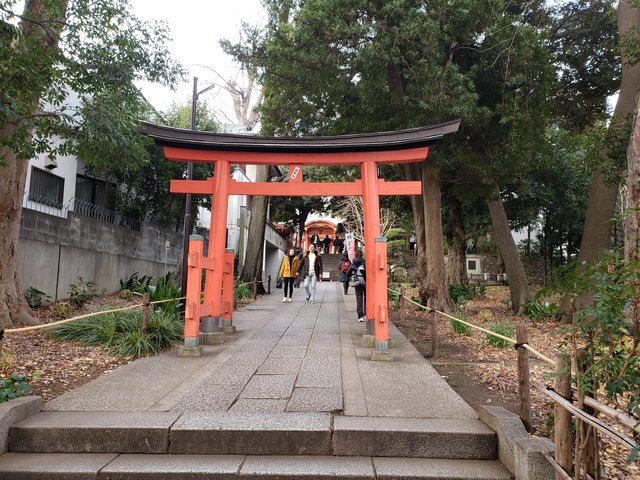
Exploring Jiyugaoka reveals a long and rich history, and areas where this passage of time is preserved in a tangible way can be found throughout the district. Under the railway tracks in the north exit area, where old, well-worn drinking establishments are concentrated, you'll find establishments like Kaneda, which started as a food stall in 1936, and Hosakaya, a specialist eel restaurant founded in 1951. The railway crossing of the Oimachi Line, which stops passersby in their tracks, and Kumano Shrine, where a part of the bamboo grove that existed before the Toyoko Line opened still remains, are also deeply atmospheric and have endured for decades. Many such beloved long-standing establishments continue to thrive alongside these townscapes.
Ancienne Angle, a French coffee and cheesecake shop located along the railway crossing, is a long-established tearoom where the aroma of coffee fills a dimly lit space, offering a perfect escape for a leisurely time. This is the third branch of the shop, which first opened in Harajuku in 1975.
The coffee, with its orthodox, subtly bitter richness, and the smooth, subtly sweet cheesecake are perfect companions for spending a peaceful time, whether on a bustling weekend afternoon in Jiyugaoka or a quiet weekday. It's a wonderful old-fashioned tearoom for contemplation and reading.
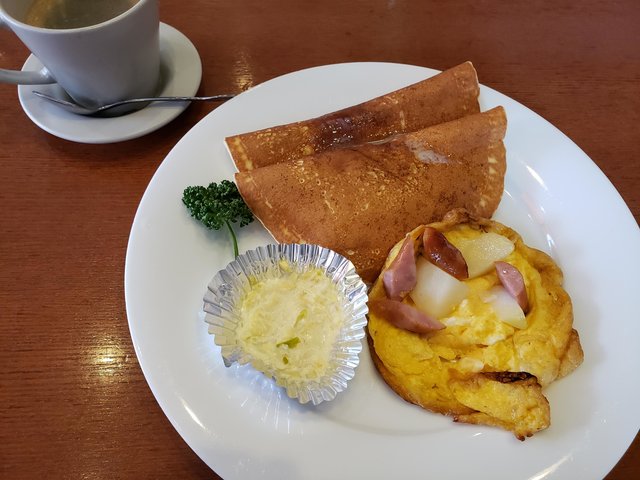
Across the railway crossing, at the end of the greenway, is the pancake specialty shop Hanafukurin, another popular establishment founded in 1979. Unlike the boisterous image the word "pancake" might evoke, this is a place for a relaxed and cozy experience. The pancakes, made with a recipe unchanged since its founding, are thin and light yet chewy and somehow warm. They are a flavor you could enjoy every day without getting tired of them.
The elderly couple who run the place, with their friendly yet appropriately distant demeanor, and the consistently satisfying flavors create an atmosphere that is both welcoming and reliable. In a daily life often spent feeling rushed, the time spent here offers a reset for both mind and body.
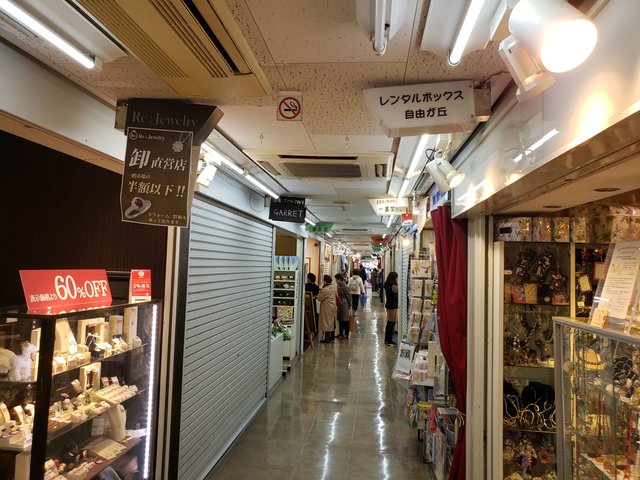
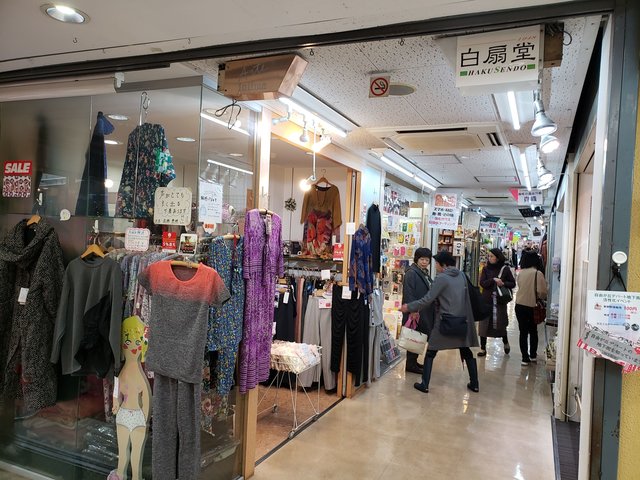
No discussion of Jiyugaoka would be complete without mentioning the Jiyugaoka Department Store, a shopping building erected in 1953 in front of the station. It retains a hint of the post-war black market atmosphere, reminiscent of the station buildings in Shimbashi, with about 100 small, individual shops, each about 3 tsubo (approx. 100 sq ft), packed tightly along narrow corridors.
In the Showa 30s and 40s (1955-1974), it must have been a commercial facility at the forefront of trends, akin to today's Hills or Midtown complexes. The B1 and 1st floors are mostly boutiques selling clothing, accessories, and jewelry. Occasionally, you'll find food stalls, sushi shops, or antique stores that pique your interest. The 2nd floor is for dining, and the 3rd floor houses snack bars. As there are no modern conveniences like elevators or escalators, all movement between floors is by stairs.
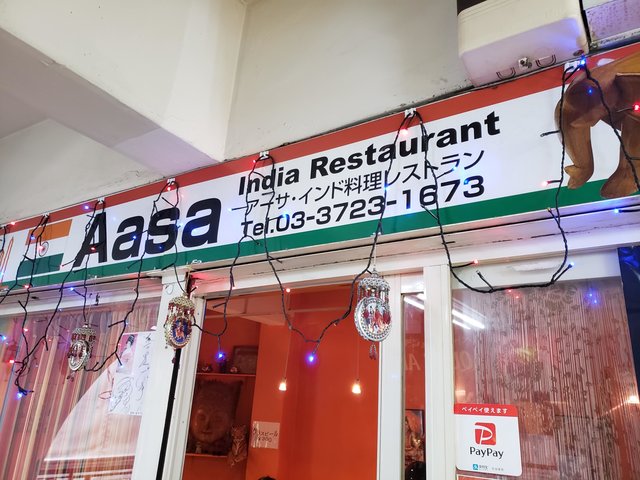
My initial encounters with the Jiyugaoka Department Store were at YAMATO on the first floor, where I often bought accessories. Now, however, I primarily frequent its eateries. The tonkatsu restaurant Ajino Ichiban and the curry shop aasa on the second floor offer delicious and satisfying lunches for under 1000 yen. The popular Vietnamese restaurant QUAN AN TAM often has a queue during lunchtime, but their pho, as well as the accompanying chicken wings, are truly delicious.
Jiyugaoka and its neighbor Denenchofu are home to many discerning individuals, including long-time landowners, who appreciate true quality. The continued existence of the Jiyugaoka Department Store is undoubtedly due to the ongoing affection it receives from such people.
How do we interpret the word “stylish”? If, like my younger self, we understand it in the context of “beautiful” or “cool”—and indeed, this is how it's often perceived today—our gaze might be limited to fleeting trends, leading to a superficial view. However, if we can also consider its other meaning, we see that Jiyugaoka is a place where only the authentic, stripped of the superfluous, remains. The expression “stylish town” as a clever or sophisticated town then becomes understandable. While superficial elements certainly exist, Jiyugaoka is a town where fundamentally good things are deeply rooted. Lastly, be aware that for some reason, most shops in Jiyugaoka are closed on Wednesdays.
Cafe Ancienne Angle
Address: 1-13-6 Jiyugaoka, Meguro-ku, Tokyo
TEL: 03-3725-4749
Hanafukurin
Address: 1-7-3 Jiyugaoka, Meguro-ku, Tokyo
TEL: 03-3724-0310
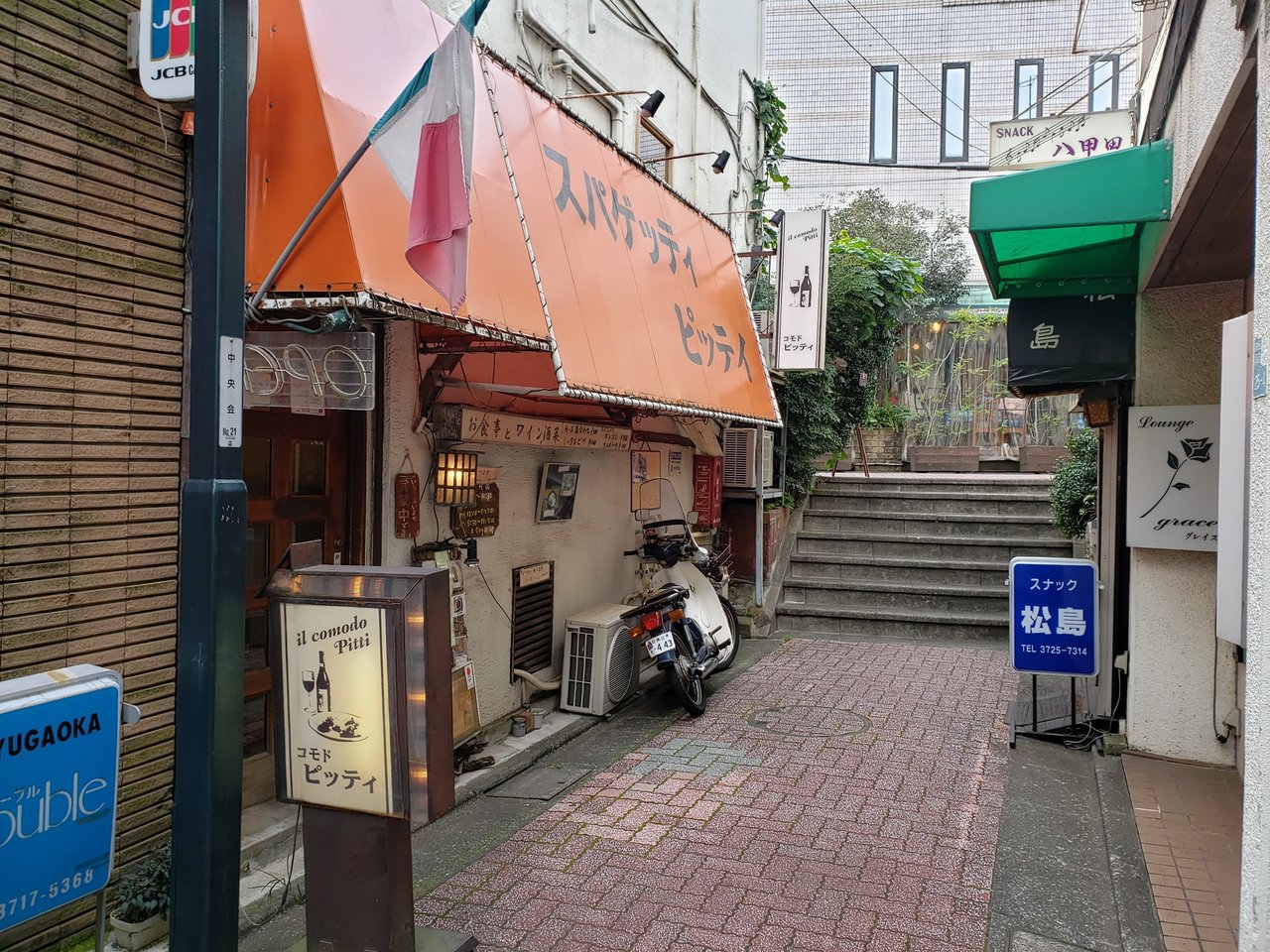
Pitti
Address: 1-25-5 Jiyugaoka, Meguro-ku, Tokyo
TEL: 03-3724-5949
Jiyugaoka Department Store
Address: 1-28-8 Jiyugaoka, Meguro-ku, Tokyo
TEL: 03-3717-3131
IJICHI YasutakeVice President, Sunshine Juice Inc. Born in Tokyo in 1982. While at Keio University, he was involved in planning and producing receptions and parties for major brands at an event company. He then moved to a PR firm, where he engaged in planning and managing marketing, communication, and branding initiatives from a PR perspective. He resigned at the age of 30. With his representative, a friend since junior high school for over 20 years, he founded Sunshine Juice, Japan's first cold-pressed juice specialty store, and currently holds his position. His favorite foods are fugu and soft-shelled turtle. His favorite sports are baseball and horse racing. His favorite places are traditional coffee shops and popular local bars.
Instagram:
ijichiman