Serialized Essays | #ijichiman's Musings: Ikebukuro Edition

Lunch House Mitoya

LOUNGE / EAT
February 29, 2020

Serialized Essays | #ijichiman's Musings: Ikebukuro Edition

18th Installment: Ikebukuro, a City Where Human Desires Are Unleashed, Fulfilled, and Swirl

“To insist solely on the safety and security of the body, without regard for the life or death of the soul or spirit, is wrong.” — Yukio Mishima. In this serialized series, Yasutake Ijichi, a board member of Japan’s first cold-pressed juice specialty store, Sunshine Juice, delves into the city’s diverse, human-centric content, exploring its history, evolution, customs, and culture, in stark contrast to the ultimate healthfulness of Sunshine Juice. This 18th installment explores how to enjoy Ikebukuro, positioned as one of Tokyo’s three major sub-centers.

Photographs and Text by IJICHI Yasutake

A Captivating City to Enjoy in Countless Ways, Depending on Your Mood

Ikebukuro, alongside Shibuya and Shinjuku, is one of Tokyo’s three major sub-centers. It has developed as a hub connecting the inner city areas like Marunouchi, Nihonbashi, and Roppongi, which house government offices, banks, and corporations, with the suburbs, boasting department stores, shopping streets, and entertainment districts.

Ikebukuro Station is a massive terminal station used by approximately 1 billion people annually. In terms of passenger numbers by station in 2018, it ranked second for JR East (with Shinjuku being first). However, despite a significant lead over Shibuya, which ranked sixth, its public image is somewhat perceived as more subdued compared to the others.

Perhaps because it is often jokingly referred to as “Saitama’s territory,” its function as a gateway to Saitama has been strengthened with the addition of the Fukutoshin Line to the existing Tobu and Seibu lines, diminishing its “Tokyo-ness.”
Furthermore, while Shinjuku and Shibuya undergo rapid change, Ikebukuro has seen little major transformation since the opening of Sunshine City in 1978. I believe this, however, is precisely what makes Ikebukuro charming.

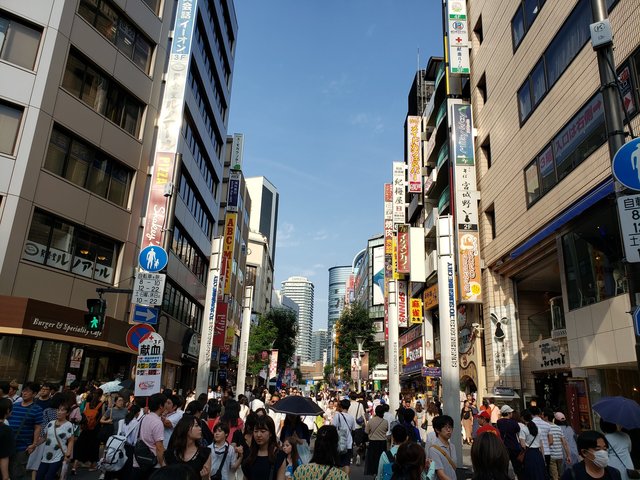
Ikebukuro is comprised of three main entrances: East, West, and North. Each retains a corner with a traditional, diverse, and somewhat chaotic atmosphere, while also possessing distinct personalities. The greatest appeal lies in its versatility, allowing you to enjoy it in countless ways depending on your mood and companion for the day.
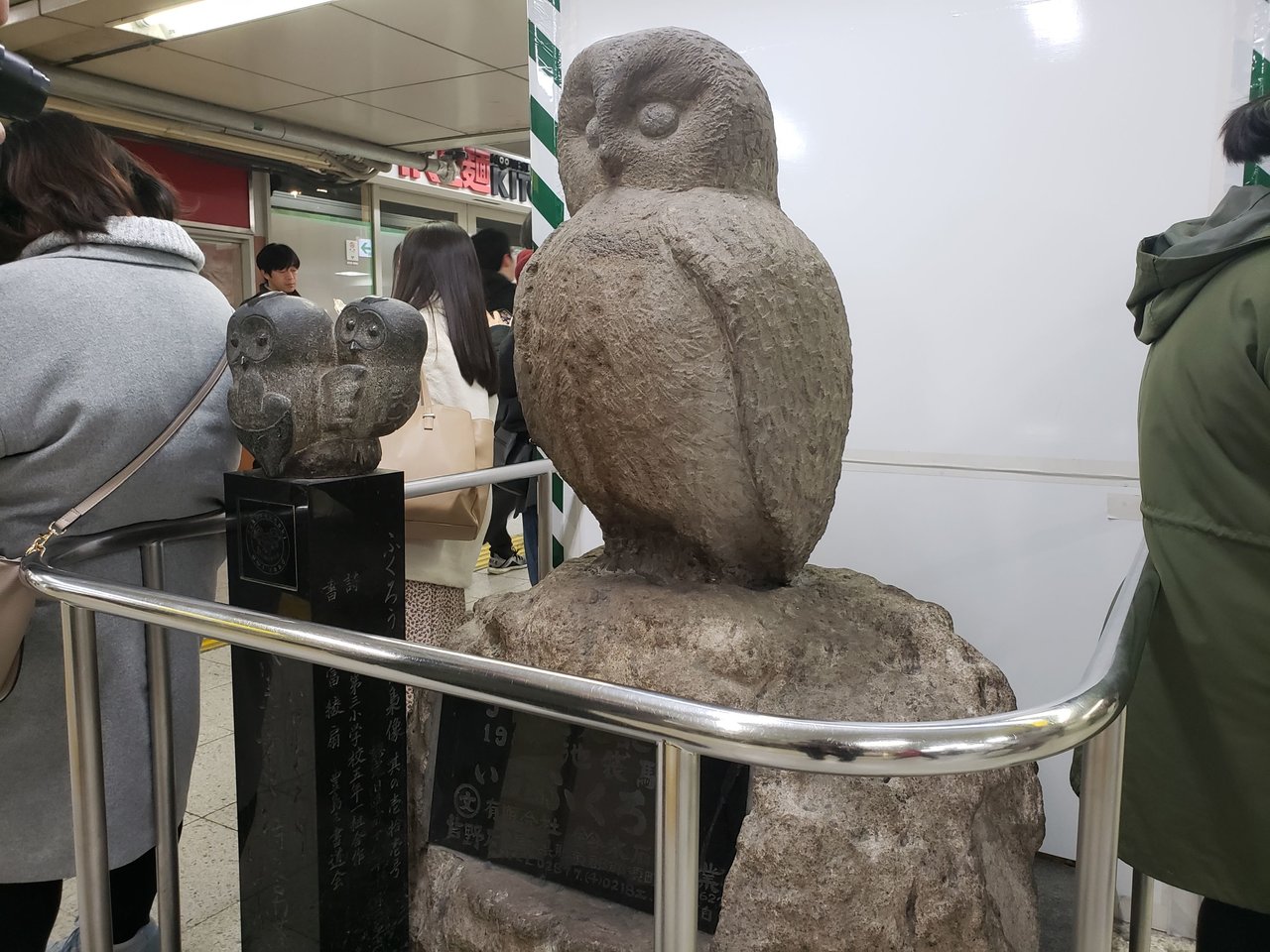
If Shibuya has Hachiko, Ikebukuro has Ikefukurou. The presence of Ikefukurou at the East Exit suggests that the center of Ikebukuro might be here.

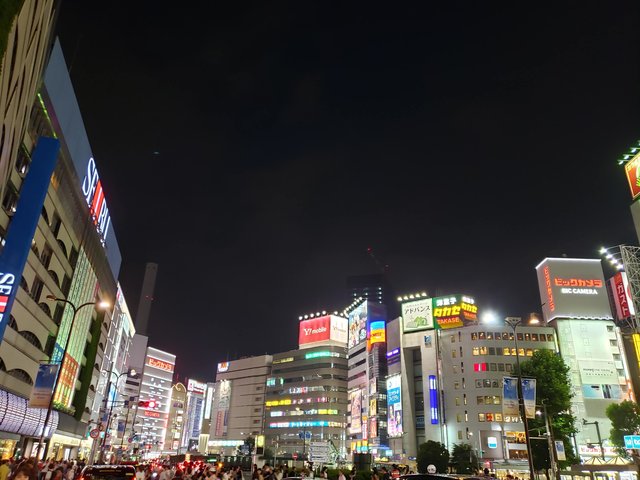
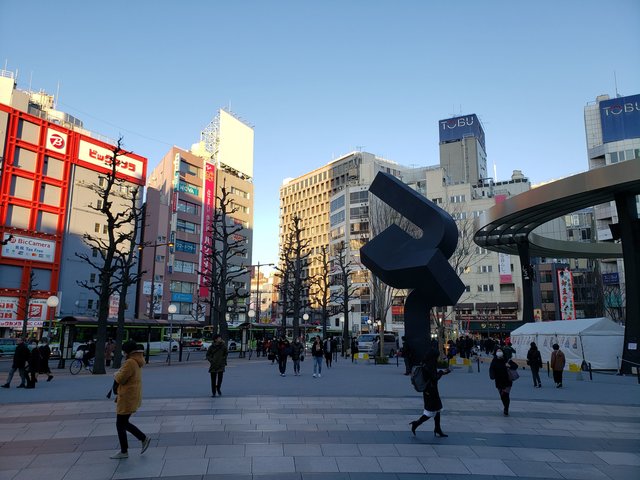
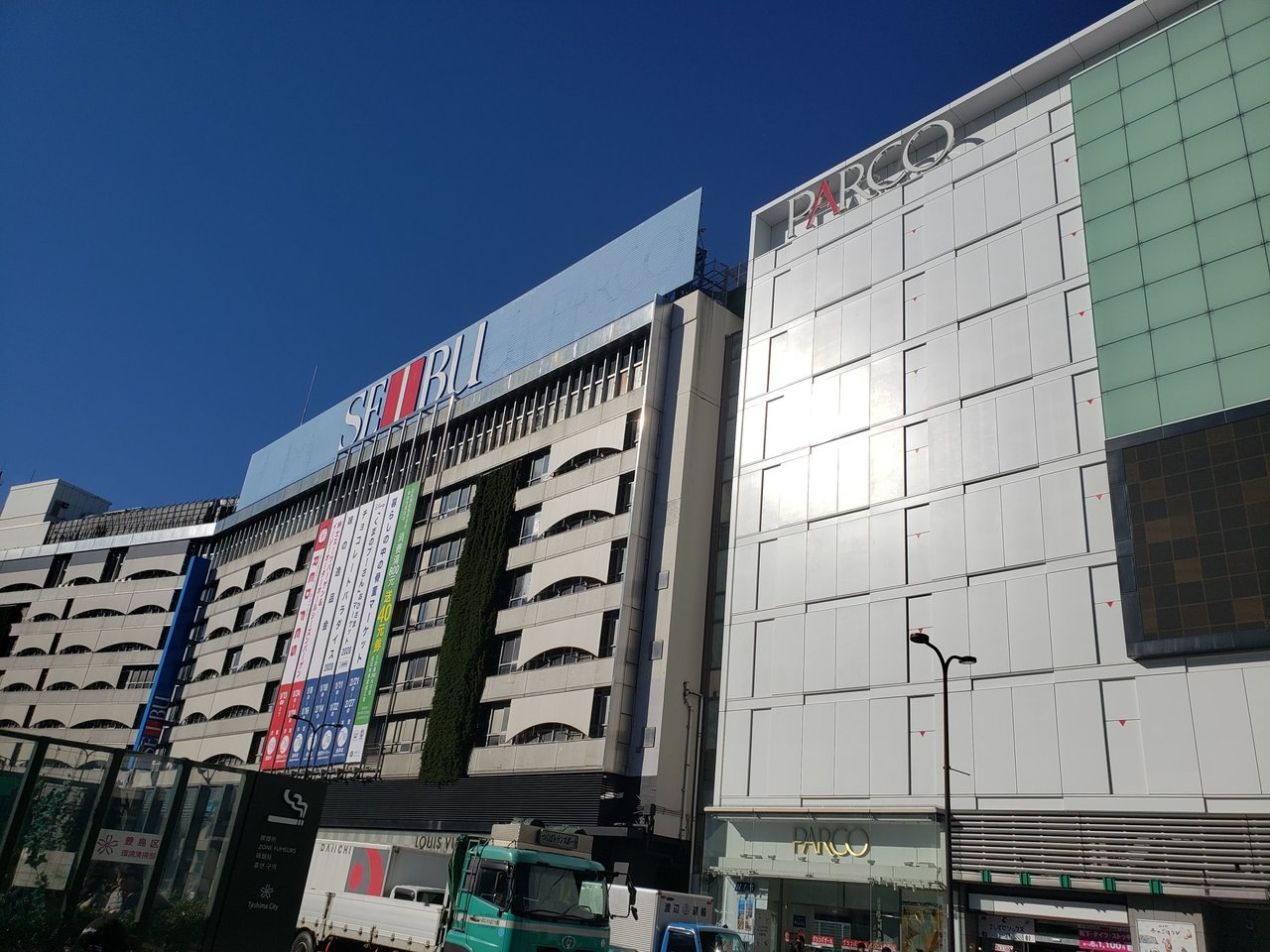
Regardless, the East Exit is likely the most universally accommodating area within Ikebukuro. Seibu and Parco exude presence, alongside Bic Camera, Tokyu Hands, and most importantly, Sunshine City. This is an area favored by families and couples alike.
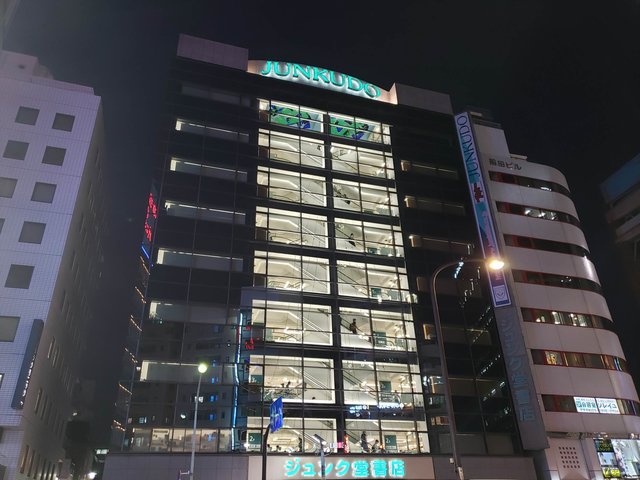
When visiting the East Exit, a must-stop is "Junkudo Bookstore." Ikebukuro was once known as a "bookstore town" with establishments like Asahiya, Sanseido, Horindo, and Libro. While many have since closed or relocated, Junkudo Bookstore, boasting Japan's largest floor space of approximately 2,000 tsubo and an overwhelming selection, remains vibrant. Its vast lineup and lively atmosphere always spark excitement.
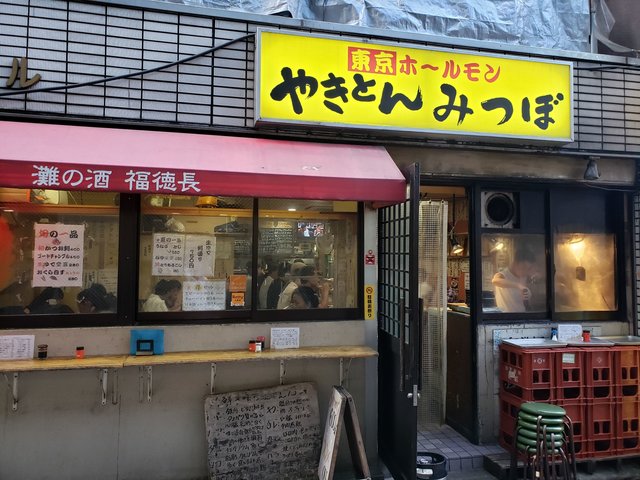
Furthermore, "Mitsubo," a yakiton (grilled pork skewers) restaurant located down a side street from Junkudo Bookstore, is the progenitor of my yakiton journey. The route "Junkudo Bookstore → Mitsubo" can be considered my Ikebukuro Silk Road.
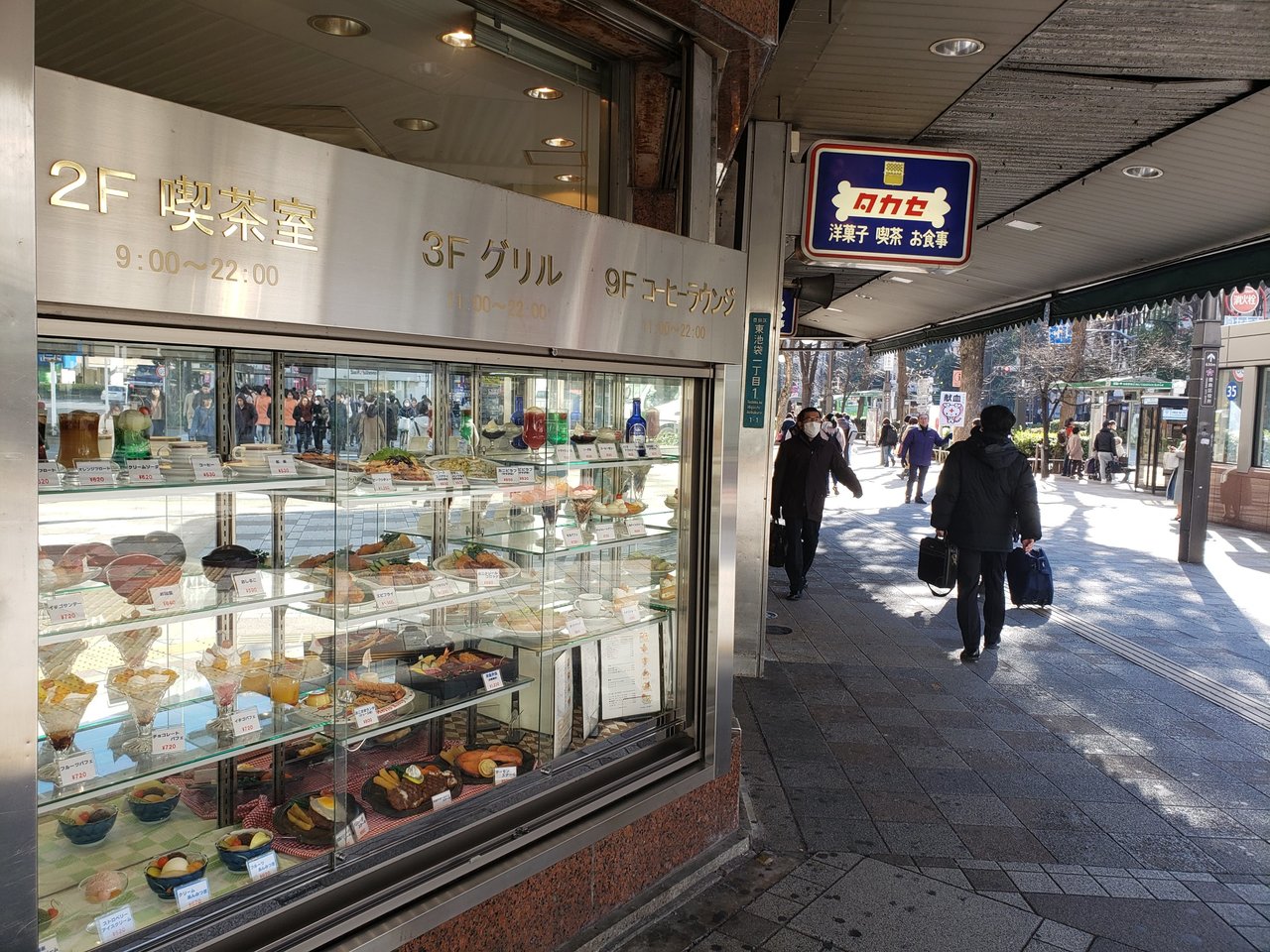
Speaking of the East Exit, it's useful to know about "Takase," a long-established Western confectionery shop founded in 1920 (Taisho 9), located right in front of you. It began as a shop selling anpan (sweet bean paste buns) and gained fame in the early Showa era with a explosively popular product. It is a well-known confectionery shop in northern Tokyo, with branches in Sugamo and Itabashi, famously frequented by Yutaka Ozaki.

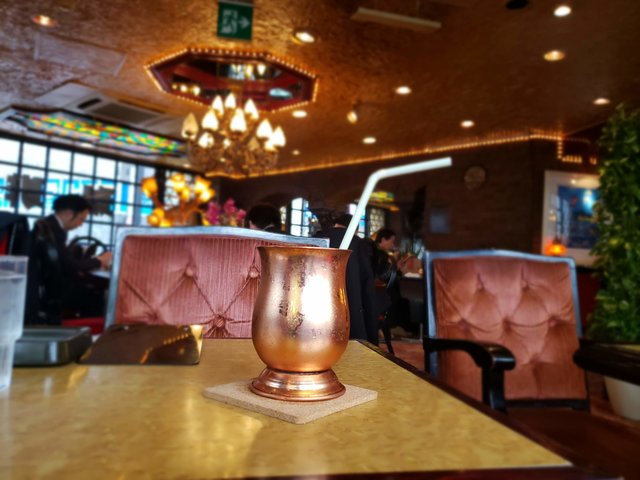
The first floor is a bakery, the third floor a restaurant, and the ninth floor a coffee lounge. My preferred spot is the second-floor tea room. Despite being right by the station, the spacious interior, unique to its own building, offers a relaxed atmosphere. Here, older gentlemen engage in business discussions. I appreciate this place for its elegant yet ambitious, offensive, and masculine Showa-era vibe, allowing for a pleasant tension amidst a break from work.
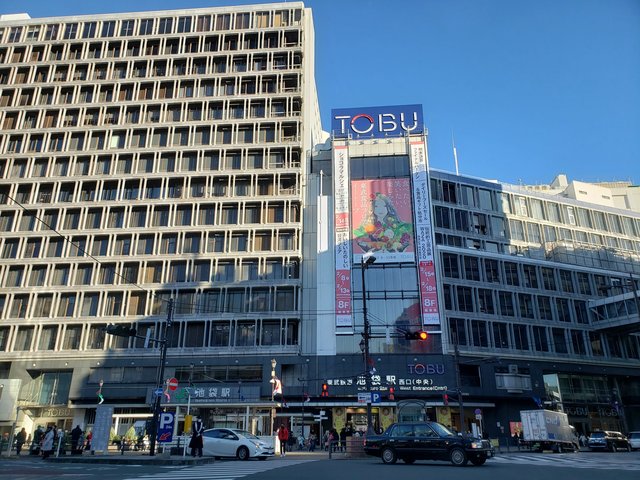
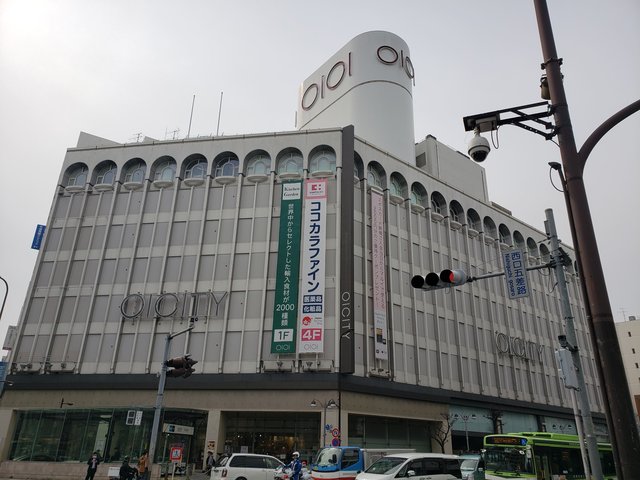
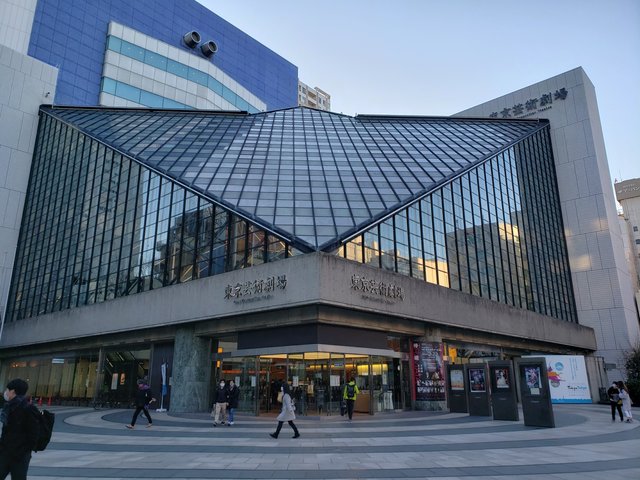
As my grandmother lived in Ikebukuro's West Exit for about 50 years, the West Exit is the area I am most familiar with. It may be the first area that comes to mind for those who remember the popular drama set here about 20 years ago. While Nishiguchi Park, Tobu, and Marui are symbolic, the presence of the "Tokyo Metropolitan Theatre" and the "Jiyugakuen Myonichikan," a designated important cultural property built in 1921 to Frank Lloyd Wright's design, also makes it the area with the most cultural resonance in Ikebukuro.
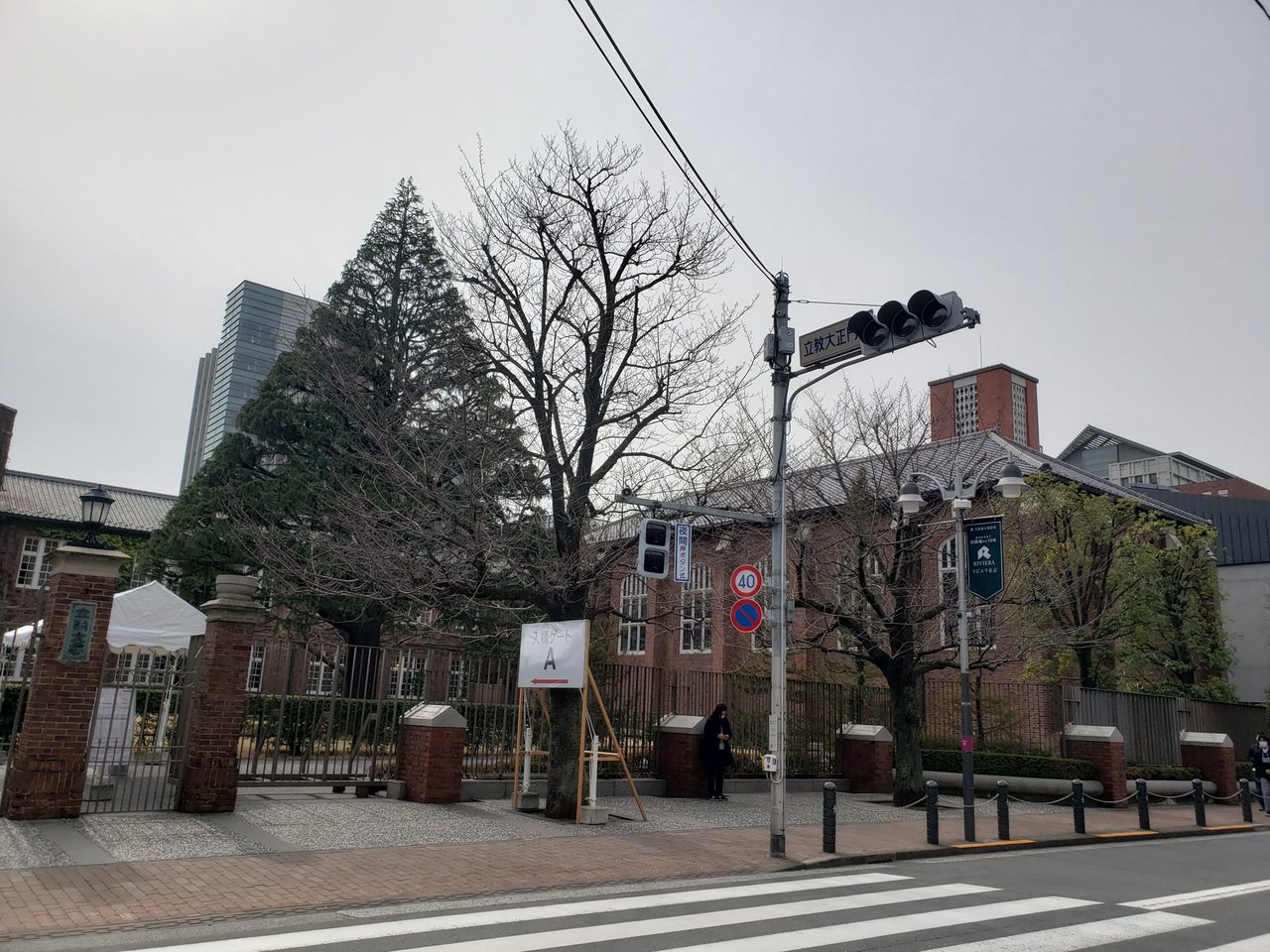
And, above all, the West Exit is the home ground of "Rikkyo University."

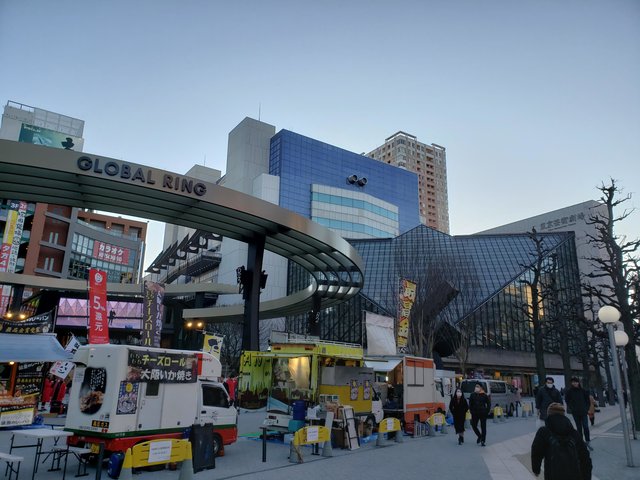
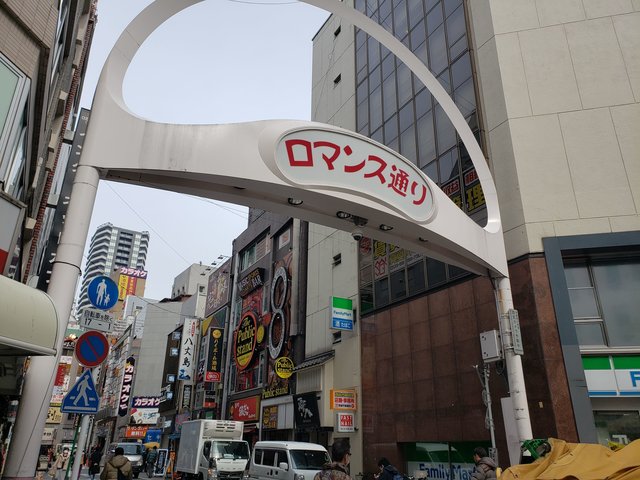
The West Exit Gourmet Street, leading from the station to the university, is lined with pachinko parlors and girls' bars. Walking through during the day, you might encounter crows loitering, but there are many establishments that pique one's interest.
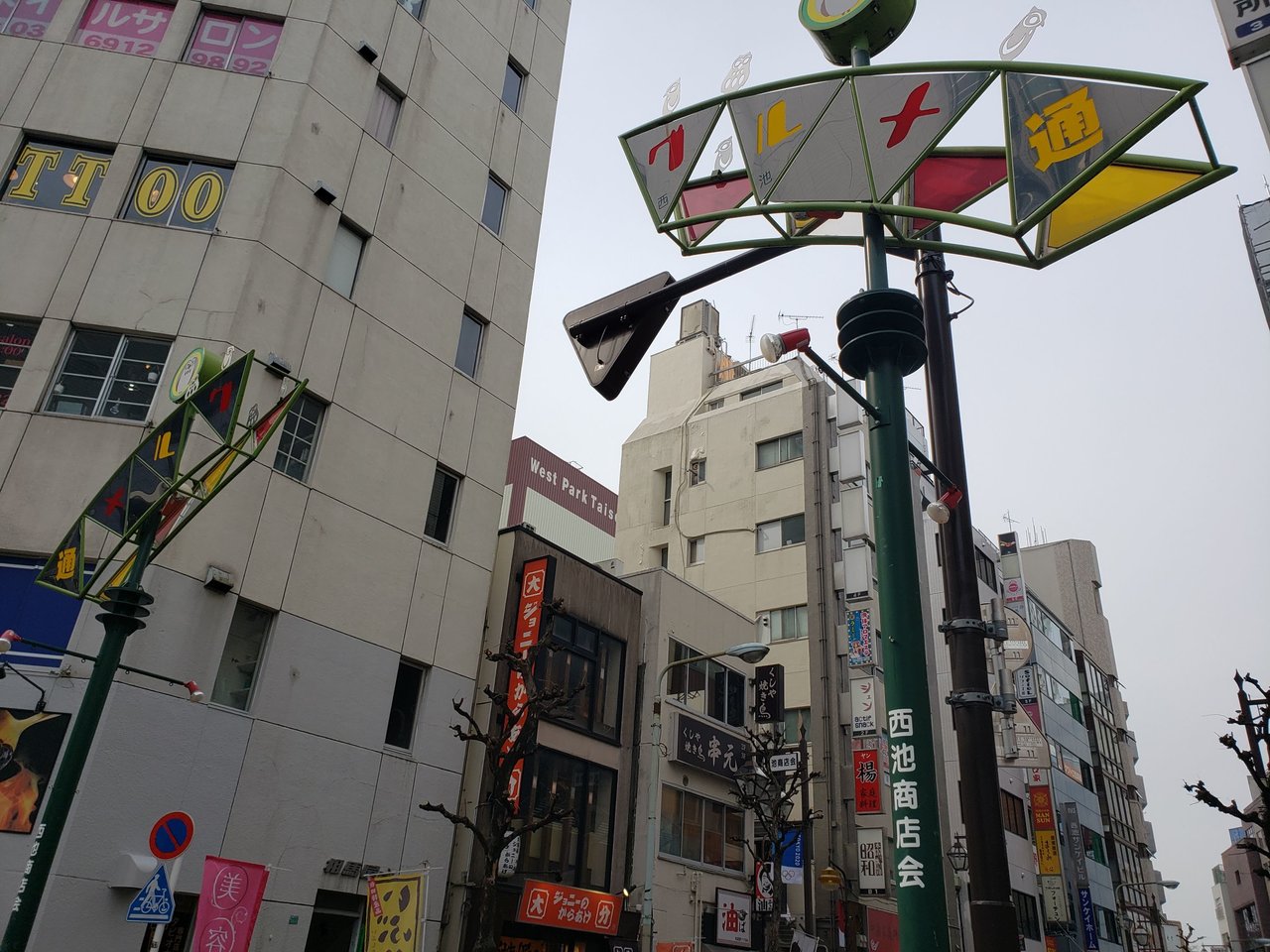
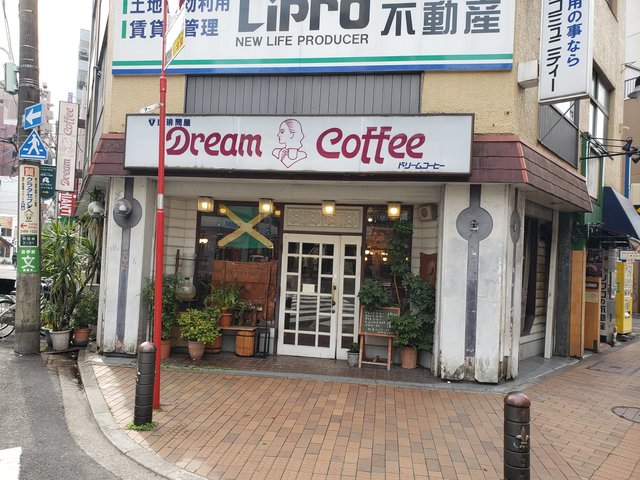
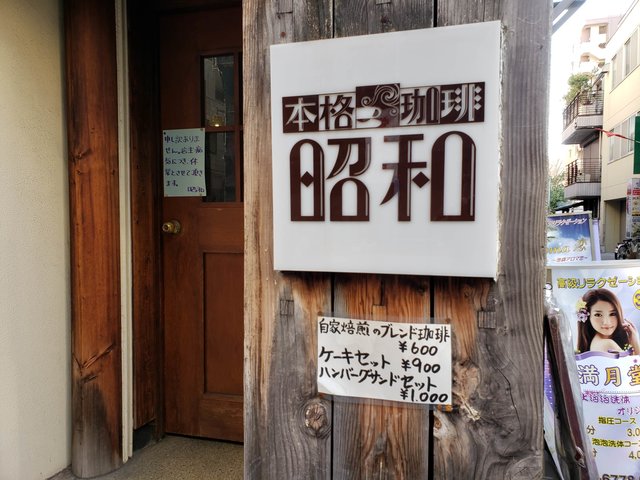
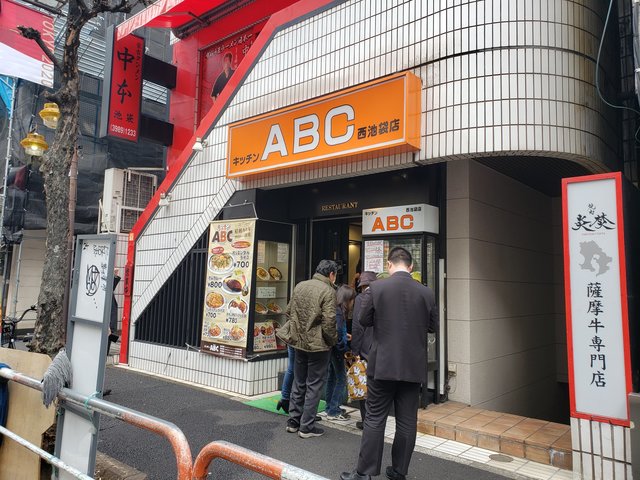
There's "Dream Coffee," directly operated by a roastery; "Honkaku Coffee Showa," a hidden basement cafe offering rich coffee and light meals (currently closed); and "Kitchen ABC," a hearty set meal restaurant (also has an East Exit branch). A diverse range of affordable eateries caters not only to students but also to adults.
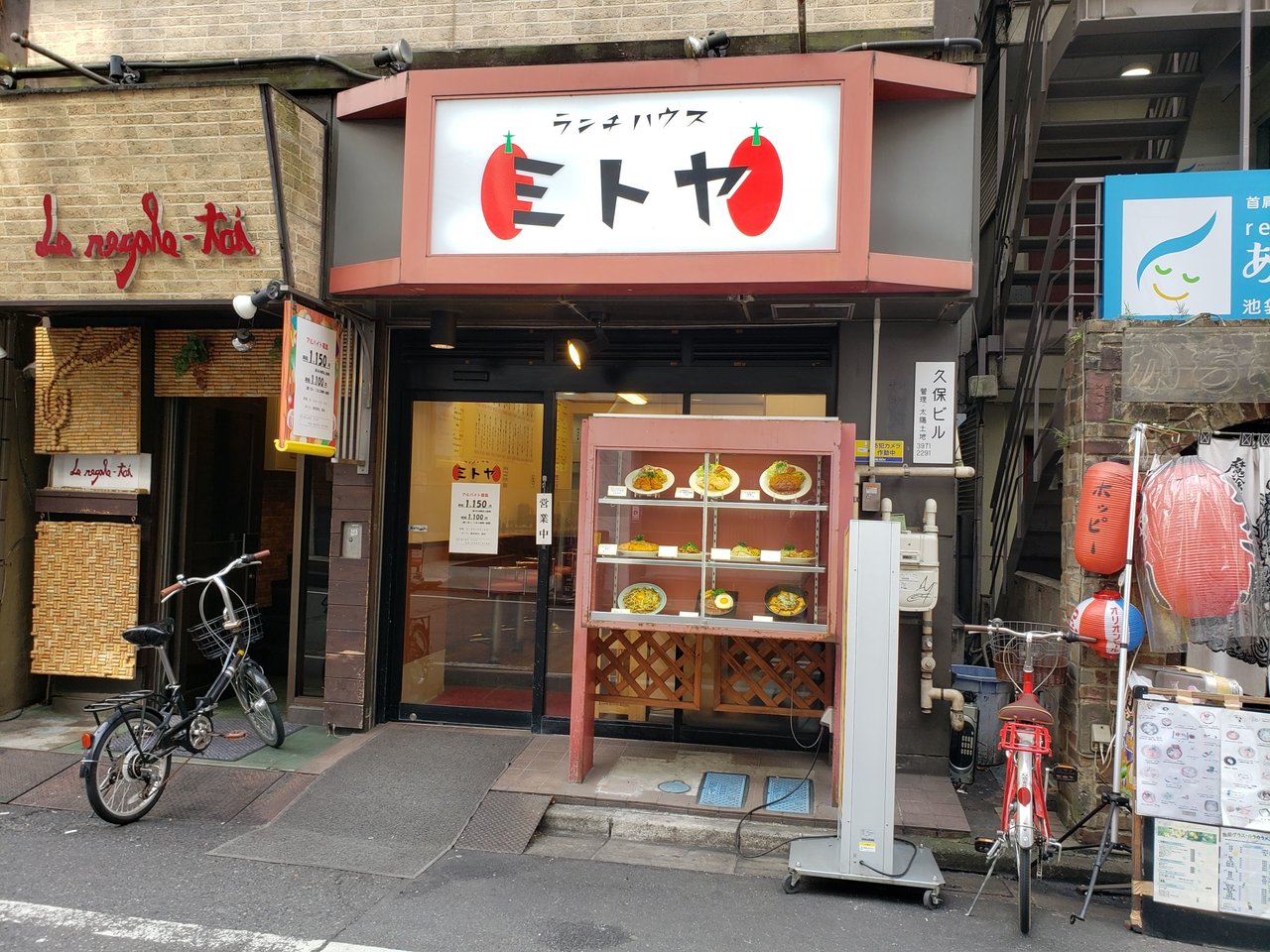
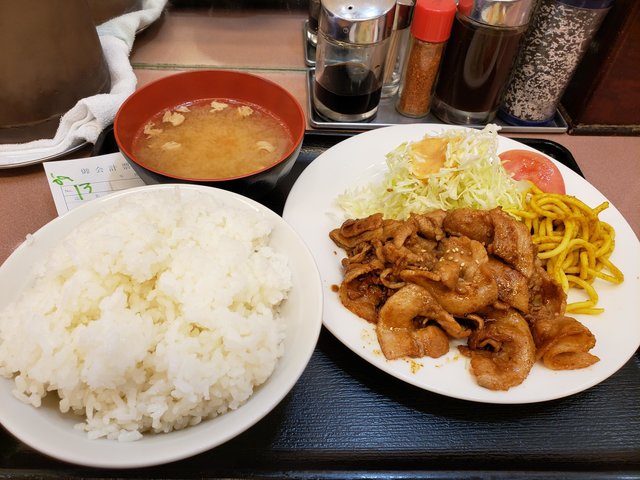
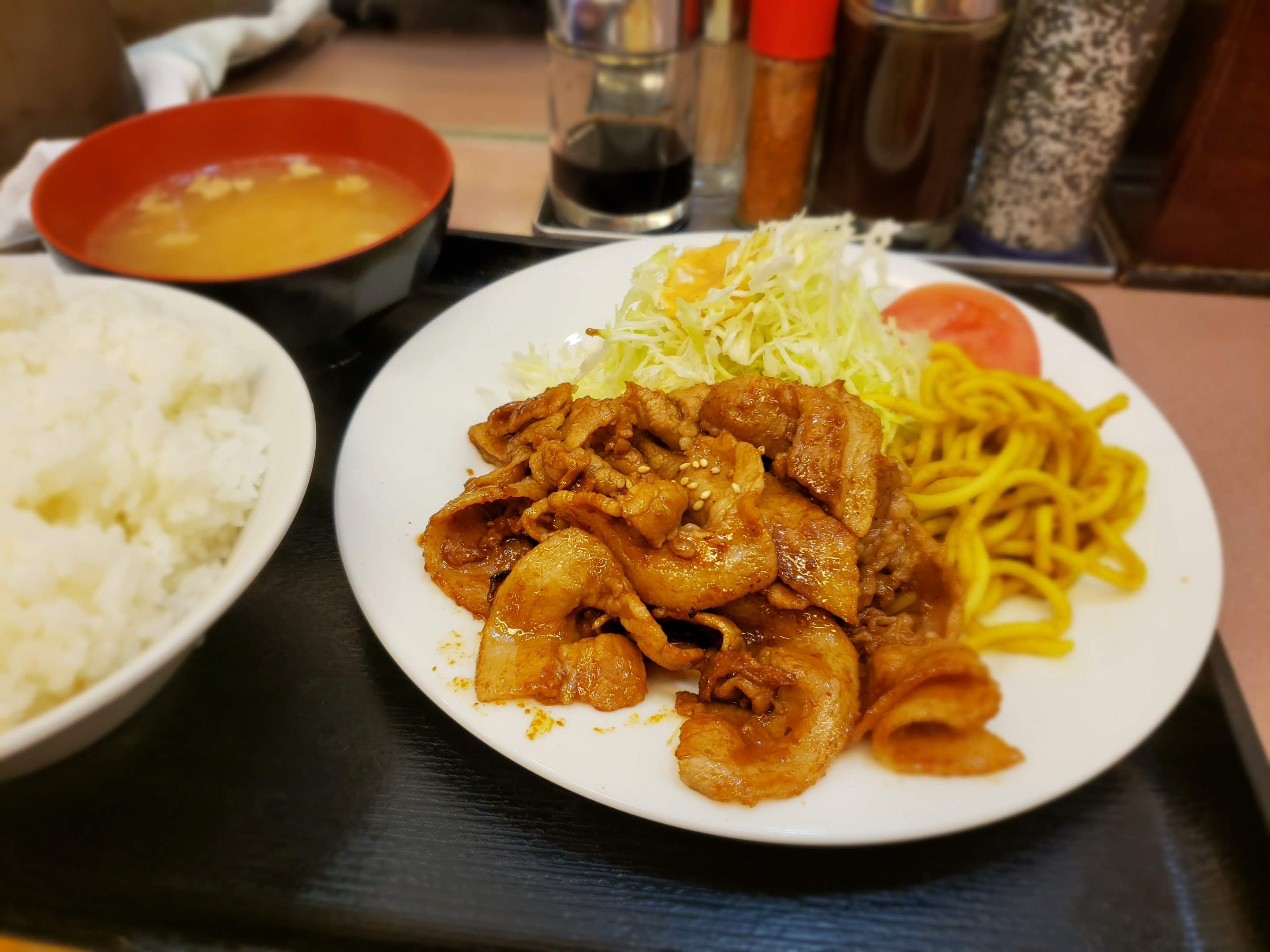
"Lunch House Mitoya" is one such place. At the entrance, a sample display case, essential for a diner's merchandising, showcases attractive menu items, and the wall-mounted menu inside is equally impressive.

From this approach, one can easily surmise that hearty, richly flavored set meals, likely to cause excessive carbohydrate intake, are served.
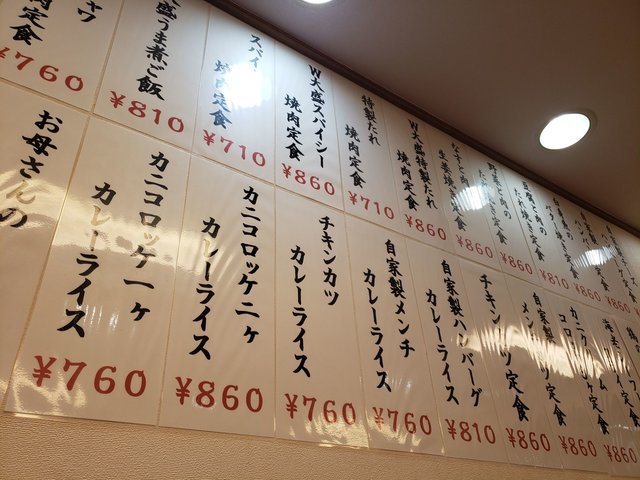
And true to those expectations, or rather, exceeding them, the set meals served are exceptionally voluminous. It's a 'gutsy' style of set meal that makes you want to devour it without worrying about how you eat or your manners. It evokes a sense of satisfaction reminiscent of my younger days when I paid no mind to words like 'carb cutting,' 'carbohydrate diet,' or 'high blood pressure.' This is truly what it means to eat and gain strength.
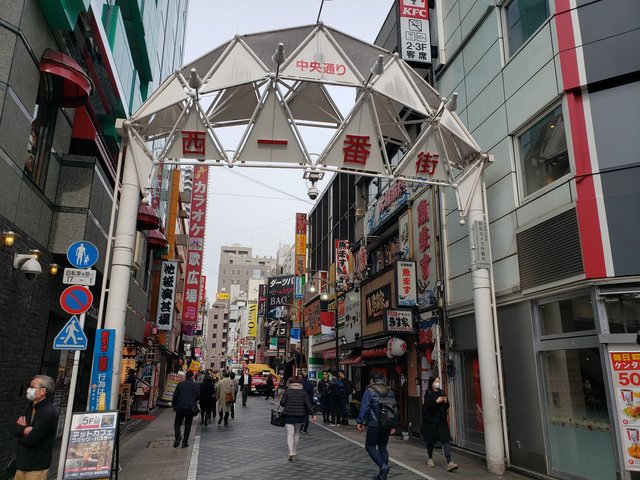
The North Exit, initially perceived as purely an entertainment district, also has a Chinatown aspect. However, this isn't a tourist-oriented Chinatown with grand gates. It's a cluster of Chinese restaurants, grocery stores, and shops, some offering insects on their menus, totaling about 200 establishments. Adjacent to this Chinatown are buildings filled with adult entertainment establishments, love hotels, and streets where police patrol even during the day. This is an area steeped in human instinct.
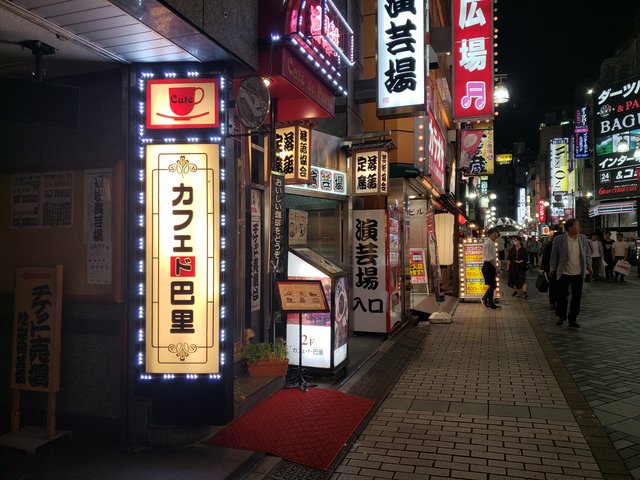
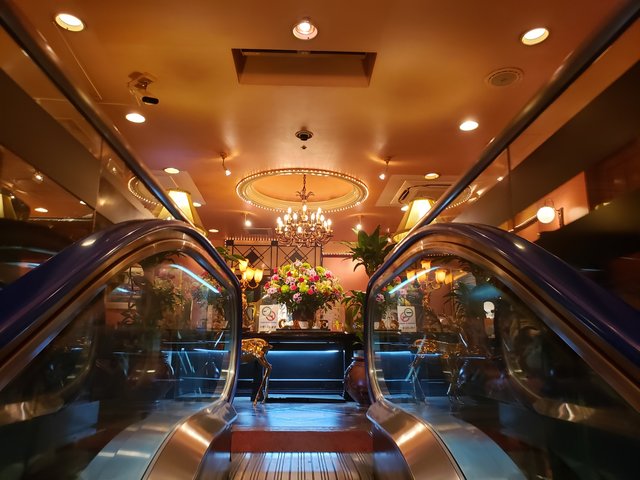
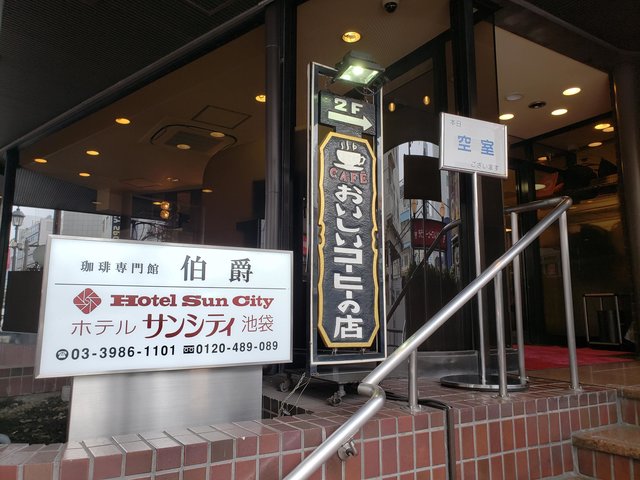
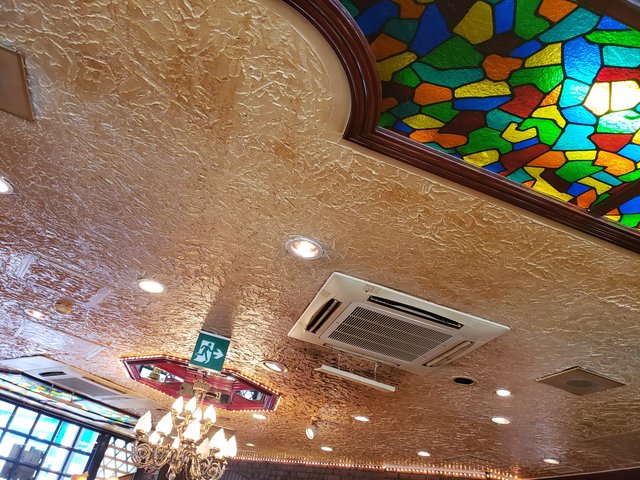
Hinting at the world of the North Exit, elegant, long-established cafes like "Cafe de Paris" and "Hakushaku" stand near the station. With their glittering chandeliers, stained glass, vibrant fresh flowers, dazzling aquariums, and bow-tied staff, these establishments are perfect for business meetings, remote work, or discreet rendezvous.
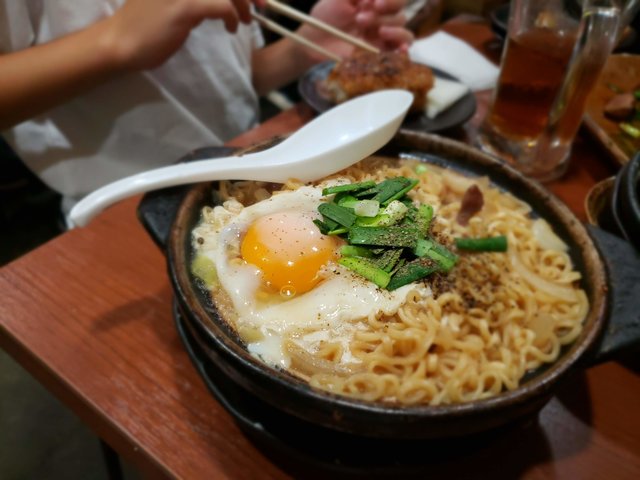
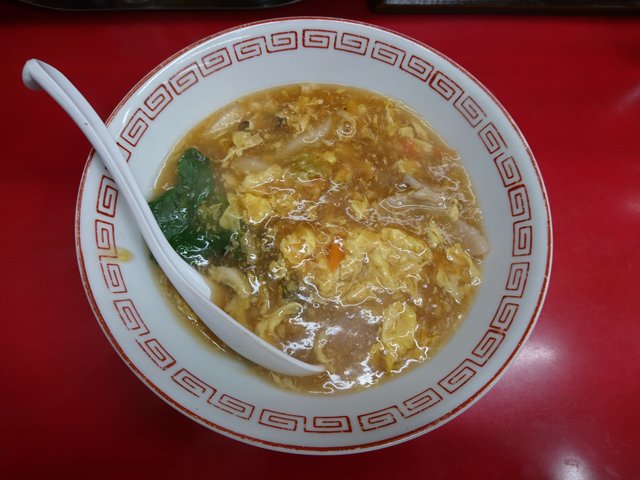
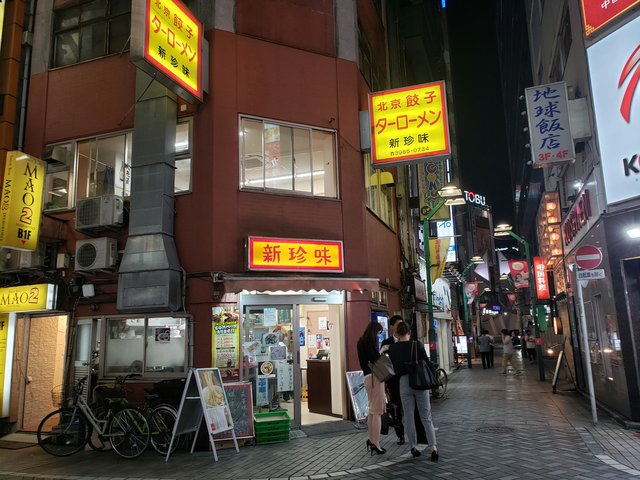
For a quick meal in the North Exit, "Shin Chinmi" is an interesting choice. Established in Ikebukuro in 1952 (Showa 27), a quick search reveals hints of various historical and political backgrounds. Setting those stories aside, their Taromen is perfect for refueling before exploring the North Exit.

It's a unique soup noodle dish with a flavor profile similar to Sanratanmen, featuring a blend of sourness, spiciness, and garlic. It's not a thickened sauce, but rather the entire soup is a thick, starchy broth. Whether it's the garlic providing energy or the mountain of white powder on the counter serving as the source of power, it's undeniably a stamina-boosting meal that provides an immediate effect on a tired body.
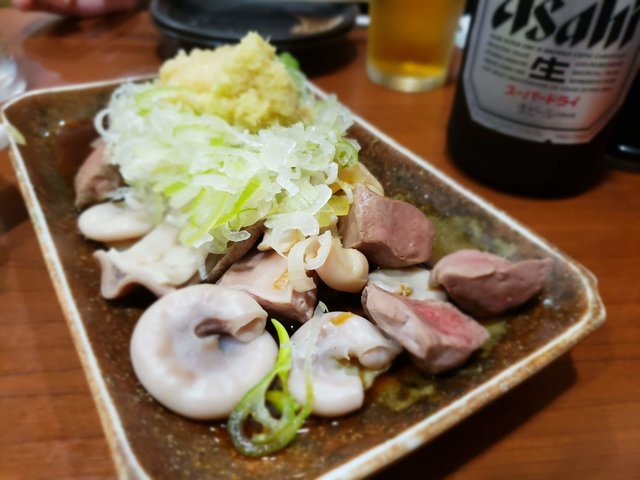
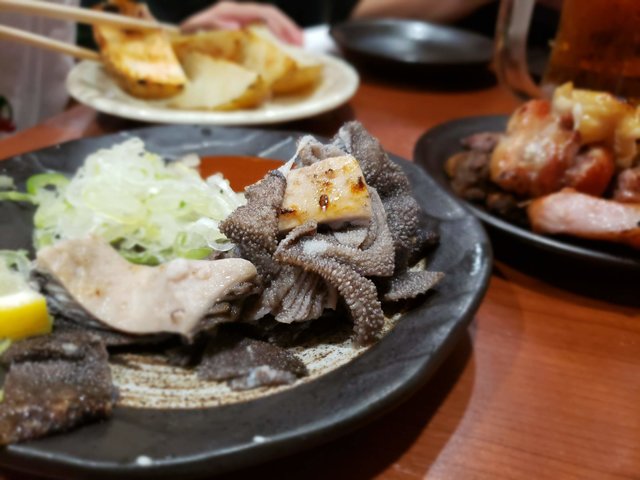
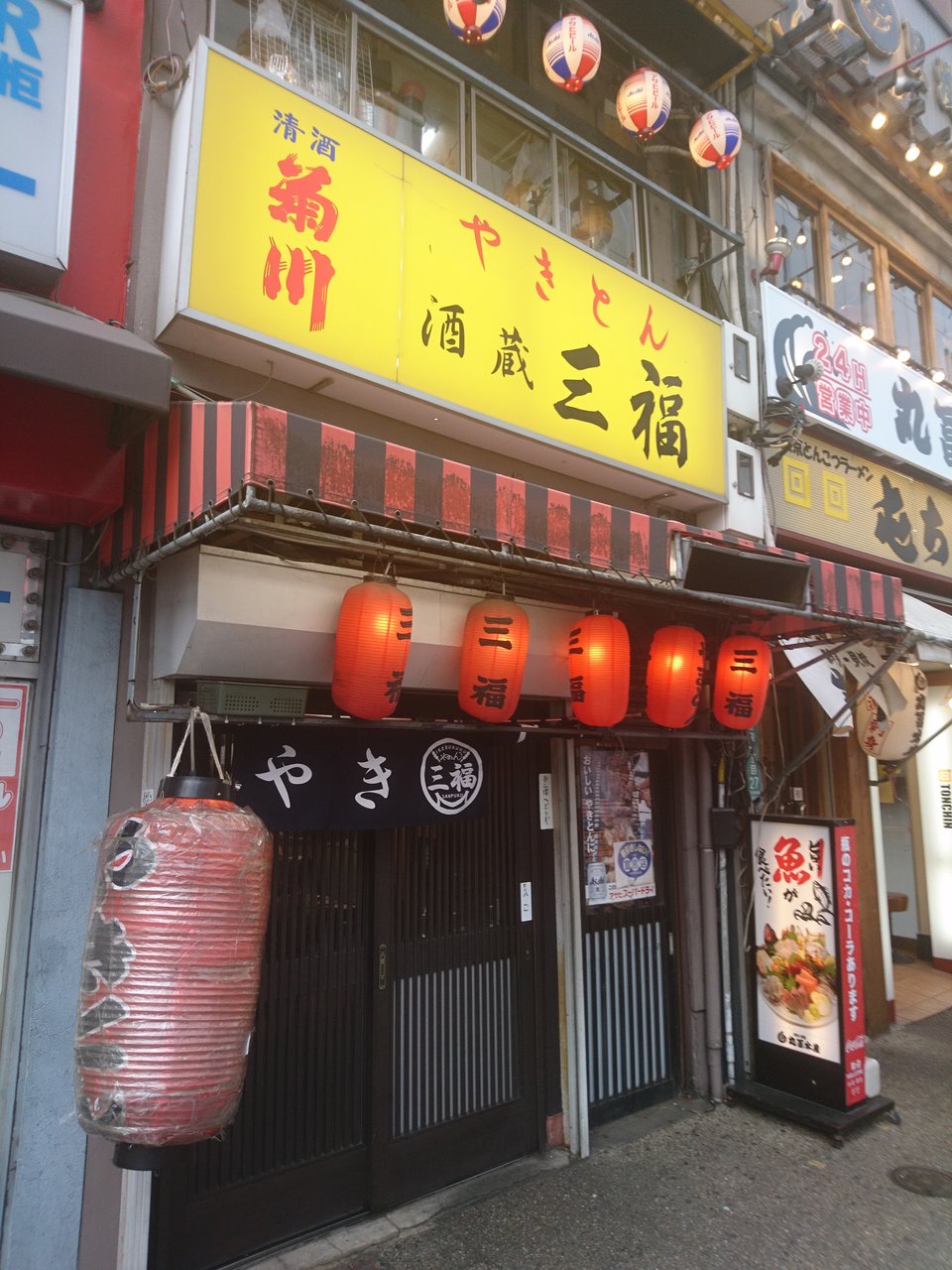
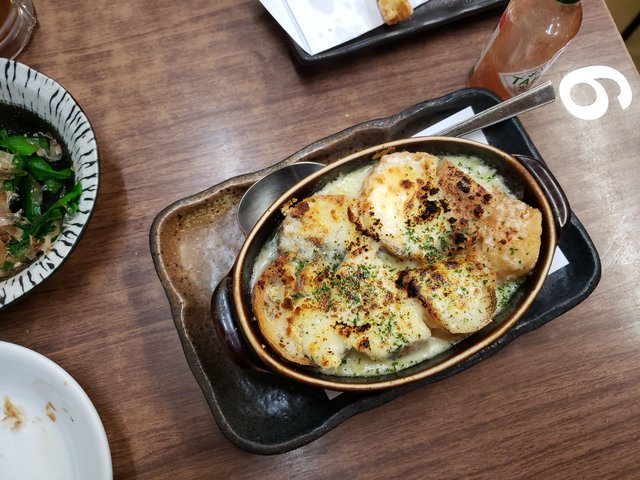
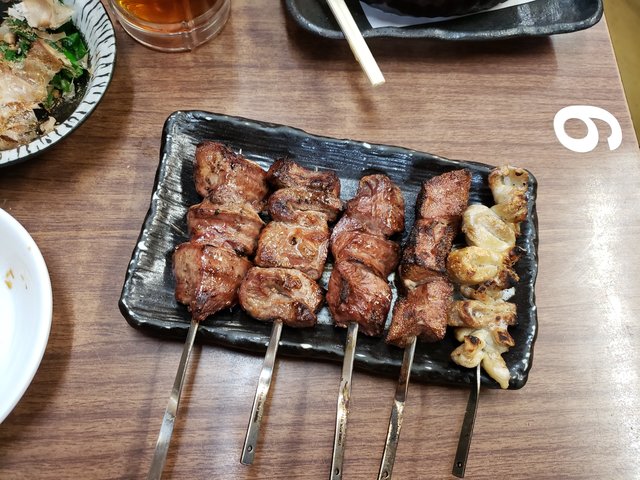
A staple of the North Exit is "Sanpuku," a yakiton restaurant founded in 1956 (Showa 31). Just 10 seconds from the station, no umbrella needed. Opens at 3:00 PM. Open Sundays. Counter seating on the first floor, table seating on the second.
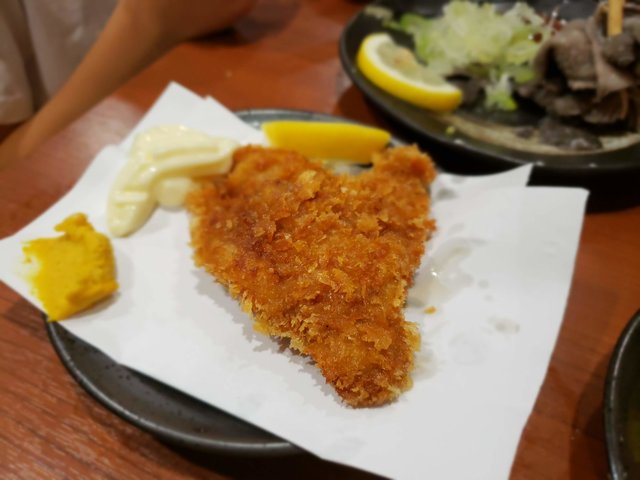
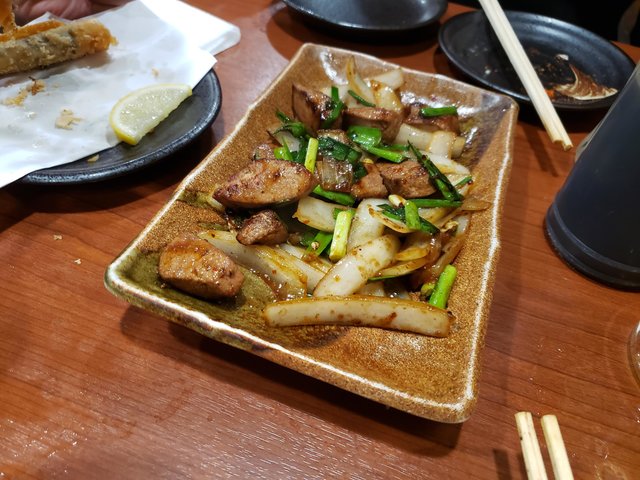
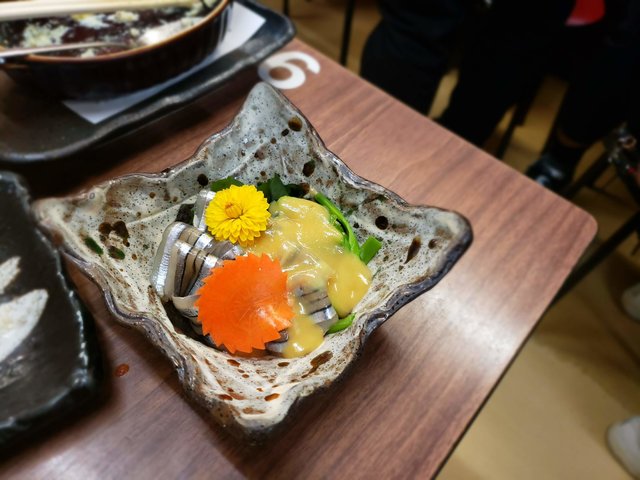
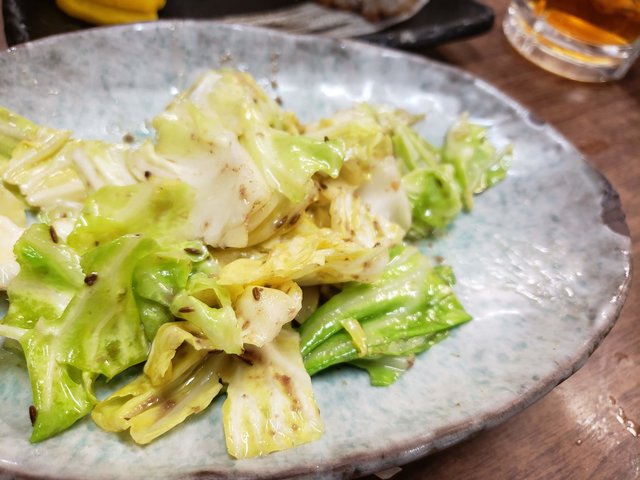
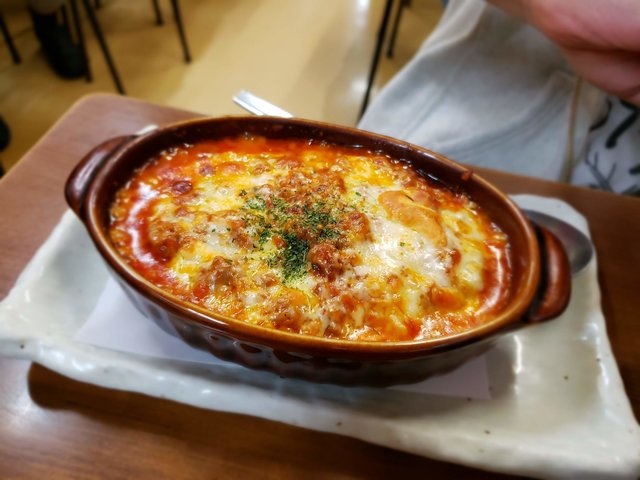
In addition to yakiton, the side menu is extensive, featuring sashimi, seasonal vegetables, and even ajillo and gratin.

Whether you're alone, with a friend, or with family, it even accommodates late lunches, making it a welcoming izakaya with few reasons not to visit.

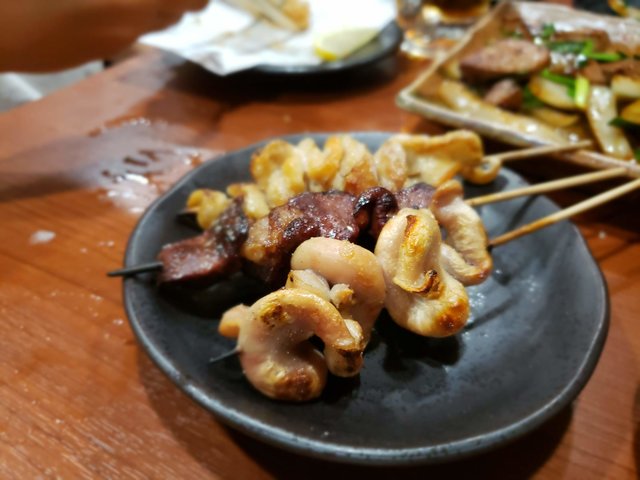
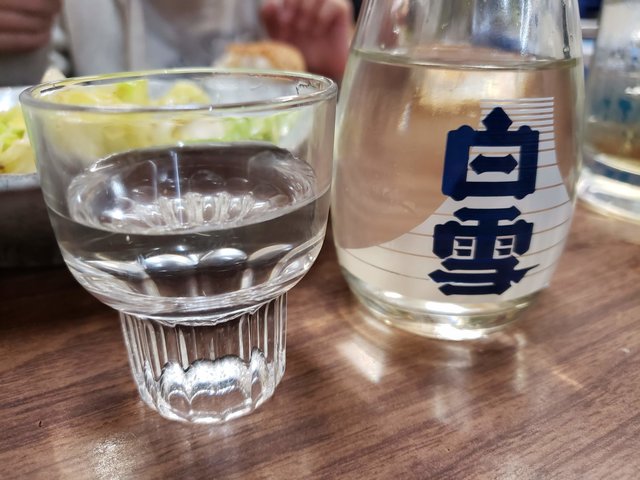
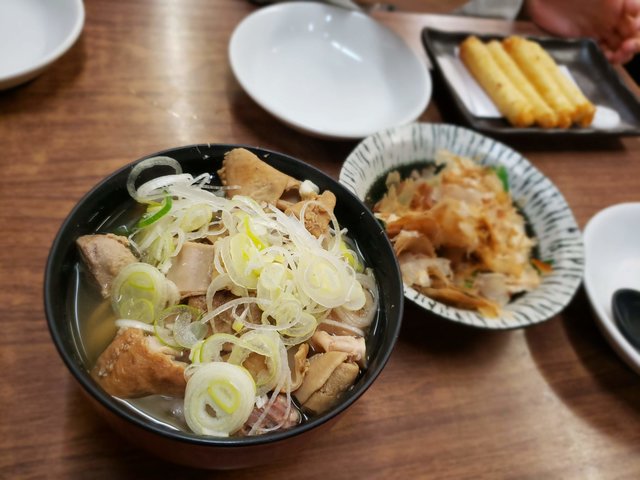
The yakiton on skewers is exquisite. The limited-edition tataki nankotsu (seared cartilage) is particularly addictive. The lightly seasoned, deeply flavored motsuni (stewed offal) with a salt base is also a masterpiece. It's best enjoyed with a chu-hai.

The warm hospitality of the staff, who will even share their recipes if you ask, is heartwarming, making the time spent here truly blissful.
Ikebukuro has three faces: East, West, and North. None of these entrances will leave you wanting for food or drink. Each retains a subtle cultural aroma while being diverse and somewhat chaotic. The desires for learning, for food, for sensory experiences… various human desires are unleashed and fulfilled, swirling around. I believe Ikebukuro's charm lies in this vortex of desires.
Takase (Tea Room)
Address: 2F Takase Central Bldg., 1-1-4 Higashi-Ikebukuro, Toshima-ku, Tokyo
TEL: 03-3971-0211

Lunch House Mitoya
Address: 1F Kubo Bldg., 3-30-10 Nishi-Ikebukuro, Toshima-ku, Tokyo
TEL: 03-5953-5788

Shin Chinmi
Address: 1-23-4 Nishi-Ikebukuro, Toshima-ku, Tokyo
TEL: 03-3985-0734

Sanpuku
Address: 1-27-1 Nishi-Ikebukuro, Toshima-ku, Tokyo
TEL: 03-3971-1773
IJICHI Yasutake
Yasutake Ijichi | Vice President, Sunshine Juice Inc. Born in Tokyo in 1982. During his time at Keio University, he was involved in planning and producing receptions and parties for major brands at an event company. He then transferred to a PR firm, where he engaged in planning and managing marketing, communication, and branding initiatives from a PR perspective. He resigned at the age of 30. With his representative, a friend since junior high school for over 20 years, he established Sunshine Juice, Japan's first cold-pressed juice specialty store, and currently holds his position. Favorite foods include fugu (pufferfish) and suppon (soft-shelled turtle). Favorite sports are baseball and horse racing. Favorite places are traditional coffee shops and popular izakayas.
Instagram:ijichiman

Photo Gallery