Serial Essay | Musings of #ijichiman, Part 7: Ueno, A City Where Sharp Personalities Converge
Serial Essay | Musings of #ijichiman
Part 7: Ueno, A City Where Sharp Personalities Converge
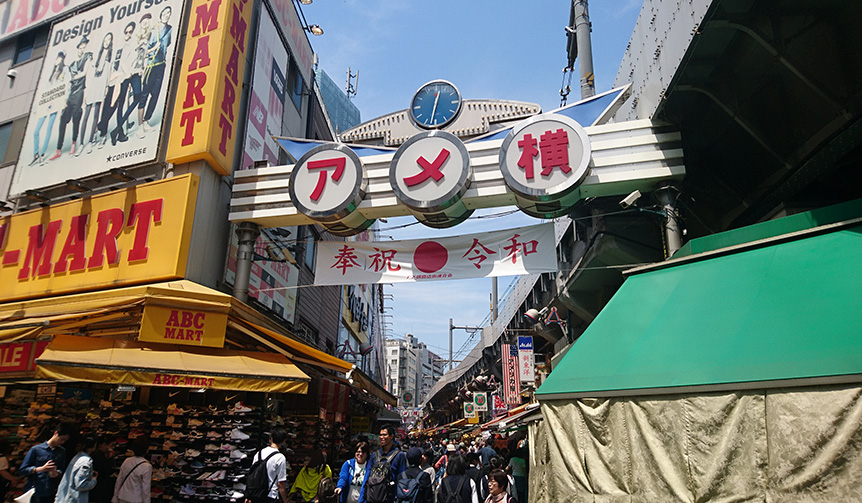
“To insist solely on the safety and security of the physical body, without questioning the life or death of the soul or spirit, is misguided (Yukio Mishima)” — In this serial essay, Yasutake Ijichi, a board member of Sunshine Juice, Japan's first cold-pressed juice specialty store, delves into the diverse, human-centric content of the city, which stands in stark contrast to the ultimate healthiness of Sunshine Juice, exploring its history, transformations, customs, and culture. Part 7 takes us through Ueno, a city brimming with attractions, including Ueno Zoo, Japan's first zoo, and the bustling Ameya Yokocho market street.
Photographs and Text by IJICHI Yasutake
A Deep Entertainment District Where Time Simply Isn't Enough
I used to frequent Ueno a lot when I was a university student. Of course, I had been taken to Ueno Zoo and Ameyoko as a child, but when it came to actively going out in Ueno during middle or high school, I would usually head to Shibuya, Harajuku, or Shinjuku. Ueno wasn't really a place I'd choose to hang out.
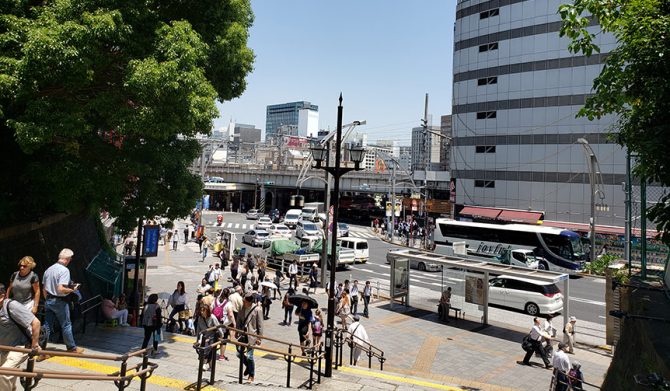
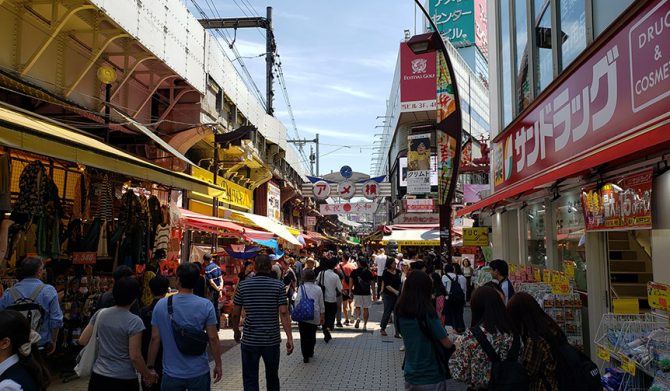
Once I got a car in university, I started visiting a friend's place in Iriya almost every night, and that's when I began to feel familiar with Ueno.
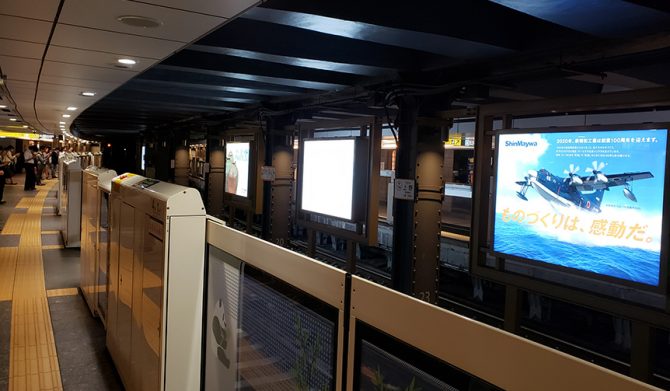
About 15 years have passed since then, but the biggest change in Ueno is probably the subway station. The city itself doesn't seem to have changed all that much from back then.
The long-established restaurants where I used to go for a little splurge when I was hungry—there's the eel restaurant 'Izuei,' and the chicken sukiyaki place 'Inshotei,' both still going strong. 'Nakacho-dori,' a compact entertainment district, is just as it was back then, compared to Kabukicho or Dogenzaka. 'ABAB,' a comprehensive lifestyle facility that I couldn't even pronounce at first, and 'Takeya' also seem to be doing just fine.
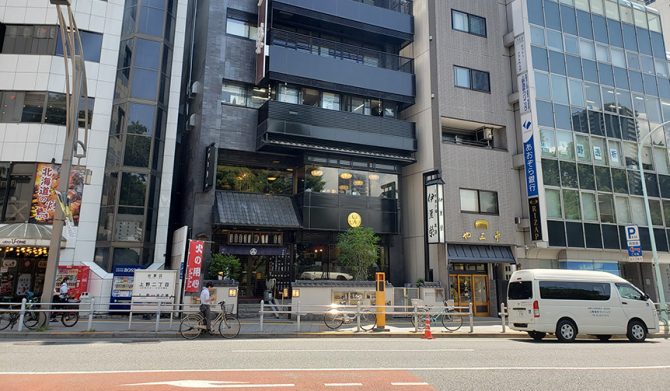
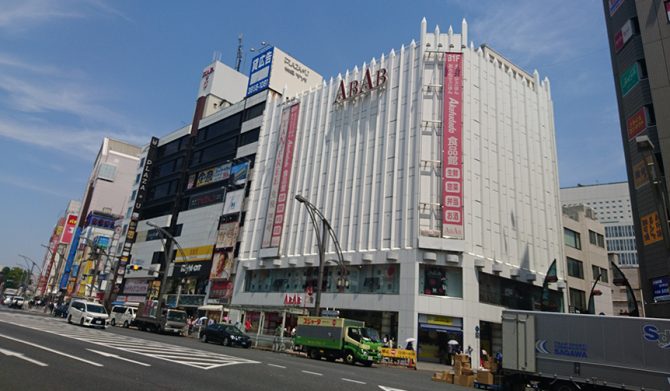
Ueno, in fact, began its cultural development as the site of Japan's first park, 'Ueno Park,' in the early Meiji era in 1876. The following year, an exposition was held, and by 1882, the zoo and a museum (the predecessor to the Tokyo National Museum) were established.
As the lyrics of Sayuri Ishikawa's famous song 'Tsugaru Kaikyo Fuyugeshiki' suggest, in 1883, the line between Ueno and Kumagaya opened, making Ueno the gateway to Tokyo from northern Kanto and Tohoku. Ueno is undeniably a city that formed the foundation of the Meiji era's civilization and enlightenment.
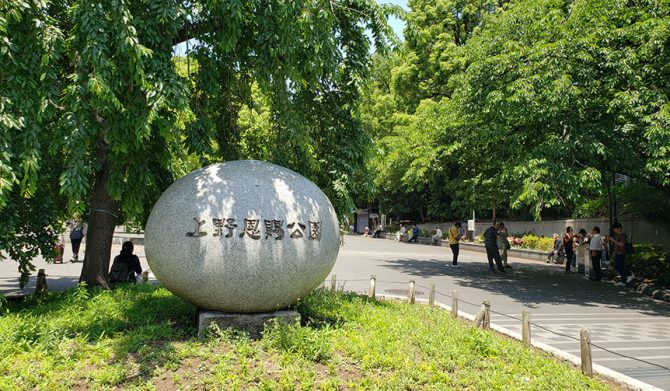
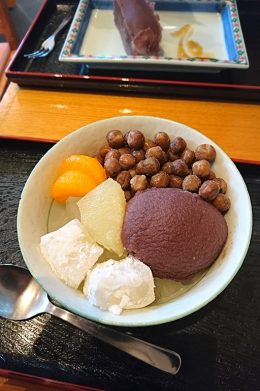
Beyond the zoo and Ameyoko, Ueno offers a diverse array of places to explore. Yushima, for instance, is one such area. There's 'Toriei,' founded in 1909 and now notoriously difficult to book; 'Tsuruse,' located at the foot of Yushima Tenjin Shrine and famous for its bean-filled mochi since 1930; and for evening drinks, the sake bar 'Gyokuzen.' It's an area for adults, full of atmosphere, tranquility, and attentive hospitality.
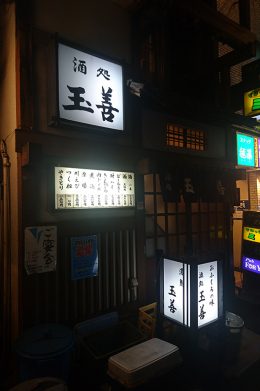
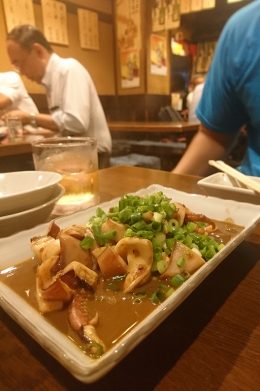
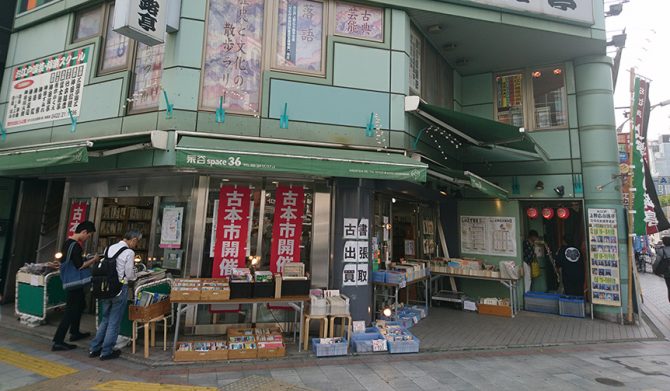
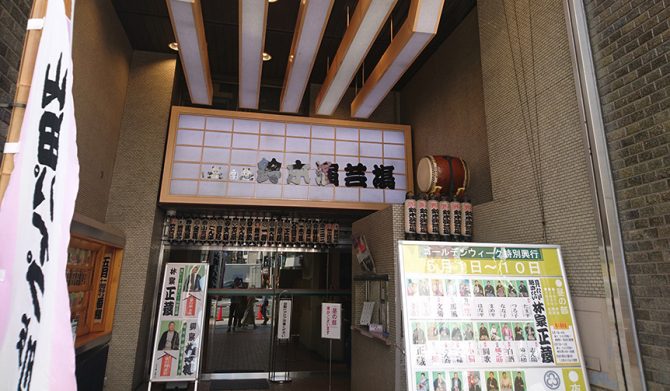
Walking from Yushima towards Ueno, you'll find two performance halls where you can enjoy rakugo: 'Ueno Hirokoji-tei' and 'Suzumoto Engei-jo.'
Suzumoto Engei-jo, in particular, was established in 1857 and currently only hosts performers affiliated with the Rakugo Association. Besides rakugo, these yose theaters feature comedy duos (manzai), monologues (mandan), skits (kont), and acrobatics. Of course, when I was younger, I had no interest in yose. But recently, something prompted me to go, and I found myself captivated.
Some acts were hard to appreciate without prior knowledge, but the way performers spoke incessantly, using only gestures and facial expressions, was truly impressive. It was overwhelming.
I recall how nervous I used to get during presentations in my twenties. Without slides or handouts, they masterfully capture the audience's attention with an opening, draw them in with pauses and rhythm, and lead them to the punchline without losing their interest. Thinking about it now, their storytelling skills are astonishing. It's a different experience from watching on TV or YouTube; you feel like you're laughing with your 'insides,' not just your abs.
Near Suzumoto Engei-jo, at the intersection where Shinobazu-dori and Chuo-dori meet, is the Western-style restaurant 'Kurofune-tei,' another favorite of mine.
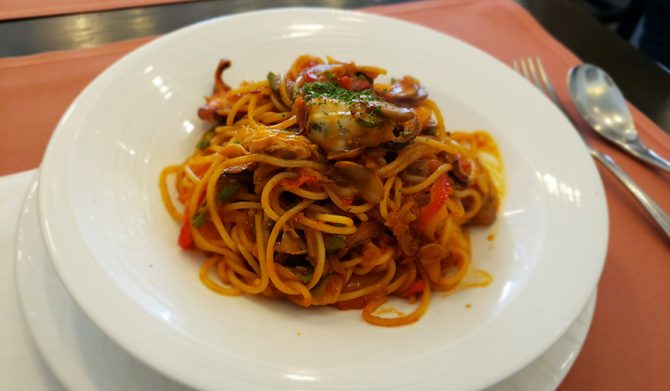
Although it was founded in the Meiji era, it has changed locations and business formats over time, taking its current form in 1986, about 30 years ago. While Hayashi rice, beef stew, and a seafood hot pot called 'white bouillabaisse' are popular, I go for the Napolitan.
However, this Napolitan isn't the typical classic kissaten-style dish. It's a luxurious, pescatore-like Napolitan, packed with a variety of seafood like mussels, shrimp, scallops, squid, and octopus. You don't get the distinct acidity of ketchup; instead, you taste the deep flavors of the tomatoes and the sea. It's a place I visit not just because I want Napolitan, but because I want Kurofune-tei's Napolitan.
Behind Kurofune-tei is the 'Ueno Okura Theater,' a cinema 'for adults.' Tracing its roots back to its predecessor, 'Ueno Starza,' it has a history of over 70 years, but I have yet to visit.
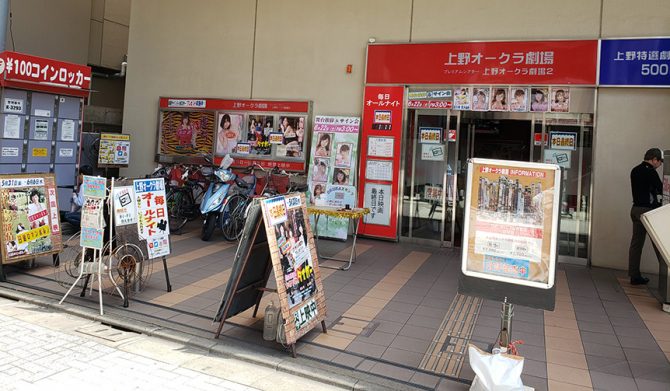
However, the more I hear and research about it, the more I'm convinced that it's a place where I'll encounter new stimuli.
You can sense it just by walking past, even without going inside. It's another world I'd like to bravely enter someday.
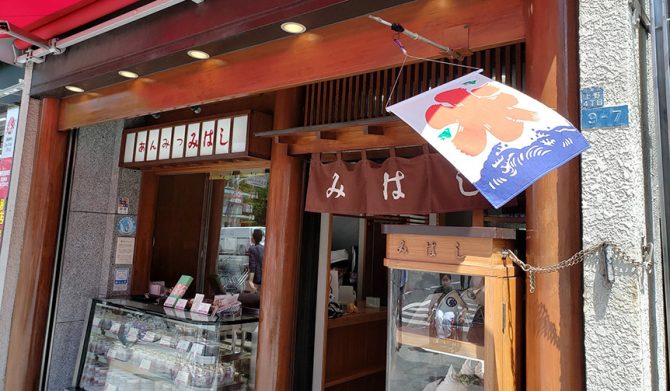
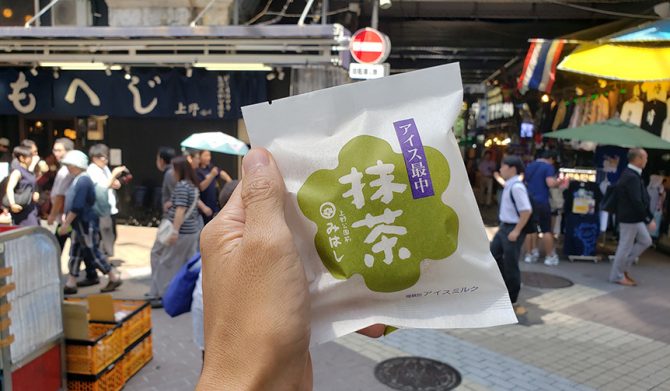
Before heading to another deep area that offers a different kind of stimulation than the Ueno Okura Theater, I'll take a short break. Across Chuo-dori is 'Mihashi,' a sweet shop founded in 1948, shortly after the war. I'll stop by for an ice cream monaka to refuel with sugar.
Alternatively, if I want to settle down for a while and rest, I'll visit 'Jun Kissaten Kyu.' This is one of Ueno's 'three great kissaten,' alongside 'Coffee Ojiro' and 'Kojiro' (incidentally, Ueno also had 'three great tonkatsu' restaurants in the past). It opened in 1964, the year of the Tokyo Olympics.
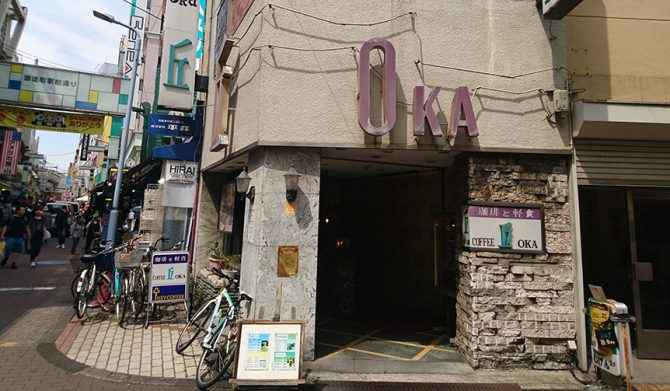
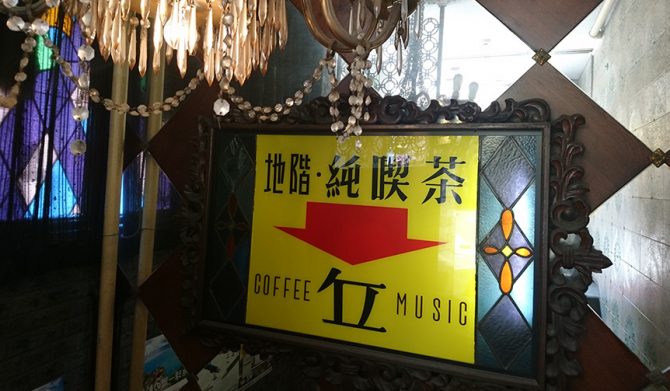
Kyu is, above all, gorgeous. With chandeliers and stained glass, it truly embodies 'THE Showa Retro Gorgeous.'
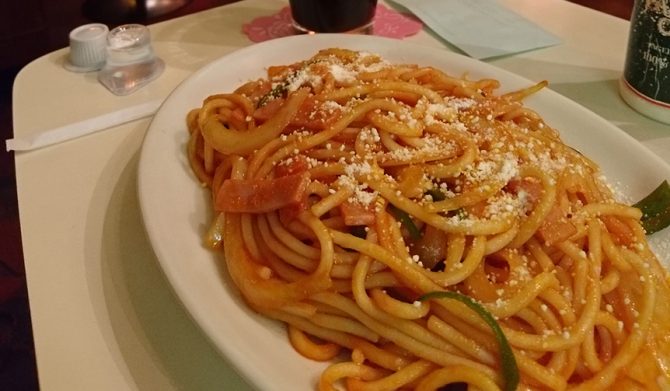
And of course, the Napolitan here is the classic, orthodox style. The rich flavor and the soft, thick noodles slide into your stomach just as you'd expect.
Then, crossing Showa-dori, you arrive at the 'Higashi-Ueno Korean Town.' Also known as 'Kimchi Yokocho,' it's Japan's oldest Korean town, densely packed with yakiniku restaurants, Korean eateries, and wholesale Korean food suppliers.
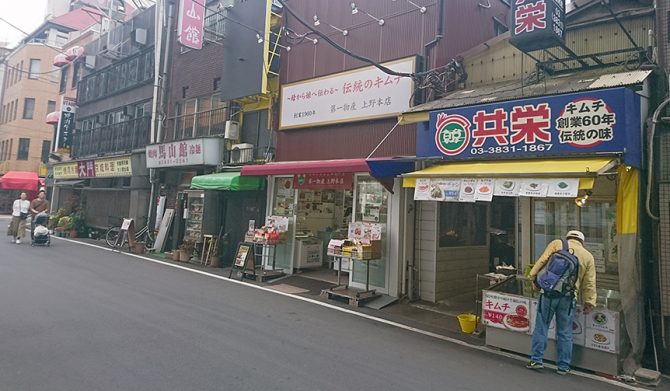
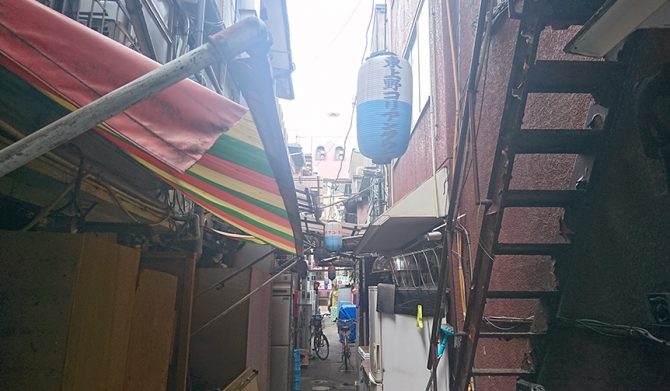
Venture down the narrow back alleys, and you'll see laundry towels drying haphazardly, water dripping from tin roofs. The toilets are communal, and in the summer, you're likely to see flies buzzing around. This small area feels like a different country.
From restaurants serving dog meat dishes like 'posintan' to renowned yakiniku spots such as 'Masanyuan,' 'Tokyoen,' and 'Keijoen,' the density is palpable. When I come here, I always buy offal from 'Ueno Nikuten.' You won't find such a variety of offal at local supermarkets, or even in the basement of Shinjuku Isetan. And the prices! I buy small intestines for motsuni (stewed offal) or motsunabe (offal hot pot), and honeycomb tripe for trippa, to enjoy at home.
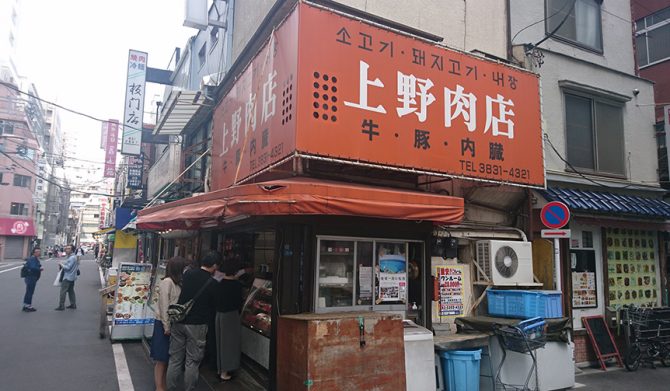
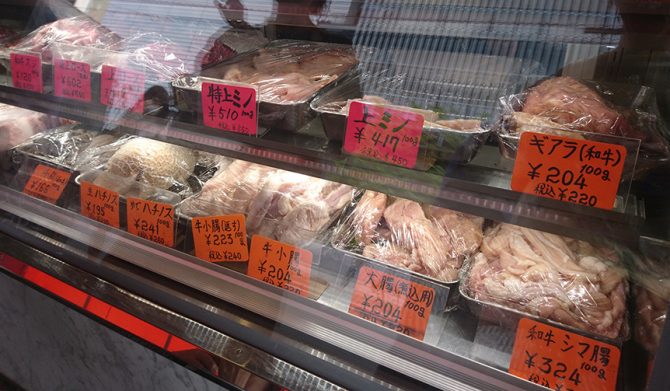
Yushima, filled with places for adult relaxation; Ueno Park, lined with the zoo and museums; the yose theaters; Ameyoko, which began as a post-war black market; and Japan's oldest Korean town. Ueno is a city where sharp personalities are scattered throughout, yet they come together to form a single community. This city, which has preserved the customs and social landscape of the era alongside the Meiji era's enlightenment, is so rich that you'd never have enough time to enjoy it all.
Suzumoto Engei-jo
Address: 2-7-12 Ueno, Taito-ku, Tokyo
TEL: 03-3834-5906
Hours: Day Show: Doors open 12:00 PM, Starts 12:30 PM, Ends 4:30 PM
Evening Show: Doors open 5:00 PM, Starts 5:30 PM, Ends 8:40 PM
Kurofune-tei
Address: 2-13-13 Ueno, Taito-ku, Tokyo
TEL: 03-3837-1617
Hours: 11:30 AM - 10:00 PM (Last Order), Open daily
Jun Kissaten Kyu
Address: Onaka Bldg. B1F, 6-5-3 Ueno, Taito-ku, Tokyo
TEL: 03-3835-4401
Hours: 9:00 AM - 5:30 PM, Closed Mondays
Ueno Nikuten
Address: 2-15-4 Higashi-Ueno, Taito-ku, Tokyo
TEL: 03-3831-4321
Hours: 9:30 AM - 6:30 PM, Open daily
Yasutake IJICHI
Vice President, Sunshine Juice Inc.
Born in Tokyo in 1982. While at Keio University, he worked for an event company, planning and producing receptions and parties for major corporations. He then moved to a PR firm, where he was involved in planning and managing marketing communications and branding from a PR perspective. He resigned at age 30 and co-founded Sunshine Juice, Japan's first cold-pressed juice specialty store, with his friend of 20 years, the representative director. His favorite foods are fugu (pufferfish) and suppon (soft-shelled turtle). His favorite sports are baseball and horse racing. His favorite places are traditional coffee shops and local bars.
Instagram:ijichiman