Daimon Brewery: A New Challenge as a Successor to Tradition | DAIMON BREWERY
EAT TOKYO Tips | Daimon Brewery
A New Challenge as a Successor to Tradition
Preserving tradition is no small feat. It may require letting go of certain things, or even embracing new ideas that were once unimaginable. Yet, to pass on precious elements that would be lost forever, decisive action suited to the times is sometimes necessary. For Daimon Brewery, which has been brewing sake since 1826, the significant decisions made in recent years can truly be called decisive. Perhaps they can be rephrased as a resolve to uphold tradition.
Text by MAKIGUCHI June
A New Beginning Adorning History
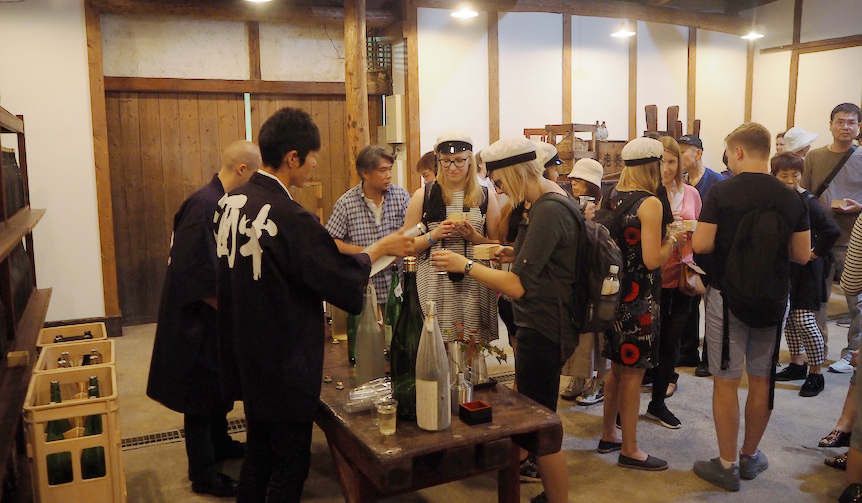
October 1, 2017. On this day, "Nihonshu Day" (Sake Day), sake enthusiasts from Japan and abroad gathered at Daimon Brewery in Katano, Osaka. Alongside locals and domestic sake aficionados, international investors were also in attendance.
For Yasutake Daimon, the sixth-generation brewery owner and master brewer, this Daimon Festival, where he could directly interact with those who love Daimon's sake, was long-awaited. It was also the day to announce Daimon Brewery's new departure.
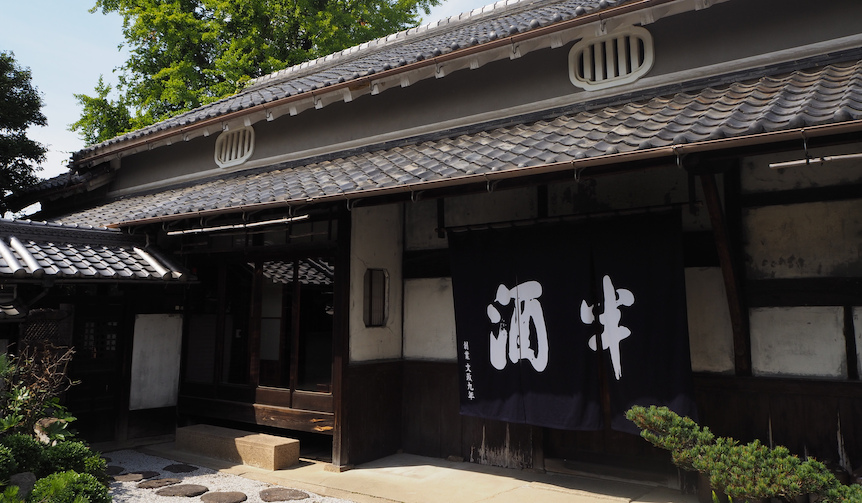
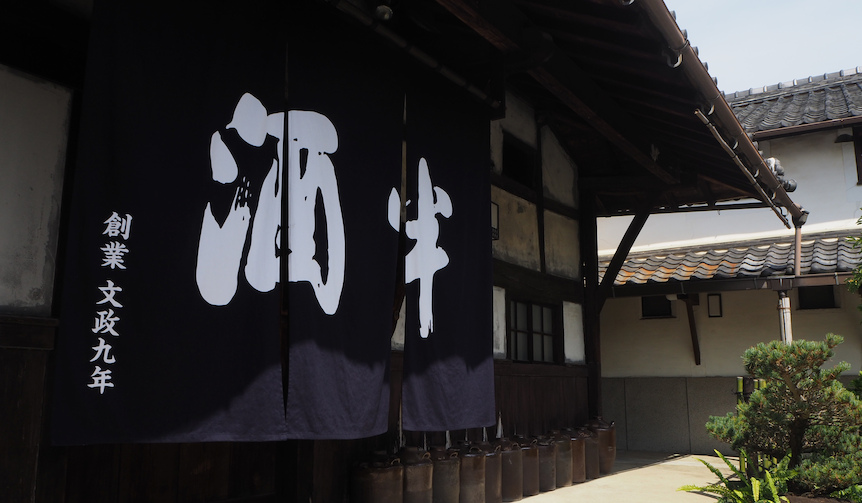
Daimon Brewery, with its trade name "Hanshō" named after its founder Hanshōemon Yoshiyuki, is located at the foot of the Ikoma mountain range. Since Bunsei 9 (1826), they have continued to brew sake with a refreshing, slightly tart taste, using abundant spring water from the mountains and rice cultivated in fertile land nurtured by rich nature.
The "DAIMON" series, born from the desire to become a brewery where one can experience Japanese culture through sake, features four varieties designed to complement various dining occasions, such as time with loved ones or relaxing moments. These are crafted with an awareness of pairing with diverse cuisines across borders.
Meanwhile, the "Rikyu-bai" series offers a sublime sake that embodies the rich umami of traditional Japanese sake, evoking over 190 years of history. Katano-ga-hara, whose natural beauty was praised by Sei Shōnagon in "The Pillow Book" with the words "Nokata no...," is located in the northeastern part of Osaka Prefecture, bordering Nara. This area has a long history of successful rice cultivation, and this sake fully conveys the blessings of the land and the inheritance of its rich culture. Both series saw their labels renewed in 2018, subtly revealing a hidden determination for a new beginning.
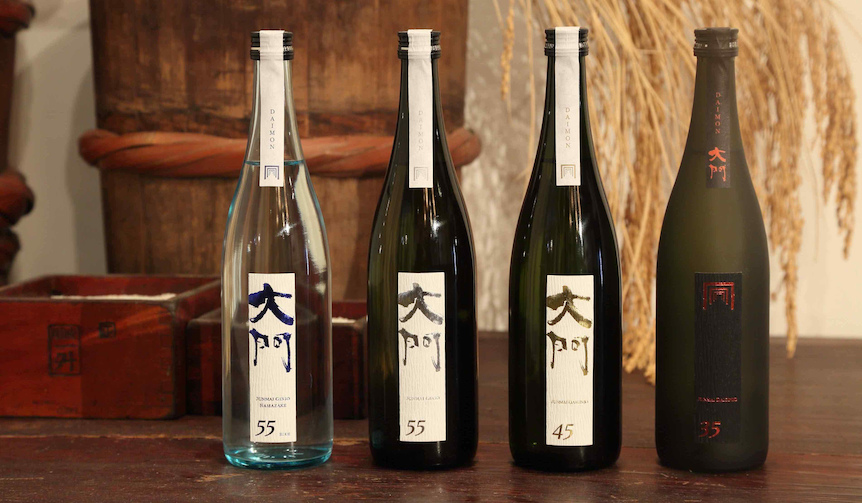
The "DAIMON" Series
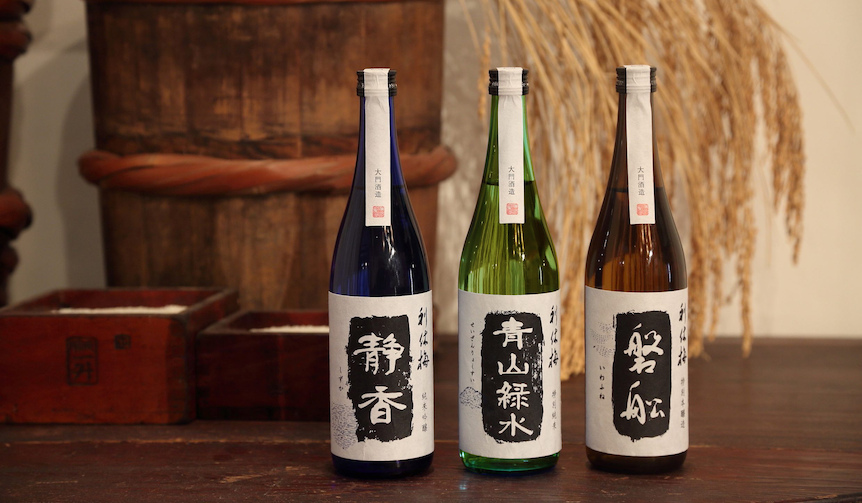
The "Rikyu-bai" Series
In reality, domestic sake consumption is declining. You might wonder why, given the frequent reports of sake's popularity abroad and the scarcity of certain brands. Premium sakes like Junmai and Junmai Daiginjo, along with other local brews, are indeed gaining popularity.
However, for everyday enjoyment, beer and wine consumption is higher. For many Japanese, sake is no longer an everyday drink. The long-term decline of sake culture took its toll, and Daimon Brewery once faced a severe business crisis, coming close to losing its traditional buildings, including its magnificent brewery.
It was then that a reliable group of supporters emerged: allies who aimed to revitalize the brewery together, preserving its history and tradition while passing on its culture.
Daimon Brewery was saved by individual investors, primarily from Hong Kong. Their reasons varied: a love for sake, a belief in the potential of Japanese food culture, respect for Japanese tradition, or an interest in engaging with historic Japanese culture. What they shared, however, was a profound respect for the traditions and culture that we Japanese often take for granted.
Many custodians of traditional Japanese culture tend to resist external interference. In this context, Daimon's decision is quite extraordinary within the industry, likely made possible by Mr. Yasutake Daimon's broad perspective.
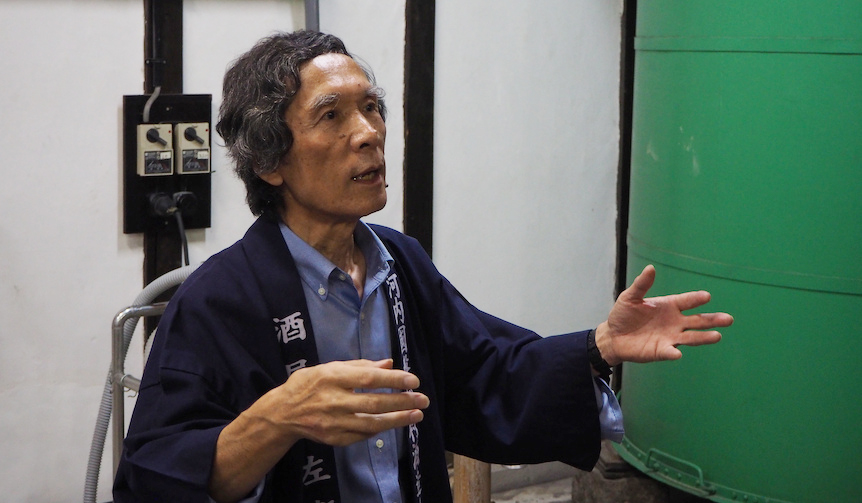
Yasutake Daimon, the sixth-generation brewery owner and master brewer
Mr. Daimon has an unusual background for a master brewer, having traveled the world in his youth.
Viewing Japan from afar, his desire to "convey the wonders of sake and Japanese culture to the world" grew, leading him to his current role. This clarity of purpose likely guided his decisive actions as a successor to traditional culture.
In essence, he understands that "there are no borders for good supporters."
Page02.What to Do to Brew Good Sake
EAT TOKYO Tips | Daimon Brewery
A New Challenge as a Successor to Tradition (Part 2)
What to Do to Brew Good Sake
Currently, the management of Daimon Brewery is led by Marcus Consolini, an American national serving as Representative Director and CEO. His deep understanding of Japanese culture, experience in renovating traditional Kyoto townhouses, and his family's involvement in the restaurant business have all contributed significantly to Daimon's new endeavor.
"In Japan, things with long histories are lost without notice. If a brewery with as much history as Daimon were in crisis overseas, it would surely become a major topic."
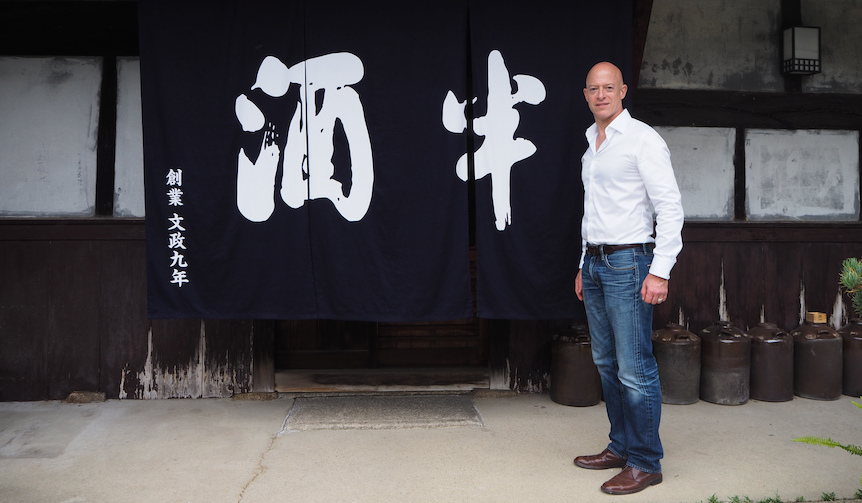
Representative Director and CEO Marcus Consolini
"Perhaps in Japan, asking for help is seen as uncool. That's why so many traditions quietly disappear. For those who admire traditional culture, this is astonishing. Once something old is broken, it cannot be restored. Daimon Brewery, fully aware of the gravity of such a loss, had the courage to seek assistance."
"If you cannot find a solution domestically, look abroad. There are many people overseas who will gladly extend a hand. So many people deeply admire Japanese culture. I hope that the case of Daimon Brewery can serve as a good model."
There are people overseas who admire Japanese culture even more than Japanese people might imagine.
This June, the new "Yama" series, whose brewing began last October, is also scheduled for completion. This Junmai Daiginjo is made solely from local ingredients, using sake rice from the paddies surrounding Daimon Brewery and spring water from the Ikoma mountain range as brewing water. It is named in honor of the mountains that rise majestically behind the brewery. Furthermore, for the first time in Daimon's nearly 200-year history, they plan to release aged sake and seasonal limited editions, which is something to look forward to.
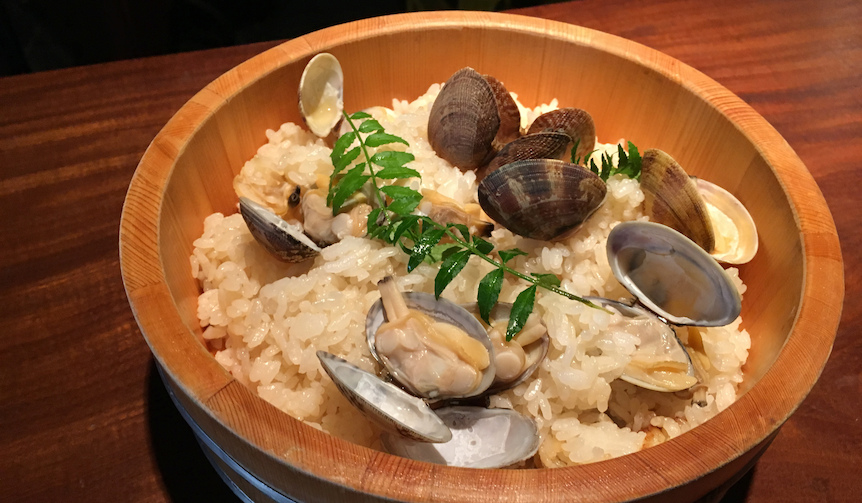
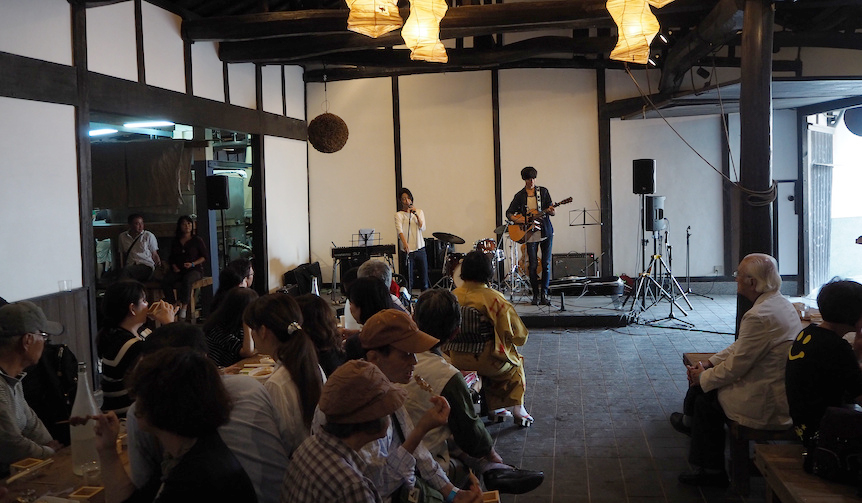
Having embarked on a new journey, Daimon Brewery is also looking beyond the mere production of good sake. Currently, "Mukkontei," a restaurant converted from a brewing facility built in the late Edo period, is open on weekends and has become popular for its sake and cuisine pairings.
They also regularly host events such as jazz concerts and rakugo performances, proposing enjoyable lifestyles with sake in various styles. Sake brewery tours and tastings are offered every Friday and Saturday. In April, the second installment of the "Daimon Festival," first held on October 1st last year, took place. Going forward, they plan to hold this event twice a year, in April and October, allowing visitors to enjoy local food and Daimon's sake.
"Brewing good sake is the path to survival. We just need to do what needs to be done. We know what needs to be done. The question is whether we can achieve it." These words from Mr. Daimon at last October's festival left a lasting impression.
Cultivating an environment where one can do what needs to be done, through the support of understanding partners. This too is a crucial mission for a successor of tradition. While many traditions fade away due to a loss of "environment," the path chosen by Daimon Brewery may offer a hint for how Japan can coexist with its traditions today.