Anatomy of Anatomica Kyoto's Appeal: A Hidden Gem Born from Pierre Fournier's Love for the City
ANATOMICA | Anatomica
Anatomica Kyoto opened in September 2024. The shop, housed in a Machiya townhouse approximately 100 years old in Kyoto's Nakagyo Ward, has been transformed into a unique space where the tradition breathing within the city merges with the elegance cultivated by Anatomica. We spoke with Pierre Fournier, the founder of Anatomica, about the charm of Kyoto and the shop's design.
Text by OSUJO Ryota (Office Osujo) | Photographs by OPENERS
Attention to Detail Reflecting Pierre's Affection for Kyoto
Looking back, in 1957, the then-mayor of Kyoto sent a letter to the president of the Paris City Council. The letter expressed a desire to establish a sister city relationship between Kyoto and Paris. The following year, the president visited Kyoto, and a friendship pact was concluded between the two cities. Since then, the ancient capitals of Japan and France have maintained their sister city relationship.
Considering this, it might be inevitable that Anatomica, born in Paris, would open a shop in Kyoto. It opened on September 13th this year. The location on Aneyakoji Street in Nakagyo Ward is also fitting for this brand.
The entire street is preserved with its historic cityscape due to architectural regulations. The street, lined with gas lamps, features a row of long-established shops, including traditional Japanese confectioneries and miso stores that have been in business since the Edo period.
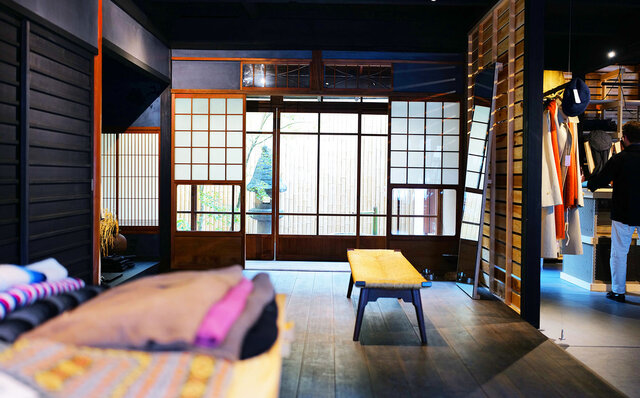
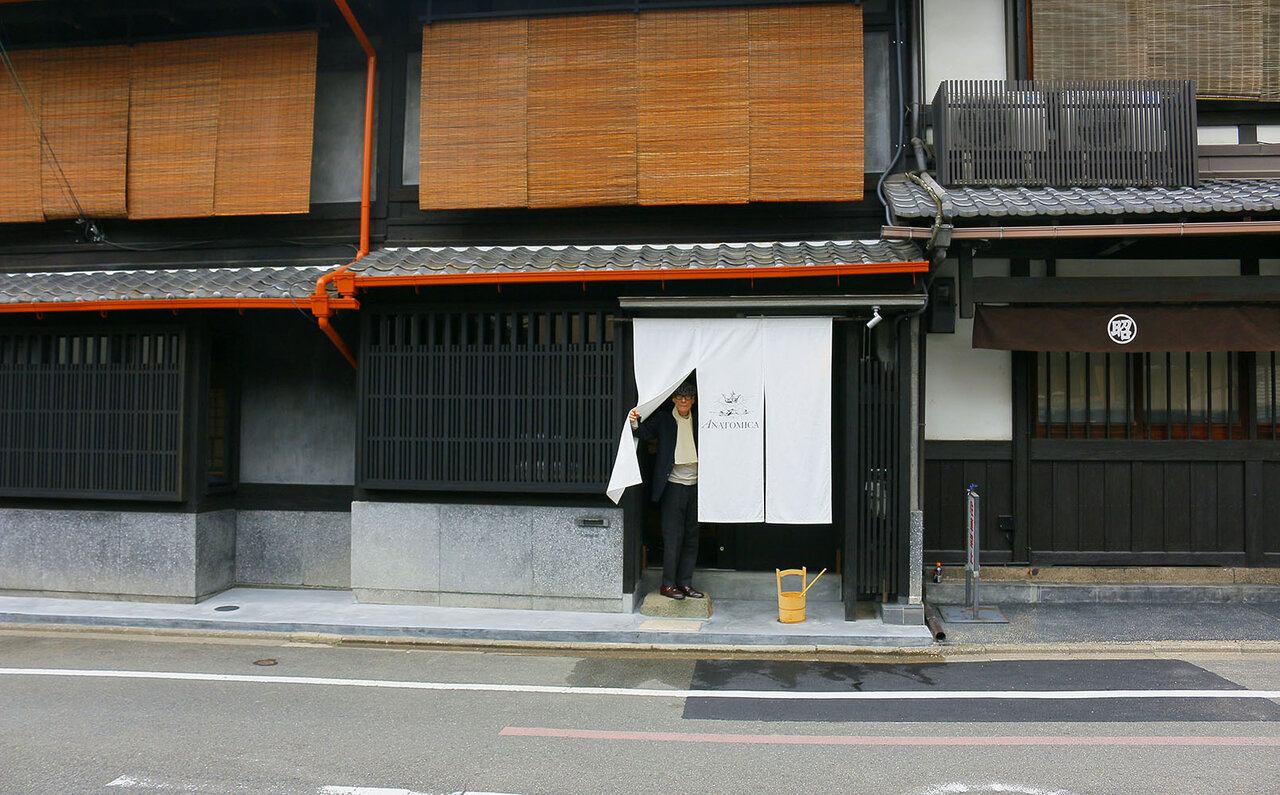
Anatomica Kyoto is situated in a Machiya townhouse on a corner of that street. Passing through the white noren curtain and opening the aged wooden sliding door, a space unfolded where Anatomica's culture and Kyoto's heritage merged.
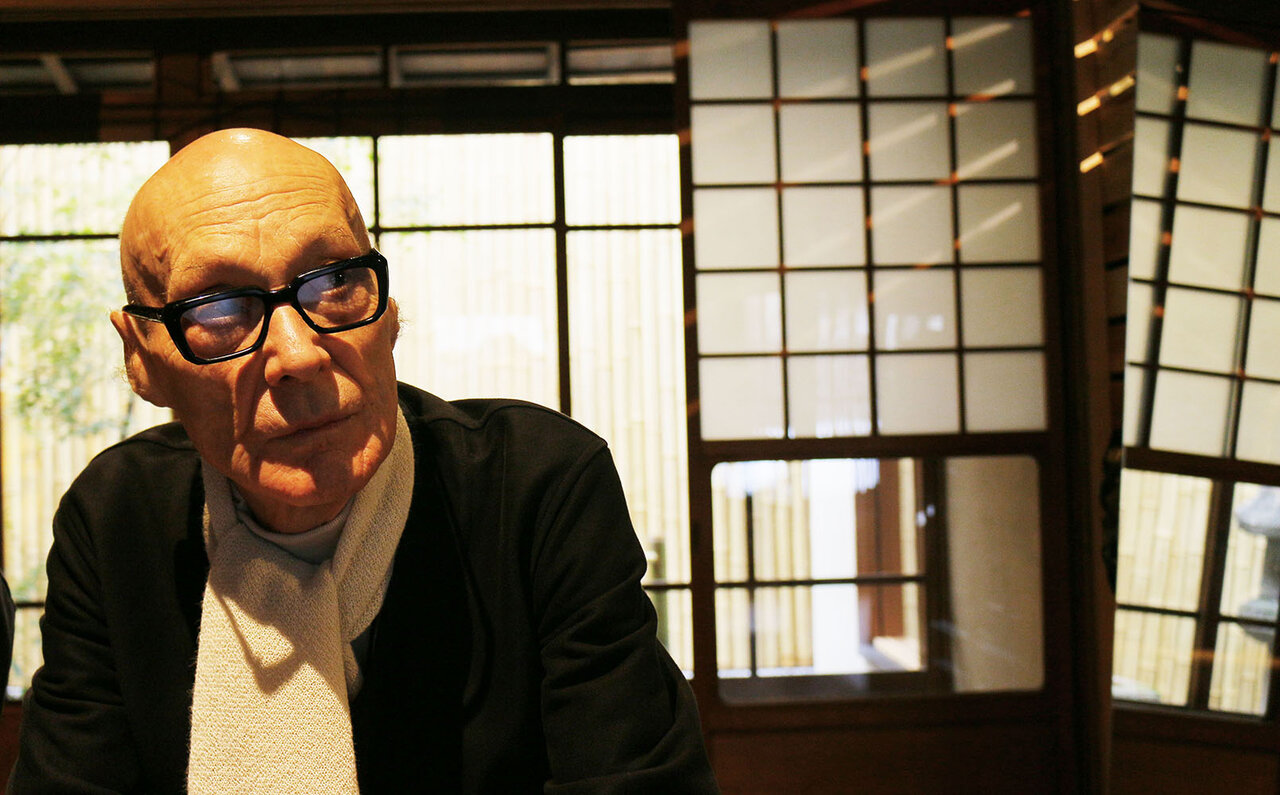
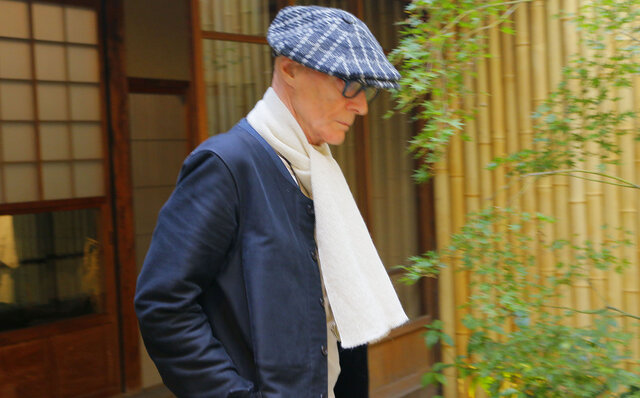
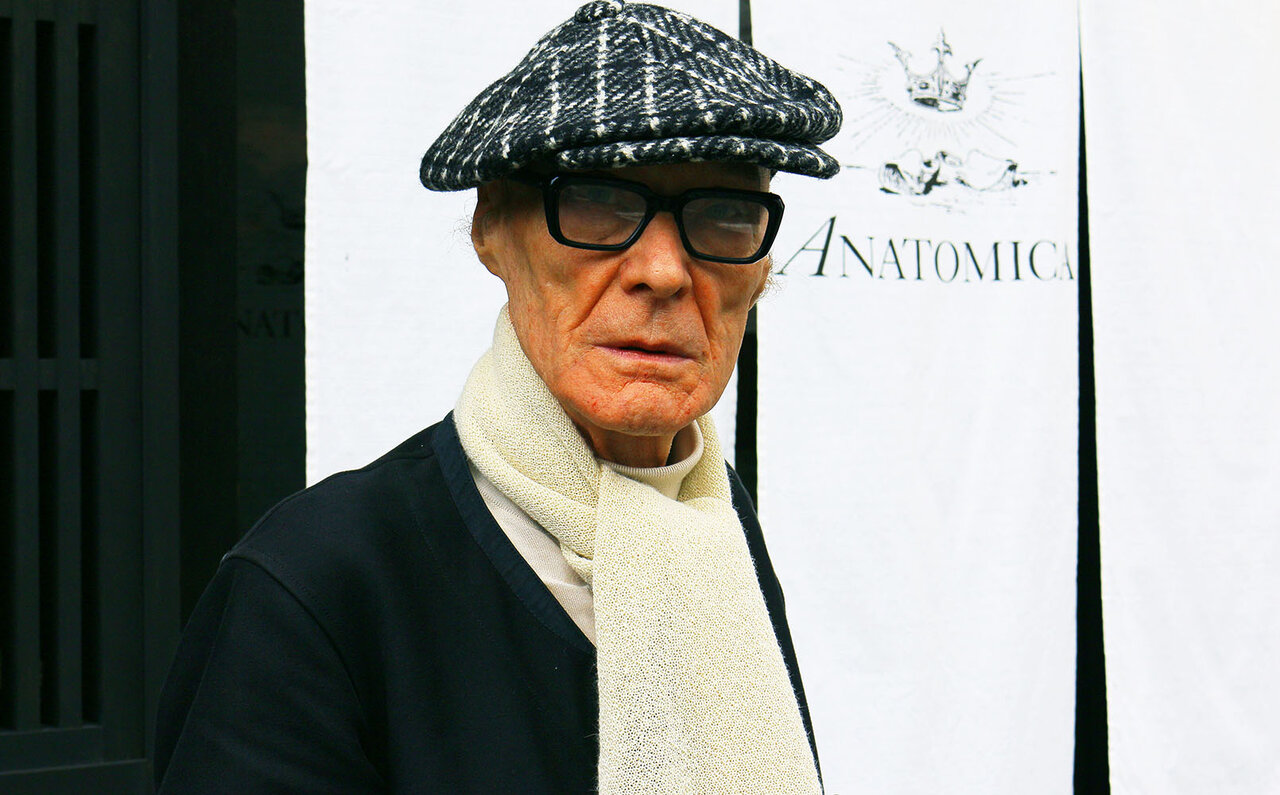
Pierre Fournier, the creator of the brand, gave us a tour of the shop.
"My first visit to Kyoto was about 30 years ago. I had visited various places in Japan before, but nowhere else had I felt the tradition and aesthetic beauty of Japan as strongly as in Kyoto."
He has visited Kyoto many times since then, but he says he doesn't gravitate towards the typical tourist spots.
"That's because what interests me is the daily life of the people in this city. When I go out during my stays, I only visit places where I can sense the pulse of people's lives. I look at tools made of palm fiber and bamboo at Naito Shoten near Sanjo Ohashi Bridge, or buy old-fashioned beakers at Kunishima Kikai on Sanjo Street. Oh, and I always stop by Ippodo Tea Co. on Teramachi Street. In France, I mostly drink coffee, but when I'm in Japan, I enjoy both tea and coffee."
Anatomica Kyoto encapsulates Pierre's feelings for this city.
"Since I was opening a shop in Kyoto, modern concrete buildings didn't appeal to me. I chose a wooden Machiya townhouse, about 100 years old, that had been used as a shop and residence for many years. Although it has been completely renovated, I've tried to preserve elements like the pillars, beams, and supports that convey the building's history."
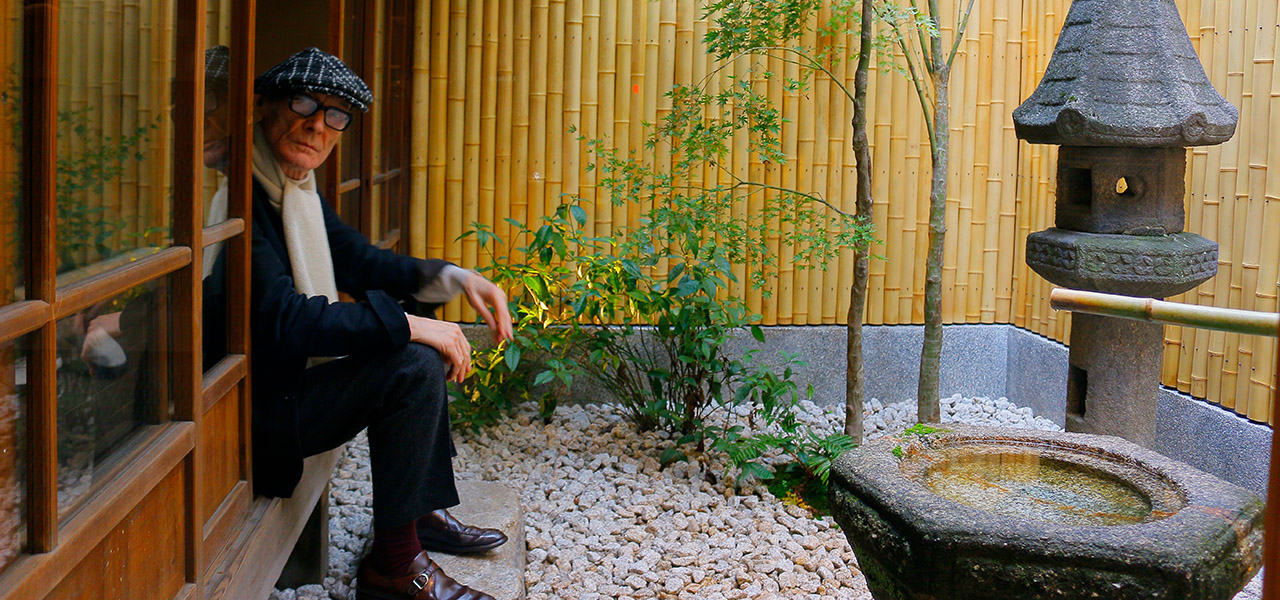
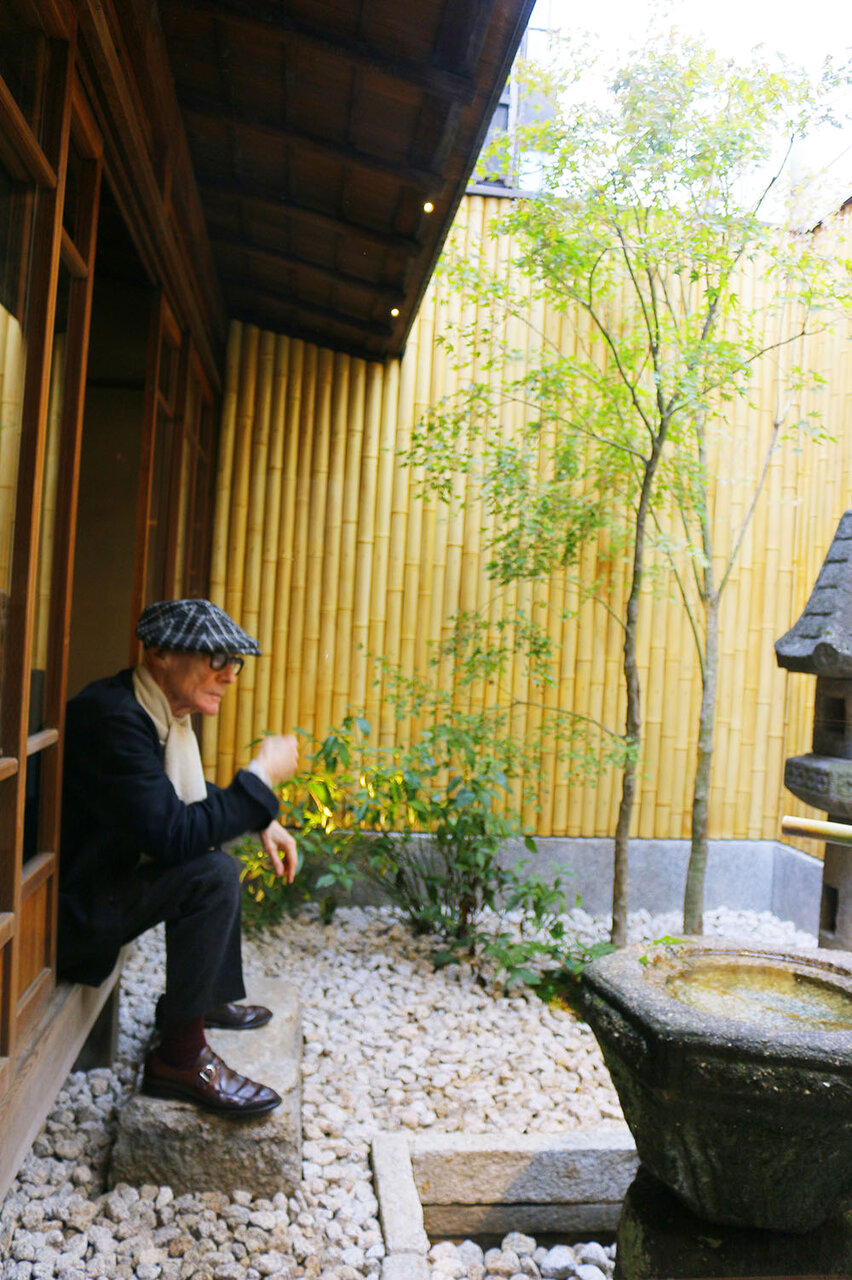
When asked about his favorite spot, Pierre led us to the small courtyard at the back of the shop. Sitting on the veranda, he gazed at the garden.
"The tsuboniwa, where you can connect with nature while indoors and feel the changing seasons, has always been a Japanese cultural element I admired. Being in this cool space, with the scent of grass and stone, brings a sense of calm."
The tsuboniwa was originally part of this building. A Kyoto gardener was commissioned for its design, and the old stone lantern and tsukubai (water basin) were retained.
There's also a particularity to the wooden lattice adorning the front of the shop.
"I like how the lattice allows a glimpse of the interior from the outside. The shadows cast inside by the sunlight also have a unique charm."
He chose a traditional lattice known as 'itoya goshi' (thread-seller's lattice). Its dynamic design, which allows light to enter, has historically been used for shops like kimono and thread stores, which emphasize the color of their merchandise.
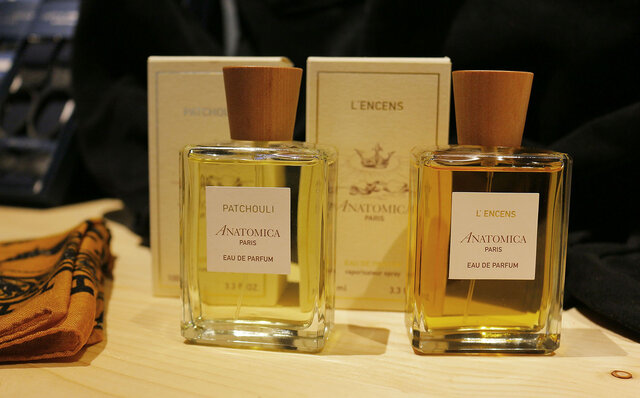
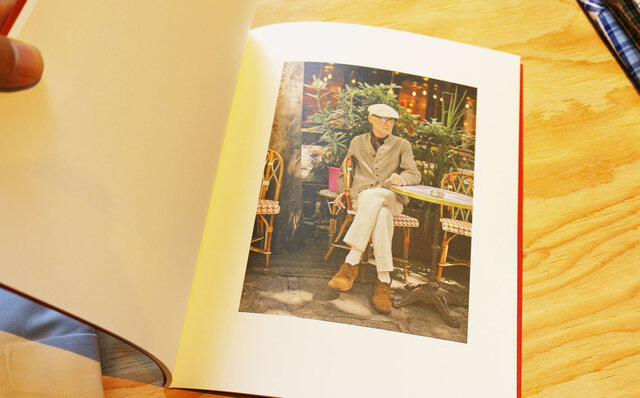
Left: "Fragrance" ¥49,500 (tax included) | Right: "ANATOMICA PARIS 30th PHOTO BOOK" ¥7,700 (tax included)
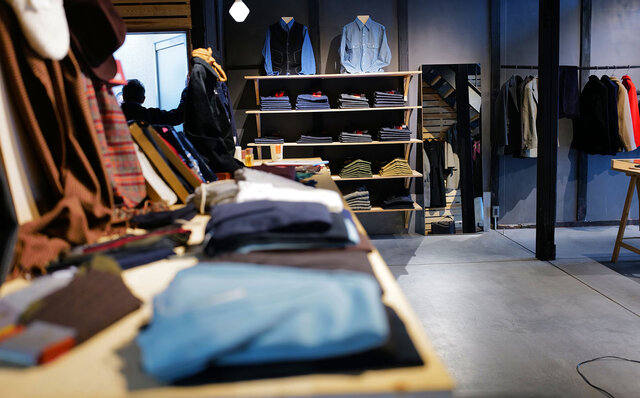
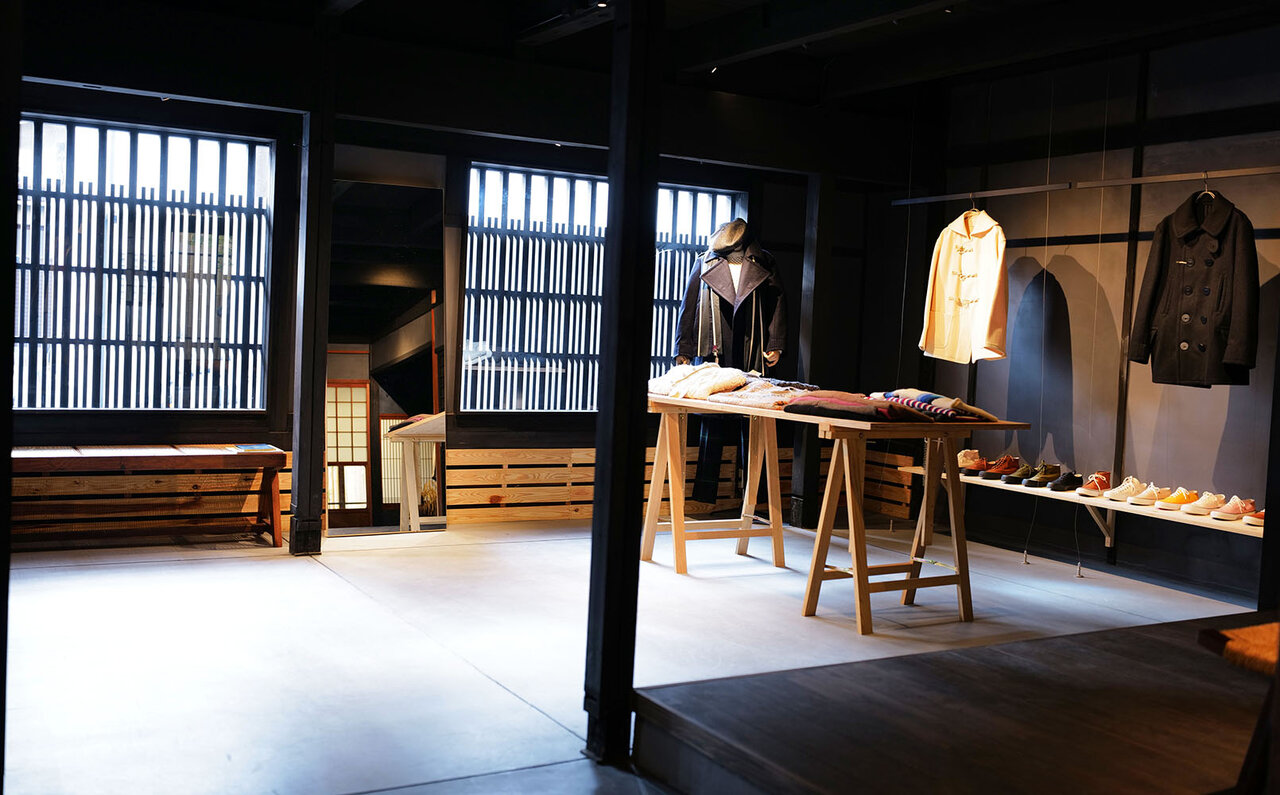
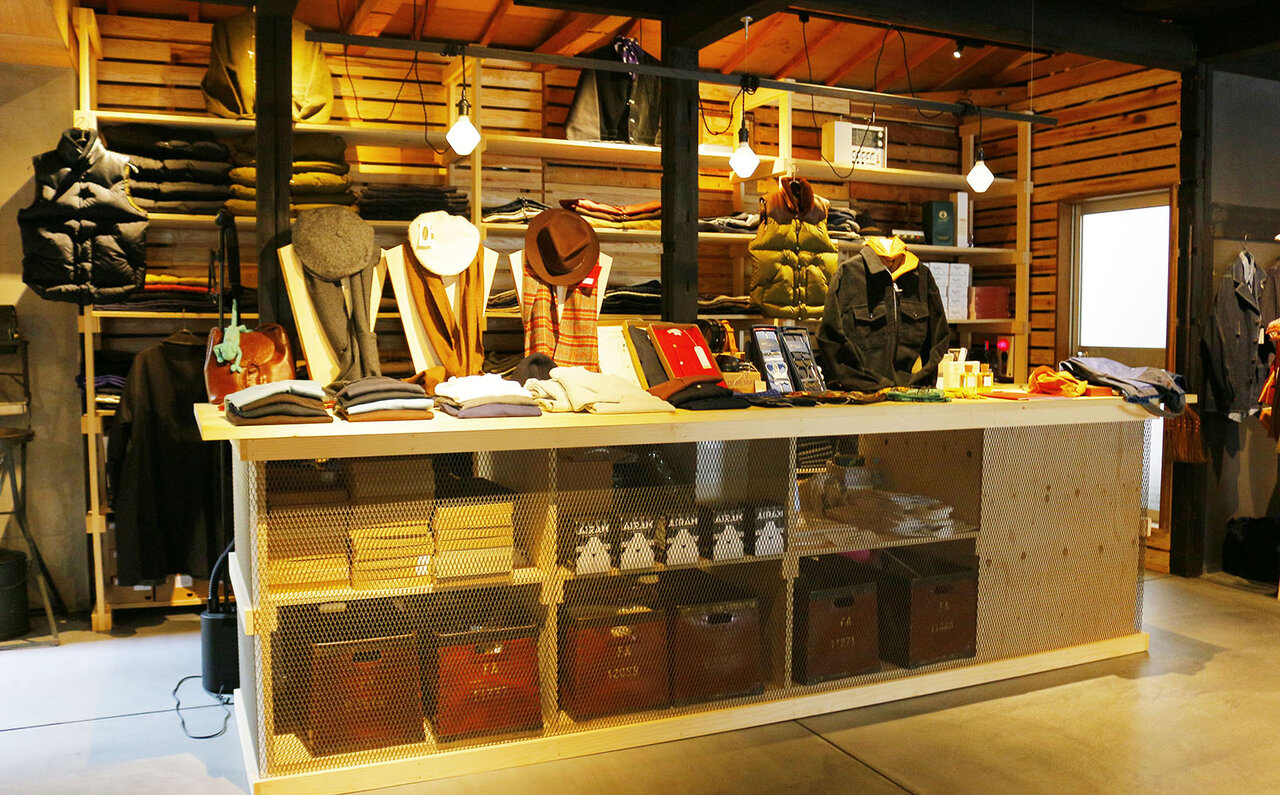
Within the interior design that emphasizes Kyoto's character, Anatomica's style also breathes. The counter at the back of the shop and the large shelves behind it replicate those of the Paris flagship store. Seasonal featured items are displayed on the counter. At the time of our visit, new fragrances and a photobook commemorating the 30th anniversary of the Paris store were also on display.
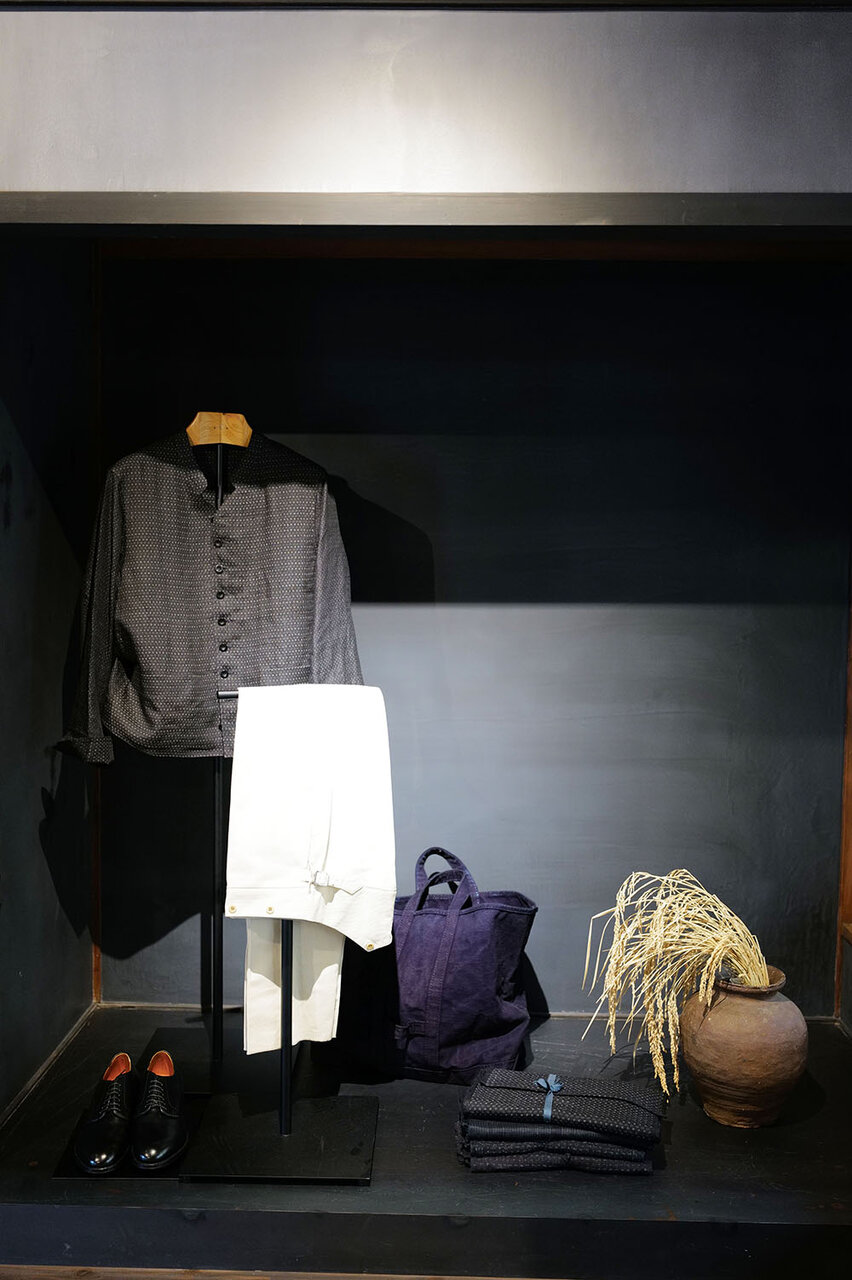
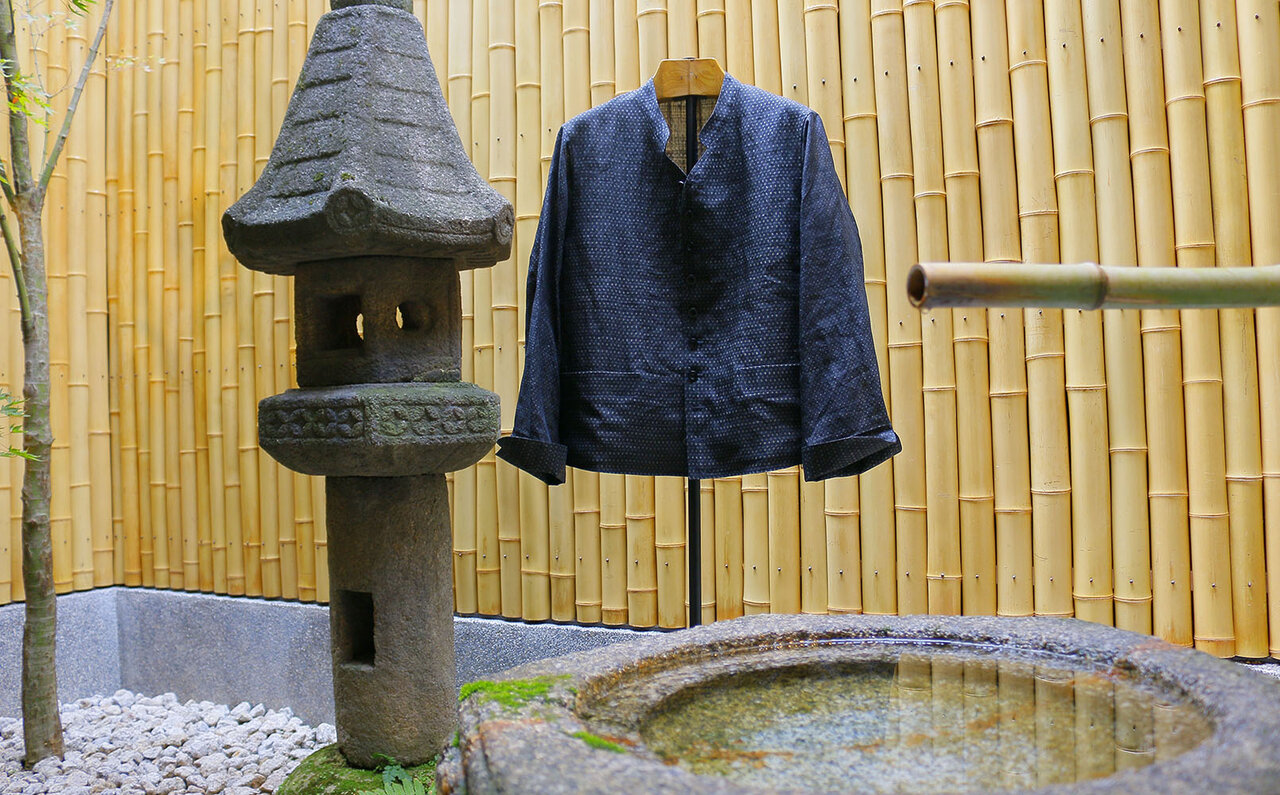
A mannequin is displayed in the chic tokonoma alcove, adorned with black plaster. The jacket is the "Dolman Jacket," created to commemorate the opening of this store.
The Dolman Jacket is one of the brand's signature items, offered since its founding in 1994. The model name originates from a term for soldiers during the Napoleonic III era, and the design is based on French military wear from that period. The relaxed width and armholes, designed for ease of movement, embody Anatomica's aesthetic of functional beauty.
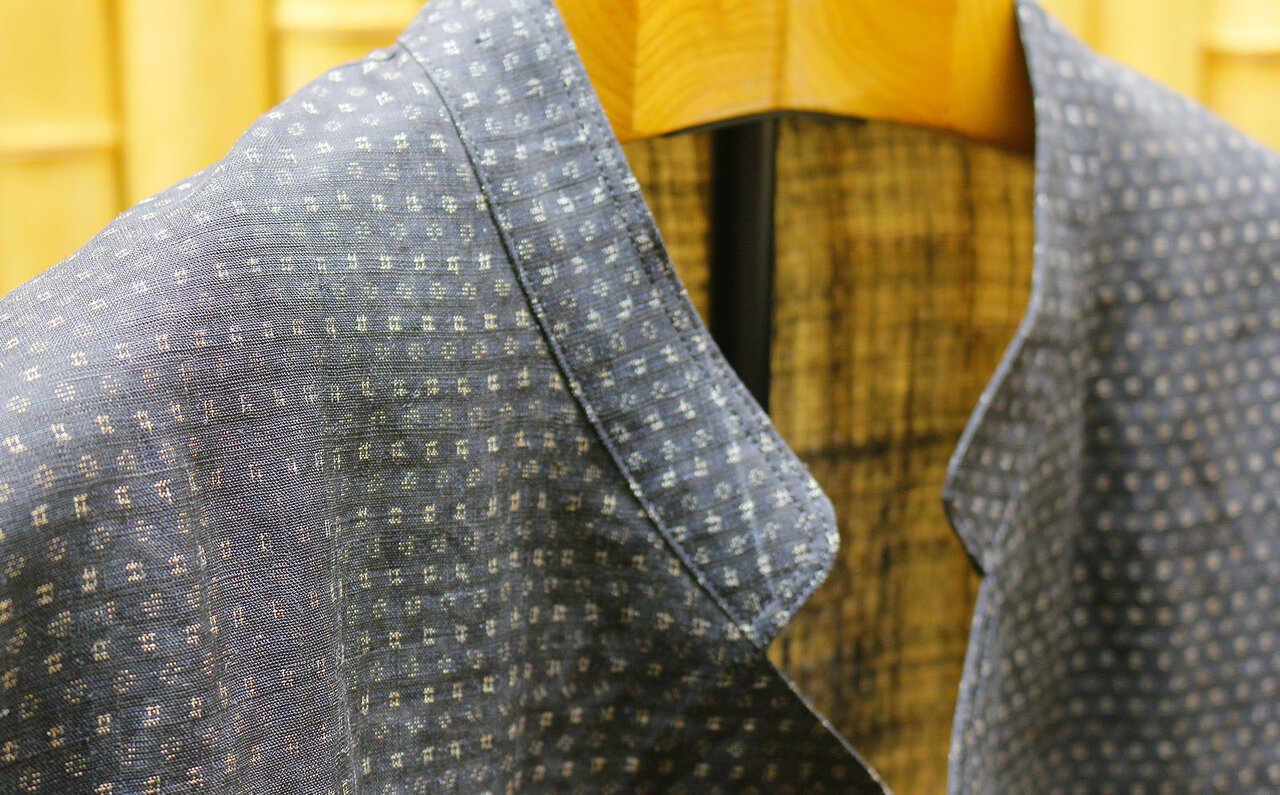
While it has been made from various fabrics over the years, this limited edition model uses a special fabric related to the ancient capital.
"It's a traditional Japanese fabric called 'choma' (ramie)."
Ramie, also known as rami, is made from the fibers of the stem of a tropical nettle plant. Its fibers are stiff and thick, offering excellent breathability and absorbency, making it suitable for summer kimonos. This is no ordinary ramie. The fabric was created by dismantling a kimono about 100 years old, passed down from a long-time kimono collector, and then tailoring this jacket.
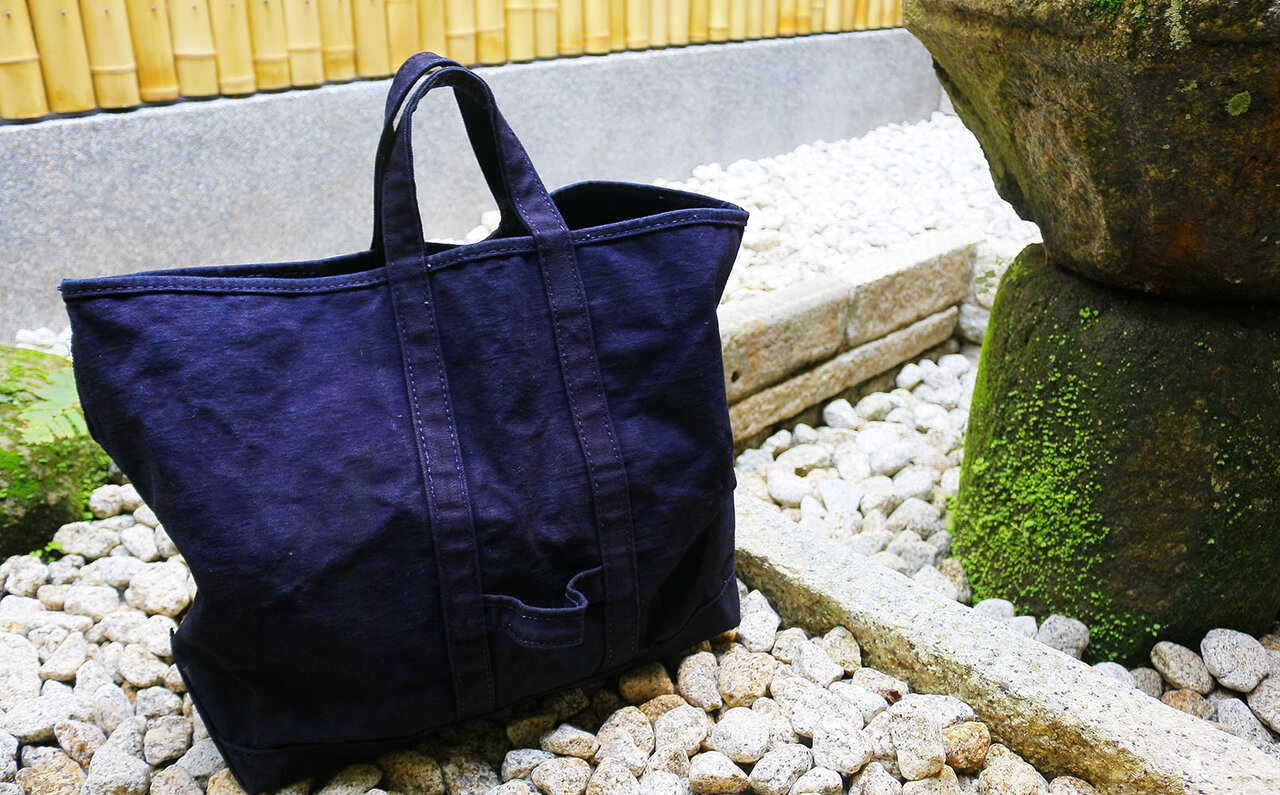
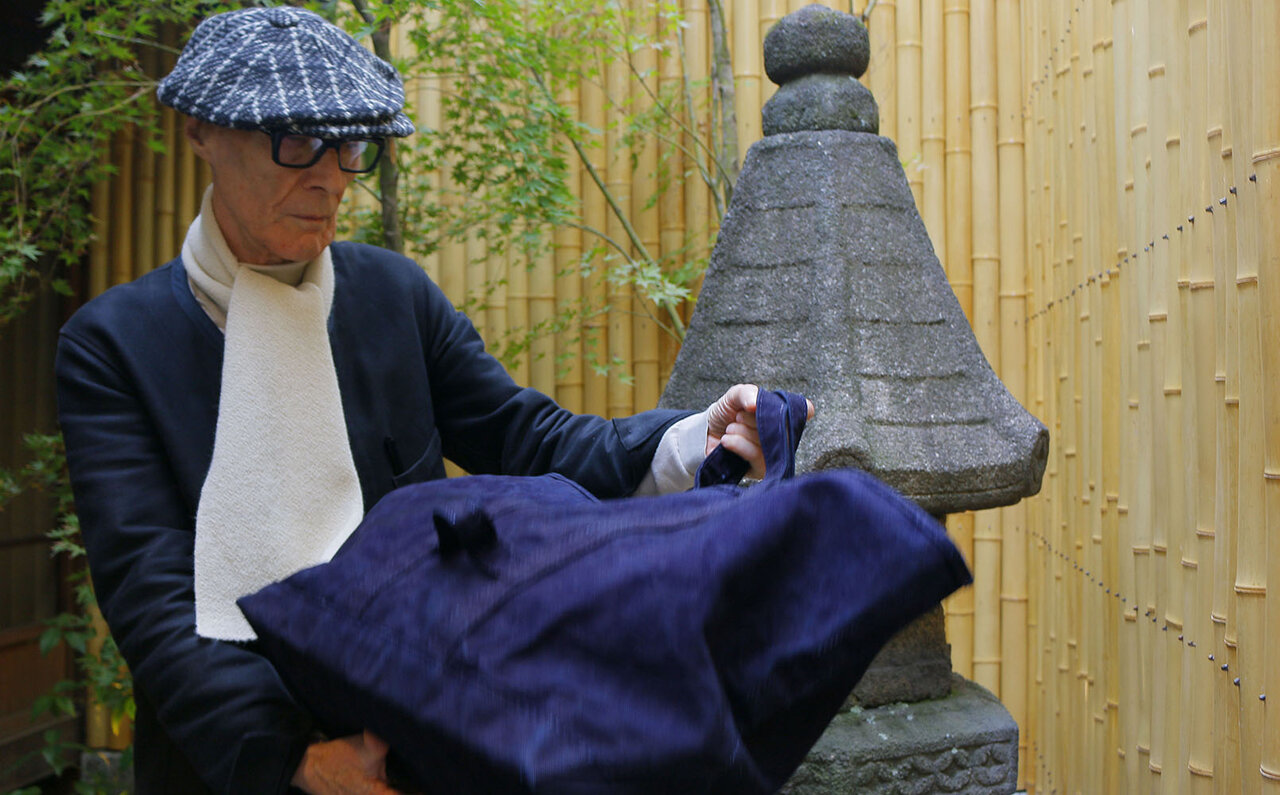
Next to the Dolman Jacket is a tote bag with an impressive deep indigo hue. This is the standard "Coll Bag," dyed using 100% Awa Ai, a natural indigo designated as a National Important Intangible Cultural Property from Tokushima Prefecture. It is meticulously hand-dyed one by one at a Kyoto dyeing factory using a traditional Japanese natural indigo fermentation method that has been practiced for approximately 600 years, without the use of any chemical substances.
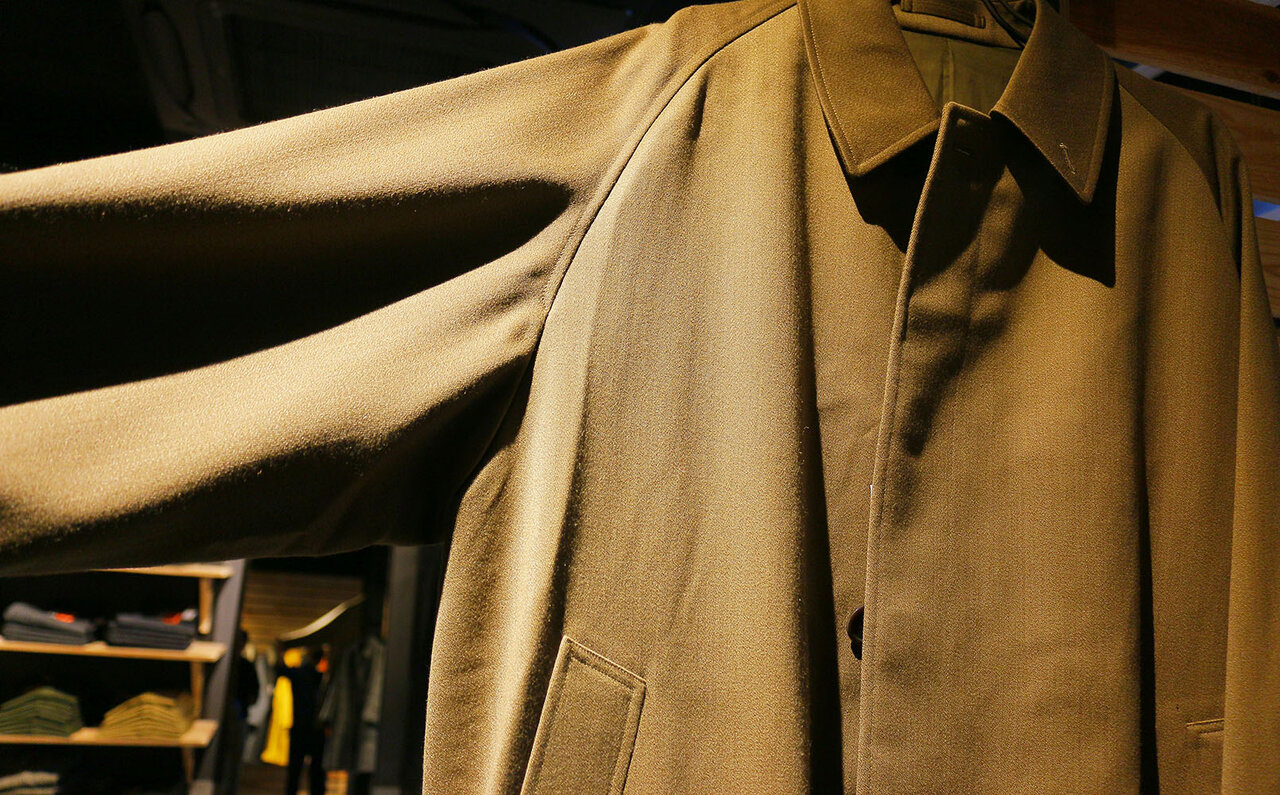
"Kyoto's winters are harsh. Many customers visit the store specifically for Anatomica's signature Single Raglan Coat."
Its characteristic feature is the raglan sleeves, designed with ample room around the shoulders. While typically the front and back pieces are sewn together, in Anatomica's case, a single piece of fabric is formed into a tube, hence it is also called a one-piece raglan sleeve. The A-line silhouette, which flares out significantly towards the hem, makes even the swaying hem appear elegant as one walks.
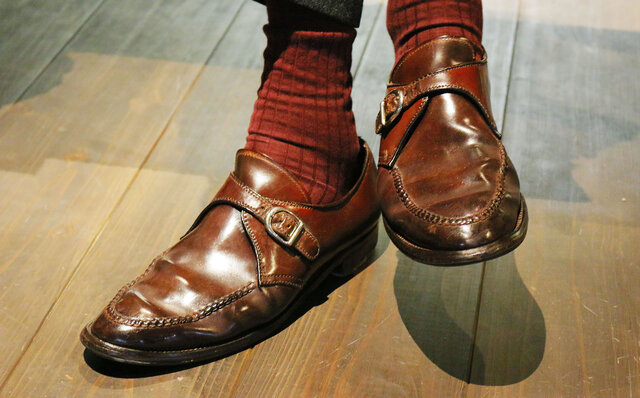
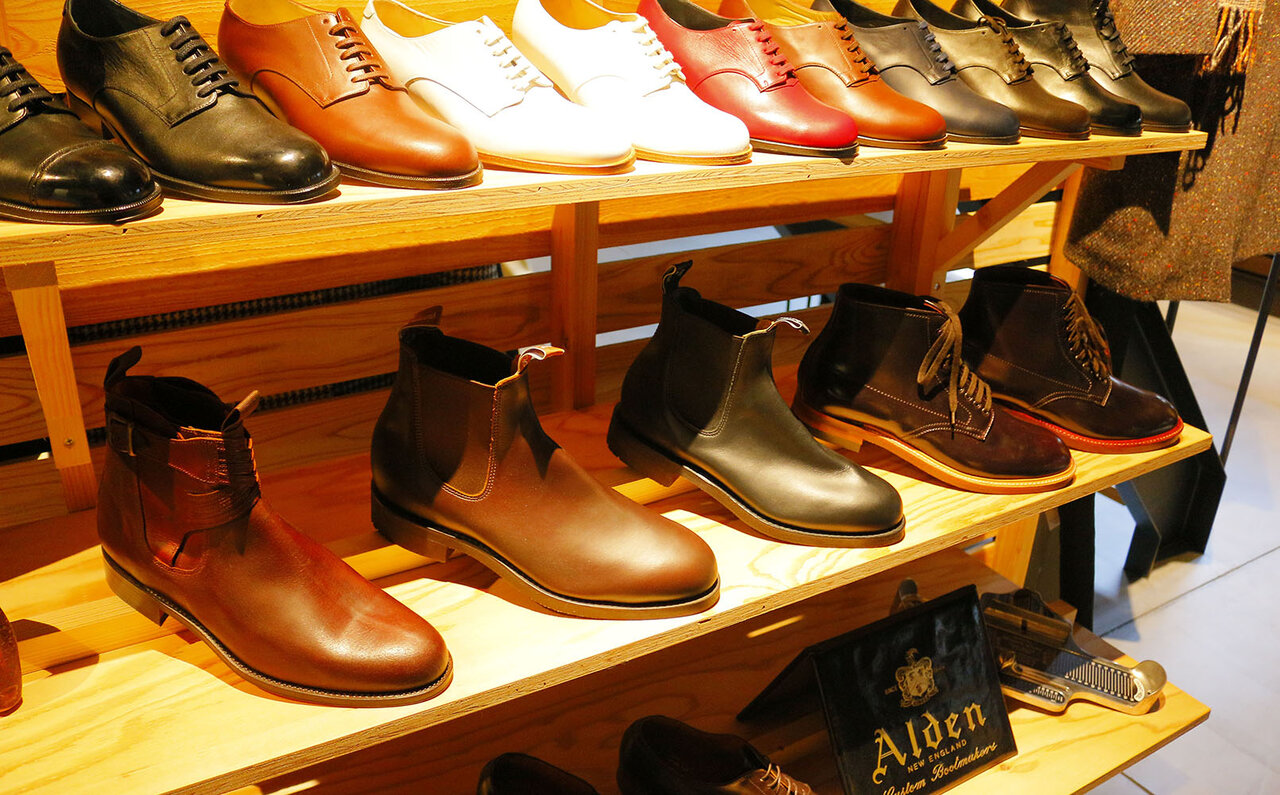
The spacious interior is designed to maximize the shoe fitting area. The extensive shoe lineup primarily features Alden, a brand deeply cherished by Pierre.
"It's a bit unfortunate, but nowadays, in Japanese cities, I mostly see young people wearing sporty sneakers. If you always wear sneakers that don't fit your size, it can even affect your posture. In the past, Japan, like Paris, had a culture of wearing leather shoes that fit one's feet. I would be happy if the people who visit this store could once again appreciate the charm of genuine leather shoes."
Stepping outside, we take another look at the shop. The exterior blends seamlessly with the streetscape, and it's almost impossible to see inside from the outside. Some people might pass by without realizing it's a shop.
"Ideally, a fashion boutique might have a more open design. However, this storefront is perfect for Anatomica," says Pierre.
"The appeal of the clothes we make lies in the atmosphere and texture created by high-quality materials and craftsmanship. Therefore, it's difficult to convey their full essence through computer or smartphone screens alone. Fortunately, many of Anatomica's fans are those who come to the shop, touch the clothes, and seek to understand the background of how the items came to be. Anatomica Kyoto is a store for such people. Please, open the door and experience the world of Anatomica with all your senses."
Anatomica Kyoto
Location: 782-3 Tsugaru-cho, Nishiiru, Kamaza, Aneyakoji-dori, Nakagyo-ku, Kyoto City
Business Hours: 11:00 - 20:00
Closed: Wednesdays
Contact
Anatomica Kyoto
Tel. 075-708-5068