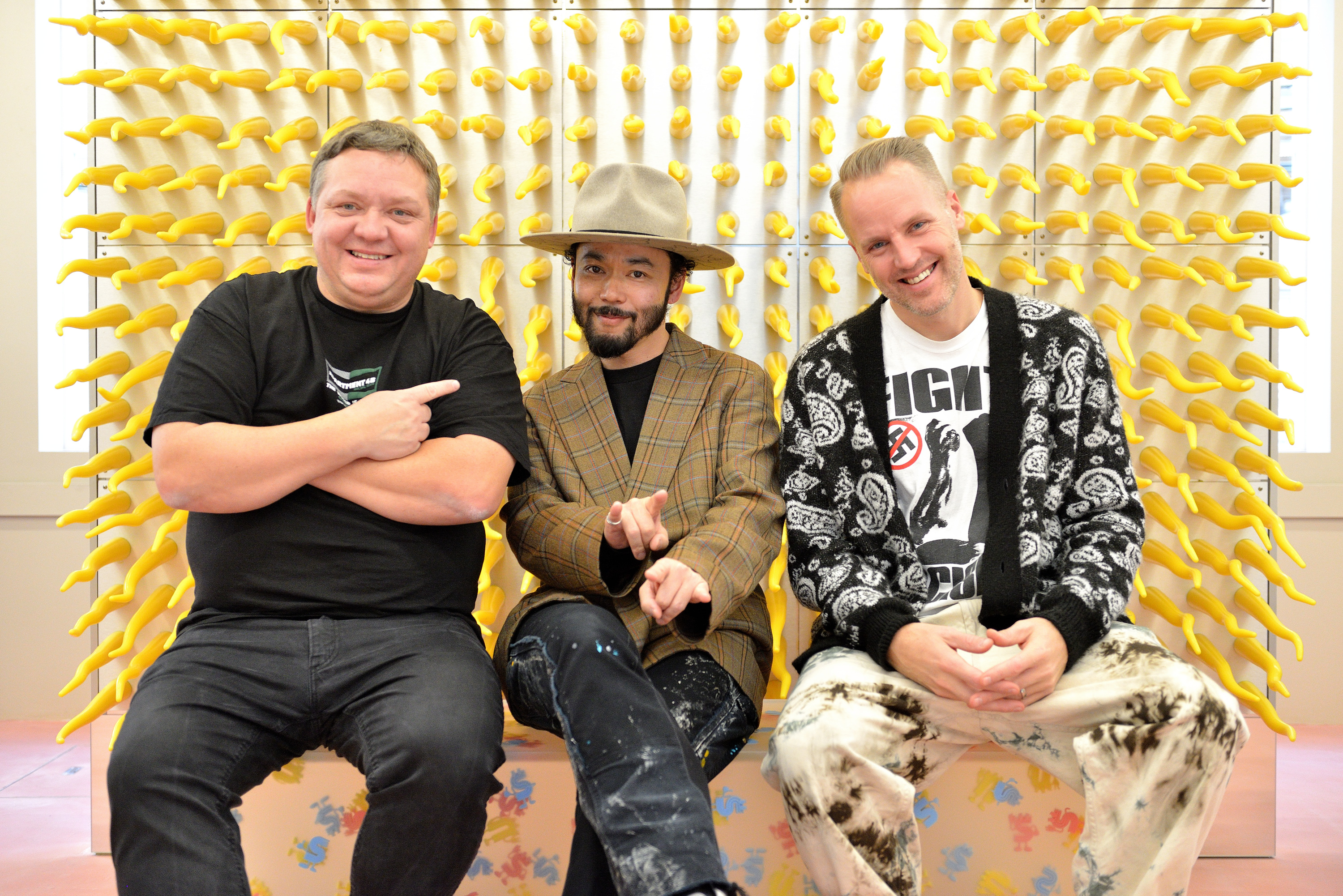
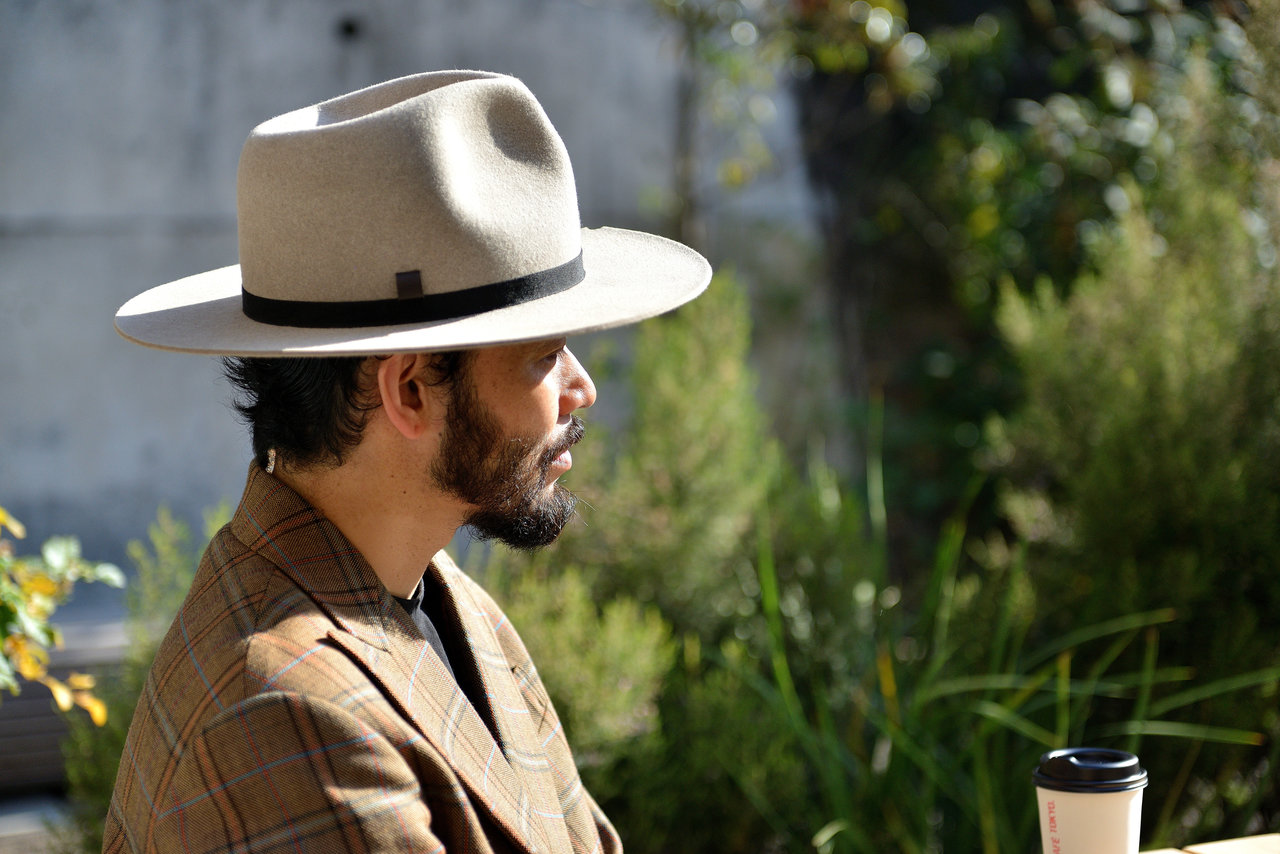
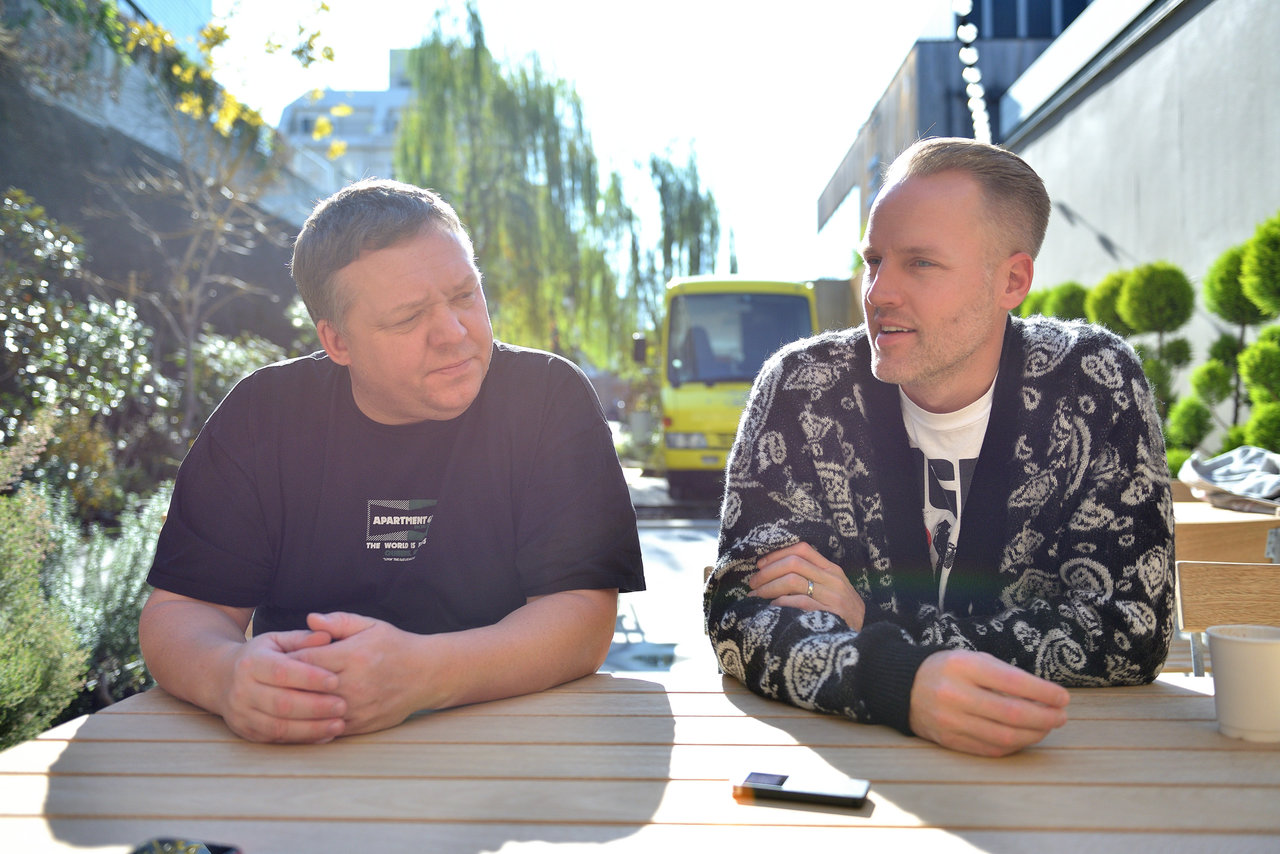
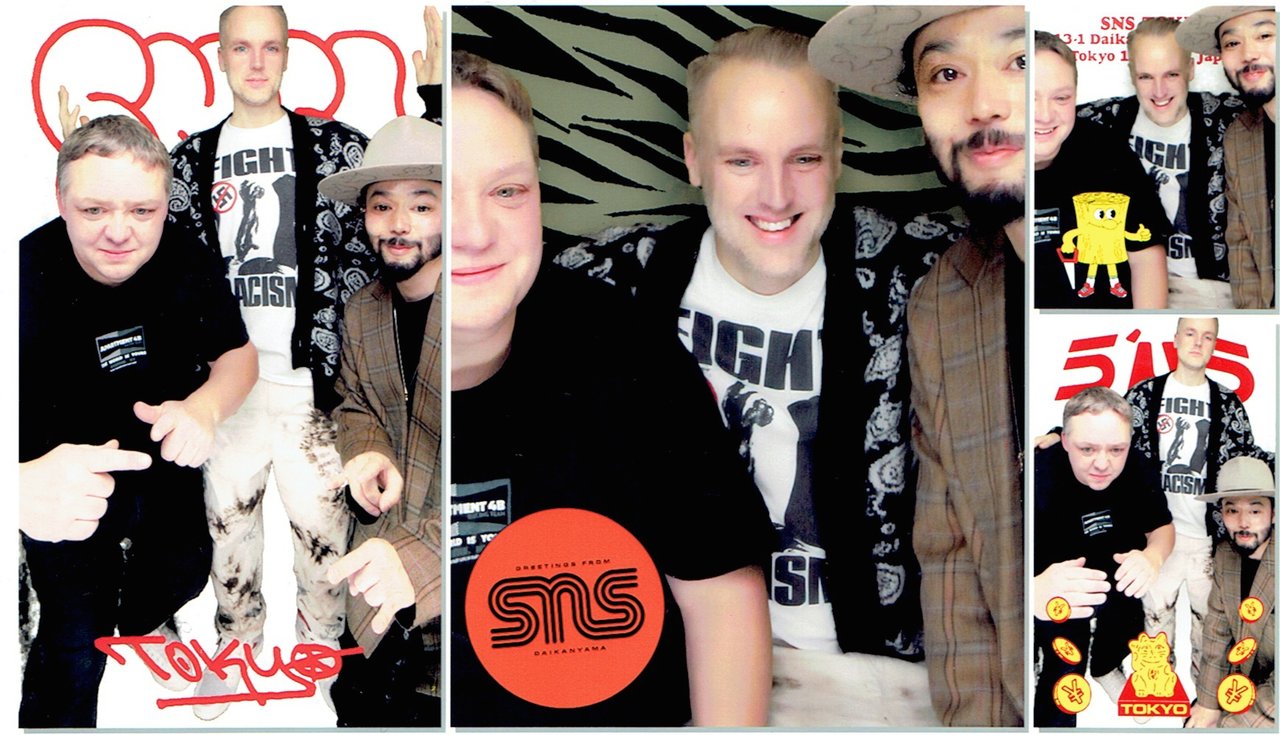
From left to right: Peter Jonson, POGGY, and Eric Fargrind
POGGY'S FILTER | Vol. 14 Eric Fargrind and Peter Jonson of Sneakersnstuff (SNS)
The guest for this installment of "POGGY'S FILTER," hosted by Motofumi "Poggy" KOGI, is Erik Fagerlind, founder and co-owner of the Sweden-based sneaker shop Sneakersnstuff (SNS), along with his partner Peter Jansson. SNS opened its first store in Stockholm, the capital of Sweden, in 1999. Now with locations in London, Paris, Berlin, and in the US, New York and Los Angeles, SNS has become a representative of the European sneaker scene. Last December, they opened "SNS TOKYO," their first Asian outpost, in Daikanyama, Tokyo. We delve into the success story of these two individuals, who went from being mere sneaker enthusiasts to globetrotting figures in the sneaker business.
Interview by Motofumi "Poggy" KOGI | Photographs & Text by Kiwamu OMAE
SNS: Born from Sneaker Shopping in New York
POGGYCongratulations on finally opening your shop in Tokyo! It's a wonderful store.
Erik & PeterThank you very much!
POGGYFirst, could you tell us how you came to establish your first store in Stockholm in 1999?
PeterIn the late '80s or early '90s, we were both working at the same sports shop. Back then, there weren't any sneaker boutiques, so if you wanted sneakers, you had to go to a store that sold sports equipment. This was long before sneakers like NIKE and Adidas became as popular as they are now.
ErikI became interested in sneakers through basketball. It was during the era when Michael Jordan was active. Basketball was everything to me back then, and I loved everything related to it, including street fashion and sneakers. Peter, on the other hand, got into sneakers through music and hip-hop culture.
PeterAs colleagues, we worked together for about four years, and we realized that we both had a stronger passion for sneakers than anyone else. So, we hit it off and started going to America together to buy sneakers – lots of them, ones that weren't sold in Sweden.
Erik & PeterThank you very much!
POGGYFirst, could you tell us how you came to establish your first store in Stockholm in 1999?
PeterIn the late '80s or early '90s, we were both working at the same sports shop. Back then, there weren't any sneaker boutiques, so if you wanted sneakers, you had to go to a store that sold sports equipment. This was long before sneakers like NIKE and Adidas became as popular as they are now.
ErikI became interested in sneakers through basketball. It was during the era when Michael Jordan was active. Basketball was everything to me back then, and I loved everything related to it, including street fashion and sneakers. Peter, on the other hand, got into sneakers through music and hip-hop culture.
PeterAs colleagues, we worked together for about four years, and we realized that we both had a stronger passion for sneakers than anyone else. So, we hit it off and started going to America together to buy sneakers – lots of them, ones that weren't sold in Sweden.

ErikThen, friends and acquaintances started asking us to buy sneakers for them too. As this grew to 10, then 20 people, we started asking for a small fee, like 20 euros, to cover our hotel and flight costs. In the '90s, Europe didn't have lifestyle-oriented sneaker shops; sports specialty stores only carried performance-focused sneakers. But when we went to New York, sports stores in Brooklyn and Harlem had all sorts of sneakers. As we bought more and more sneakers for friends, we began to want to sell sneakers based on their style, not just their performance. That was the starting point for our business idea.
POGGYWhen you went to New York to buy sneakers back then, what kind of stores did you shop at?
ErikWe used to go to places like Fulton Street Mall in Brooklyn. But most stores had similar lineups, so we'd negotiate at one place, and if they said 'no,' we'd move on to the next. We'd buy from the cheapest store. We did this for about a year, thinking, 'We're so smart!' Then we found out that all those stores were owned by the same person (laughs).
PeterActually, one owner had about 20 stores on the same street.
ErikBesides Fulton Street Mall, there were still many classic stores in the '90s like Raspberry Sports and City Sports. Even in Manhattan, if you walked down Broadway or 8th Avenue, there was a store every five blocks.
POGGYWhen you went to New York to buy sneakers back then, what kind of stores did you shop at?
ErikWe used to go to places like Fulton Street Mall in Brooklyn. But most stores had similar lineups, so we'd negotiate at one place, and if they said 'no,' we'd move on to the next. We'd buy from the cheapest store. We did this for about a year, thinking, 'We're so smart!' Then we found out that all those stores were owned by the same person (laughs).
PeterActually, one owner had about 20 stores on the same street.
ErikBesides Fulton Street Mall, there were still many classic stores in the '90s like Raspberry Sports and City Sports. Even in Manhattan, if you walked down Broadway or 8th Avenue, there was a store every five blocks.
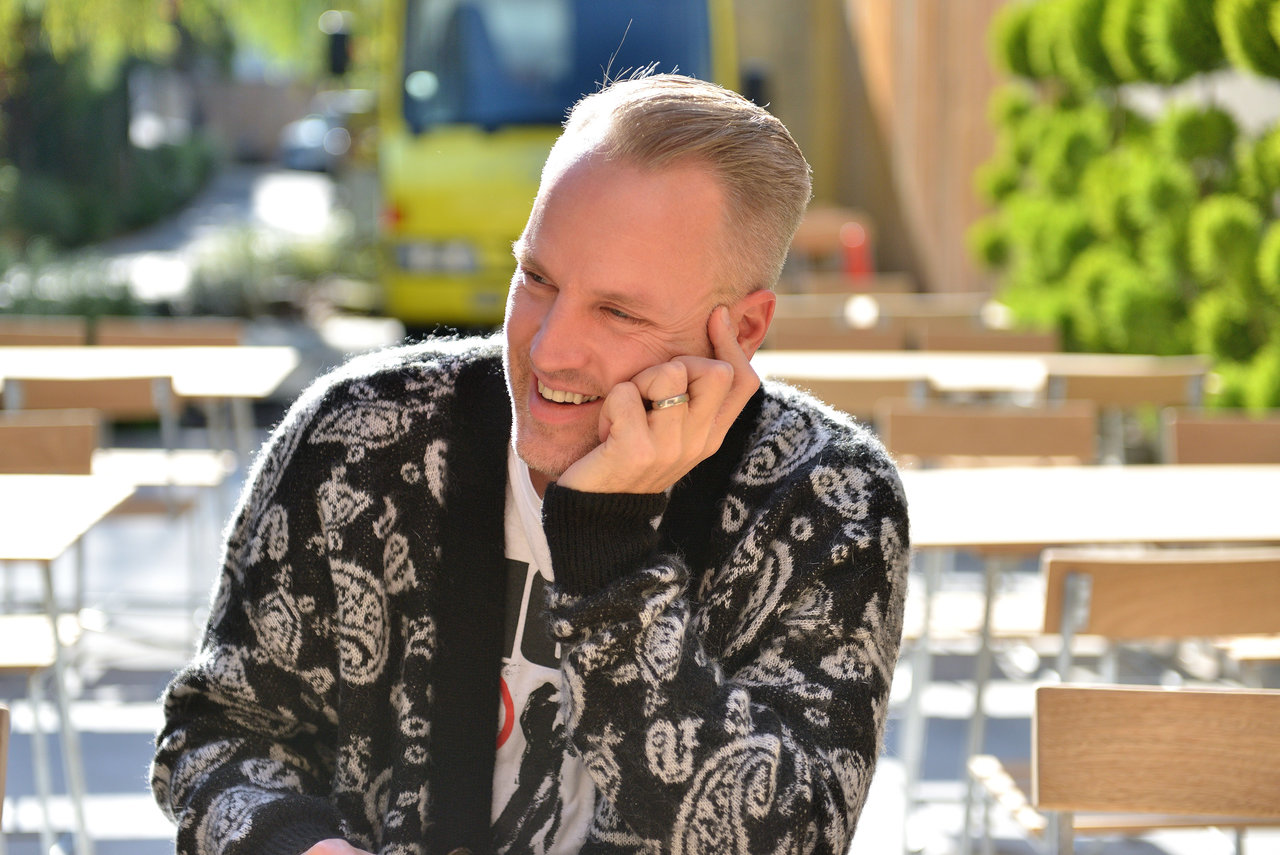
PeterWe found great sneakers in Koreatown and Spanish Harlem. In Harlem, even if the main streets like 125th Street were sold out, a few blocks off the main drag, there were still plenty left. I wonder if we were the only white guys buying sneakers there back then?
POGGYWere there any particular sneakers you were excited to find at that time?
PeterWe were desperately searching for retro sneakers to stock in our own store. Things like Nike running shoes and basketball shoes.
ErikLike "Air Force 1" or "Dunk." I got particularly excited when I found basketball shoes. Around '95 or '96, there were Nike's "Air Penny" and "Air Pippen." Discovering something we'd never seen before really got us hyped.
PeterWe gradually learned about the sneaker industry. We found out that major sneaker chains like Foot Locker, Daily Sports, and Foot Action sold limited, special models. For example, the "Triple White" model of "Air Max" was only sold at Foot Action. And since we didn't have stores in New York, we had to go all the way to New Jersey. It was only 15 minutes from Manhattan, though. Nowadays, you can easily find "Triple White Air Max 90" by searching online, but back then, getting hold of such sneakers was a very special occasion.
POGGYWere there any particular sneakers you were excited to find at that time?
PeterWe were desperately searching for retro sneakers to stock in our own store. Things like Nike running shoes and basketball shoes.
ErikLike "Air Force 1" or "Dunk." I got particularly excited when I found basketball shoes. Around '95 or '96, there were Nike's "Air Penny" and "Air Pippen." Discovering something we'd never seen before really got us hyped.
PeterWe gradually learned about the sneaker industry. We found out that major sneaker chains like Foot Locker, Daily Sports, and Foot Action sold limited, special models. For example, the "Triple White" model of "Air Max" was only sold at Foot Action. And since we didn't have stores in New York, we had to go all the way to New Jersey. It was only 15 minutes from Manhattan, though. Nowadays, you can easily find "Triple White Air Max 90" by searching online, but back then, getting hold of such sneakers was a very special occasion.
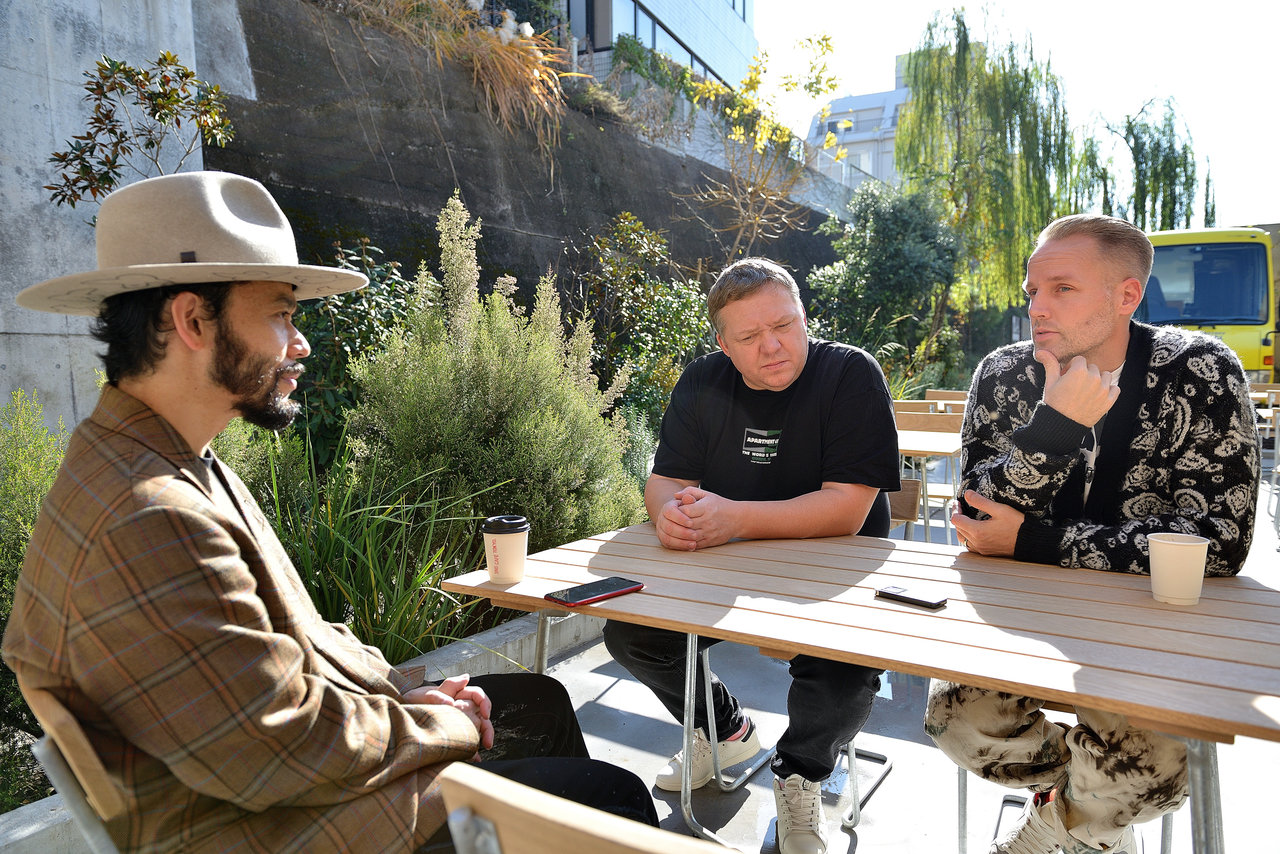
ErikThe internet wasn't developed back then either. When we first came to Tokyo 20 years ago, Google Maps didn't exist.
PeterWe used maps from ads in the magazine "Boon" to find stores in Tokyo.
POGGYYou relied on "Boon"? (laughs)
PeterYeah. We couldn't understand what was written, but we wanted the sneakers featured in "Boon." We'd think, 'Is this store in Harajuku?' and go there. We also visited a store called SKIT.
POGGYSKIT, in Kichijoji?
PeterYes! Back then, there were no English directions, so it was really difficult to get there. I bought about 20 pairs for myself at SKIT. And in cash. I wasn't used to using ATMs, so it was tough, but it was fun.
ErikIn Shibuya and Harajuku, we could somehow communicate in English, but around Kichijoji, it was difficult because English wasn't understood. There were no English menus, so we often had to give up. But now, we can go anywhere. That's the biggest difference between 20 years ago and today.
PeterWe used maps from ads in the magazine "Boon" to find stores in Tokyo.
POGGYYou relied on "Boon"? (laughs)
PeterYeah. We couldn't understand what was written, but we wanted the sneakers featured in "Boon." We'd think, 'Is this store in Harajuku?' and go there. We also visited a store called SKIT.
POGGYSKIT, in Kichijoji?
PeterYes! Back then, there were no English directions, so it was really difficult to get there. I bought about 20 pairs for myself at SKIT. And in cash. I wasn't used to using ATMs, so it was tough, but it was fun.
ErikIn Shibuya and Harajuku, we could somehow communicate in English, but around Kichijoji, it was difficult because English wasn't understood. There were no English menus, so we often had to give up. But now, we can go anywhere. That's the biggest difference between 20 years ago and today.
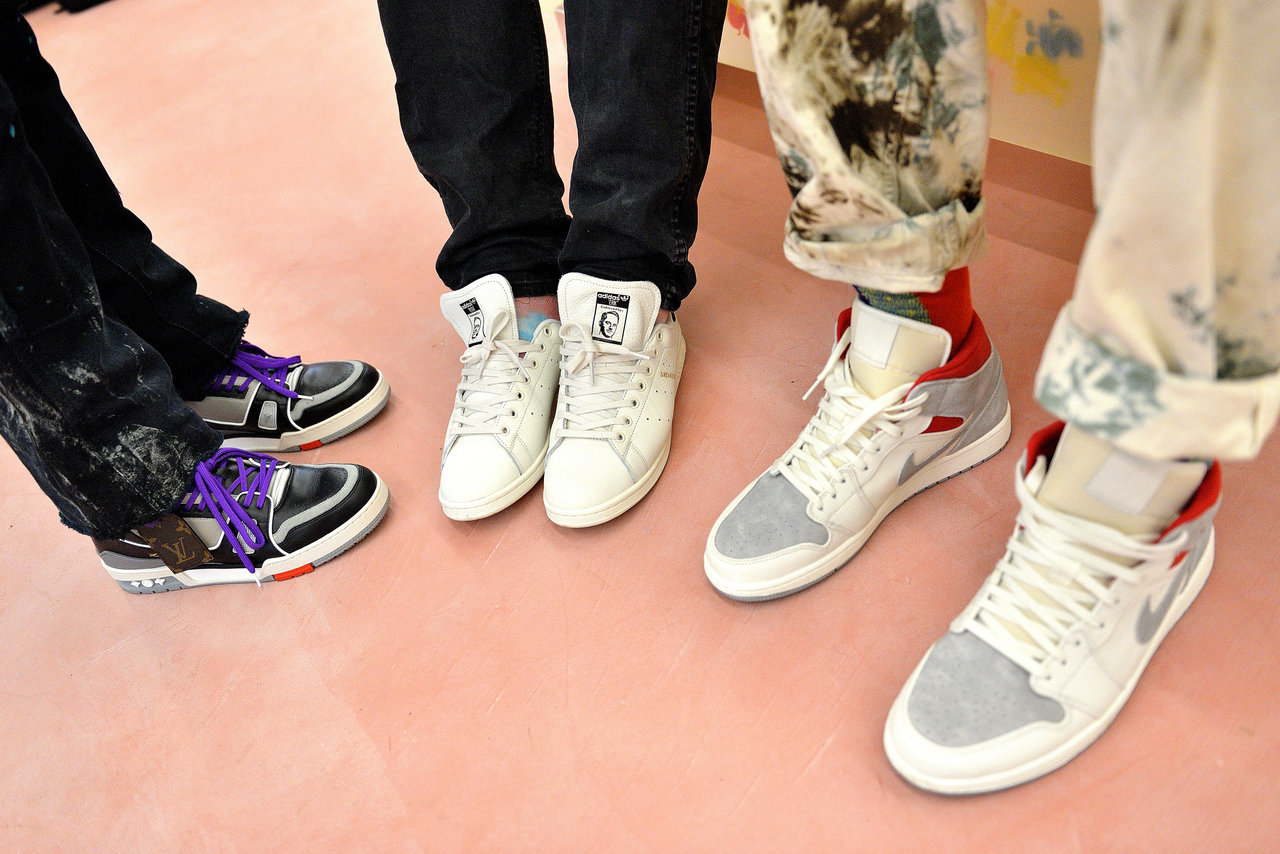
SNS's Store Concept: Blending Local Culture
POGGYThe first sneaker shop that truly blew me away was Alife Rivington Club (ARC) in New York, which I visited in 2001. As you both mentioned earlier, sneakers used to be associated with sports equipment stores, but at ARC, they were displayed using wooden fixtures, giving them a luxurious feel. I was incredibly surprised.
PeterARC was the coolest store in the world.
POGGYSNS also has a concept of displaying sneakers on furniture, right?
ErikWhen SNS first started, we displayed shoes on the walls like a normal store. After moving to a larger space on the same street in Stockholm in 2002 or 2003, there was a boom in retro sneakers. Even regular sports stores started selling sneakers focused on looks, and their lineups became very similar to ours. We realized we had to do something different, so we decided to make the store feel like a home. We set up the interior like a living room, with sofas and tables, and displayed sneakers there. We broke the conventional idea that shoes should be displayed on walls. It made it easier for customers to pick up products, and from a retailer's perspective, placing them on a table in the center of the store made more sense. Things have evolved since then, leading to our current setup. Now, when we opened the London store, we collaborated with Jenny, an interior designer who joined our team, to conceptualize the interior.
POGGYHow did things change further after Jenny joined the team?
PeterARC was the coolest store in the world.
POGGYSNS also has a concept of displaying sneakers on furniture, right?
ErikWhen SNS first started, we displayed shoes on the walls like a normal store. After moving to a larger space on the same street in Stockholm in 2002 or 2003, there was a boom in retro sneakers. Even regular sports stores started selling sneakers focused on looks, and their lineups became very similar to ours. We realized we had to do something different, so we decided to make the store feel like a home. We set up the interior like a living room, with sofas and tables, and displayed sneakers there. We broke the conventional idea that shoes should be displayed on walls. It made it easier for customers to pick up products, and from a retailer's perspective, placing them on a table in the center of the store made more sense. Things have evolved since then, leading to our current setup. Now, when we opened the London store, we collaborated with Jenny, an interior designer who joined our team, to conceptualize the interior.
POGGYHow did things change further after Jenny joined the team?
ErikWhat we struggled with in London was how to make a new store look like it had a long history. We had been in business for 30 years in Stockholm, but in London, we were a new presence. Jenny expressed SNS from a unique perspective, treating SNS not just as a store, but as a person.
PeterLike a traveling individual.
ErikYes. Someone who is a mix of Peter and me. Someone who loves to travel, art, and fashion. We don't wear haute couture or high fashion, but we enjoy good music and delicious food. When you move to a new place, you can't bring your entire apartment or lifestyle with you. Instead, you bring the part closest to your heart and add elements of the local culture. That's our approach when creating new stores in each country. We blend Swedish design and traditional elements with the culture of that specific place. Being too Swedish isn't good; it's important to be true to the local character. Tokyo should feel like Tokyo, and New York should feel like New York. Tokyo and New York have influenced us the most, so in a way, it's our way of giving back, offering something that goes a step beyond what they've given us.
POGGYThe first time I encountered SNS was in 2014, when you collaborated with PUMA on a "Suede" model. You used materials from a Nordic textile brand and applied them to a Japanese-made Puma. Around that time, there were many interesting special orders, but incorporating your own culture into them was unique, so what SNS did felt fresh and brilliant.
PeterLike a traveling individual.
ErikYes. Someone who is a mix of Peter and me. Someone who loves to travel, art, and fashion. We don't wear haute couture or high fashion, but we enjoy good music and delicious food. When you move to a new place, you can't bring your entire apartment or lifestyle with you. Instead, you bring the part closest to your heart and add elements of the local culture. That's our approach when creating new stores in each country. We blend Swedish design and traditional elements with the culture of that specific place. Being too Swedish isn't good; it's important to be true to the local character. Tokyo should feel like Tokyo, and New York should feel like New York. Tokyo and New York have influenced us the most, so in a way, it's our way of giving back, offering something that goes a step beyond what they've given us.
POGGYThe first time I encountered SNS was in 2014, when you collaborated with PUMA on a "Suede" model. You used materials from a Nordic textile brand and applied them to a Japanese-made Puma. Around that time, there were many interesting special orders, but incorporating your own culture into them was unique, so what SNS did felt fresh and brilliant.
PeterThat was a very enjoyable project. We've always been fans of Japanese PUMA. The "Suede" was born in 1968, and in the late '70s, a Yugoslavian-made model appeared. During the war in Yugoslavia, someone in Japan bought the molds, which led to the Suede being produced in Japan. The Japanese-made "Suede" has a wide fit like the "Clyde," but the upper is smaller. Our sneakers were based on that. We commissioned 10-gruppen, a representative Swedish textile brand, to design the textiles. 10-gruppen has been active since the 1970s, and their products are iconic in Sweden. Our creative director, Johan, got acquainted with one of their members. Only three of the original ten designers remained, but we explained the project and the excellence and characteristics of the Japanese factory to them, and they created three design patterns.
ErikThat was also around SNS's 15th anniversary. We thought of ourselves as fossils in the sneaker world, but compared to them, who had been active since the '70s, we were still newcomers. It was also an homage to people who have been active in the fashion industry for a long time, like them.
PeterYou have to respect your elders.
ErikTruly, I think it was a beautiful project.
POGGYAlso, SNS was quick to launch an online shop.
PeterWe were doing it before the internet was even born.
Everyone(Laughs)
ErikThat was also around SNS's 15th anniversary. We thought of ourselves as fossils in the sneaker world, but compared to them, who had been active since the '70s, we were still newcomers. It was also an homage to people who have been active in the fashion industry for a long time, like them.
PeterYou have to respect your elders.
ErikTruly, I think it was a beautiful project.
POGGYAlso, SNS was quick to launch an online shop.
PeterWe were doing it before the internet was even born.
Everyone(Laughs)
PeterIt started on internet bulletin boards, a small community of about 50 people. We connected with sneaker lovers from Taiwan, New York, and various other countries. We've been in touch with them for about 20 years, but there are still people we've never met in person.
ErikWe thought the advantage of having a website was that we could sell shoes without meeting the customers in person. We, sneaker enthusiasts who worked at sports shops, opened SNS selling style-focused items. Then we launched the online site, and we thought that as young men in our 20s, this would allow people all over the world to discover us.
PeterWe thought, 'It's cheap!' We figured we didn't need a physical store, just take photos and upload them. In reality, it was nothing like that.
ErikNeither Peter nor I knew programming (laughs). On the contrary, we ended up spending money to build the website. I still don't know how to do it.
PeterNow, many people work with us. People who are much smarter than us.
ErikWe thought the advantage of having a website was that we could sell shoes without meeting the customers in person. We, sneaker enthusiasts who worked at sports shops, opened SNS selling style-focused items. Then we launched the online site, and we thought that as young men in our 20s, this would allow people all over the world to discover us.
PeterWe thought, 'It's cheap!' We figured we didn't need a physical store, just take photos and upload them. In reality, it was nothing like that.
ErikNeither Peter nor I knew programming (laughs). On the contrary, we ended up spending money to build the website. I still don't know how to do it.
PeterNow, many people work with us. People who are much smarter than us.
ErikBoth Peter and I come from retail backgrounds, and I think that was reflected in the first 10 years of SNS. We opened our store on a backstreet in Stockholm, and for the first 11 years, our physical store generated more revenue than our website. It wasn't until around 2011 that we decided to properly manage the website. We experimented with things like 3D rendered shoes, but we learned that being progressive online isn't always the best strategy. However, we're always interested in change. How can we attract new customers? How can we differentiate ourselves? What new adventures or crazy ideas can we pursue? That's why we decided to open a cafe here in Tokyo. We don't know exactly how we'll do it, but let's just try.
POGGYFinally, could you tell us about the concept behind "SNS TOKYO"?
PeterIt's made up of three buildings: two shops and one cafe. The cafe's concept is Nordic, expressing our Swedish identity. The building next to the cafe has a traditional, craft-oriented interior with a handmade feel. We've incorporated motifs from Japanese films like "Seven Samurai" and "Godzilla," interpreting traditional and iconic Japanese elements in a Swedish style. The other building has a futuristic image, utilizing 3D printing. We've also drawn inspiration from Japanese manga.
ErikIt's our interpretation of Japan. Japan has beautiful temples, rich traditions, and heritage. Yet, it also has places like robot restaurants. We've expressed Japan, a blend of future and tradition, in a Swedish way.
*Cafe scheduled to open end of March
POGGYFinally, could you tell us about the concept behind "SNS TOKYO"?
PeterIt's made up of three buildings: two shops and one cafe. The cafe's concept is Nordic, expressing our Swedish identity. The building next to the cafe has a traditional, craft-oriented interior with a handmade feel. We've incorporated motifs from Japanese films like "Seven Samurai" and "Godzilla," interpreting traditional and iconic Japanese elements in a Swedish style. The other building has a futuristic image, utilizing 3D printing. We've also drawn inspiration from Japanese manga.
ErikIt's our interpretation of Japan. Japan has beautiful temples, rich traditions, and heritage. Yet, it also has places like robot restaurants. We've expressed Japan, a blend of future and tradition, in a Swedish way.
*Cafe scheduled to open end of March
SNEAKERSNSTUFF TOKYO (SNS TOKYO)
Address: 13-1 Log Road Daikanyama, Building 2, 3, 4, Daikanyamacho, Shibuya-ku, Tokyo
Hours: 11:00-20:00 (Open daily)
TEL: 03-6868-8801
URL:www.sneakersnstuff.com
INSTAGRAM:@Sneakersnstuff.tokyo,@sneakersnstuff
Address: 13-1 Log Road Daikanyama, Building 2, 3, 4, Daikanyamacho, Shibuya-ku, Tokyo
Hours: 11:00-20:00 (Open daily)
TEL: 03-6868-8801
URL:www.sneakersnstuff.com
INSTAGRAM:@Sneakersnstuff.tokyo,@sneakersnstuff