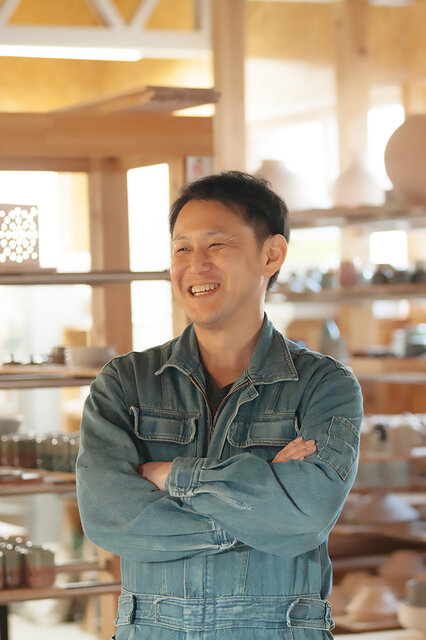
A pop-up event to convey the charm of Fukushima's traditional craft, "Ohori Soma-yaki," is being held | DESIGN
DESIGN | "Hibinomoyō" Pop-Up Event
Experience the Charm of a Traditional Craft Dating Back to the Edo and Genroku Eras
A pop-up event, "Hibinomoyō," showcasing the allure of Fukushima's traditional craft, Ōhori Sōma-yaki, will be held at KOTOMONOMITI at Tokyo (Sumida Ward, Tokyo). Products from the kilns will be sold for a limited time. The event runs from Tuesday, November 3rd to Sunday, November 15th, 2020.
Text by WASEDA Kosaku (OPENERS)
Online Talk Session with Tō Masanori, 10th Generation Potter of "Sue Tōku" Kiln
Ōhori Sōma-yaki is a general term for pottery produced in the Ōhori area of Namie Town, Futaba District, Fukushima Prefecture. Its origins trace back to the Genroku era of the Edo period, when Hanyū Kyūkan, a retainer of the Nakamura domain, discovered pottery clay in Ōhori (Ōhori, Namie Town) and ordered his servant, Sōma, to begin firing daily-use ceramics.
Ōhori Sōma-yaki was favored as a folk kiln for the masses, and the Nakamura domain encouraged its production as a specialty product, leading to nearly 100 kilns existing by the end of the Edo period. Although it declined after the Boshin War, it was revived after World War II. In 1978, it was designated as a national traditional craft.
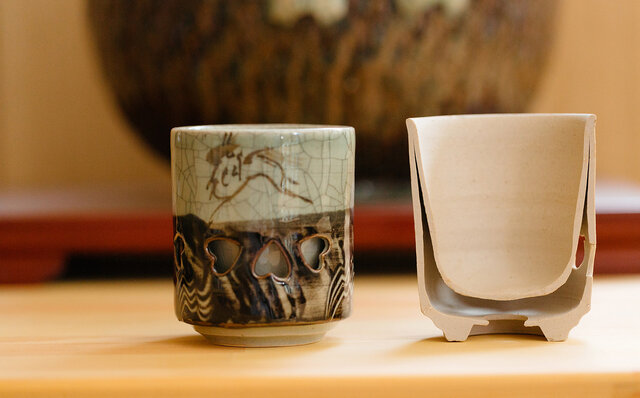
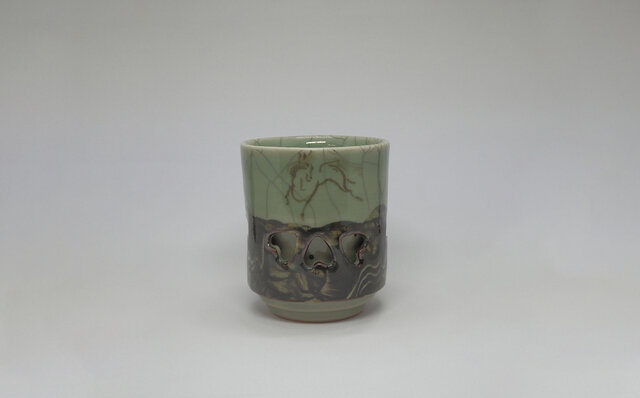
Ōhori Sōma-yaki is characterized by three main features: Kannyū (blue cracks), Hashiri-goma (running horses), and Nijū-yaki (double-walled construction).
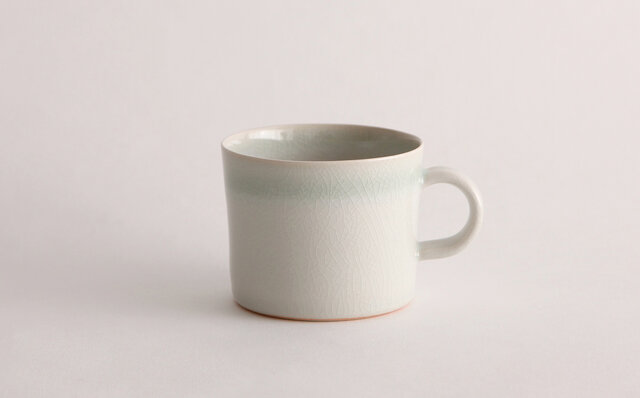
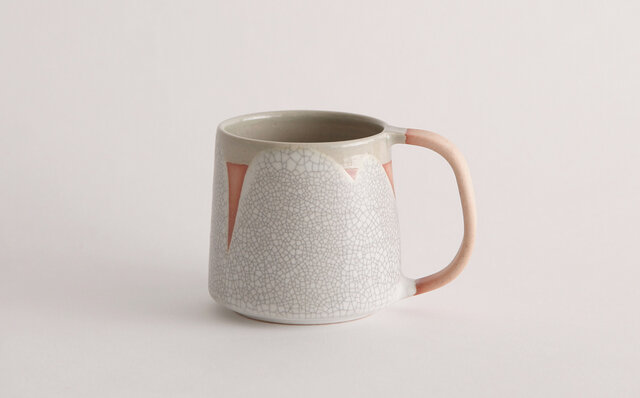
Kannyū refers to the irregular cracks that spread across the dull, gray surface of the pottery. These cracks form due to the difference in shrinkage rates between the material and the glaze, which contains iron. The cracks appear black because ink is later applied into them.
Hashiri-goma is a design motif depicted on the surface of the pottery. As the name suggests, it features galloping horses drawn with delicate lines, creating a playful and striking accent.
Nijū-yaki is created by forming an outer and inner layer during the pottery wheel process, and then fitting them together before firing, resulting in a double-walled vessel. This construction is extremely rare even on a national level. Ōhori Sōma-yaki teacups are said to retain heat well.
The pop-up event "Hibinomoyō," which conveys the charm of Ōhori Sōma-yaki, is being held at KOTOMONOMITI at Tokyo in Sumida Ward, Tokyo.
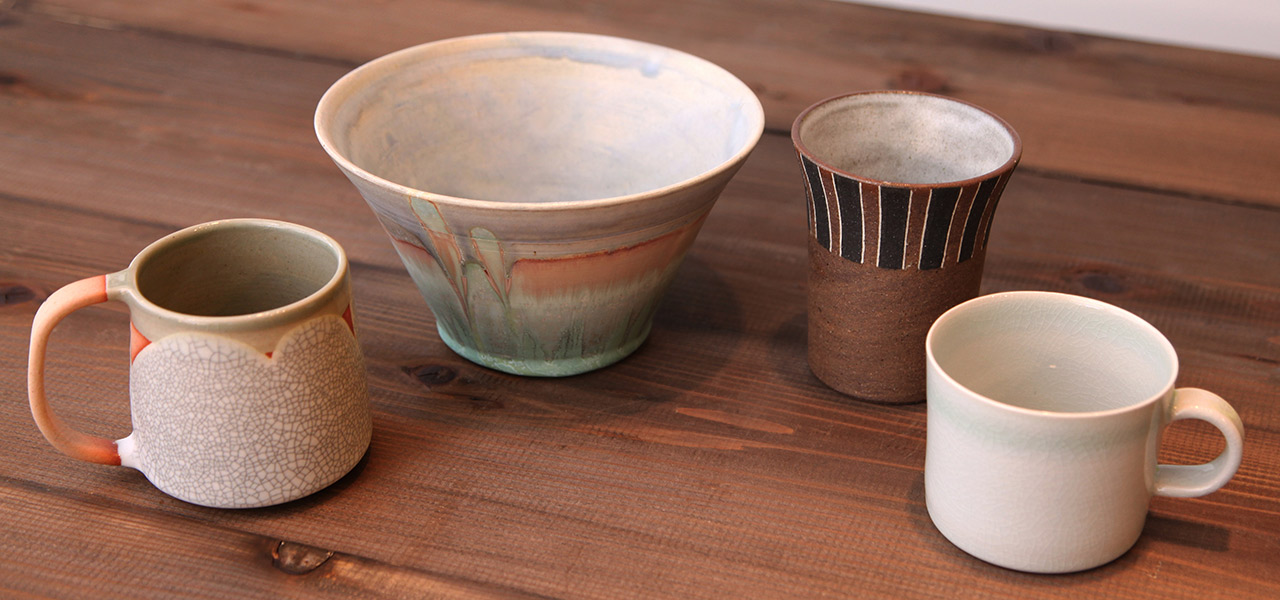
This event will feature a limited-time sale of pottery created by four Ōhori Sōma-yaki kiln operators. The collection includes products that blend traditional craftsmanship with contemporary interpretations. These pieces possess an appeal that makes you want to pick them up and admire them, while also appearing highly functional.
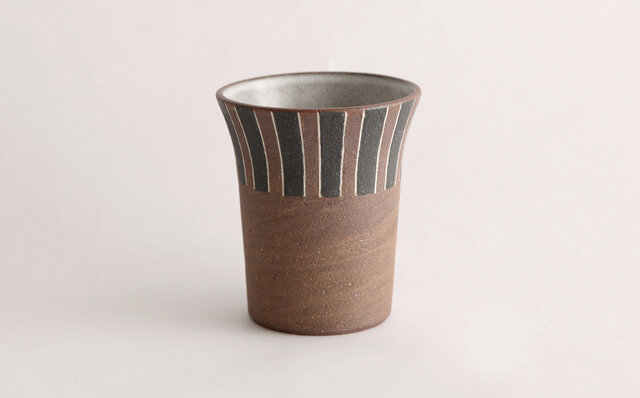
Asaka-no Kiln: "Double-walled free cups that evoke the spirit of Koriyama's landscape."
Ikariya Shoten: "The delicate beauty of white Sōma-yaki and transparent cracks."
Sue Tōku Kiln: "Mugs pursuing new expressions of cracks and glaze."
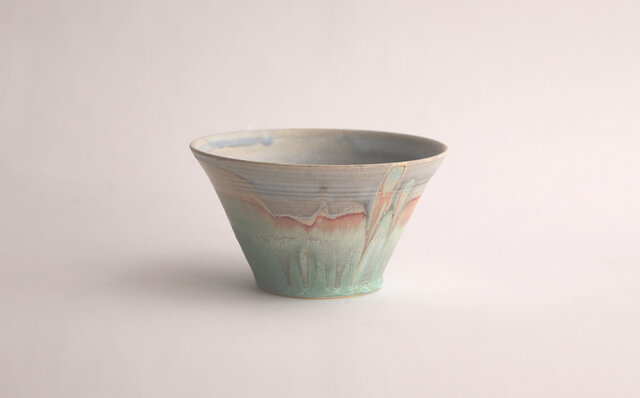
Kyōgetsu Kiln: "Vessels to enjoy the unique expression of each glaze."
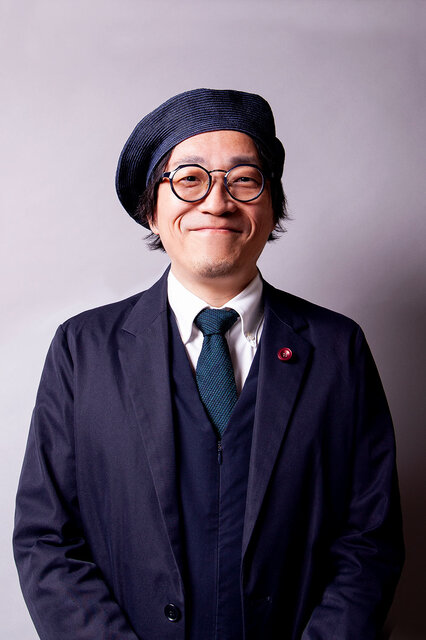
An online talk session will also be held with Tō Masanori, the 10th generation potter of Ōhori Sōma-yaki, and Tsutomu Kanaya, representative of Cement Produce Design, which operates KOTOMONOMITI at Tokyo.
Ōhori Sōma-yaki was significantly impacted by the Great East Japan Earthquake in 2011. Tō Masanori, as a successor to Ōhori Sōma-yaki, is embarking on new challenges, preserving the traditional techniques while adapting to contemporary lifestyles. This talk will delve into his efforts to overcome the disaster and continue the craft.
The talk session will also feature live remote broadcasts from the kiln site, creating an immersive experience. We look forward to hearing what contemporary artisans, adept at fusing tradition and change, have to say.
Tsutomu Kanaya President and Creative Director of Cement Produce Design Inc. Founded the design company "Cement Produce Design" in 1999. He has been involved in graphic, web, and product design for companies, commercial facilities, and manufacturers, primarily in Osaka, Tokyo, and Kyoto. Since 2011, he has initiated the "Minna no Chiiki Sangyō Kyōgyō Katsudō" (Everyone's Regional Industry Collaboration Activities) product development project across Japan, fostering information exchange with over 500 factories and artisans. He established "KOTOMONOMITI at TOKYO" in Sumida Ward, Tokyo, as a space to learn about and share the skills of artisans. Lecturer at Kyoto University of Art and Design and Kanazawa College of Art. His recent publication is "Chīsana Kigyō ga IkinoKoru" (Small Companies Survive) (Nikkei BP).
Tō Masanori 10th generation potter of Sue Tōku Kiln. He is a kiln operator of Ōhori Sōma-yaki, a national traditional craft that has continued for over 300 years in Namie Town, Futaba District, Fukushima Prefecture. Rooted in the region, he is pioneering the creative potential of Ōhori Sōma-yaki through active collaborations with other industries.
Pop-up Event "Hibinomoyō"
Dates | Tuesday, November 3rd – Sunday, November 15th, 2020
Online Talk Session with Tō Masanori, 10th Generation Potter of Sue Tōku Kiln, and Tsutomu Kanaya
Date | Saturday, November 7th, 6:00 PM – 7:00 PM
Venue | Online (ZOOM)
The recording venue will be the workshop itself to convey a sense of immediacy.
Speakers | Tō Masanori, Tsutomu Kanaya
How to Participate |Application FormEnter the required information on the dedicated page. The event secretariat will send the ZOOM URL via email. (Application deadline: Friday, November 6th, 11:59 PM)