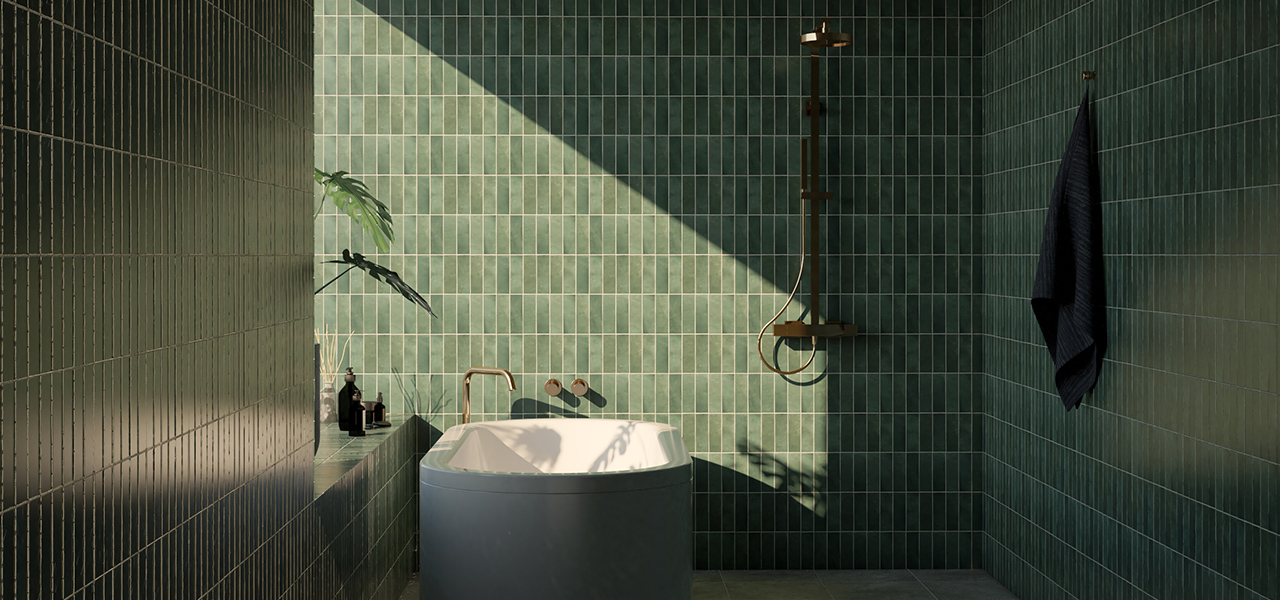
The bathroom becomes the stage of life: LIXIL's 'aq.' ushers in a new chapter for Japanese bathing culture.
SponsoredLIXIL aq.
Soaking in the tub, one might suddenly ponder. What does bathing truly mean to the Japanese people? If it were merely about cleansing, a shower would suffice. Yet, we go to the trouble of filling the tub and slowly sinking into the water. Perhaps this is more than just a habit; it might be a special kind of time. And from this very act of bathing, a new brand has emerged. LIXIL's 'aq.' It presents a full custom-order bathroom—a slightly luxurious, yet upon reflection, entirely sensible choice.
Text by AOYAMA Tsuzumi
The Future of Bathing, Imagined by 10 Creative Teams
Upon opening the 'aq.' website, the first thing that captures the eye is the collaboration project with architects and designers. Ten renowned creators, both domestic and international, propose their unique bathroom concepts. A space surrounded by forest-like greenery, a primal atmosphere akin to a cave, a minimalist box woven from light and shadow. Each explores the possibilities of bathing through entirely different approaches.
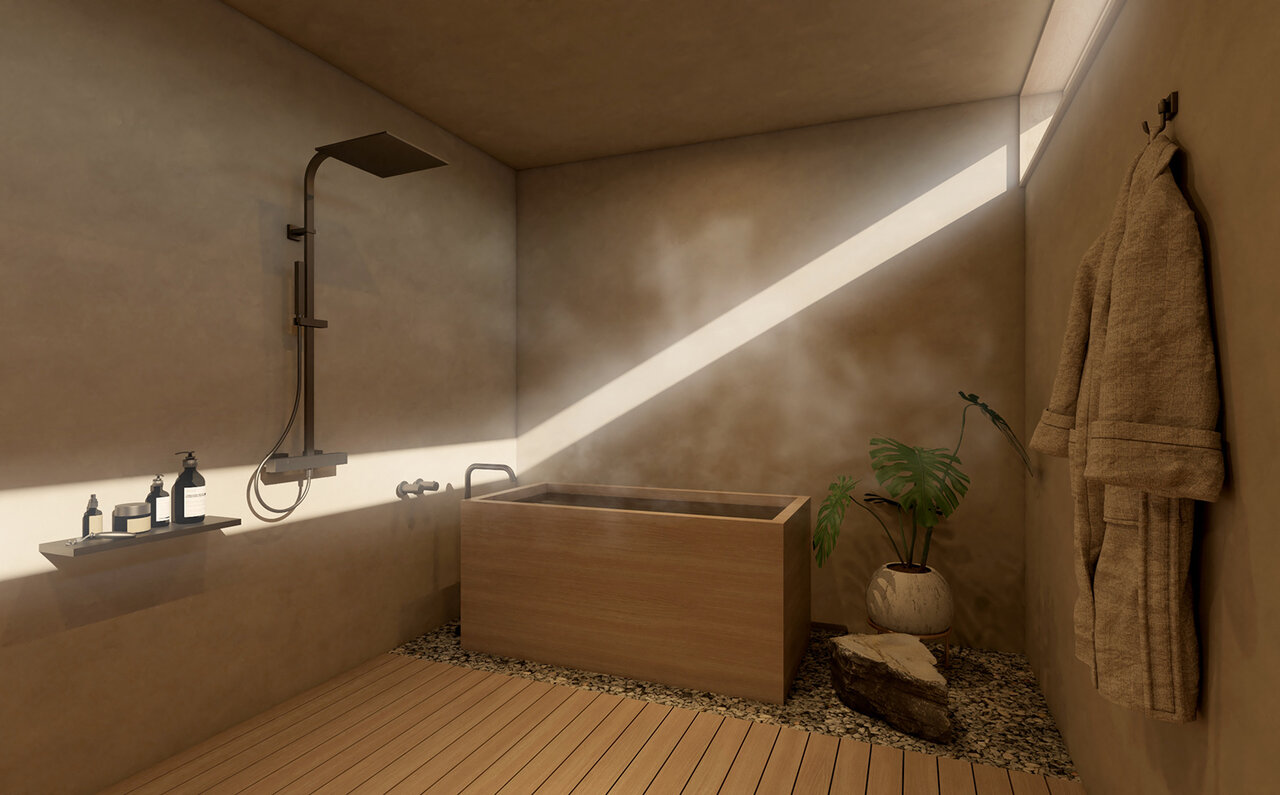
An example of a concept design. It proposes a dynamic bathroom where the lines drawn by natural light change with the time of day. The concept of a garden-like space with smooth stones is also intriguing.
These concept designs visually demonstrate the latent potential of the bathroom. The 'aq.' concept of 'bringing the extraordinary into the everyday' is expressed in concrete forms. Contemporary creators are reinterpreting the bathing culture that the Japanese people have nurtured over a long period, along with its spirituality and aesthetic sensibilities.
Why Are Bathrooms Hidden Away?
'While kitchens are increasingly becoming the focal point of living spaces, bathrooms still haven't quite reached that status,' says Omori, sounding slightly disappointed.
Omori, who spearheaded the development of LIXIL's 'aq.', speaks with a hint of regret.
'Perhaps it's because they tend to reveal the realities of daily life. They are almost always placed in the back of the house, in unseen areas.'
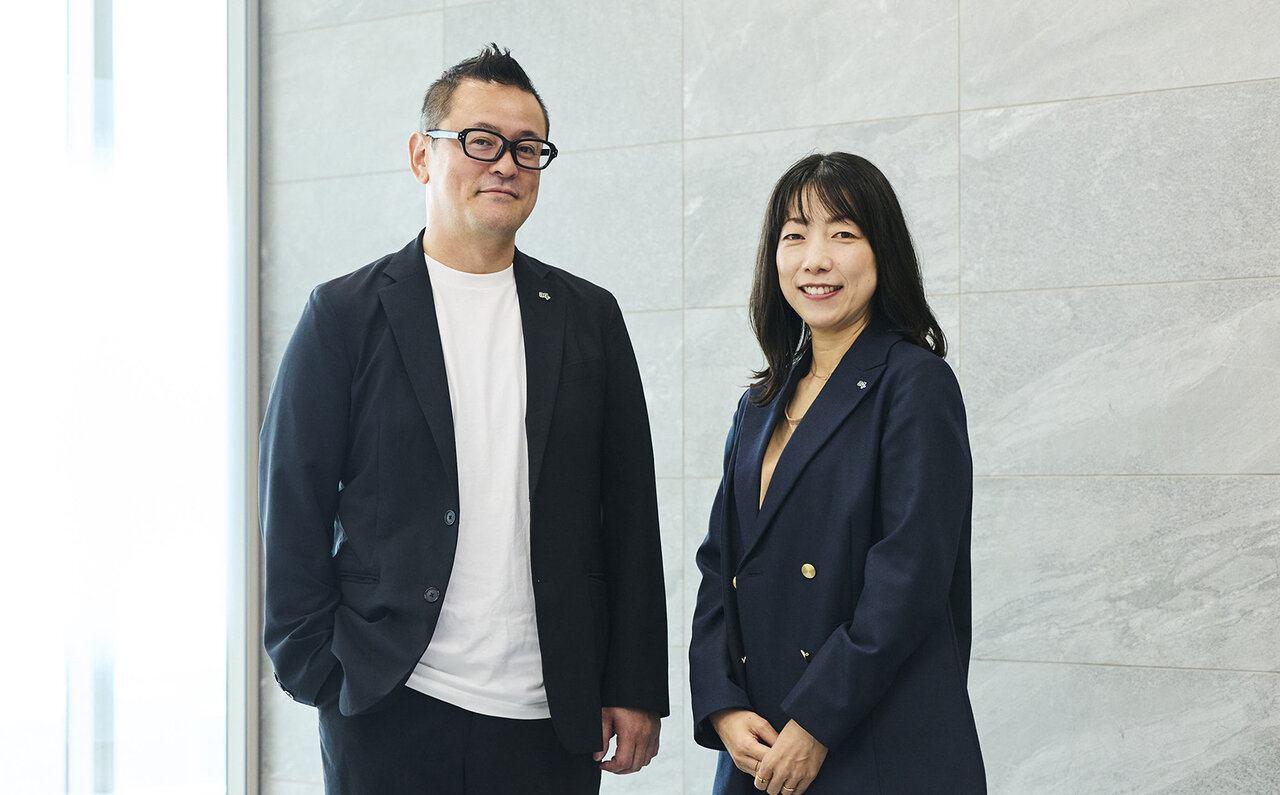
Here, Omori Makito, the project manager for 'aq.', and Osaka Miho, the bath architect for 'aq.', share their insights.
But let's pause for a moment. When we choose a resort hotel or a traditional inn, what do we prioritize? Often, it's the presence of an open-air bath or a Jacuzzi in the room; the water facilities themselves can be the deciding factor. Yet, when it comes to our own homes, why are bathrooms relegated to the sidelines? This contradiction hints at underlying issues within Japanese housing culture.
90% System Baths, 10% Dreams
'Approximately 90% of bathrooms in Japan are now system baths,' Omori continues.
'I believe this is a testament to their convenience being accepted. But what do the remaining 10% seek? It's not necessarily improved functionality, but rather a unique, personal space.'
'aq.' offers completely custom-made bathrooms. However, it's not simply about cramming in whatever one desires. There are specialists called 'bath architects.' Currently, a team of six, selected from individuals with long-standing experience in bathroom development and design within the company. They work directly with clients, drawing up plans to bring their ideals to life.
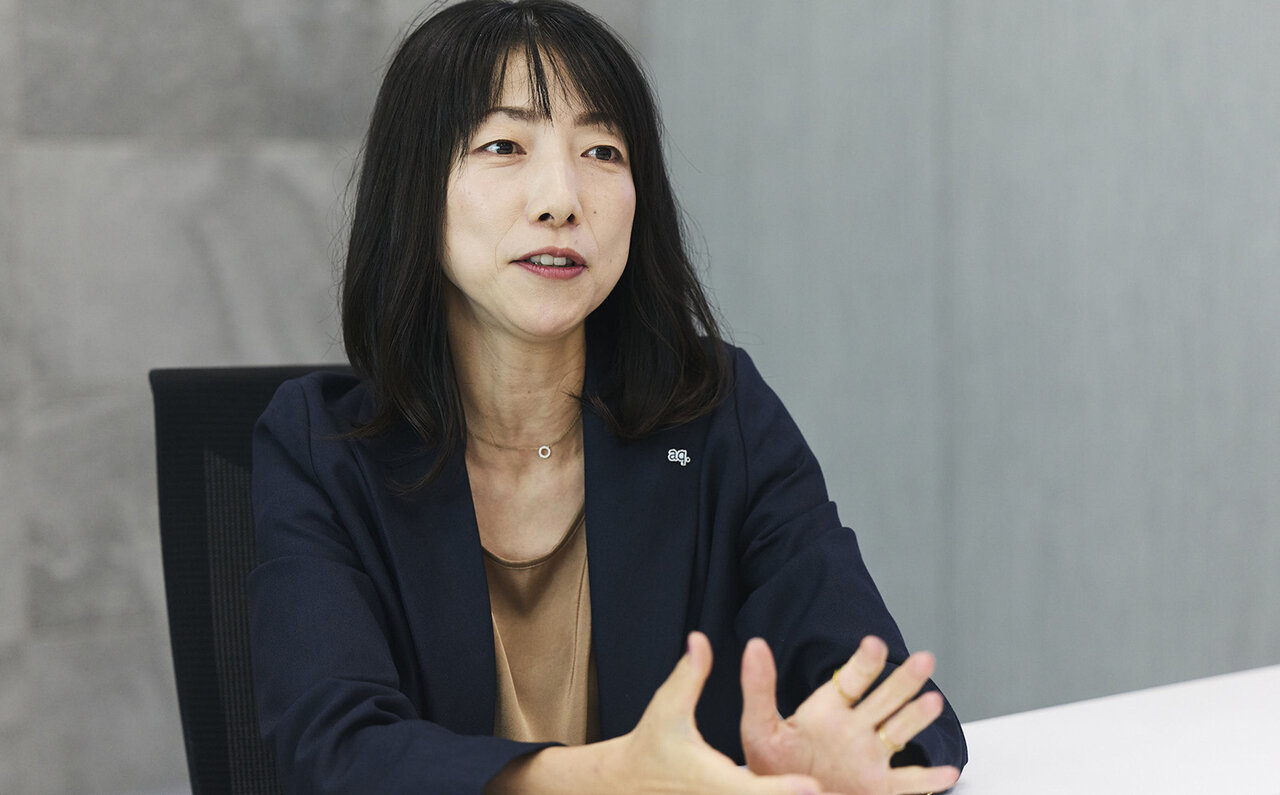
'Collaborating with clients to create their ideal space is also part of the 'aq.' concept,' says Osaka.
'Bath architects handle sales and also draw up the plans themselves. At aq., we place immense value on discussions with our clients,' Osaka explains.
What's particularly interesting is that 'aq.' doesn't adhere to a fixed style. 'We never offer the same proposal twice,' Osaka states. 'Therefore, it's difficult to define a singular 'aq. style,' but that's precisely our strength. We can propose what our clients truly desire, rather than off-the-shelf solutions.'
The bath architects leverage the structure of system baths while ensuring functionality such as insulation and ease of cleaning. Their designs consider maintenance over 10 or 20 years, combined with the flexibility to embody the homeowner's aesthetic and spiritual sensibilities. This fusion is the true essence of 'aq.'
Different, Yet All Wonderful
'Recently, people's desires have become incredibly diverse. Some younger generations opt not to have a bathtub at all, while others want two bathtubs. I've also heard of wealthy individuals overseas seeking to recreate the Japanese bathing experience in their own homes,' Omori shares.
As Omori speaks, Osaka also confirms the wide range of client requests. 'Some prefer bright, clean spaces, while others favor a calm atmosphere with subdued lighting. Some view it as a space for interacting with children, while others design it as a completely private sanctuary. Truly, every individual is unique.'
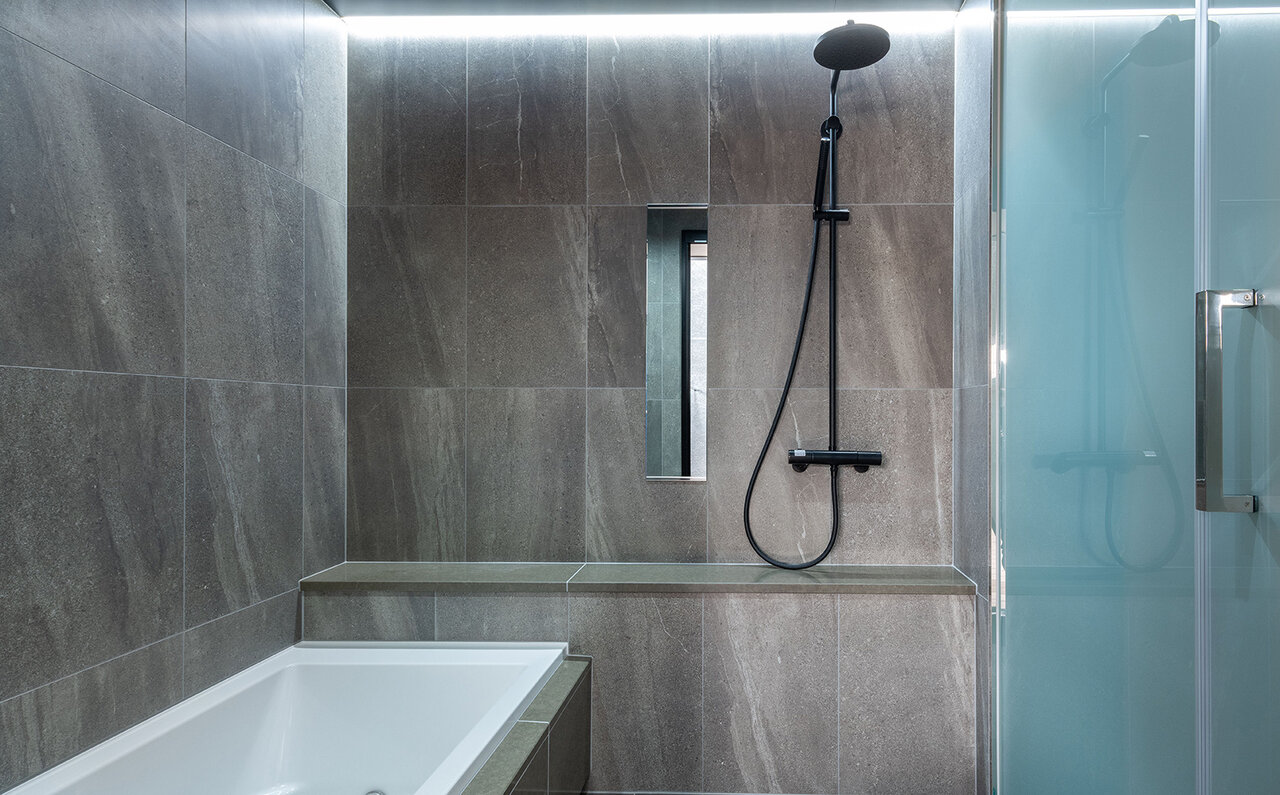
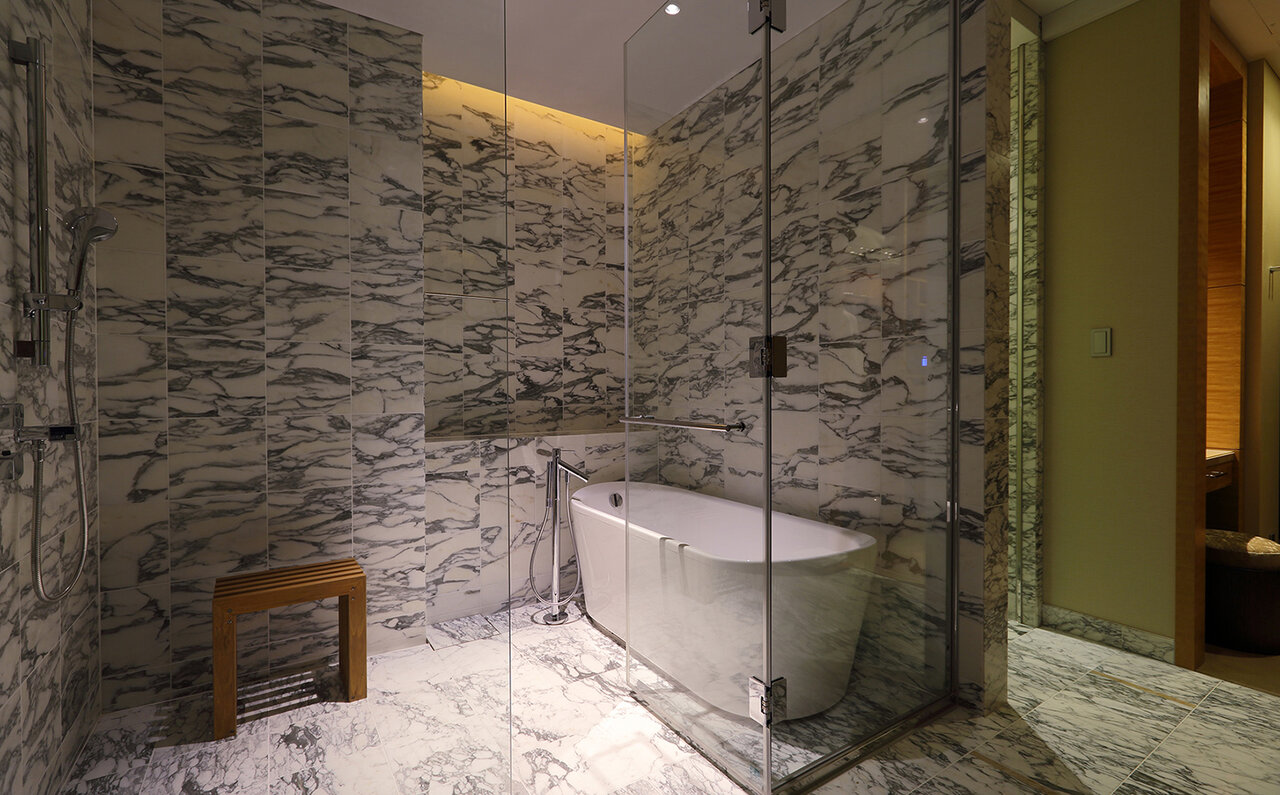
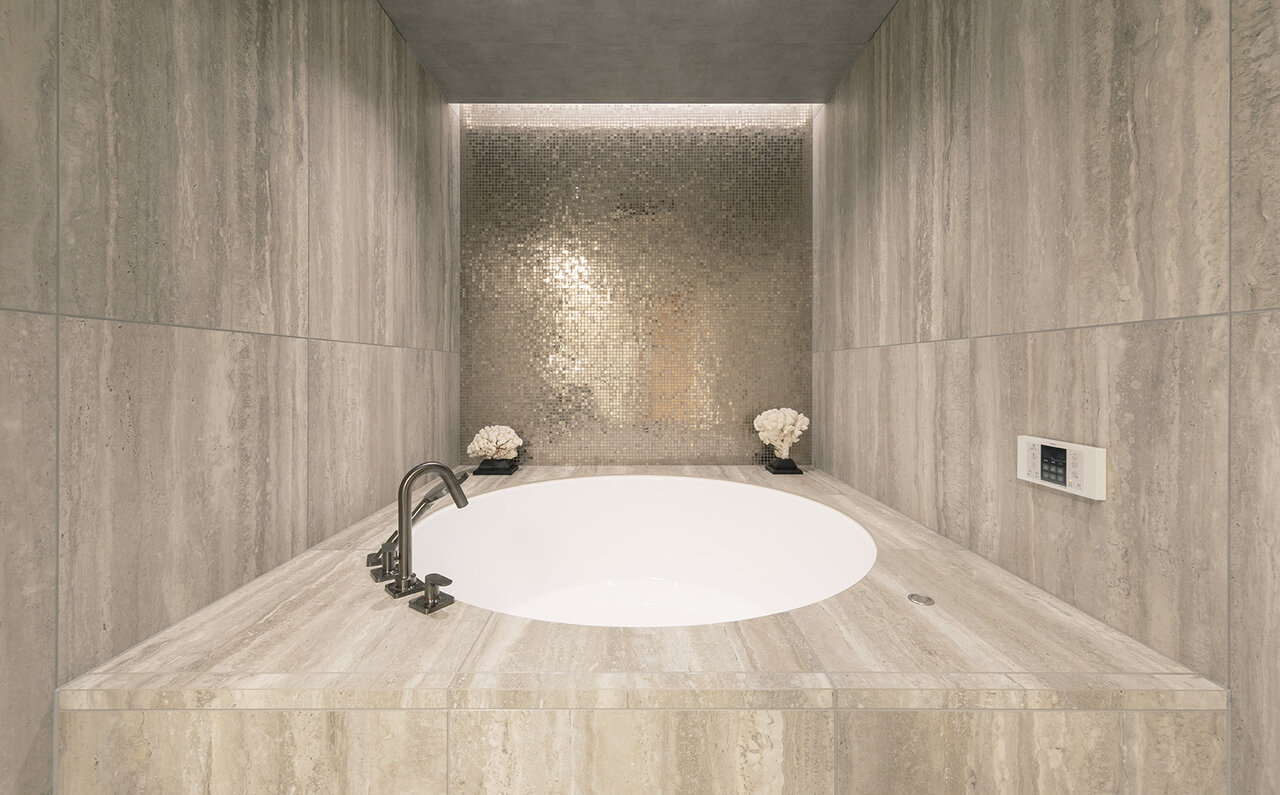
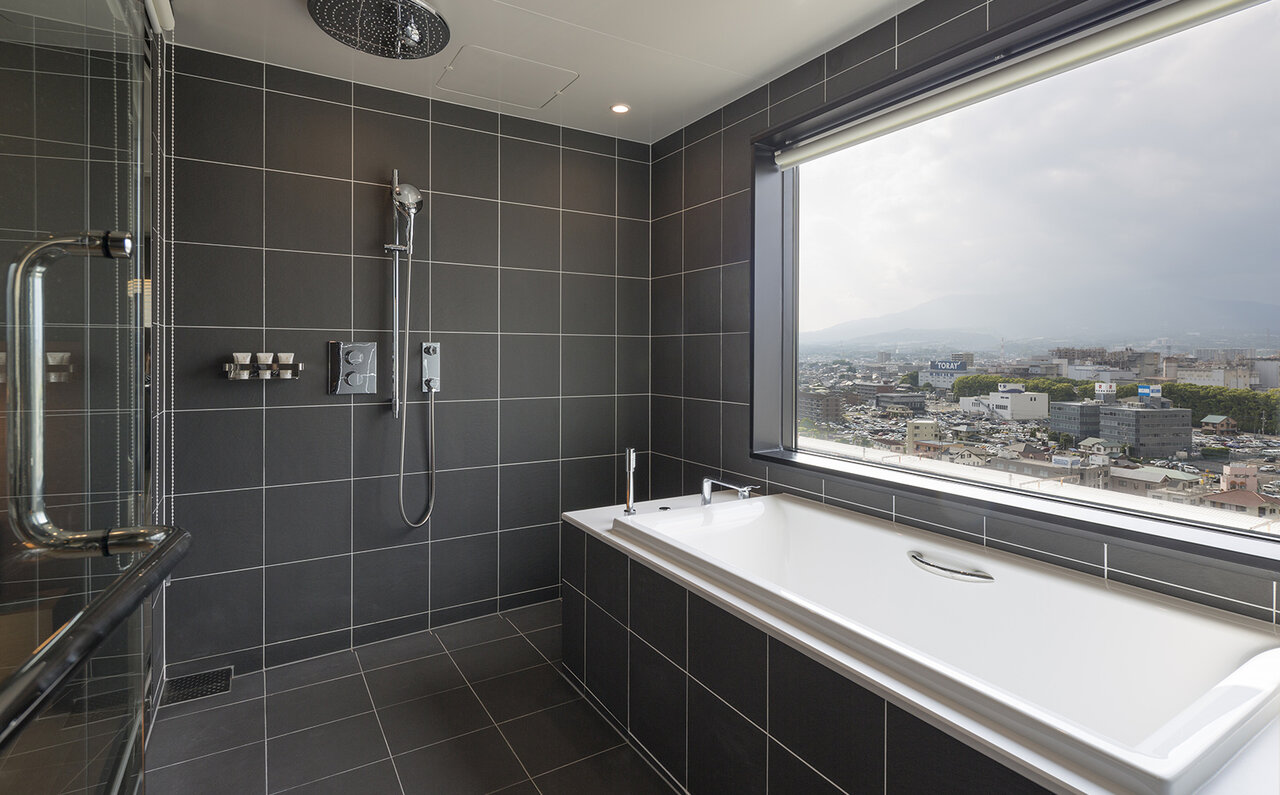
An actual installation example. A fully custom bathroom allows for the bathing time within a home to be designed exactly as desired.
Indeed, it's true that more people are opting to just shower. But, Omori adds, that's perfectly fine too. There's always the option to use the bathtub space to create a more expansive wash area.
'Compared to overseas, Japan still has abundant water resources. Being able to use hot water without reservation is actually a unique Japanese environment. This is why hot spring culture was born, and the custom of soaking in a bath took root.'
The costs for 'aq.', including installation, start around 5 million yen and can exceed 20 million yen, so it's certainly not inexpensive. But is it expensive, or an investment in life? When considered as a space used daily, it might surprisingly make perfect sense.
Pushing Boundaries, Like F1
'Internally, some ask, 'What's the point of doing all this?' says Omori with a wry smile, yet speaking proudly. 'It's like Formula 1 racing. Even if it doesn't seem profitable at first glance, the technologies developed there eventually find their way into mass-market products.'
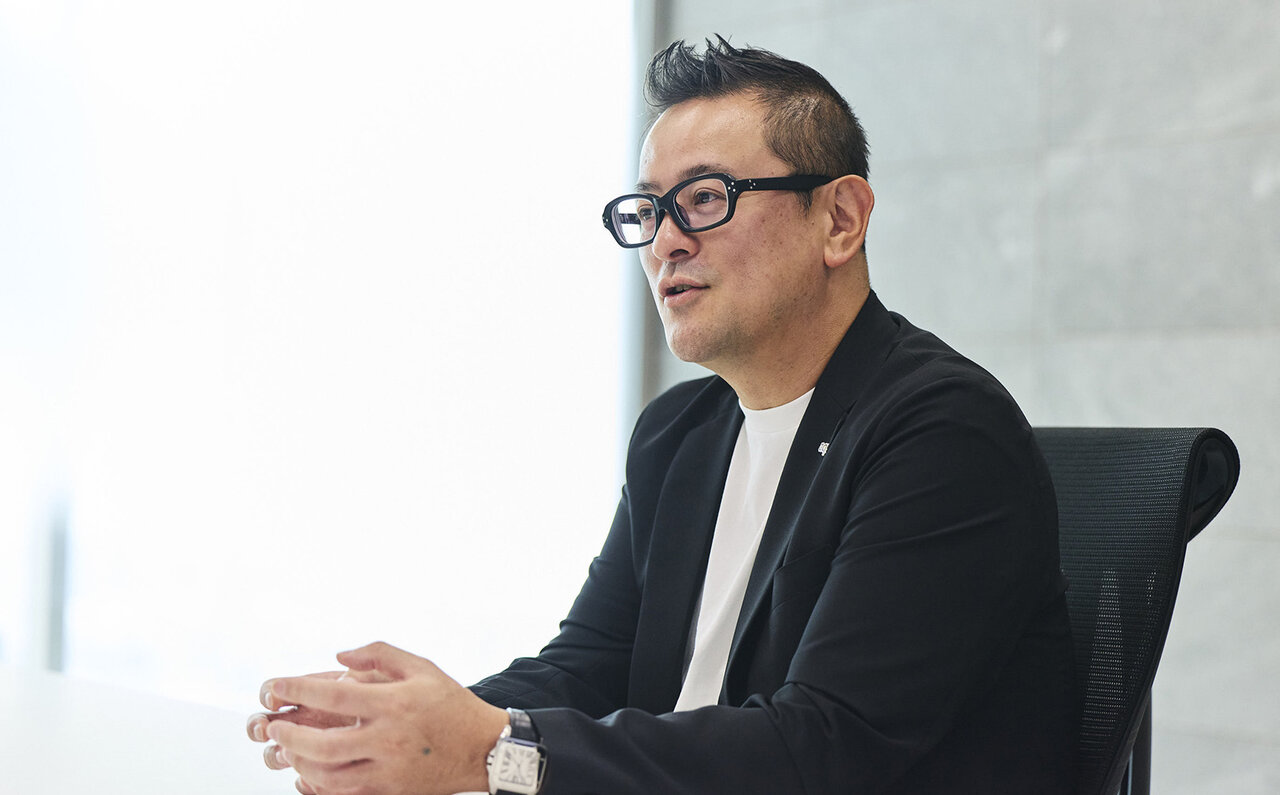
Omori candidly shares the realities of launching a brand with such high ideals. Yet, his expression also suggests he enjoys the challenges involved.
Demands from architectural firms that are 'outlandish.' Installations in uniquely shaped spaces. Bathrooms with ultra-high ceilings. Combinations of materials never used before. Each project is a challenge. But each one builds experience, leading to the next proposal.
Installation techniques improve, and knowledge of materials deepens. By pushing these boundaries, the standard of what is considered 'normal' will eventually change.
The Value Created by 'aq.', Remaining Exceptional
'aq.' is a business that delivers special spaces to discerning individuals. Therefore, the number of showcase examples doesn't increase rapidly. Nevertheless, we believe we must steadily build trust, one project at a time.'
Omori's words convey not only the pride of a luxury brand but also a sense of mission to preserve and pass on Japan's bathing culture to the next generation.
The day when bathrooms become 'spaces to be shown off' may not be so far in the future. Just as kitchens have evolved, an era may come when water facilities become the centerpiece of our lives.
Beyond the steam, one can glimpse a personal story. Time spent in such a bathroom surely enriches life. 'aq.' proposes a new value for the Japanese act of 'soaking in the bath.'
Contact