An Interview with Craig “KR” Costello
The Global Potential of Graffiti, Spreading from New York
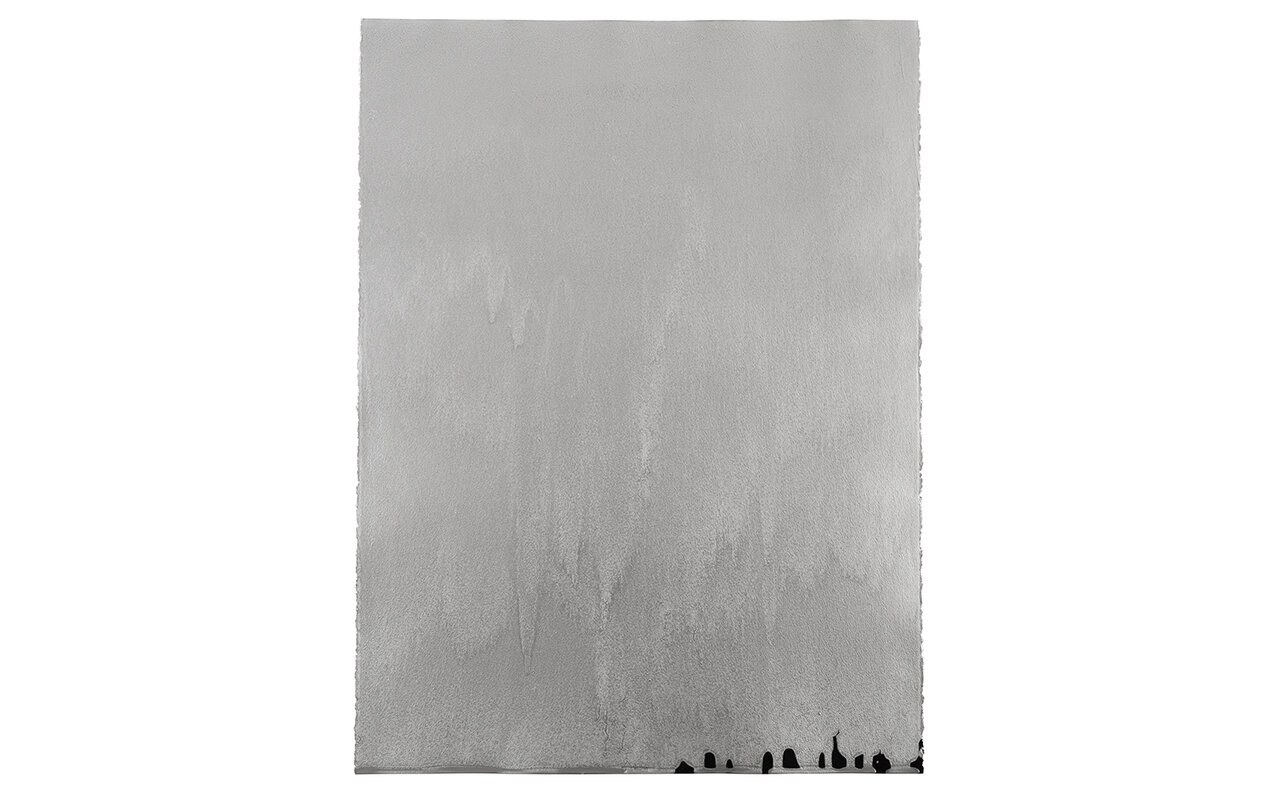
Craig "KR" Costello is known not only as an artist whose signature style involves dripping silver ink, but also as the founder of the paint brand "KRINK," which has a large following in Japan.
He elevated graffiti culture to a new dimension by developing his own art supplies. What does he envision for the future of graffiti? In conjunction with the release of BE@RBRICKs in collaboration with Medicom Toy and related Sync items, we present an email interview with Craig.
Could you tell us what first sparked your interest in graffiti?
I grew up in New York, so graffiti was part of the scenery from when I was very young. I was probably surrounded by graffiti culture by the time I was 12 or 13. Most of my friends were doing graffiti, and it was just a normal thing in the city. For me, graffiti was an adventure that was creative, experimental, and appealed to my peers. Graffiti is a subculture that young people have evolved themselves, and it has progressed without being dictated by adults.
The NYC of the 80s was also a time when vandalism, such as train bombing, became a social issue. What was the artistic appeal that transcended this?
Graffiti was considered a crime primarily because it was seen as uncontrollable by society and as property damage to private individuals. Over time, people began to recognize and appreciate the creativity of graffiti. Like rock and roll or hip-hop, graffiti is celebrated by liberals as a revolution in self-expression. However, for others, it remained a nuisance as it damaged private property, and it became an easy target for criticism, especially for politicians.
At what age did you start your graffiti activities?
I actually started myself when I was 17 or 18. I still have some photos of my work from that time.
Could you tell us how the artist tag "KR" came about?
My name is Craig, but when I was playing around with scribbles, a friend misspelled my name and wrote "Kraig." That's how I started writing it as KR. Also, two-letter tags were common among artists back then.
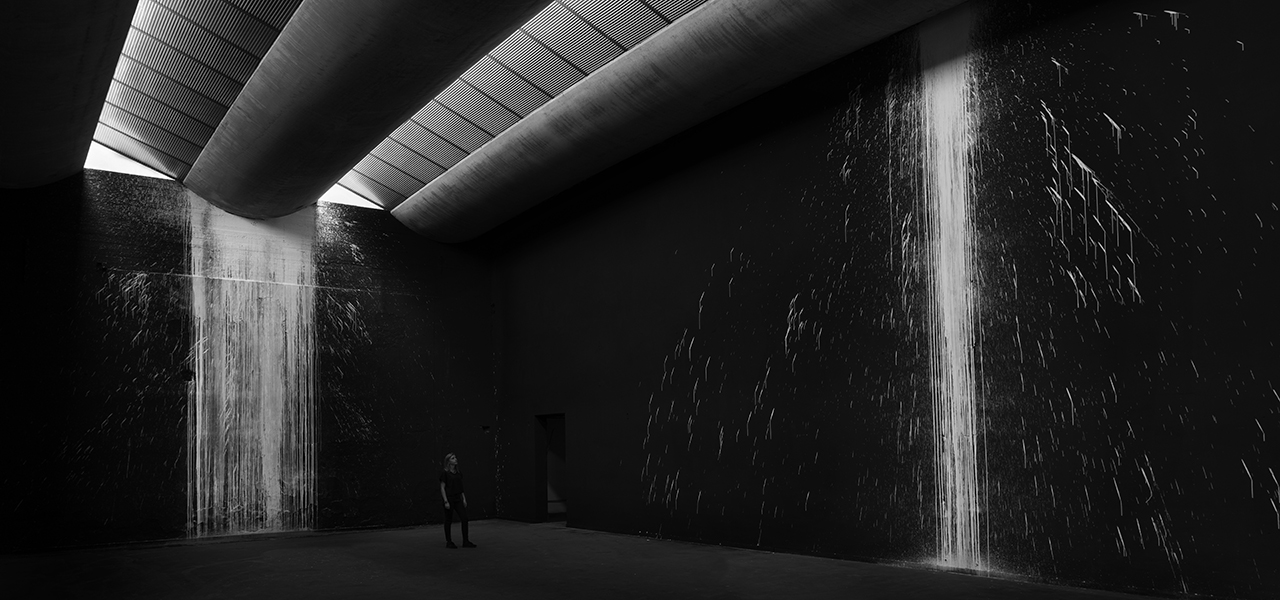
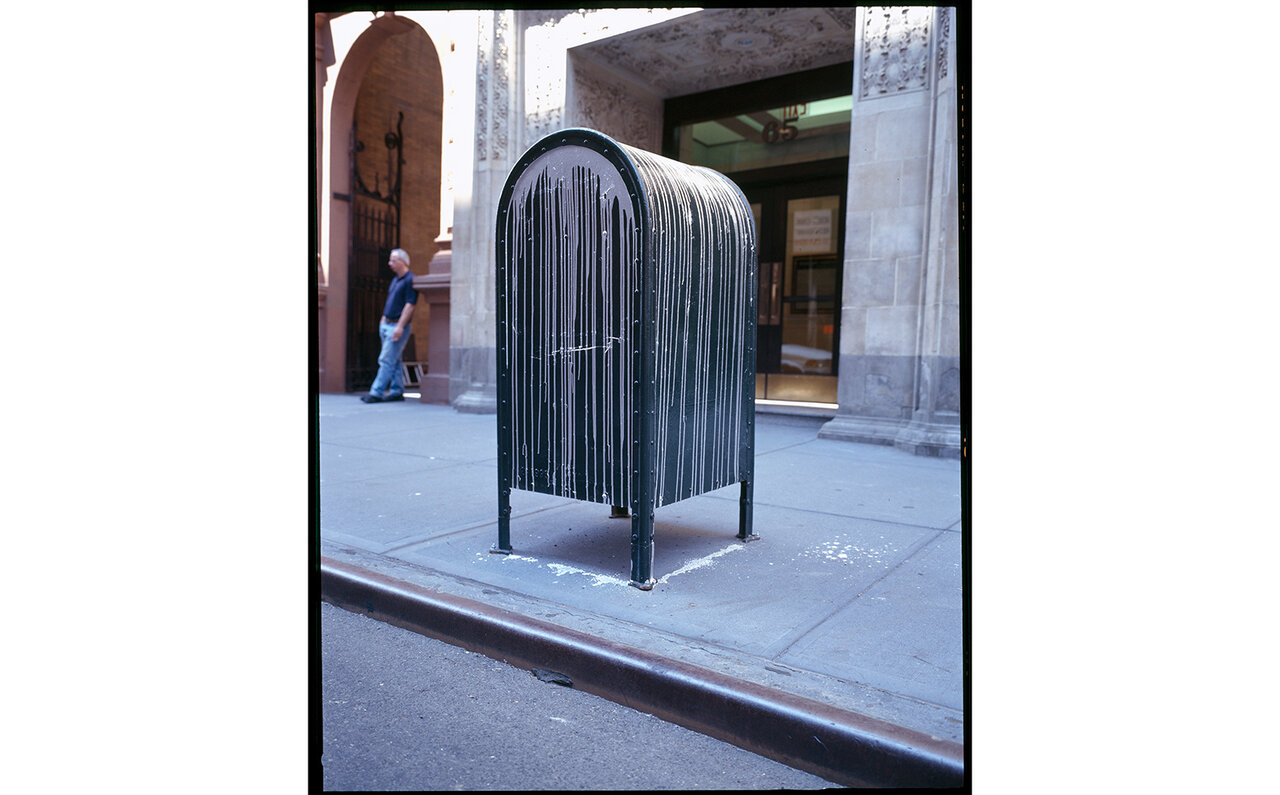
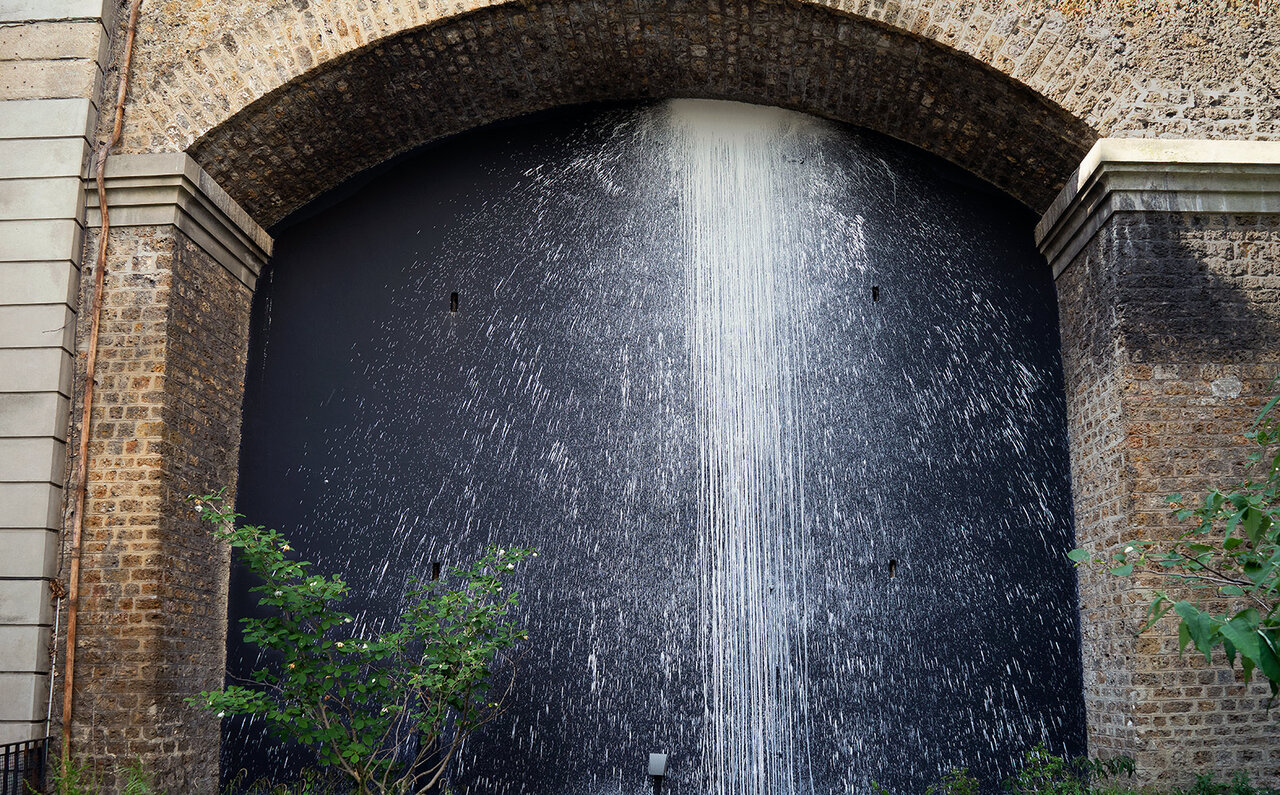
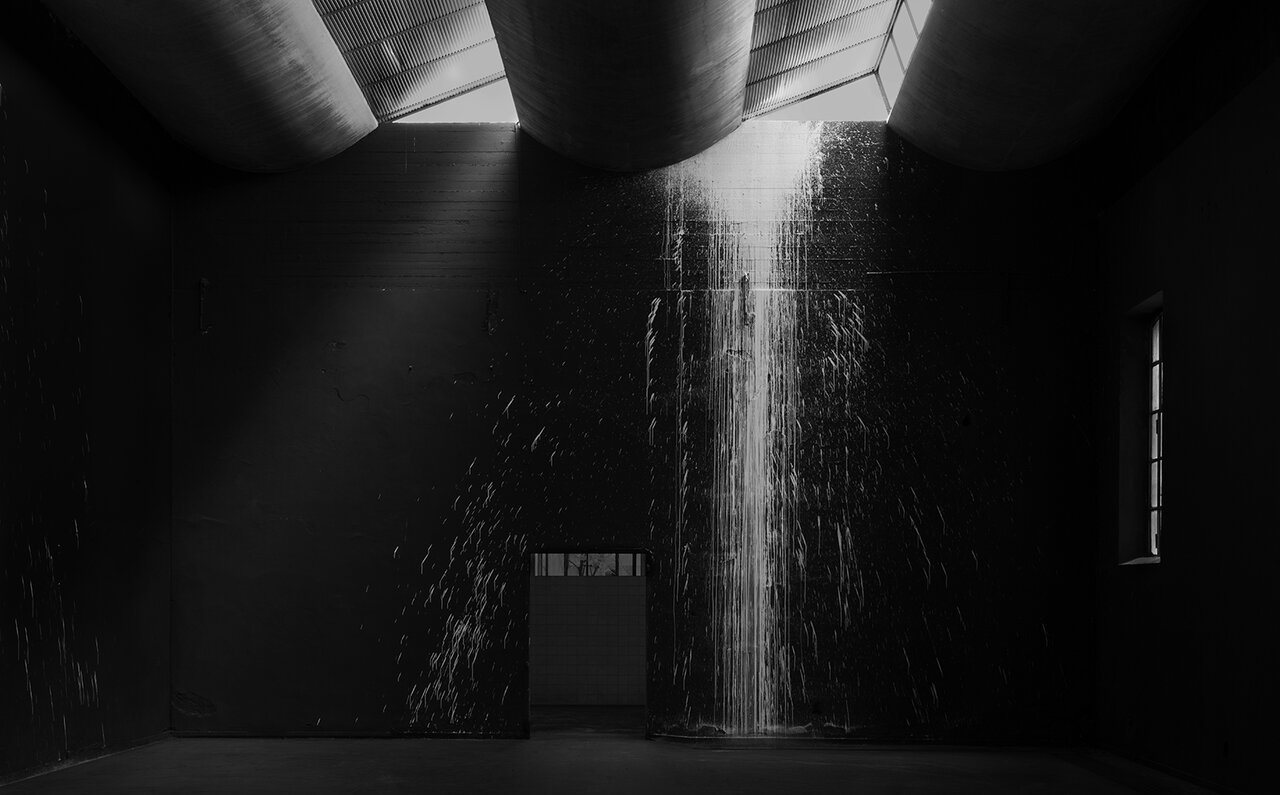
Your graffiti is characterized by its use of large amounts of silver ink, creating a style that drips like a waterfall. How did this drip painting technique, which has become your signature, come about?
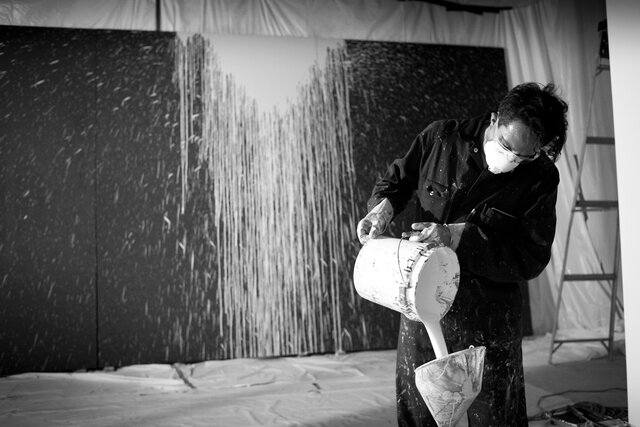
The dripping ink might look messy at first glance, but it's actually carefully controlled. If you use a lot of ink to make it drip, it would cover most of the space, but I managed to make my name (signature) recognizable. Also, the fact that I made my own ink and had a large supply was significant. It's difficult to imitate my style without a large quantity of ink. By using a lot of ink and controlling the drips, my work stood out more than any other graffiti on the street. This style has now become a standard for graffiti worldwide.
Why did you decide to make your own original ink by hand?
To create unique graffiti, all sorts of experimentation is necessary. I found my path by creating my own tools and techniques. Through numerous experiments, I developed inks and markers to build my own style, such as the overflowing drips and large tags.
Your drip style has also evolved over the years.
I've created various tools to perfect my style. And I realized that the drip itself was my unique expression that no one else could replicate. It even became unnecessary to put my name (signature) on my work. The drip itself is proof of my work, and it has expanded beyond the streets into galleries, museums, and commercial projects.
Has founding the paint company "KRINK" brought about any changes for you personally?
The response was very positive, so much so that we couldn't keep up with demand. New responsibilities kept piling up, but I've managed with a lot of support.
What impact do you think artists developing and providing their own art supplies has on street culture?
Until now, most art supplies were not made by artists. But I believe that the reason so many people support us is because they are proud of and love the story leading up to the creation of KRINK and the experimental brand itself. KRINK is not just a company; it's part of a creative community, which is why so many people inside and outside the graffiti world have supported it.
KRINK art supplies are also very popular among Japanese artists. What do you think are the advantages compared to conventional products?
It's difficult to compete with major companies in established product categories, but many of our products are unique, which is why they are accepted by so many artists. KRINK is a small company, but all our products are produced in small batches to maintain the quality we demand. We focus intensely on being original.
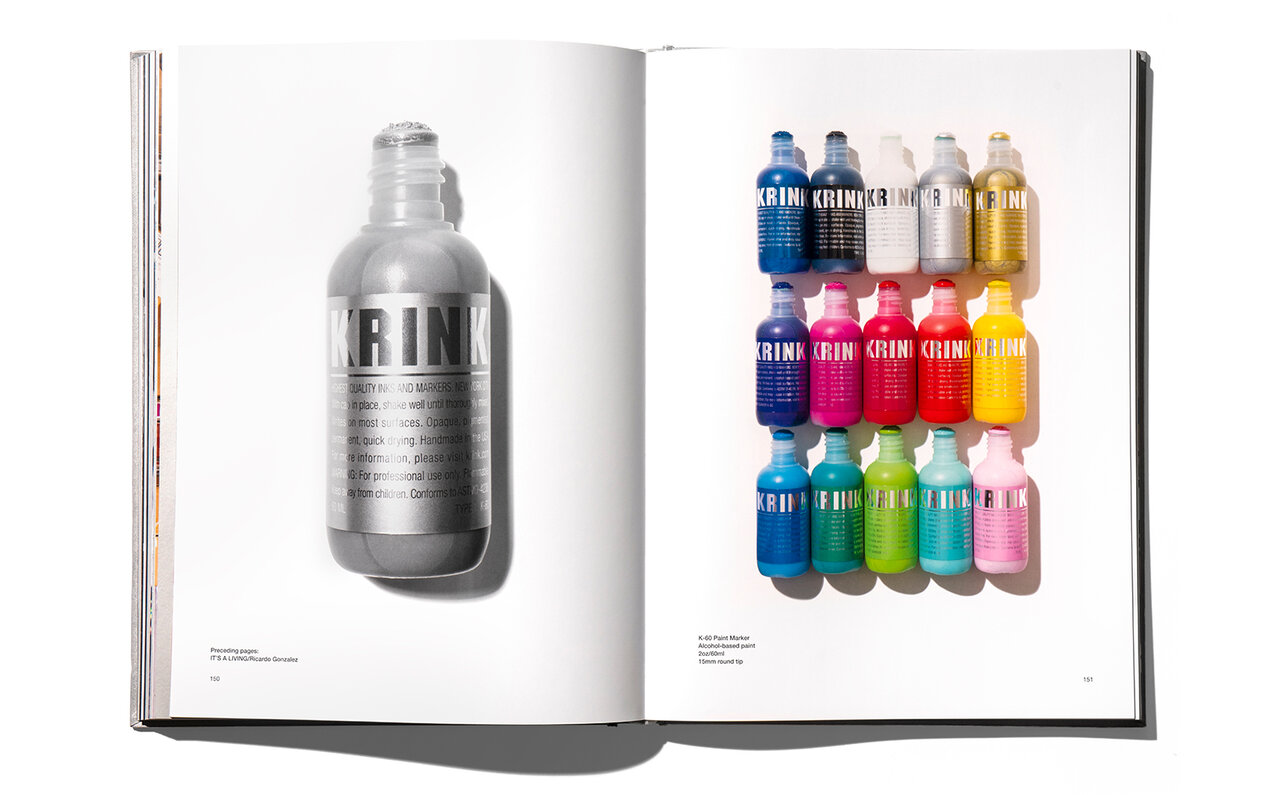
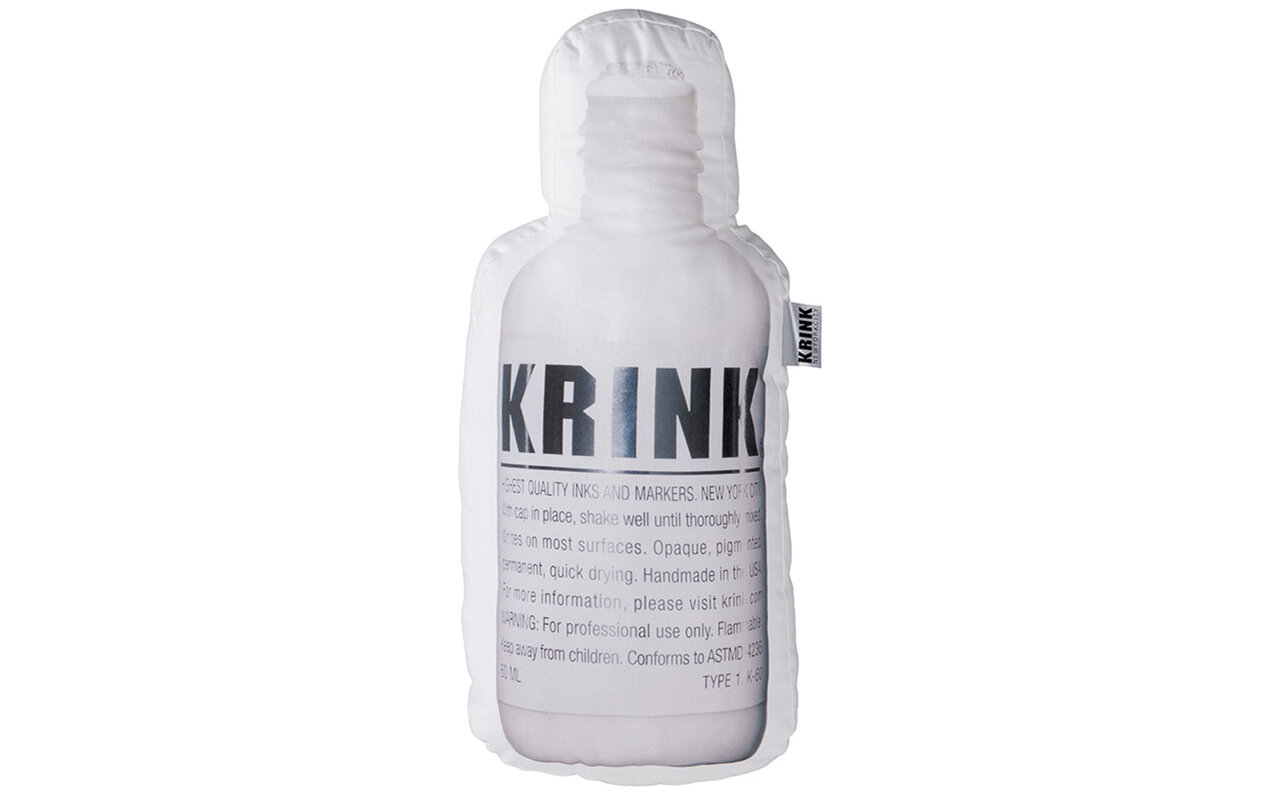
The packaging design, such as the fire extinguisher-shaped bottle, also shows attention to detail. What concept or message is conveyed through this?
I generally like simple things and have been inspired by everyday industrial products. Fire extinguishers, and even cosmetic products, fall into the same category. I'm very happy that our product packaging conveys the idea that even these commonplace industrial products can sometimes look elegant.
You've collaborated with global brands like LEVI'S, NIKE, MONCLER, MINI COOPER, COACH, and KITH. Could you tell us about any particularly memorable projects? Also, do you have any rules you follow when collaborating?
Every project has been a great opportunity and a wonderful experience that I've enjoyed. The most important thing in a collaboration is that my artistic expression aligns with the client's needs and that there is mutual understanding. Once that's established, everything else is easy. Traveling the world for these projects is always a fantastic experience.
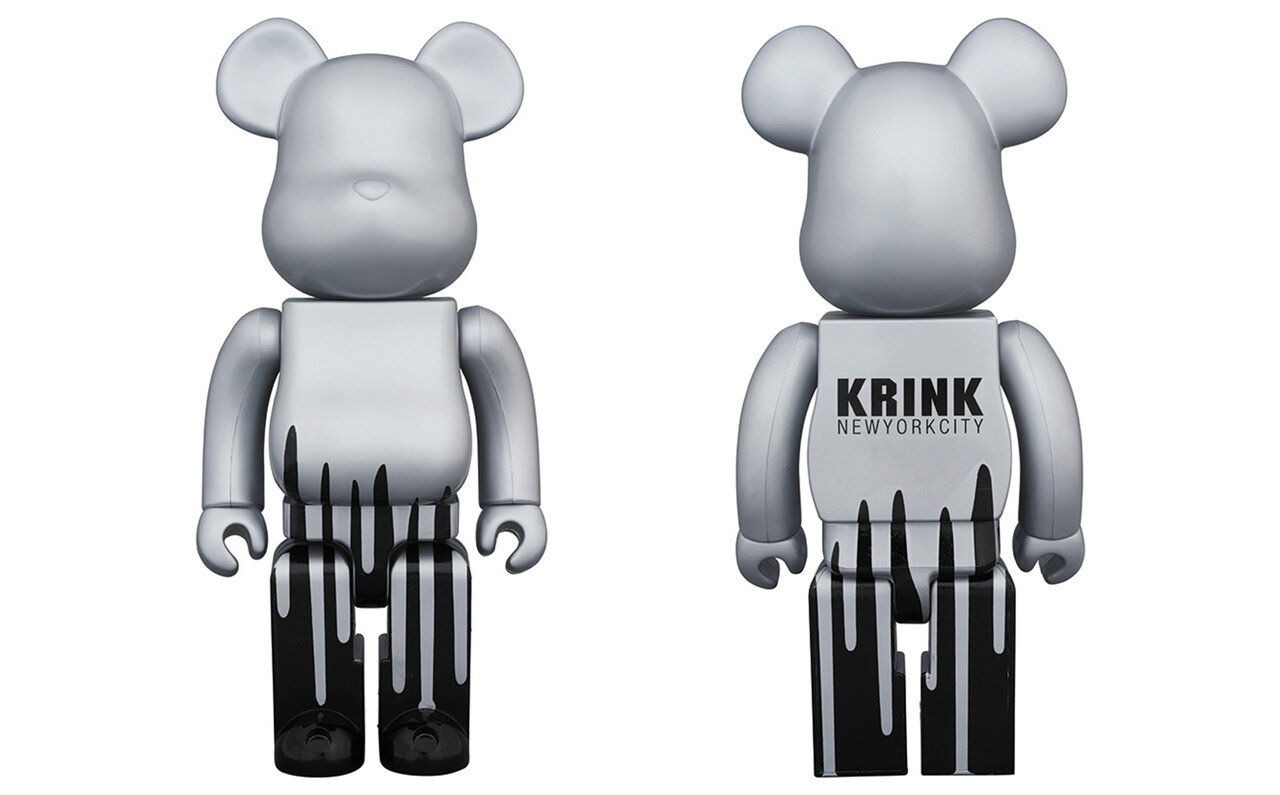
BE@RBRICK KRINK 1000%
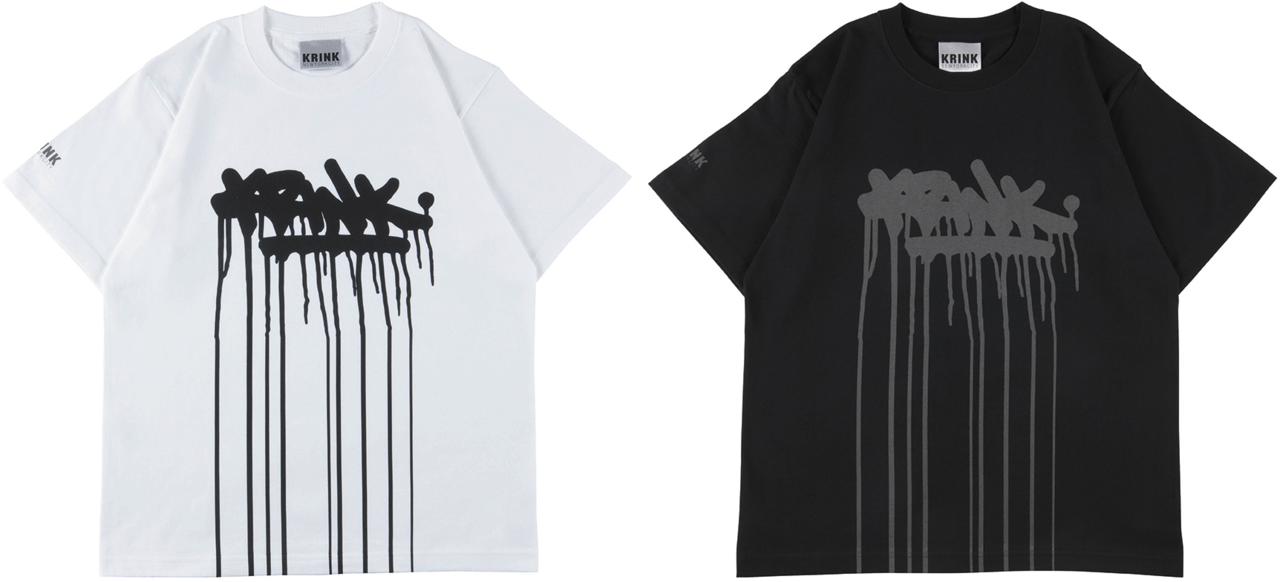
KRINK TEE "GRAPHIC"
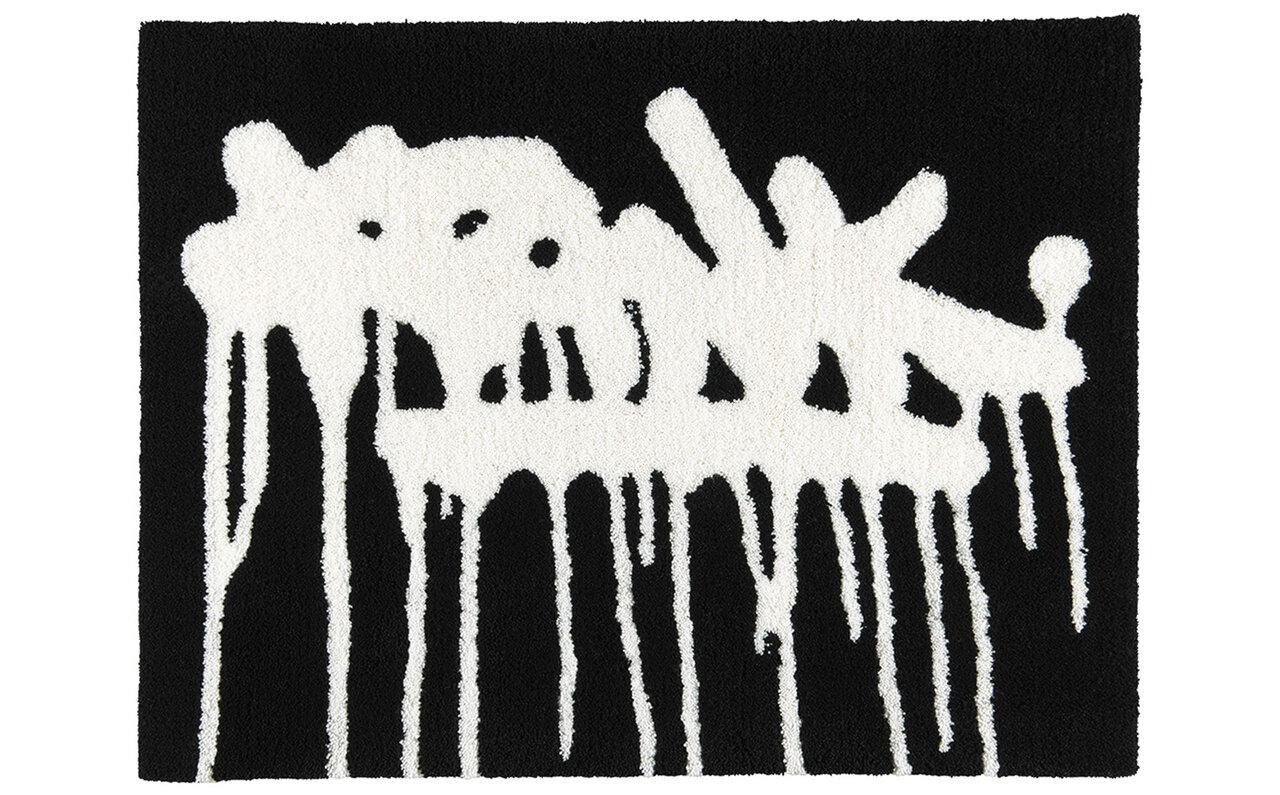
KRINK RUG MAT “GRAPHIC”
KRINK PLUSH CUSHION “K-60”
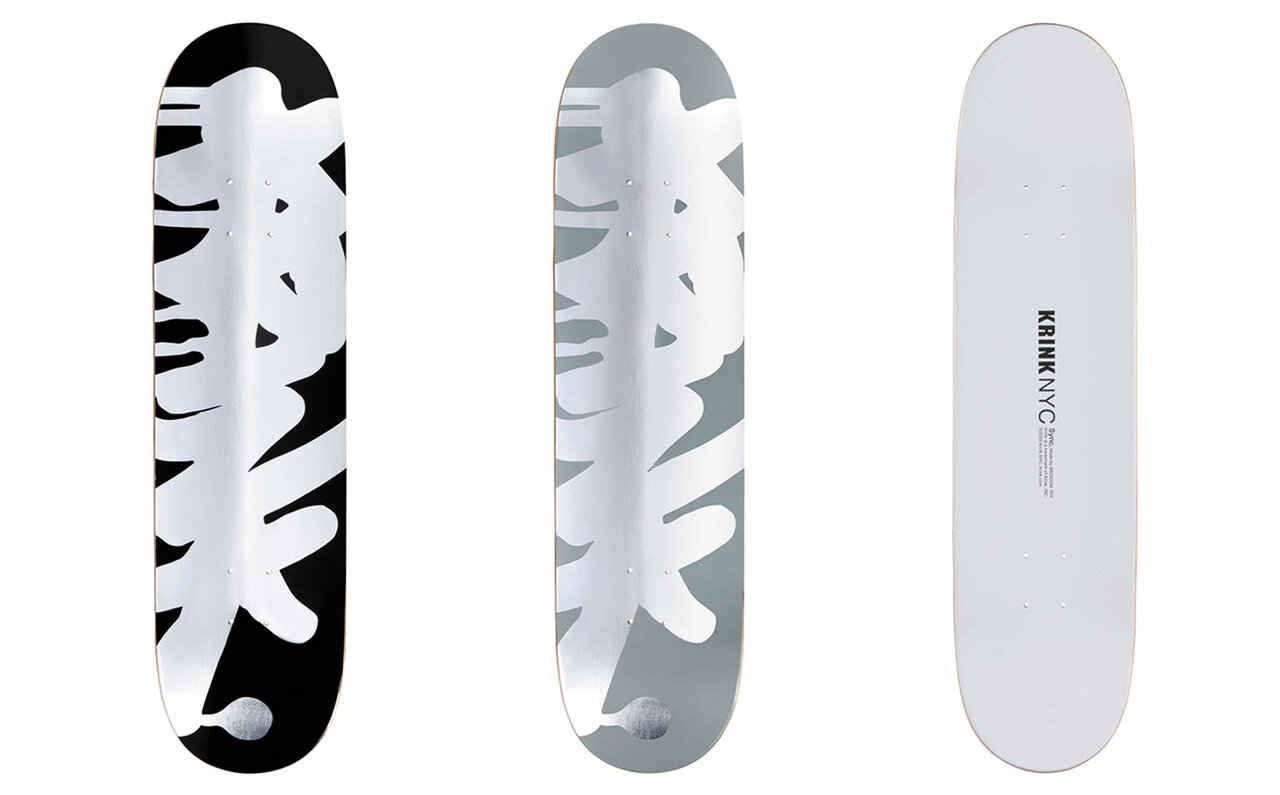
SKATEBOARD DECK “GRAPHIC”
*The photo shows a sample under development. The actual product may differ slightly.
For this collaboration with MEDICOM TOY, BE@RBRICKs, T-shirts, skateboards, and ink bottle-shaped plushes are being released. How did this come about?
I recognized Medicom Toy as a company with perfect craftsmanship and global recognition. I am honored to work with Medicom Toy, and I am always impressed by their work. We also have a mutual friend we've known for years, so I feel this collaboration was inevitable.
You've visited Japan many times. What are your impressions of the country?
I love Japanese food and Japanese people, and traveling in this country is an invaluable pleasure. Every time I return home, I regret not seeing more of the traditional rural landscapes.
Finally, with the news surrounding COVID-19 and Black Lives Matter, we feel we are at a major turning point. What are your thoughts on the future of society?
The various events unfolding in America indicate a challenging reality. However, Americans are inherently optimistic and spare no effort to improve the situation. I am from New York and still live here, and I feel this city, with its dense population of diverse people from all over the world, is different from other cities. It sometimes feels disconnected from the rest of America. Most people living in New York are in a kind of bubble formed by social media, which makes current communication a significant issue. I personally believe we should always be open to the world and hope for a brighter future.
Craig “KR” Costello
Craig “KR” Costello
Raised in Queens in the 80s, surrounded by graffiti writers and skaters. He built his career in the San Francisco scene and is now a graffiti artist based in Brooklyn. He established a unique style based on the motif of dripping ink, and founded the handmade paint brand "KRINK," which differs from conventional ink manufacturers. KRINK signifies KR (his tag name) + INK. He has also collaborated with numerous prestigious brands such as Nike, Moncler, and Coach.
http://krink.com/