An Interview with Manabu Tsuyoshi, Designer of FDMTL: BE@RBRICK FDMTL 1000% | MEDICOM TOY
MEDICOM TOY
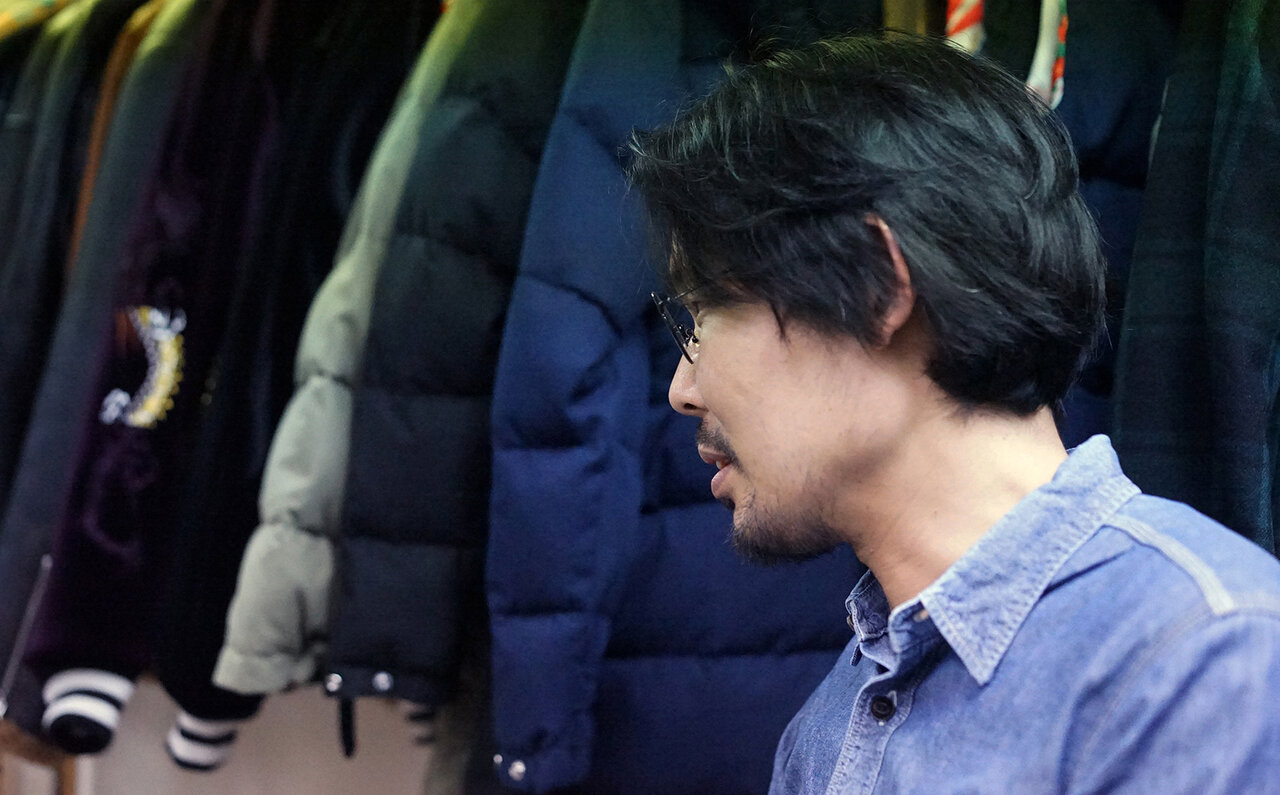
An Interview with Manabu Tsuyoshi, Designer of FDMTL
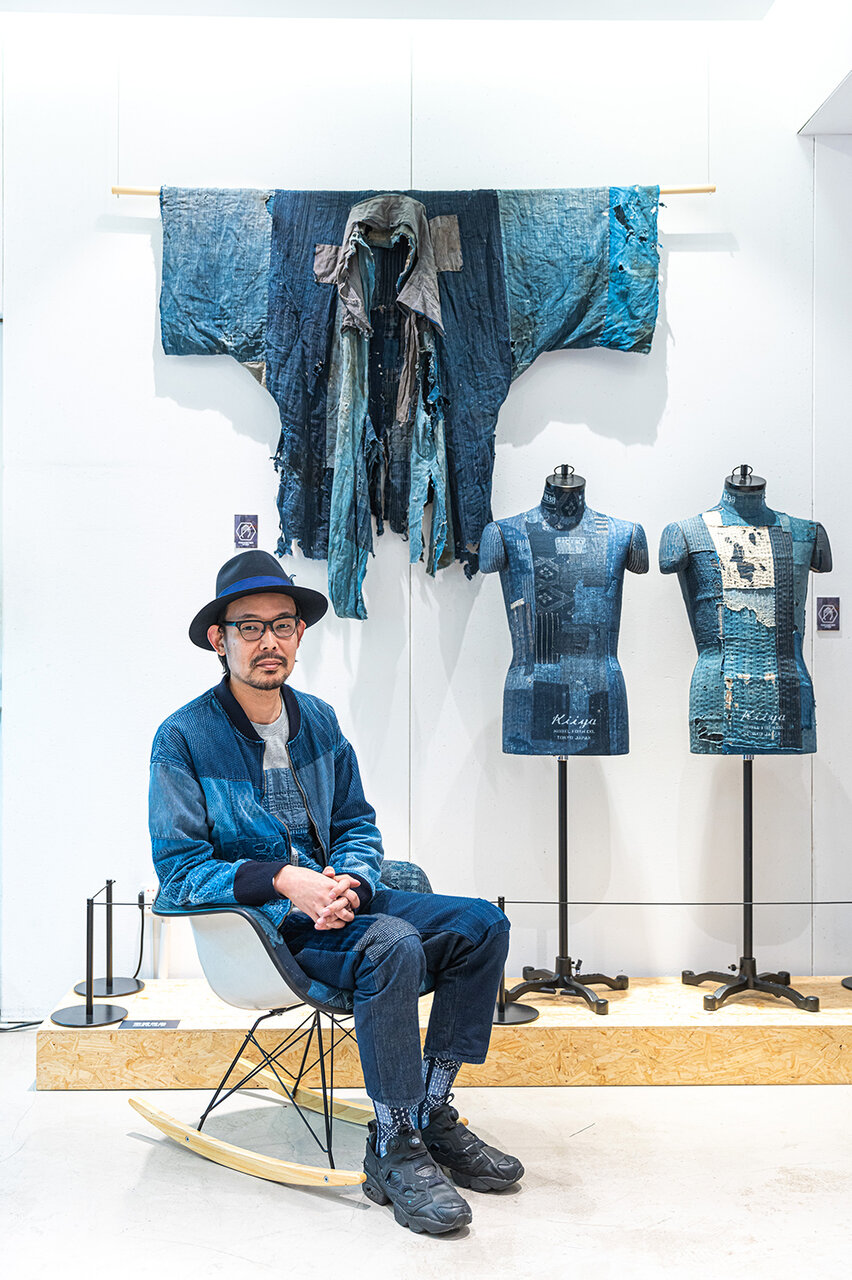
Aiming for Products That Are Cherished Like Boro
FDMTL (Fundamental), launched in 2005 with the concept of “products that become more cherished the more you wear them.” Its meticulously crafted creations, made in Japan, are highly regarded overseas. To commemorate the release of the BE@RBRICK x FDMTL collaboration, we present an email interview with designer Manabu Tsuyoshi.
Text and Edit by KAWASE Takuro
As is well known, BE@RBRICK has collaborated with various fashion brands both domestically and internationally. Like BlackEyePatch, released last winter, and KIDILL, released this spring, they have actively worked with emerging designers based in Tokyo. And FDMTL, our collaboration partner this time, is one of the noteworthy brands challenging the world with its unique concept.
Generally, the value of a product peaks at the time of purchase, then diminishes with each use, eventually leading to disposal. But we want FDMTL products to be the opposite. Because the color and texture change over time, offering a unique patina depending on the wearer's lifestyle, they can ultimately become irreplaceable garments for that individual. In fact, for a pair of sneakers we sold previously, a customer requested fabric scraps to repair them. It’s wonderful that people continue to use sneakers that would normally be discarded.
In other words, these are not clothes to be consumed as trends, but clothes that become one with the wearer over time. So, what events and experiences led to the collection centered around Japanese denim?
We've been making jeans since the brand's inception, but they were primarily vintage-inspired interpretations, focusing on details like red selvedge, button fly, and cinch back. This led us to wonder if authentic vintage jeans or replica denim brands might be better. So, we tried creating remade jeans with the concept of “denim worn by five men across different eras, repaired and remade,” and found that approach to be very enjoyable, which became the catalyst for focusing on denim.
I believe denim is an industrial product intended for mass production, not a handcraft. From fabric production to cutting and sewing, it's made very mechanically using specialized equipment. I attended three schools—computer science, architecture, and fashion—and the process of making jeans feels as precise as architectural design. Yet, when washed, the color fades, and when put in a dryer, the size can change drastically, showing a life-like quality. I think these contrasting elements align well with my design philosophy.
Many Japanese brands are captivated by denim, focusing on vintage techniques and indigo dyeing, and this is not entirely new. So, we asked what makes FDMTL stand out and what its absolute differentiators are.
There are many brands focused on denim and indigo dyeing, such as those that insist on using old-fashioned sewing machines for authentic jeans or those that explore traditional indigo dyeing, and they are often compared to FDMTL. I believe the significant difference lies in the 'breadth of range.' Based on the elements that constitute FDMTL—indigo, denim, patchwork, sashiko—we find joy in combining things that previously had no connection, such as creating a digital watch where sashiko patterns emerge using e-paper technology, or producing sneakers and furniture pieced together from indigo denim.
While many brands promoting Japanese denim overseas have faded away, FDMTL has steadily expanded its sales channels and is highly regarded by North American and European media. How do you analyze this?
Overseas, American Rag Cie's LA flagship store was the first to take a liking to FDMTL, and we still have a business relationship with them after seven years. From there, key accounts, particularly overseas, such as Barneys New York flagship and Colette in Paris, have increased. I feel that many people overseas, especially those with a keen sense of fashion, associate 'indigo' with 'Japan.' In that context, FDMTL's approach of combining various elements with a Japanese interpretation, yet in a way that differs from traditional Japanese-Western fusion, might appear intriguing to them.
BE@RBRICK TM & ©︎ 2001-2020 MEDICOM TOY CORPORATION. All rights reserved.
Tatsuhiko Akashi, President and CEO of Medicom Toy, keeps a close eye on Japanese brands that, while lacking the flash of runway show brands, are steadily gaining international recognition. What were his impressions of this collaboration with Medicom Toy?
I believe it's a professional company with a focus on playfulness. Even amidst the pandemic, they meticulously planned and executed the product development on schedule. Precisely because of these times, we want to deliver attractive products to the fans of both FDMTL and Medicom Toy, so I am very happy that we can release this at this timing.
Keeping the form of BE@RBRICK intact and expressing design solely through color and pattern had a resonance with FDMTL's remade denim. In 2018, I approached Medicom Toy with the idea of transferring FDMTL's sashiko pattern onto BE@RBRICK, thinking it would create something interesting.
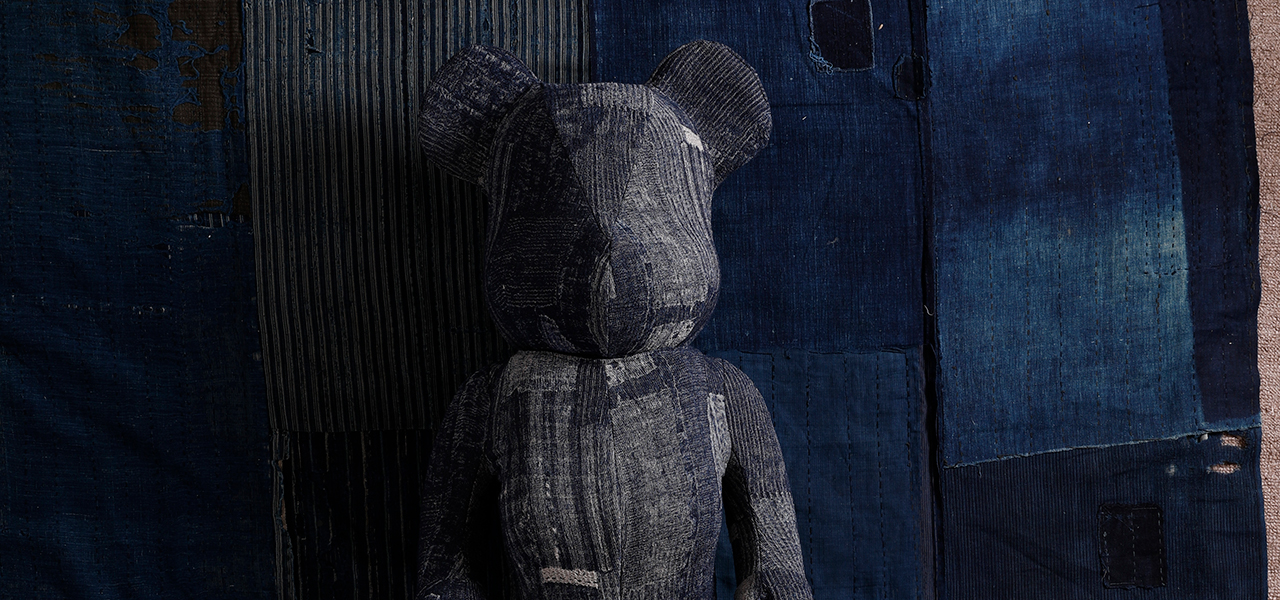
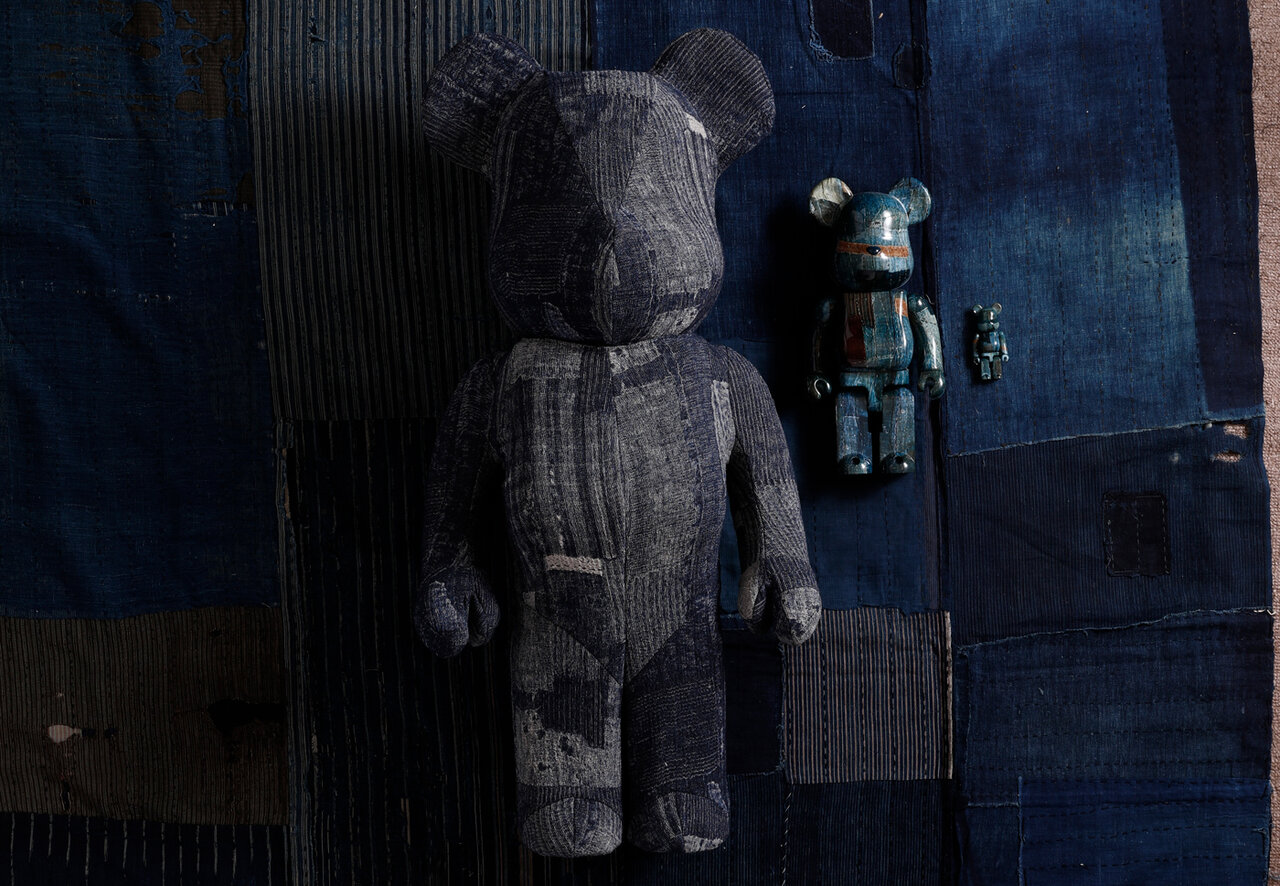
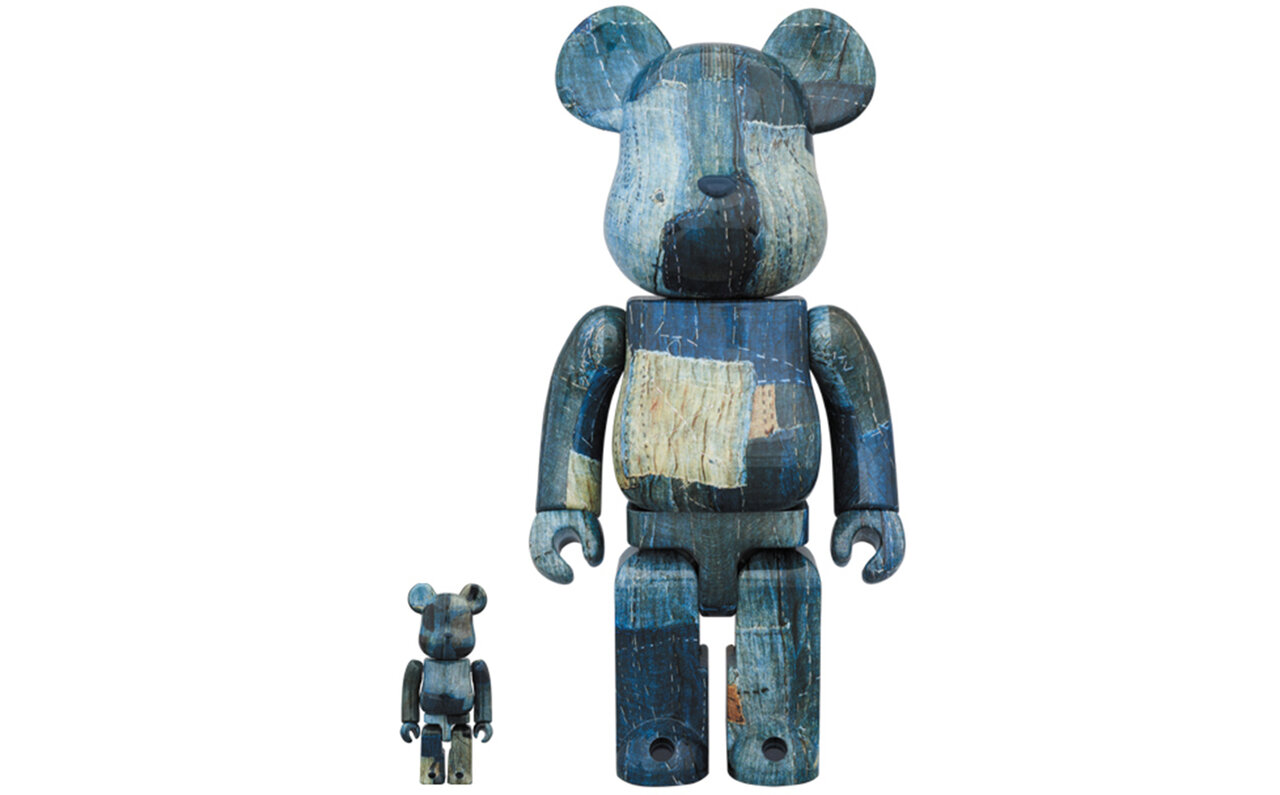
The release then was a set of 100% and 400% figures, featuring a design scanned and transferred from boro—about 100-year-old antique fabric—that I own. I'm very pleased with the finish, which has a glossy texture despite being based on fabric. Next, I wanted to create a costume version using fabric. When I consulted with Medicom Toy, they suggested we make the 1000% version a costume version.
BE@RBRICK TM & ©︎ 2001-2020 MEDICOM TOY CORPORATION. All rights reserved.
What techniques were used for the 1000% figure, adorned with boro, one of FDMTL's signature materials? Were there any difficulties in bringing the product to fruition?
For the 1000%, we considered actually patchwork-quilting the fabric, but we thought that by weaving the scanned boro pattern on a jacquard loom, we could achieve an unprecedented texture. We commissioned AVERY DENNISON in the US for the fabric production because they have a technology called Component Weave that can reproduce intricate patterns in high definition. Although production was handled by their Italian branch, significant challenges arose because the fabric needed a certain degree of stretch to fit the BE@RBRICK. We repeatedly exchanged fabric samples between Japan and Italy, adjusting the material composition, before finally delivering it to Medicom Toy and proceeding to mass production.
As a final question, we asked how close he feels he has come to his ideals after 15 years since the brand's establishment, and what future developments he envisions for the brand.
Since childhood, I decided I wanted to create things for a living, and establishing the brand was the result of that. As I am still doing that work today, 15 years later, I feel I have reached my ideal. Of course, there are still many things I want to do, and I intend to realize them one by one. While things that gain widespread attention as trends are wonderful, at FDMTL, I hope to create more collections that deeply resonate with a niche audience.