Pac-Man Turns 40: An Interview with Creator Toru Iwatani
MEDICOM TOY
"Creating games means understanding the human heart."
Text by SHINNO Kunihiko | Edit by TOMIYAMA eizaburo
The Secret Story Behind Pac-Man's Creation, Still Loved Worldwide
Pac-Man, the arcade game from Bandai Namco Entertainment (then Namco), celebrated its 40th anniversary on May 22, 2020. It debuted in the United States just six months after its release in Japan (October 1980) and was followed by a Hanna-Barbera Productions television anime series that achieved a peak viewership rating of over 56%. In 2012, it was added to the permanent collection of the Museum of Modern Art (MoMA) in New York, and in 2015, it was prominently featured in the film "Pixels." It continues to be cherished as one of Japan's most recognized computer game exports worldwide.
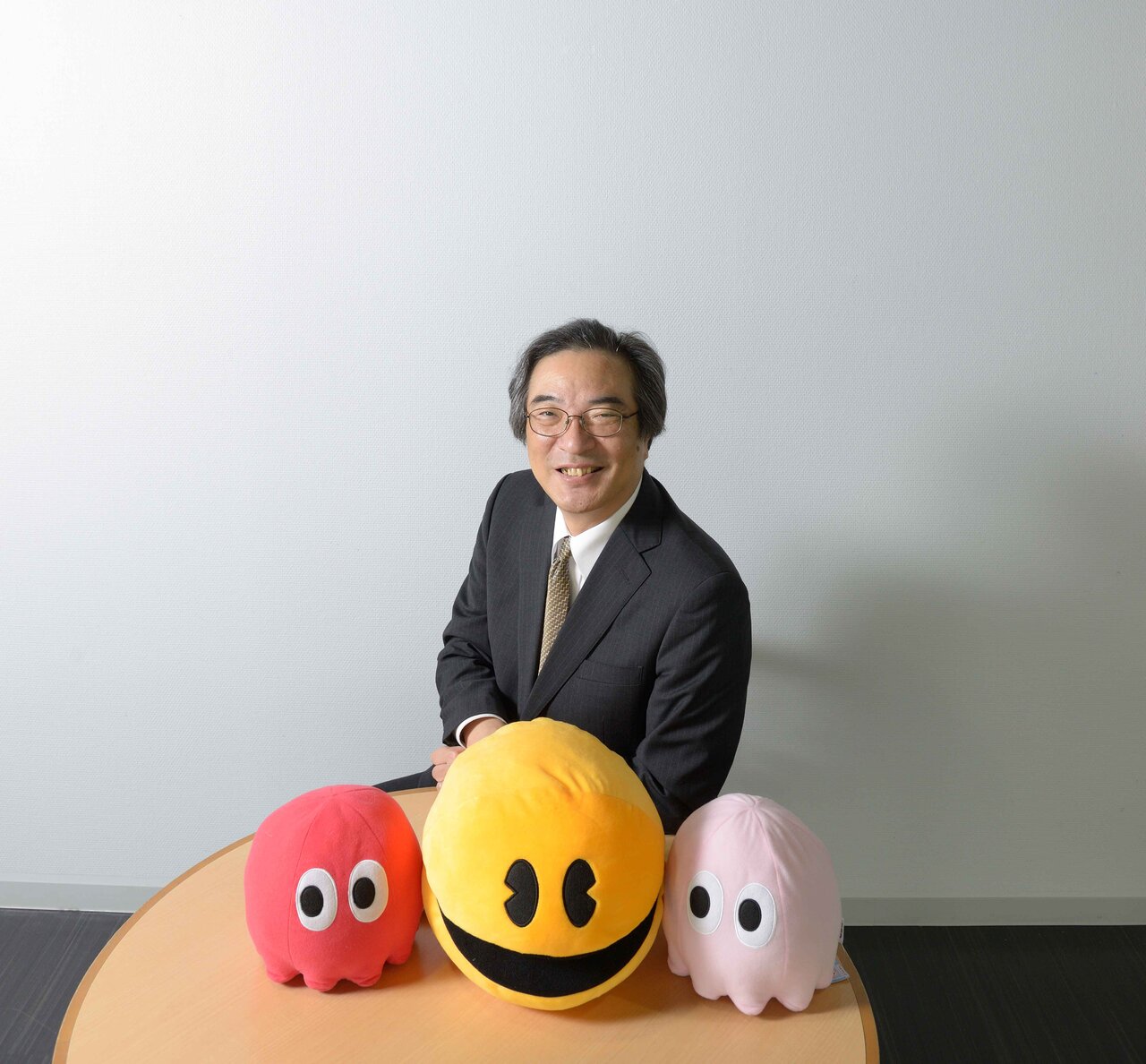
To commemorate its 40th anniversary, we spoke with its creator, game designer Toru Iwatani (now an honorary professor at Tokyo Polytechnic University), to hear his valuable insights on the development of the original arcade version, character and stage design, and merchandise.
Toru Iwatani
Joined Namco in 1977. He was involved in the development of Namco's first original video game, "GEE BEE." The "Pac-Man" he later developed was released worldwide to massive success, earning a Guinness World Record for "most successful coin-operated game machine." He has worked on numerous titles, including "Rally-X," "Dragon Buster," "Genpei Tōma Den," and "Time Crisis." He is currently an honorary professor at Tokyo Polytechnic University.
I never imagined it would become a global hit
"Congratulations on Pac-Man's 40th anniversary. First, could you share your feelings at this moment?"
As per the intention of the "concept/planning," I saw that it was readily accepted by Japanese women and couples without any resistance, and they were enjoying playing it with exclamations of delight, so I thought it would be a hit in Japan. However, I felt it wouldn't be accepted by overseas audiences who sought thrilling and exciting games. Yet, perhaps due to its simple gameplay and cute characters, it was supported by people of all ages and genders, and its global success far exceeded my expectations, which greatly surprised me.
I am deeply grateful to everyone around the world who has loved it for so long. While I always respond on behalf of the team, I am also very grateful to the members who developed it with me, as well as the sales and marketing staff.
"We understand that when you developed Pac-Man in 1980, the concept was to target women and couples. Is that correct?"
The year before starting the Pac-Man project, I released the video game "GEE BEE," and learned that difficult games were not well-received. The slogan from the Fujika Single-8 (an 8mm home movie system introduced by Fujifilm in 1965, which became a huge hit with commercials featuring actress Chieko Baisho touting its ease of use) commercial, "I can take pictures too," lingered in the back of my mind. So, I rephrased the Pac-Man concept to "I think I can do this," and designed the game with "I think I can do this" as the keyword.
A Character Born Amidst Many Constraints
"Even with the data limitations of the time, the pixel art designs are still wonderful to see. What was the production environment like back then?"
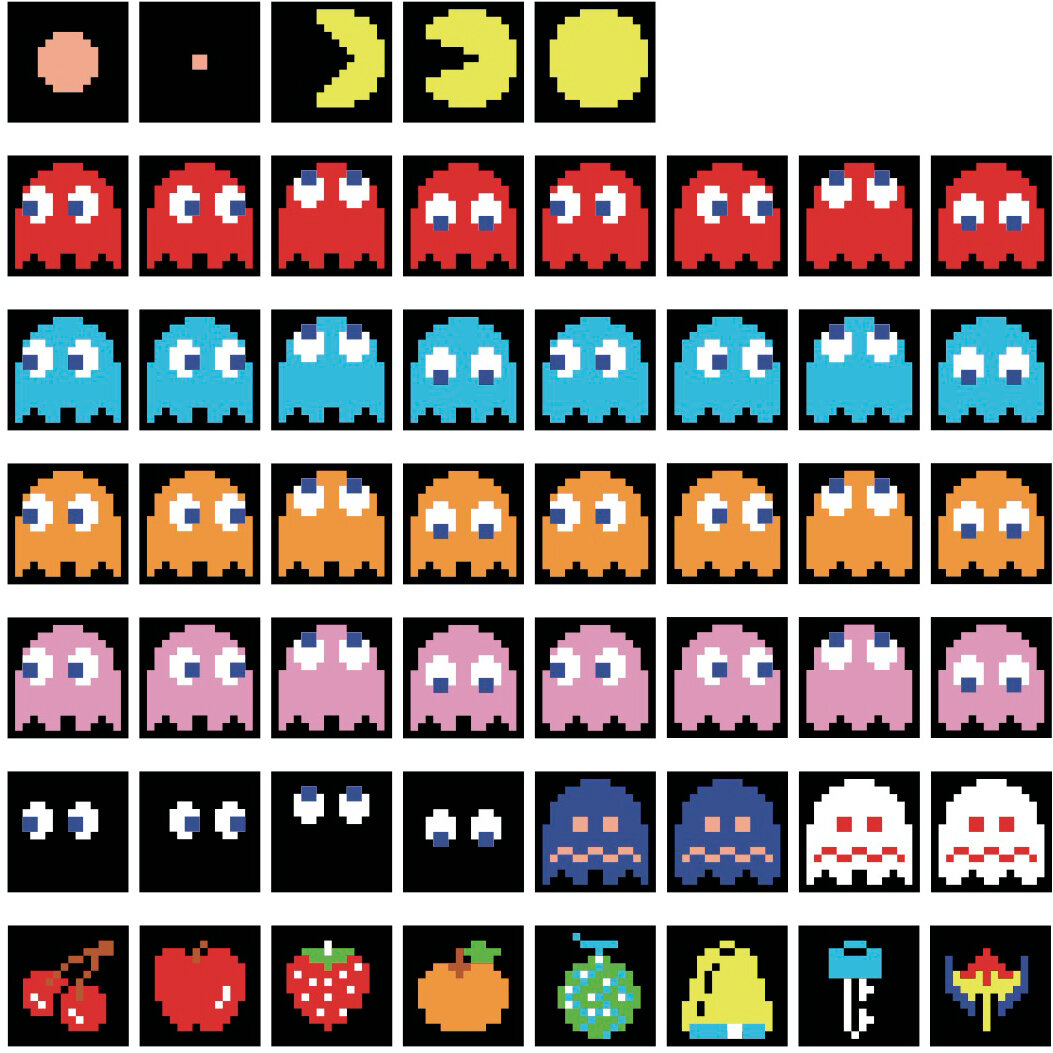
Development was done on the Hewlett-Packard "HP64000." Functional limitations were determined by the hardware specifications of the computer board within the game machine. Pac-Man used a Z80 CPU and could utilize 16 colors out of 256. While the color palette was sufficient for the simple design I was aiming for, the movable objects were limited to 16x16 pixels, which made it challenging to achieve a rounded appearance within that constraint. Naturally, the rich character expressions seen in today's games were impossible.
However, as game machines became more powerful, their expressive capabilities and depth have indeed increased. I worry, though, that we are becoming too reliant on vast amounts of data. The joy of imagining and inferring from the bare minimum of information, much like in haiku, is also a pleasure for people. For instance, when reading a novel, people visualize the scenes as they progress. I fear that if we are constantly bombarded with a deluge of data, like a shower, without any room for imagination, our capacity for imagination might decline, not just in games but also when watching movies or animations. Therefore, I hope for future games that inspire and draw out human imagination without relying on excessive data.
The Image of Devouring All the Evils of the World
"Pac-Man is the face of Bandai Namco Entertainment and was even praised as 'the Mickey Mouse of the 80s' in America. Could you tell us about the design? The perfect mouth size, the omitted eyes – how much of that cuteness was calculated?"
Pac-Man's personality was that of a creature that "just eats" with little emotion, with the image of devouring all the evils of the world, even eating police pistols if he deemed them evil. We didn't give him eyes to avoid expressing emotions. While not quite reaching the level of "wabi-sabi," it was a design that aimed for the beauty of simple incompleteness. I believe this simple design also became an icon representing the game itself.
"There's a similarity to the character design in your previous game, 'CUTIE Q' (1979)."
Even for villainous enemies, I always made an effort to create character designs that were friendly and cute, so as not to evoke aversion in women. The naming of "Cutie Q" comes from the song "Susie Q" (a 1957 song by Dale Hawkins). The game character "Walkman" also had a comical walk to make it relatable. I wish I had secured the trademark (laughs). And for Pac-Man's ghosts, I used Q-Taro from "Obake no Q-Taro," which I saw as a child, as a model, including their personalities. The relationship between Pac-Man and the ghosts is set up as non-antagonistic, likable adversaries, influenced by the TV animation "Tom and Jerry."
"According to past interviews, you were already creating character merchandise like T-shirts and plush toys yourself while developing Pac-Man."
Since my student days, I had been drawing pictures on T-shirts and using iron-on transfers for self-expression, so it was natural for me to make T-shirts with Pac-Man characters ironed on and sew ghost plush toys during development. I was also envisioning character merchandise expansion even without any business certainty. When the TV animation aired in the US (achieving a viewership rating of over 56%) and the record became a hit song (original title: "Pac-Man Fever," reaching 9th place on the Billboard HOT 100), I felt that the project had expanded beyond just a game medium.
There Was a Possibility It Would Be "Pakkuemon" Instead of Pac-Man!?
"Could you also tell us about the origin of the name? Was the title 'PAC-MAN' chosen with the overseas market in mind?"
The most important sound effect, Pac-Man's eating sound, was based on the typical Japanese onomatopoeia "paku paku" for eating, so I felt the name "Pac-Man" was the only option. However, upon checking trademarks, I found that the toy manufacturer Tomy (now Takara Tomy) had already registered it, so I had to negotiate for usage rights. If the negotiation hadn't been successful, the next candidate was, for some reason, "Pakkuemon," so I'm glad the negotiation was successful.
Regarding the overseas market, we initially started with the alphabet spelling "PUCK MAN" for the game title. However, for the US release, it was changed to "PAC-MAN," and thereafter, it was unified worldwide.
"The fact that the ghosts—red, blue, pink, and orange—each had their own personalities and movement patterns also contributed to the game's appeal."
Programmer Shigeo Funaki came up with the exquisite ghost algorithm. If all four ghosts had been programmed with the same algorithm, constantly chasing Pac-Man's current position, they would have formed a conga line, lacking any thrill. Therefore, an AI-like algorithm was introduced to position the ghosts around Pac-Man in all directions. The first ghost, red, chases Pac-Man directly. The pink ghost aims for a spot 32 dots ahead of Pac-Man's mouth, acting as a predictor. The blue ghost moves towards a position symmetrically opposite to Pac-Man's current location. The orange ghost approaches Pac-Man but retreats to its own position if Pac-Man gets too close. To make them relatable to women, we used colorful pastel tones, particularly leaning towards Sanrio pink for the pink ghost.
Furthermore, there are various elements designed to prevent players from feeling overly stressed, such as the ghosts occasionally stopping their pursuit, reversing direction, and scattering to the four corners of the maze (their home positions), allowing the player a brief moment of respite.
The Thoughts Behind the Character Design, Movements, and Rules
"Is there a reason why the ghosts have eyes?"
The fact that Pac-Man only bites the "frightened ghosts" (when their roles are reversed after eating a Power Pellet) and doesn't kill them was, I believe, an appeal to mothers, assuring them that even young children could play without worry. Also, the bitten ghosts become eyeballs and return to their base to be revived. Seeing this, the president at the time commented on "reincarnation." I was impressed by how older people might think that way.
"How did you come up with the rule where Pac-Man, while being chased by ghosts, can turn the tables for a certain period after eating a Power Pellet?"
If the player is constantly being chased from the beginning to the end of the game, it can become unpleasant and stressful. Therefore, I added the Power Pellet element, which reverses the roles of Pac-Man and the ghosts. This idea was inspired by the spinach that Popeye eats in the TV animation; when the roles are reversed, defeating many ghosts provides a sense of catharsis.
"Could you tell us about the design of the bonus fruits (cherries, strawberries, oranges, etc.)?"
I was fascinated by the alluring world of casinos in Las Vegas, which I had only seen in movies. Since I was a new employee, my colleagues and I would play slot machines and bingo pinball machines at specialized medal game arcades (where you play with tokens instead of currency) all night. Bingo pinball, in particular, is a game machine packed with many game features and rules, and I learned a great deal from it. The cherry symbol on the slot machines I saw then looked so cool, and I thought it would be fitting for Pac-Man, a game about eating, so I used it.
"The stage designs are also remarkably sophisticated for something from 40 years ago. The warp tunnels, in particular, were a groundbreaking system that transported the game to another dimension."
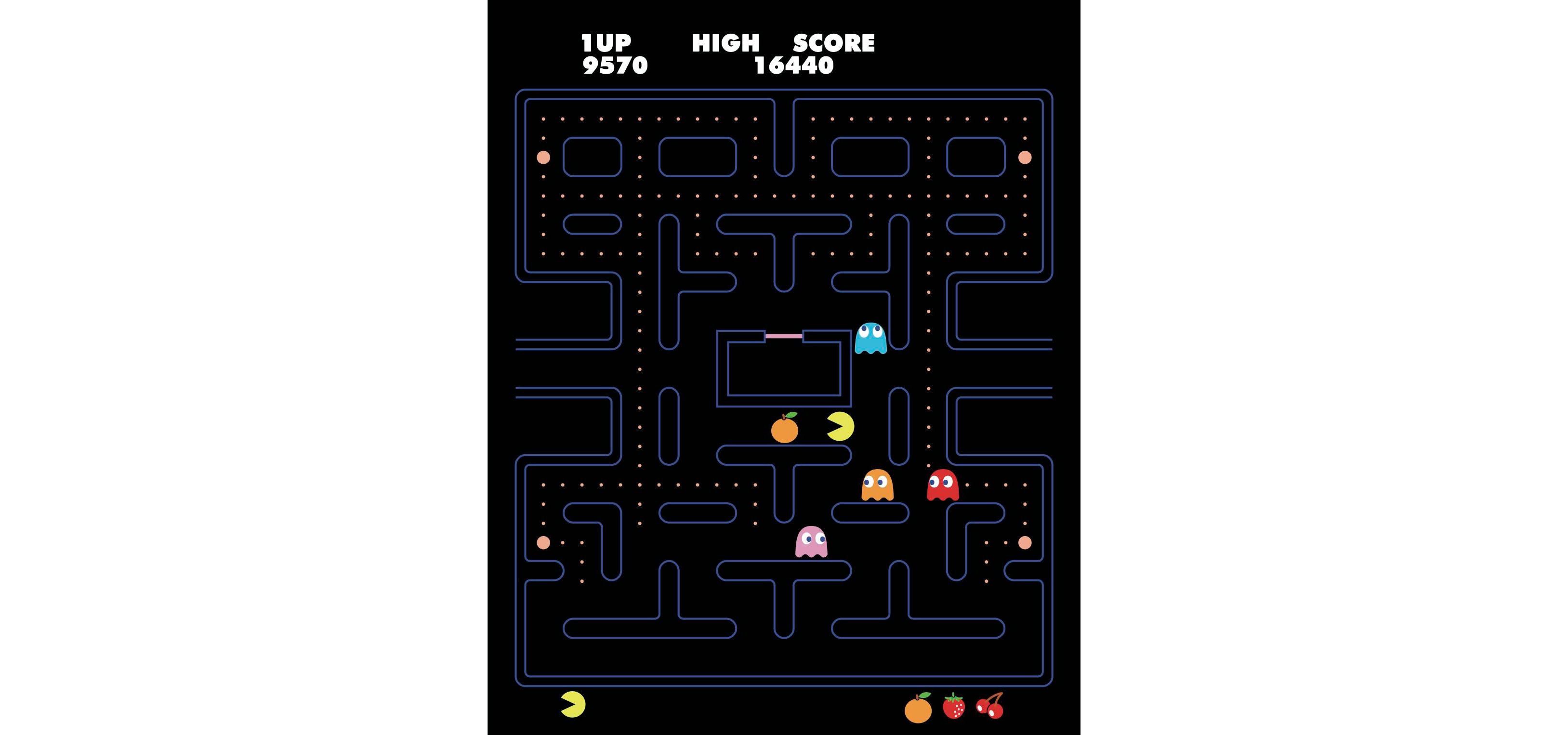
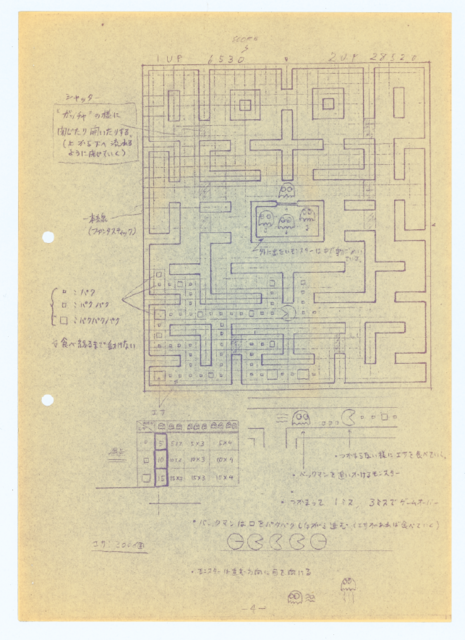
If women perceive a game as a "maze game," they might think it's too difficult and avoid playing it. So, I designed the background to be black, with the maze lines resembling blue neon tubes that subtly blend into the black, making the walls less conspicuous.
The warp tunnels were implemented as a rescue feature, allowing players to warp to an area without enemies when cornered by ghosts. Inside the tunnels, the ghosts' speed slows down, making it possible to outrun them.
"What was the most challenging aspect of completing Pac-Man, and what do you feel was particularly well-executed looking back?"
Just as the tempo of music has changed significantly from old songs to new ones, the tempo of old games was also slow, to the point of being frustrating by today's standards. Therefore, during Pac-Man's development, the speed of Pac-Man and the ghosts was also relatively slow, lacking a sense of speed and thrill. While this was understandable given the design's focus on ease of play, I felt it was too lacking in excitement. The decision to double the overall speed is something I still believe was well-executed.
The Reason for Its Explosive Global Hit
"In America, related merchandise such as clothing, lunch boxes, and handheld games were a huge hit, and in 2005, it was certified by Guinness World Records as the 'most successful coin-operated game machine.' What do you think led to its popularity overseas?"
I believe its overseas success stemmed from the simple rules, simple design, and simple controls, which made people think, "I think I can do this." And once they started playing, the game balance, including the wave attack routines and the relative speeds of Pac-Man and the ghosts, was so exquisitely designed that, looking back, "nothing could be added or removed." It was perfect.
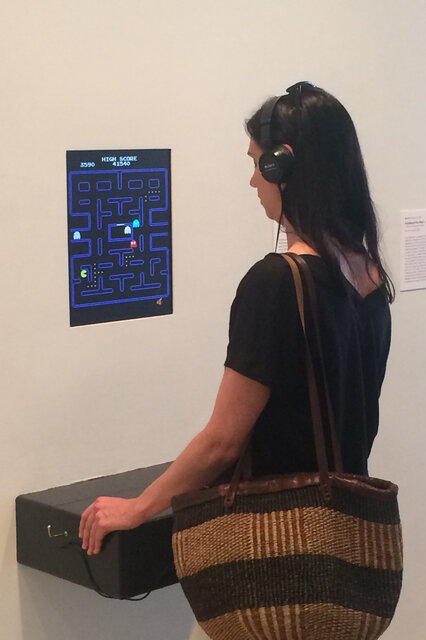
"In 2012, it was added to the permanent collection of the Museum of Modern Art (MoMA) in New York."
The permanent exhibition at MoMA in New York is wonderful because the curators understood the essence of games, recognizing that "exhibiting games in a playable state is the correct way to display them," unlike paintings. This photo was taken when I visited in 2015, and I regret that it doesn't show the hands playing, which reflects my amateur status.
"Numerous apparel and merchandise items, advertising collaborations with BMW, and a limited edition luxury watch (Romain Jerome) have been released. Which licensed product holds the most special place in your heart?"
While I haven't seen every Pac-Man merchandise item, the Pac-Man telephone is one that I found particularly impressive. The system and design, where Pac-Man's mouth opens to press buttons and make calls from a closed state, truly captured the essence of Pac-Man's characteristics in a character product. I was very impressed.
"In the 2015 film 'Pixels,' Pac-Man was prominently featured in posters and trailers. The cameo appearance of Professor Iwatani, played by Denis Akiyama, and your own cameo also became a topic of discussion. Five years later, what are your thoughts on being offered the role again, and are there any memorable events from the production?"
Director Chris Columbus, who also directed "Harry Potter," sent a polite video message and storyboards in advance, and was very considerate, asking, "Is it okay if your hand gets eaten by Pac-Man?" The finished film was very entertaining and can be watched repeatedly. The integration of CG game characters with live-action was seamless and superb.
I was able to stay by the director's side for seven days during the filming, and I learned a great deal. I was particularly impressed watching them meticulously adjust the "blackness" of a certain scene in a studio recreated as a movie theater, spending a lot of time on digital adjustments. However, I also thought, "Nowadays, young people watch movies on their smartphones without a second thought."
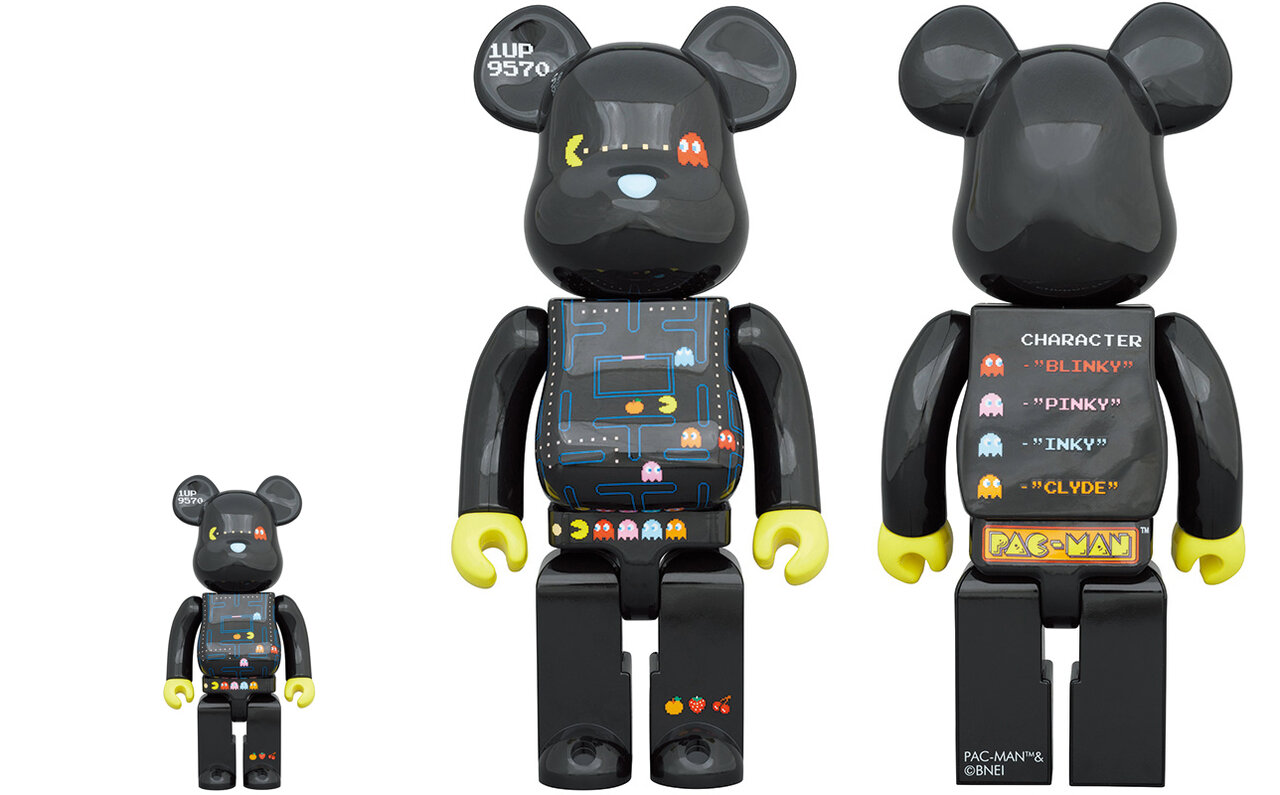
"To commemorate the 40th anniversary, Medicom Toy is releasing BE@RBRICKs, T-shirts, mugs, shopping bags, rugs, and skateboards in December. What are your impressions of these products?"
I am deeply honored that Medicom Toy and BE@RBRICK have included Pac-Man in their product lineup. Thank you very much.
They are full of style and will appeal to young people. I learned that RUG is a rug. I hope people will pick them up without even realizing they are game characters.
BE@RBRICK PAC-MAN 100% & 400%
Size: Approx. 70mm (100%) / 280mm (400%) each
Price: ¥12,000 (excluding tax) for 100% & 400%
Release Date: Scheduled for release and shipping in December 2020
MLE PAC-MAN Series
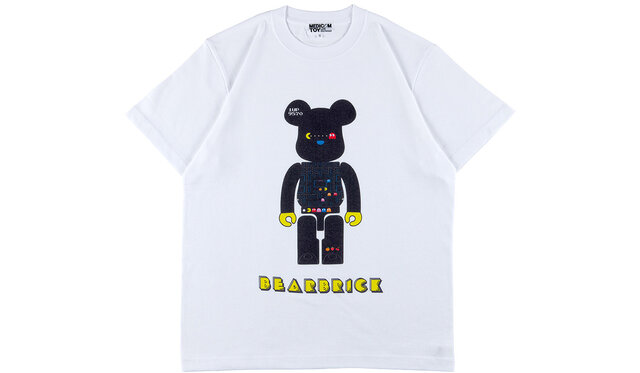
BE@R TEE
Size: Available in 4 sizes: S/M/L/XL
Price: ¥4,500 (excluding tax)
Release Date: Scheduled for release and shipping in December 2020
MLE PAC-MAN Series
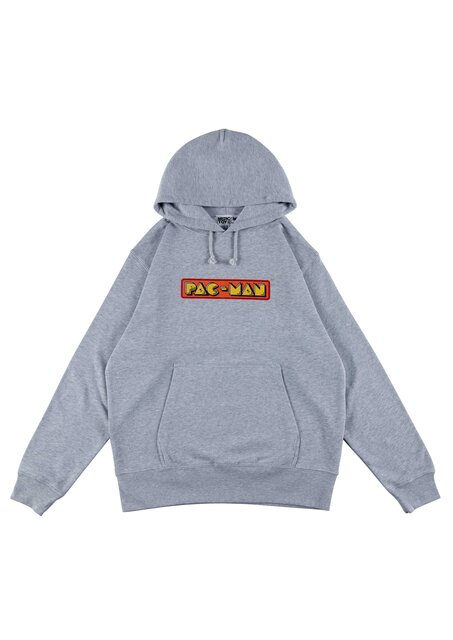
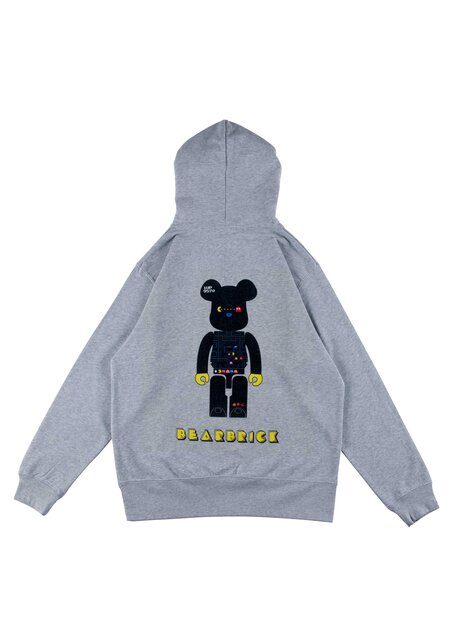
BE@RBRICK HOODIE SWEAT SHIRTS
Size: Available in 4 sizes: S/M/L/XL
Price: ¥9,500 (excluding tax)
Release Date: Scheduled for release and shipping in December 2020
MLE PAC-MAN Series
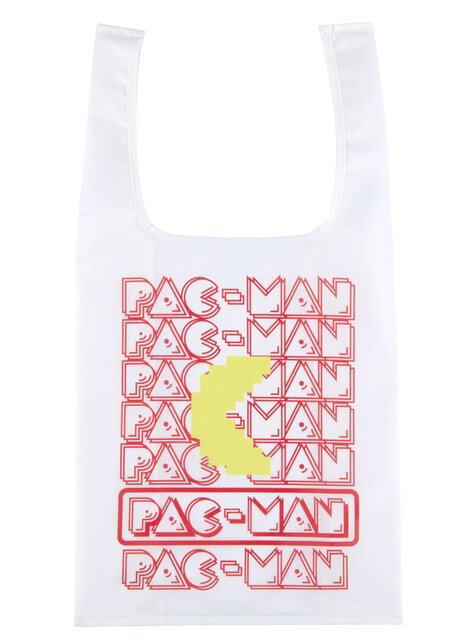
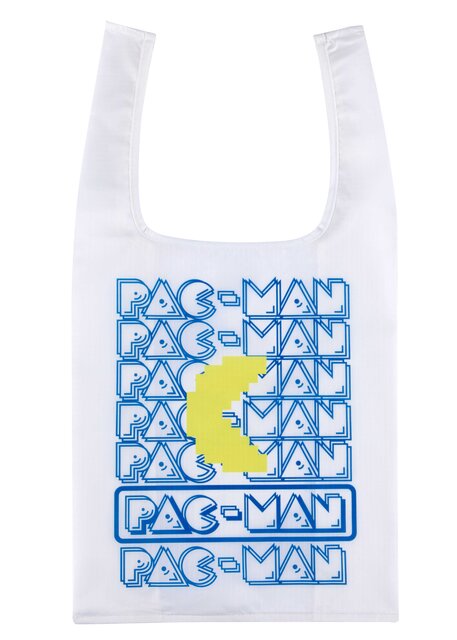
SHOPPING BAG
Size: W300mm x H225mm
Color: RED / BLUE
Material: POLYESTER
Price: ¥2,500 (excluding tax)
Release Date: Scheduled for release and shipping in December 2020
MLE PAC-MAN Series
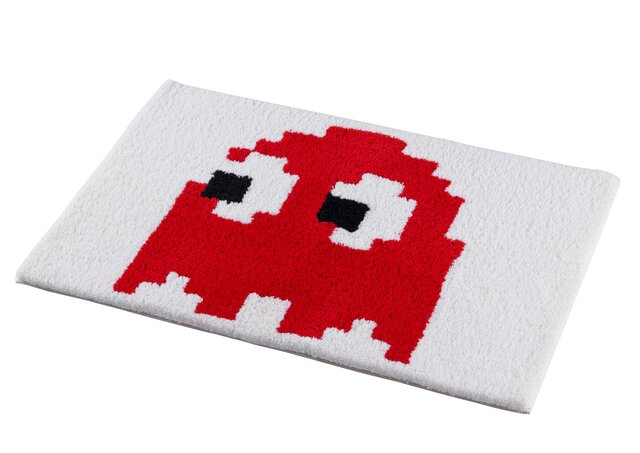
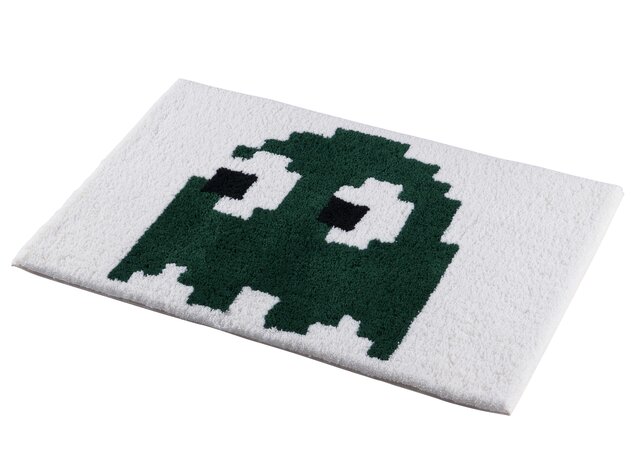
RUG
Size: W760mm x H500mm
Color: RED / GREEN
Material: ACRYLIC
Price: ¥15,000 (excluding tax)
Release Date: Scheduled for release and shipping in December 2020
MLE PAC-MAN Series
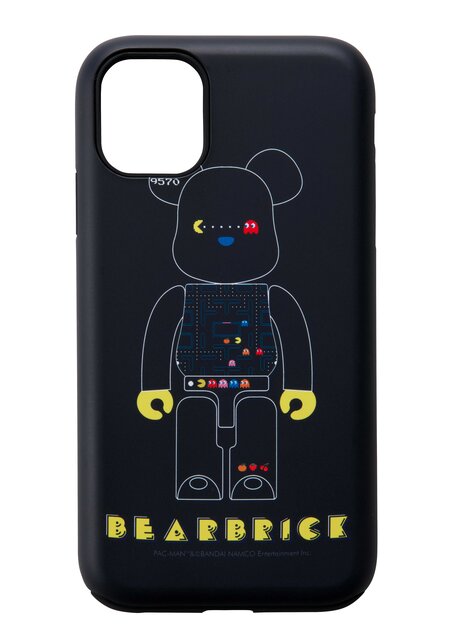
BE@RBRICK iPhone CASE for iPhone 11
Size: FREE
Material: POLYCARBONATE + SILICON RUBBER
Price: ¥4,500 (excluding tax)
Release Date: Scheduled for release and shipping in December 2020
MLE PAC-MAN Series
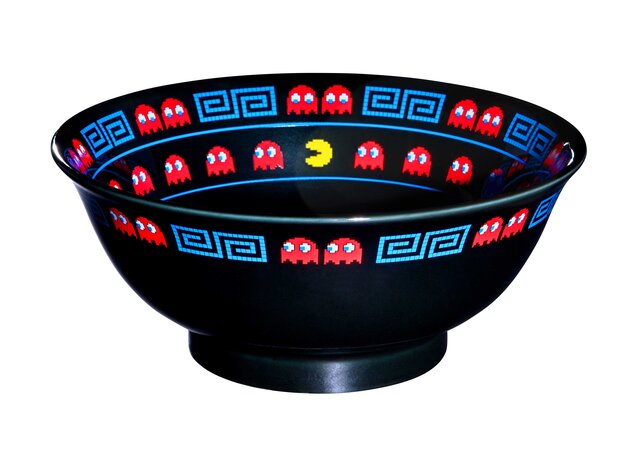
RAMEN DONBURI
Size: φ200mm x H85mm
Material: CERAMIC
Price: ¥6,500 (excluding tax)
Release Date: Scheduled for release and shipping in December 2020
MLE PAC-MAN Series
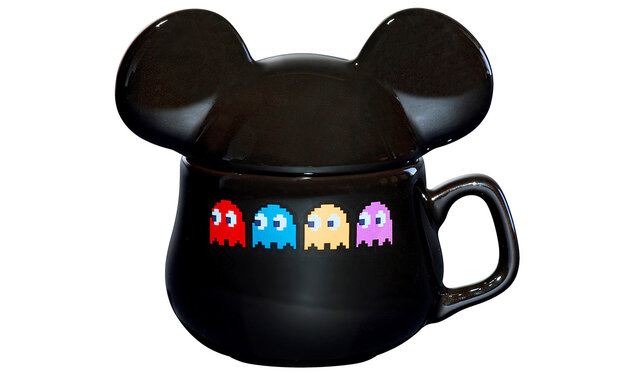
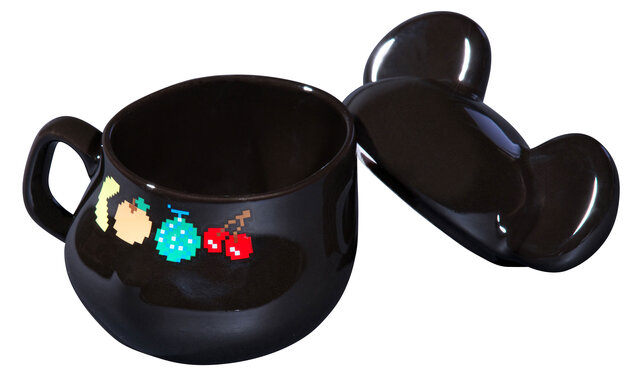
BE@RMUG
Size: H110mm x W130mm
Material: PORCELAIN
Price: ¥3,800 (excluding tax)
Release Date: Scheduled for release and shipping in December 2020
MLE PAC-MAN Series
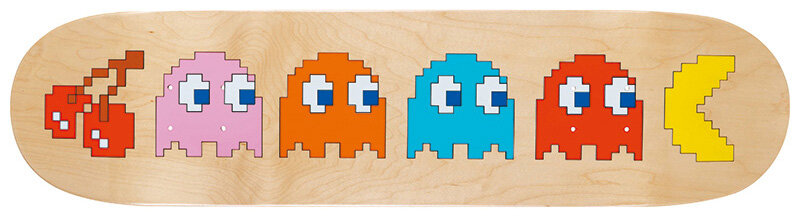
SKATEBOARD DECK
Size: W205mm x H820mm
Material: WOOD
Price: ¥15,000 (excluding tax)
Release Date: Scheduled for release and shipping in December 2020
*The photos show samples under supervision. The actual product may differ slightly.
(C) BANDAI NAMCO Entertainment Inc.
PAC-MAN™️& (C) BANDAI NAMCO Entertainment Inc.
BE@RBRICK TM & (C) 2001-2020 MEDICOM TOY CORPORATION. All rights reserved.
"Finally, could you tell us what makes you feel glad about having developed Pac-Man?"
Prioritizing consideration and a spirit of service towards the player, we designed the game with utmost care. With the philosophy of "FUN FIRST," the ability of games to sustain interest is now being applied and utilized in fields beyond gaming to solve societal problems.
Thanks to my involvement in game development, including Pac-Man, I was able to establish the Department of Game Design at Tokyo Polytechnic University and also launch the Digital Games Society of Japan.
http://digrajapan.org/While the merits and demerits of games are often discussed, a foundation has been laid to systematically examine games, which integrate various academic disciplines, from multiple perspectives.
I believe that if people embrace the idea that "creating games means understanding the human heart," the world of games will continue to expand even further.
Contact Information
Medicom Toy User Support
Tel. 03-3460-7555
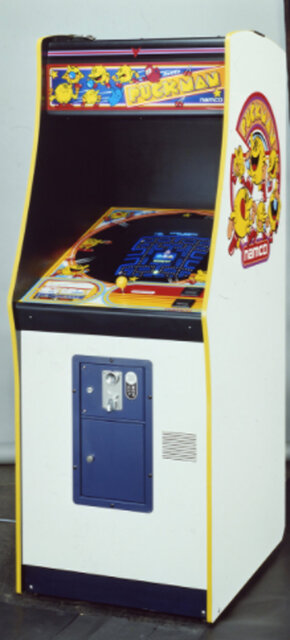
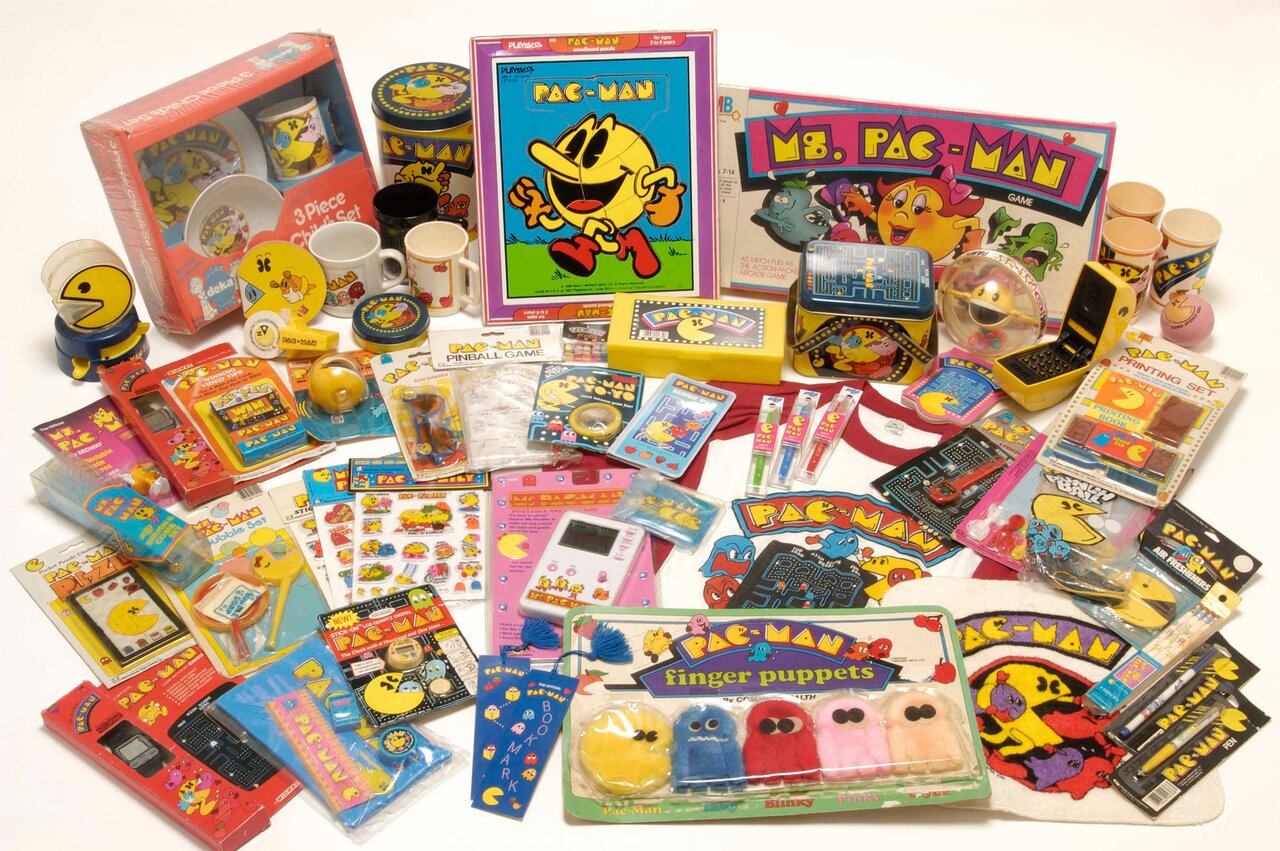
*The photos show some of the Pac-Man merchandise released in North America in the 1980s and are no longer available. (Please refrain from inquiries regarding individual products.)