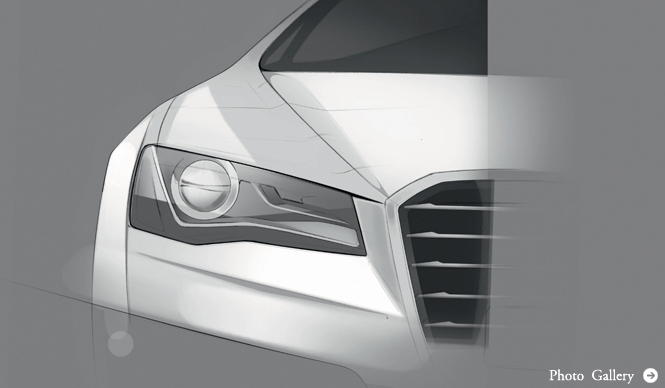
Audi A8 | Embodying the Next Generation of Audi Design
Audi A8 | The Audi A8
Embodying the Next Generation of Audi Design
Audiannounced that the new model of its flagship "A8" will have its world premiere on November 30th at "The Art of Progress" event in Miami, USA.
By Giraffe
A Sharper, More Powerful Image
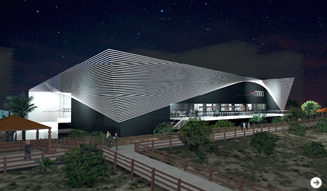
The venue for the announcement is the "Audi Pavilion," temporarily constructed for this event. This pavilion was designed by Tom Dixon, a leading British product designer.
This avant-garde structure, composed of aluminum—a material befitting the Audi brand, symbolized by the A8's all-aluminum body—and LEDs, will be adorned with global art, with the new A8 displayed at its center.
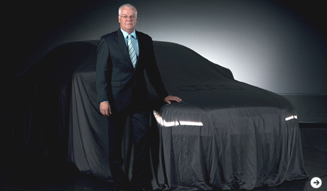
While image sketches of the new A8 have already been released, it's clear that its image is sharper and more powerful compared to the current model. It is truly the first vehicle to embody Audi's vision for next-generation design, and it incorporates abundant new technologies such as the aluminum space frame structure.
The new A8 is scheduled to go on sale from the latter half of 2010, but for now, we eagerly await the world premiere on November 30th.
BRAND HISTORY
Audi's emblem is the "Four Rings." As you may know, each ring represents one of the automotive manufacturers: Audi, DKW (Draisine Kraft Wagen), Horch, and Wanderer. All were based in Saxony and were leading brands in the German automotive industry at the beginning of the 20th century. However, the four companies, hit by the global depression following World War I, formed Auto Union in 1932 to survive. DKW specialized in motorcycles and small cars, Wanderer in mid-size cars, Audi in premium mid-size cars, and Horch in luxury cars.
However, due to the defeat in World War II, Saxony in East Germany fell under Russian occupation, and Auto Union ceased to exist. Anticipating this, the new Auto Union was established in Ingolstadt, Bavaria, in West Germany. Unlike BMW and Mercedes-Benz, Auto Union faced a difficult start without factories, but gradually gained strength through the production of vehicles like the DKW delivery van.
Auto Union, acquired by Volkswagen at the end of 1964, soon introduced new cars bearing the Audi name. In 1969, it merged with NSU (known for developing the Wankel engine), based in Neckarsulm, becoming Audi NSU Auto Union, and from 1985 onwards, it has been known simply as Audi. Technologies like quattro, dynamic performance backed by motorsport activities, elegant design, and high-quality finishes are driving Audi's popularity.