An Approachable Mid-Engine Ferrari: Test Drive of the Ferrari F8 Tributo in Maranello | Ferrari
Ferrari F8 Tributo | FERRARI F8 TRIBUTO
Test Drive of the Ferrari F8 Tributo in Maranello
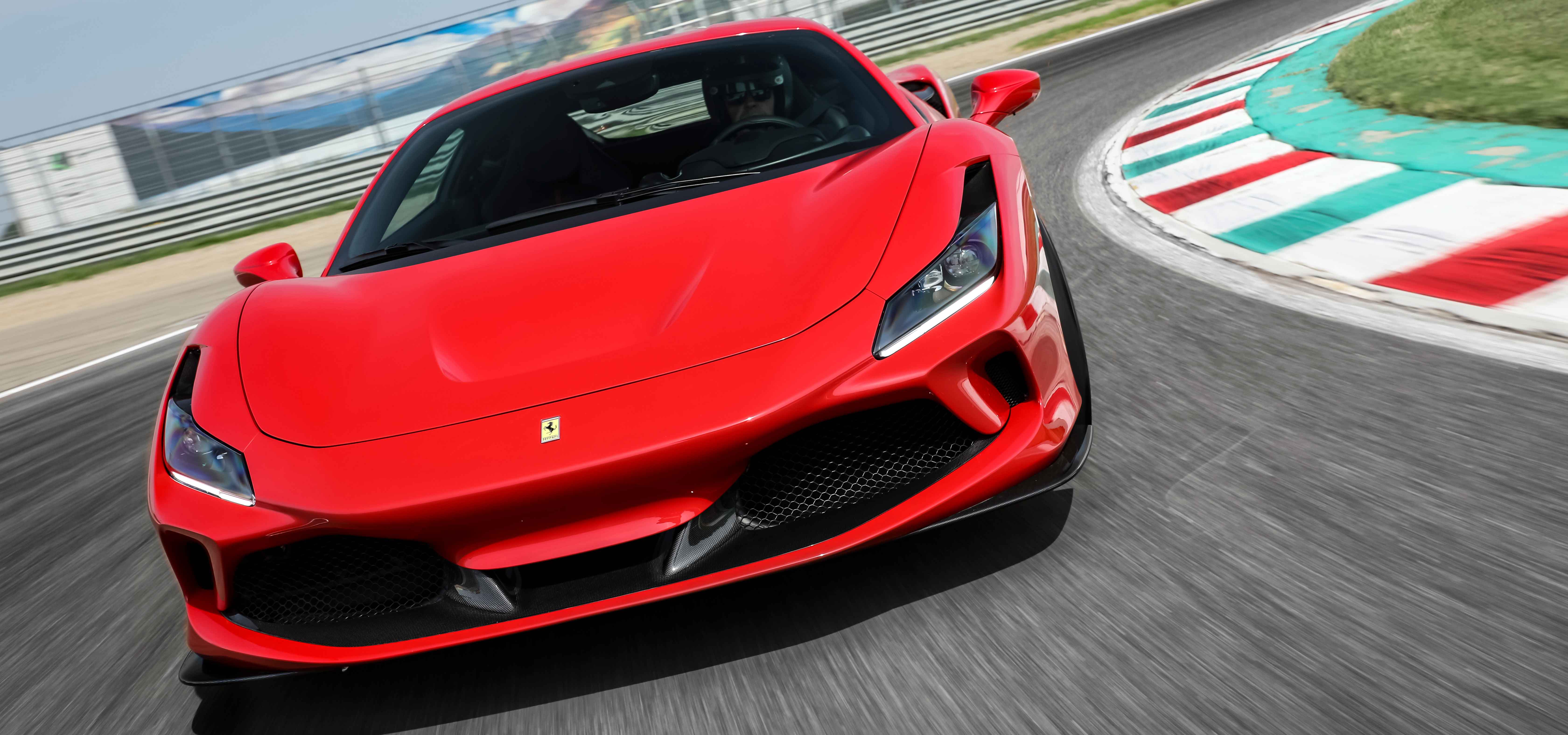
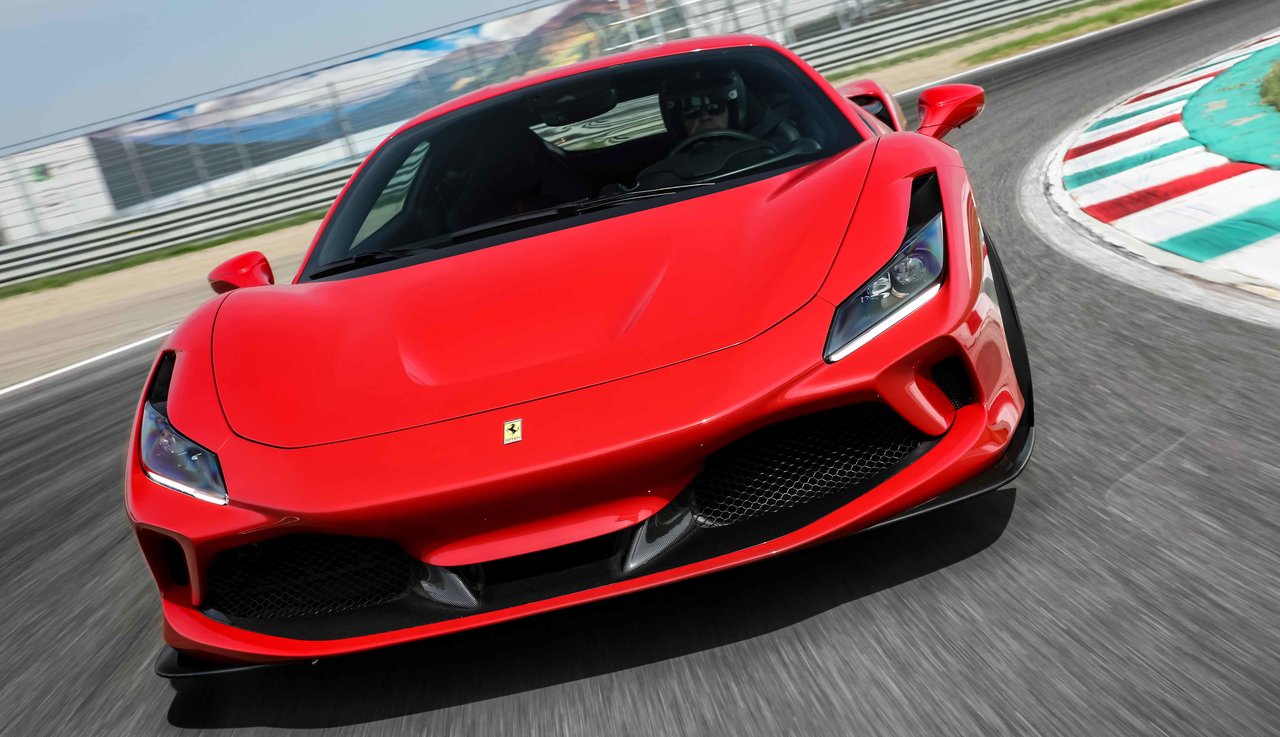
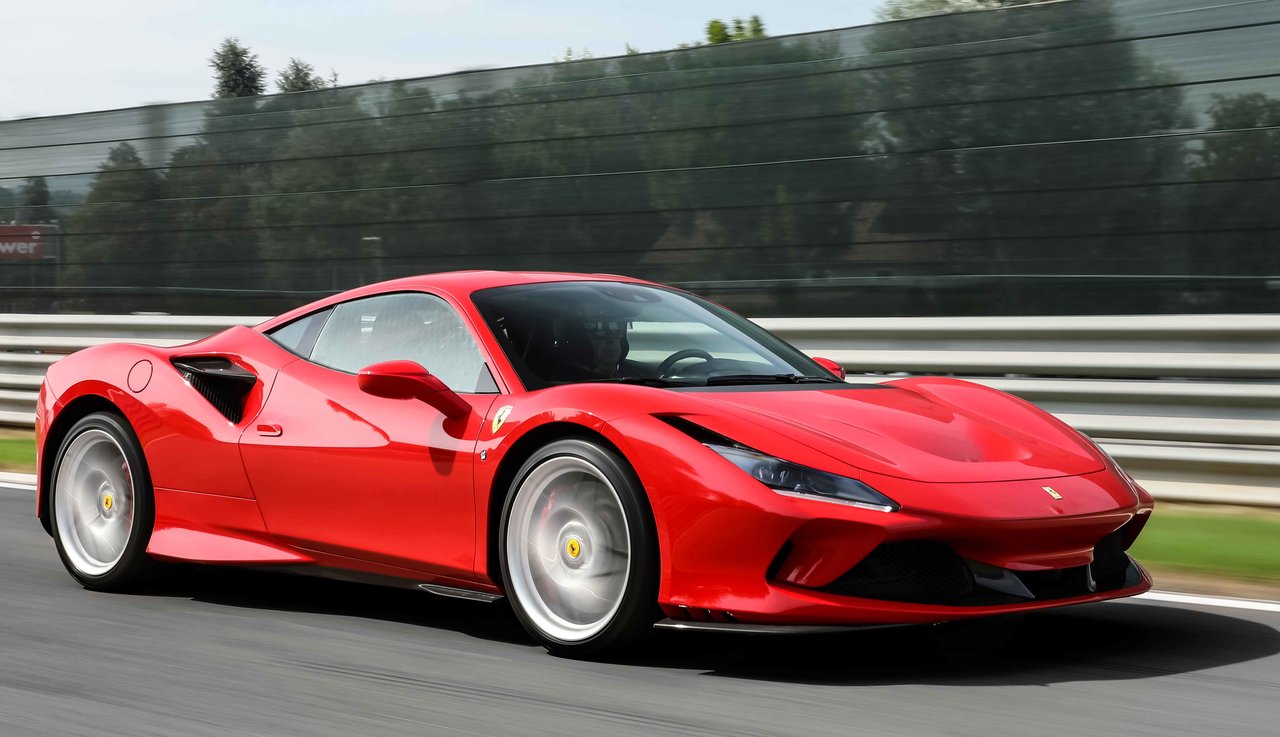
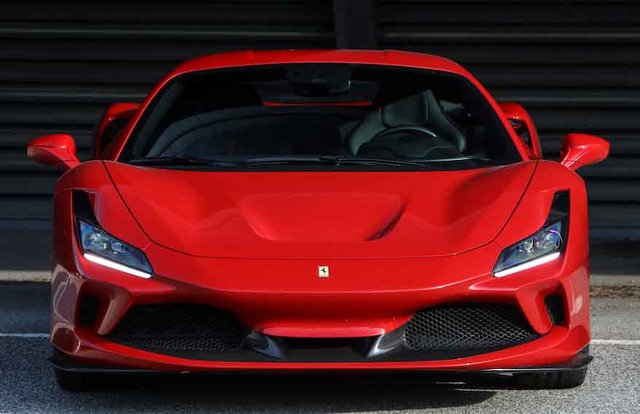
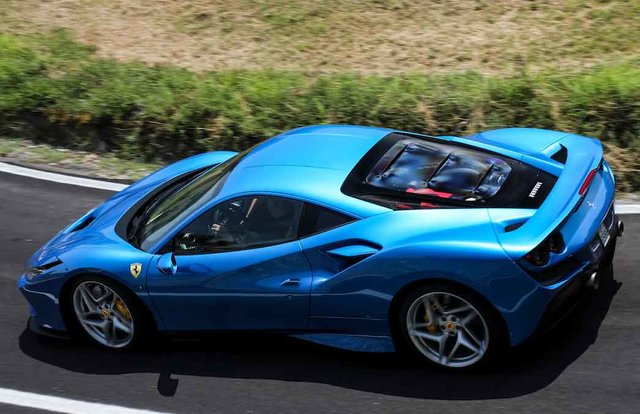
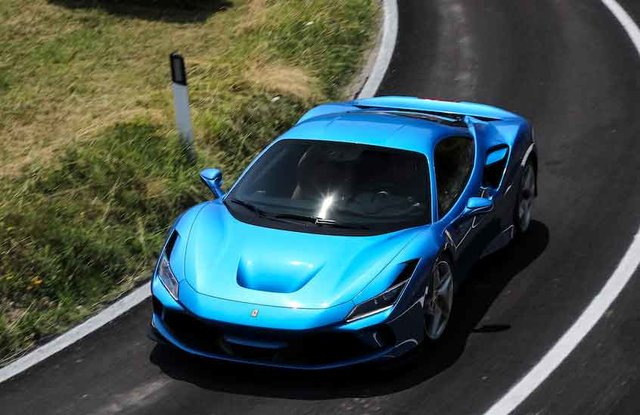
The Ferrari F8 Tributo, the latest V8 mid-ship model from Ferrari, debuted at the Geneva Motor Show in March 2019. We test-drove this model, which is also seen as the last V8 gasoline engine model without motor assist, in Maranello.
The Ultimate V8 Mid-Ship Ferrari!?
As you know, Ferraris are popular worldwide. They are treated specially in movies, and sometimes reported to fetch astronomical prices at classic car auctions. They are truly in a class of their own.
Of course, the same is true here in Japan, where their popularity directly translates into sales figures. In 2018, 767 units were sold. This figure far surpasses brands with models in the same price range.
For example, Lamborghini sold 543 units, Aston Martin 318, and Bentley 437. McLaren sold only 222 units. (Source: Japan Automobile Importers Association)
When it comes to popular Ferrari models, the series with V8 engines mounted mid-ship is a standout. The original is likely the 308GTB, released in 1975. Its lightweight car handling with a short wheelbase garnered significant support.
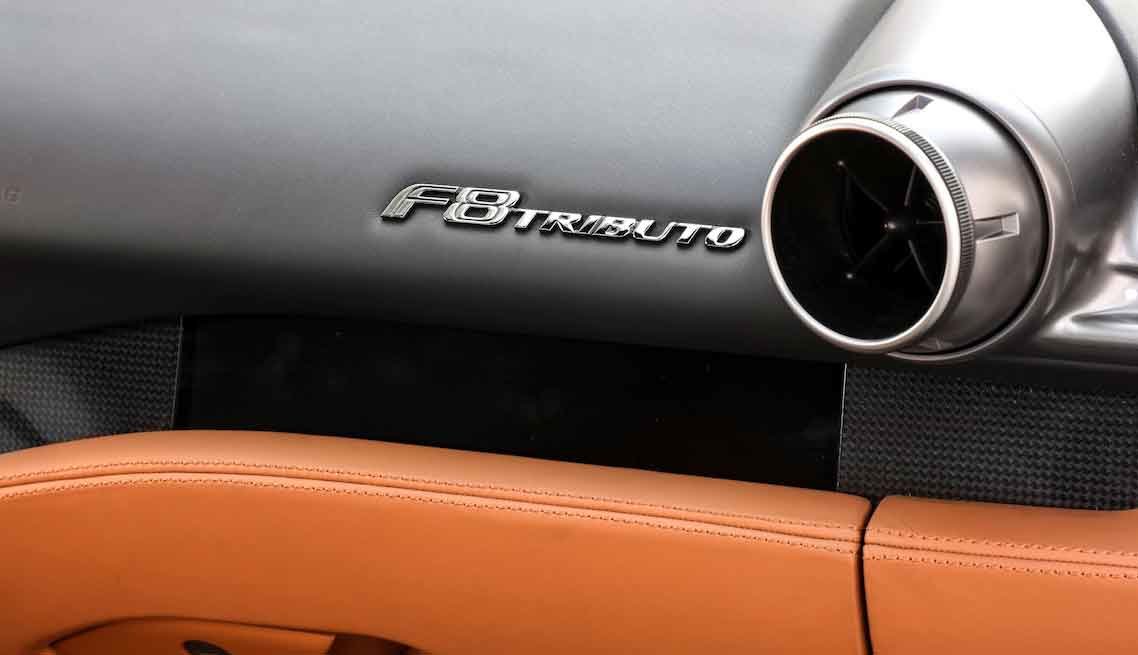
We test-drove the model considered to be the final iteration of this line: the F8 Tributo. Rumor has it that this will be the last model to feature a V8 gasoline engine without motor assist. Naming it with the Italian word for 'tribute' certainly evokes such a sentiment. The name, meaning 'praise' or 'gift,' is a fitting choice to mark the end of an era.
50ps More Power Than the 488GTB: A V8 Twin-Turbo
Now, let's delve into the car's details. There are three key areas to focus on: the engine, aerodynamics, and weight reduction.
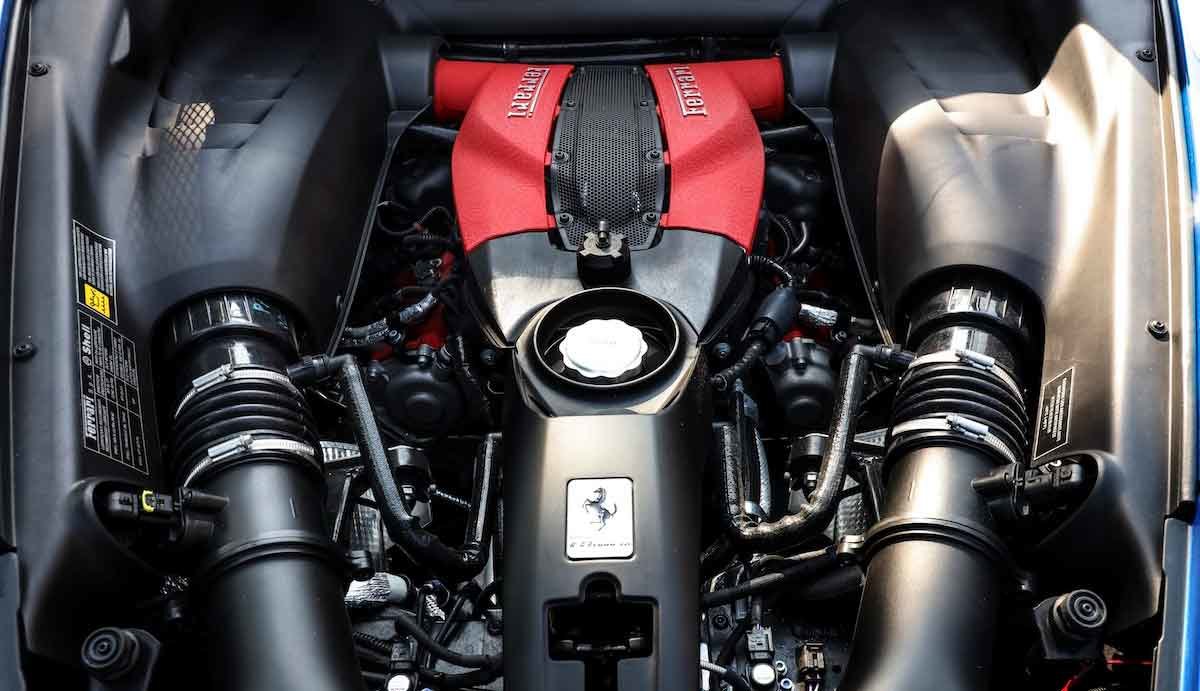
First, the engine. The 3.9-liter V8 twin-turbo designation remains unchanged. Recalling our test drive of the 488GTB, it was already more than sufficient. However, the F8 Tributo takes it a step further, boasting a maximum output of 720cv and peak torque of 770Nm.
This is 50ps more than the 488GTB, matching the high-performance version, the 488 Pista. Knowing that 'Pista' means 'circuit' in Italian, you can appreciate its special status. Furthermore, 50% of the engine components are new.
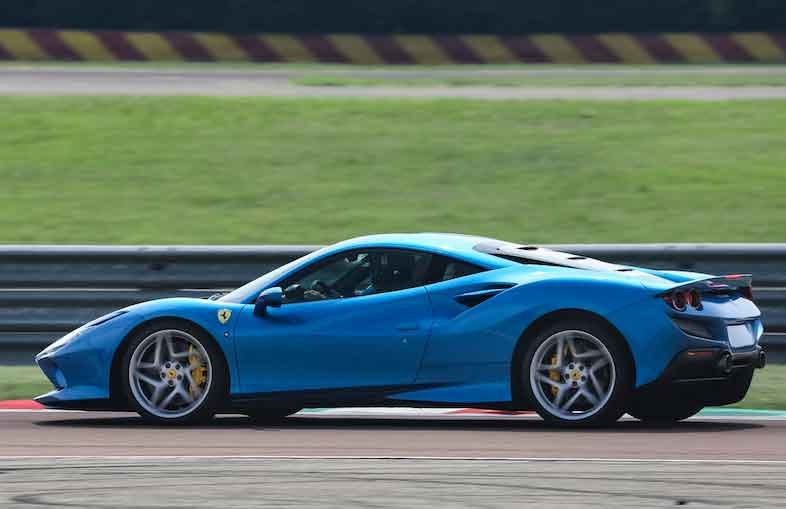
That said, the difference between 670ps and 720ps is not easily discernible in a real-world drive. Our test drive was scheduled for the Fiorano Circuit adjacent to Ferrari's headquarters in Maranello, but unfortunately, the wet conditions prevented us from pushing the car to its limits.
Nevertheless, we could feel the smoothness of its acceleration. This is a testament to the development team's dedication and skill in bringing turbo lag to an absolute minimum, making it exceptionally satisfying among V8 turbos. This level of refinement is truly characteristic of Ferrari.
Impressive Comfort and Usability
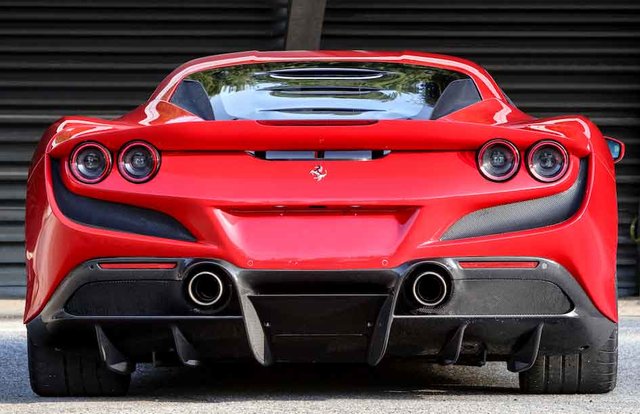
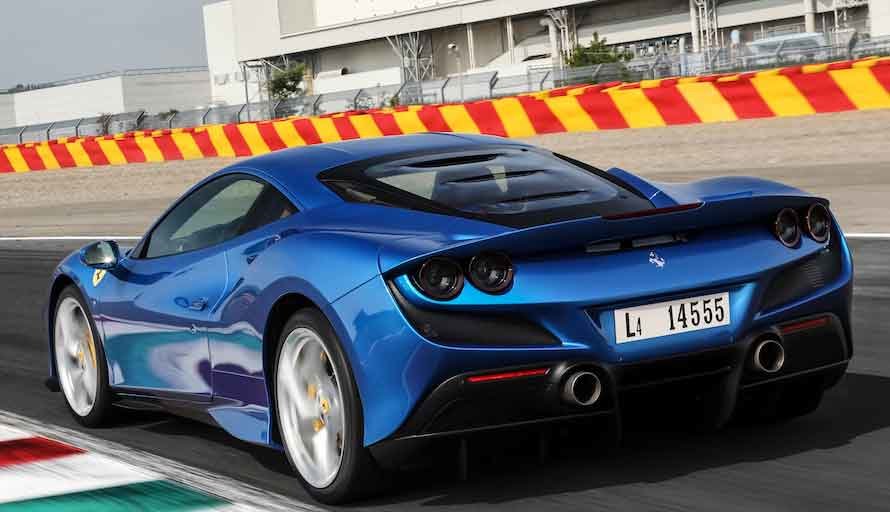
Aerodynamics have been enhanced through the body side design, underbody, and rear spoiler, achieving improved figures. Ferrari's in-house wind tunnel facility likely plays a significant role. Given Ferrari's heritage as a racing constructor, such a focus on aerodynamics is perhaps standard practice.
In terms of weight reduction, the vehicle's weight has been decreased by 40kg from the 488GTB's 1475kg to 1435kg. This was achieved through a review of materials, including the use of titanium in some engine components...
Continuing with such details would require a whole book, so we'll omit further technicalities. However, the driving impression is overwhelmingly smooth and easy to handle.
Despite the numerous speed bumps throughout Maranello, which make for a challenging driving environment, the ride quality was excellent and comfortable. We experienced no difficulties navigating narrow streets. While 'an easy-to-drive Ferrari' is often a sales pitch for front-engine models, it seems applicable to this mid-ship as well.
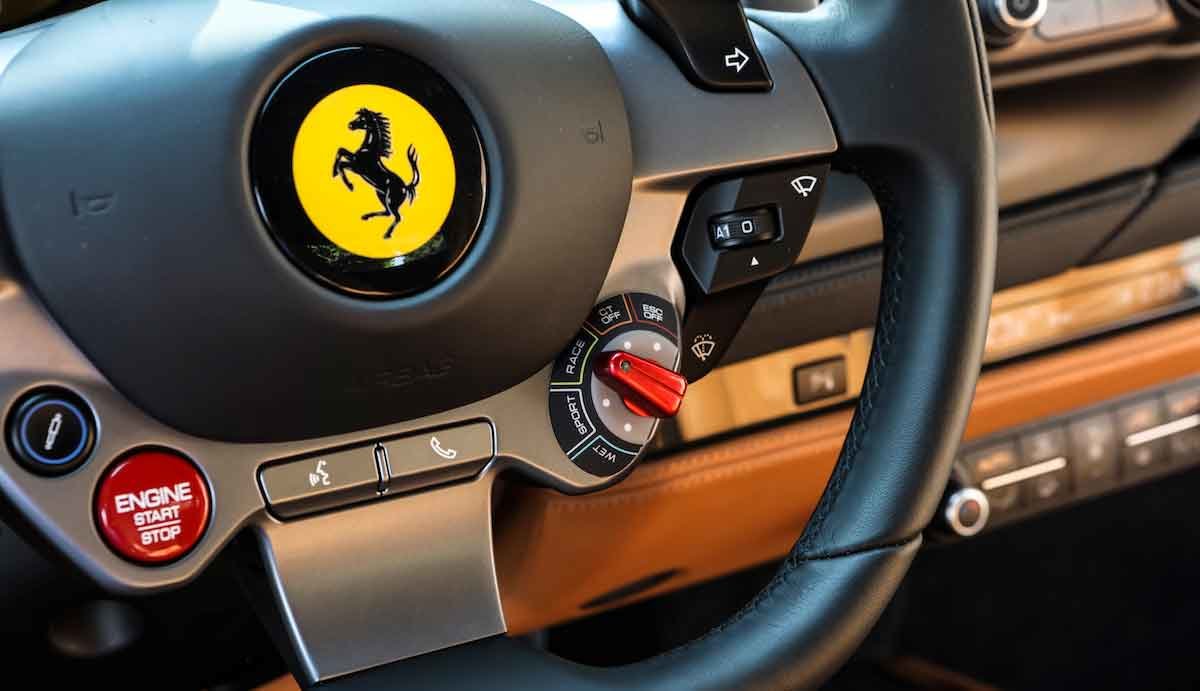
Additionally, I must mention the high reliability of the wet mode. We drove the Fiorano Circuit with Ferrari's 'Manettino' drive mode selector set to 'Wet,' and the smoothness and precision of the control were surprisingly high. Understeer and oversteer were expertly managed. In a way, experiencing this was fortunate. After all, how often do you get to drive a Ferrari on a wet track?
This concludes our first impression. As always, driving a Ferrari is a joy, anytime and anywhere. Personally, I would love to see a naturally aspirated V8 engine 'tributed' as well, but that's another story.