
December 26, 2022
Test drive the new Daihatsu Move Canbus—a car recommendable even for fathers with extensive car histories | DAIHATSU
A Level of Refinement That Makes You Question If It's a Kei Car
The turbo model is equipped with a newly developed transmission called "D-CVT" as a dedicated feature. Conventional belt-driven CVTs (Continuously Variable Transmissions) are well-suited for smooth acceleration, but they have drawbacks at very low and high RPMs.
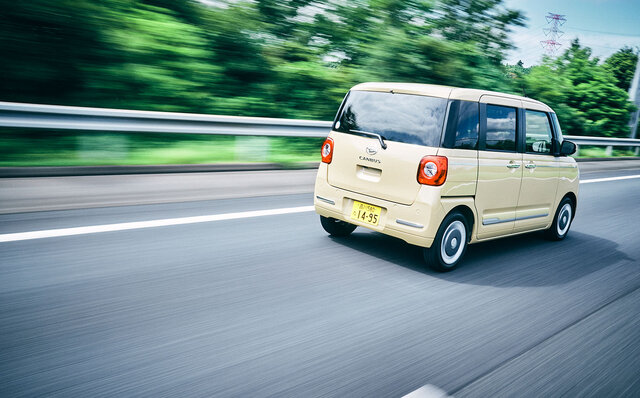
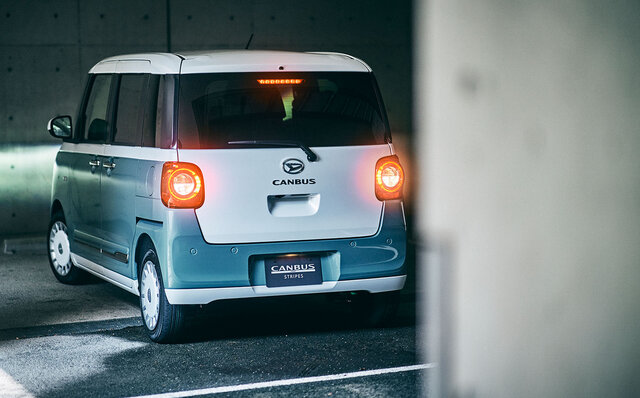
While Daihatsu and its group company Toyota use CVTs in their compact cars, they can be less responsive at low and high RPMs, and the belt mechanism can sometimes produce an unpleasant high-pitched whine. This is where the D-CVT comes in. It's a transmission that uses special gears at low and high RPM ranges to overcome these weaknesses.
The effect is indeed remarkable. The characteristic metallic noise of a CVT during acceleration is absent. It's similarly quiet during highway cruising. It's surprisingly silent, the suspension is well-tuned, offering a moderately sporty yet comfortable ride. The ride is flat and exhibits a high degree of refinement. It truly makes you question if it's a kei car.
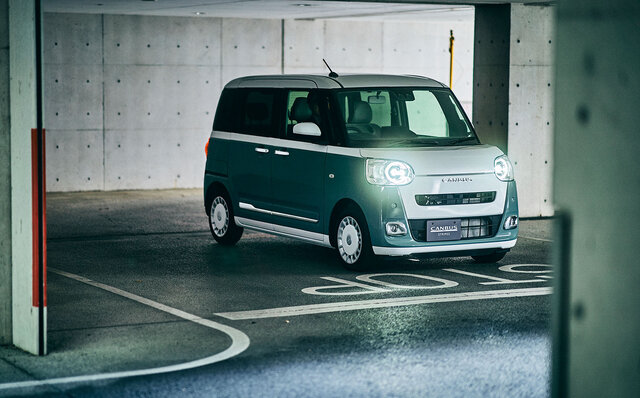
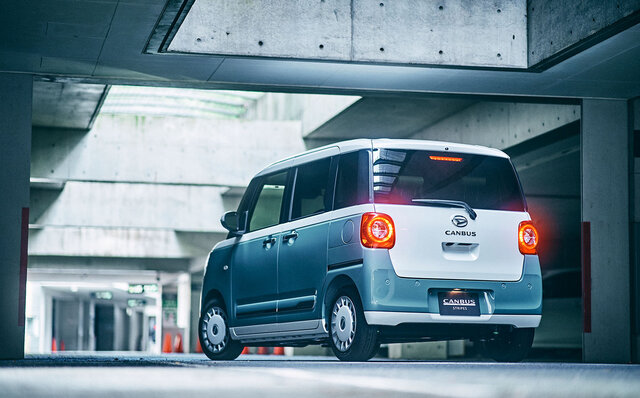
The Move Canbus's main drawback is its lack of steering feedback. On the highway, despite the excellent chassis performance, there's a disconnect between the front wheel angle and the steering wheel's movement, which can feel slightly unnerving at first. It's a shame it falls short in this area.
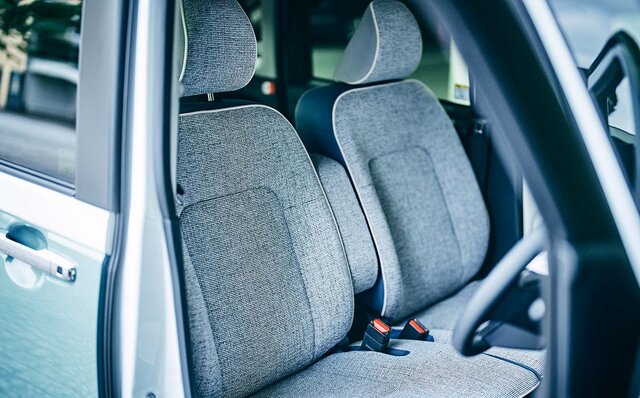
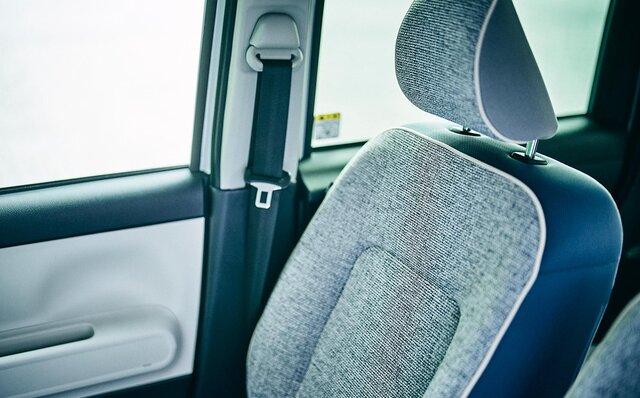
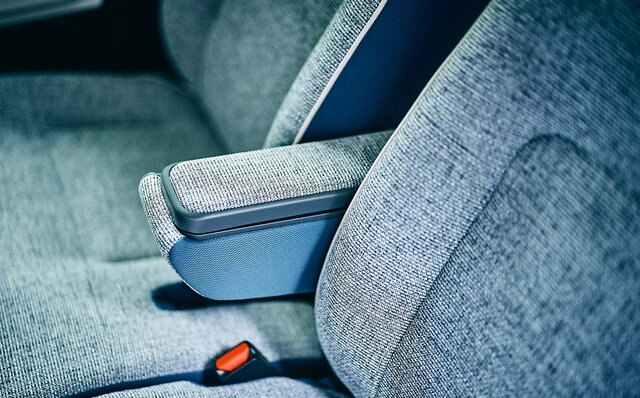
The interior quality is also quite high, with a sophisticated sense of style. Whether it's the "Stripes" model emphasizing cuteness or the "Theory" model with its mature appeal, the seat materials have a pleasant, cotton-like feel rather than striving for an overly luxurious texture.
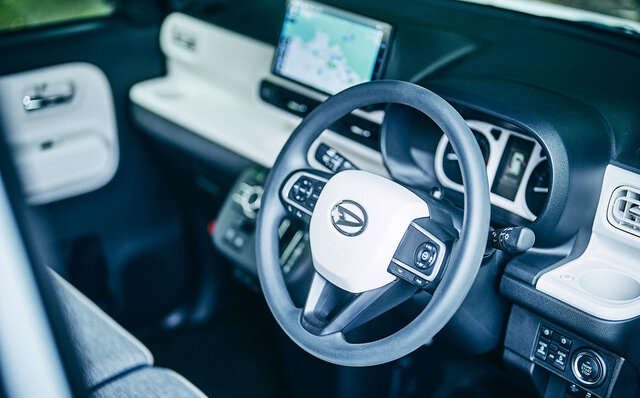
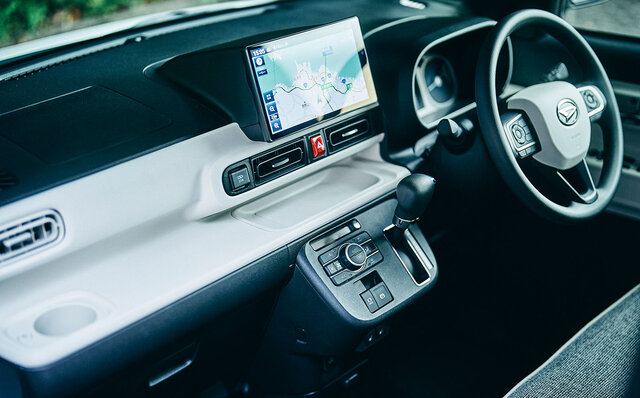
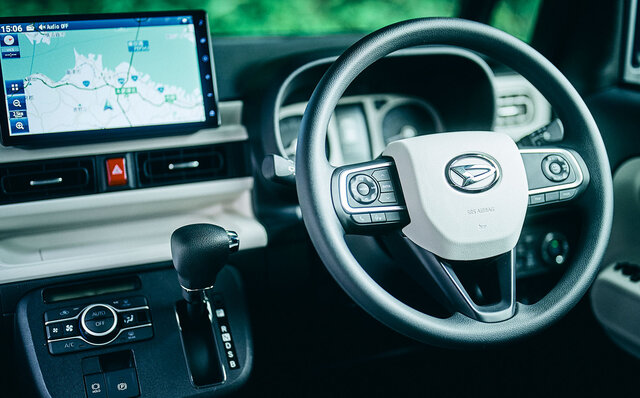
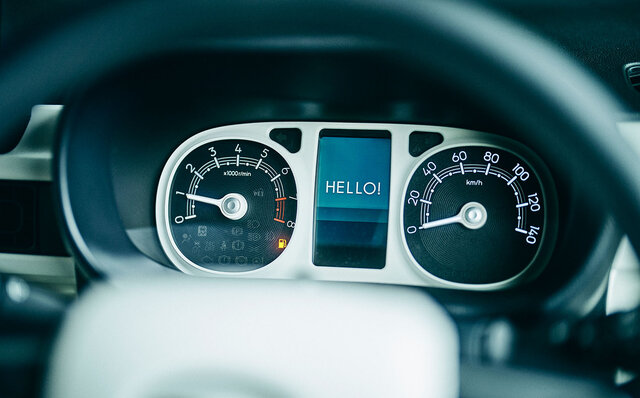

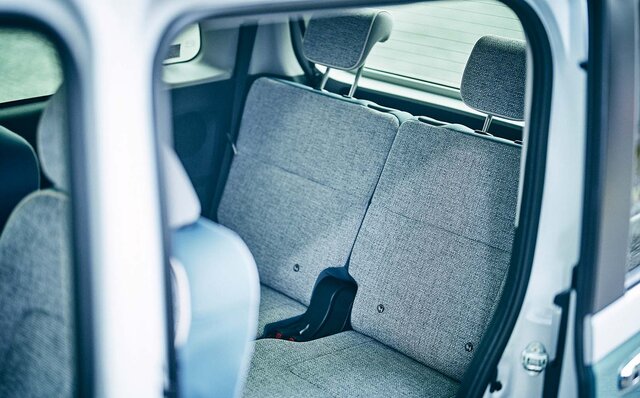
The tactile feel and seating comfort are excellent. While the rear seatback angle cannot be adjusted, the seats can slide forward and backward independently by up to 23 centimeters, providing ample legroom when the cargo space is not in use.
I haven't driven it on long journeys, so I can't comment on fatigue levels, which is a shame. With the turbo, the drive is not sluggish, and noise from the drivetrain, wind noise, and road noise are all kept to a minimum. This makes you want to take it on a long trip.
Optional Alpine coaxial speakers can be fitted front and rear. While I haven't tested the sound quality, the display audio system appears user-friendly, so if I were buying one, I would definitely choose this option.
The driver assistance systems are also comprehensive. Features such as adaptive cruise control, lane keeping assist, panorama monitor, forward vehicle start notification, traffic sign recognition, and automatic high beam switching are available, including optional equipment. Daihatsu Connect and display audio are also optional.
The fuel economy for the front-wheel-drive turbo model is 22.4 km/L (WLTC). The price for the Turbo G (both "Theory" and "Stripes" grades) is ¥1,793,000 for front-wheel drive and ¥1,919,500 for 4WD. If you live in an area with little snow, I would recommend the front-wheel-drive version.
Contact
Daihatsu Motor Co., Ltd. Customer Call Center
Tel. 0800-500-0182
https://www.daihatsu.co.jp/