Superbly balancing on-road and off-road performance—Test drive of the new Defender | Land Rover
Land Rover Defender | LAND ROVER
Finally, a Test Drive of the New Defender
In 2019, the iconic Land Rover "Defender" underwent a full model change for the first time in 71 years, garnering attention for its retro-modern styling. We promptly test-drove the model that has now arrived in Japan.
Text by FUMIO Ogawa Photographs by Land Rover Japan
Performance That Lives Up to the Land Rover Name
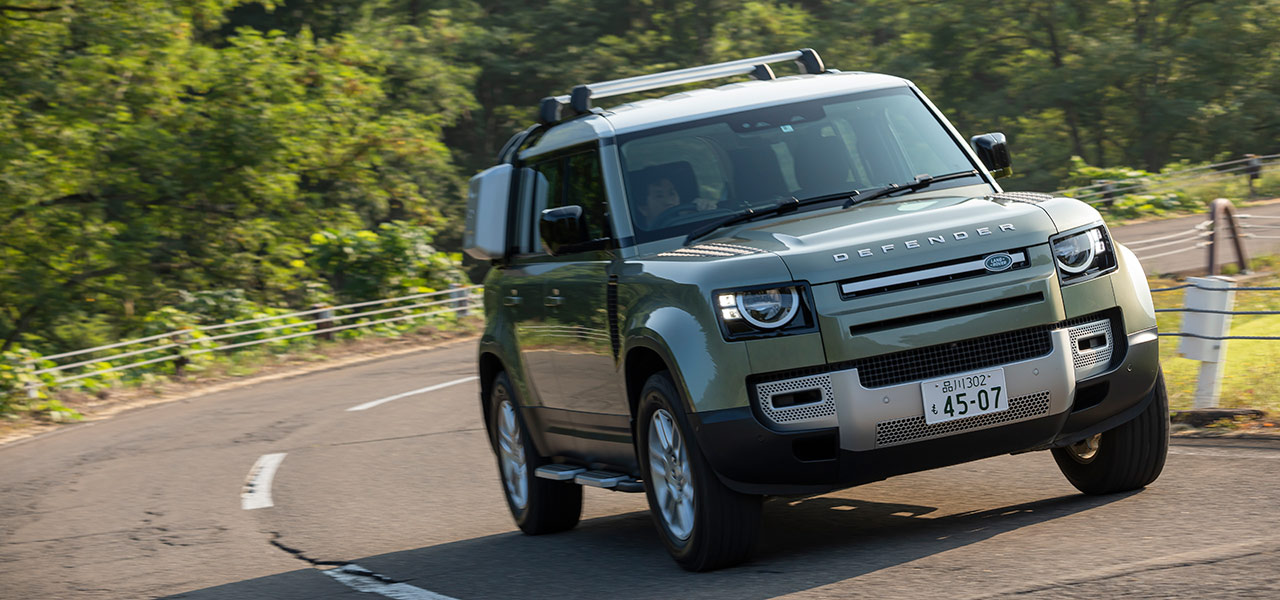
The new "Defender" from Land Rover has arrived in Japan. When it debuted in 2019, it generated significant buzz with its retro-stylish design reminiscent of the original model and its touted new technologies.
All-wheel-drive system, twin-speed transfer gearbox, electronic control air suspension (with Adaptive Dynamics), Terrain Response, and more are standard on all models.
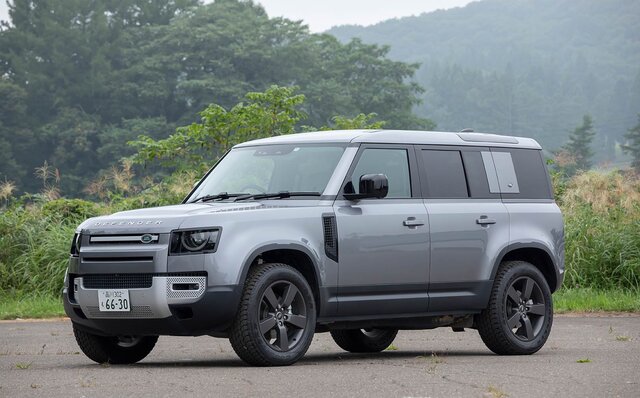
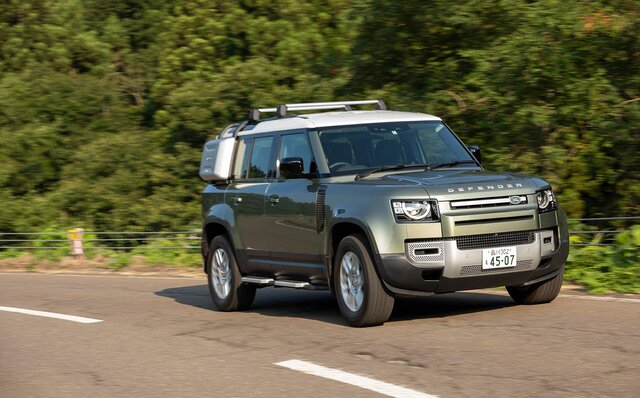
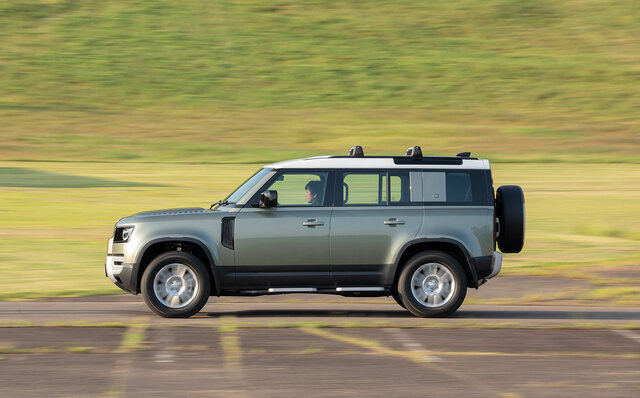
The new Defender is available in two body styles, "90 (Ninety)" and "110 (One Ten)," similar to the previous generation. We were able to test drive the latter, which features a long wheelbase of 3,020mm.
Many seem intrigued by the "90," with its compact body and design that strongly evokes the original model (which debuted in the 1940s) before it was even named the Defender.
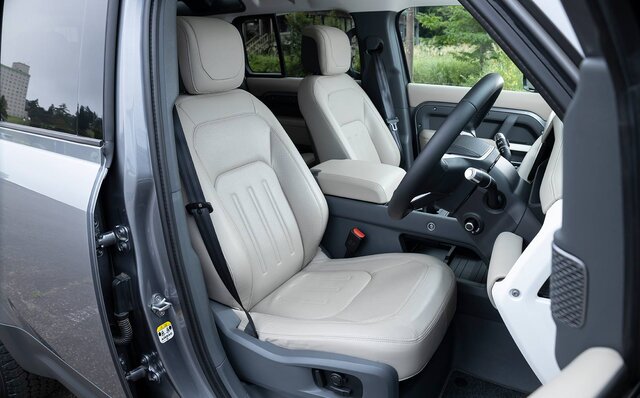
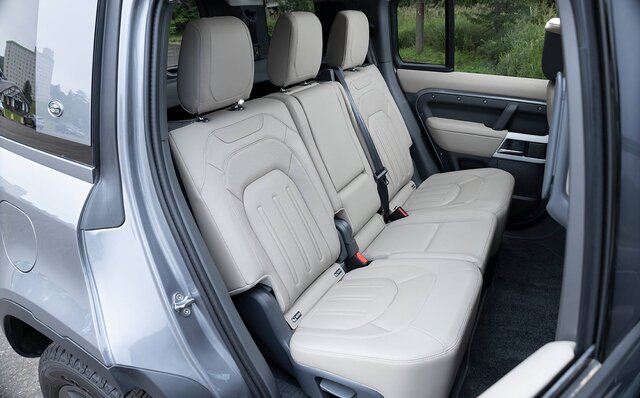
Though appearing to be rugged off-road seats, they are comfortable and minimize fatigue.
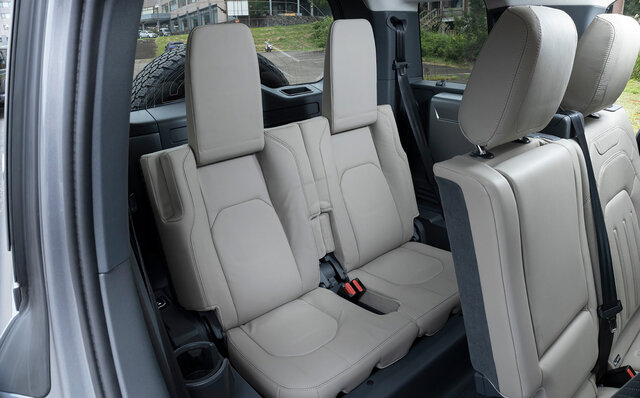
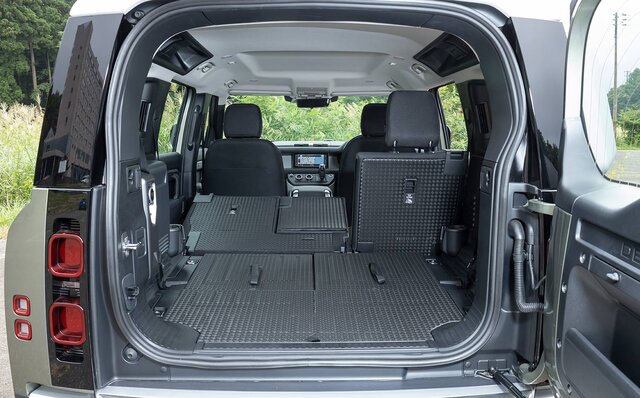
Available as a 5-seater or a 7-seater with three rows.
Available as a 5-seater or a 7-seater with three rows.
According to Land Rover Japan, production has not proceeded as planned due to the impact of the COVID-19 pandemic. At this stage, perhaps fans should be grateful just to be able to obtain one.
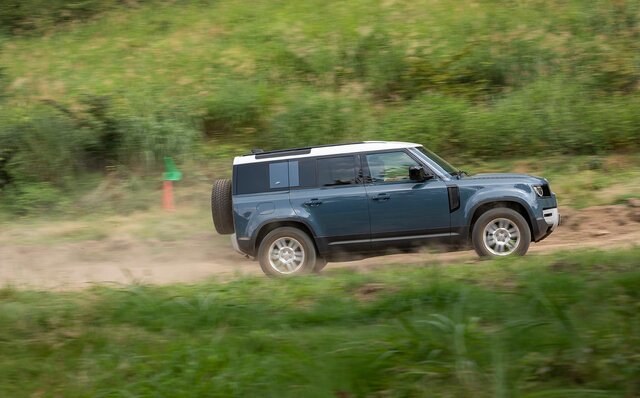
The 110 is indeed an impressive model. To get straight to the point, it features sharp, agile handling on-road with a solid suspension system, while also delivering performance off-road that lives up to the Land Rover name. It's a superb balance.
A Surprisingly Urban Driving Experience
The first part of our test drive route was on-road, from Joetsu-Myoko Station in Joetsu City, Niigata Prefecture, to APA Resort Joetsu Myoko, which features an 18-hole golf course.
The 2.0-liter 4-cylinder gasoline turbo engine, producing 221kW (300ps) – the most powerful in Land Rover's "P300" engine lineup – delivers strong power from around 3000rpm. Frankly, the first impression was, "Is this an SUV for on-road use?"
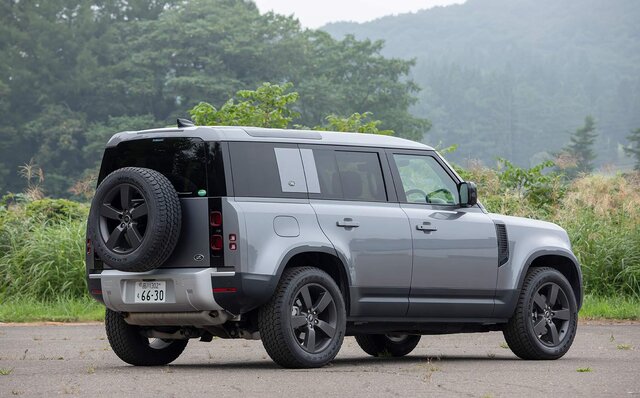
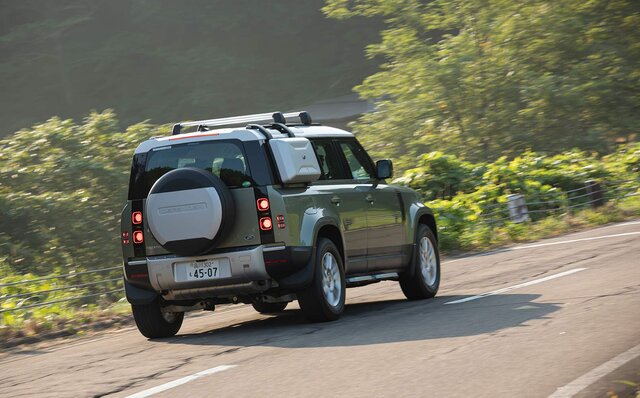
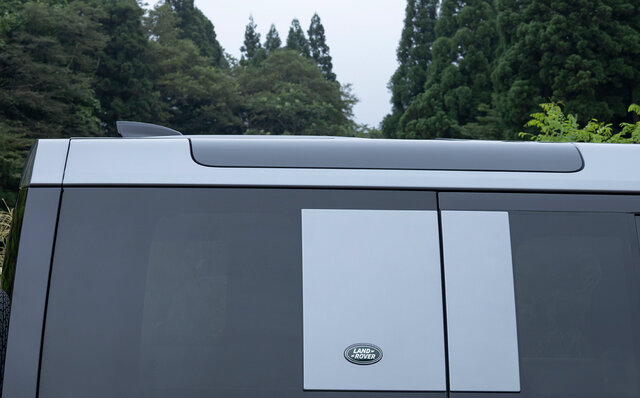
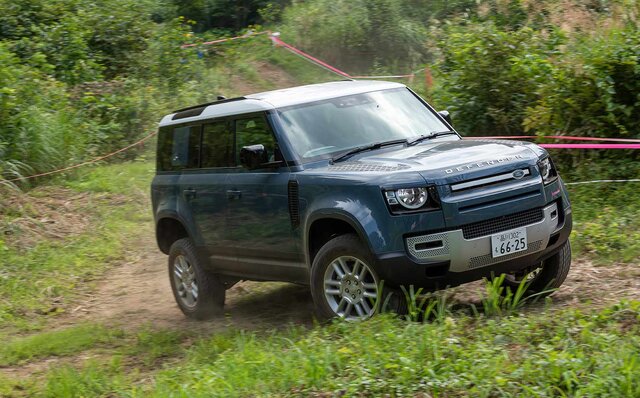
The vehicle pictured is equipped with the "Exterior Side Mounted Gear Carrier" (the white box next to the rear quarter window), which is part of the "Adventure Pack" and "Explorer Pack" (there are four accessory packs in total). Note that it obstructs the view of the side-view mirror, so be aware.
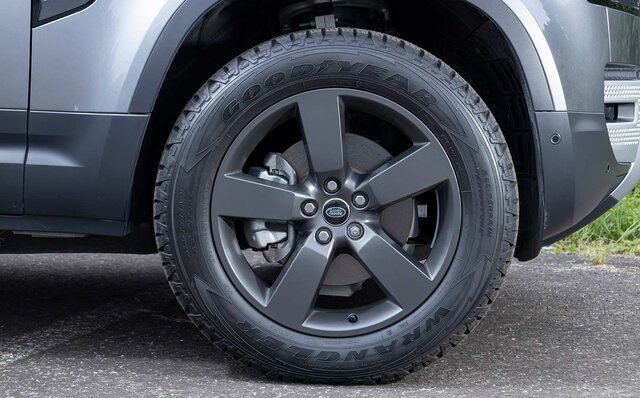
As mentioned earlier, the steering wheel provides detailed feedback from the road surface, and the vehicle responds instantly to even slight movements around the center. Despite being equipped with off-road tires as standard (though they can be replaced with all-season tires if desired), the ride is quite firm.
The maximum torque of 400Nm is generated from 2000rpm. This engine performs best when kept at higher revs. When driven this way, you forget the vehicle's size – 4945mm long and 1970mm high – and can enjoy a sporty drive.
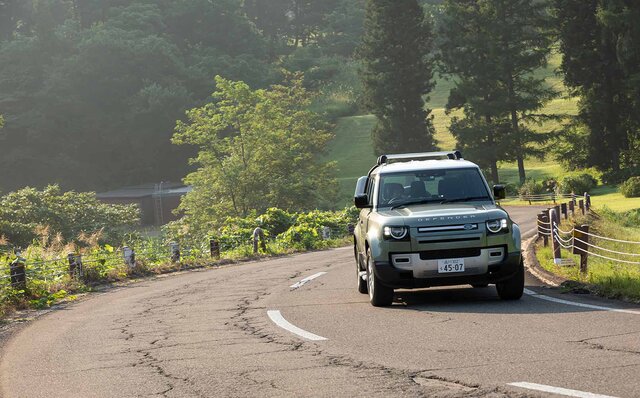
It handles winding mountain roads with consecutive tight corners with ease, allowing the driver to follow the intended cornering line precisely. It reminded me that the first letter of SUV stands for "Sport."
As readers likely know, the Land Rover originated in 1947 from the concept of engineer Maurice Wilkes, who admired the versatility of the Jeep and desired a similar vehicle for Britain. While I expected the new Defender to strongly follow this lineage, its surprisingly urban driving feel was a pleasant surprise.
A Design-Centric Approach is Essential for Brand Survival
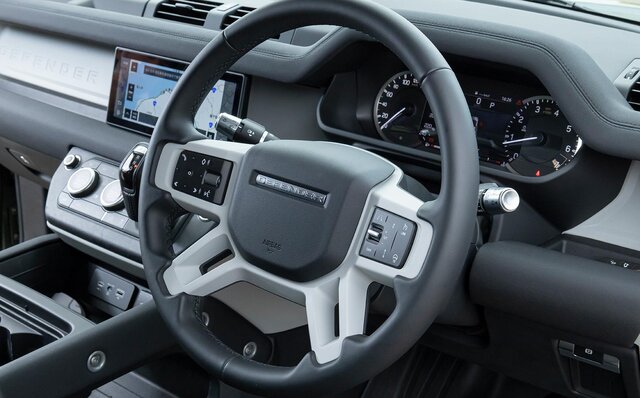
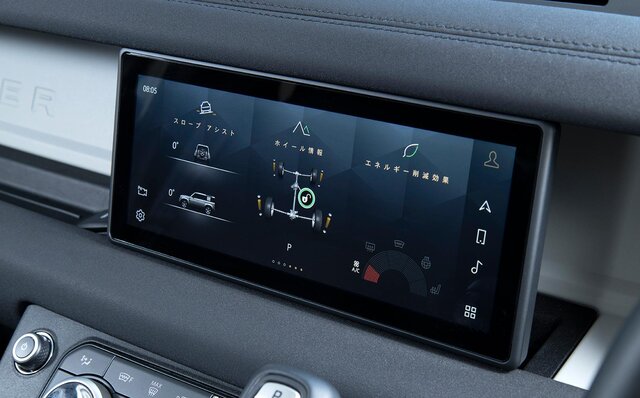
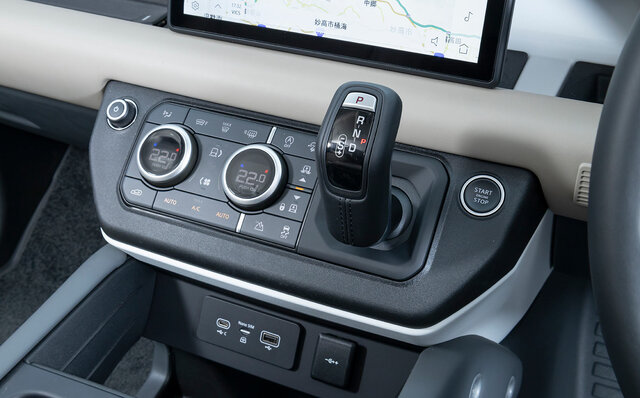
In terms of its urban feel, the interior design, including the dashboard, is similar. The designers intentionally exposed screws, reminiscent of the bare metal interiors of the past that lacked even synthetic covers. While this also contributes to the retro-stylish aesthetic, the icons for the various controls are highly refined, and at first glance, it can be momentarily unclear what they represent.
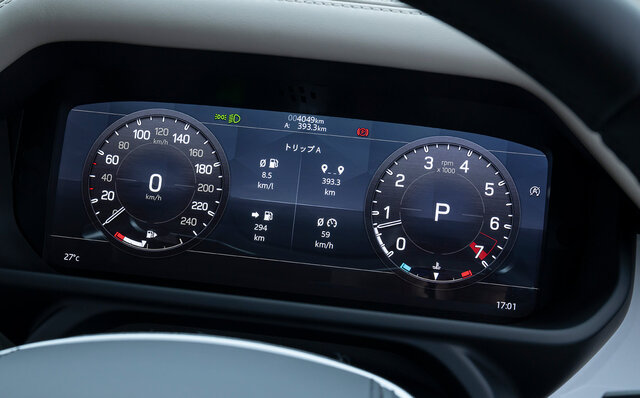
The dashboard features a liquid crystal control panel with a 10-inch touchscreen.
"The result of considering what is necessary for the brand to survive is the adoption of a design-centric approach. Previously, Land Rover vehicles focused on expressing functionality, but now we are actively developing a new design language to rebuild the brand."
I recall Gerry McGovern, Land Rover's Chief Creative Officer, saying this when he visited Japan in November 2019 with a running prototype of the new Defender.
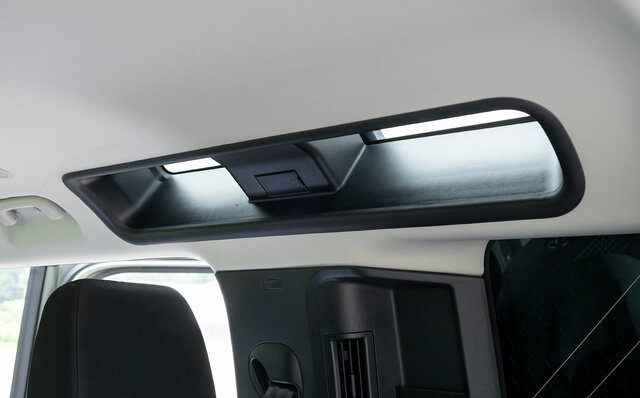
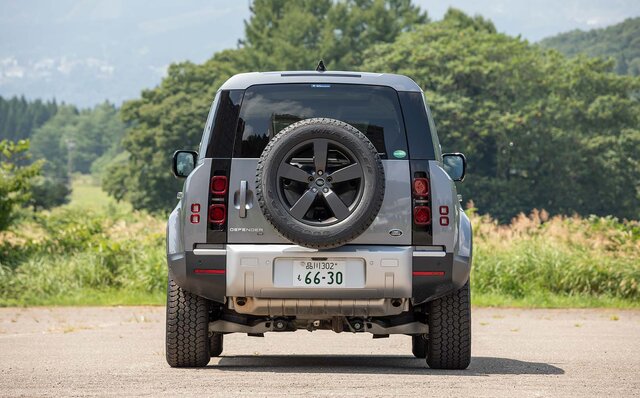
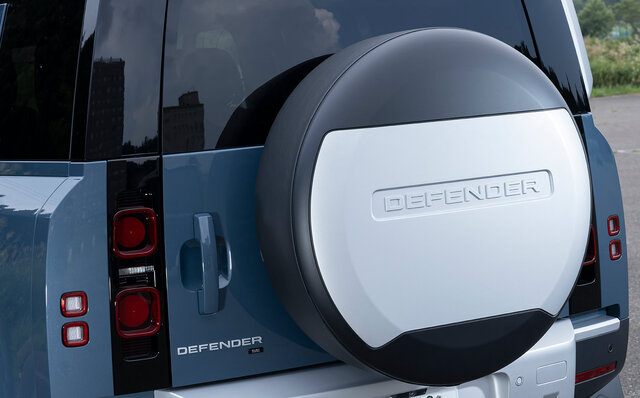
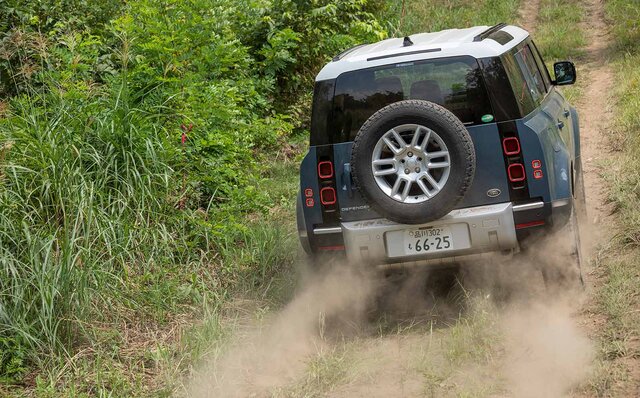
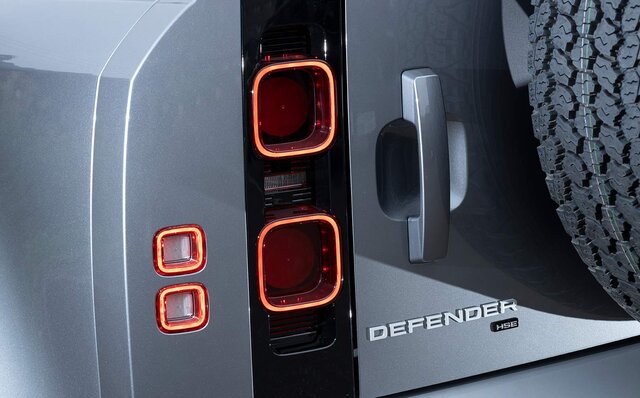
The "Alpine Light" windows at the rear of the roof, the side-hinged tailgate, and the externally mounted spare tire are design elements that pay homage to the original. Furthermore, the lightweight aluminum monocoque structure, developed with what is described as "extreme environment" in mind, is said to be the "strongest body in Land Rover's history."
Unwavering Off-Road Capability
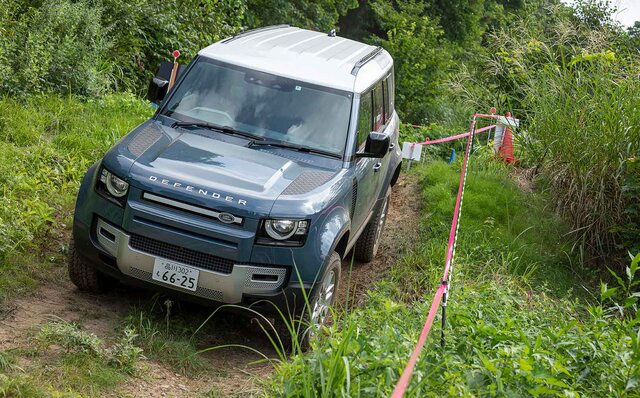
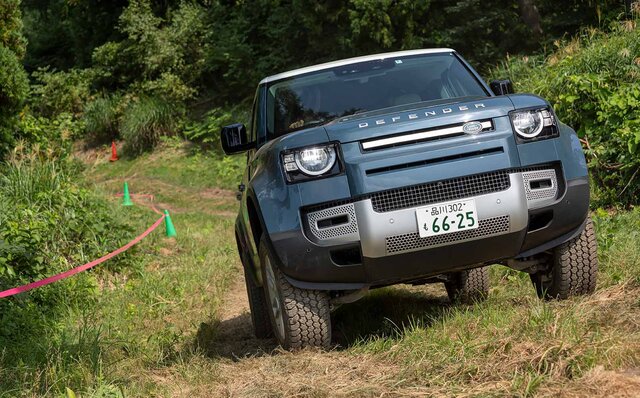
While perhaps not "extremely extreme," Land Rover Japan had prepared an off-road course specifically for 4WD vehicles as the second part of our test drive. It was an interesting course that would likely become muddy after rain, but on this day, it was covered in dry, fine soil.
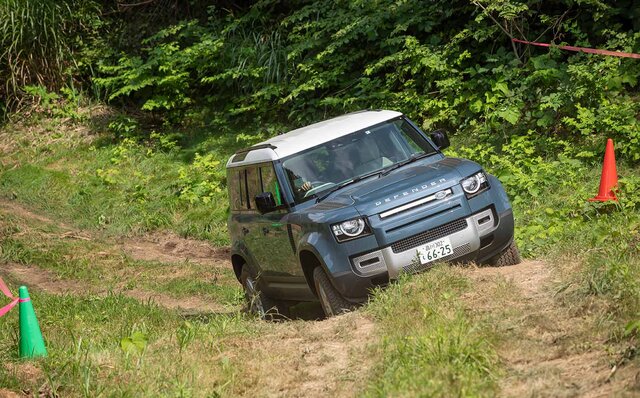
I wondered how it would perform, especially right after the on-road drive, and entered the course with some skepticism about the 110's off-road capability. The 110 has an approach angle of 38 degrees and a departure angle of 40 degrees for descending and ascending steep slopes, respectively. The numbers seemed fine. In reality, its off-road performance was fully demonstrated.
I was particularly impressed with the suspension. While I had concerns about its performance on rough terrain given its solid feel on-road, those worries proved unfounded. Even on surfaces with various undulations, the vehicle maintained a remarkably flat posture. The driver's line of sight remained steady.
It handled steep ascents and descents with ease. On this occasion, I selected "low gear" on the "twin-speed gearbox" and used a feature called "All-Terrain Progress Control," setting the speed limit to 10 km/h. Even at higher speeds, there was no sense of unease.
As Land Rover claims, the suspension arms are long, allowing the tires to maintain a firm grip on the road surface. Furthermore, torque is automatically distributed to all four wheels, significantly reducing driver anxiety.
I recall that the Range Rover Velar and Evoque, also known for their stylish designs, also had high off-road capabilities. Land Rover maintains its fundamental values, even with stylish bodies.
You Grow Fond of It the More You Drive It
"When developing the new Defender, we first established four key elements: Modularity, Relevance, Desirability, and Emotional Connection."
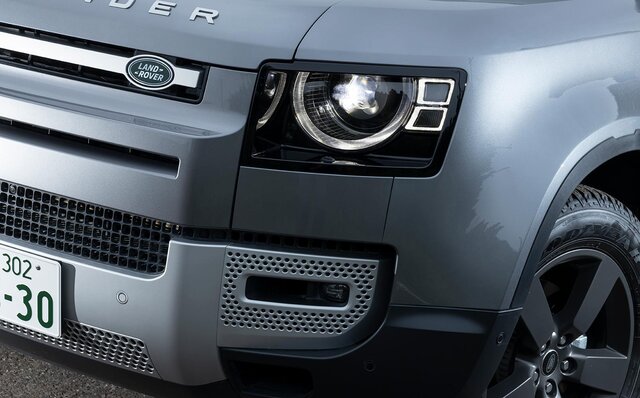
The circular LED daytime running lights and the LED lights beside them are design elements reminiscent of older Land Rovers.
McGovern added, "We considered the fourth element, Emotional Connection, to be particularly important." Indeed, with its spacious yet stylishly modern interior, it's true that you grow fond of it and feel a strong connection to it as your own vehicle.
The 110 series is priced from the standard model (5.89 million yen) to the "S" at 6.63 million yen, the "SE" at 7.32 million yen, and the "HSE" at 8.12 million yen. The drivetrain, including the "P300" engine, is common across all models.
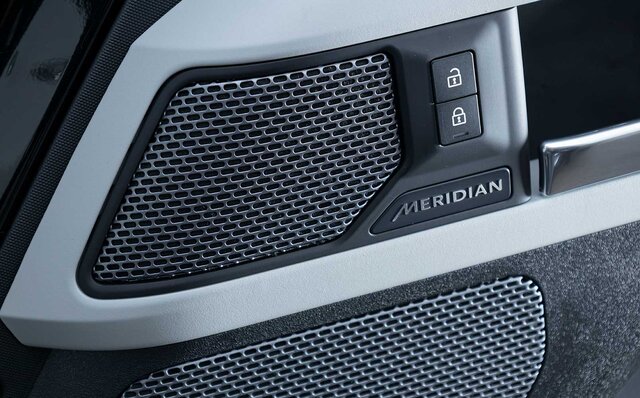
Features vary by trim: leather seats (S and above), LED headlights (same), center console (same), keyless entry (SE and above), Clear Sight Room Mirror using a camera (same), Blind Spot Assist Pack (same), and MERIDIAN™ Sound System (400W, 10 speakers + subwoofer) (same).
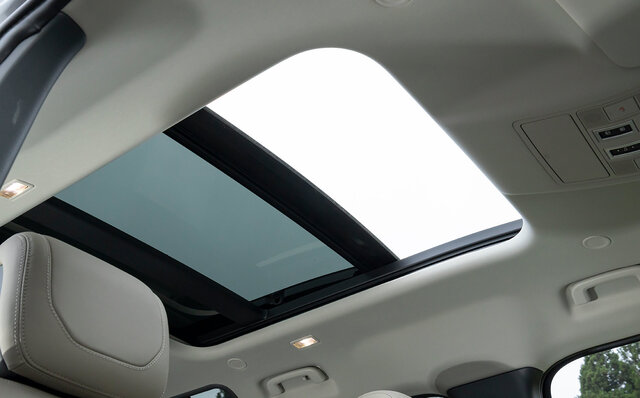
The top-tier "HSE" model includes the aforementioned features, plus a sliding panoramic roof, Matrix LED headlights, "Extended Leather Upgrade," and "Driver Assist Pack." Tire sizes also differ by model; the HSE is equipped with 20-inch rims and large-diameter wheels.
Inquiries
Land Rover Call Tel. 0120-18-5568 (9:00-18:00, excluding Saturdays, Sundays, and holidays) https://www.landrover.co.jp/