January 28, 2020
Even if it becomes electrified, I want this form to remain – A test drive of the new G350d with its inline-6 diesel engine | Mercedes-Benz
Mercedes-Benz G350d | MERCEDES-BENZ G350d
Test Drive: The New G350d with Inline-6 Diesel Engine
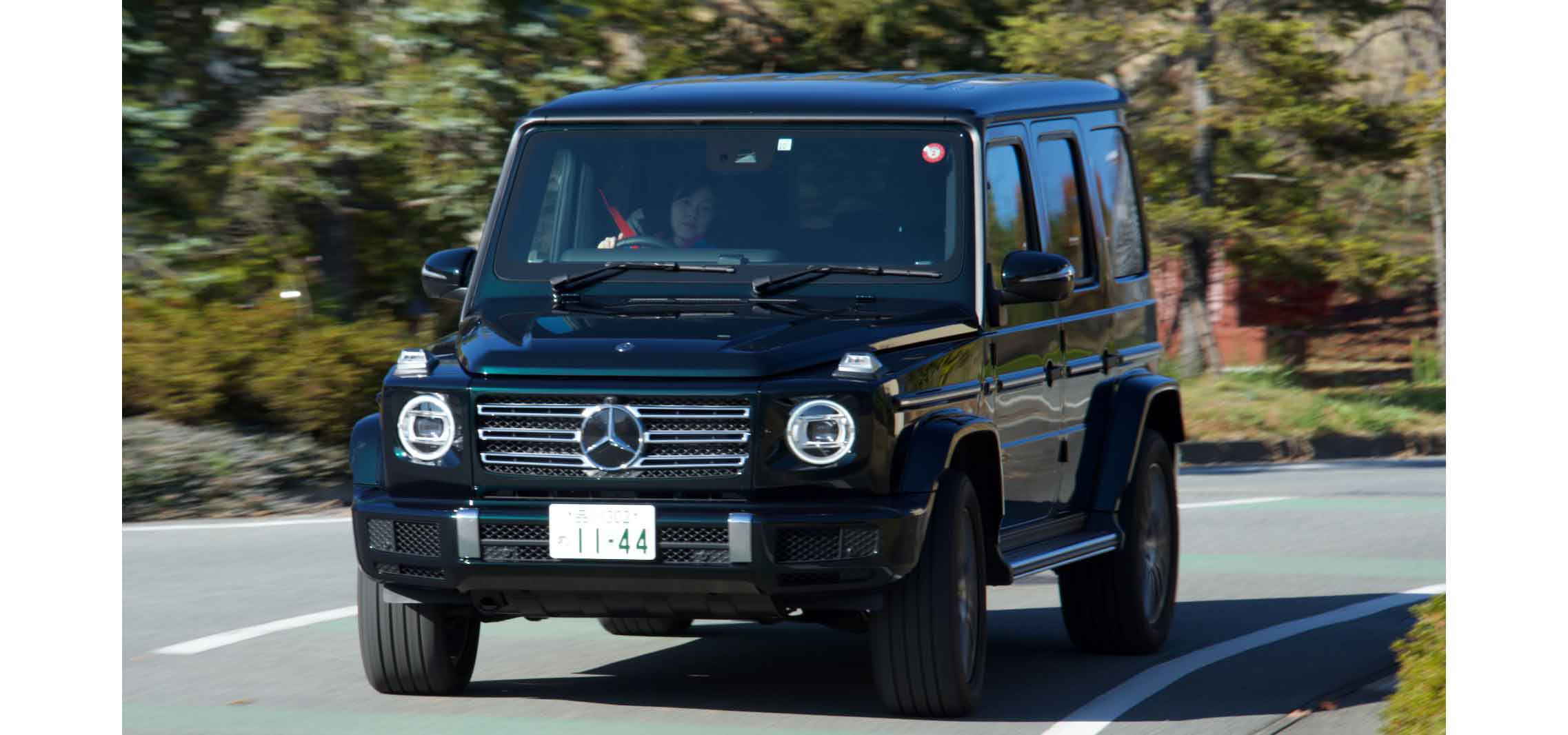
The Mercedes-Benz G-Class underwent a full model change in 2018, transforming into a completely new vehicle while retaining its signature boxy design. We test-drove the G350d, a model that has garnered significant attention for its inline-6 clean diesel engine.
Text & Photographs by HARA Akira
Maximum Torque Delivered 400 RPM Lower Than Before
As its history suggests, having been officially adopted by NATO as a military vehicle shortly after its debut in 1979, the Mercedes-Benz G-Class, affectionately known as the "Geländewagen," has captivated with its robust body and formidable off-road capability. While the iconic boxy design remained, the powertrain was updated over nearly four decades of production.
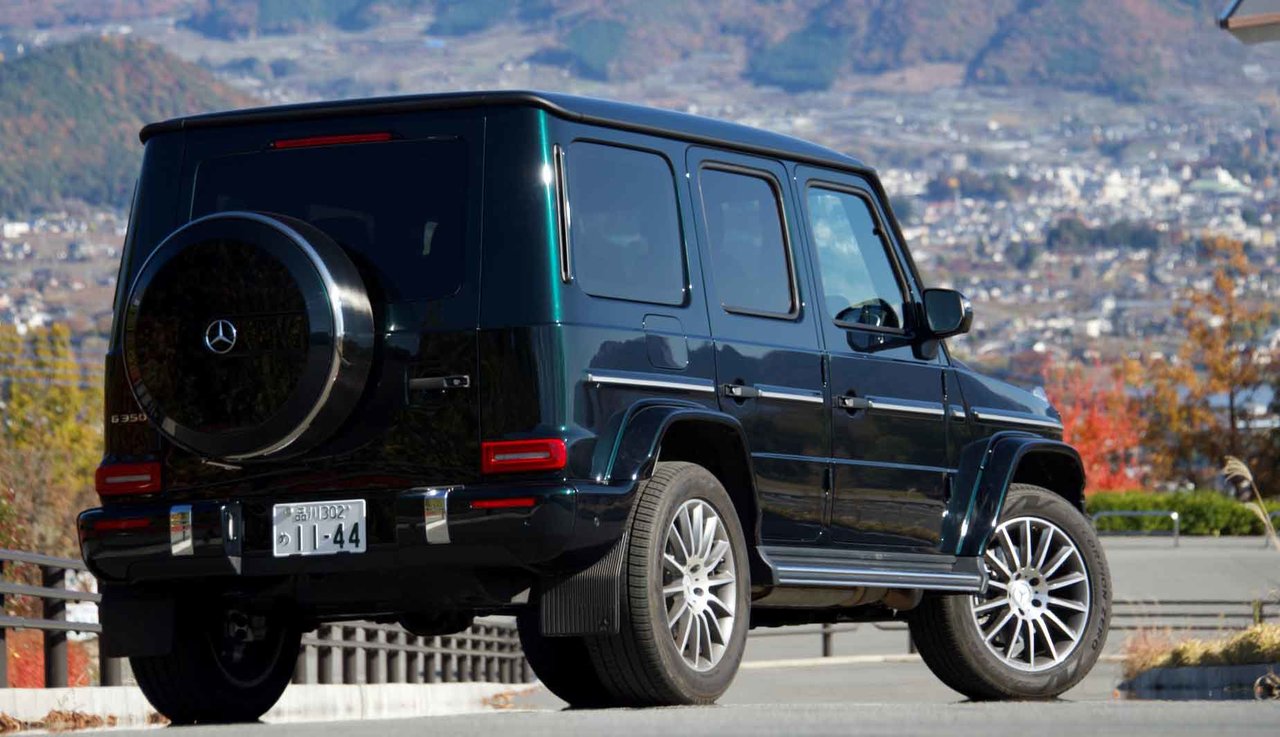
The 2018 full model change retained the characteristics of the previous generation, interestingly keeping the same "W463" model code. Among the new lineup, the "G350d," equipped with the latest inline-6 clean diesel engine, made its Japanese debut in April 2019 and has been a focal point of attention.
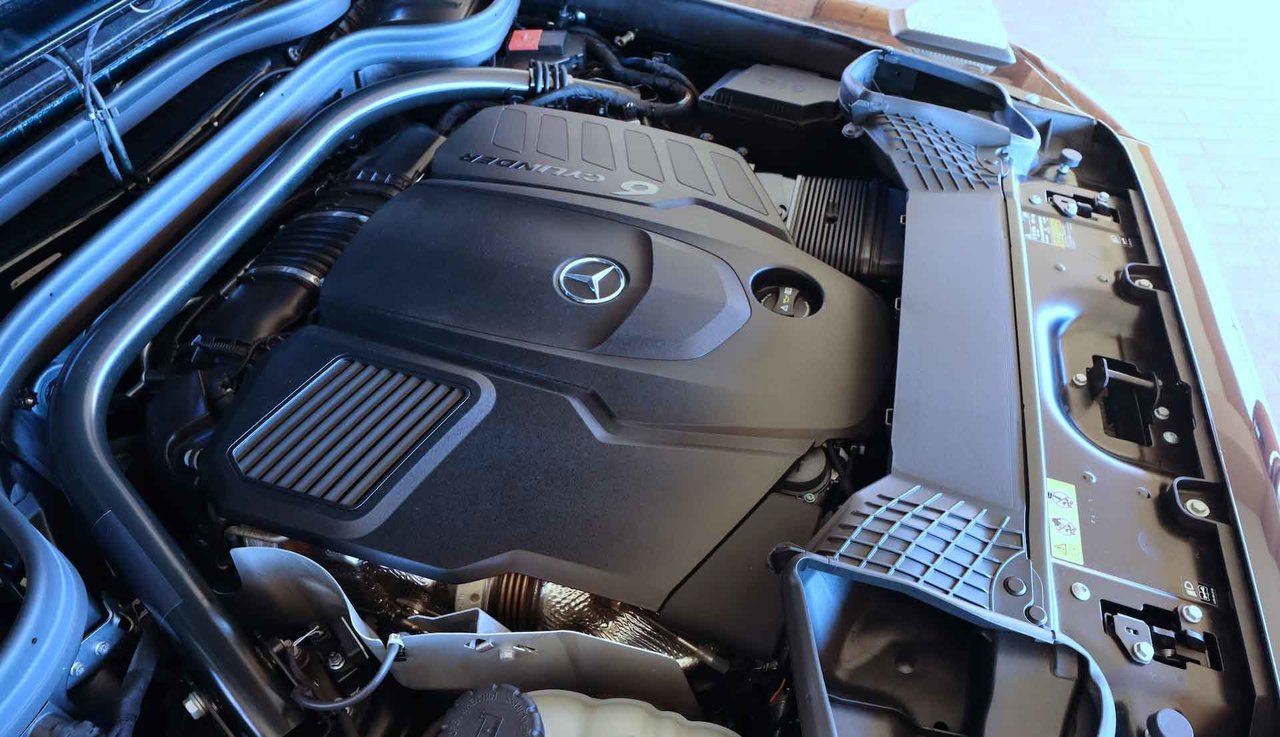
The 3.0-liter inline-6 clean diesel engine, designated "OM656," is designed with a modular concept, sharing its basic architecture with the gasoline inline-6 "M256." It produces a maximum output of 286 hp (210 kW) and a peak torque of 600 Nm.
The ability to deliver maximum torque from 1,200 to 3,200 rpm, a range 400 rpm lower than the previous model, is achieved through the use of a two-stage turbocharger, with a variable turbine geometry employed on the smaller turbine.
Furthermore, the common-rail direct injection system, utilizing piezo injectors, operates at pressures up to 2,500 bar. By incorporating "multi-way exhaust gas recirculation (EGR)," the "CAMTRONIC" variable valve lift system on the exhaust side, AdBlue injection, and an sDPF (particulate filter with selective catalytic reduction), it effectively captures particulate matter and reduces nitrogen oxides, achieving a high level of exhaust gas purification.
An Interior Reimagined for the Modern Mercedes
The 9G-TRONIC transmission, featuring an aluminum torque converter housing and magnesium gear housing, capably handles the vehicle's substantial 2.5-ton weight. For reference, its 0-100 km/h acceleration is 7.4 seconds – impressively swift.
Grasping the door handle with its push-button release and opening the slim, light door reveals a familiar closing sound, akin to that of my own W124 Mercedes E-Class, eliciting a quiet sense of satisfaction.
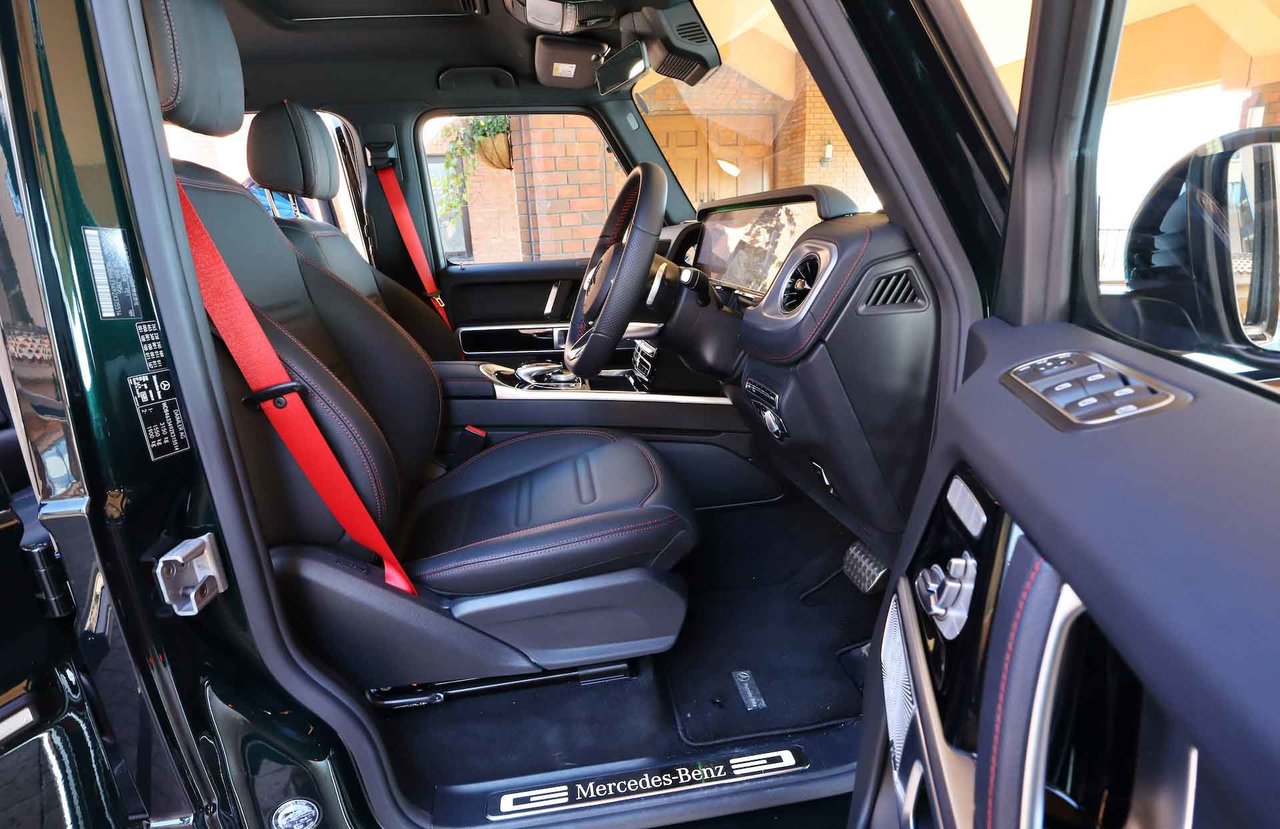
Climbing into the elevated driver's seat, one is greeted by a large, seamless screen formed by two adjacent displays, characteristic of the latest Mercedes models. Coupled with an S-Class-like steering wheel and premium leather seats, it asserts the vehicle's status as a top-tier luxury model.
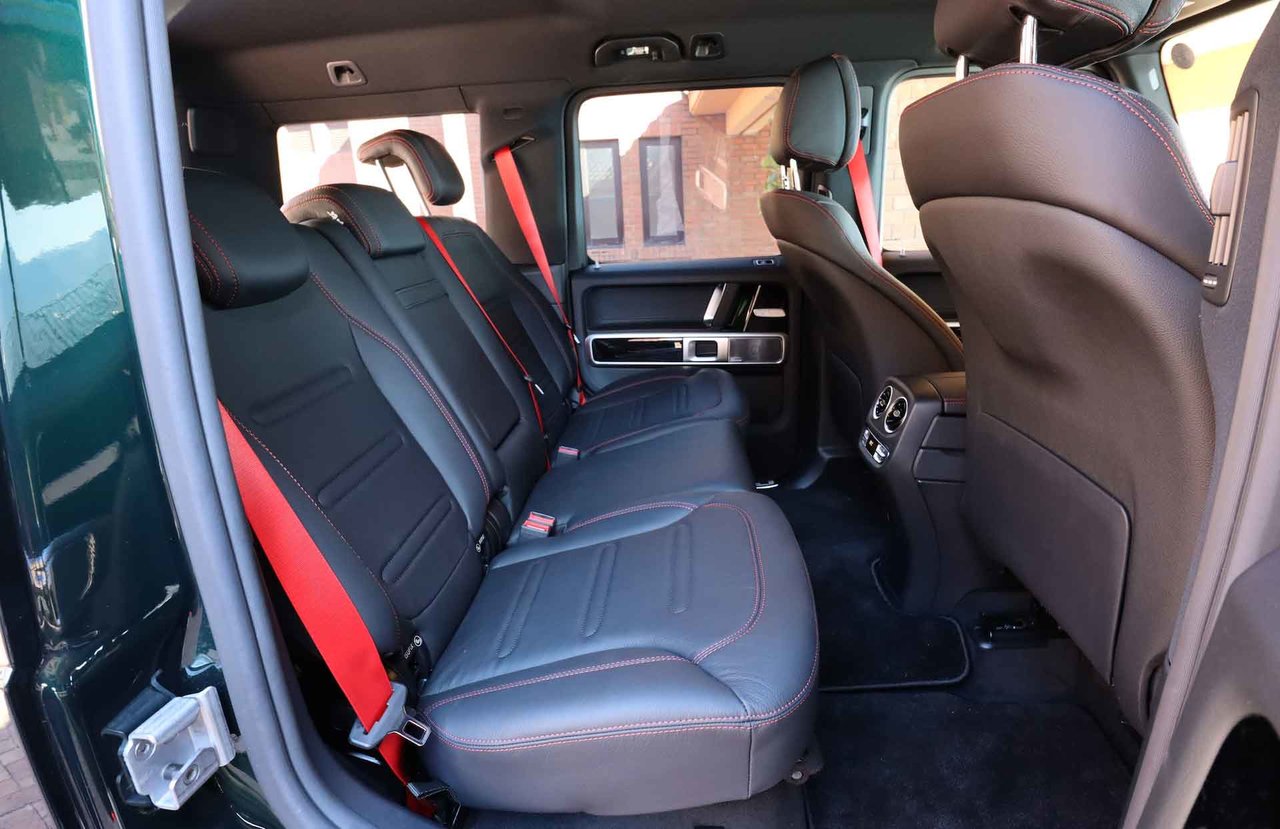
Closing the door and starting the engine, the distinct "clunk" of the door locks resonates within the cabin. While the diesel engine's noise has been significantly muted thanks to the improved sound insulation in the new model, these other interior sounds now seem more pronounced.
Unlike the previous model, where the shift lever was on the center console, the new version features a column-mounted shifter (for the 9-speed automatic transmission), consistent with other Mercedes models.
Engaging drive and setting off, the truck-like ride quality associated with the previous ladder-frame construction has largely vanished. It's immediately apparent that the vehicle has transformed into a refined machine with composed handling and excellent straight-line stability.
A Surprisingly Compact Body: 4,660mm Long, 1,985mm Wide, 1,975mm High
The switch from a rigid front suspension to a double-wishbone setup, and the change from a ball-and-nut steering system to a rack-and-pinion (common in passenger cars), along with the adoption of variable engine mounts to reduce vibration and enhance quietness, appear to be highly effective. The acceleration is smoother, promising a comfortable driving experience even on long journeys.
This refinement, however, subtly diminishes some of the nostalgic charm that characterized the previous G-Class, evoking a slight sense of melancholy. Yet, this is precisely the point of a full model change. Achieving proper driving dynamics is an essential responsibility for any automaker.
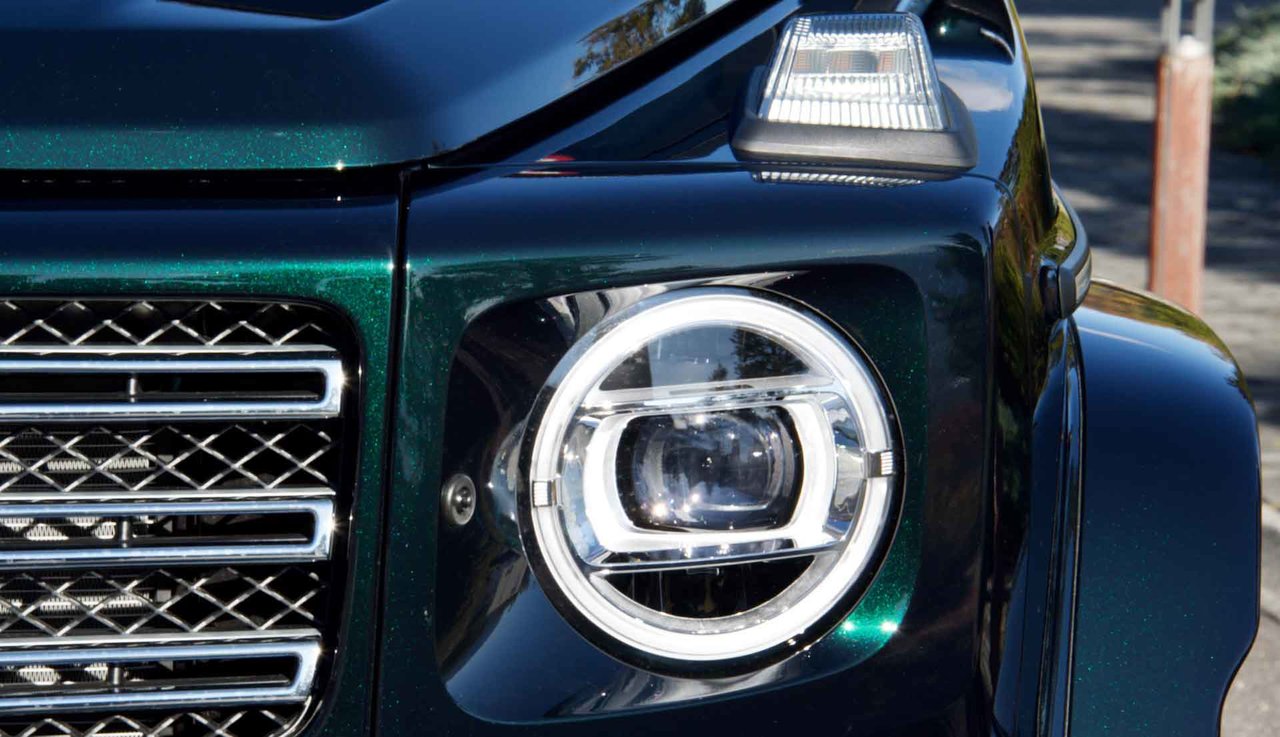
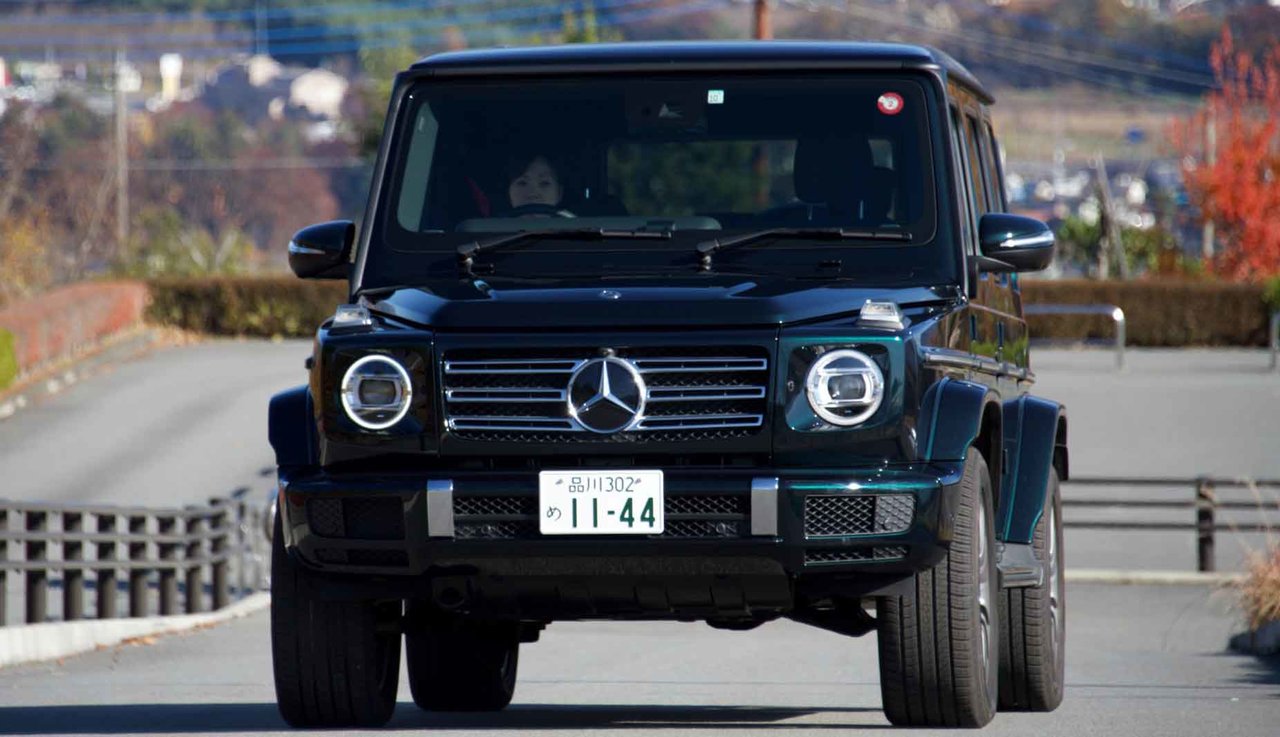
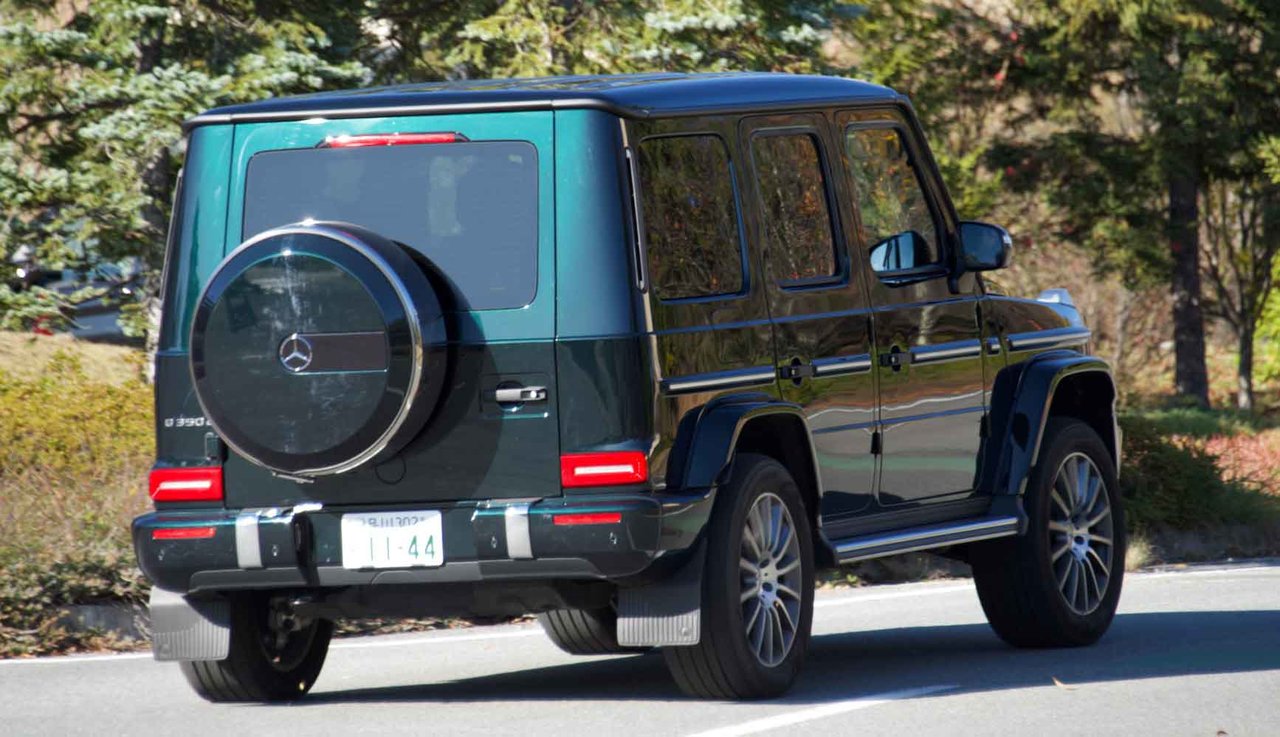
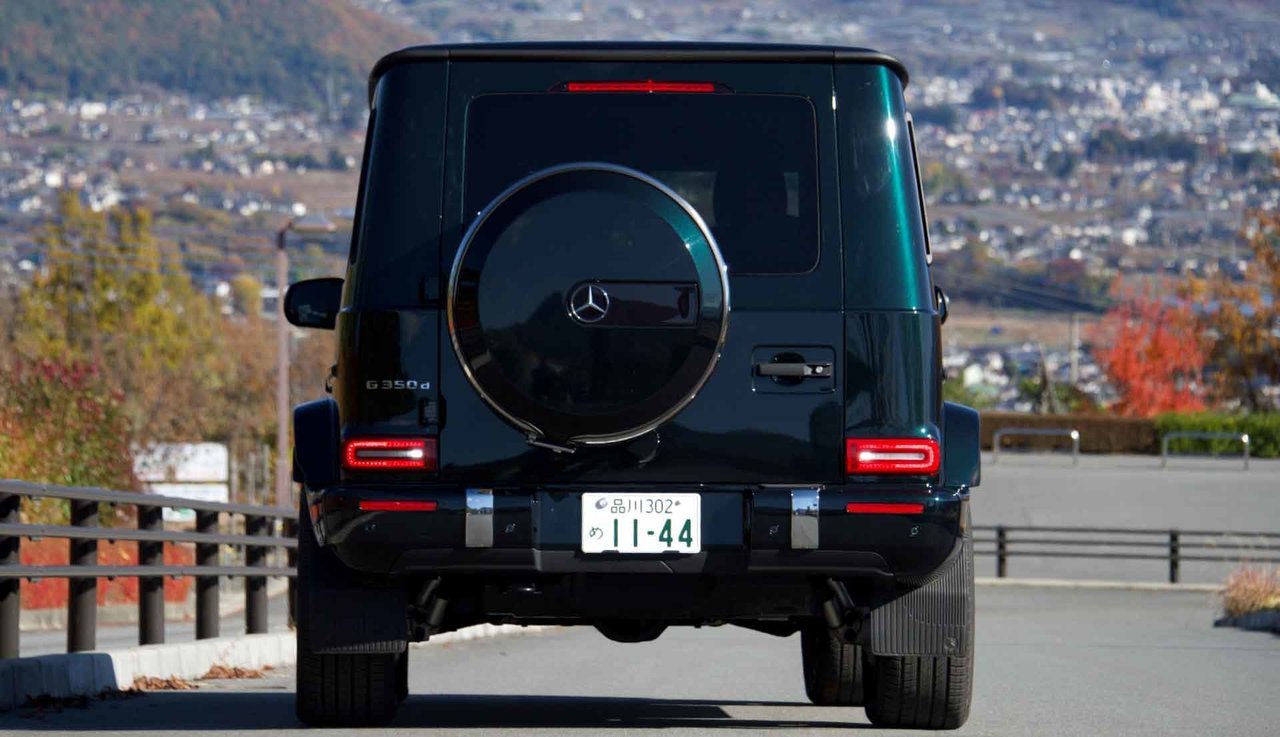
The tall, angular body, the round LED headlights, the prominent turn signals on the front corners of the hood, the flared fenders over the wide wheel arches, and the spare tire mounted on the left-hinged, side-opening rear tailgate – these elements preserve a nostalgic design while meeting modern safety standards, undoubtedly appealing to enthusiasts.
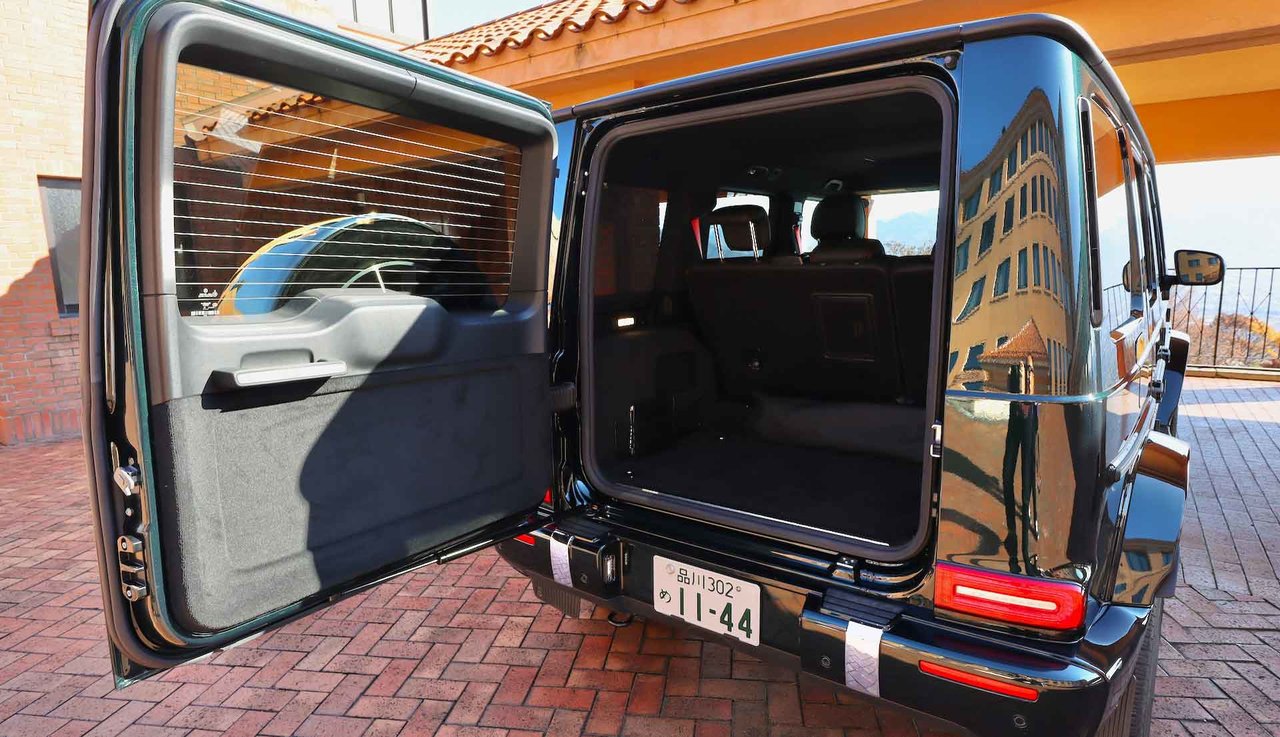
Despite its imposing presence, the G-Class body is surprisingly compact at 4,660mm long, 1,985mm wide, and 1,975mm high. The price is ¥11,920,000. Even with talks of future electrification, I sincerely hope this iconic form endures. It is, after all, a truly unique existence.
Inquiries
Mercedes-Benz Call Center
Tel. 0120-190-610
https://www.mercedes-benz.co.jp/