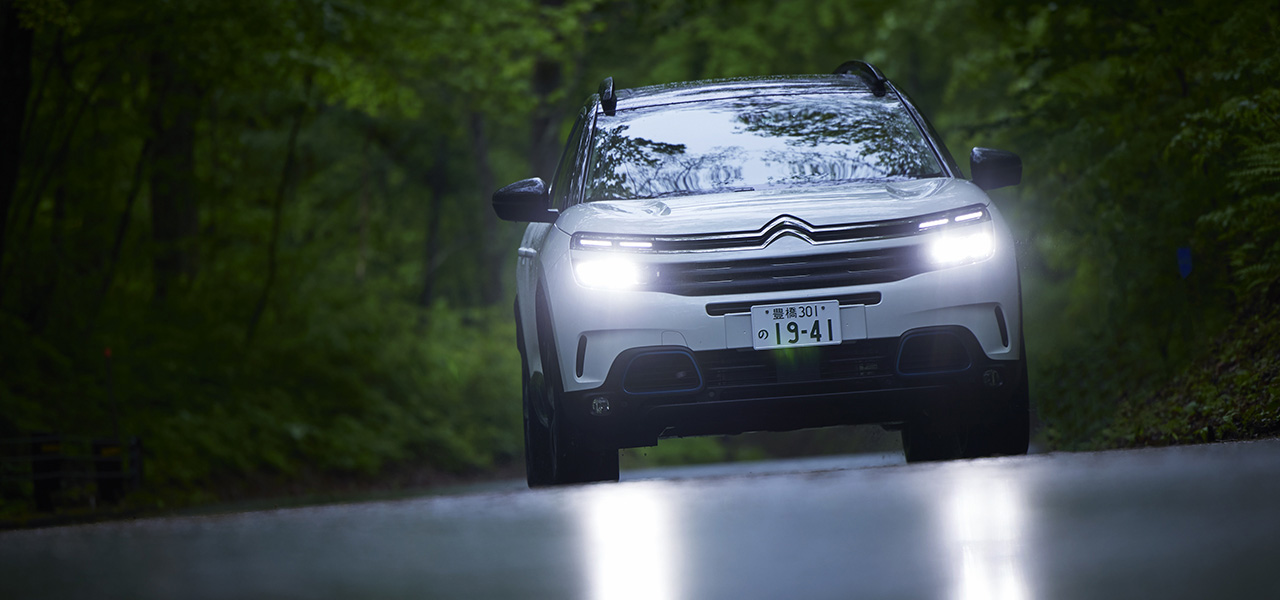
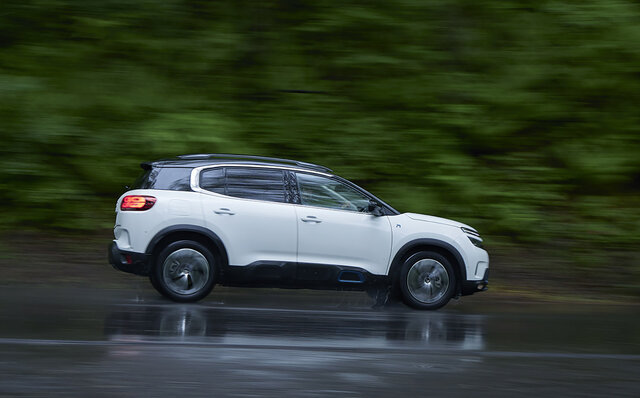
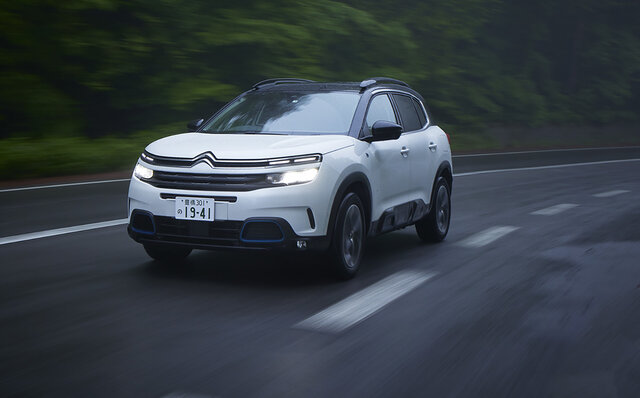
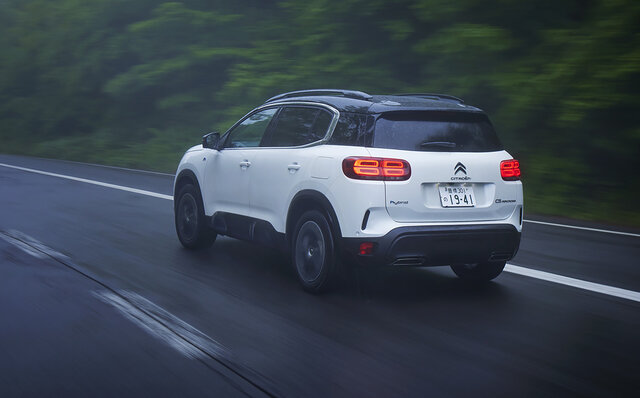
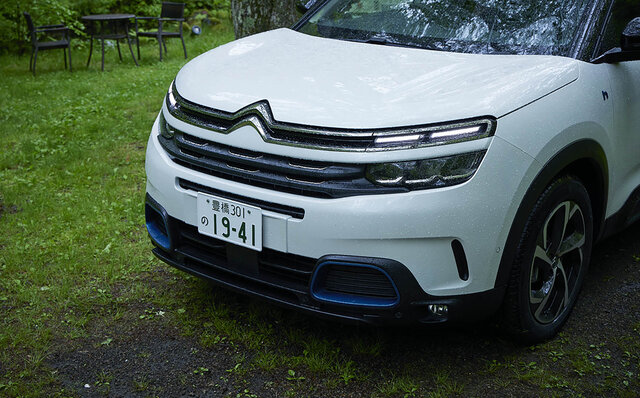
The magic carpet ride remains, even with electrification — A test drive of the Citroën C5 Aircross PHEV | Citroën
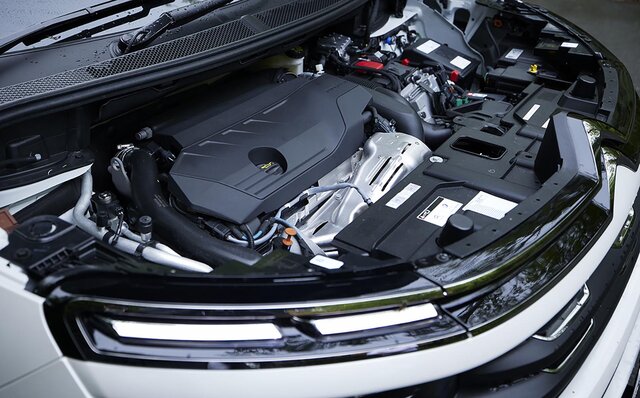
Excellent gasoline engine response, high fuel efficiency, and quiet operation
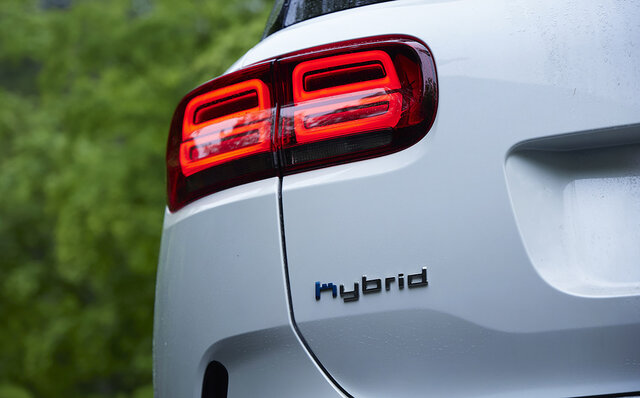
Even when the battery charge is depleted, the C5 Aircross, like a conventional strong hybrid, uses electricity regenerated from the preceding braking to drive the initial movement electrically. While PHEVs are often perceived as becoming heavy ICE vehicles once the battery is empty, this is not the case here.
When the 'Sport' drive mode is selected, the control logic prioritizes the ICE, delaying upshifts and allowing the full system output of 225ps (ICE + motor) to be utilized.
On this day, we also test-drove the pure ICE versions of the gasoline and diesel engines, each producing approximately 180ps. The PHEV version clearly excels in throttle response when accelerating. Despite the tall and wide hood, the nose feels surprisingly light and linear when turning, and the generous suspension travel evokes the tradition of big Citroëns.
However, the PHEV version, due to the increased weight around the rear axle, exhibits a slight delay in the rear axle following steering input, resulting in a somewhat leaning sensation during cornering. Conversely, this highlights the refinement of the ICE versions: the gasoline version balances soft suspension with agility, while the diesel version offers a blend of strong torque and tenacious handling. Overall, the PHEV's advantage lies in combining the smooth acceleration of a gasoline engine with fuel efficiency rivaling diesel and enhanced quietness.
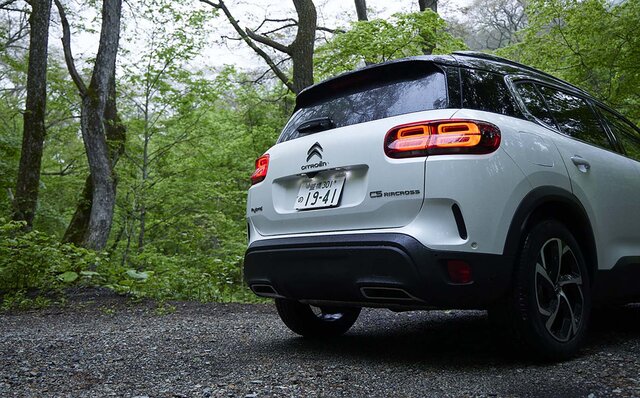
Furthermore, the PSA Group's recent 'Power of Choice' initiative emphasizes offering powertrain options without altering the exterior appearance, allowing customers to select based on preference and usage. The Citroën C5 Aircross, alongside the Peugeot 508, is among the top-tier models in the domestic market to offer all three powertrain choices.
The PHEV version is priced at approximately 5.5 million yen, nearly 750,000 yen more than the diesel model. Even considering eco-car subsidies, the price difference exceeds 500,000 yen. However, if you have access to charging facilities, the running costs can be significantly reduced. It is certainly an interesting new option.