Test Drive: The Nissan GT-R50 by Italdesign – The Joy of Driving Through Japanese and Italian Automotive History
NISSAN GT-R50 by Italdesign
Test Drive: The Nissan GT-R50 by Italdesign
The Nissan GT-R50 by Italdesign, a special model based on the GT-R and produced in a limited run of 50 units, commemorates the 50th anniversary of both Italdesign, the Italian car design and engineering firm founded by Giorgetto Giugiaro, and Nissan Motor Corporation. We present a test drive report from Akio Lorenzo Oya, a journalist based in Italy.
Text by Akio Lorenzo Oya | Photographs by Italdesign, NISSAN
Nissan Designed, Italdesign Developed and Sold
The GT-R50 by Italdesign is a model jointly developed by Nissan Motor Corporation and Italdesign, a car design company based in Turin, Italy.
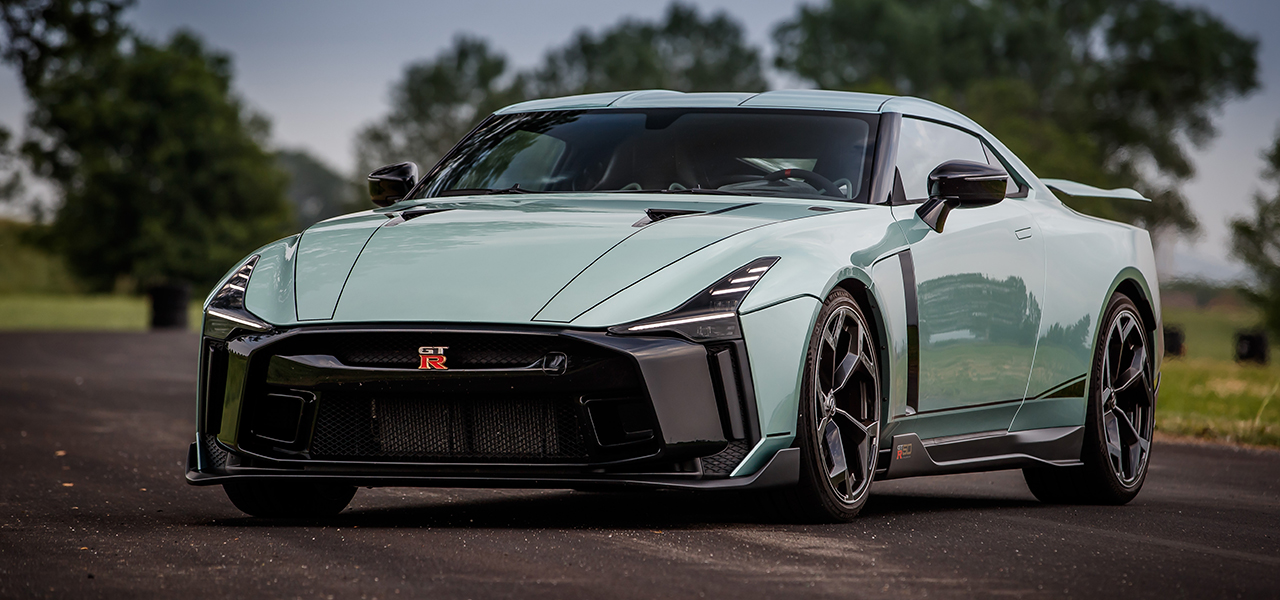
To commemorate the 50th anniversaries of both the GT-R in 2019 and Italdesign in 2018, it is produced in a limited edition of 50 units worldwide. The car is based on the top-tier production GT-R NISMO, and is powered by the GT3 racing engine's 720ps 3.8-liter V6 VR38DETT. Production is handled by Italdesign in Italy.
Let's explain the background of the project. In 2015, Italdesign, fully separated from its founder Giorgetto Giugiaro, came under the umbrella of the Volkswagen Group (specifically, under the operational control of Audi).
Under this new structure, a new division called "Automobili Speciali" was established. This section focuses on ultra-low-volume production for wealthy enthusiasts worldwide. It marks the company's first full-scale B2C business, having previously worked primarily with automotive manufacturers.
Its first offering was the "Zerouno" in 2017. This hypercar, using the Lamborghini Huracán platform and Audi's V10 engine, was produced in a limited run of five coupes and five roadsters.
Automobili Speciali's next approach was to Nissan. According to project leader Andrea Porta, whom we will discuss later, Nissan's design executives appreciated the quality of the Zerouno, which they saw at the Geneva Motor Show, and Italdesign's track record in developing numerous running prototypes.
Nissan studios in London, UK, and San Diego, USA, were responsible for the design. The core concept was that Italdesign would handle the development of the concept car, the production of the final vehicle, and its worldwide sales (sales in Japan were managed by a separate agent).
The development of the concept car, the stage before the production model, progressed from late 2017 to May 2018, primarily with Nissan staff traveling to Turin. The completed vehicle was unveiled in action at the Goodwood Festival of Speed in the UK in July 2018.
Subsequently, the production specification was developed for unveiling at the 2020 Geneva Motor Show in the Italdesign booth.
However, just days before the opening, the show was abruptly canceled due to Switzerland's COVID-19 policies. Instead, it was unveiled in May of the same year via live streaming from the Tazio Nuvolari Circuit in Italy.
In a way, it was fortunate that the car's performance was showcased again, and in a more comprehensive manner, following the concept car's debut.
Craftsmanship Honed Through Concept Car Development
In late February 2021, upon visiting the Italdesign headquarters, we were greeted by Andrea Porta, the project leader for the Nissan GT-R50 by Italdesign.
First, we asked Mr. Porta about the manufacturing process.
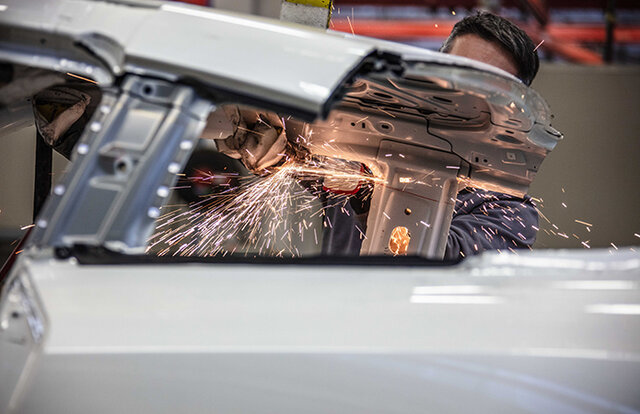
"The GT-R NISMO, brought from Nissan's Tochigi plant, is meticulously disassembled here at Italdesign headquarters."
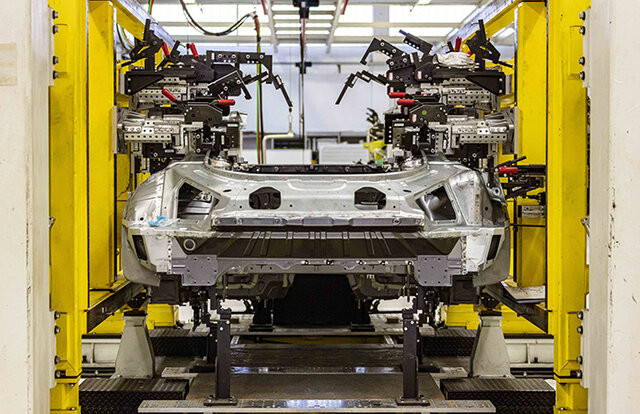
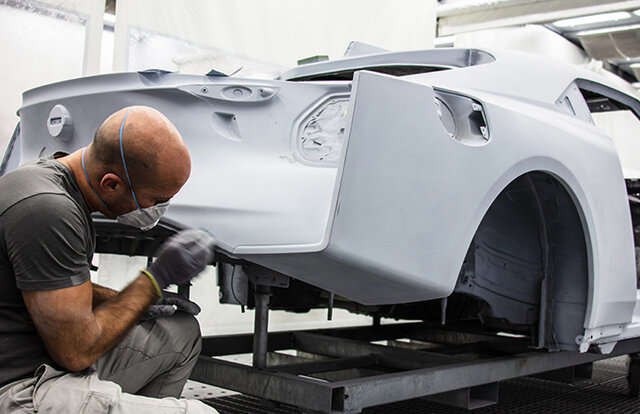
Various processes are then applied to the body, which is brought to a near white-body state. One such task involves removing the roof and cutting the pillars to lower the greenhouse.
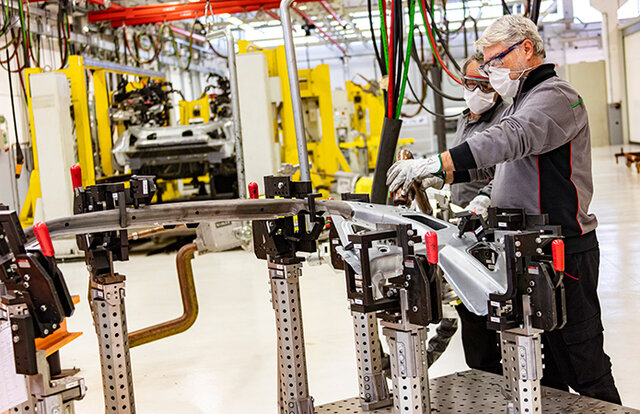
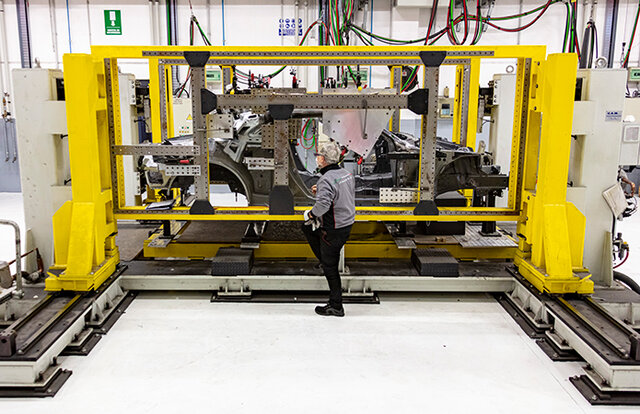
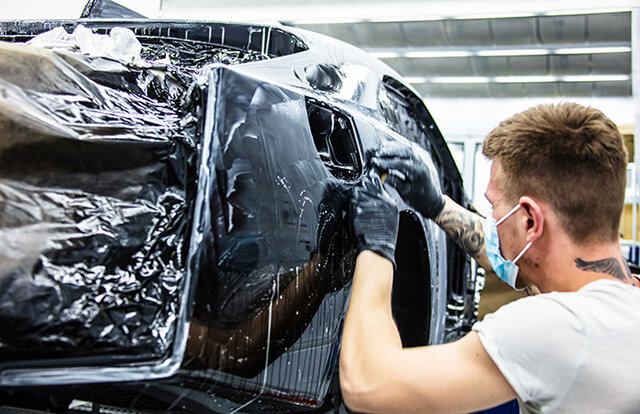
The production process of the Nissan GT-R50 by Italdesign
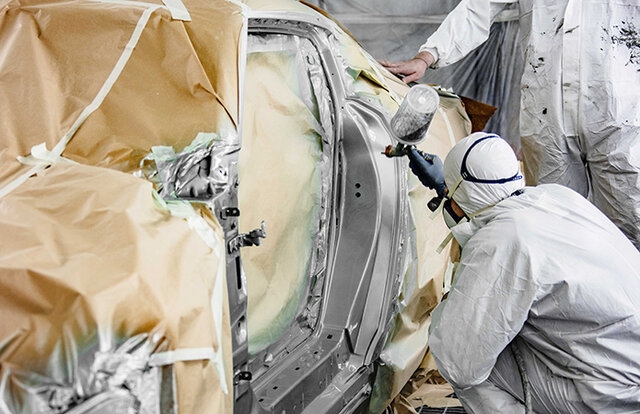
Carbon panels supplied by another Italian external supplier, "Microtex," are left exposed where intended, while the rest are meticulously painted after applying a film. The steel parts are hand-formed by skilled artisans trained through prototype production.
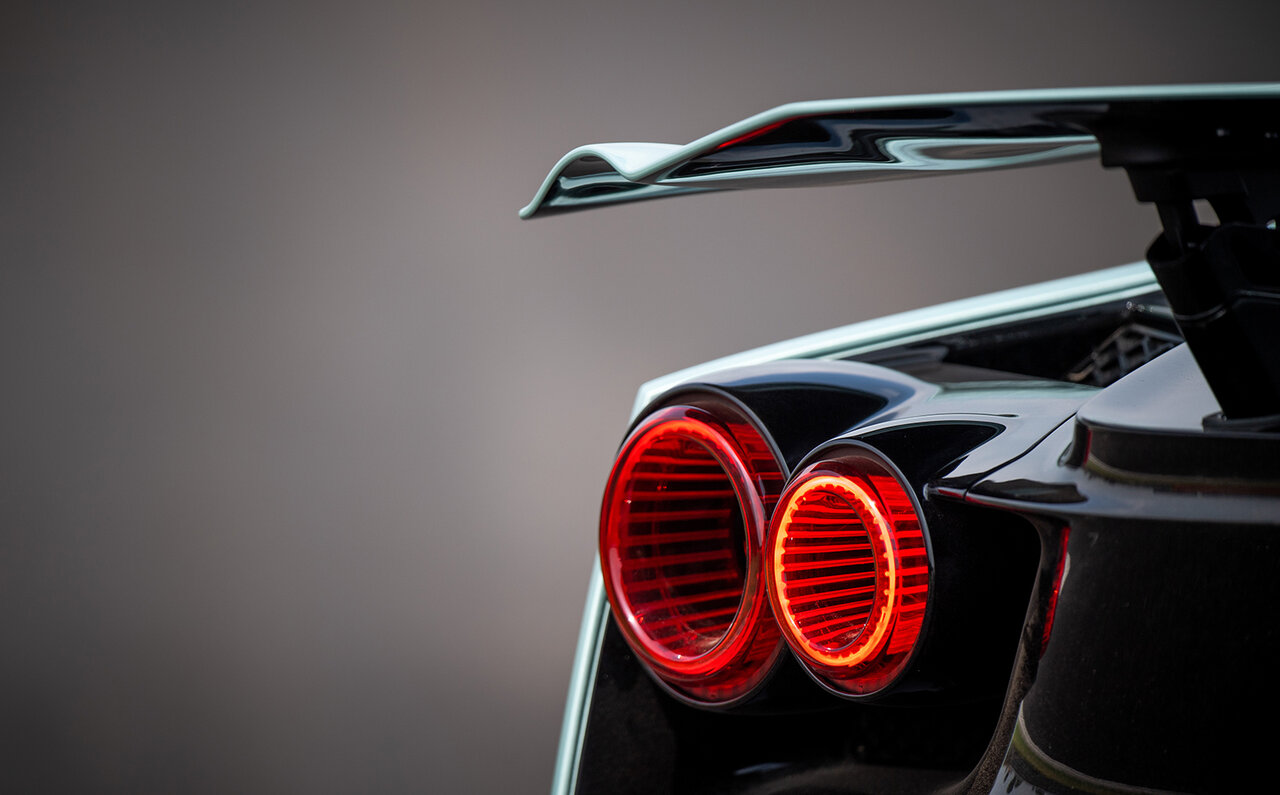
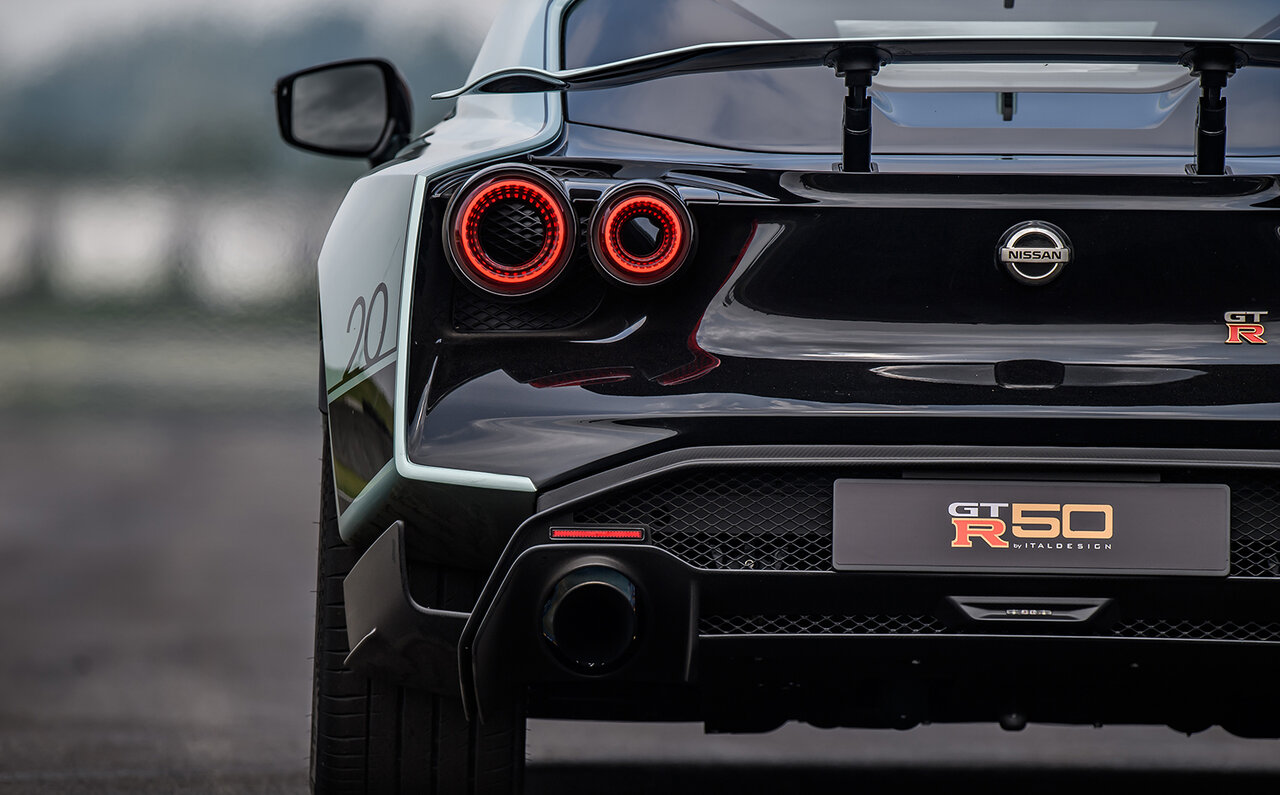
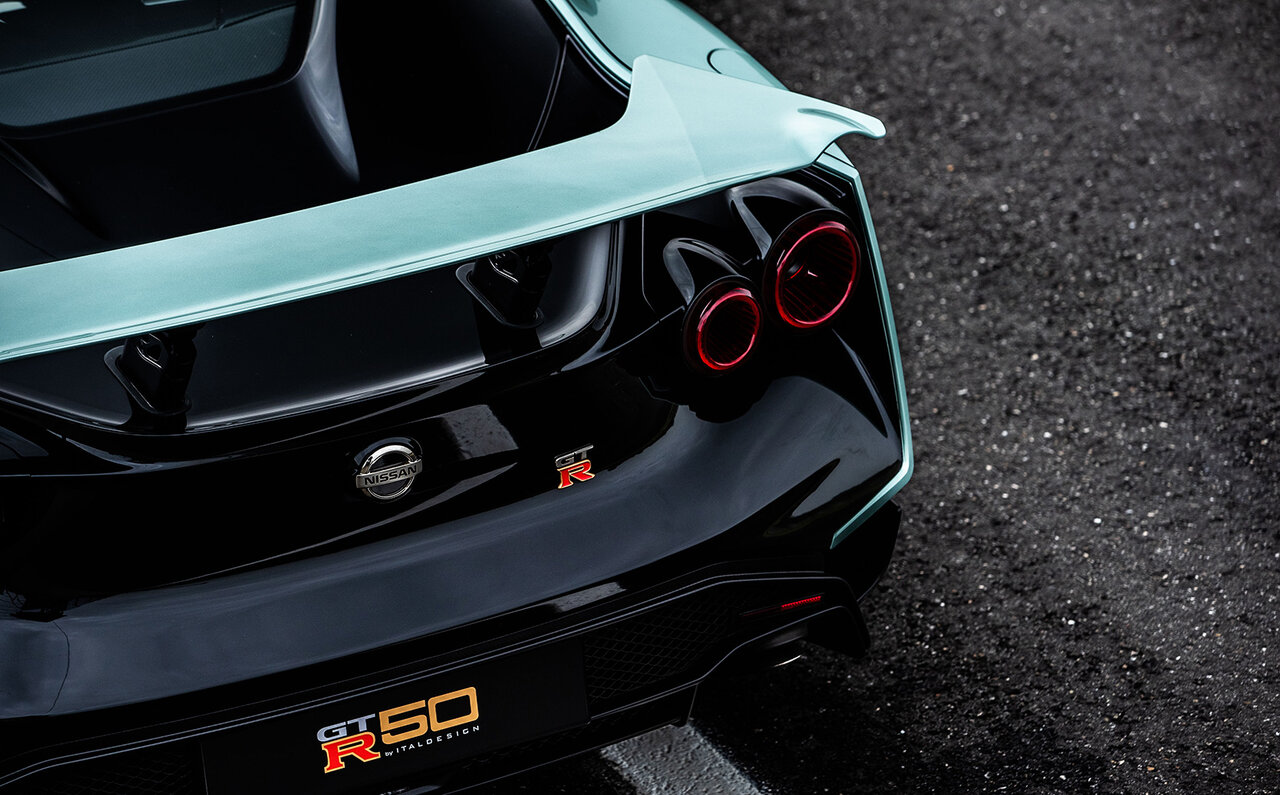
The taillights, a modern interpretation of design cues from the Skyline era, are handcrafted by Italdesign's lighting division. The wire harness supporting them behind the body is an extension of the GT-R's harness, meticulously finished.
These tasks are completed over 6 to 8 months per vehicle, with work alternating between Italdesign's main headquarters and another facility.
The production process of the Nissan GT-R50 by Italdesign
We meet the production version test car.
While knowing that the "Skyline" and "GT-R" have long followed separate paths, it's astonishing how much this car has evolved from the Skyline-based GT-Rs occasionally seen in Tokyo years ago. It evokes a mix of joy and bewilderment, akin to an idol who sang on a shopping mall stage breaking through to global stardom.
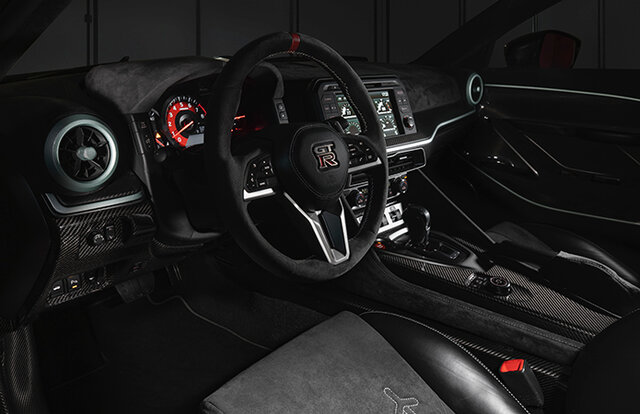
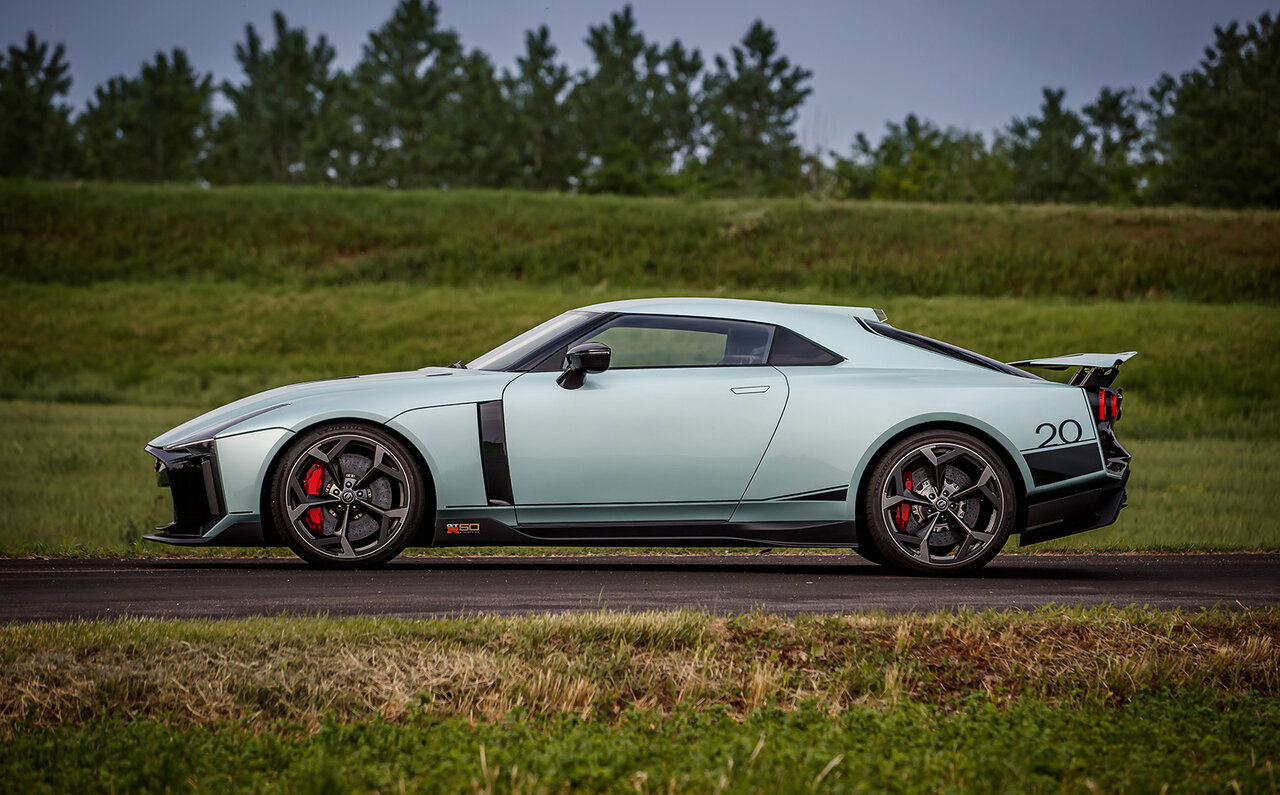
Even a single bumper is impressive with its number of parts and exquisitely detailed design. Although the overall height is 54mm lower than the base vehicle, the interior does not feel cramped.
Despite its high specifications, the 720ps engine fired up without any sign of complaint when the start button was pressed. A deep, yet not unpleasant, idling sound resonated within the cabin.
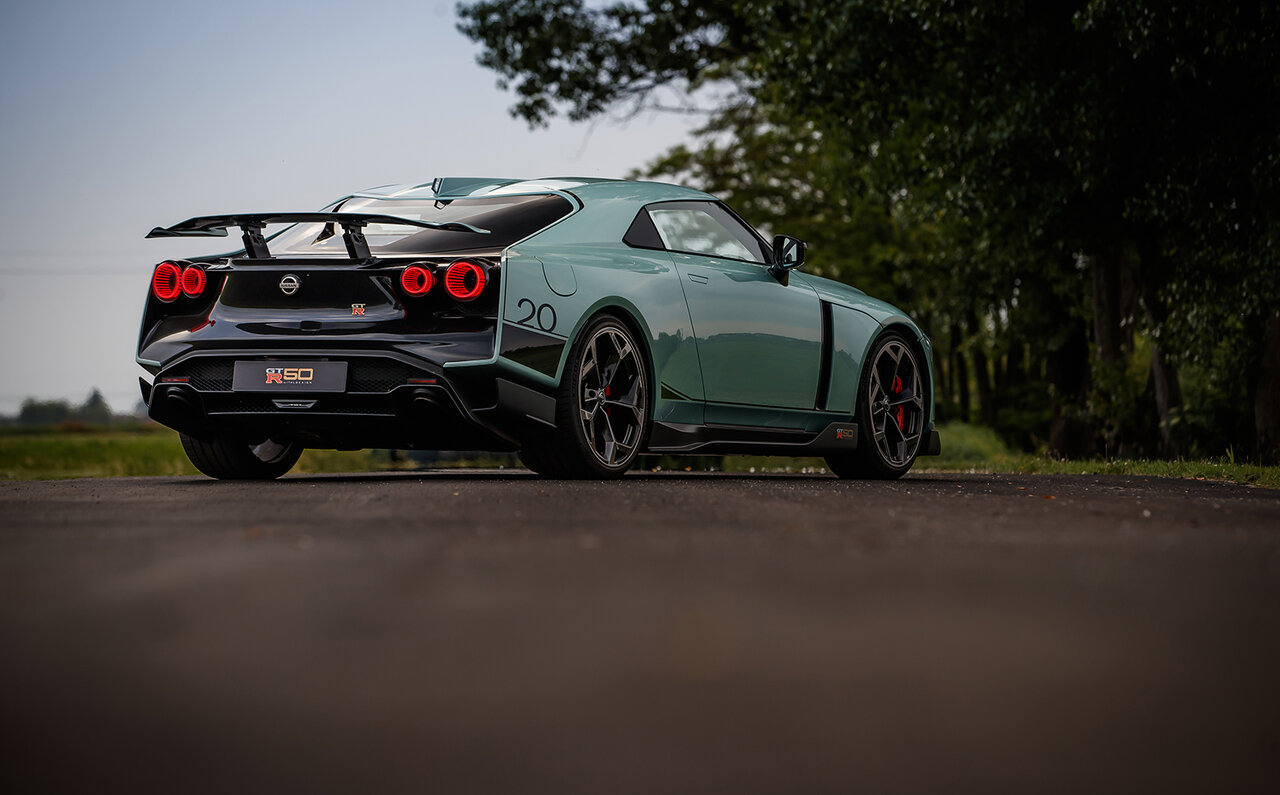
The rear luggage space is somewhat compromised by the rear spoiler's area, making it practically easier to load luggage by accessing it from the sides.
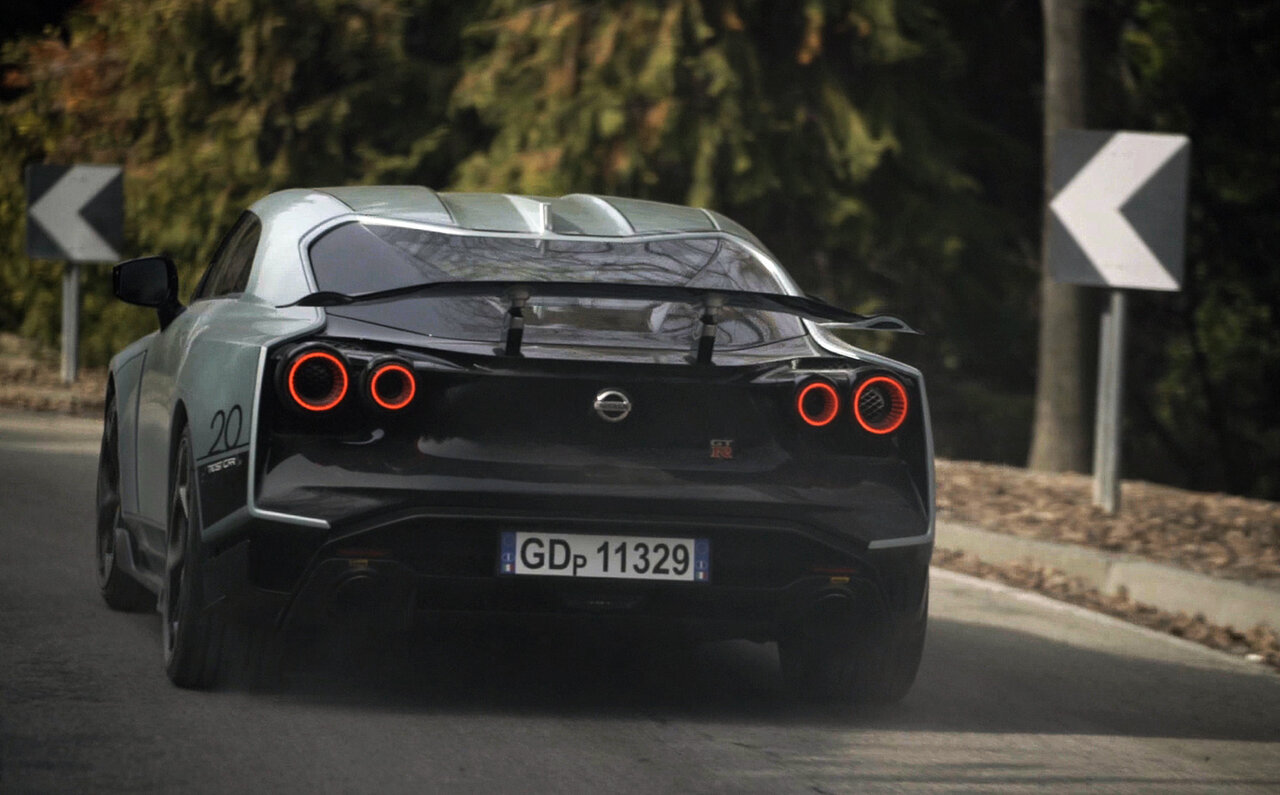
The rear spoiler automatically rises and lowers above 30 km/h, but it can also be operated manually via a switch on the center console. An Italdesign staff member smiled and said, "You can even show it off to your friends (amico)." Indeed, the hydraulic actuation sound makes you want to raise and lower it, even without friends present, accompanied by a sense of excitement.
While perhaps unnecessary to repeat the base vehicle's development concept, when cruising in urban areas, the sequential AT shift timing, brake feel, and power steering assist are all completely unobtrusive.
Mr. Porta's statement, "You can go to the supermarket!" is not an exaggeration.
If anything, the rearward visibility is quite limited, but this can likely be overcome with a trusted passenger.
The dramatic shift in character from around 3000 rpm is truly impressive. Even so, the torque distribution of the "ATTESA E-TS" electronic all-wheel-drive system remains consistently calm, ensuring there are no situations on public roads that would fluster the driver.
As long as you are careful not to scrape the low-profile, stylish front spoiler, the sense of security it provides might even tempt you to take it to a winter resort like St. Moritz.
Speaking of Italdesign, I recall test-riding the "Aztec" in the early 1990s, a car produced in extremely limited numbers derived from a concept car. Even back then, the rigidity was more than adequate, but I am amazed at how much it has improved. The skill of Italdesign, which chose to realize numerous running prototypes rather than settling for mock-ups, truly shines.
Invisible Value
While photographing the car at the Basilica di Superga, one of Turin's iconic landmarks, people passing by repeatedly asked about the vehicle. Some young people even took selfies with the car.
I recall that when I first moved to Italy a quarter-century ago, some elderly people at car events would say, "Japanese cars are just copies of Italian car designs."
While I was aware that the image of Japanese brands has been changing significantly in recent years, these ultra-limited models may accelerate that transformation even further.
The price, as sensationally reported by various media outlets, is 990,000 Euros (approximately 127 million yen) before tax and excluding options.
What is the joy of owning and driving the Nissan GT-R50 by Italdesign?
I believe it is about sharing a milestone in the history of two brands that have colored automotive history in Japan and Italy and continue to make their mark in real-time.
The first historical Nissan cars that come to mind are two.
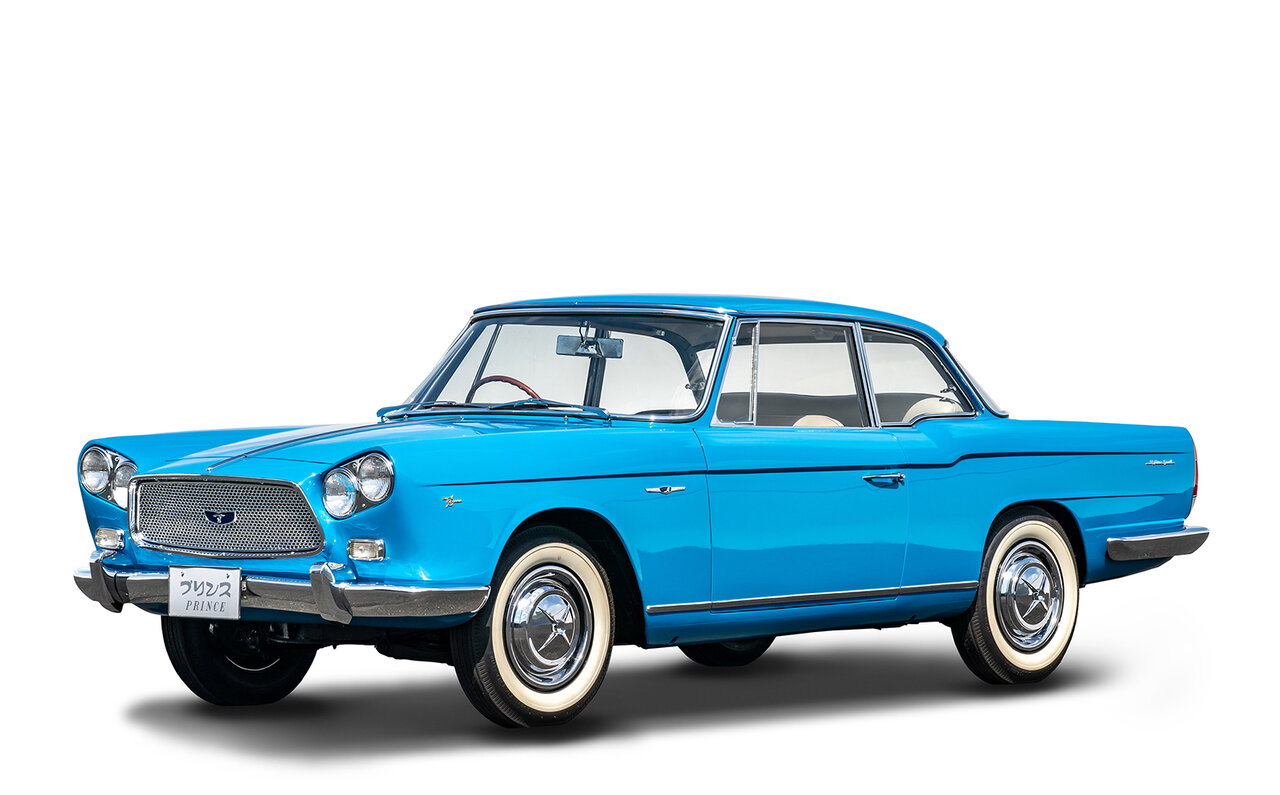
One is the 1962 "Prince Skyline Sport," said to have been produced in 60 units, featuring a body designed by Giovanni Michelotti of Italy mounted on a Skyline chassis.
Prince Skyline Sport (1960 Prototype)
The other is the "Autech Zagato Stelvio," released in 1989 in a limited edition of 200 units by Autech Japan, led by Shinichiro Sakurai, the "father of the Skyline." This adds another new, and arguably the most stylish, work to the history of ultra-limited collaborations between Nissan and Italian coachbuilders.
Italdesign, as mentioned at the beginning, is an automotive design and engineering company founded by Giorgetto Giugiaro.
Together with co-founder and engineer Aldo Mantovani, they pioneered new horizons in the Italian coachbuilding world, not just in design but as an intellectual group capable of proposing production processes to manufacturers.
They have since worked on over 200 automobiles, including the 1972 "Alfa Romeo Alfasud," the first-generation "Volkswagen Golf" in 1974, and the "DeLorean DMC-12" in 1981, which later became the movie car in "Back to the Future."
Alongside this, they have annually made an impact on the industry by releasing numerous innovative concept cars at the Geneva Motor Show.
Let's also mention Project Leader Mr. Porta. Born in 1974, he grew up immersed in Japanese pop culture, including anime, from his childhood. He eventually became interested in Japanese car culture as well.
Nicknames like "Kenmeri" still naturally appear in conversations. After graduating high school, he even studied Japanese language abroad and passed the Japanese Language Proficiency Test. After studying at the University of Turin, he joined Italdesign. Since then, he has participated in over 10 Geneva concept car projects.
He remains one of the biggest Japan enthusiasts within the company. There is no doubt that he was the only choice for the project leader of the Nissan GT-R50 by Italdesign.
"The side decals on this Nissan GT-R50 by Italdesign are inspired by the R34 model, and the hand-painted front ones are motifs from the R35," Mr. Porta explained passionately.
Since the Goodwood concept car, Mr. Porta himself has been in continuous contact with potential customers worldwide.
For those who can appreciate the value in the history of these two brands, as well as the relationship that begins with such passionate creators, the exorbitant price must surely be justifiable.
Spec
NISSAN GT-R50 by Italdesign
(Italdesign Specifications)
Overall Length x Width x Height | 4784 x 1992 x 1316 mm