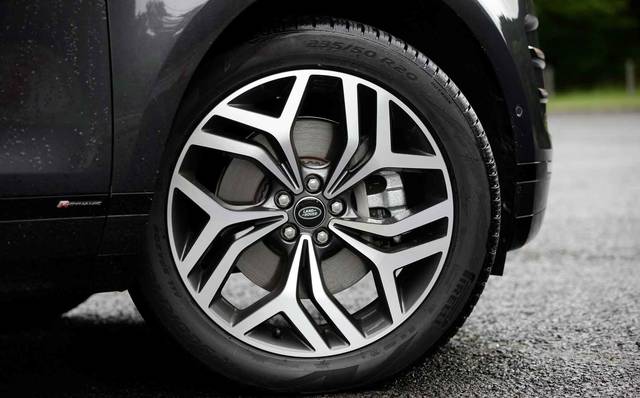
A Drive in the Significantly Evolved New Range Rover Evoque | Range Rover
Range Rover Evoque | Range Rover Evoque
Test Drive the Significantly Evolved New Range Rover Evoque
Appears to Retain the Concept, Yet Greatly Evolved
The new Range Rover Evoque, which had its world premiere in London in November 2018 and was introduced to Japan in June 2019. We test drove this model, which, while appearing to retain its concept, has made significant advancements under the surface.
Text & Photographs by Kazuhiro Nanyo
Only the Door Hinges are Carried Over from the First Generation in the Body Structure
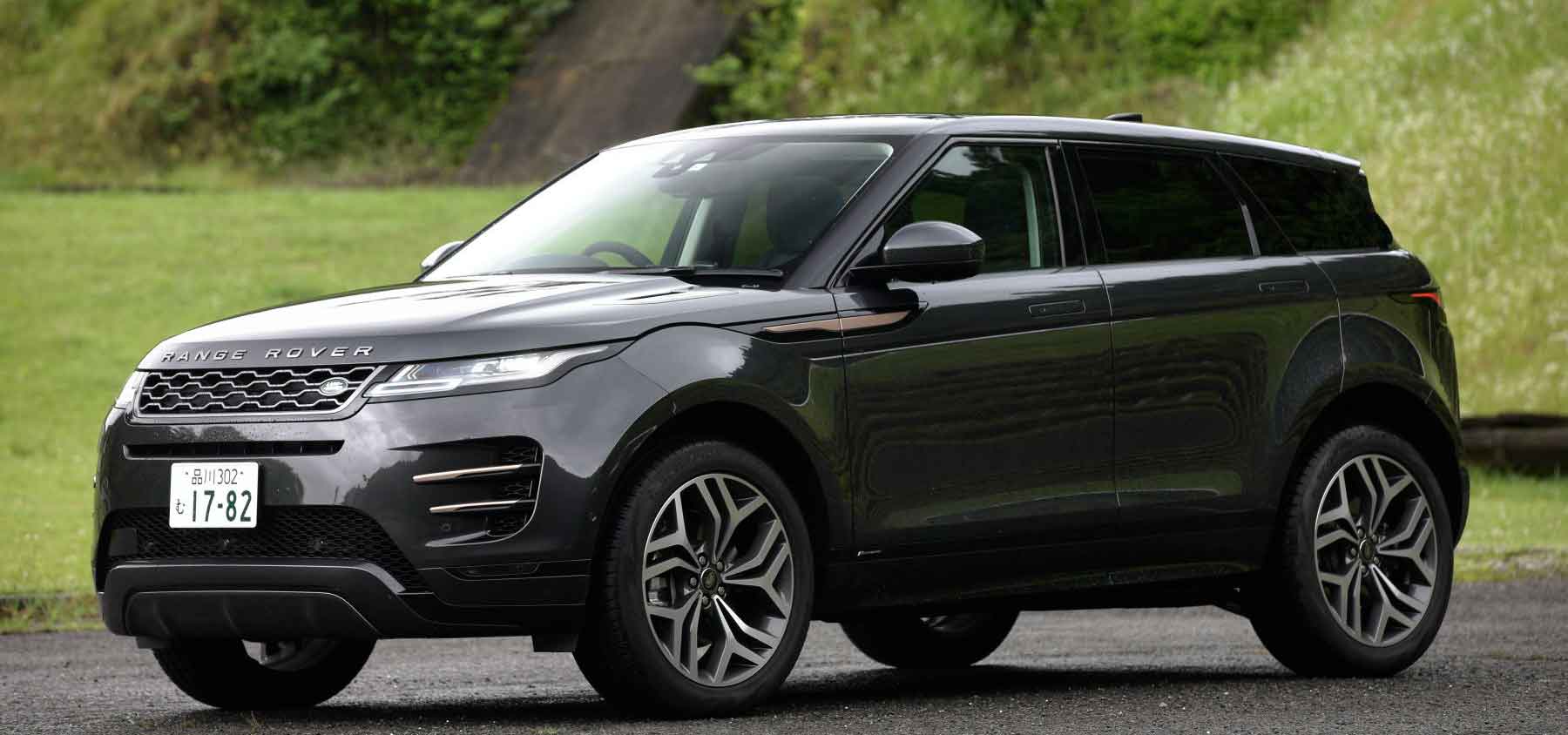
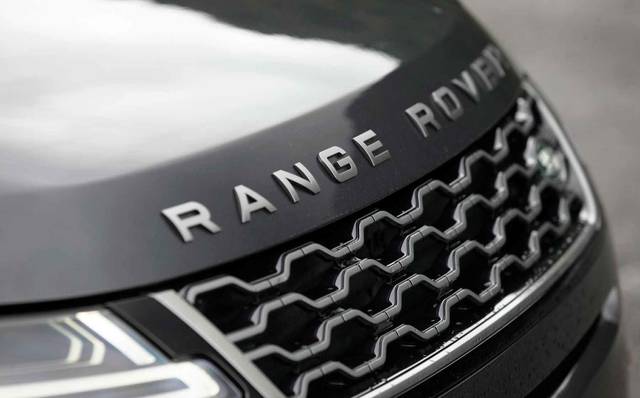
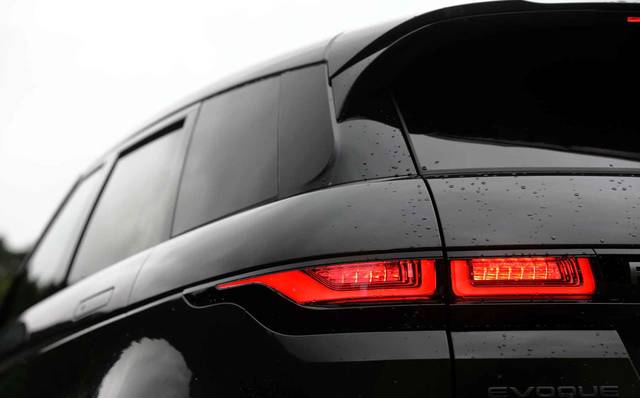
At first glance, you might not notice it's a new model. However, upon closer inspection, the design of the headlamps has changed from a segmented pattern to a more integrated, kohl-like shape. A notable feature is the adoption of matrix lamps, which use 20 LEDs to optimize and switch the illumination range.
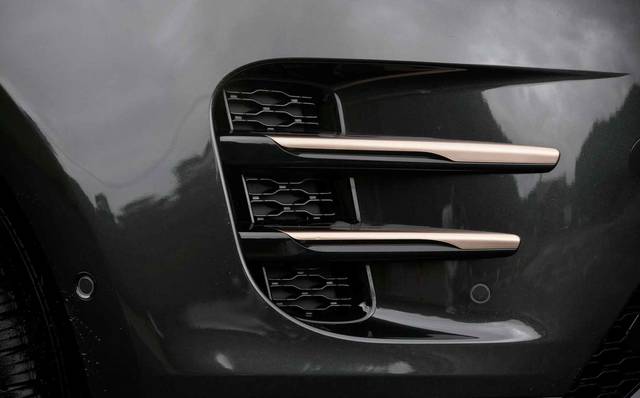
The bumper's air inlets at both ends have been changed from 'holes' to 'slits,' and in the R-DYNAMIC specification, they feature two fins.
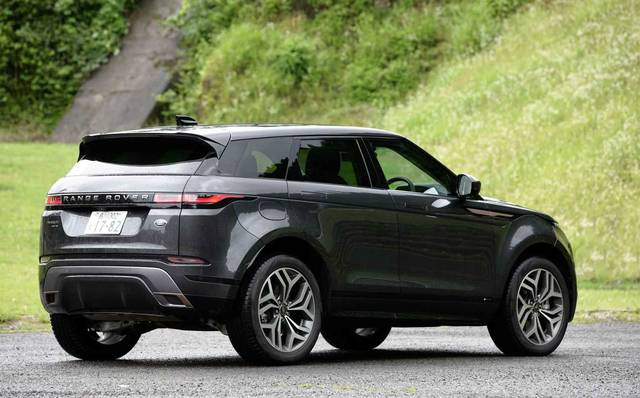
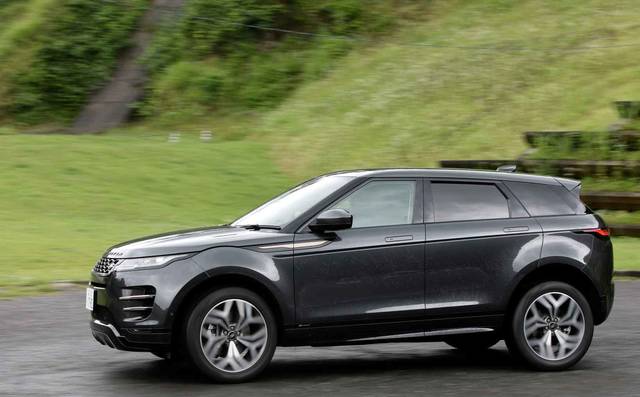
The body side is simpler than the first generation, with a sharp, chiseled edge line running along the shoulder, and the lower door panel's waist is not a crease line but a gracefully sculpted concave surface.
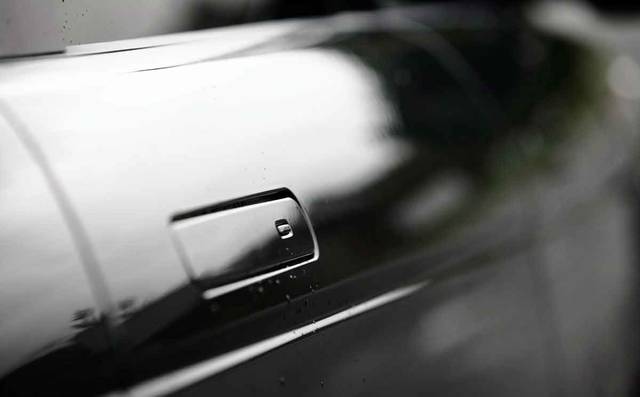
Furthermore, the door handles are deployable, automatically popping out as the key approaches, emphasizing the body surface's enhanced smoothness. This can be seen as a masterful achievement of the design philosophy that Range Rover itself calls 'Reductionism'—purifying the design by minimizing elements as much as possible.
The second-generation Range Rover Evoque adopts the PTA (Premium Transverse Architecture), designed with electrification in mind, and only the door hinges have been carried over from the first generation in its body structure. An astonishing 99% has been renewed.
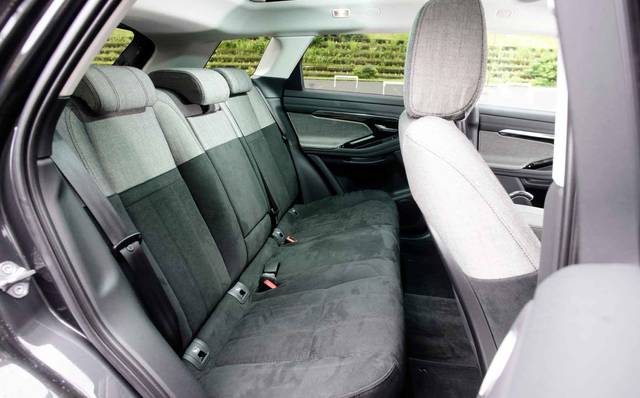
While the body style is exclusively the popular 5-door, the 20mm increase in wheelbase has improved rear legroom and luggage space. Additionally, following recent trends, the rear seats are split 40:20:40, offering a flexible interior that can be optimized according to luggage volume and passenger count.
A Total of Four Powertrain Options, Including Diesel and Mild Hybrid
Incidentally, its off-road capability has also clearly improved with this model change, as is the case with all Range Rover and Land Rover models. The maximum wading depth has increased by about 100mm to 600mm compared to the previous generation. It also features the world's first 'ClearSight Ground View' function, which uses synthesized camera images from the door mirrors to provide a view of the front 180 degrees as if the hood were transparent.
This latter feature not only helps prevent hitting the underfloor on large rocks or uneven terrain in off-road conditions but also decisively improves the poor visibility characteristic of SUVs when navigating narrow roads or parking, by revealing obstacles. This is a welcome evolution that offers practical benefits even in city driving.
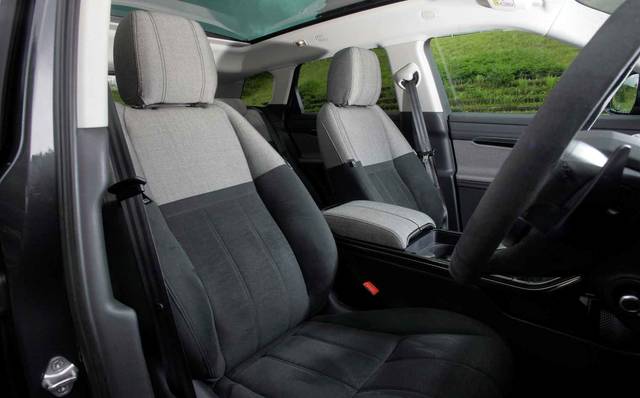
A notable evolution in the interior is the adoption of 'sustainable' textiles for the seats without compromising their premium feel. Specifically, the upper half uses a melange textile made from fast-growing eucalyptus, while the lower half is 'Dinamica,' an artificial suede made from recycled polyester from 53 plastic bottles per vehicle, creating a two-tone combination. The appearance, close to natural materials, and the matte texture are pleasing.
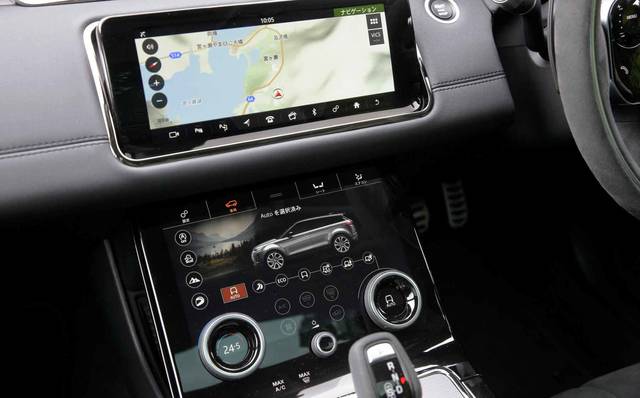
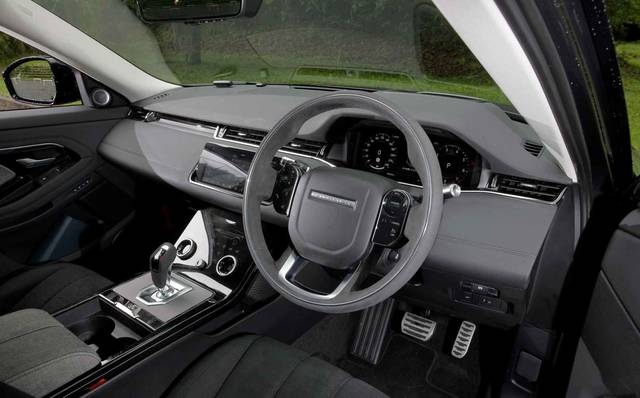
In terms of infotainment, the 'Touch Duo Pro,' featuring two 10-inch high-resolution screens on the dashboard and center console, similar to higher-end models like the Velar, is standard on the First Edition, HSE, and SE grades.
The 'Smart Settings' feature uses AI and proprietary algorithms to automatically adjust the infotainment interface, seat and steering column positions, and temperature settings according to the driver's preferences, recognized via the remote key and smartphone. Software updates are also supported via wireless connection, a first for Jaguar Land Rover.
The powertrain options are based on the 2.0-liter inline 4-cylinder Ingenium engine, with one diesel variant, the 'D180,' two gasoline variants, 'P200' and 'P250,' and a 48V mild-hybrid gasoline version, the 'P300 MHEV.' The test car was this MHEV model, the first adoption of MHEV by Jaguar Land Rover.
Considering Performance and Economy, the P300 MHEV Offers Better Value
Upon starting to drive, similar to existing German MHEVs, the transition from the electric motor to the gasoline engine occurs very early, as soon as the accelerator is pressed and the tires begin to rotate, but it is seamless and without perceptible shock. In other words, it is exceptionally smooth.
The ride quality is also free of harshness, and it lacks the 'tough guy' vertical motion often found in SUVs that emphasize robustness. This is likely due to the newly designed MacPherson front suspension with hydro bushes, engineered to suppress vibrations, and the responsive rear suspension.
The excellence of the suspension is not limited to comfort. In winding conditions, while not as sharp as the quick handling of many modern SUVs, the setting provides a moderate responsiveness with controlled body roll, instilling confidence even at higher speeds.
It was only after getting out that I learned the torque distribution system, named 'Active Driveline,' on the P300 MHEV defaults to a 50:50 front-to-rear split and also provides torque-vectoring capabilities, distributing torque to the front, rear, and sides as needed.
Although the test drive was only on paved roads, it rained heavily at times. Despite this, the stability and composed handling on winding roads are a testament to the effective operation of this system. This is because the 'Efficient Driveline,' available on the standard models, defaults to a 60:40 front-to-rear split, operating solely in front-wheel drive during stable driving conditions, essentially like a heavy front-wheel-drive vehicle.
Certainly, the 'Terrain Response 2' system, which offers variable damping and selectable modes for off-road conditions like mud and sand through seven control settings, is now standard on all models. Given that the MHEV inherently has a more dynamic handling bias with stronger rear-wheel bias, it is advisable to opt for the MHEV.
The WLTP (European standard) fuel economy for the P300 MHEV is 17.9 km/L, while the WLTC (Japanese standard) data has not yet been released as it is still under application. However, for the P250, the WLTP value is 10-10.7 km/L, and the WLTC value is 8.9 km/L. Therefore, the mild-hybrid version is expected to be significantly more fuel-efficient. While the vehicle price is an additional 540,000 yen across all grades compared to the P250, considering the nearly 80% advantage in efficiency along with the added driving pleasure, the MHEV can be considered to have a strategically advantageous price tag.