Volvo Goes All-Electric: A Test Drive of the XC40 B4 Mild Hybrid | VOLVO
VOLVO XC40 B4 AWD Inscription | Volvo XC40 B4 AWD Inscription
Volvo Electrifies Entire Lineup: A Test Drive of the Mild Hybrid XC40 B4
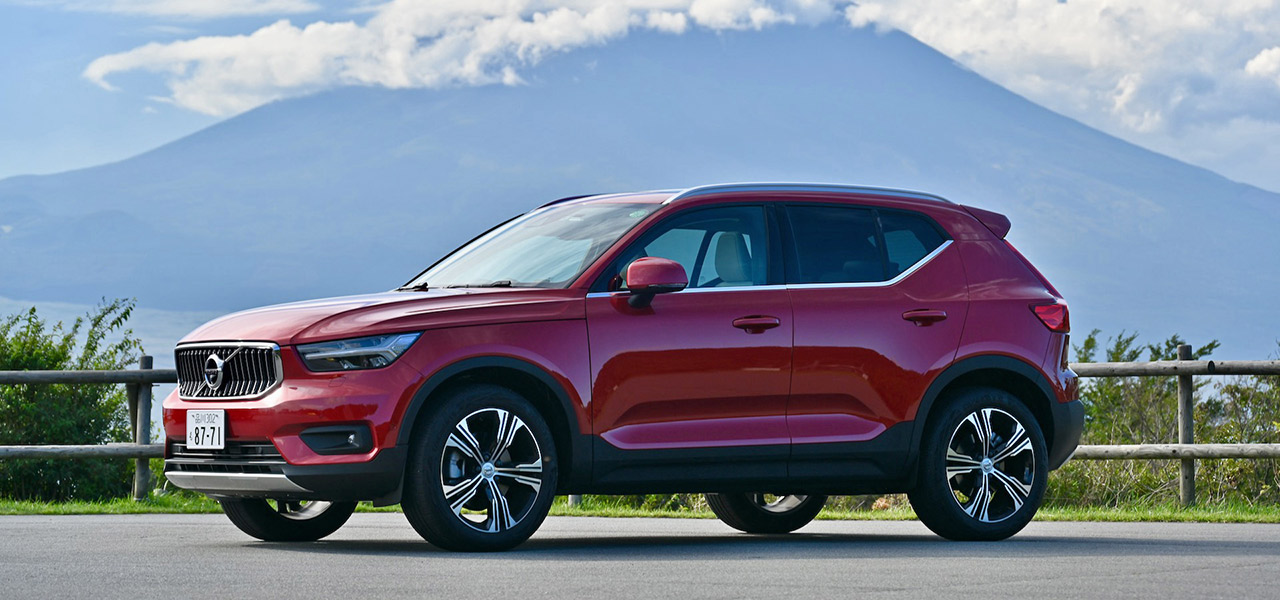
The XC40, a compact SUV, has become Volvo's entry-level model, succeeding the V40 which ceased production at the end of last year. It has received Car of the Year awards in Europe and Japan and continues to sell well. On August 25th this year, Volvo introduced the plug-in hybrid model (PHV), the "Recharge Plug-in hybrid T5," and discontinued the conventional engine-only "T4" and "T5" models. These were replaced by "B4" and "B5" models equipped with an engine plus a 48V mild hybrid (MHV) system, completing the electrification of all Volvo SUV powertrains (meaning no more internal combustion-only vehicles). The model I drove this time was the MHV model, the "XC40 B4 AWD Inscription." I participated in a test drive event in Hakone to see how the driving experience has changed with "electrification."
Photographs & Text by HARA Akira
The B4 Model: A Key Player in Volvo's Electrification
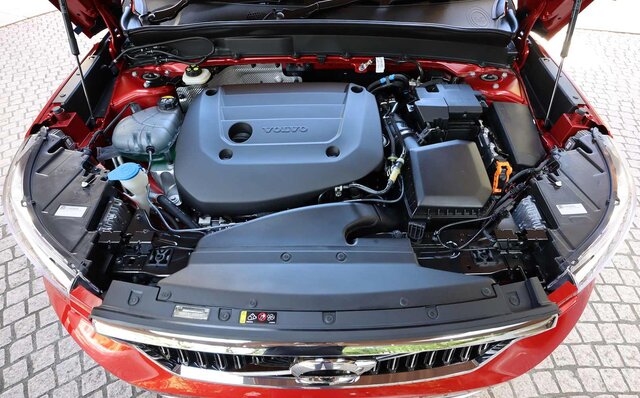
Volvo's introduced 48V hybrid powertrain utilizes an ISGM (Integrated Starter-Generator Module) connected to the crankshaft via a belt. This system stores electricity generated during regenerative braking in a 48V lithium-ion battery (24 cells) and uses it for engine starting, power assist, and braking.
The test car (B4) is equipped with the "D420T6" type 2.0-liter inline 4-cylinder DOHC 16-valve intercooled turbo gasoline engine, producing a maximum output of 145kW (197ps) at 4,800–5,400rpm and a maximum torque of 300Nm at 1,500–4,400rpm. This is combined with an electric motor producing 10kW/3,000rpm and 40Nm/2,250rpm. Power is delivered to an electronically controlled AWD system via an 8-speed automatic transmission.
The PHV, the other electrified model, features a system combining a 1.5-liter 3-cylinder engine, a high-output motor, and a 7-speed dual-clutch transmission, driving the front wheels, making it significantly different. Incidentally, the B4's 4-cylinder engine itself has undergone extensive redesign for the third-generation Drive-E powertrain, with approximately 90% of parts, including the turbocharger, pistons, cylinders, cylinder head, and block, being newly developed. Further noise reduction has been achieved through changes in sound insulation materials and the addition of an oil pan capsule.
The "B" Model's Ride: A Refinement Over the "T" Models
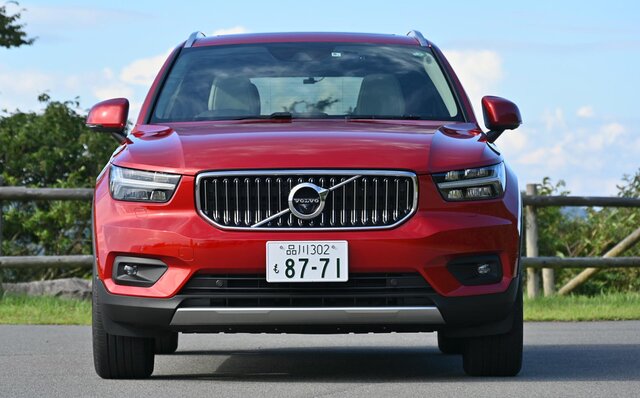
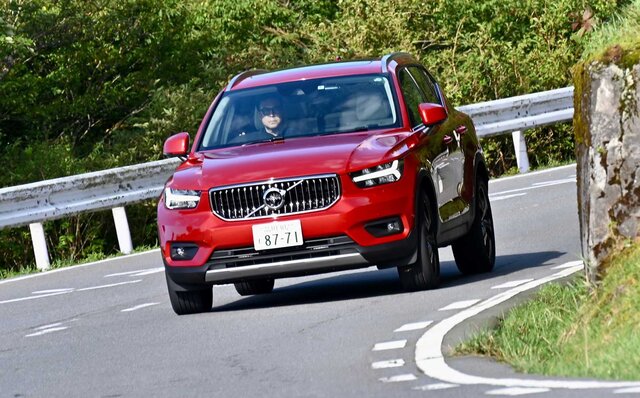
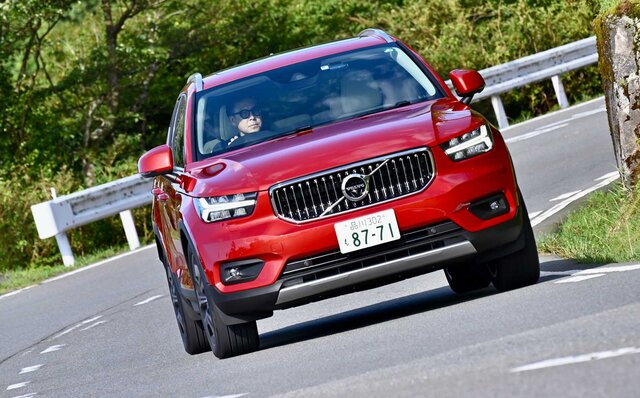
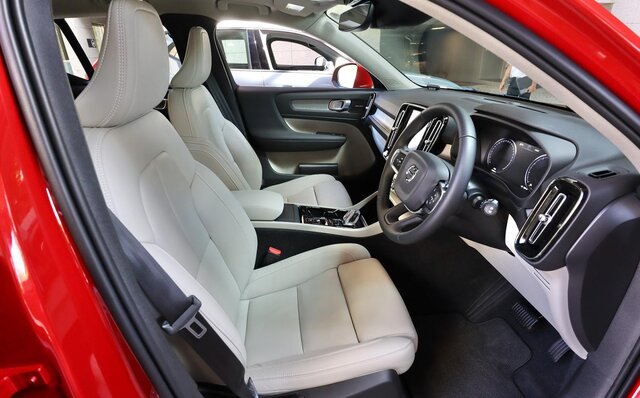
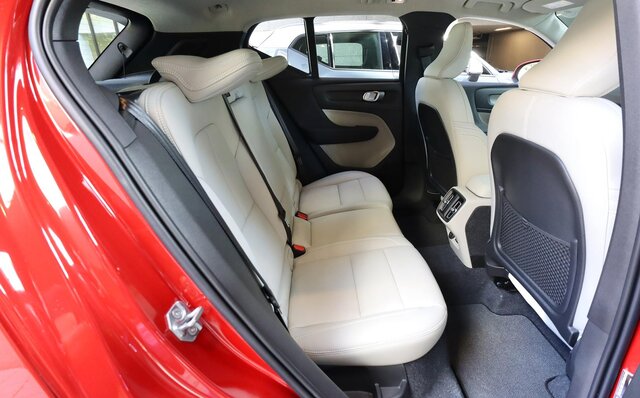
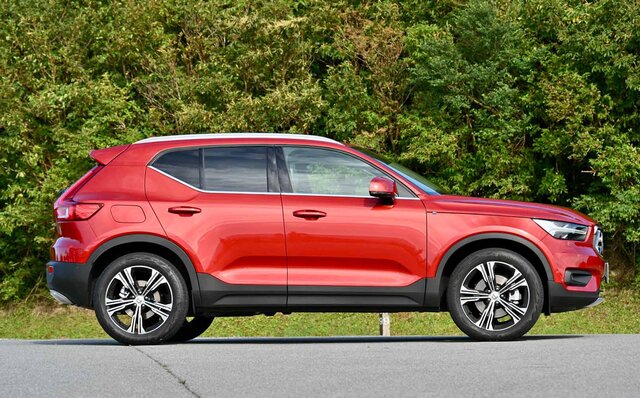
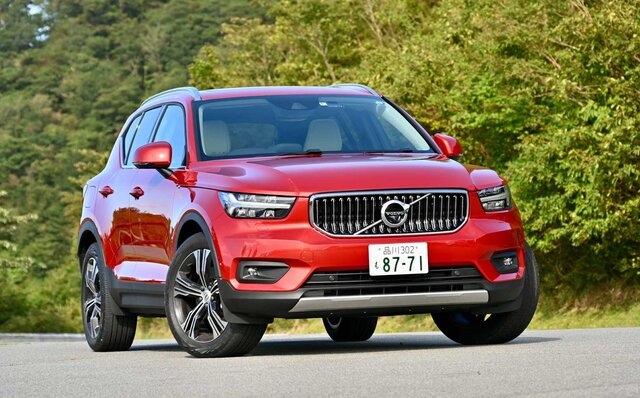
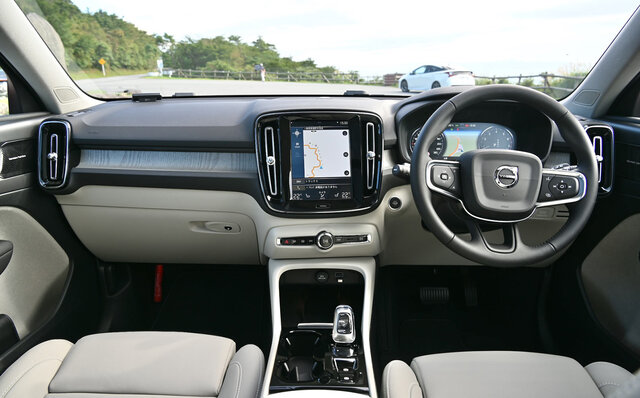
The test car, measuring 4,425mm in length, 1,875mm in width, and 1,660mm in height, with a curb weight of 1,780kg (for the sunroof-equipped model), is an Inscription model featuring a Fusion Red Metallic (optional) body color paired with a Blond/Charcoal & Blond two-tone interior.
As soon as I pressed the start button, I noticed the reduced noise and vibration because the ISG, not the starter motor, initiated the engine start. Furthermore, the motor's torque assists the initial acceleration, allowing the car to move off smoothly. This immediate benefit of the MHV system is apparent to the driver from the very beginning.
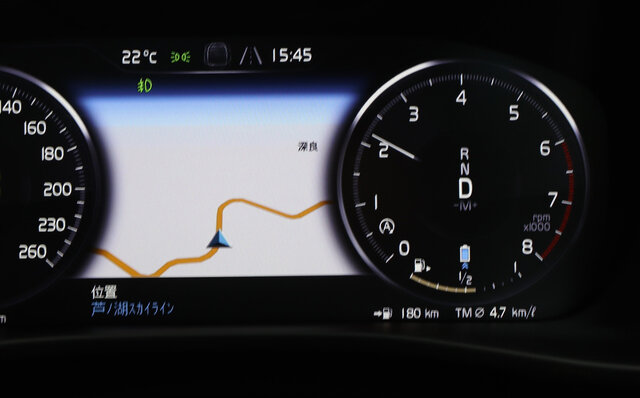
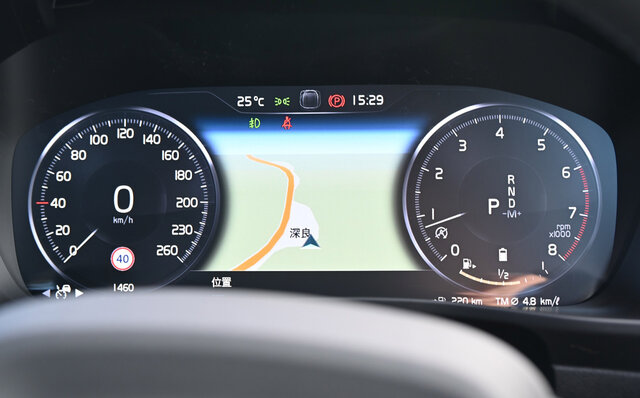
The only visual indication of the MHV system at work is a small blue battery icon within the tachometer that lights up during braking, signaling that charging is in progress. Volvo's discretion in not overtly emphasizing this feature speaks volumes.
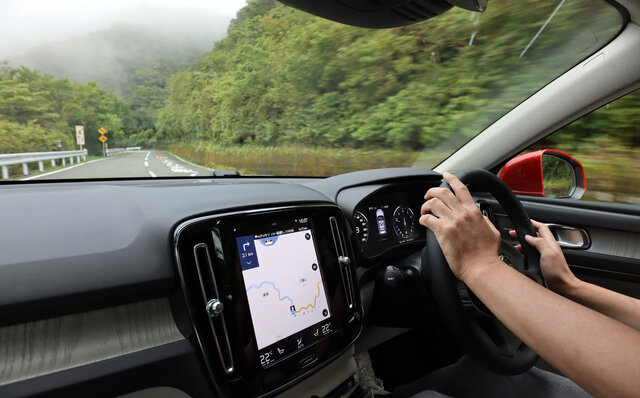
The test route consisted of winding roads with steep ascents and descents, primarily along the Ashinoko Skyline. While it doesn't offer the agile performance of a sports car, it feels perfectly adequate for its purpose.
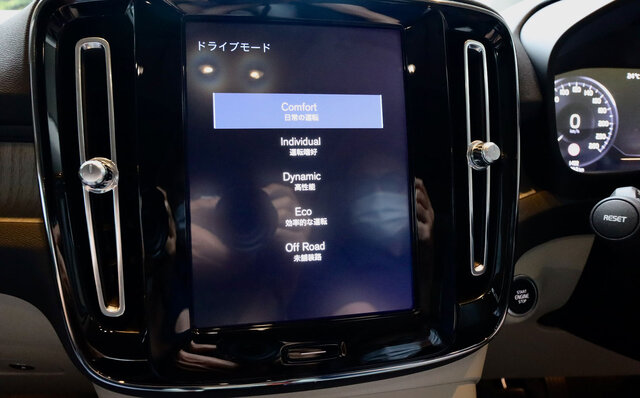
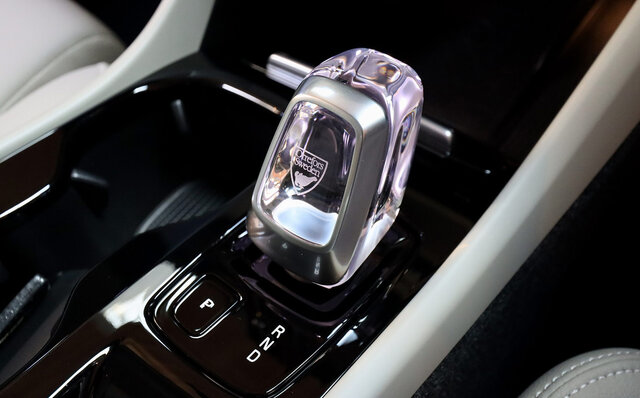
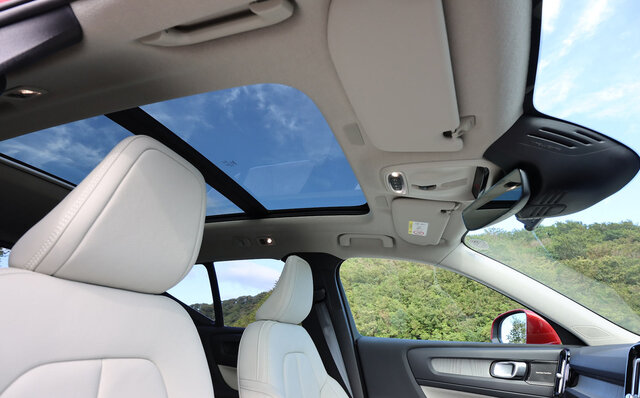
Selecting "Dynamic" from the drive mode button discreetly placed on the center console, or opting for the more powerful B5 R-Design, would undoubtedly provide enhanced performance. However, Volvo seems to prioritize the experience of enjoying the drive while appreciating the refined Nordic aesthetic: the exquisite leather seats, the sparkling crystal shift knob from Orrefors, a renowned Swedish glassmaker known for its tableware used at Nobel Prize banquets, and the expansive electric panoramic glass sunroof (optional) offering a view of the blue sky, a must-have for those who cherish sunlight. It feels as though Volvo wishes for drivers to savor these elements.
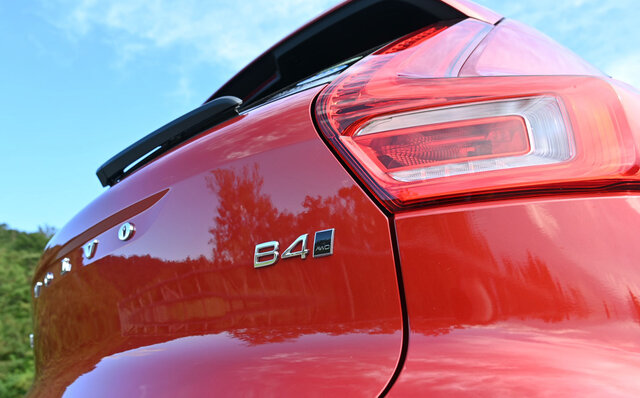
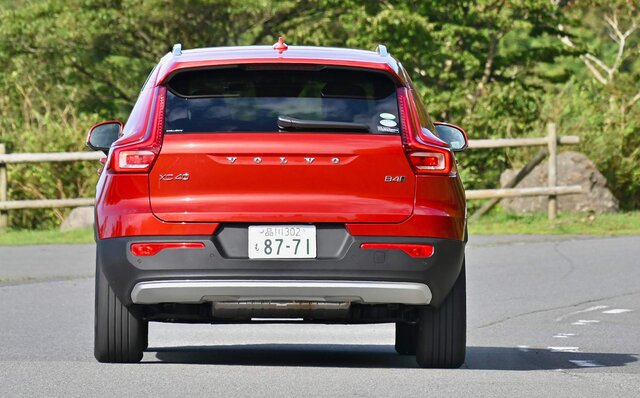
Even when selecting manual mode, there are no paddle shifters, and the inclination to attack corners at the clipping point is absent, which might be considered a merit of this car. In the B4 Inscription, the tailpipes are subtly integrated into the rear, making the B4 appear almost like an EV when viewed from behind – a clever design choice.
While the engine's sound and vibration are noticeable when revved to high RPMs, the four-cylinder's rhythmic and pleasant tone is acceptable. According to Volvo, the CMA (Compact Modular Architecture) platform used for the XC40, designed with full electrification in mind, is somewhat less advanced in this regard compared to the SPA (Scalable Product Architecture) platform for mid-size and large vehicles, which was designed with the assumption of engine installation.
A Charm Distinct from the German Big Three
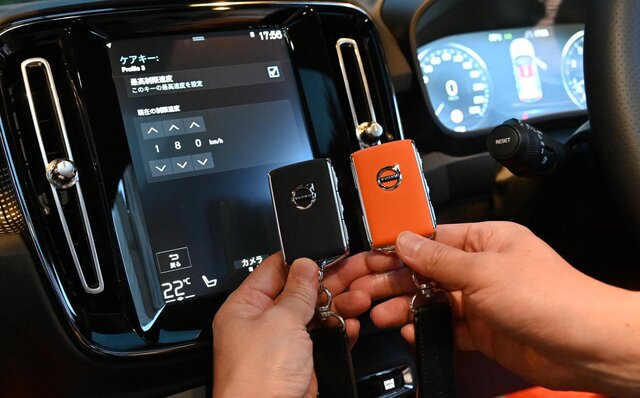
In terms of safety, Volvo has not only implemented a speed limiter set at 180 km/h across all models but has also introduced the "Care Key," which sets a maximum speed based on Volvo's safety vision aiming for "zero fatalities."
The test car came with two leather keys, charcoal and orange; the orange one is the Care Key. Settings are made via the monitor screen. By selecting "Care Key" and then the speed limit, the car's maximum speed can be determined. This feature is intended for situations where a driver with less experience or an elderly driver is using the vehicle, allowing the owner to lend it out with a reduced risk of accidents due to speeding.
Although not tested during this drive, it is reported that in situations requiring steady speed on highways, the vehicle can operate on two cylinders by deactivating cylinders 1 and 4 (CDA - Cylinder Deactivation), significantly improving fuel efficiency.
Japanese staff tests have reported an average fuel economy of 17 km/L, with a maximum of 20 km/L when cylinder deactivation is fully engaged (the WLTC mode fuel economy for the test car is 12.5 km/L). At this point, the advantage over diesel engines, known for their low-end torque and economy, diminishes. Conversely, the disadvantages of diesel, such as exhaust emissions and rattling noise (though some appreciate this nostalgic sound), become more apparent.
Looking at Volvo's model lineup, I noticed that the XC60 and XC90 for the 21Y model year no longer offer diesel engines, and the XC40 never had them in Japan. The S60 and V60 are similar, all having been replaced by PHV and MHV models. Just about five years ago, nearly 70% of their lineup, including the V40 compact model, as well as the S60, V60, and XC60, were diesel engines like the D4. Volvo has made a decisive shift towards full electrification, a move spurred by the diesel gate scandal.
The compact SUV segment, with vehicles around 4.5 meters in length and priced between 4 to 6 million yen, is highly competitive, featuring rivals like the Mercedes GLA/GLB, BMW X1/X2, and Audi Q3/Q3 Sportback. The XC40, with its emphasis on core values of "safety," "environmental consideration" such as sustainability, and "Nordic taste," positions itself as a compelling alternative to the German trio, offering a distinct appeal and a strong choice within this segment.