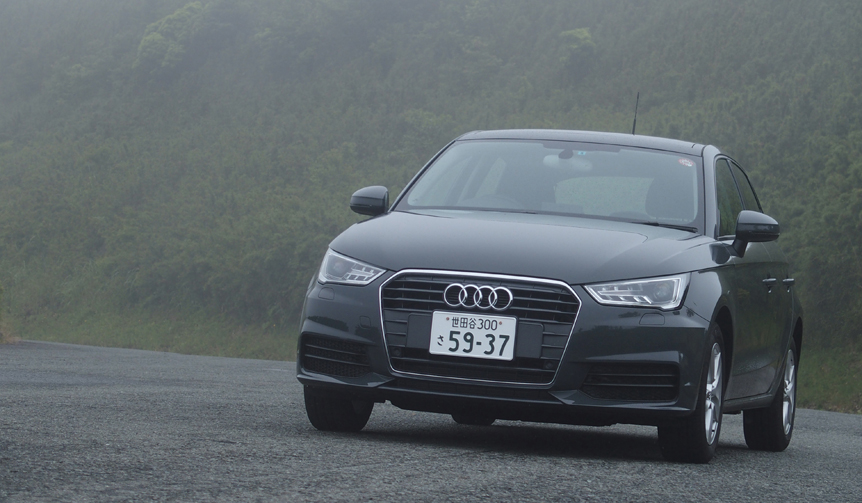
Testing the Capabilities of the New Audi A1 Sportback | Audi
Audi A1 Sportback 1.0 TFSI
A 1.0-Liter Three-Cylinder Engine That Shouldn't Be Underestimated
Testing the New Audi A1 Sportback
Audi's entry-level model, the "A1." It has switched from the 1.4-liter direct-injection turbocharged four-cylinder engine previously used to a 1.0-liter direct-injection three-cylinder engine, which now takes center stage as the main powerplant. Don't underestimate this mere 1.0-liter displacement and 95ps maximum output. While simply looking at the specs might suggest a downgrade, the reality of automotive engineering is that performance isn't always directly tied to numbers. This engine is, in fact, quite capable. For the 3-door model, the attractive price point, under 2.5 million yen, makes it the most affordable Audi ever.
Text and Photographs by SAKURAI Kenichi
Lightness is Right
As Audi's Entry ModelThe "A1" Arrived in Japan in 2011Now features the "1.0 TFSI," equipped with Audi's first direct-injection turbocharged three-cylinder engine.
Looking back in history, there was a three-cylinder model called the "1000 Sp" during the Auto Union era, but this is the first three-cylinder engine under the Audi brand.The Previous A1The main engine was the 1.4-liter direct-injection turbocharged four-cylinder with a maximum output of 122ps, introduced when the model first launched in Japan. It's not incorrect to say that there has been a significant downsizing.
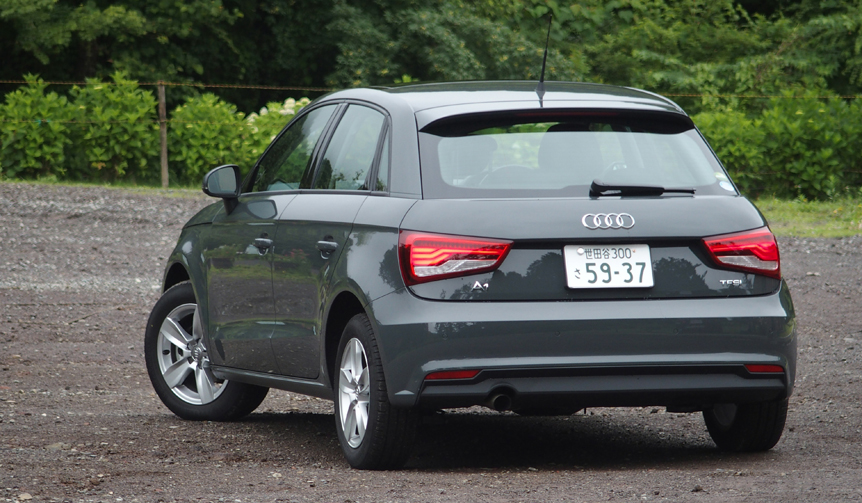
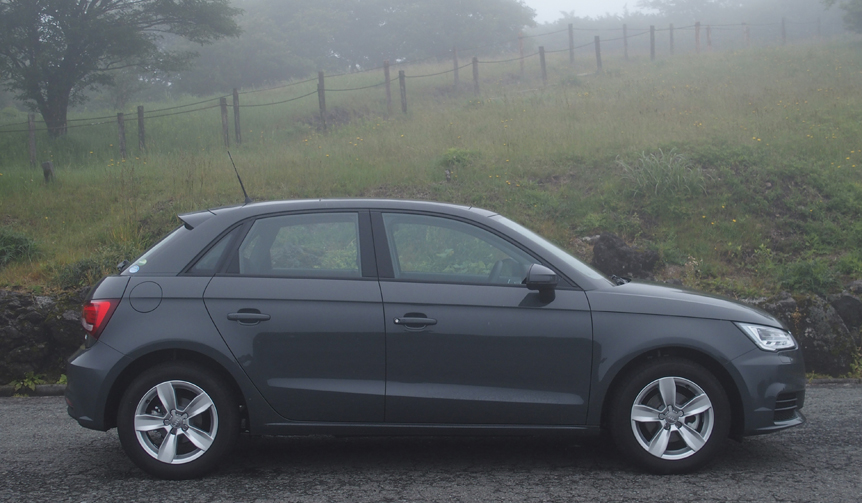
As the name suggests, this new direct-injection turbocharged three-cylinder engine has a total displacement of 999cc. It produces a maximum output of 95ps (70kW) at 5000-5500rpm and a maximum torque of 16.4kgm (160Nm) at 1500-3500rpm. While this is 27ps less than the previous 1.4-liter direct-injection turbocharged four-cylinder engine, you'll rarely notice this 27ps deficit while driving. Although the specifications might suggest a downgrade, it's fascinating how this doesn't directly impact the car's performance.
The reason is quite simple: the vehicle's weight has been reduced by approximately 80kg compared to the previous 1.4-liter model. Given that the equipment levels appear virtually unchanged between the old and new models, it's safe to assume that most of this 80kg reduction comes from the engine (and its ancillaries) being one cylinder shorter.
The benefit of reduced weight in the front overhang is immediately apparent in the car's responsiveness and precise steering feel. You'll notice it the moment you start driving and take the first corner (or even navigate an intersection).
The front end feels remarkably light, and the nose tucks into the turn with a satisfying precision, offering a genuinely sporty and enjoyable driving experience. It feels akin to driving a sports car with a comfortable ride.
Audi A1 Sportback 1.0 TFSI
A 1.0-Liter Three-Cylinder Engine That Shouldn't Be Underestimated
Testing the New Audi A1 Sportback (2)
Audi's Philosophy
It's not a sports car that powerfully thrusts you forward, but rather offers a driving feel reminiscent of a British lightweight sports car.—Perhaps that's the best way to describe it. The entire car feels light, pivoting around the front, and it responds linearly to every turn of the steering wheel – a sensation entirely different from the previous A1. The newly adopted electro-mechanical power steering system is also highly refined.
As you can see by looking under the hood, unlike its sibling,Volkswagen "Polo"the A1 does not have the battery located there. This is because, in addition to the lighter engine, Audi's meticulous approach to weight distribution, placing the battery at the rear unlike the Polo, significantly influences the driving dynamics.
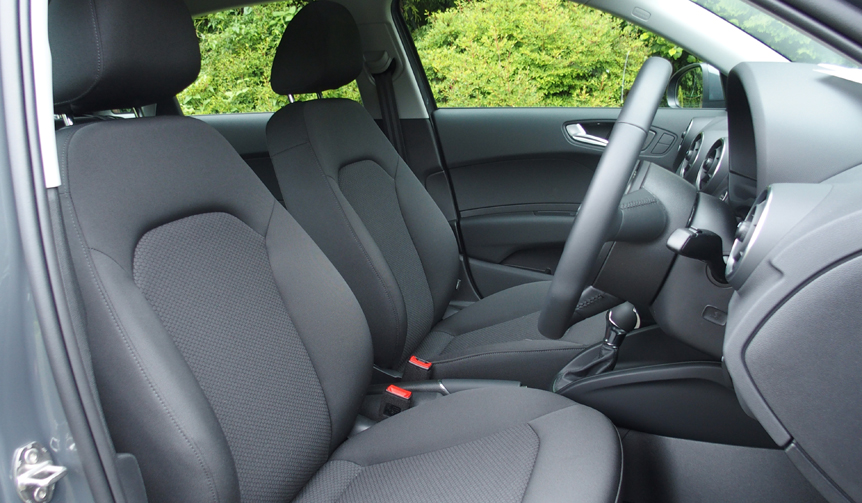
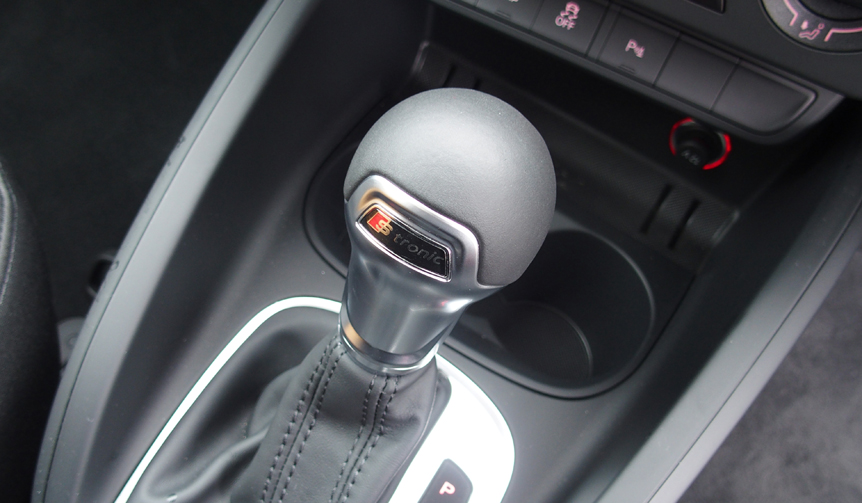
The principle of car design – to make the car as light as possible, keep heavy components within the wheelbase (in the A1's case, being a transverse-engine FWD, the engine is positioned forward of the front axle), and achieve an even static weight distribution – is clearly reflected in Audi's engineering.
This is just one example, but even when sharing powertrains and platforms with sibling models, the approach differs significantly. Premium brand status isn't solely due to good equipment and finishes; while those factors are important, Audi's commitment to engineering that enhances the driving experience is also a key reason for its premium positioning.
Audi A1 Sportback 1.0 TFSI
A 1.0-Liter Three-Cylinder Engine That Shouldn't Be Underestimated
Testing the New Audi A1 Sportback (3)
Charm Beyond the Numbers
Once you start driving, you'll experience a torque-filled acceleration that belies the 27ps deficit, and although it's a turbocharged engine, it revs smoothly to high RPMs, adding to the exhilaration. While a strict comparison might reveal moments where the 1-liter unit feels underpowered on tight corner exits on winding roads, its lightness compensates, making it an equally enjoyable, if not more so, experience.
You might appreciate its sporty handling if you could experience the agility on a winding mountain road with continuous tight corners – so much so that you'd wish for paddle shifters.
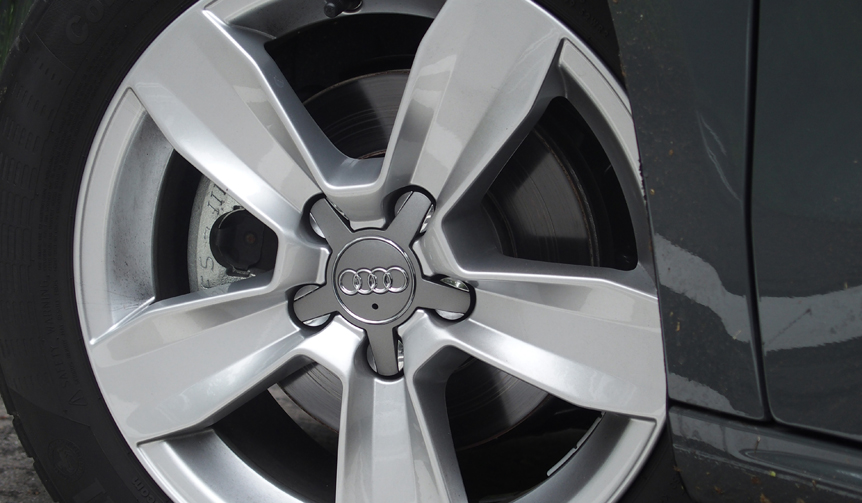
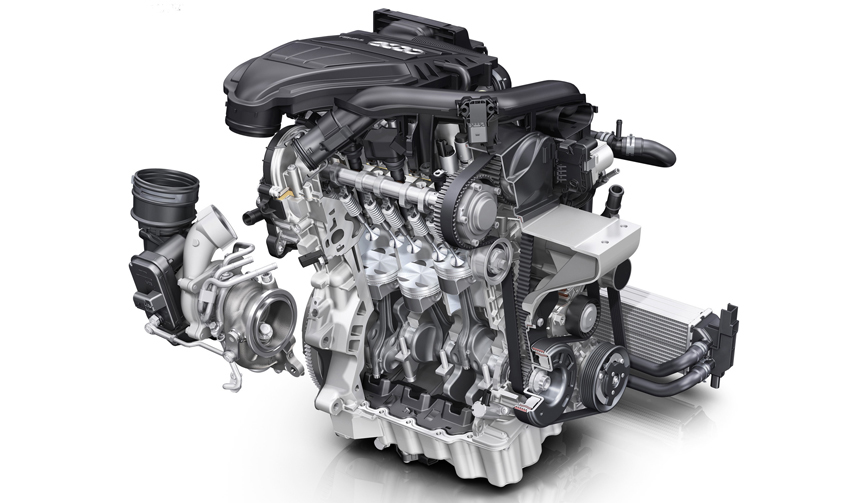
As a new engine, it's no surprise that fuel efficiency, a major concern today, is also better with the 1.0-liter engine. The manufacturer's stated JC08 mode fuel economy has improved from the previous 1.4-liter's 17.8km/ℓ to an Audi-record 22.9km/ℓ. Although it requires premium gasoline, this is welcome news for those considering a compact car.
However, more than these benefits, what we strongly felt as the appeal of the 3-cylinder A1 was, as mentioned repeatedly, its agility on winding roads.
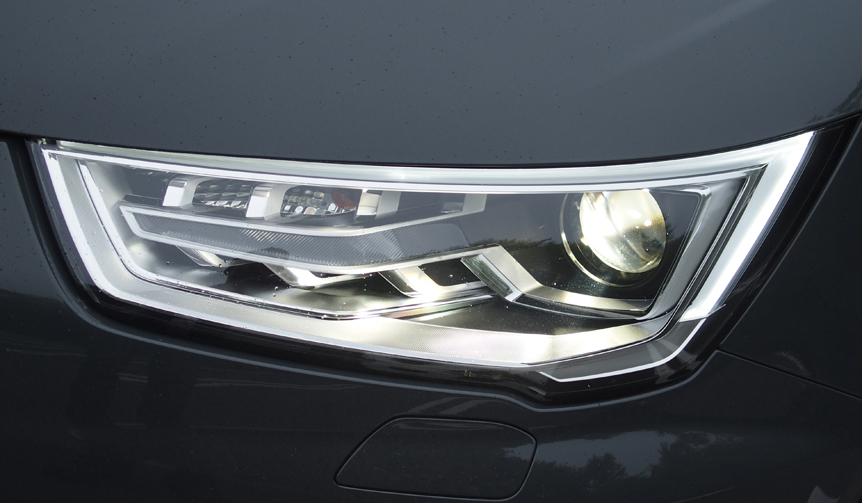
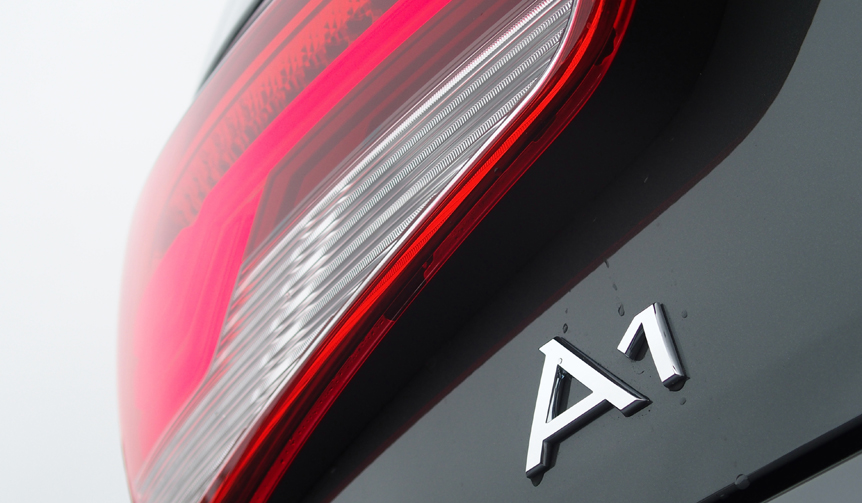
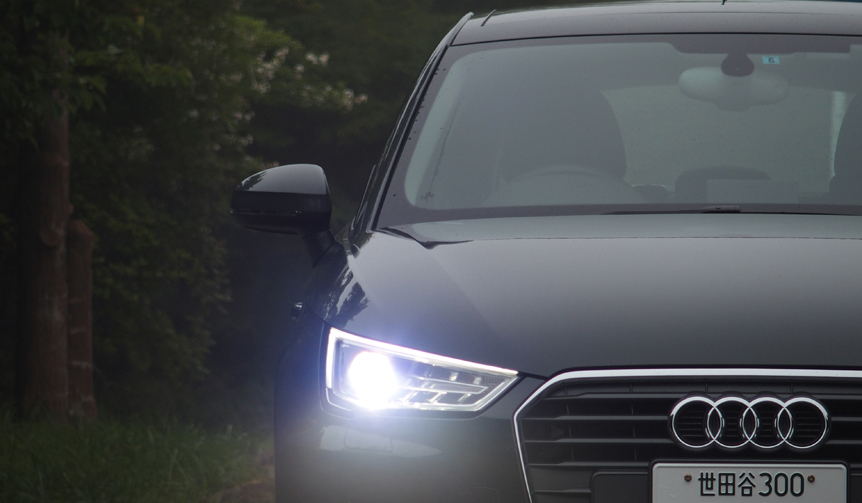
Despite its compact size, the interior and exterior exude the quality expected of a premium Audi, leaving nothing to be desired. The exterior features revised designs for the headlights, LED taillights, and front/rear bumpers, along with a wider design for the Singleframe grille, incorporating refinements in detail.
The 20mm increase in overall length is due to these design enhancements; the interior length and luggage capacity remain unchanged.
Inside, the addition of aluminum-look and high-gloss black finishes creates an overall more sophisticated impression.
Audi A1 Sportback 1.0 TFSI
A 1.0-Liter Three-Cylinder Engine That Shouldn't Be Underestimated
Testing the New Audi A1 Sportback (4)
Premium Means More Than Just Price
The news is the downsizing of the engine and the fact that Audi, a premium brand, has achieved an entry price point under 2.5 million yen for the 3-door A1 1.0 TFSI (starting from 2.49 million yen) and under 2.7 million yen for the 5-door A1 Sportback (starting from 2.69 million yen). However, we also want to draw your attention to the driving experience brought about by the lighter engine and body.
Audi is renowned for its success in races like Le Mans and WEC. The engineering prowess and commitment to performance derived from racing technology, where "lightness is right," are evident even in this entry-level model. You'll surely notice this when you drive the A1.
At the same time, you'll understand that simply using luxurious interiors and expensive parts doesn't automatically qualify a brand as premium, especially when experiencing the Audi brand.

Audi A1 Sportback 1.0 TFSI
Body Dimensions | Length 3,985 x Width 1,745 x Height 1,440 mm
Wheelbase | 2,465 mm
Tread Front/Rear | 1,475 / 1,470 mm
Weight | 1,140 kg
Engine | 999 cc Inline 3-Cylinder DOHC Intercooled Turbo
Bore x Stroke | 74.5 x 76.4 mm
Compression Ratio | 10.3:1
Max Output | 70 kW (95 ps) / 5,000-5,500 rpm
Max Torque | 160 Nm (16.3 kgm) / 1,500-3,500 rpm
Transmission | 7-speed AT (S tronic)
Drivetrain | FF
Suspension Front | MacPherson Strut
Suspension Rear | Torsion Beam
Brakes Front | Ventilated Discs
Brakes Rear | Discs
Tires Front/Rear | 185/60 R15
Trunk Capacity | 270 ℓ
Price | 2.69 million yen
Audi Communication Center
9:00-19:00 (Open Year-Round)
0120-598106