The DNA of the Original LS Lives On – Report from Lexus' 30th Anniversary Event "LEXUS MILESTONES" | Lexus
Lexus
Experience 30 Years of Lexus History Through Comparative Test Drives of Past and Present Models
In 2019, it was exactly 30 years since the first-generation "LS" debuted at the Detroit Motor Show, marking the start of the Lexus brand. To commemorate the brand's journey, Lexus held an event called "LEXUS MILESTONES" in Costa Rica. This event featured an intriguing program of comparative test drives of new and old Lexus models, offering a glimpse into Lexus' car-making philosophy.
New and Old Models Gather
For example, the history of Mercedes-Benz traces back to the automobile manufacturer founded in 1886 by German engineer Karl Benz. BMW, on the other hand, began in 1916 when Gustav Otto established Bayerische Motoren Werke (Bavarian Motor Works), which focused on aircraft engines. The four brands that formed the foundation of today's Audi—Audi, Horch, Wanderer, and DKW—were all established in the late 19th century.
Considering that these European competitor brands boast histories of over 100 years, one can appreciate how precocious Lexus is. In a significantly shorter span, they have managed to compete in markets like North America and, in some aspects, even surpass them.
Lexus, a luxury brand originating from Japan, made its debut in 1989. In January of that year, the first-generation Lexus "LS" had its world premiere at the North American International Auto Show (Detroit Motor Show), initiating the history of Lexus.
Celebrating its 30th anniversary in 2019, Lexus organized a media event titled "LEXUS MILESTONES" on the Papagayo Peninsula, a luxury resort area in Costa Rica, to reflect on its history.
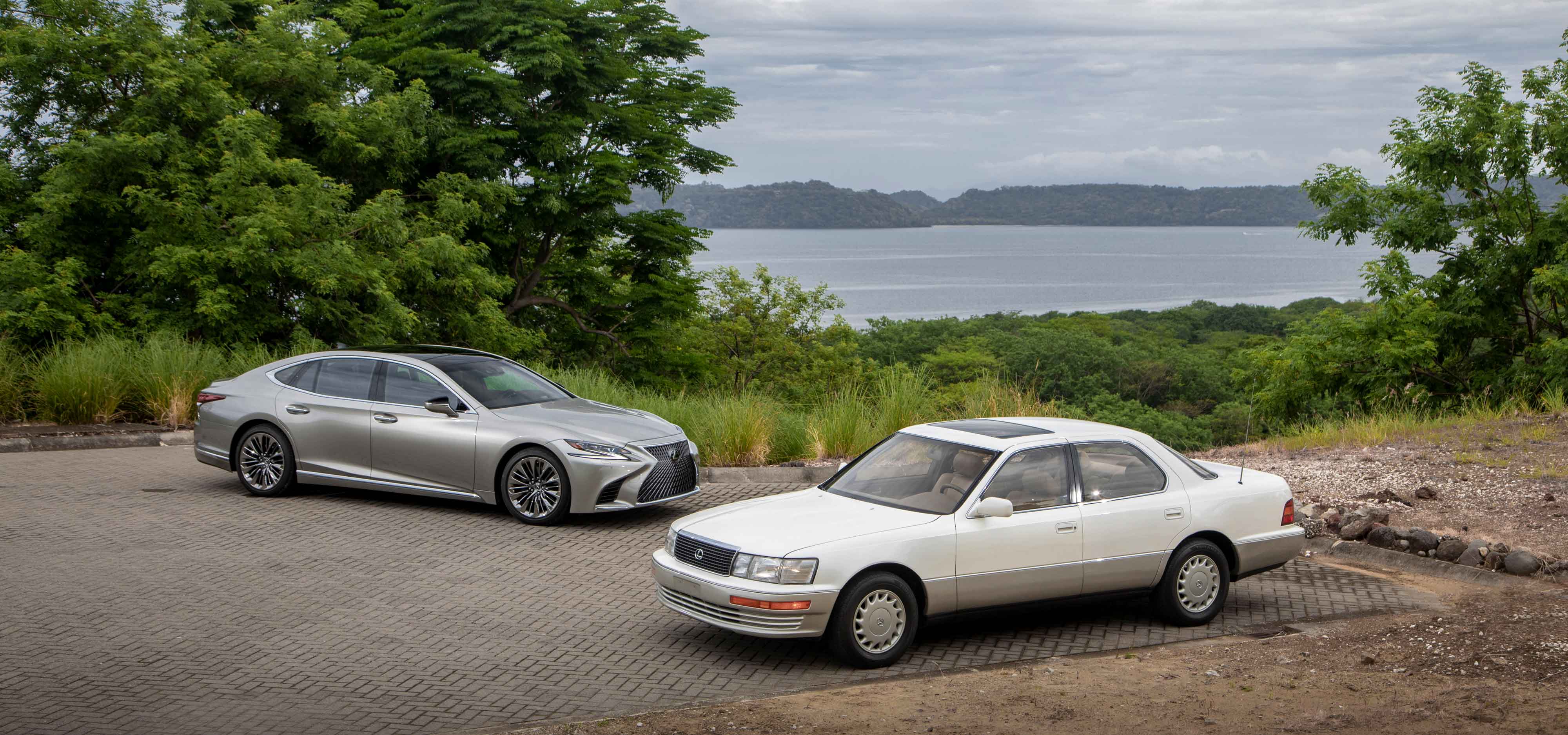
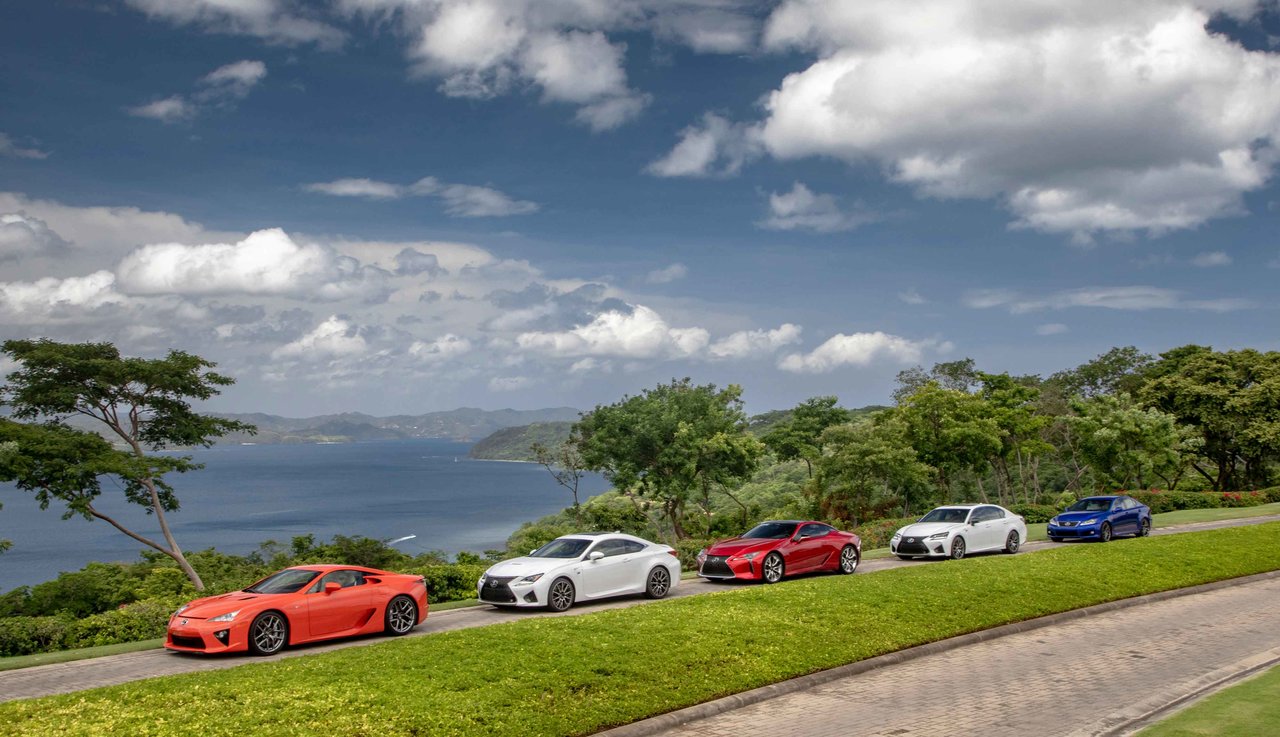
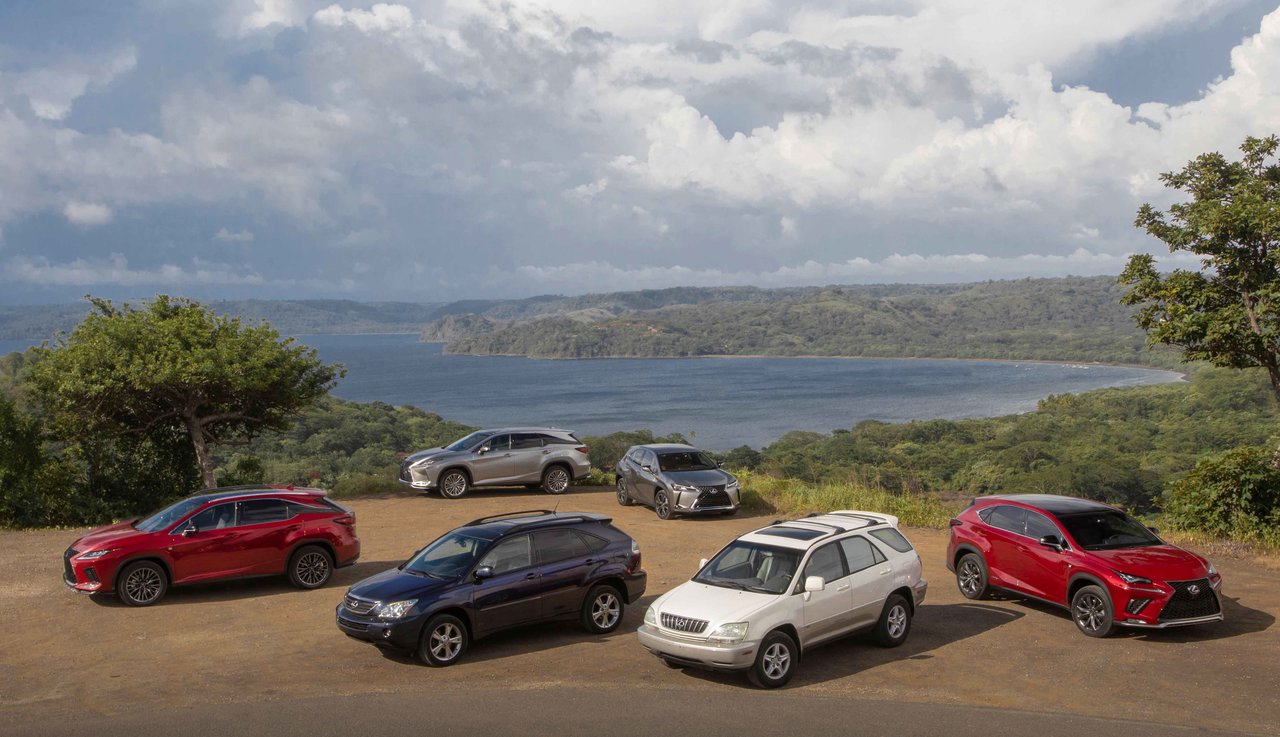
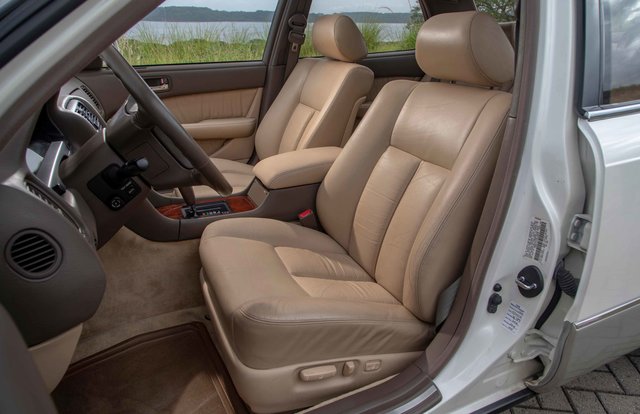
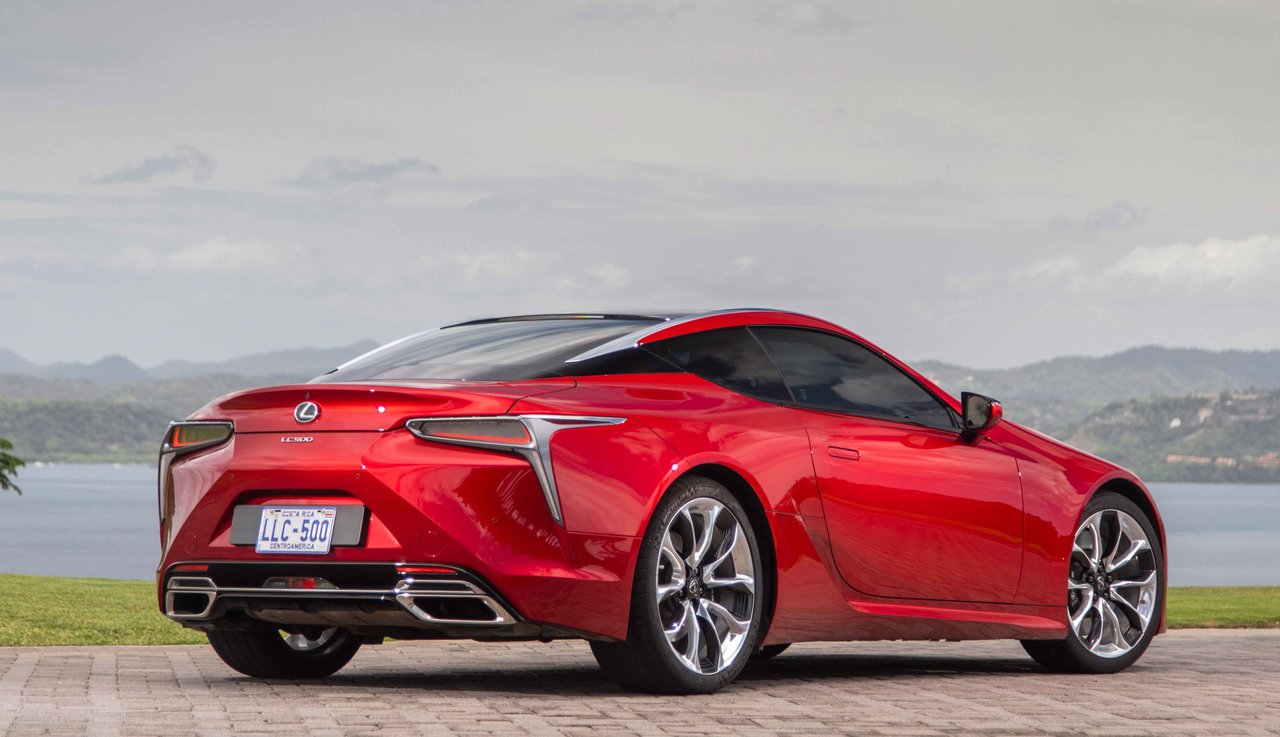
A highlight of LEXUS MILESTONES was the gathering of first-generation models symbolizing the Lexus brand, such as the "LS," "RX," "SC," and "GS." Furthermore, the latest models, including the "LS500" and "LC500," were also available, allowing for comparative test drives of new and old vehicles.
The Unrivaled Quietness of the First-Generation LS
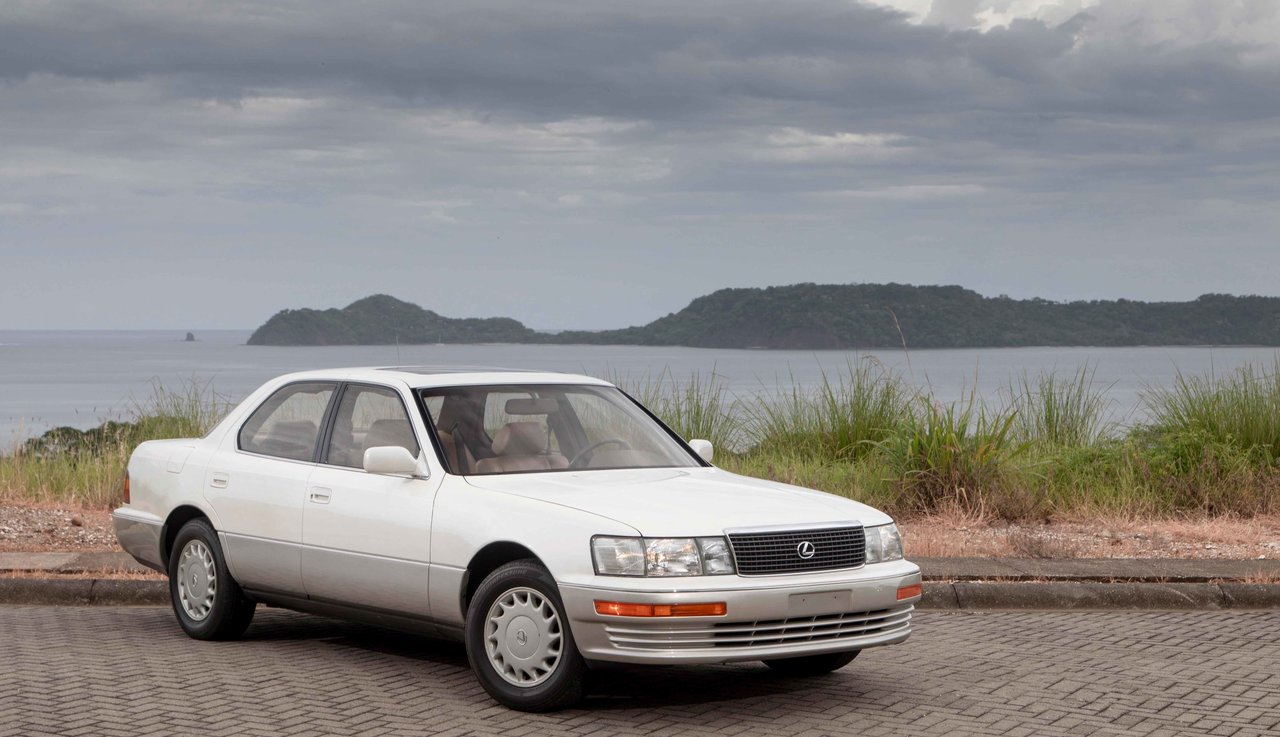
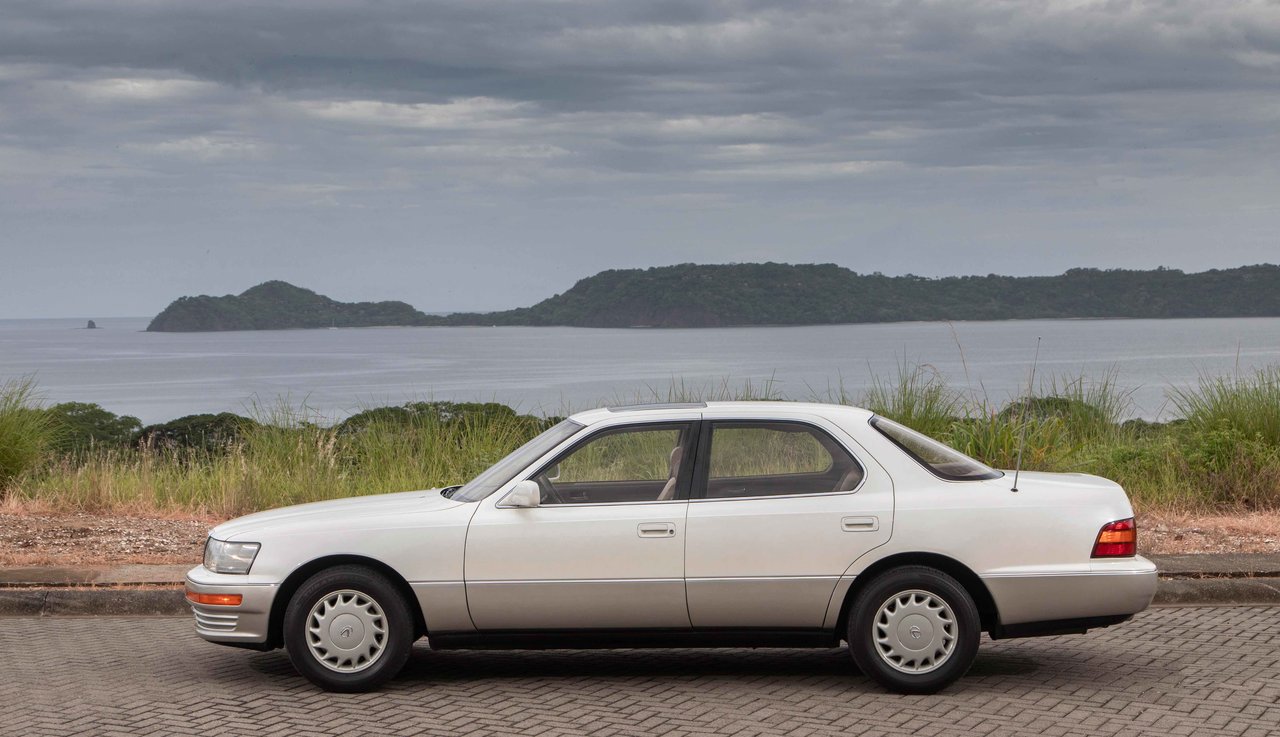
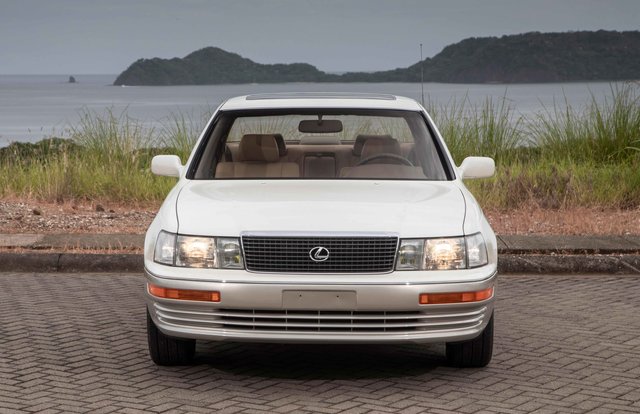
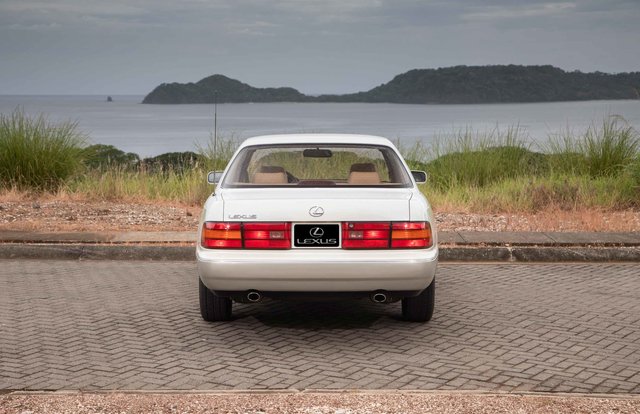
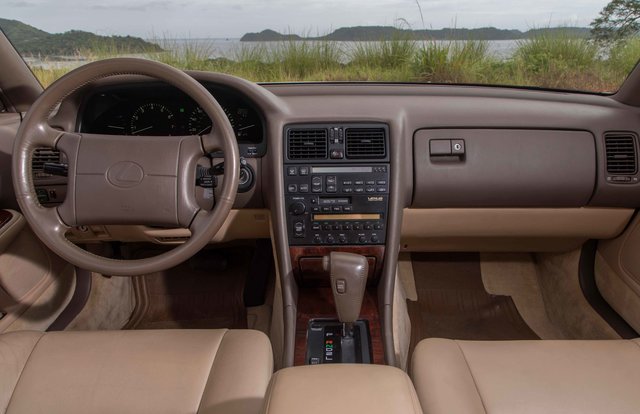
The first vehicle I test drove was the flagship sedan that heralded the dawn of Lexus, the "LS 400." When thinking of the LS, I recall being impressed by the visual of a pyramid of champagne glasses filled to the brim, stacked on the hood while the engine revved on a chassis dynamometer, used to showcase its superior NVH (Noise, Vibration, Harshness) performance in a North American commercial. Upon driving, the first thing that struck me was indeed its high NVH performance.
For instance, even when driving at around 100 km/h on Costa Rican country roads, the noise from the engine, drivetrain, and tires is exceptionally well-suppressed. It offers a level of quietness that is still impressive by today's standards. The ride comfort is also smooth, gently absorbing any jolts from the road. I recall hearing that European and American competitors were greatly impacted by the comfort of this first-generation LS, and experiencing it firsthand, I can understand why. Its balanced, refined ride quality truly forms the foundation of today's Lexus.
Actually, before the test drive, there was a presentation that looked back at Lexus' 30-year history through augmented reality (AR) visuals, which included the development story of the first-generation LS.
At that time, Toyota did not have a luxury car that could rival premium brands like Mercedes, BMW, or Cadillac. In response to requests from the North American market for a luxury car aimed at affluent customers, then-President Eiji Toyoda decided to "create the world's finest automobile, unparalleled by any other." The project, involving 15 elite engineers, began in 1984.
Chief Engineer Ichiro Suzuki, who led the development team, set technical targets that were considered extremely difficult at the time: a top speed of 250 km/h, fuel efficiency of 22.5 mpg (miles per gallon), a drag coefficient of 0.28, and a noise level of 58-59 decibels at 100 km/h.
To develop a completely new full-size sedan that would meet these targets, which Mr. Suzuki himself described as "tremendously high," a total of 1,400 engineers were mobilized. 450 prototypes were built, and the road tests conducted covered a distance equivalent to 100 laps around the Earth, totaling 27 million miles. It is likely due to this high ambition and the relentless efforts of the engineers that the first-generation LS became a presence that could significantly impact its European and American competitors.
The RX400h: The Foundation of Lexus' Electric Technology
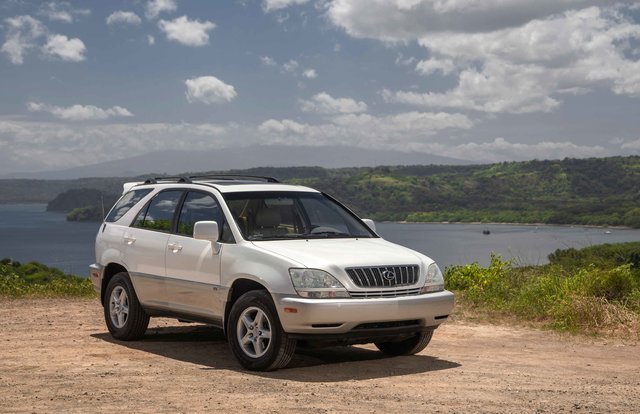
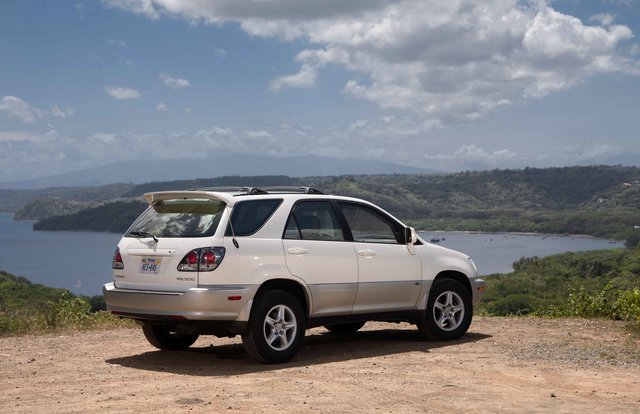
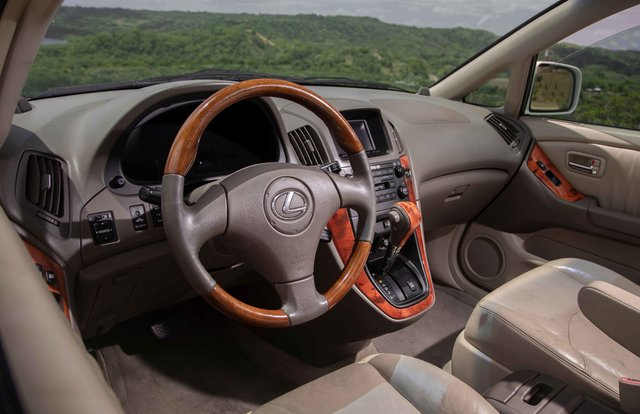
Next, I test drove the "RX300," Lexus' first SUV, which debuted in 1998. This was the first SUV in the world to adopt a monocoque body, pioneering the refined luxury crossover segment that is now commonplace. Driving it, I felt it possessed the same values as the LS, such as a comfortable ride and a reassuring driving feel, although its handling was more relaxed and not as sporty as the latest RX.
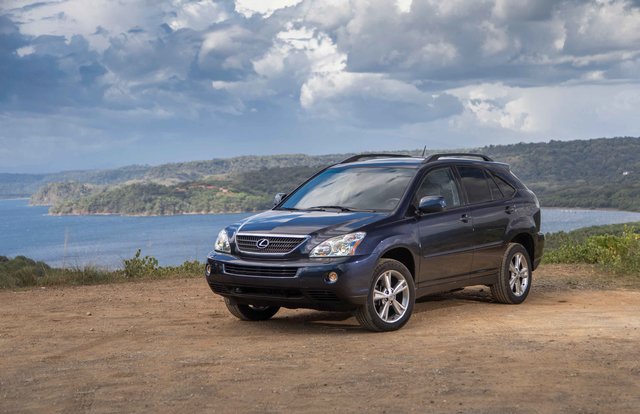
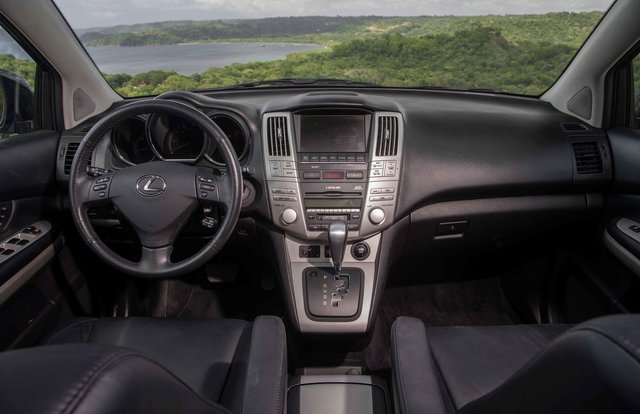
The "RX400h," which debuted in 2005 as Lexus' first hybrid vehicle, left a strong impression with its exceptionally smooth drivetrain, thanks to its advanced hybrid technology. When accelerating, the car gained speed as if gliding. This offered a sense of refinement unique to luxury cars. Furthermore, the driving position was even more car-like than the first-generation RX, and its handling was commendably straightforward.
Incidentally, since the introduction of this model, Lexus has delivered over 1.5 million hybrid vehicles. Currently, they are developing not only hybrids but also PHEVs (Plug-in Hybrid Electric Vehicles), EVs (Electric Vehicles), FCVs (Fuel Cell Vehicles), and vehicles with in-wheel motors that provide independent drive power to each wheel for precise vehicle control. The RX400h can be considered the model that laid the foundation for Lexus' electric technology.
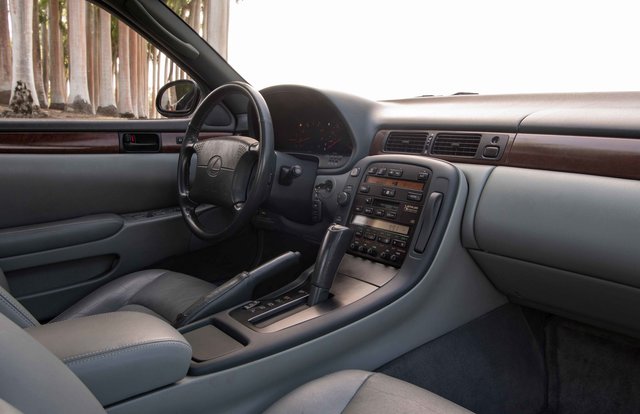
I also test drove the "SC400," introduced to the North American market in 1991 as Lexus' first coupe, which was popular in Japan as the third-generation Soarer. It also impressed me with its high level of refinement and quietness, reminiscent of the first-generation LS.
It's Time to Re-examine the Brand's DNA
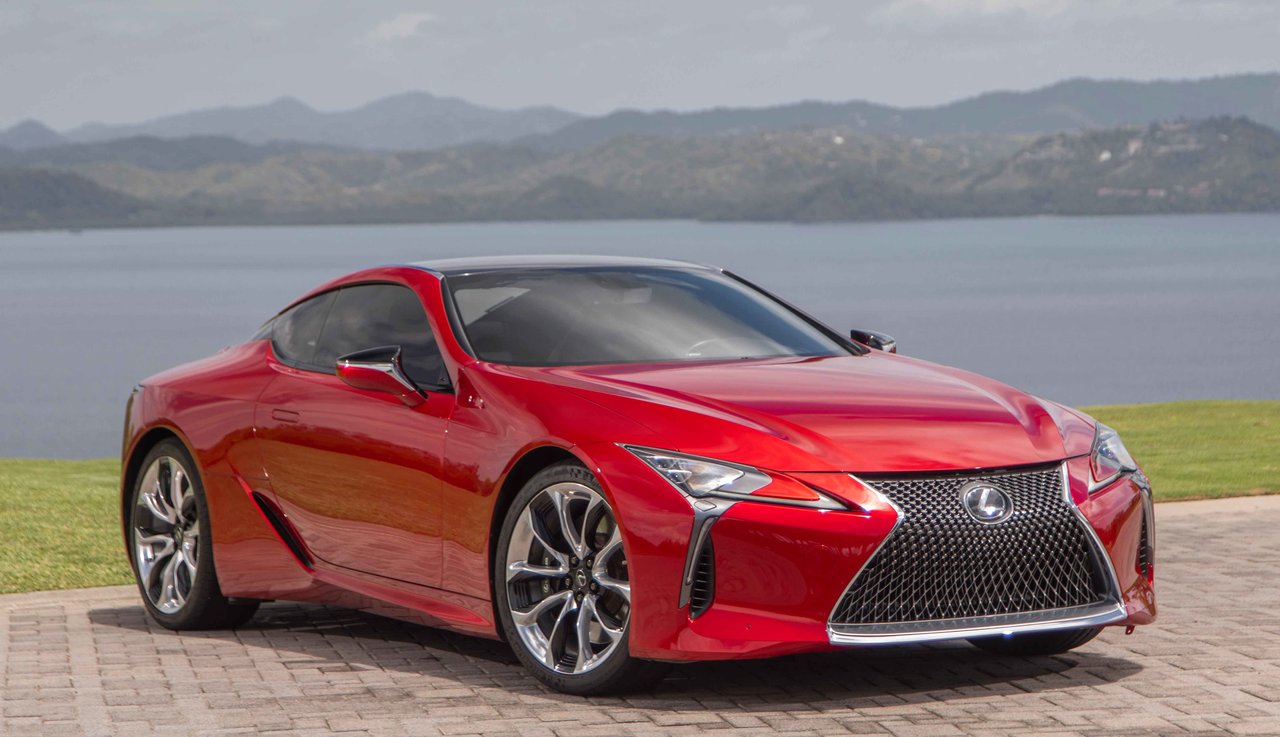
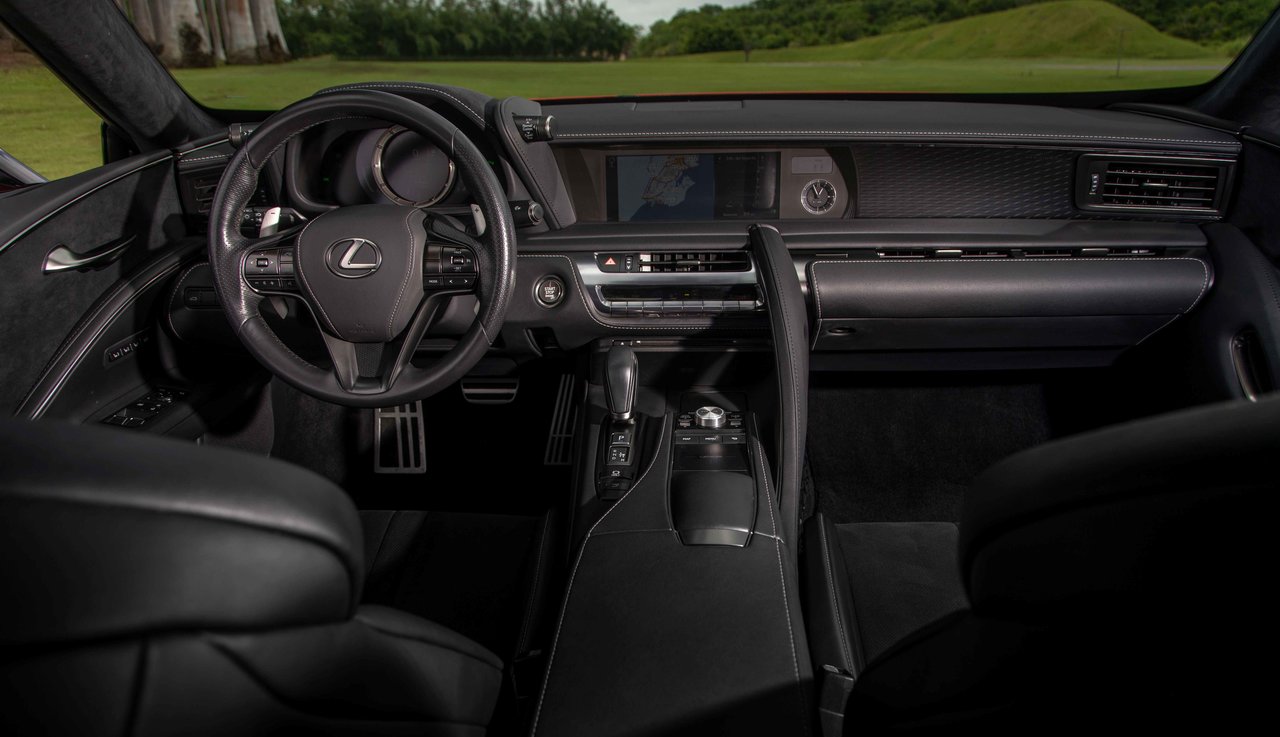
I also had the opportunity to drive the latest Lexus models, which reaffirmed how epoch-making the arrival of the "LC" was for Lexus in recent years. This is because it embodies the new values that Lexus cars propose: a dynamic and emotional exterior, just like the "LF-LC" concept car that appeared at the 2012 Detroit Motor Show; an interior where craftsmanship meets luxury; a refined and sporty powertrain that evokes the feel of a sports car for a new era; and enjoyable handling that creates a sense of unity with the car.
In fact, I've heard that engineers involved in Lexus vehicle development, regardless of the category such as SUVs or sedans, follow the guidelines demonstrated by the LC in their car-making, from styling to performance.
"Through the development of the LC, we were able to realize our ideas regarding driving performance and accumulate various know-how. That is why we now emphasize a return to our roots, re-examining our brand's DNA. After all, Lexus' DNA is encapsulated in the overwhelming quietness, exceptionally smooth ride, and excellent build quality presented by the first-generation LS. We believe that establishing our uniqueness in these areas is the fundamental premise."
Koji Sato, Executive Vice President of Lexus International and Chief Engineer who led the development of the LC (as of December 2019), stated this emphatically at the event venue. As terms like CASE (Connected, Autonomous, Shared & Services, Electric) are discussed in various media, and the automotive environment is undergoing a once-in-a-century transformation, Lexus' fundamental approach to car making will likely remain unchanged as it celebrates its 60th, 90th, and 100th anniversaries.
Contact Information
Lexus Information Desk
Tel. 0800-500-5577 (9:00-18:00, open 365 days a year)
https://lexus.jp/