Exceptional Quality: Five German Cars from the 80s You'll Want to Drive Today
5 German Cars from the 80s We Want to Drive Today
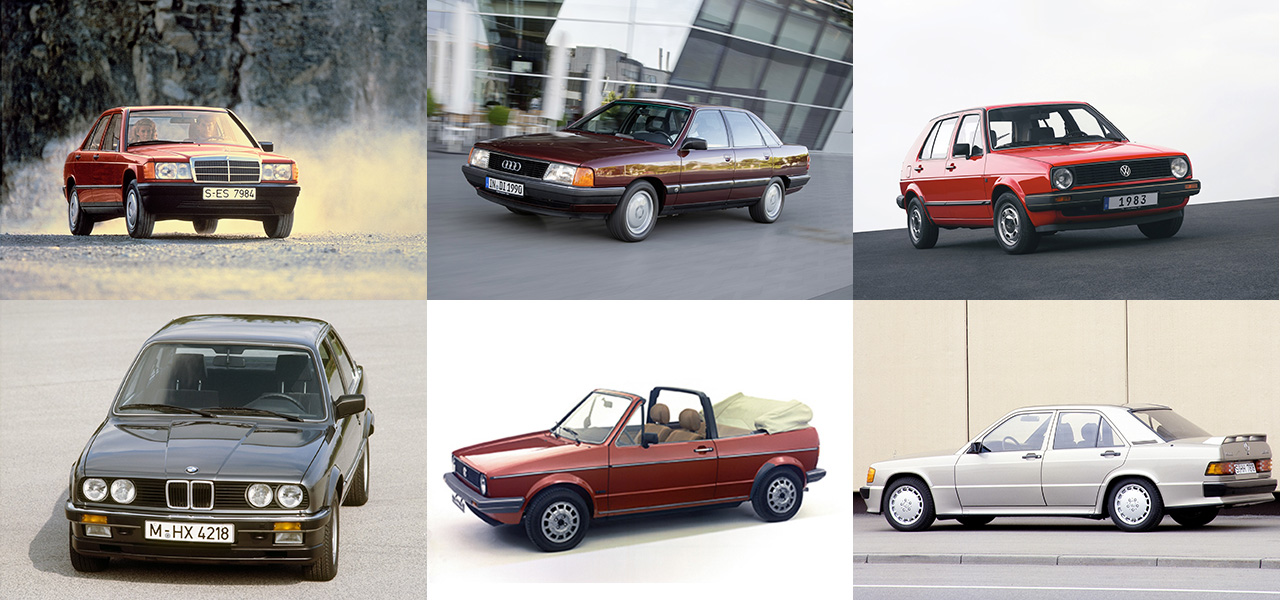
German cars from the 1980s are popular again. They appeal not only to those who admired them in their youth but also to a younger generation. This is likely because these cars, designed and built with a strong emphasis on philosophy over cost, possess a concentrated charm that modern vehicles lack. Here, we present OPENERS' recommended five German cars from the 80s that are worth driving today.
Text by OGAWA Fumio
Products of an Era When Philosophy Mattered More Than Cost
The appeal of "eighties Germans" remains strong. A considerable number of fans, regardless of age, cherish the German cars that debuted in the 1980s. There are various reasons for this. Beyond nostalgia, their style and quality are highly appreciated by younger generations who never experienced them firsthand.
The excellence of eighties Germans can be summed up in one word: earnestness. Philosophy still took precedence over cost. Every manufacturer seemed driven by engineering ideals, diligently pursuing their craft.
Their substantial use of steel contributes to a high-quality feel, enhancing their appeal as physical objects. The durability of synthetic resin parts also appears to be high, with components like the dashboard remaining solid and showing little degradation over time. This, too, is part of the charm of cars from that era. Ultimately, this is why they can be driven for so long.
Below, we list five recommended eighties Germans from OPENERS. While the variety of models wasn't as extensive as today, there were still plenty of enjoyable cars to choose from, including different body types.
1) Mercedes-Benz 190E (1982-)
A Model That Compresses the Grandeur of a Large Mercedes-Benz
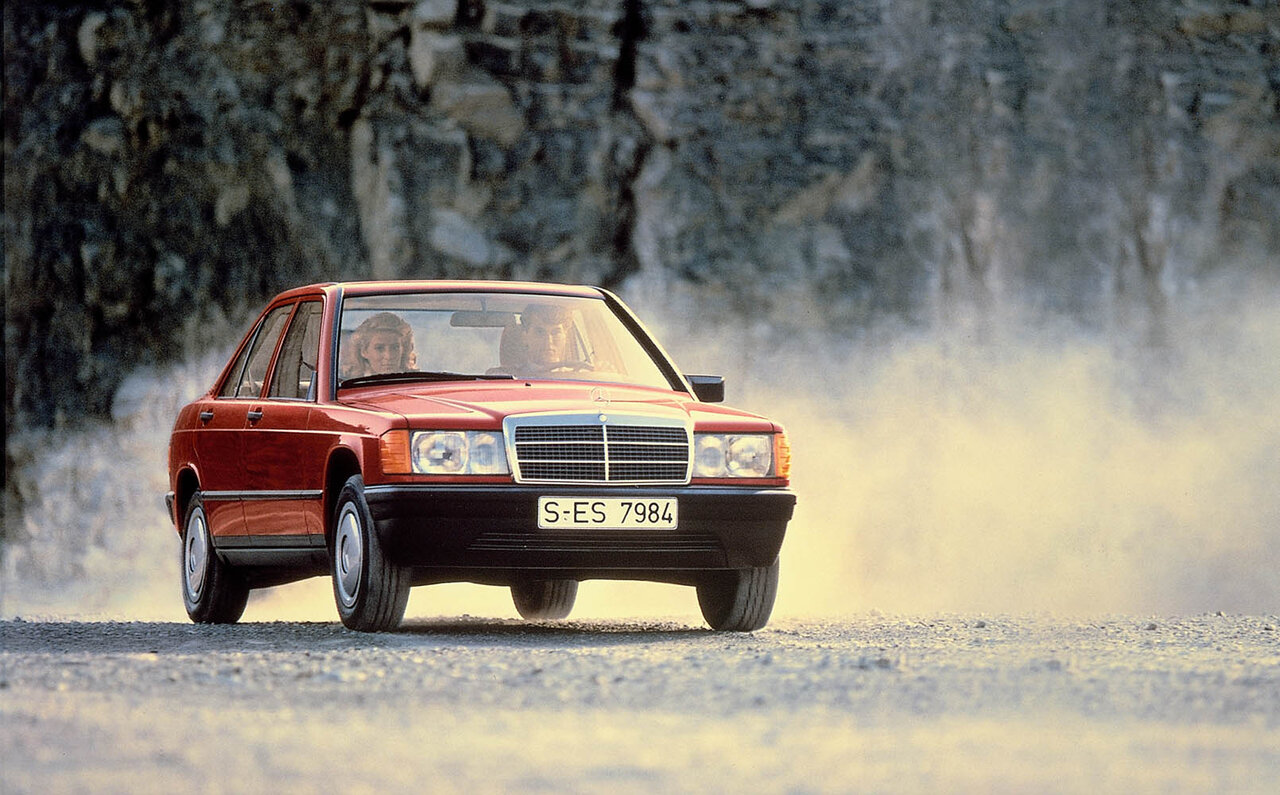
Mercedes-Benz 190E
The unveiling of this car was a sensation. At the time, Mercedes-Benz was known exclusively for its luxury sedans. The company then developed a compact, four-door model measuring just 4.4 meters in length.
Its strengths lie in its exceptional quality. The solid suspension, the weighty feel of the recirculating ball steering traditional to Mercedes-Benz, and the excellent build quality, including doors that closed with a satisfying thud—all contributed to its appeal. The styling was also harmoniously balanced.
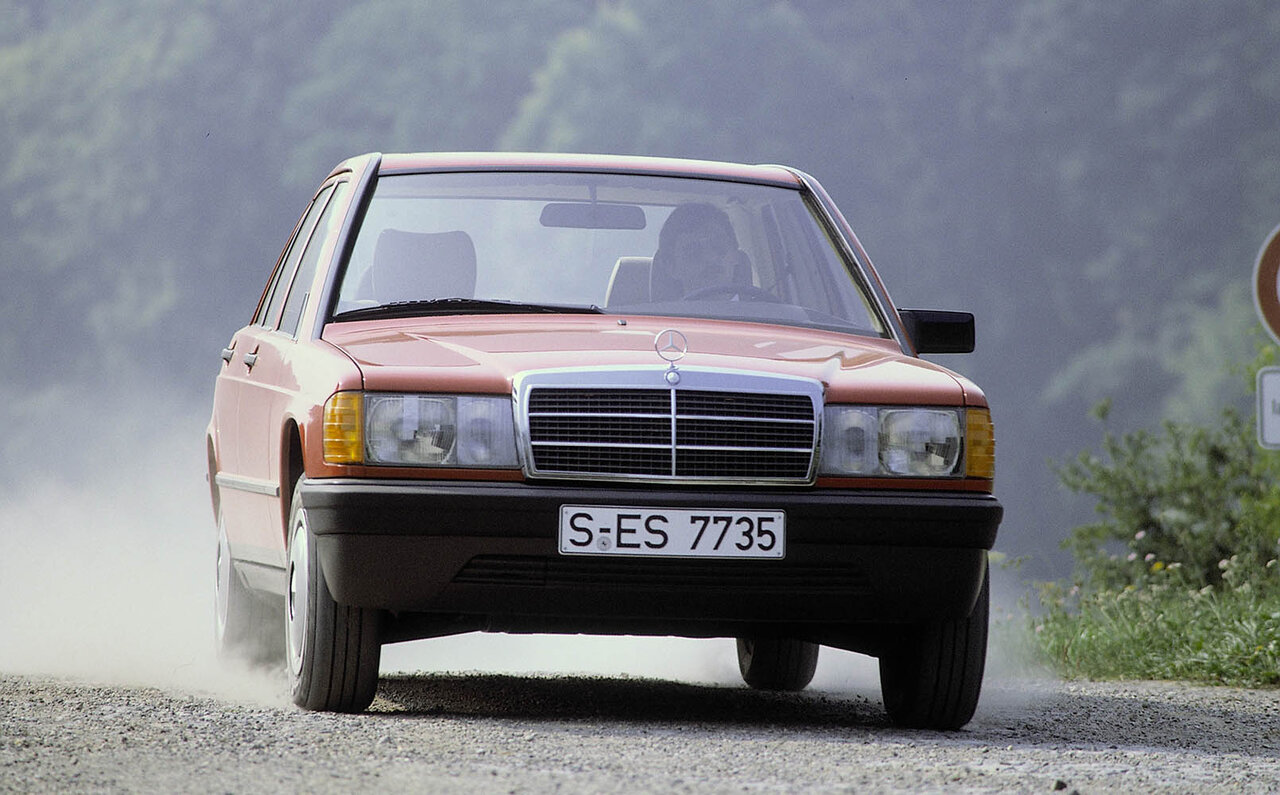
On the other hand, while it featured a 2-liter engine initially, its lack of acceleration meant it felt underpowered for navigating Japanese city streets. Conversely, its aerodynamic body allowed it to gain speed effortlessly on the highway. In essence, it felt as though Mercedes-Benz of that era was primarily developing cars for the Autobahn.
The seats, with their handcrafted elements, were also superb. Although it was sometimes referred to as the "baby Benz" in Japan, it was a model that truly compressed the essence of a large Mercedes-Benz. Therefore, to those who understood its merits, "baby Benz" was never a derogatory term.
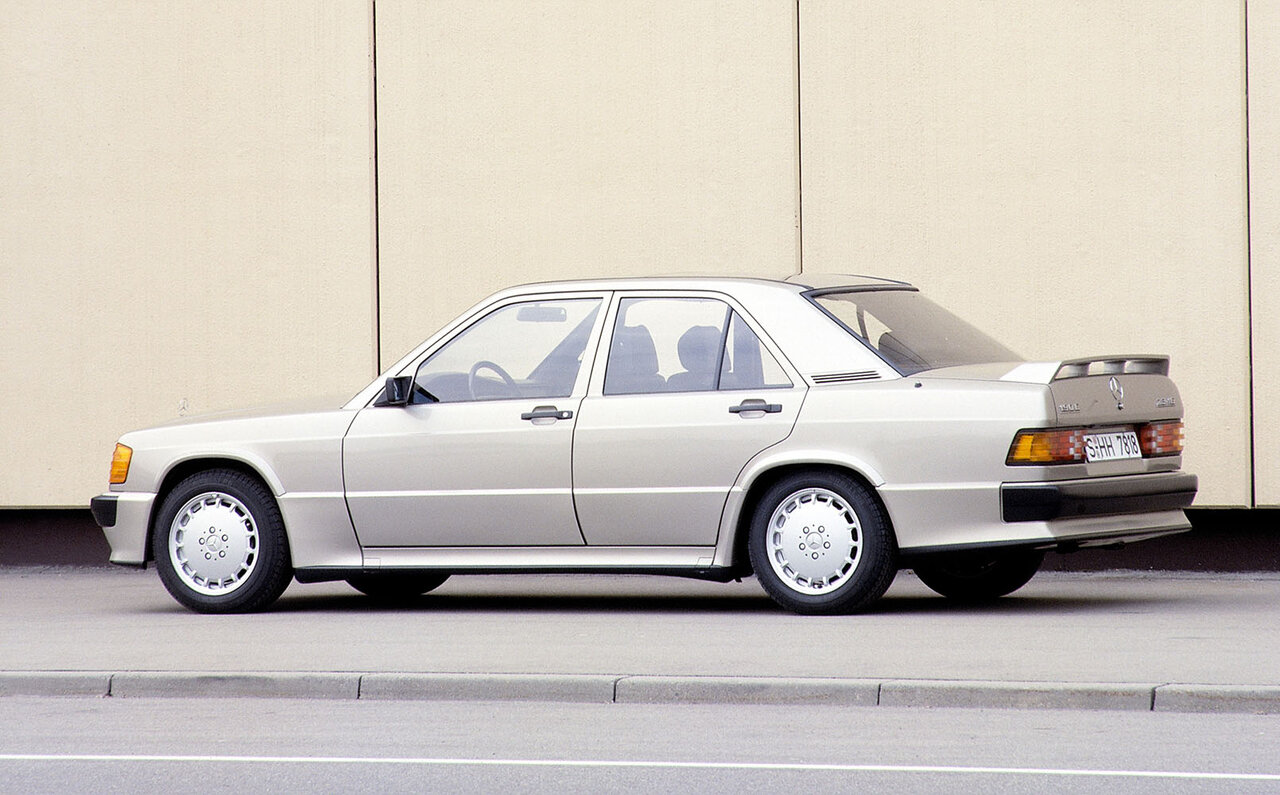
Mercedes-Benz 190E 2.3
If you're buying, opt for the "190E 2.3" with its larger displacement engine, or the "190E 2.6" with its six-cylinder engine. While rare and potentially subject to condition issues, the "190E 2.3-16" with its sporty engine tuned by Cosworth UK is also worth seeking out.
Crucially, remember that Mercedes-Benz vehicles have short maintenance intervals. Even if you find a reasonably priced car, inspections can be surprisingly costly. By regularly replacing parts, these cars can be driven for over a million kilometers. That is the philosophy behind Mercedes-Benz's engineering.
2) Volkswagen Golf II (1983-)
A Design So Timeless It Commands Respect Even in 2022
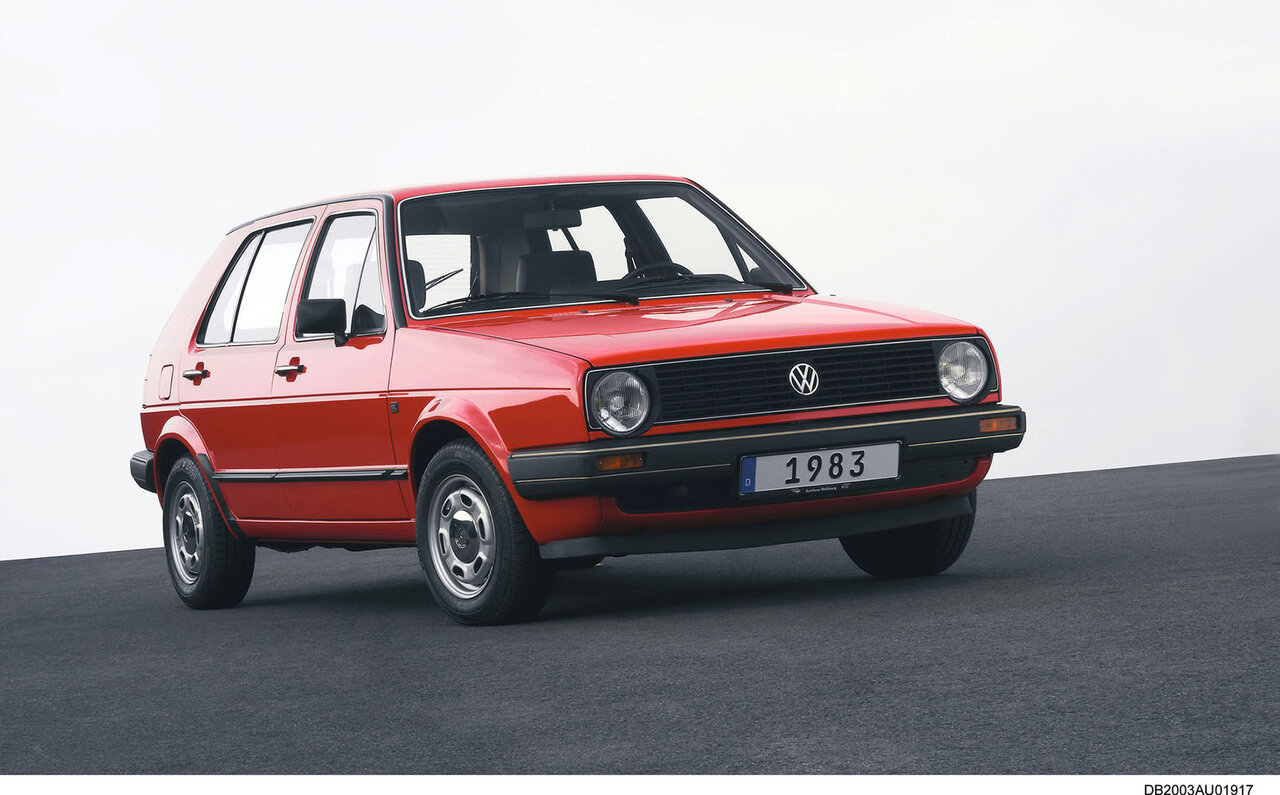
This model is surprisingly popular among young people in Japan today. It debuted as the successor to the first-generation Golf, produced from 1974 to 1983. At the time, we thought it looked rather stubby, but even in 2022, it doesn't look dated at all. The designer's skill is truly commendable.
With its compact body, just under 4 meters long, and equipped with an engine primarily around 1.8 liters, it offers excellent usability. Producing only 90 horsepower (compared to the 110 horsepower of modern 1-liter Golfs), it's not a particularly fast car.
However, its steering system, though heavy, provides a solid feel, and it pairs well with the highly controllable suspension. While it exhibits a slight tendency towards understeer (the car wanting to push outward in corners), its overall handling is precise. Its light weight of around 900 kg contributes to its surprising speed, even on downhill winding roads today.
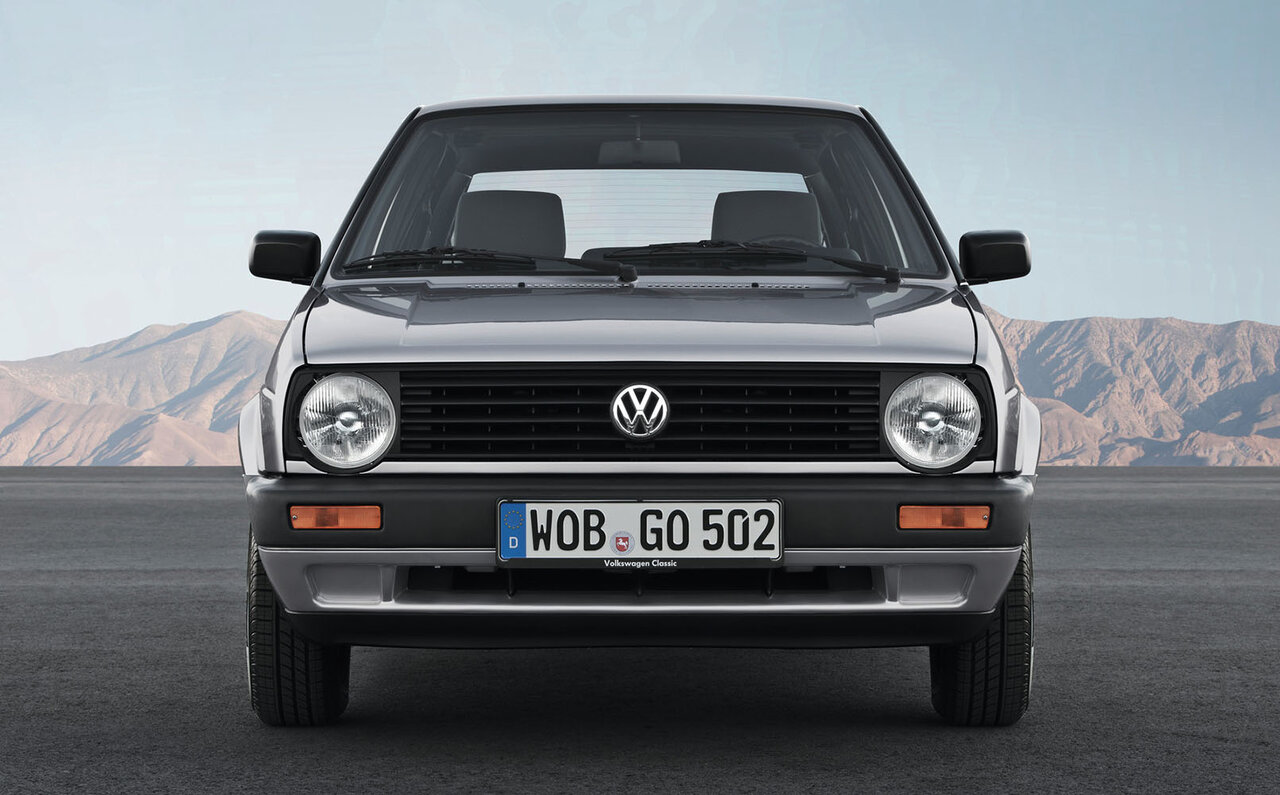
Volkswagen Golf II
The dashboard is essentially a block of synthetic resin, but the tactile feel of the controls is satisfying, and the seats are well-made. With a wheelbase of 2475mm, it's compact, making the rear seats somewhat cramped, though not as much as in the first generation. But that's to be expected.
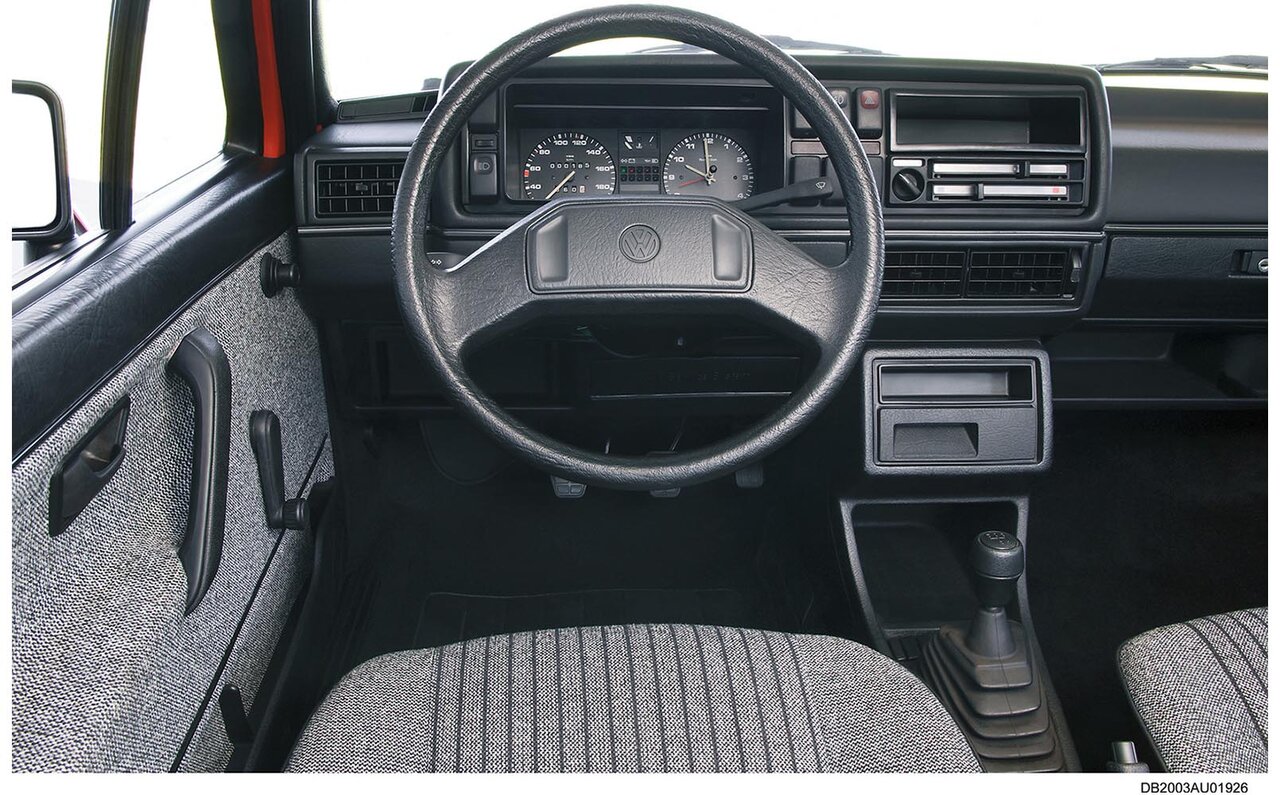
The instrument panel of the Volkswagen Golf II. Its simple design feels refreshingly modern.
There are numerous specialist shops, and if you find a local garage with experienced mechanics, they should be able to maintain it properly.
3) Volkswagen Golf Cabriolet (1980-)
Its Rugged Charm Fits the Current Mood Perfectly
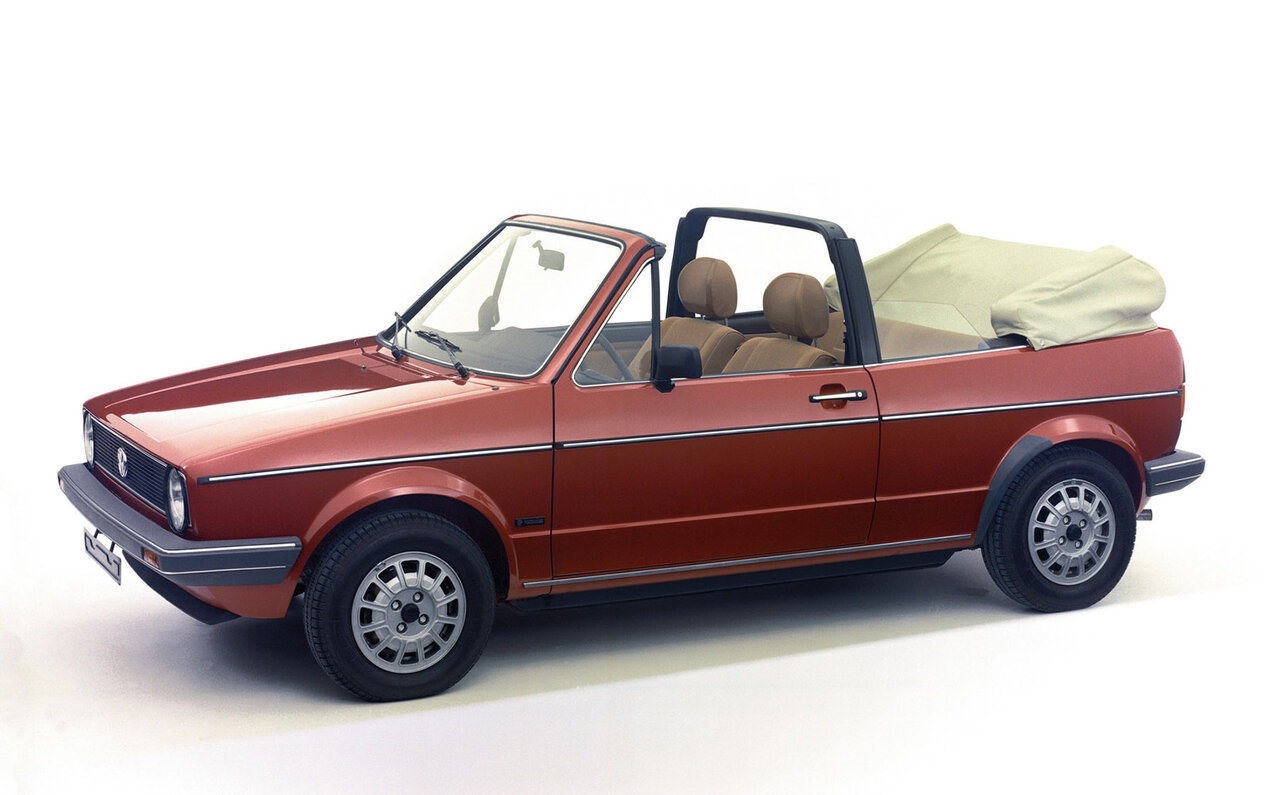
Volkswagen actually excels with its cabriolets. The full open-top bodies offered on the Golf, following the legacy of the Beetle, masterfully combine practical bodywork with the somewhat hedonistic pleasure of a soft top. They possess a unique charm.
When the Golf gained a variation featuring a robust, weather-resistant cabriolet top, reminiscent of the original Beetle, I was initially surprised by its somewhat awkward appearance. In early models, the large soft top obstructed the view from the interior rearview mirror.
However, as time passed, this car gradually grew on me. Its seemingly thick body provides a sense of security, and the silhouette when the top is up is elegantly composed. When the top is down, its rarity offers a distinct sense of occasion, guaranteed.
The roll bar remains visible, which is unavoidable. But you don't see it when you're driving. While the fourth-generation (2011-) model might be the most aesthetically pleasing Golf cabriolet, the first generation, known as the "Cabrio" in Japan, might resonate particularly well today due to its unpretentious character. Seeing one occasionally on the street still makes me look twice.
4) BMW 3 Series (1982-)
The 3 Series with the Most Balanced Styling
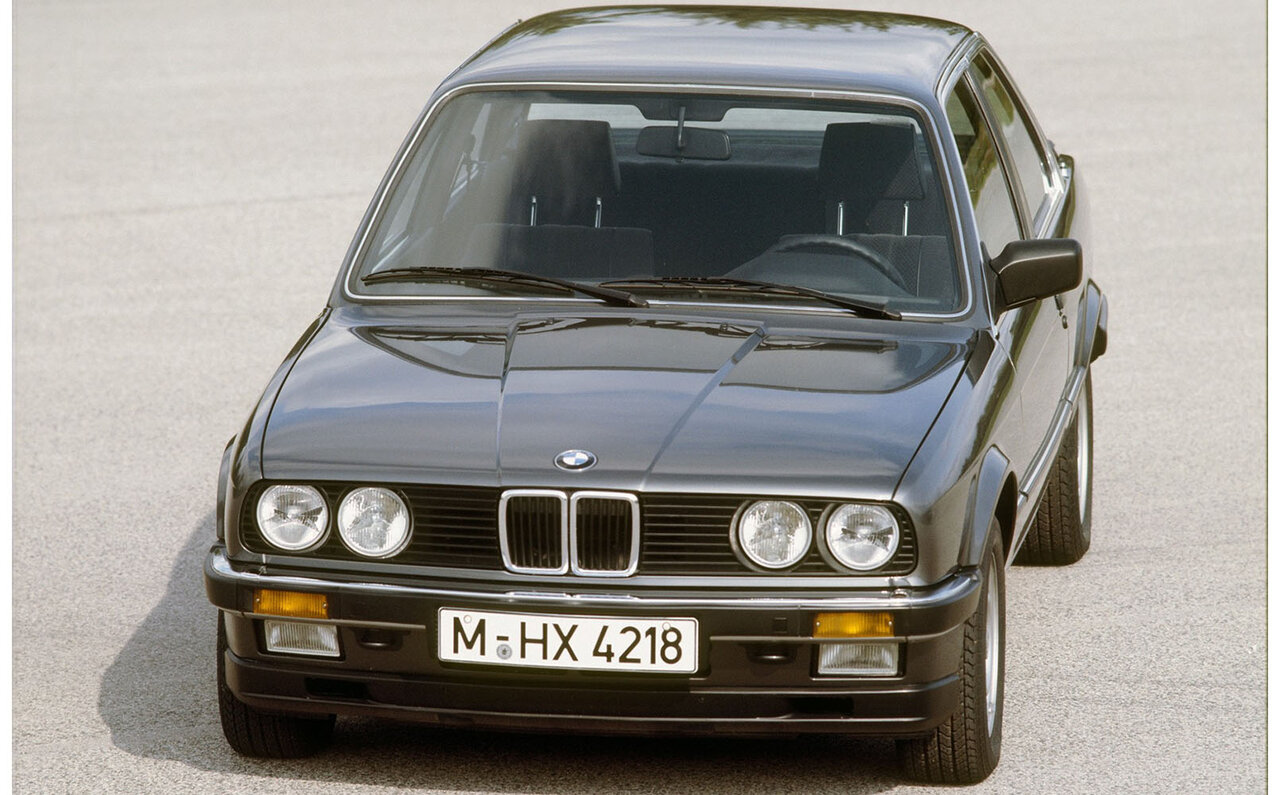
Arguably, this is the 3 Series with the most balanced styling. The proportions of the body, cabin, and wheels are exceptionally well-matched.
The second-generation 3 Series, known as the E30, is quite compact at 4325mm in overall length. Its slender body, cabin with large glass areas, and four-headlight configuration exude both sportiness and elegance.
Its performance is impressive; even the 1.8-liter model initially introduced to Japan offered acceleration far surpassing Japanese cars of the era. While many BMW enthusiasts associate the brand with inline-six engines, satisfaction truly arrived with the 320i, equipped with a six-cylinder engine, introduced in 1987. Nevertheless, with its well-tuned suspension, driving the rev-happy four-cylinder is still thoroughly enjoyable.
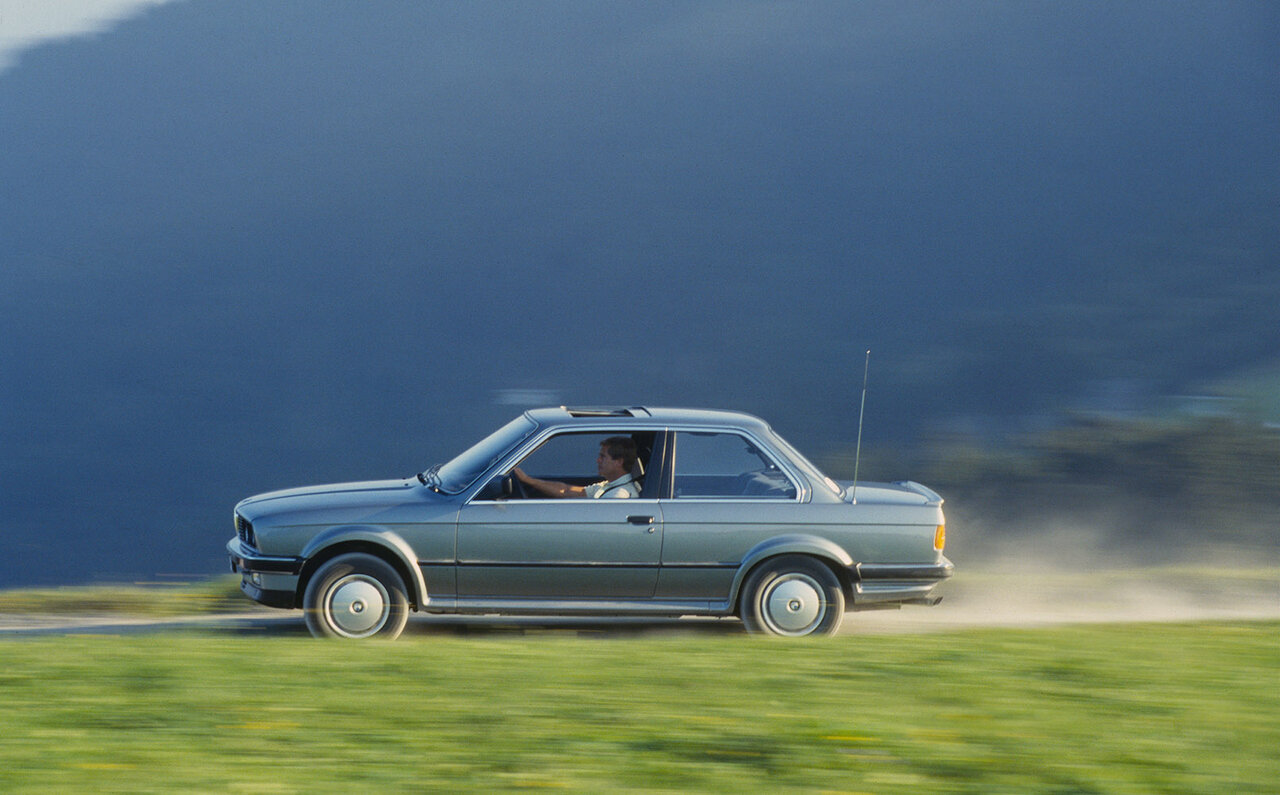
Another significant advantage is its build quality. While the seats are somewhat firm, the dashboard is angled towards the driver—a classic sporty sedan layout known as the "central theme." Furthermore, the tactile quality of the controls was something Japanese cars of the time simply couldn't match, no matter how hard they tried.
I still desire this compact body today. Weighing only about a ton, it feels agile in every aspect. In an era where vehicle bodies are increasingly enlarged to meet crash safety standards, I recall a development representative from the parent company stating at the launch of the current 3 Series, "Cars like this will never be made again." In that sense, the E30's charm continues to shine, even with its age.
5) Audi 100 (1982-)
A Striking Design Centered on Aerodynamics
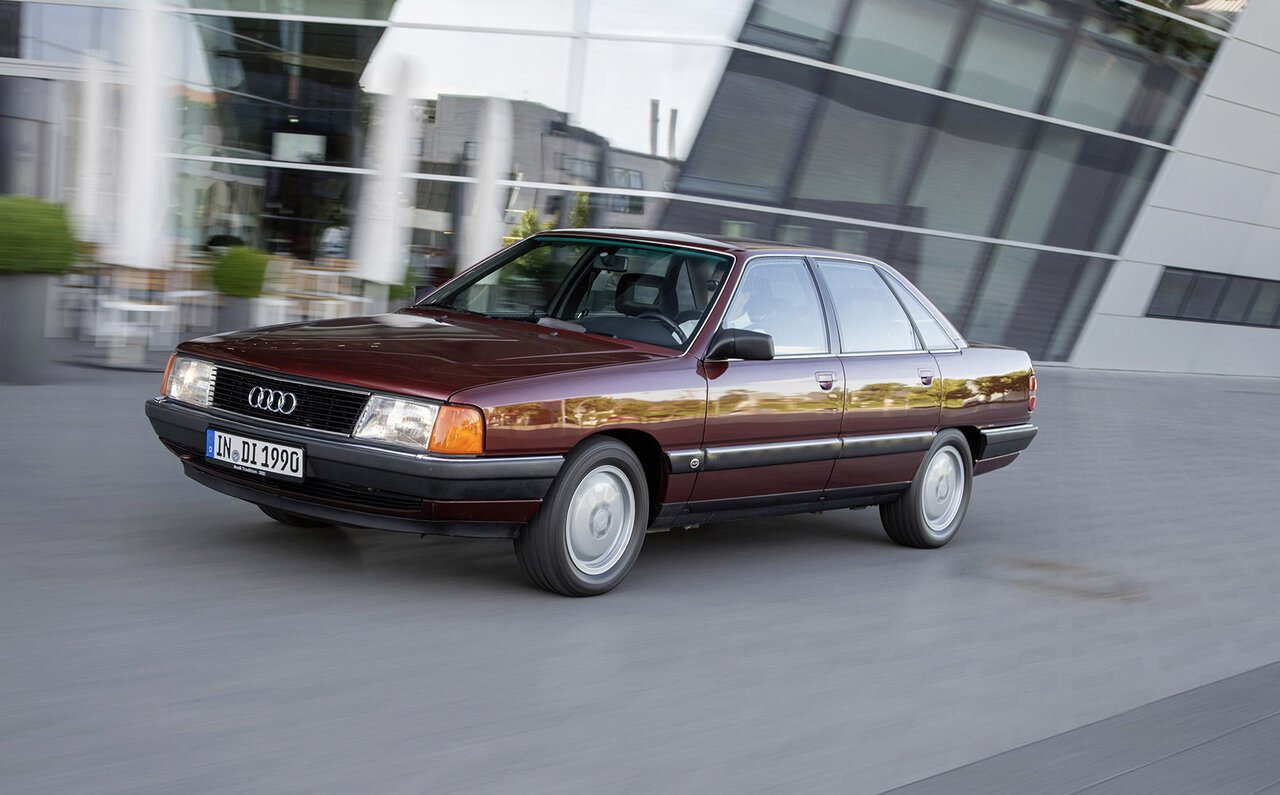
The full model change and announcement of the Audi 100 were revolutionary. For the first time, the concept of "aerodynamics," previously unknown to most, became a central theme in its design.
The first-generation Audi 100, introduced in 1968, had a 4.5-meter body that felt spacious for its time, yet possessed a tasteful styling that avoided appearing ostentatious. Cynics used to say that the Audi 100 was the car purchased by Turkish laborers in Germany to showcase their success back home.
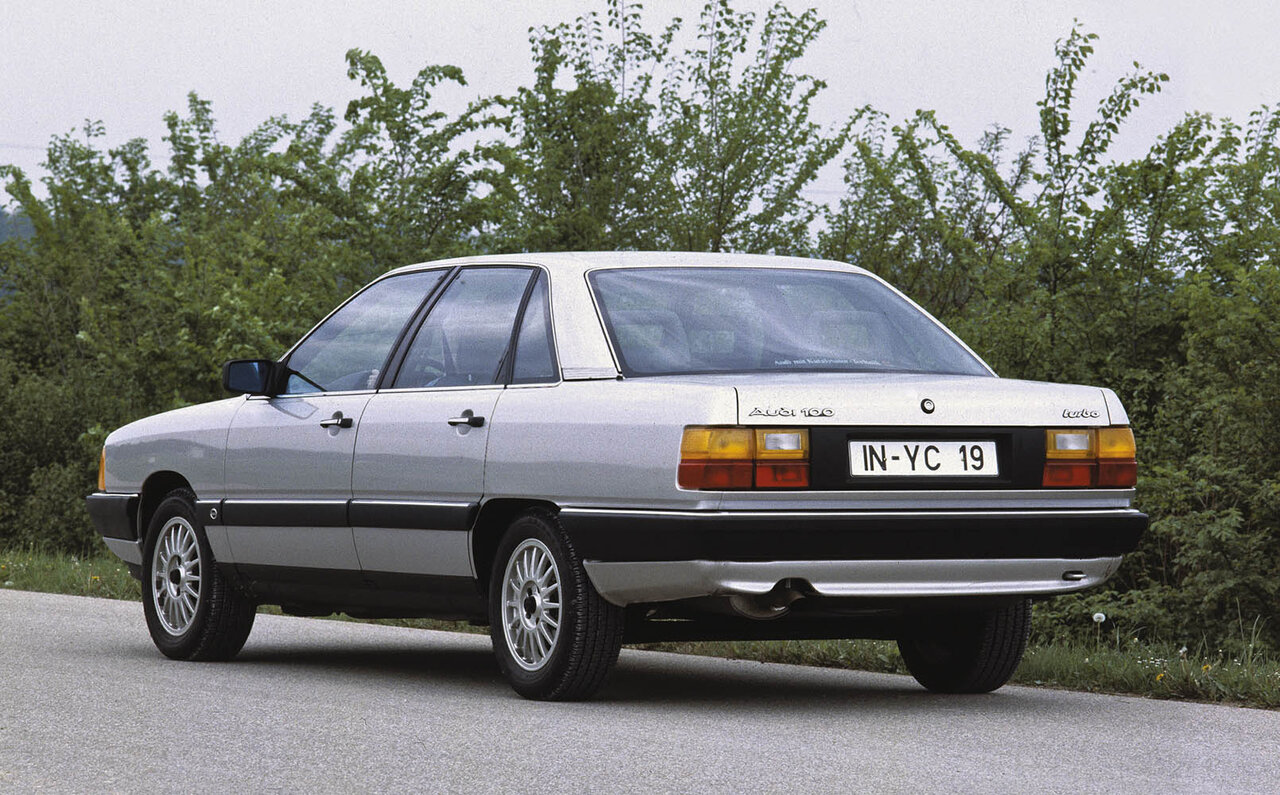
The side windows, with virtually no seams between them and the pillars, were a novel design feature.
The 1982 Audi 100, through its engineering prowess, successfully entered the premium brand segment previously dominated by Mercedes-Benz and BMW. Even the side windows, with their seamless integration into the pillars, demonstrate meticulous design.
The quality of the dashboard is remarkably high, even by today's standards. Smooth curves and functional switch placement, along with the orange backlighting, were impressive then and remain so now. The deeply curved backrests of the front seats, creating ample space for rear passengers, also reflect the designers' thoughtful consideration.
In 1984, the "quattro system," Audi's signature all-wheel drive, was introduced alongside its focus on aerodynamics. The 100 quattro of that era was favored by those with financial means and a youthful outlook.
It seems that, with some searching, reasonably well-maintained examples, particularly of the front-wheel-drive models, can still be found. While a wagon version, the "Avant," exists, I personally find the sedan more aesthetically pleasing.
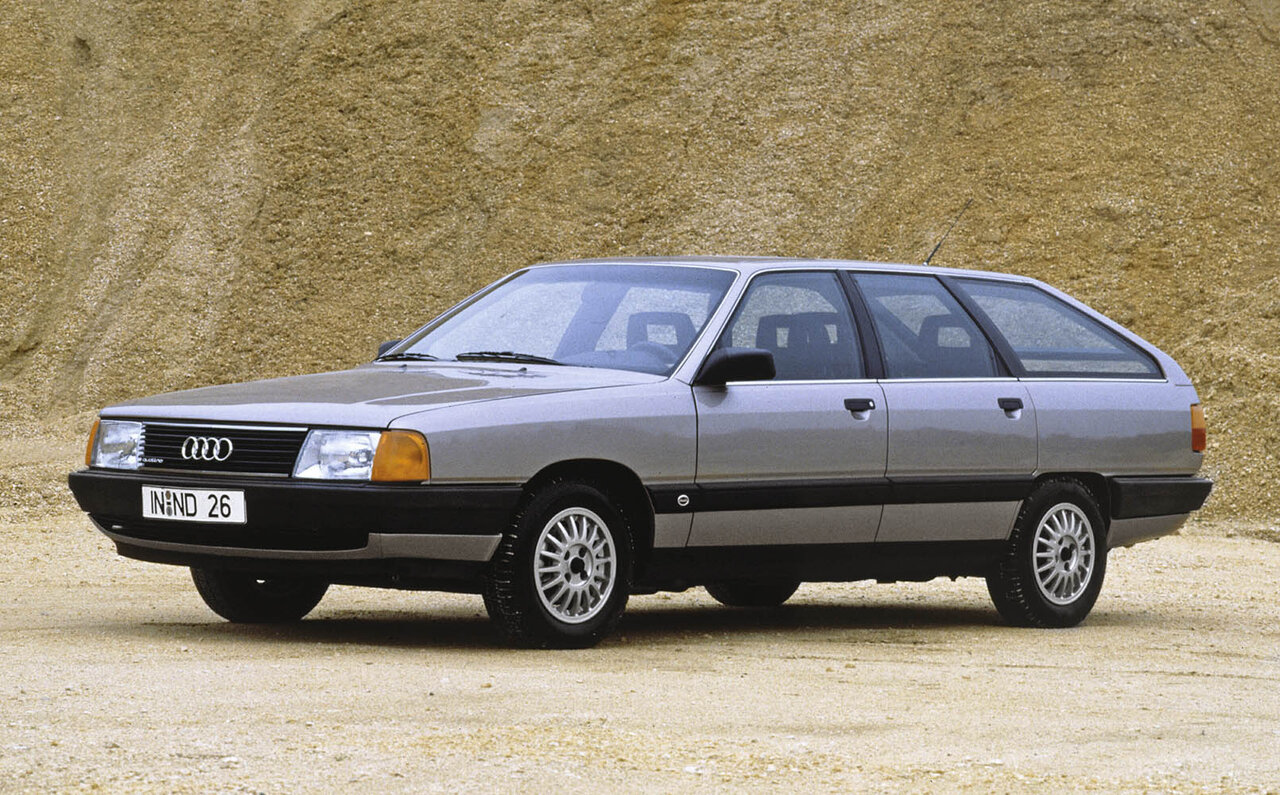
Audi 100 Avant
The steering wheel's resistance is quite heavy by today's standards, perhaps even challenging for some women. Of course, as it's designed for passenger car use, one can get accustomed to it. Apparently, this "getting used to it" is part of the joy of ownership.