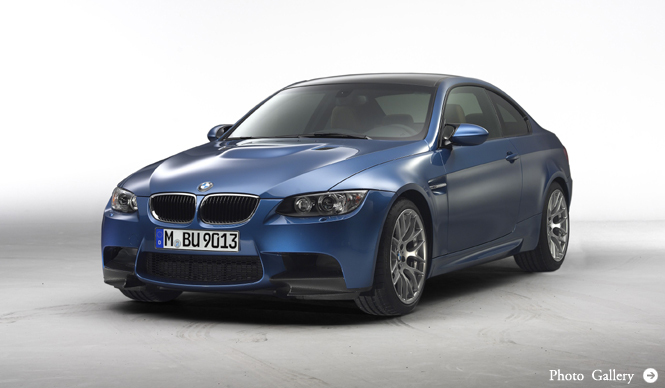
BMW M3 | Enhanced Performance and Environmental Credentials
BMW M3
Enhanced Driving Dynamics and Environmental Performance
BMWhas announced a minor model change for its "M3" series for the European market.
Text by Giraffe
Idling Stop Function
The most notable aspect of this update is the adoption of an idling stop system, known as the "Auto Start-Stop Function." Currently, the M3 series offers a lineup of coupe, sedan, and convertible (not available in Japan) models. All are powered by a 4.0-liter V8 engine (420 ps) that meets Euro 5 emissions standards, paired with either a 6-speed manual or a 7-speed dual-clutch "M Double Clutch Transmission." The idling stop function has now been integrated into both transmission options.
This results in an improvement of up to 8 percent in European combined cycle fuel economy, with the coupe achieving 8.06 - 8.93 km/l and the sedan and convertible achieving 7.87 - 8.7 km/l, compared to previous figures.
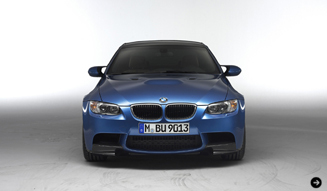
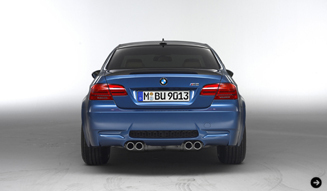
Exterior Changes Aligned with the 3 Series
Exterior modifications are minimal, with the coupe and convertible versions of the M3 adopting the same LED taillights as the recently updated 3 Series coupe and convertible.
Additionally, the "Competition Package," available as an option for the M3 coupe and sedan, has been unveiled. This package lowers the vehicle height by 10mm, installs exclusive 19-inch Y-spoke alloy wheels, and features a dedicated sport mode tune for the "EDC" electronic damping control, along with specific DSC settings. It's a welcome option for drivers who prioritize pure driving enjoyment. The package also includes a carbon fiber rear spoiler and front apron flaps, making it a highly anticipated addition.
The latest M3 series is scheduled to go on sale in Europe starting this spring.
BRAND HISTORY
BMW is instantly recognizable by its signature "kidney grille" and quad round headlights. While consistently popular in the Japanese imported car market, surprisingly few people can immediately explain what the name "BMW" actually stands for.
Bayerische Motoren Werke. Literally translated, it means "Bavarian Engine Works." Its predecessor, Rapp Motorenwerke, was an aircraft engine manufacturer founded in 1913 in Bavaria, Germany, by Karl Friedrich Rapp. Rapp partnered with fellow Bavarian aircraft manufacturer Otto-Flugzeugwerke to achieve business success. In 1916, the company was renamed Bayerische Motoren Werke GmbH. Two years later, it reorganized as a stock corporation and registered its propeller logo, inspired by the blue skies and white clouds of Bavaria.
BMW continued to enhance its presence through innovative technology, but following Germany's defeat in World War I, it was forced to cease aircraft engine production. BMW then channeled its expertise into motorcycles, gaining attention in 1923 with the shaft-driven "BMW R32." Not content with this, the company acquired Dixi, which held a license to produce the Austin Seven. This acquisition provided a foothold in the automotive business, and in 1929, BMW launched the "BMW 3/15 PS," marking the beginning of its history as a car manufacturer.
Incidentally, Otto-Flugzeugwerke, which had a close relationship with BMW, was founded by Gustav Otto, the son of Nikolaus August Otto, who established the theory of the gasoline engine. This historical connection might explain BMW's continued focus on internal combustion engines.